
07 Oct 2026
Business Lunch Dubai: How to Accommodate Different Food Preferences at One Table
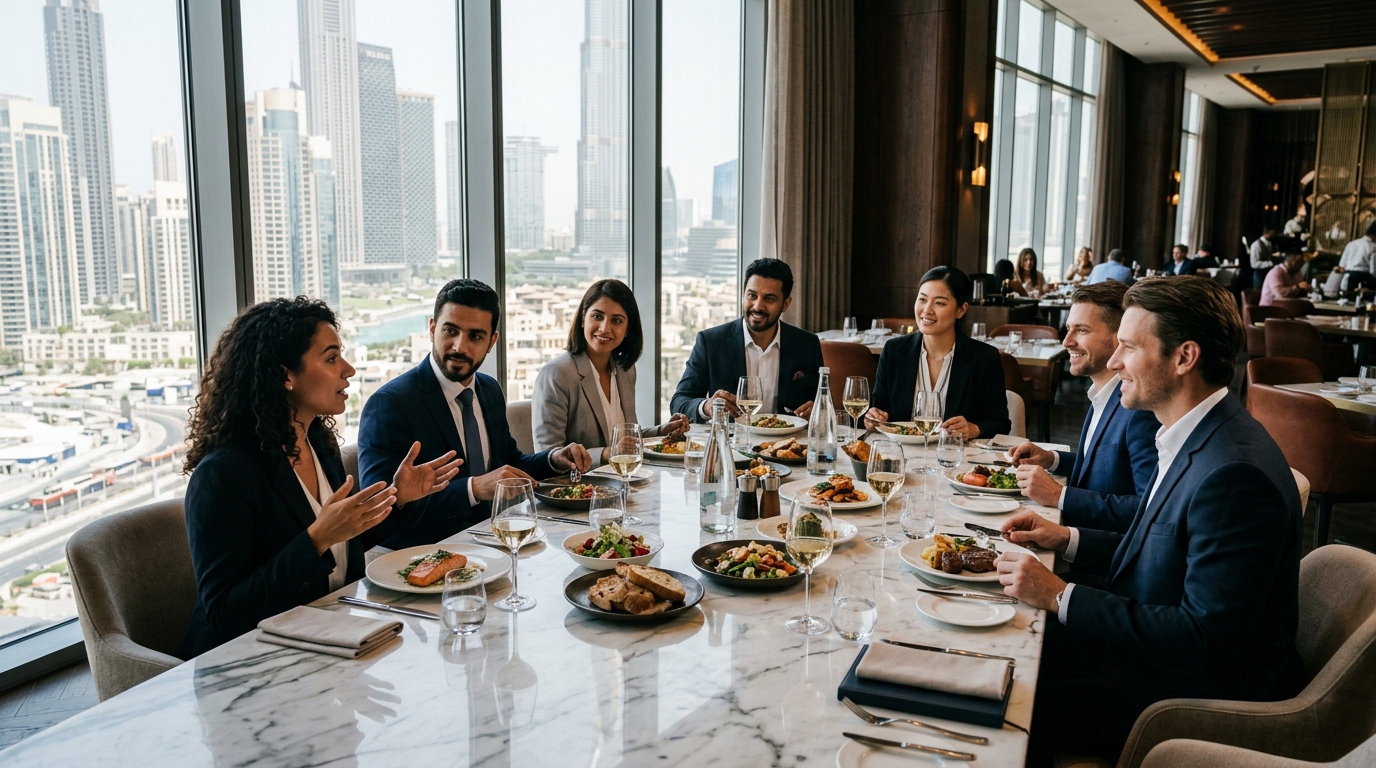
A business lunch becomes more difficult when the menu suits half the table and leaves the rest to search for alternative options. A veg client, a colleague who prefers grilled meat, and one who is looking to avoid gluten. It may all need different things from the same meal. In addition, ordering more dishes could never be the ultimate solution.
If you are planning a successful business lunch Dubai, you should ask for a better approach for an ultimate experience. Try to identify the groups’ needs, evaluate the menu, and decide what dishes should be shared. Also, what should be kept as an individual?
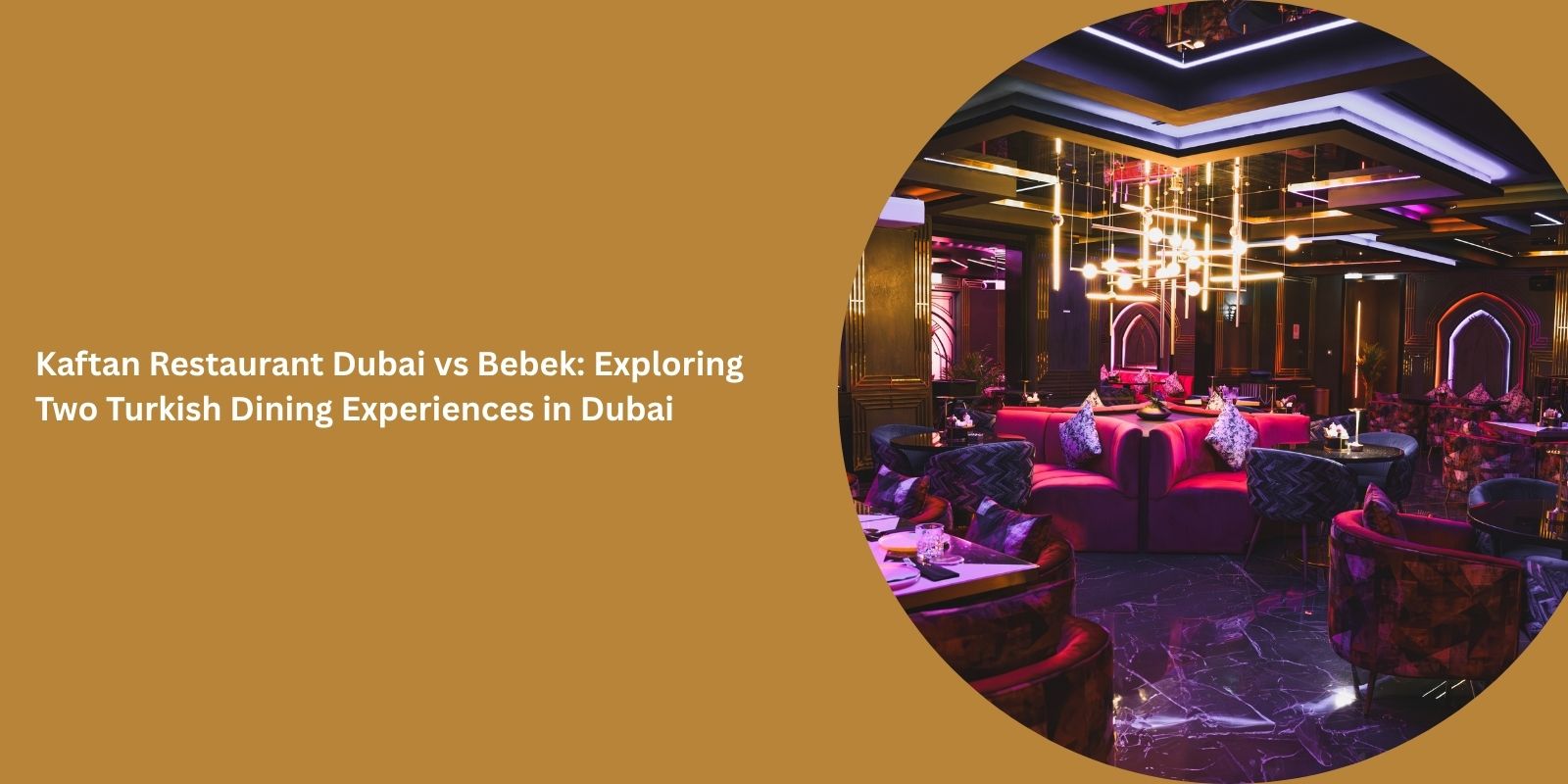
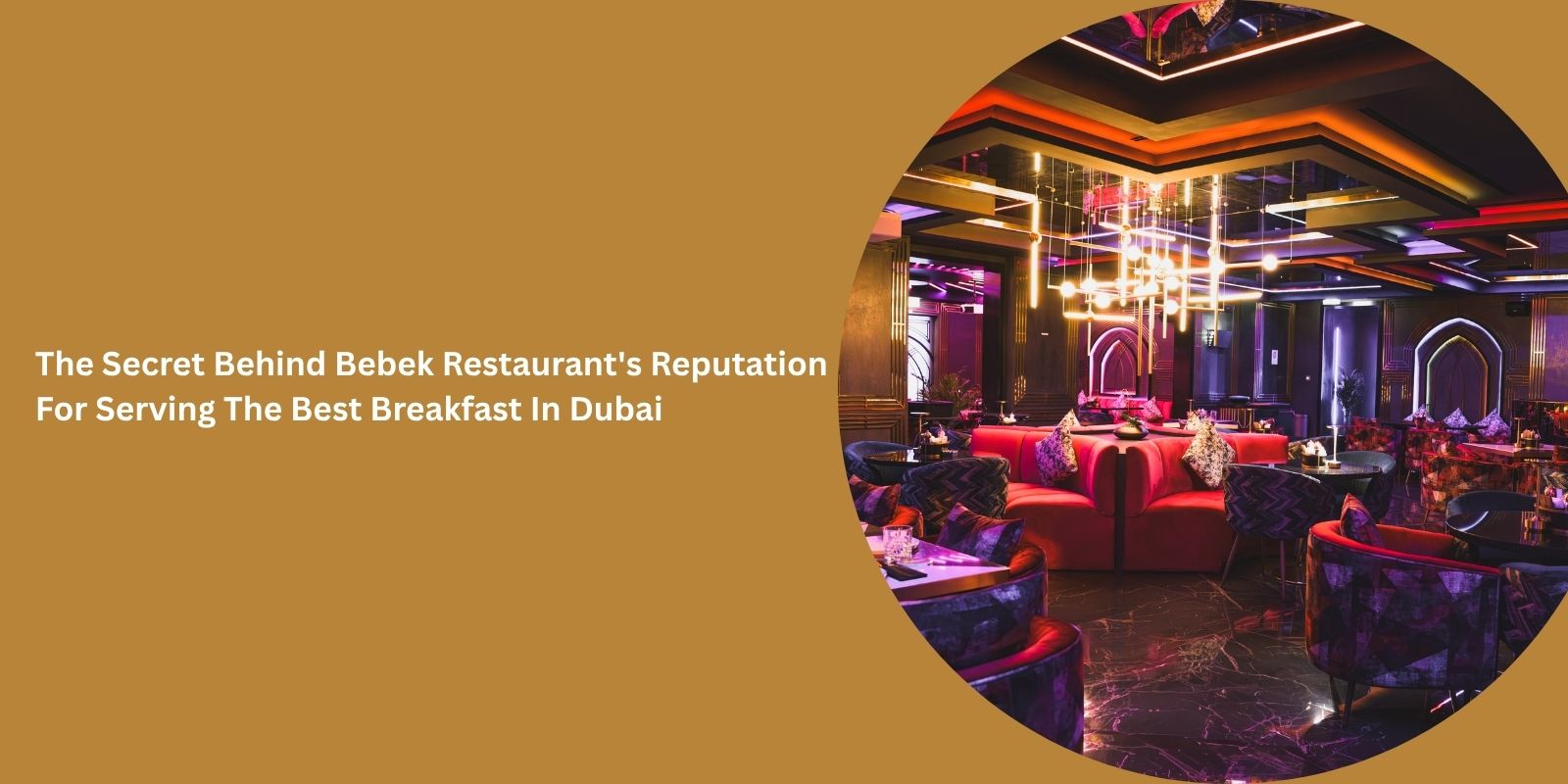
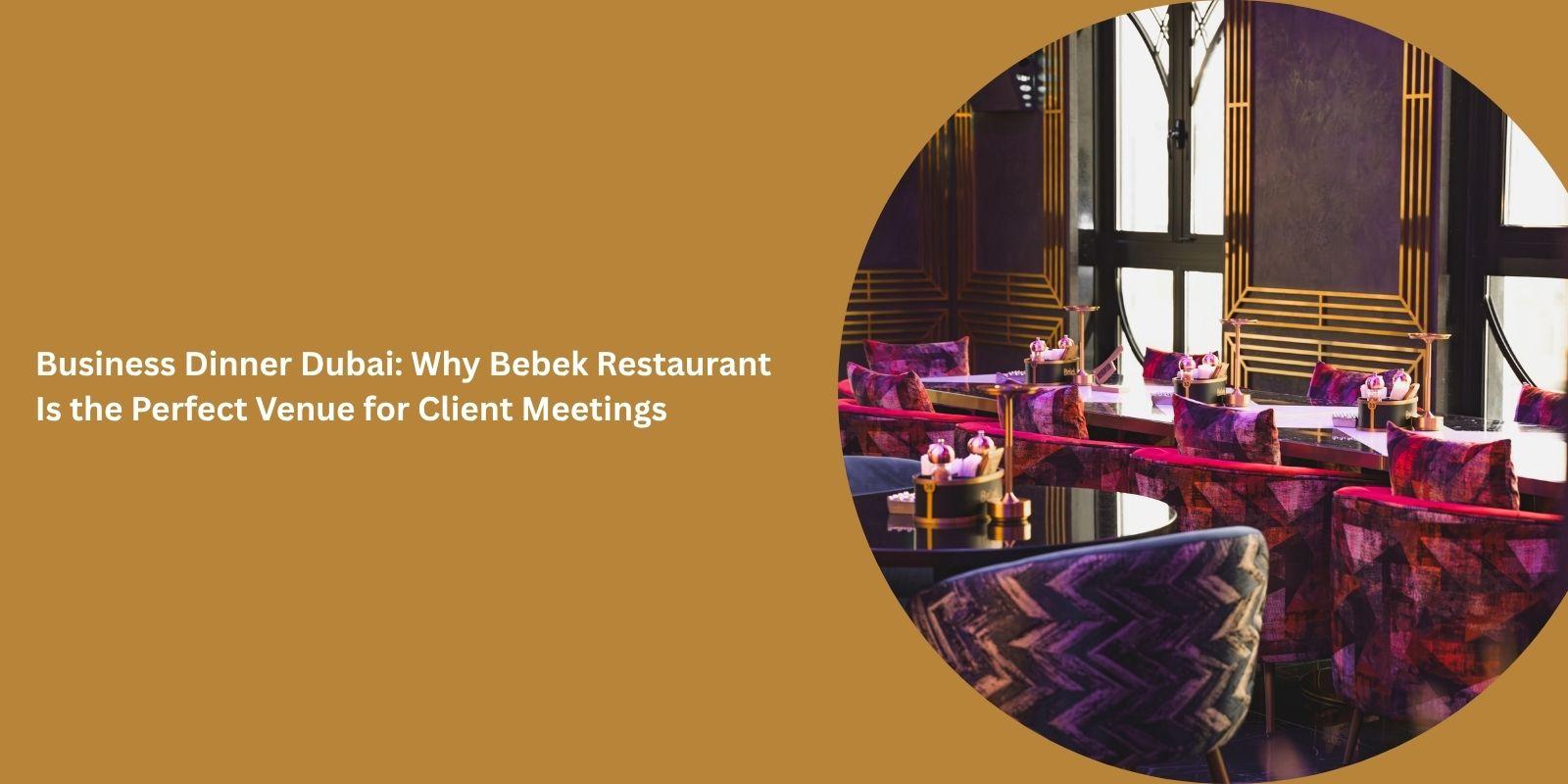
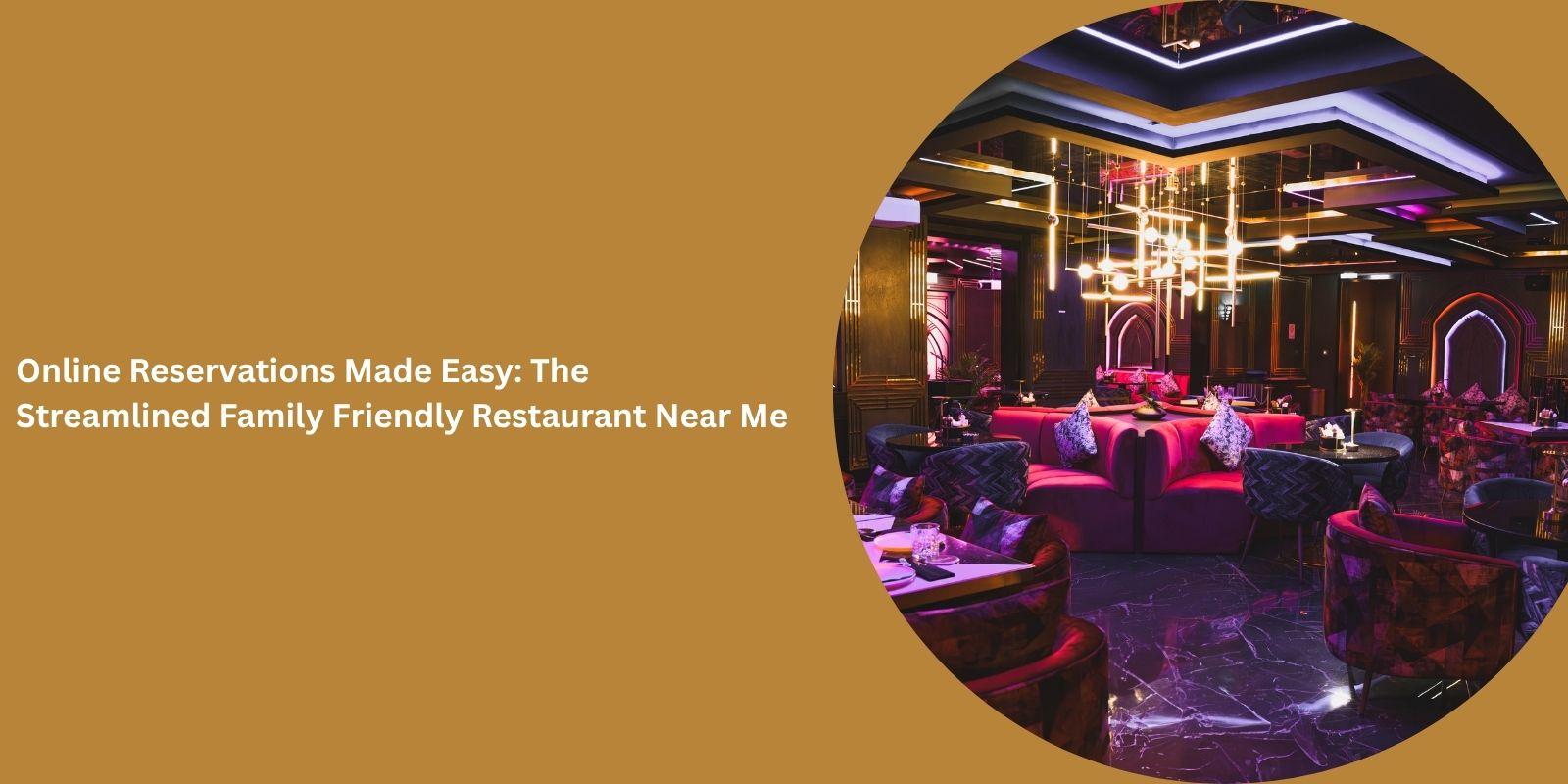
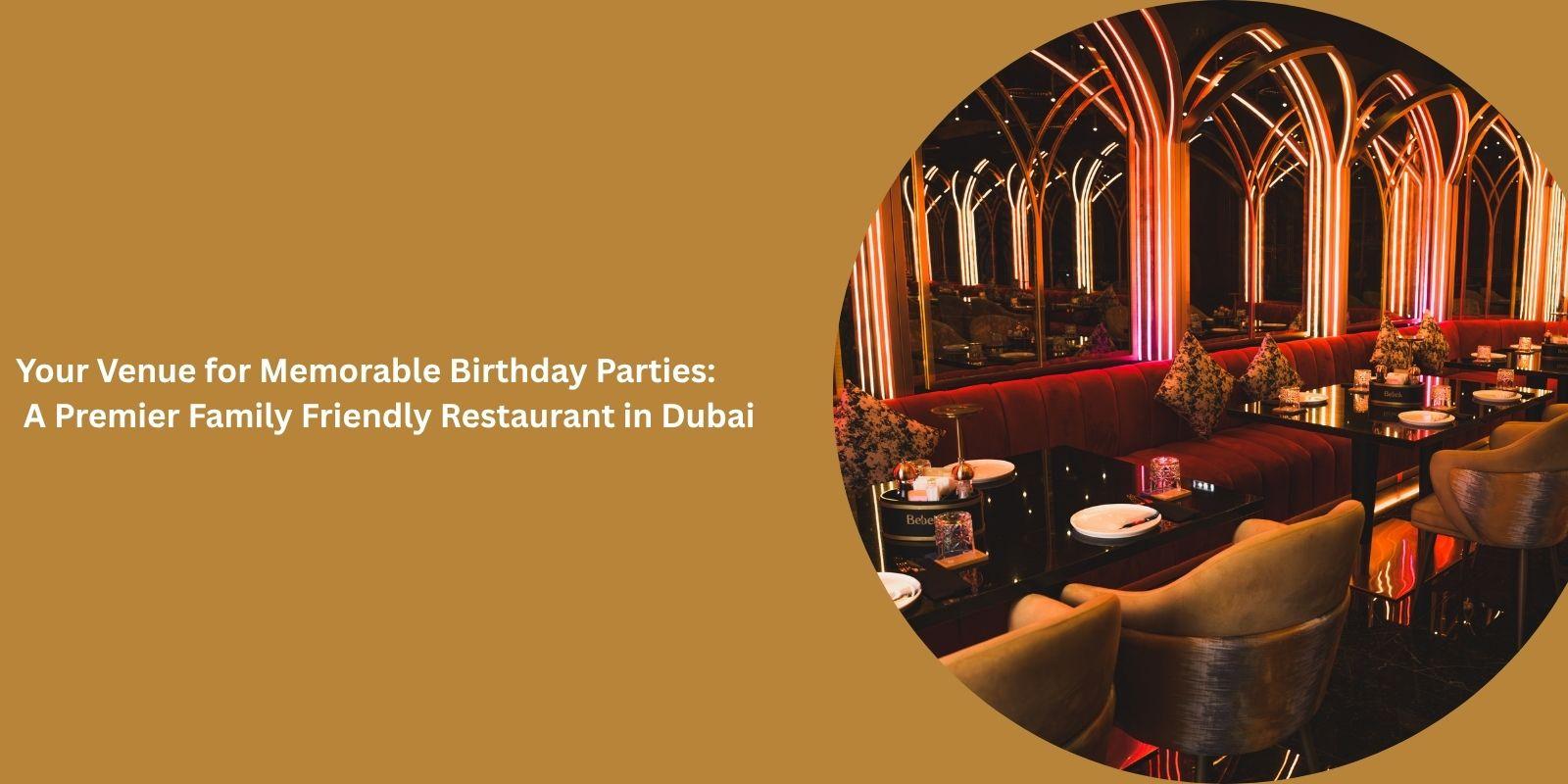
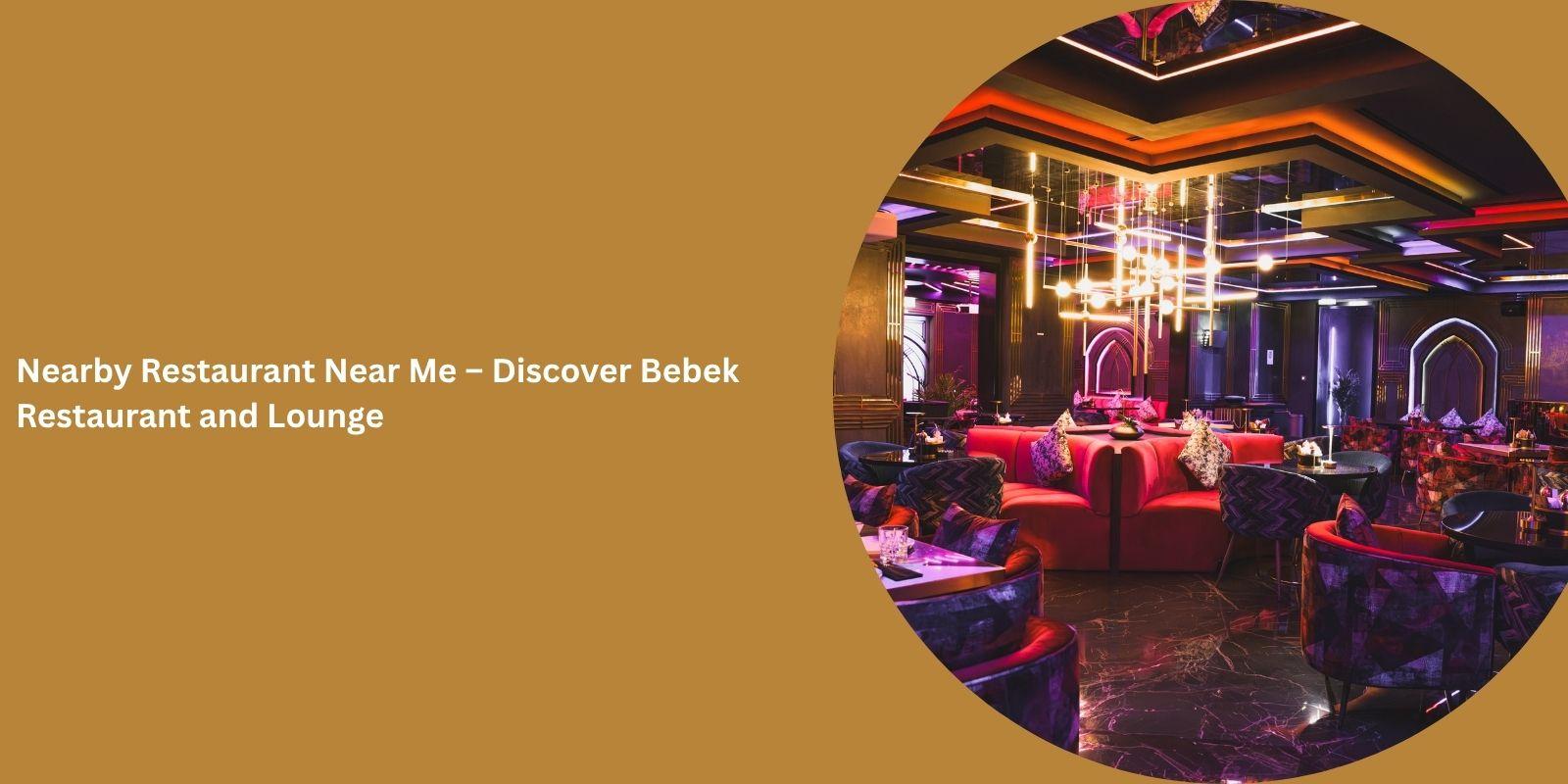
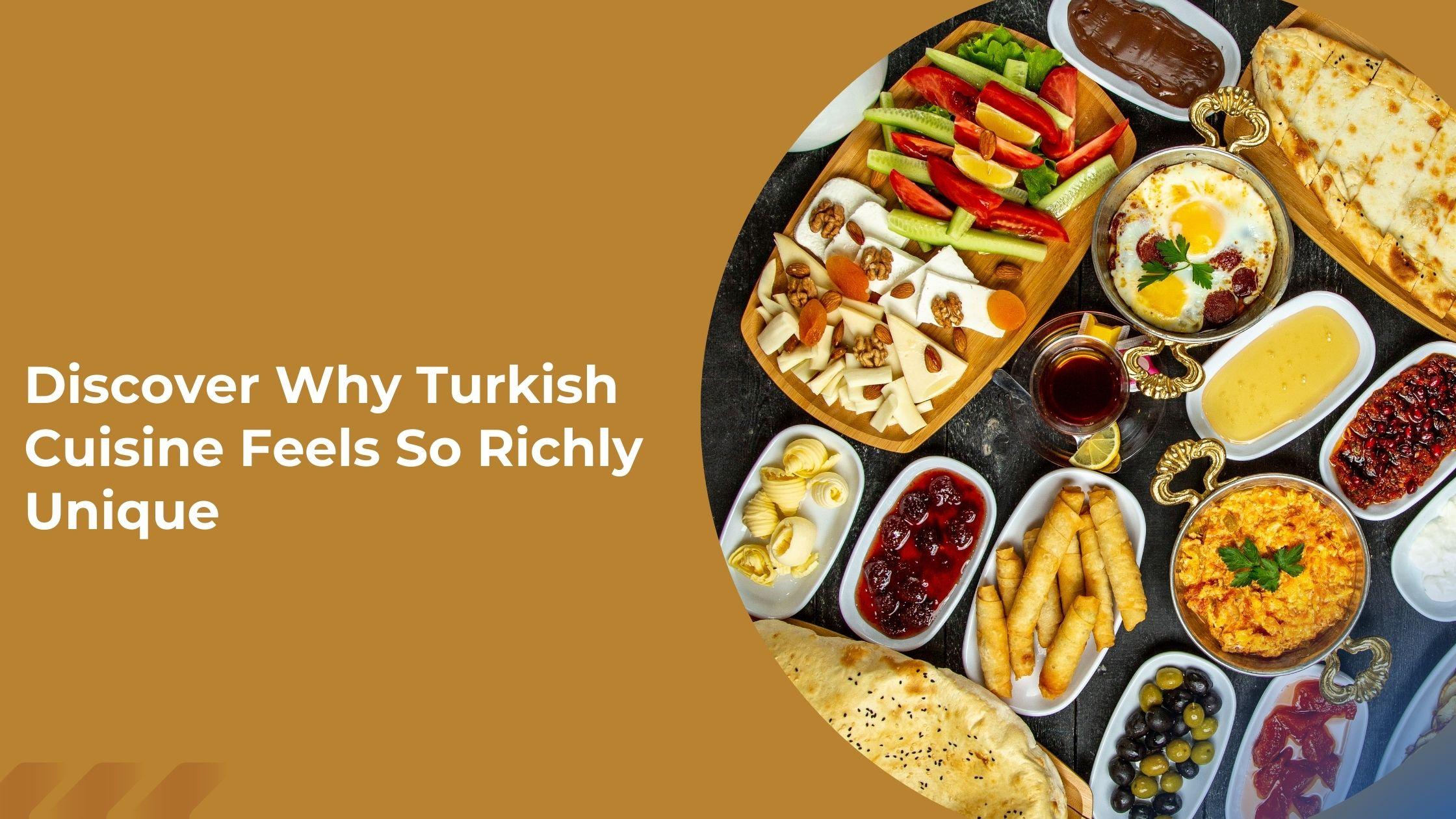
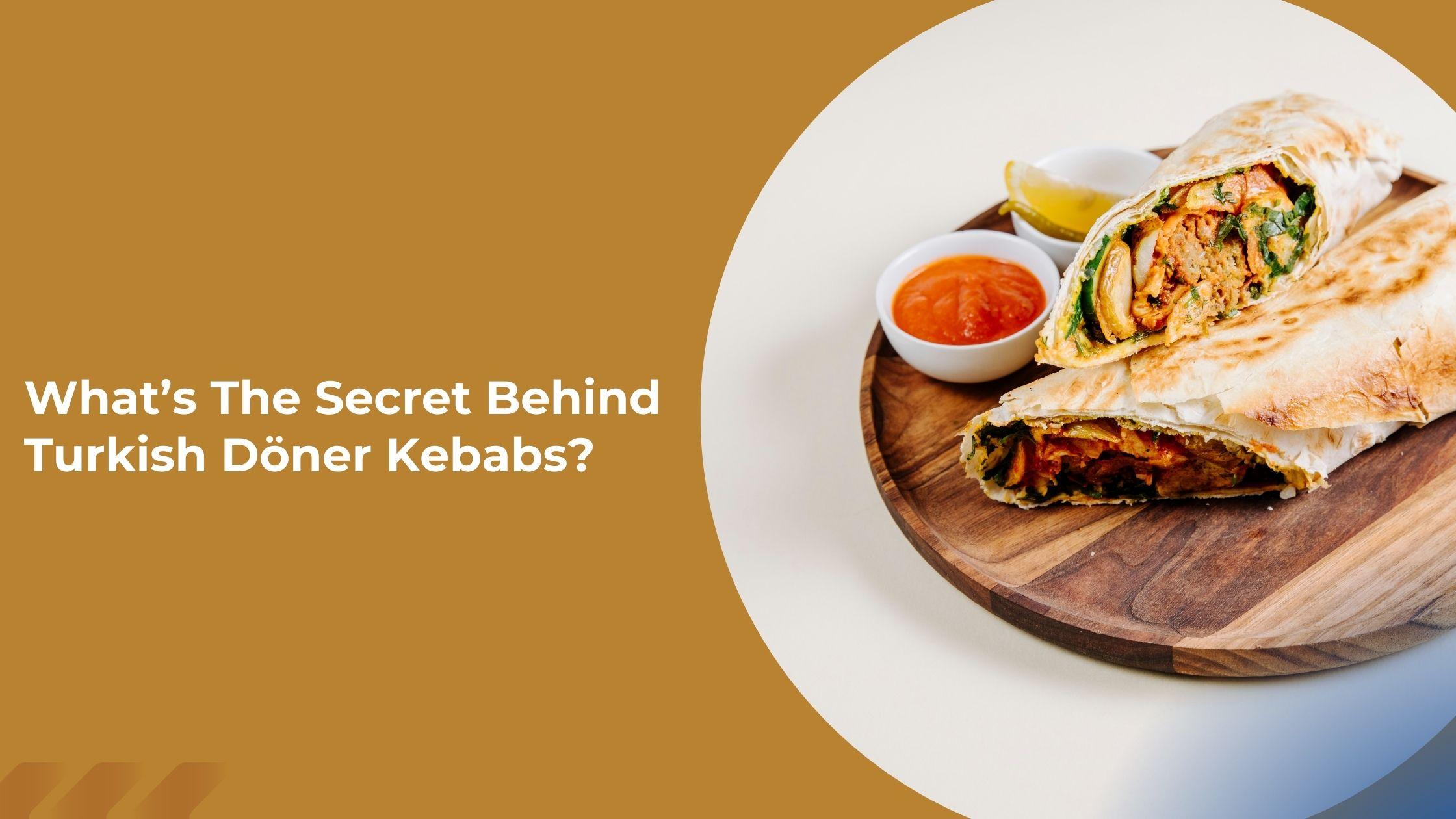
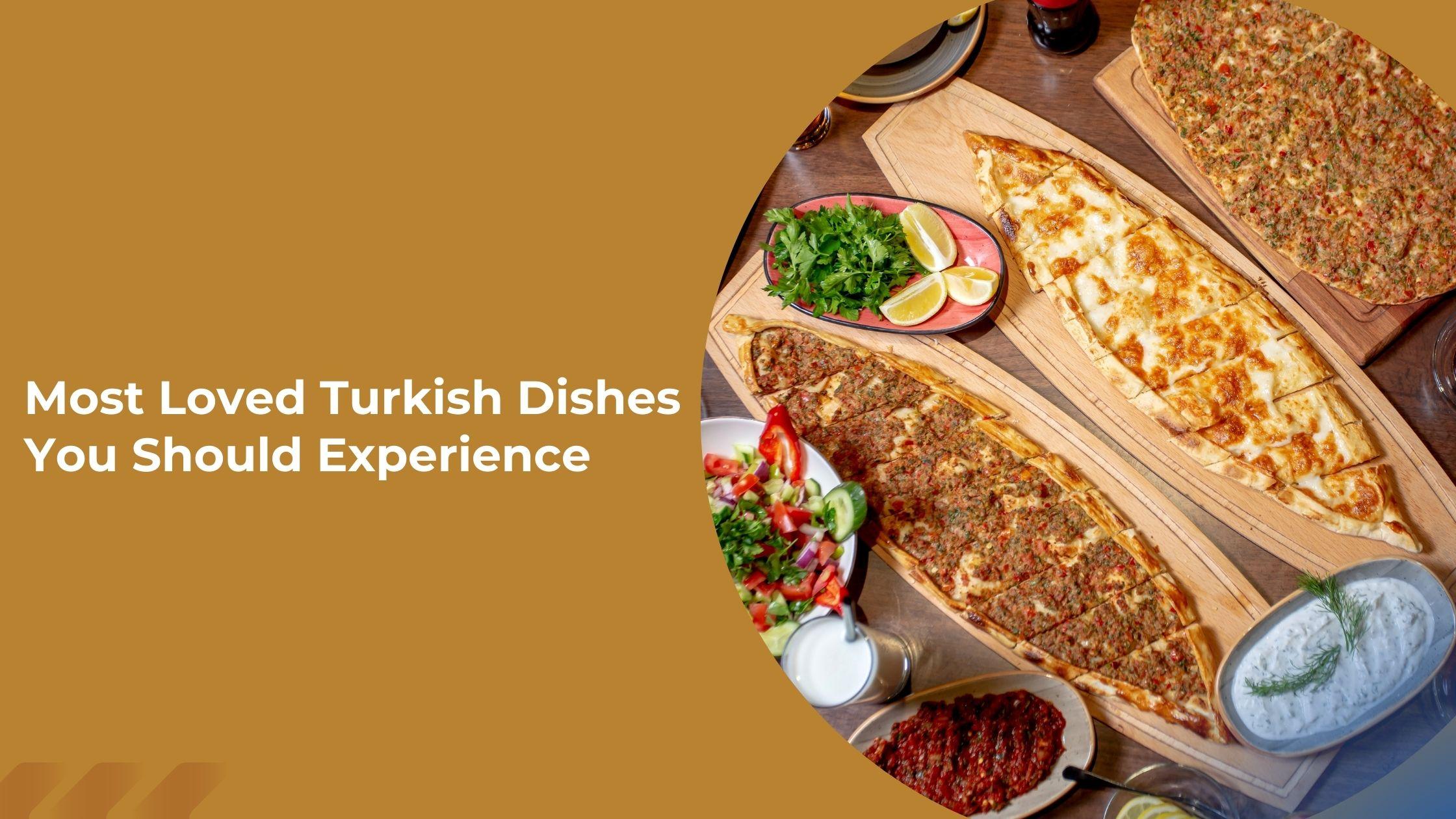
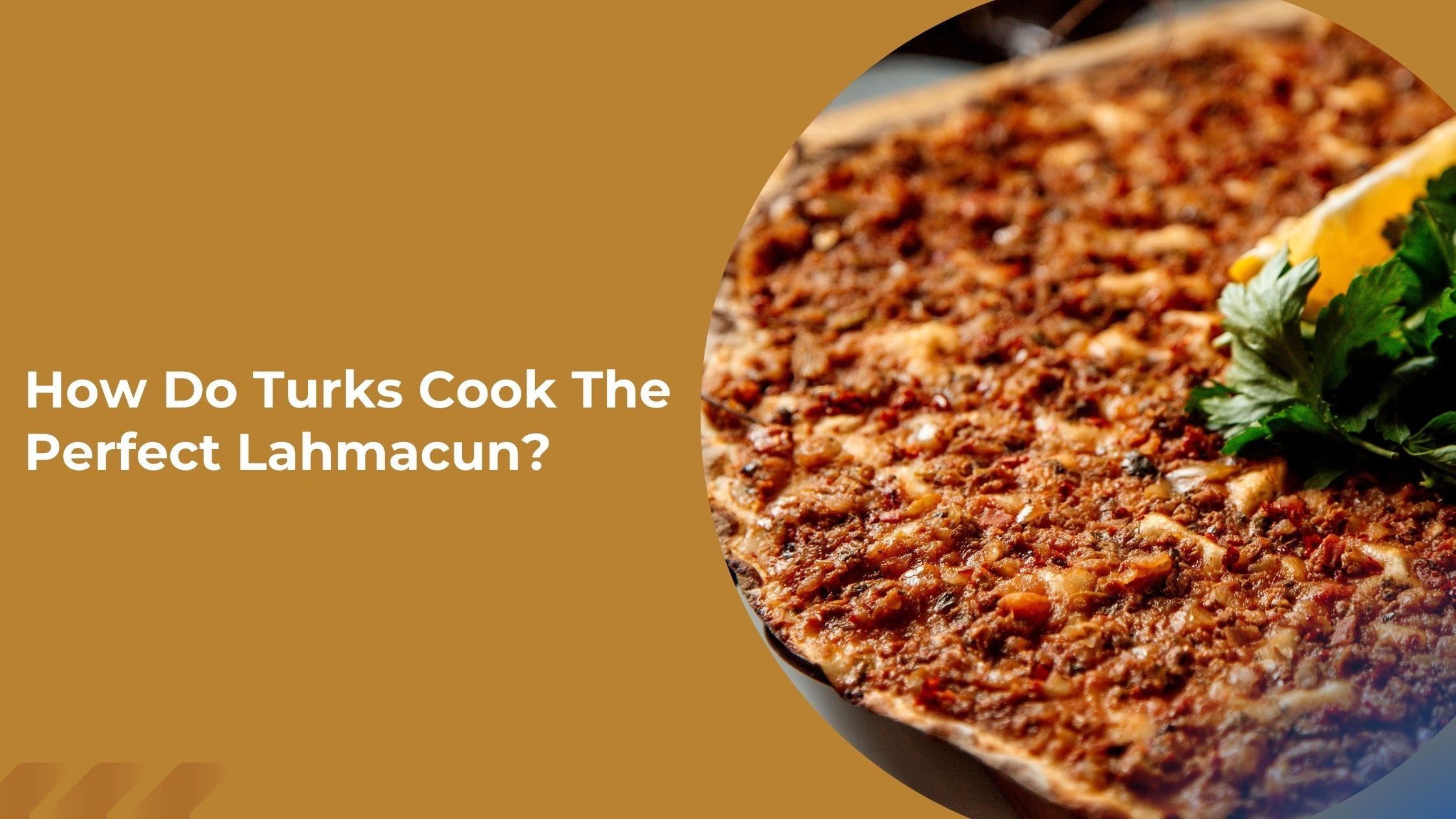
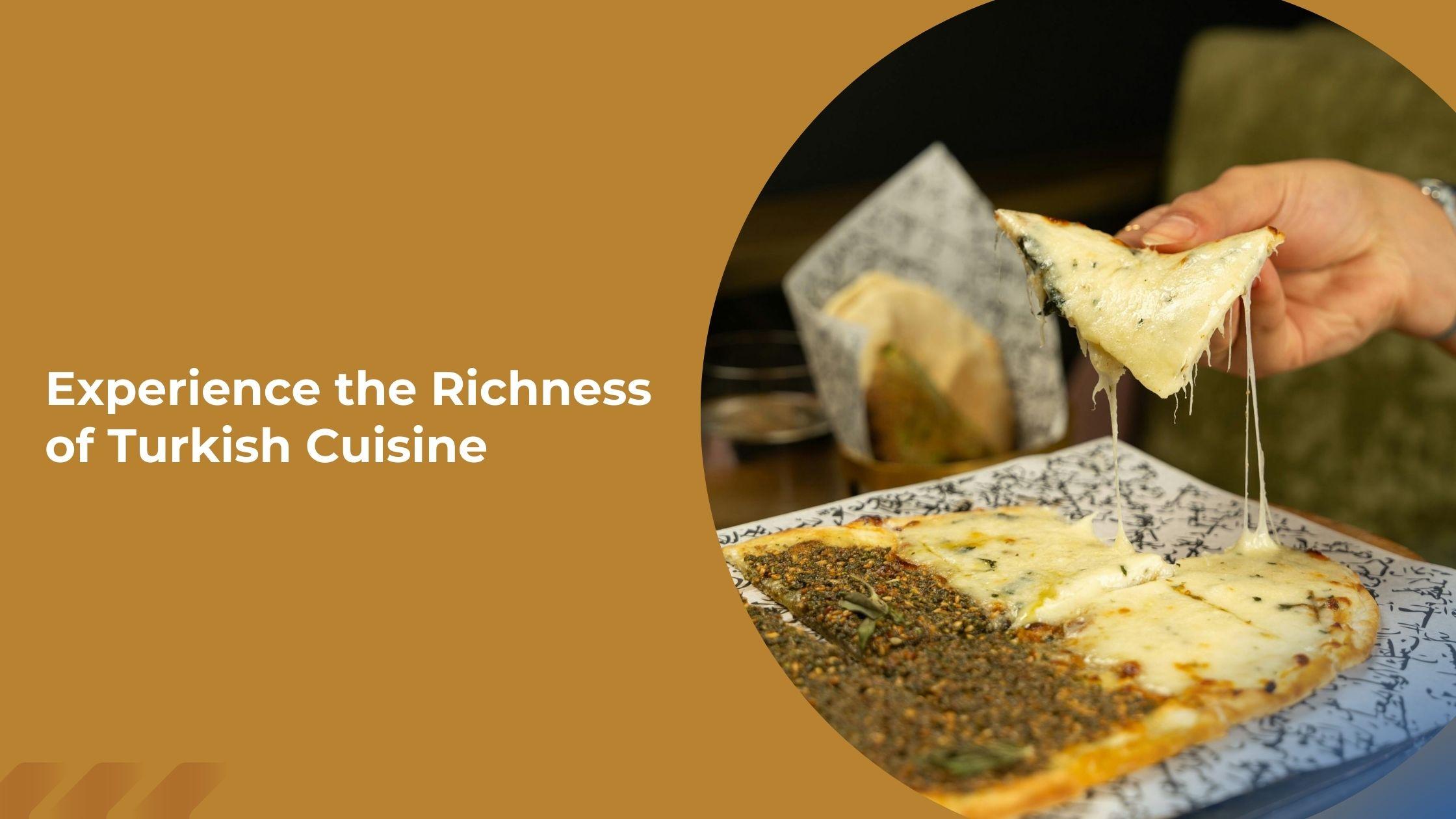
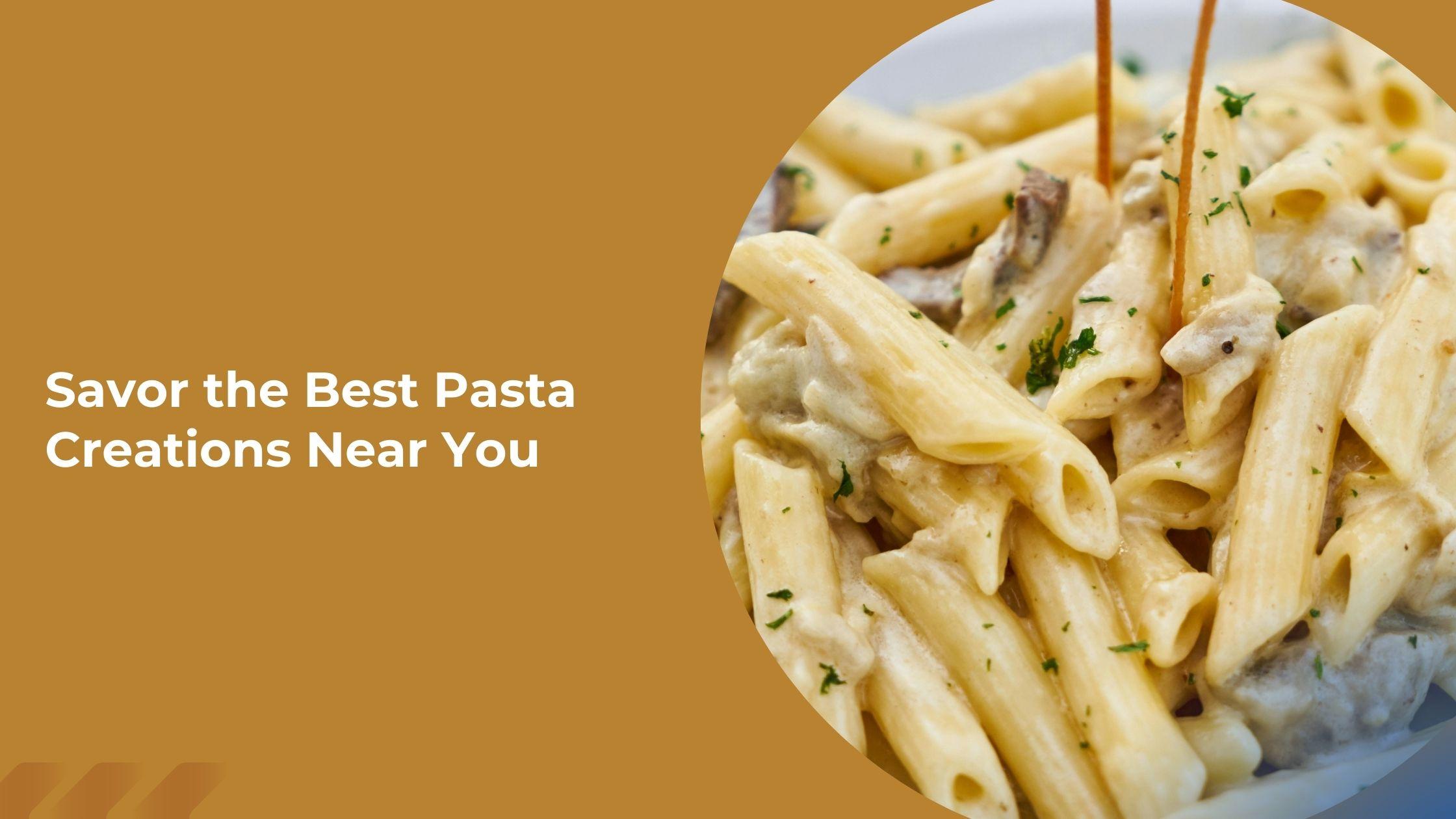
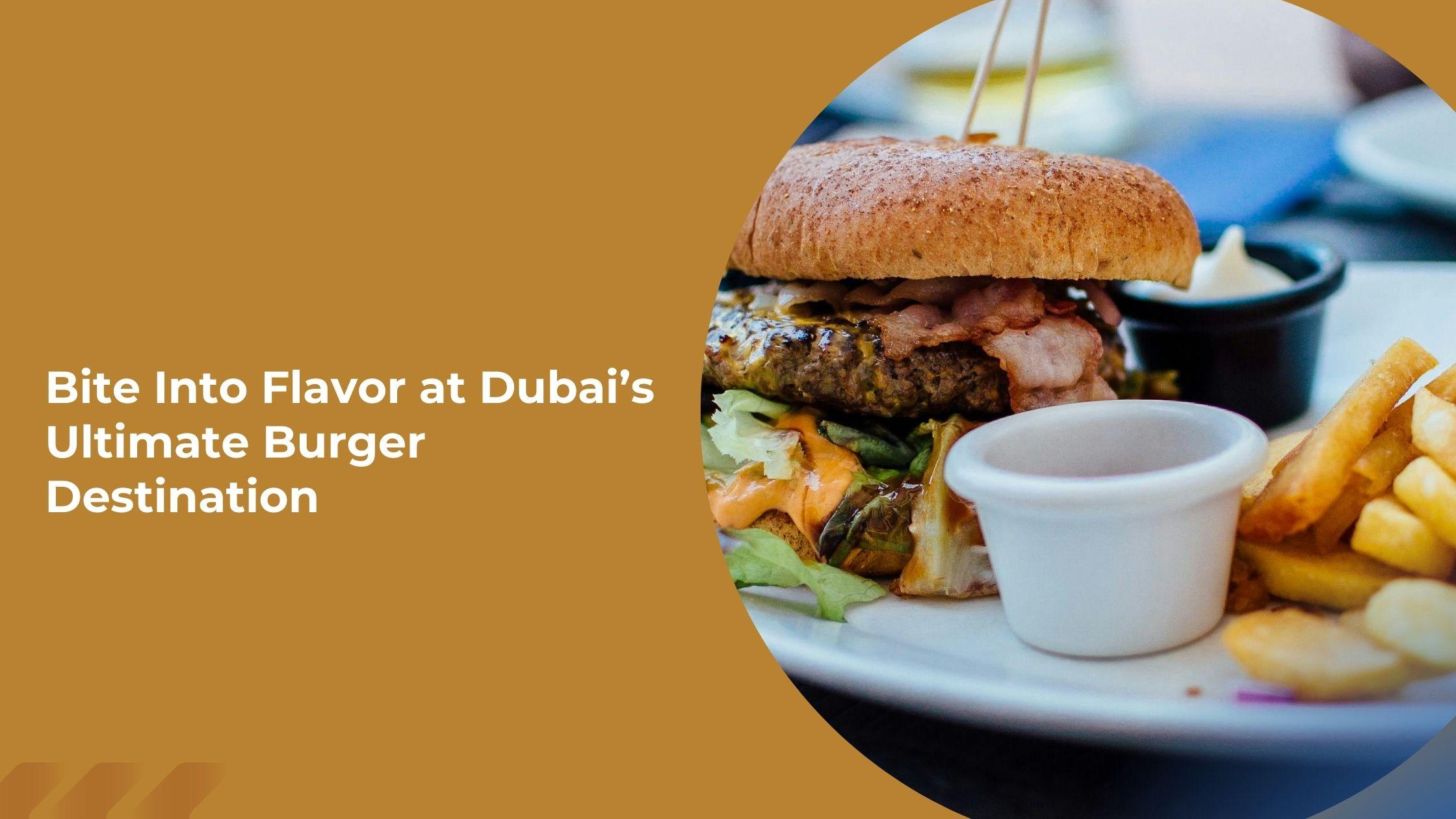
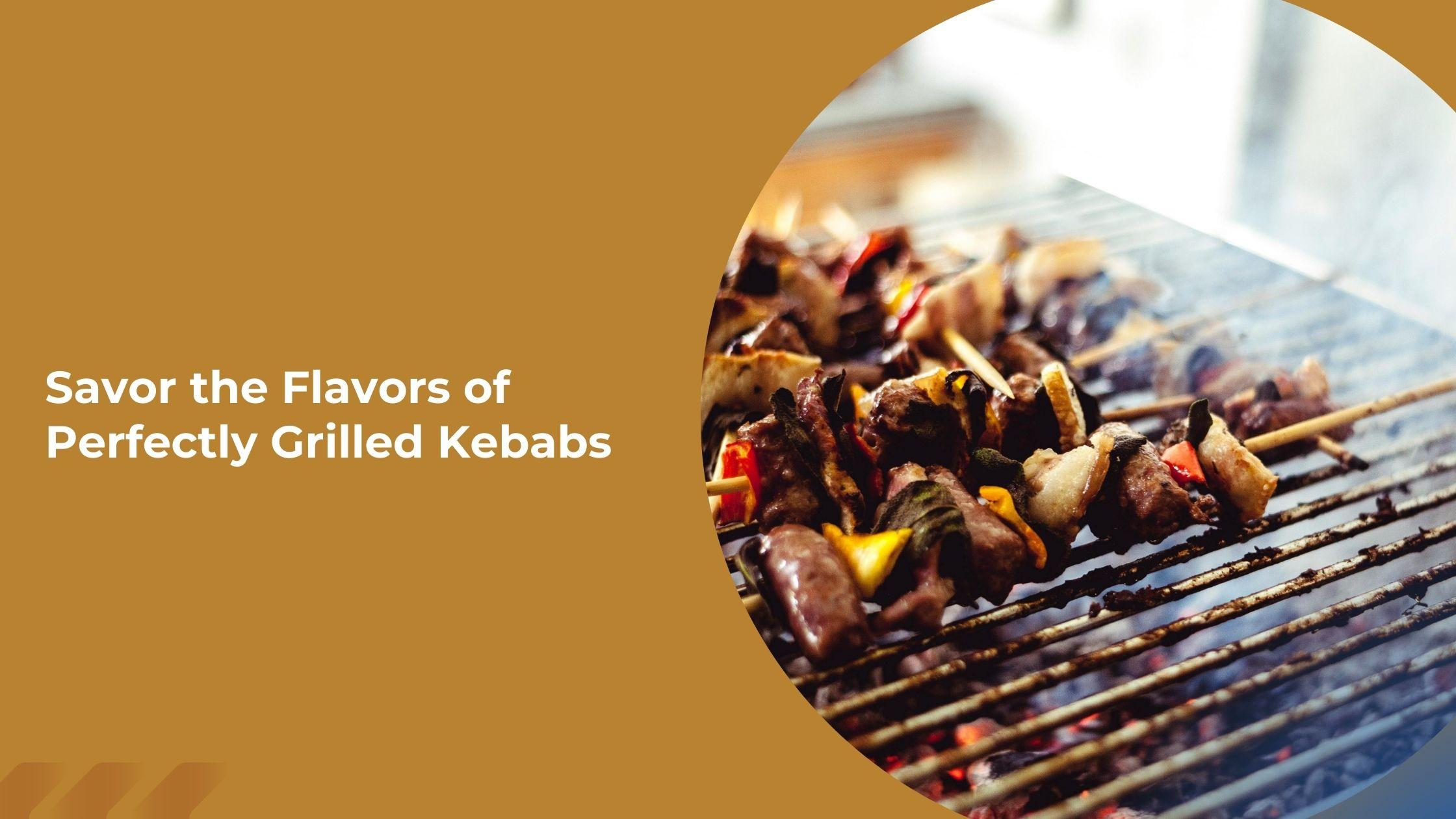
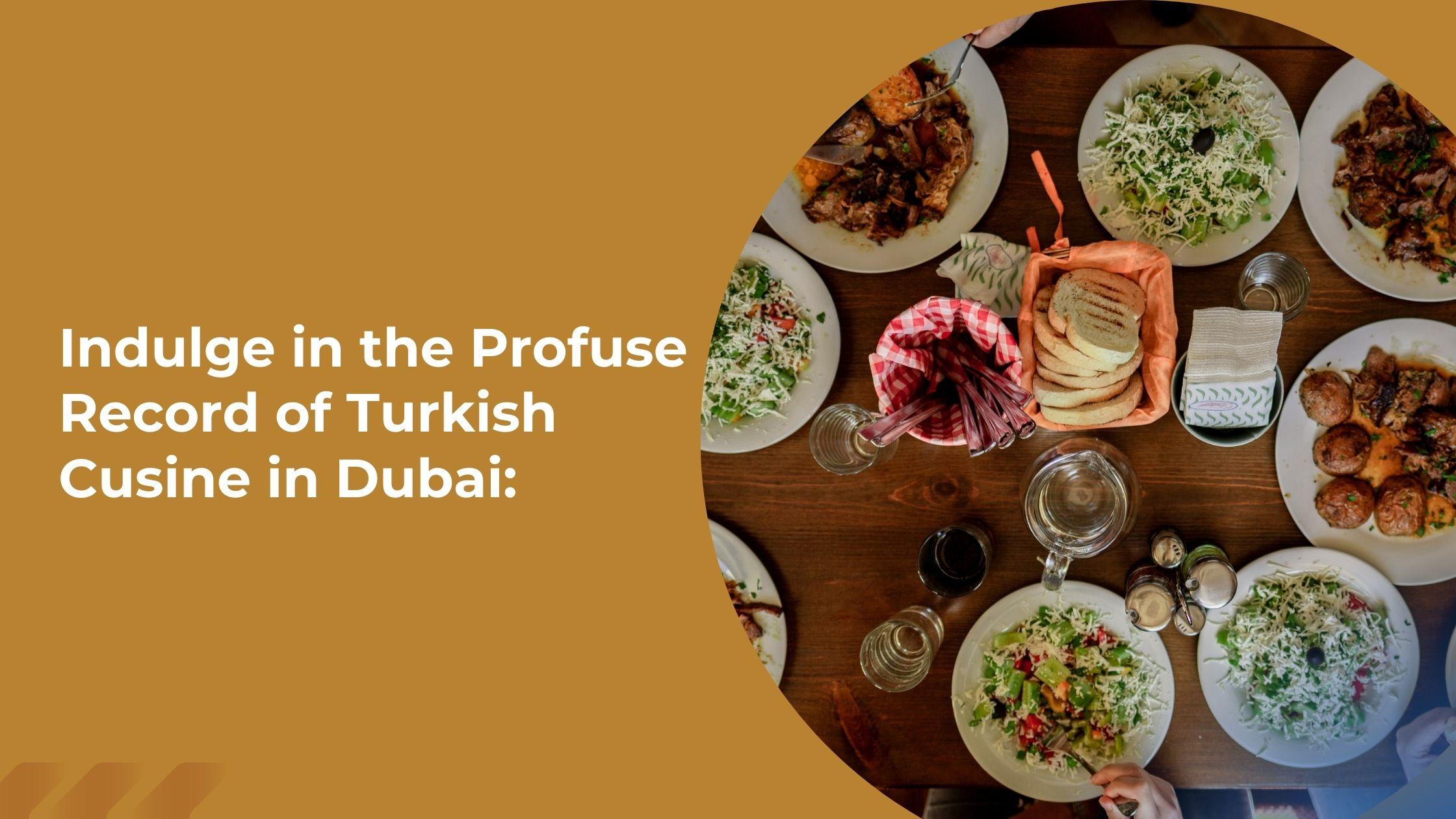
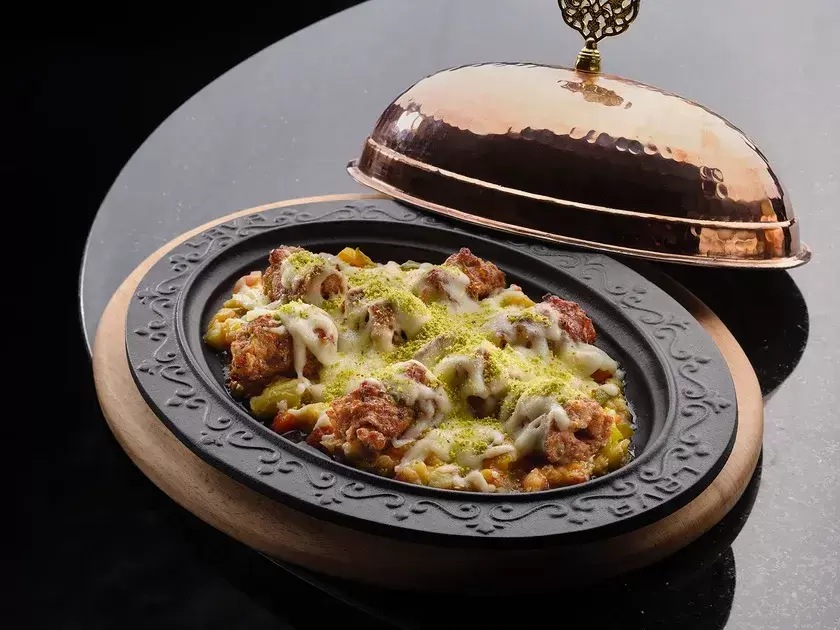
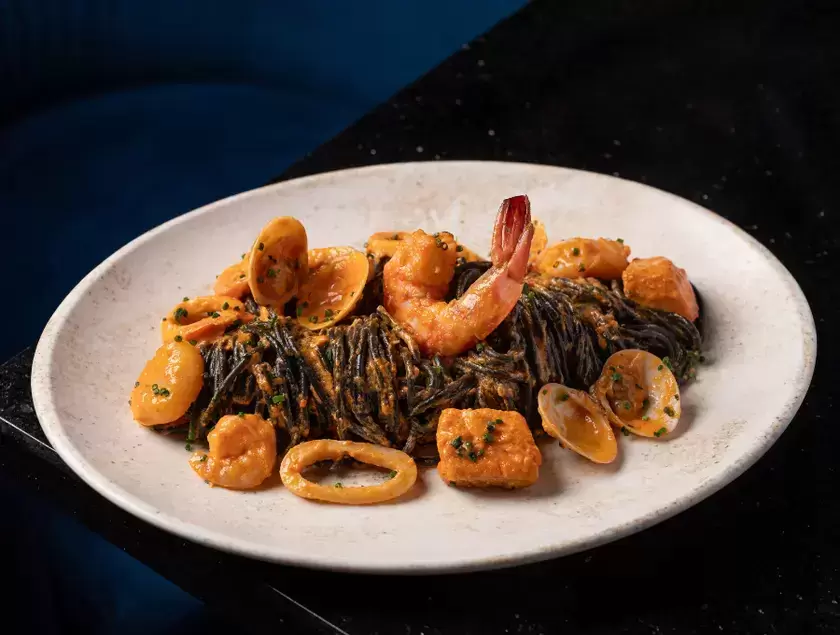
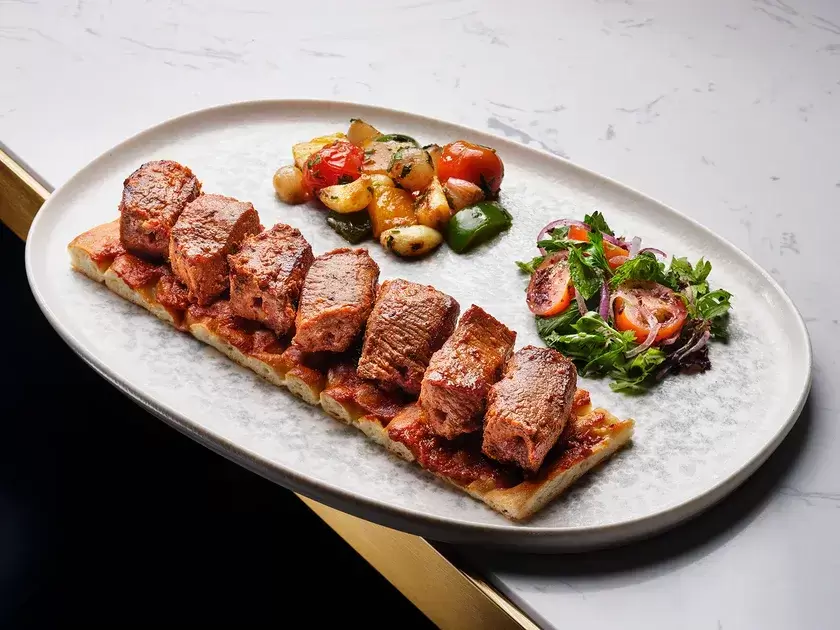
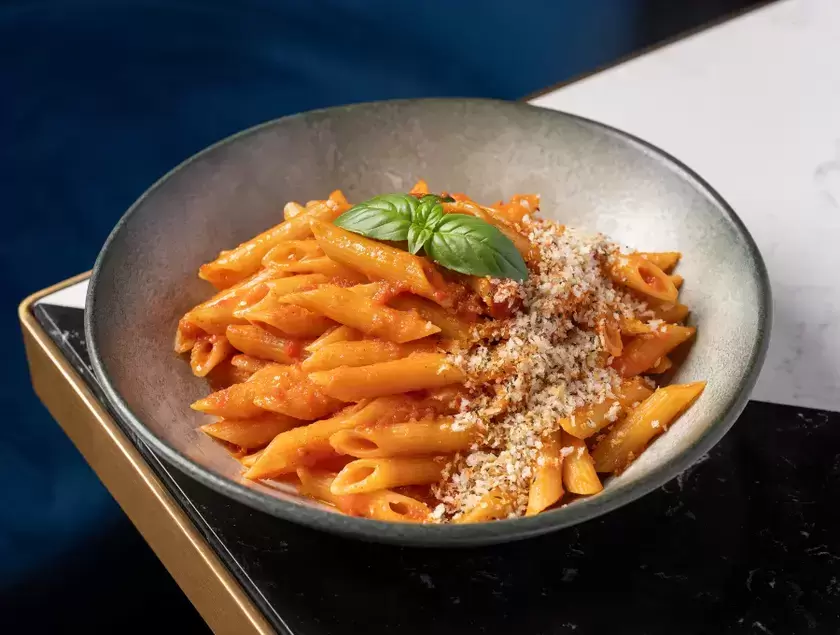
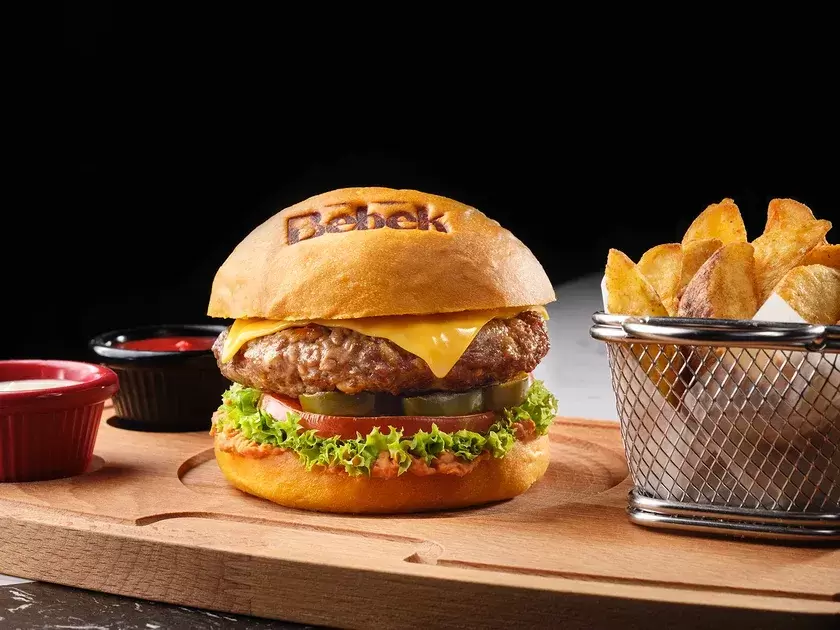
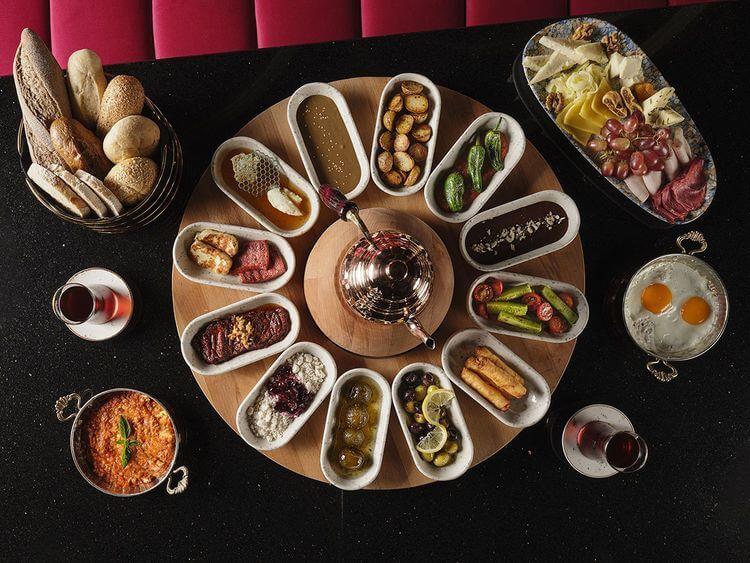
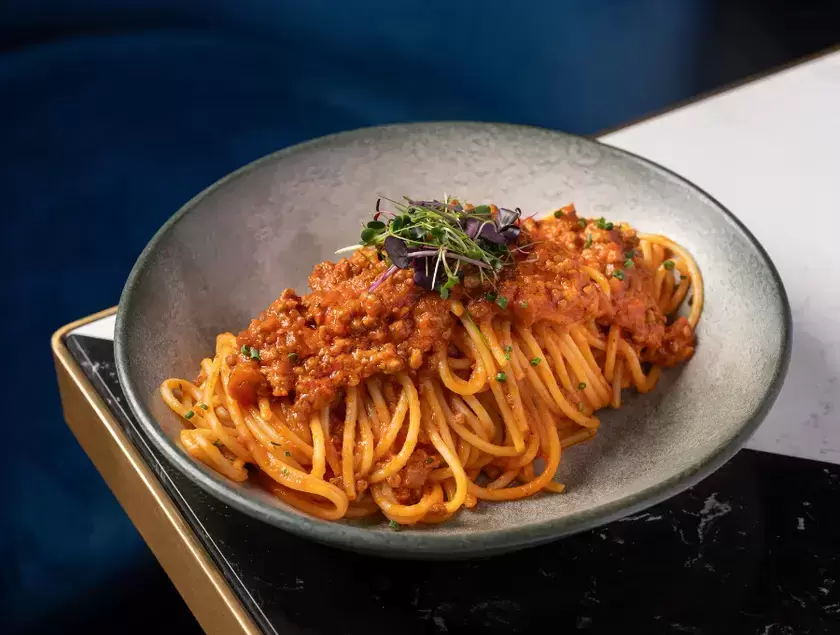
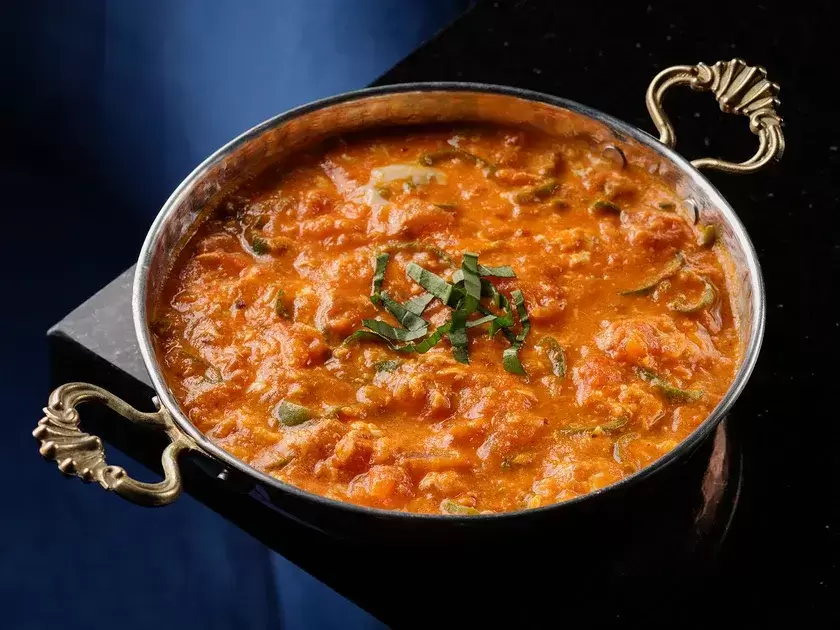
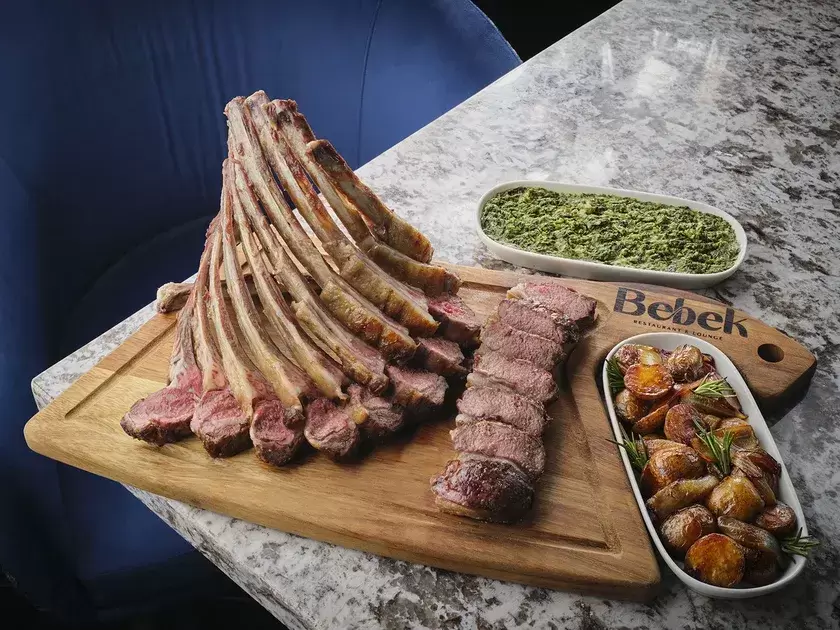
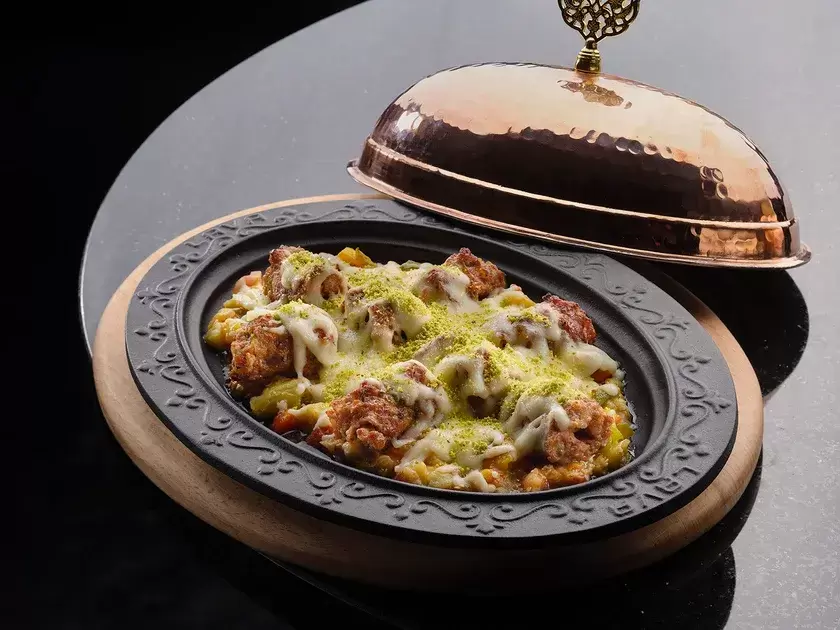
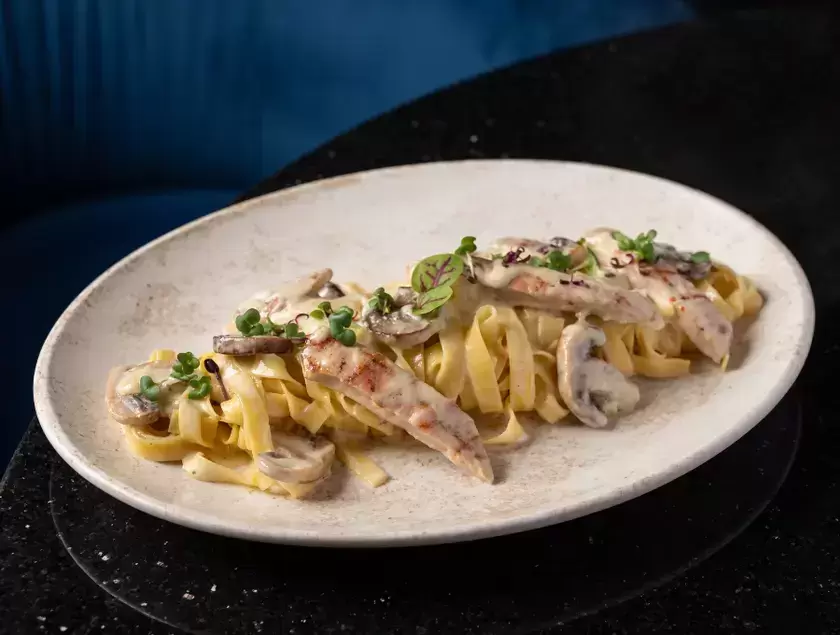
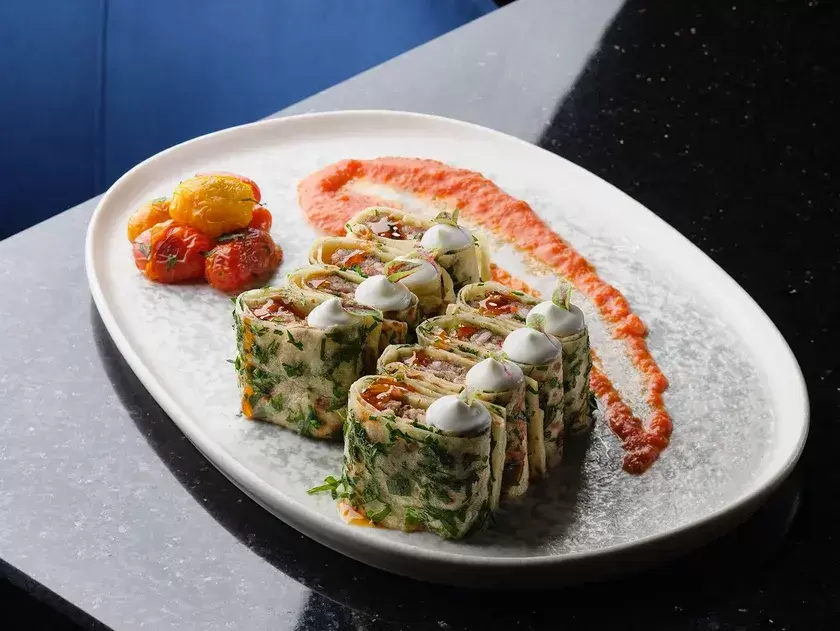
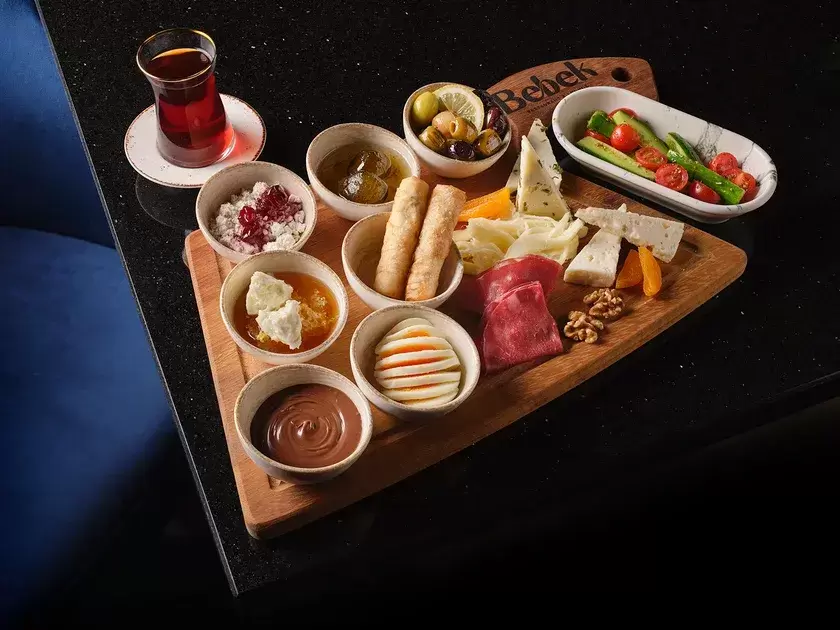
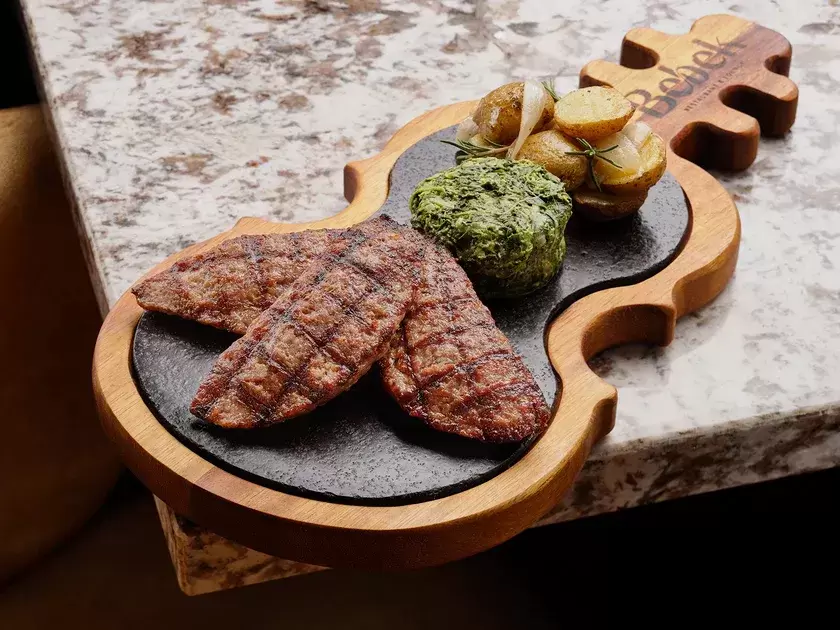
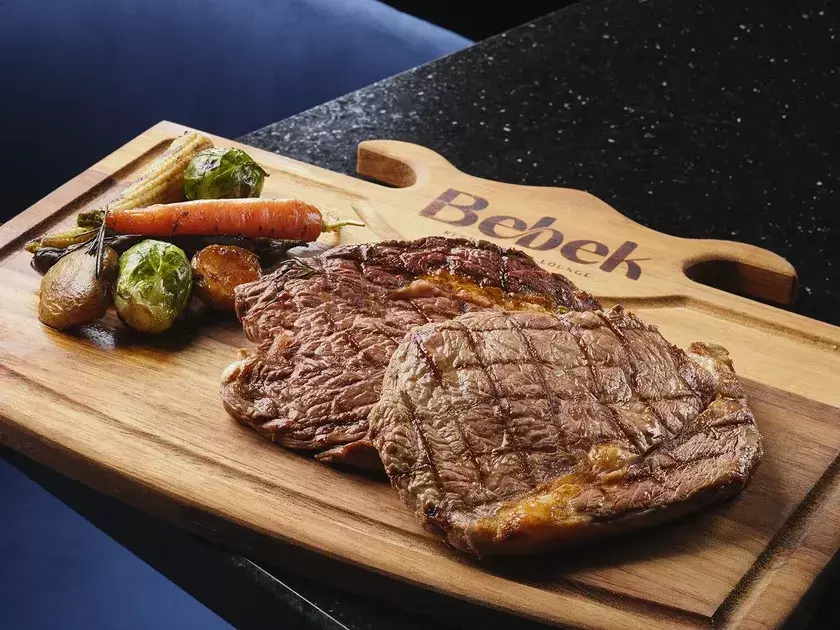
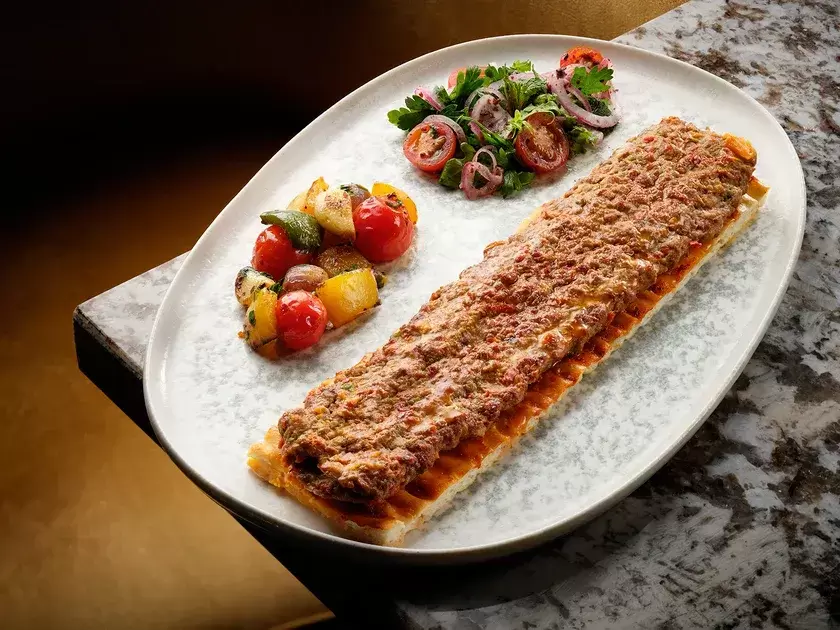
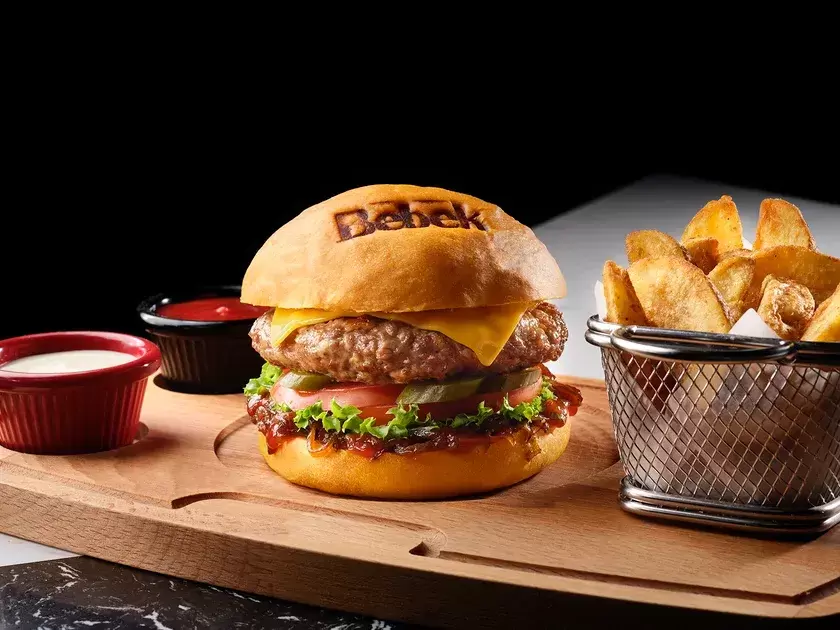
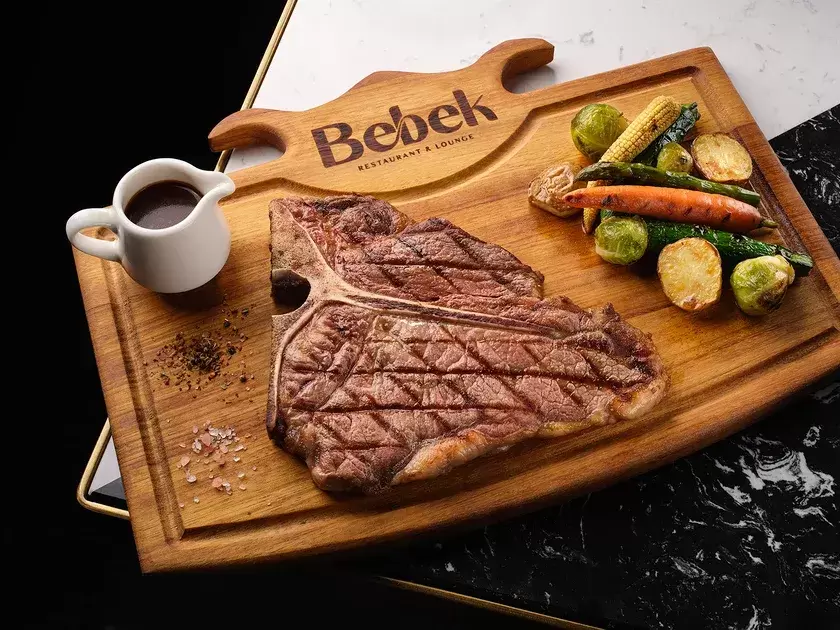
At Bebek Restaurant & Lounge in Jumeirah, the menu spans Turkish and international dishes, consisting of salads, starters, grilled options, pide, and pasta. Let’s explore more about how you can accommodate business lunch Dubai.
1. Build a Menu Around the Group, Not the Majority
The most common planning mistake is choosing a restaurant based on the preferences of the person making the reservation. That approach works for an individual meal, but a business lunch often brings together people with different expectations.
Instead, divide the group's needs into three categories.
|
Category |
What to identify |
Why it matters |
|
|
|
|
|
Dietary requirements |
Vegetarian, vegan, gluten avoidance, allergies |
Determines which dishes may be suitable |
|
Food preferences |
Grilled food, lighter meals, familiar flavours |
Helps guests find something they will enjoy |
|
Meeting requirements |
Available time, group size, meeting purpose |
Influences ordering and service arrangements |
These categories help you separate essential requirements from personal preferences. An allergy needs careful verification, while a preference for grilled food simply helps narrow the choices.
Practical example: Imagine a client meeting with four guests. One follows a vegetarian diet, two prefer meat, and one wants a lighter lunch. You do not need four separate restaurant recommendations. You need one menu with several suitable choices and a clear way to confirm ingredients.
Start with the most restrictive dietary requirement. Once you know which dishes can meet it, evaluate the remaining options for everyone else.
2. Test Whether a Restaurant Menu Is Truly Flexible
A long menu can appear suitable for group dining while offering limited practical choice. The real test is whether the menu contains distinct options that accommodate different needs.
Use this four-point menu assessment before booking.
-
Different meal categories: Look for salads, vegetable-based dishes, grilled food, and alternative mains.
-
Distinct preparation styles: Check whether the menu offers options beyond fried or heavily sauced dishes.
-
Ingredient transparency: Make sure the restaurant can answer questions about ingredients and preparation.
-
Individual ordering: Confirm that guests can select different mains without requiring everyone to follow one set menu.
This approach is more useful than counting dishes. Twenty similar meat dishes may provide less flexibility than a smaller menu with clearly different categories.
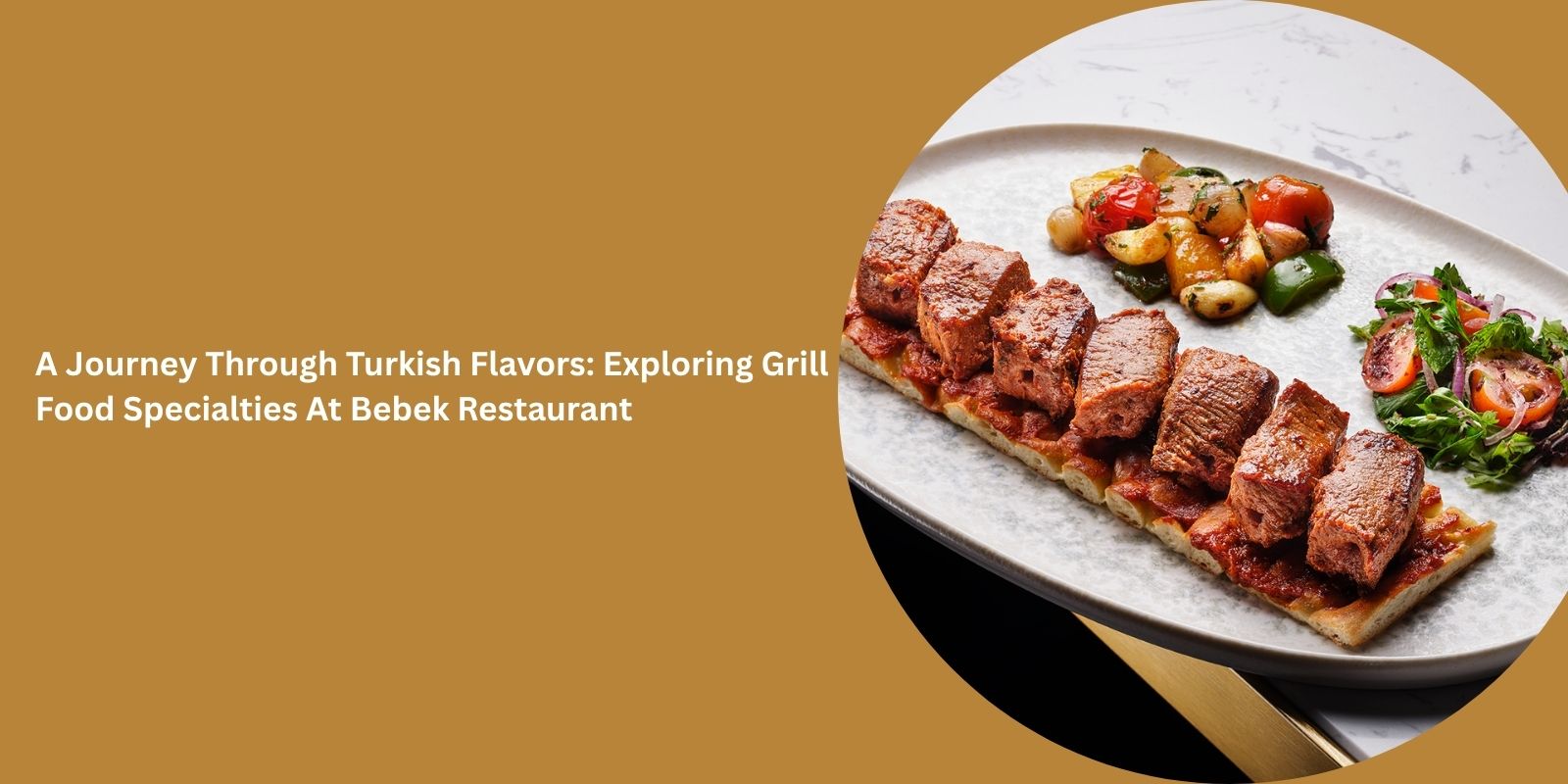
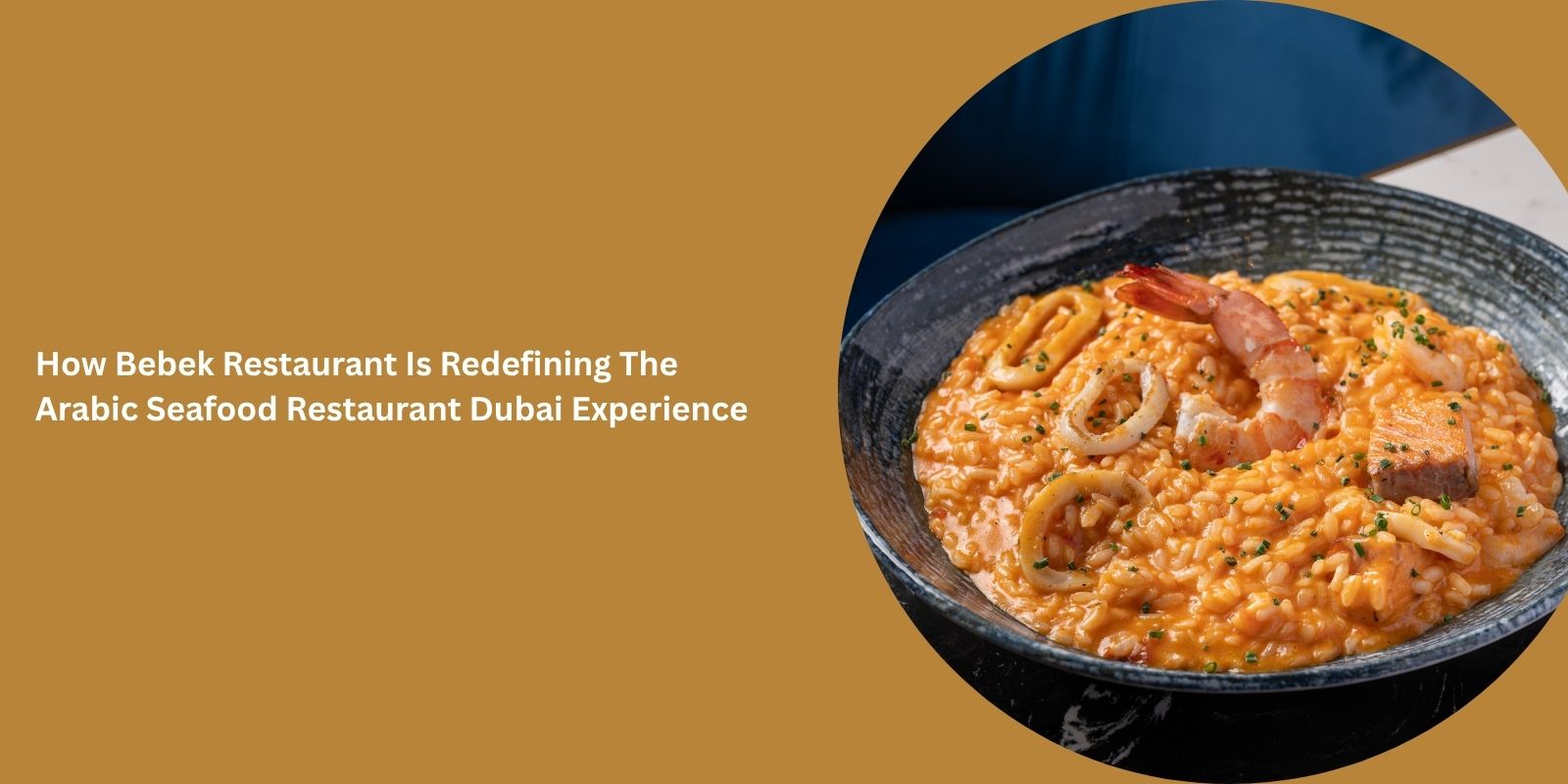
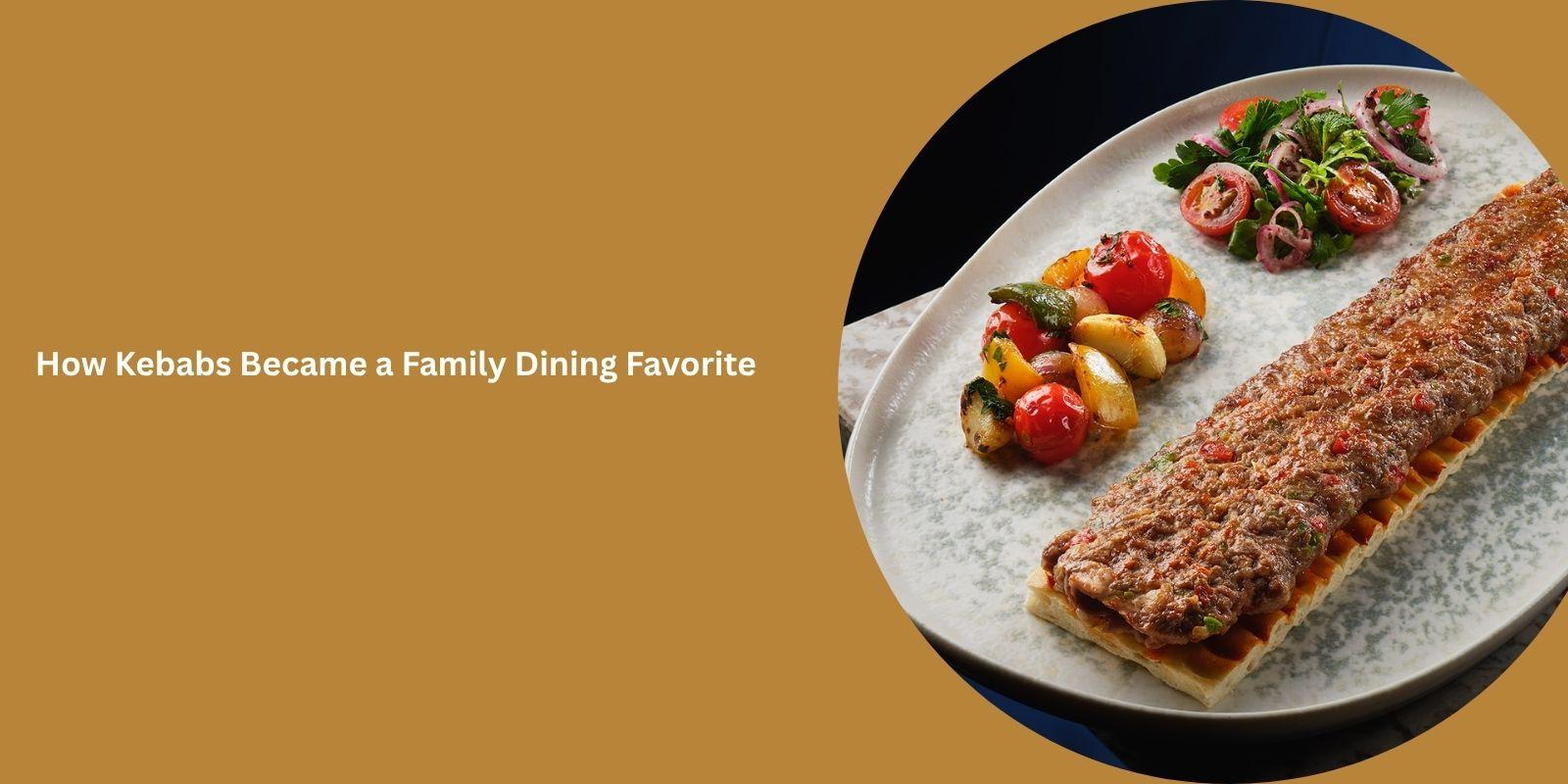
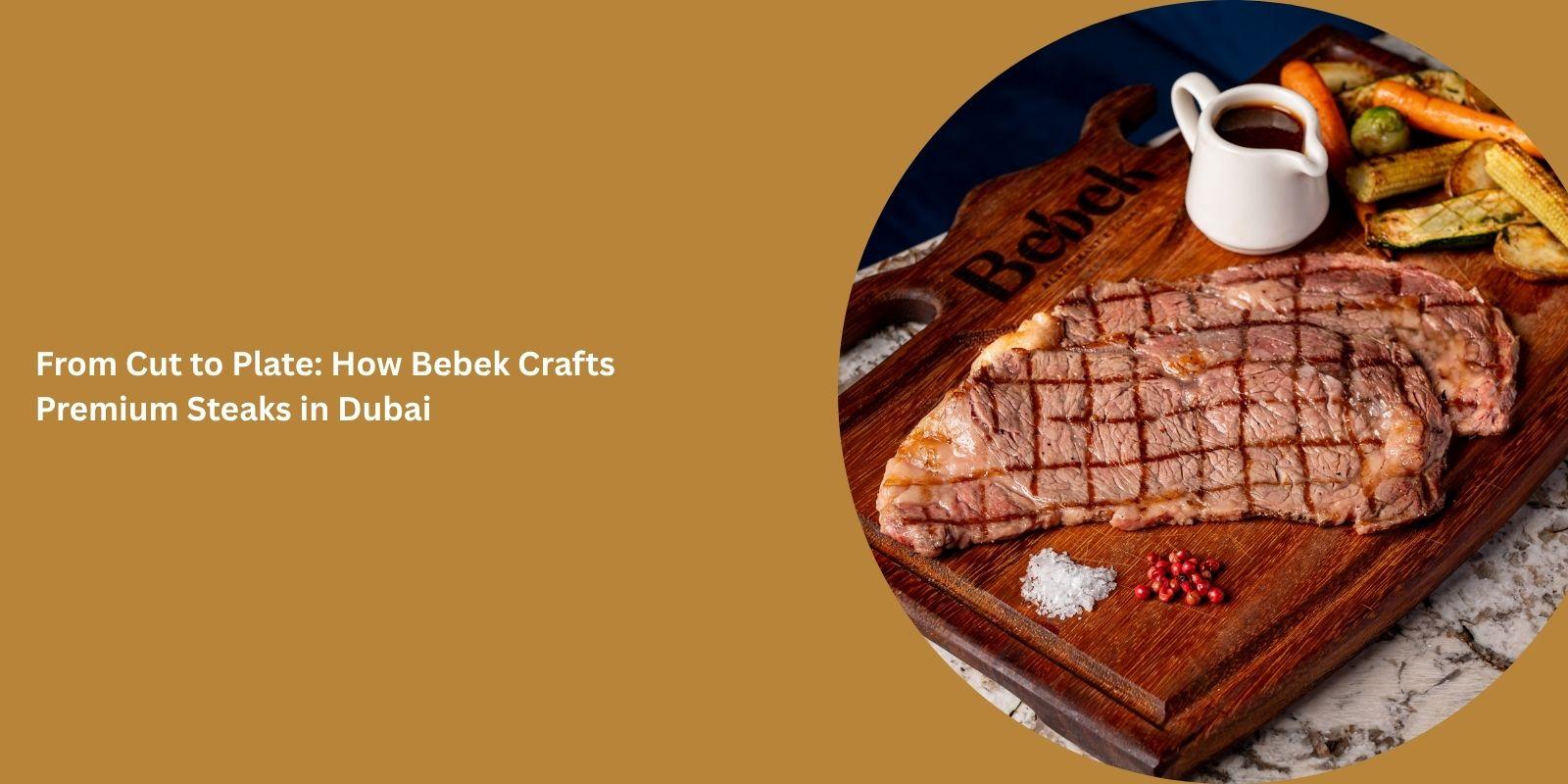
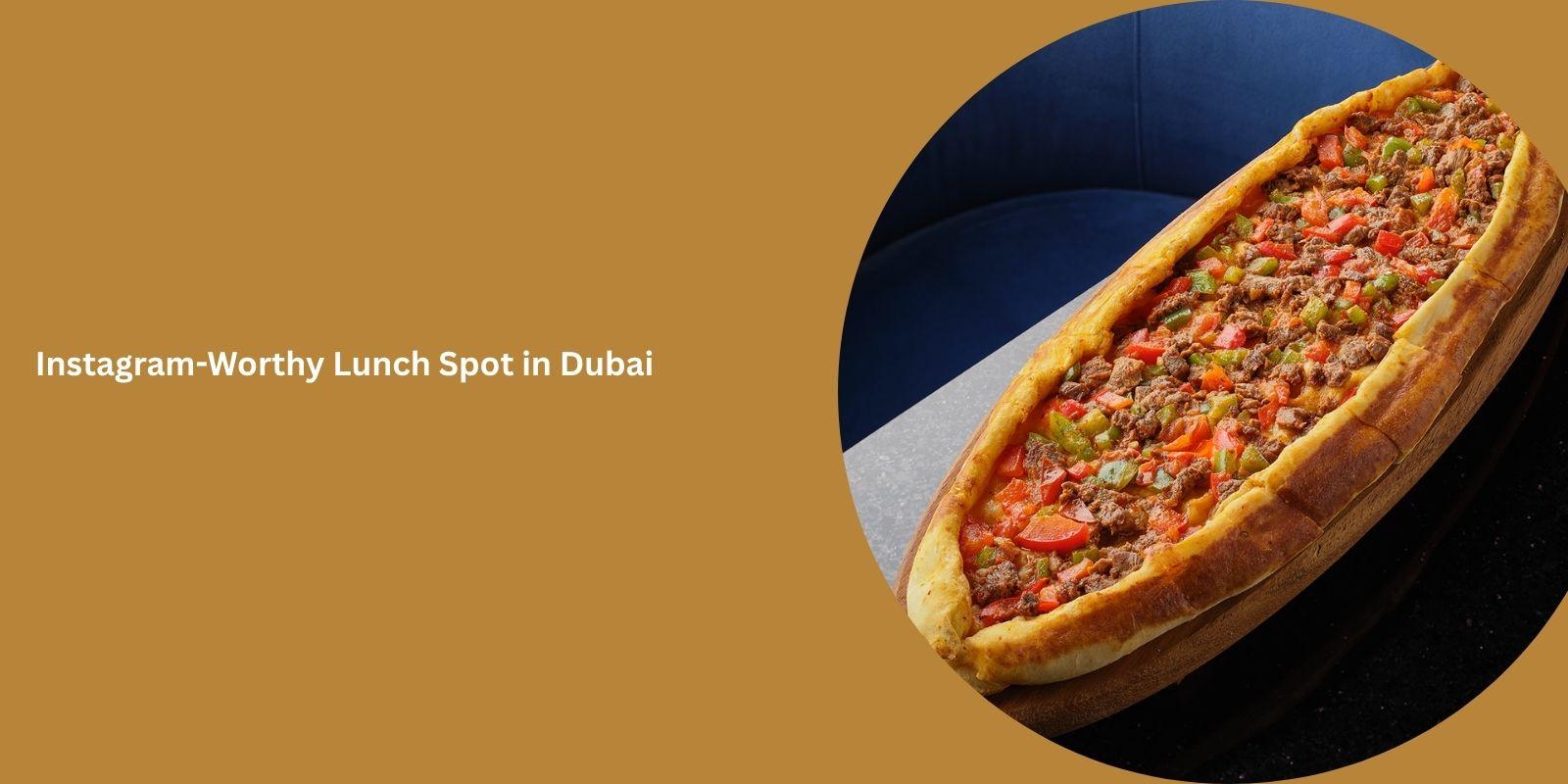
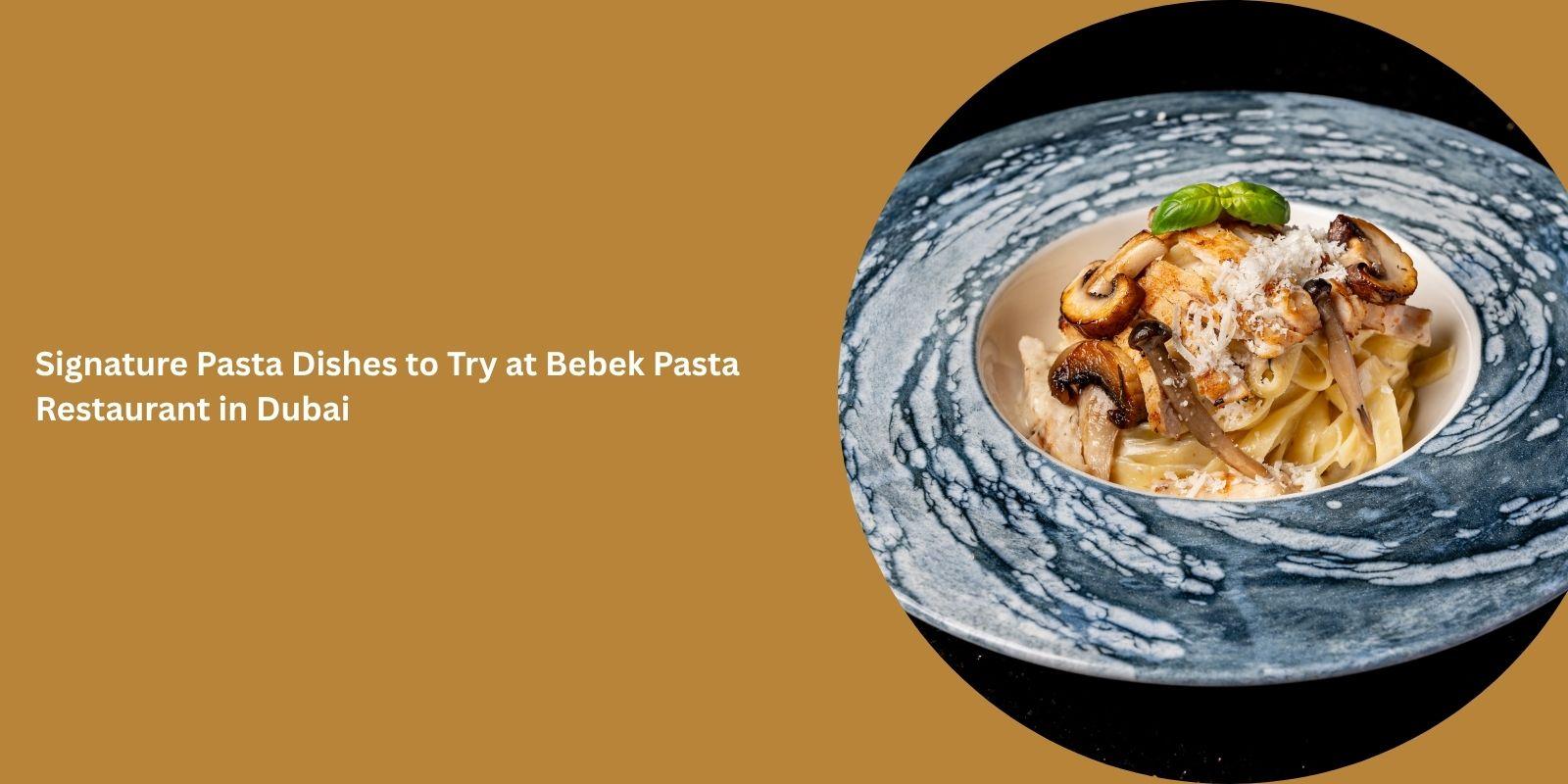
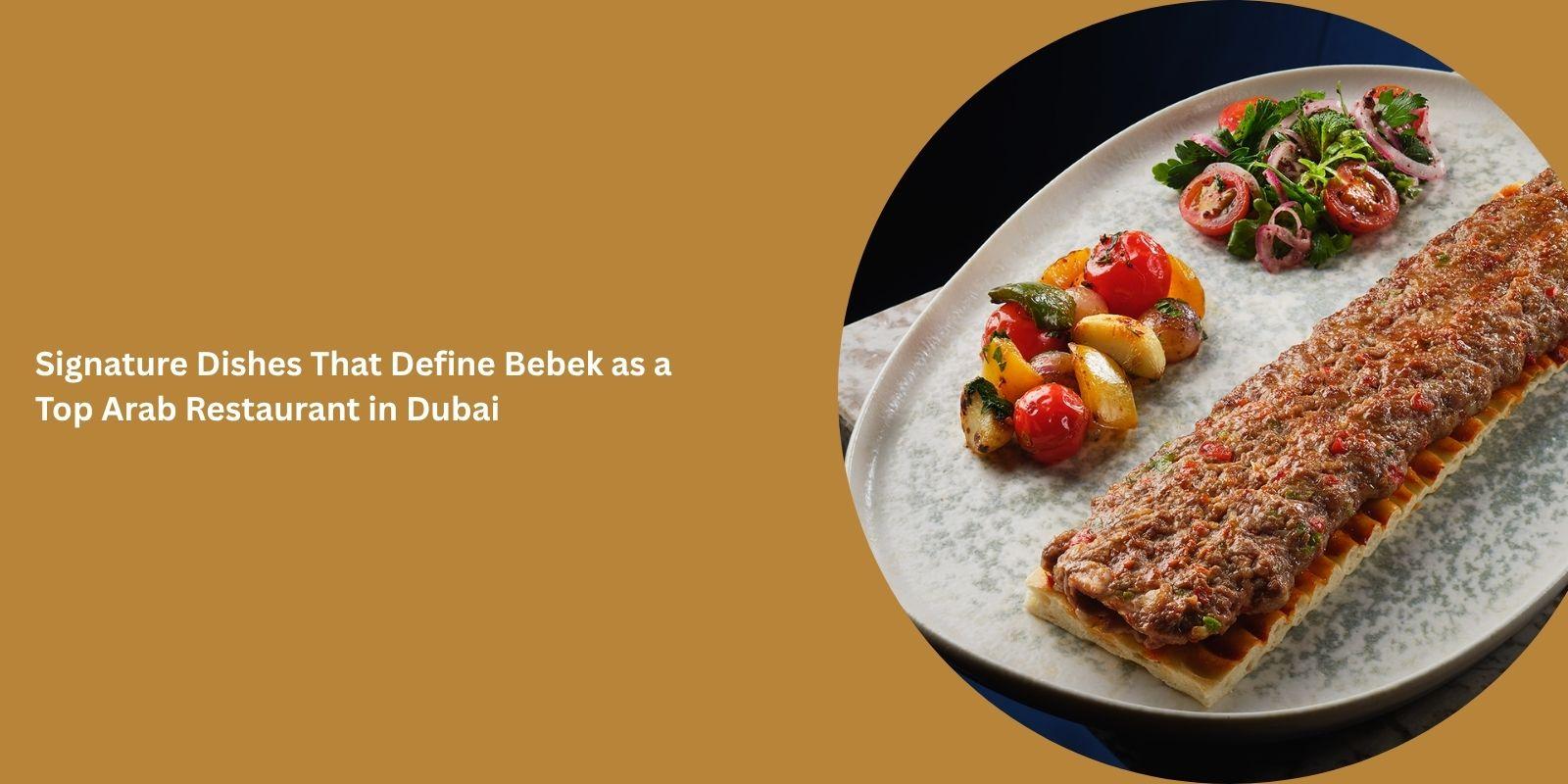
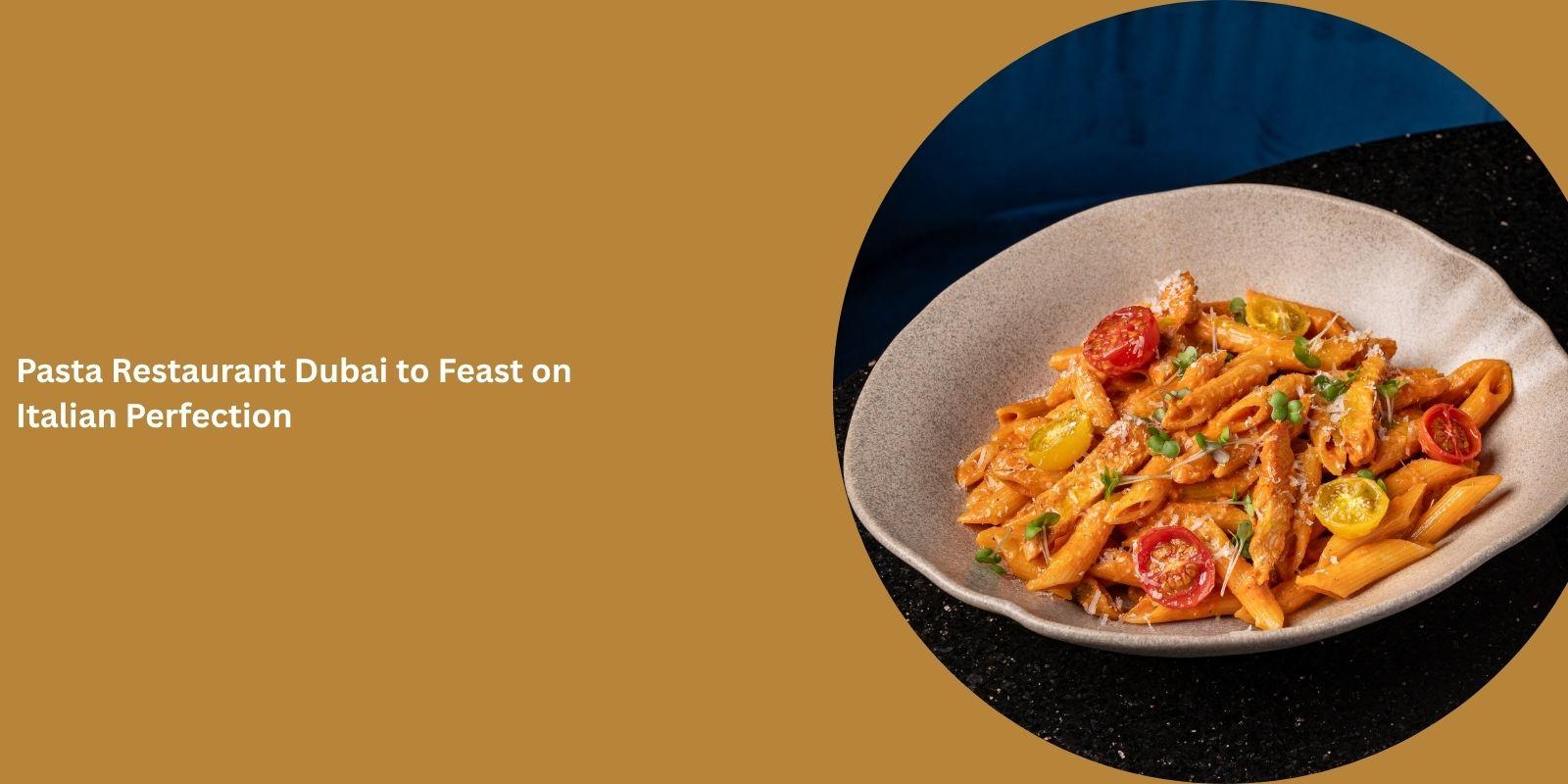
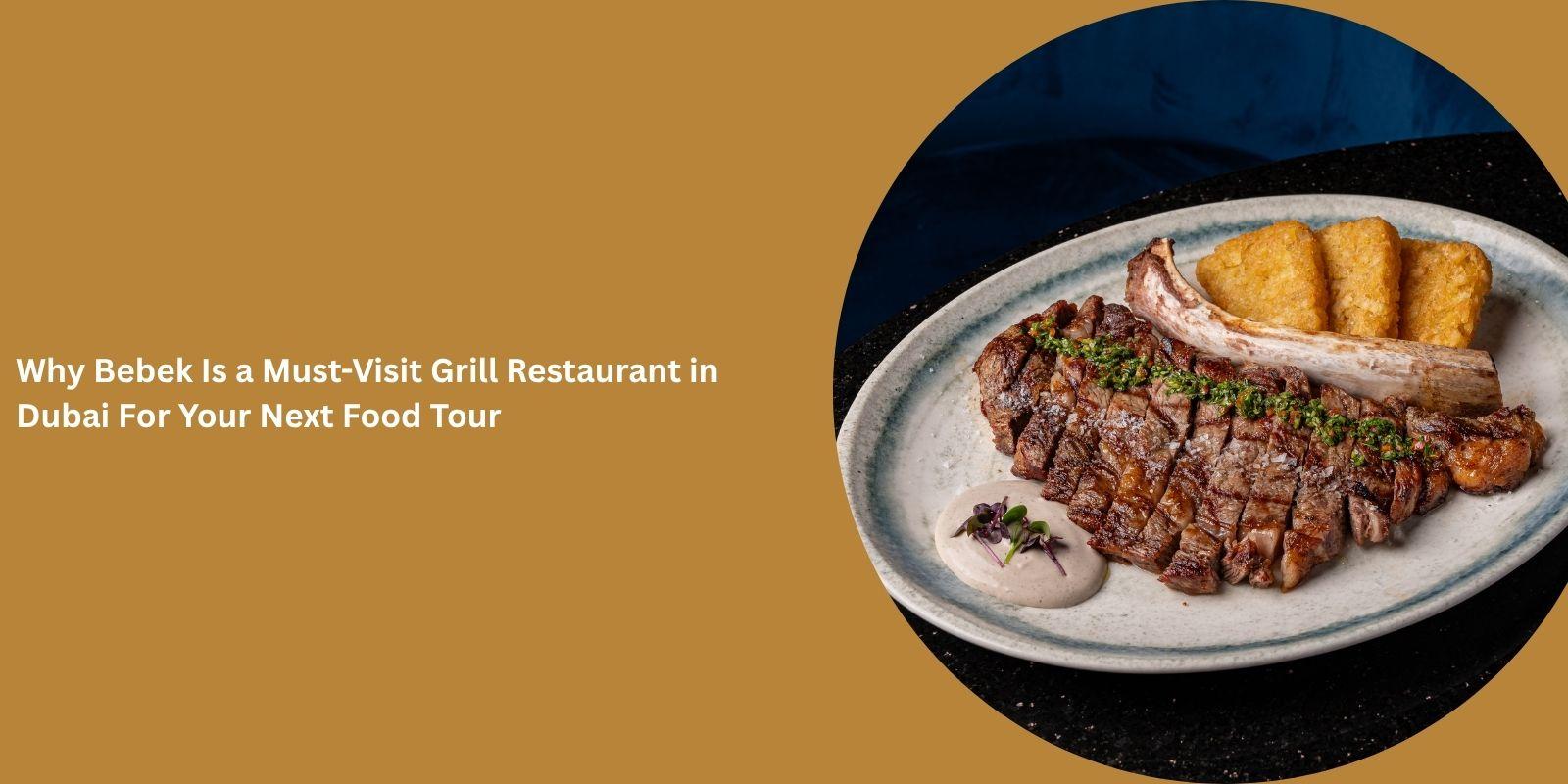
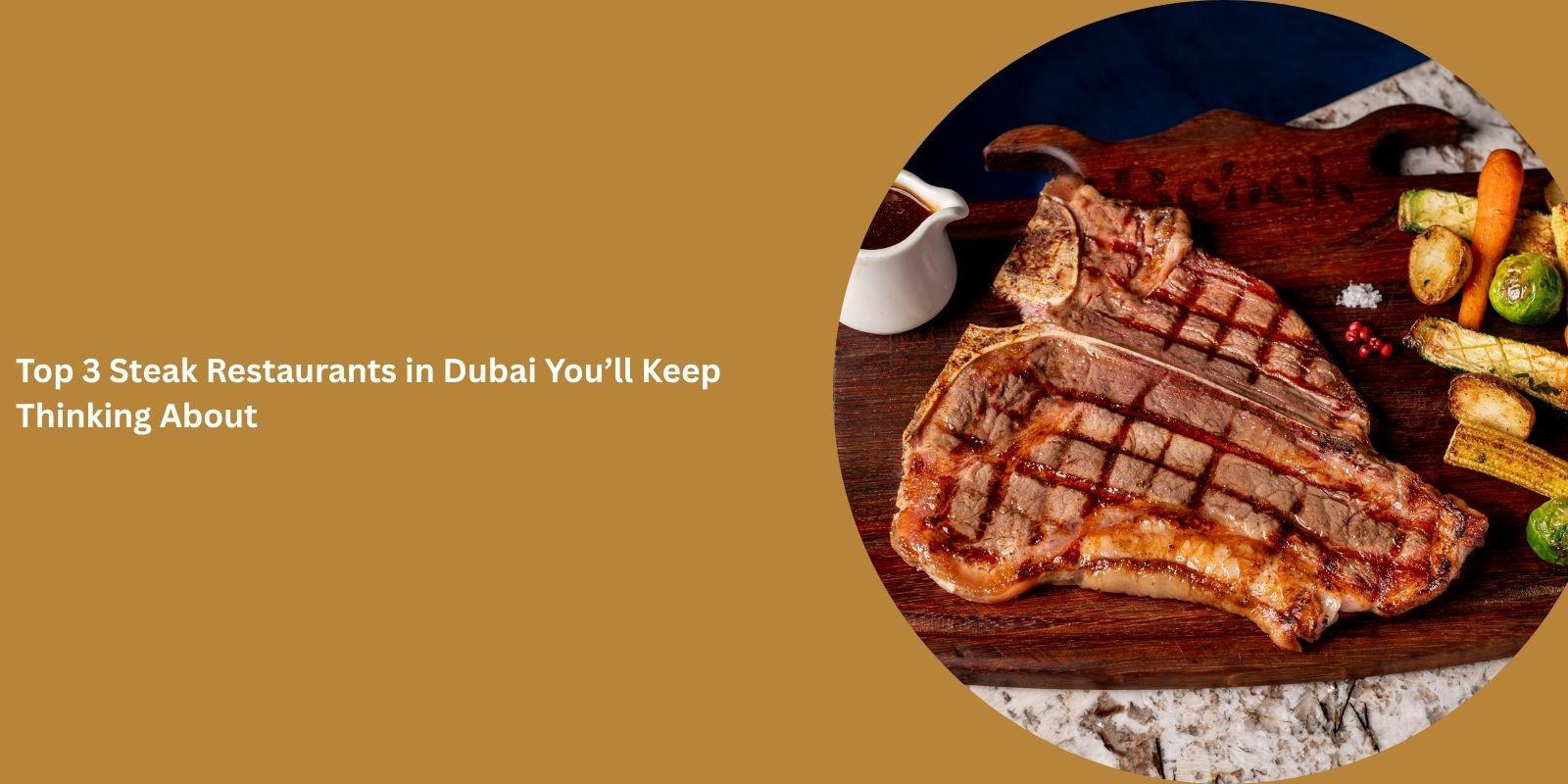
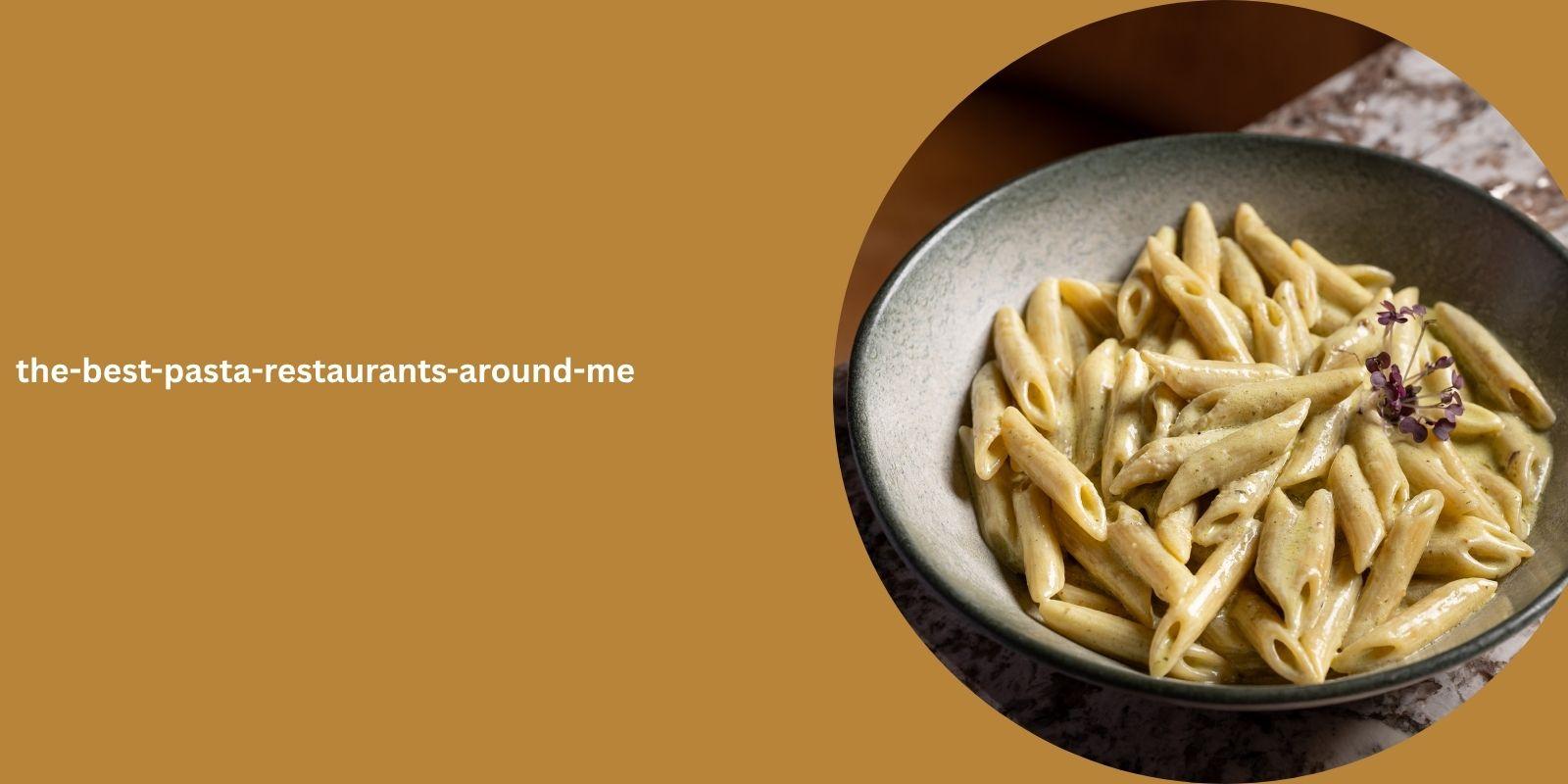
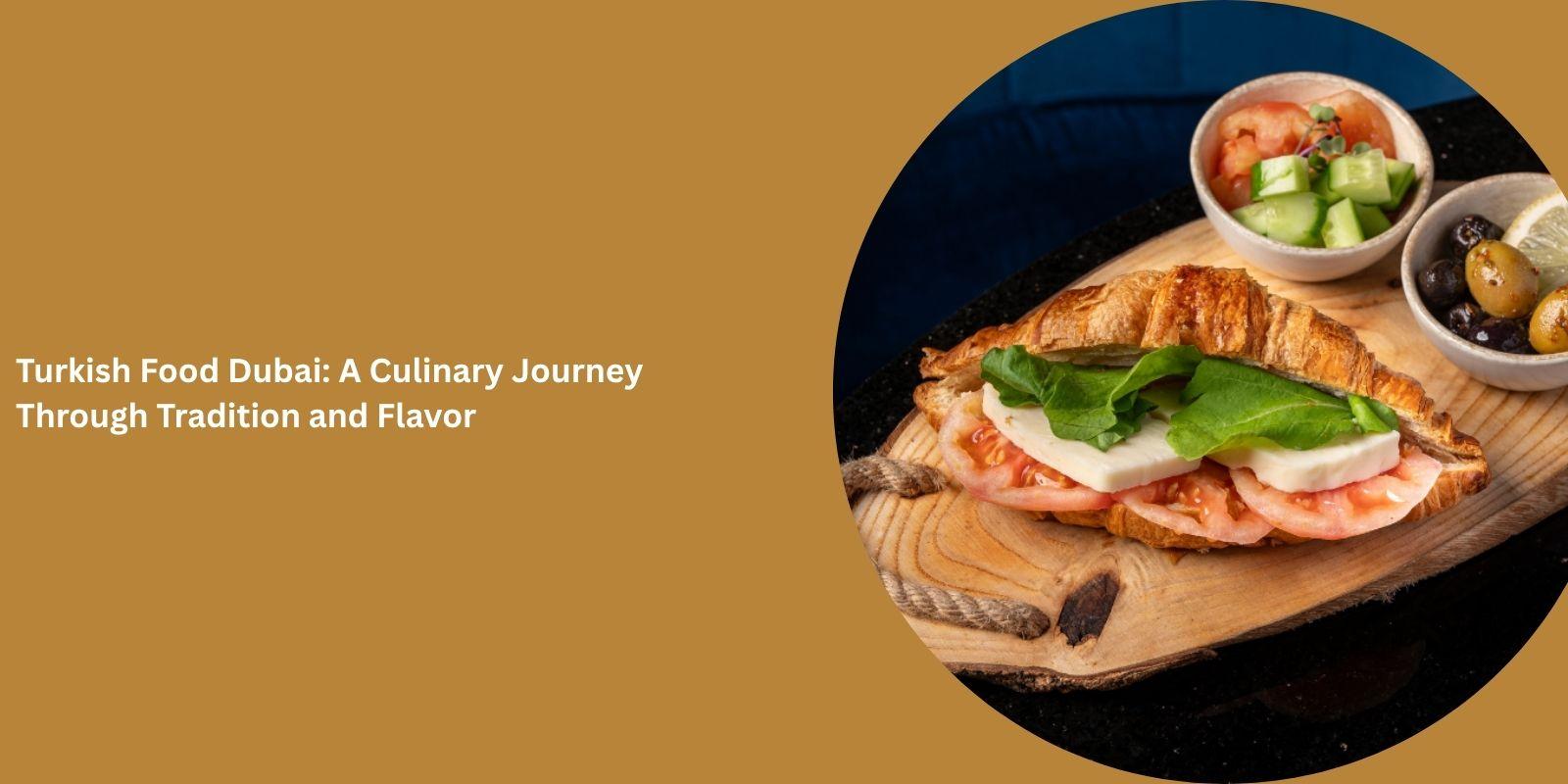
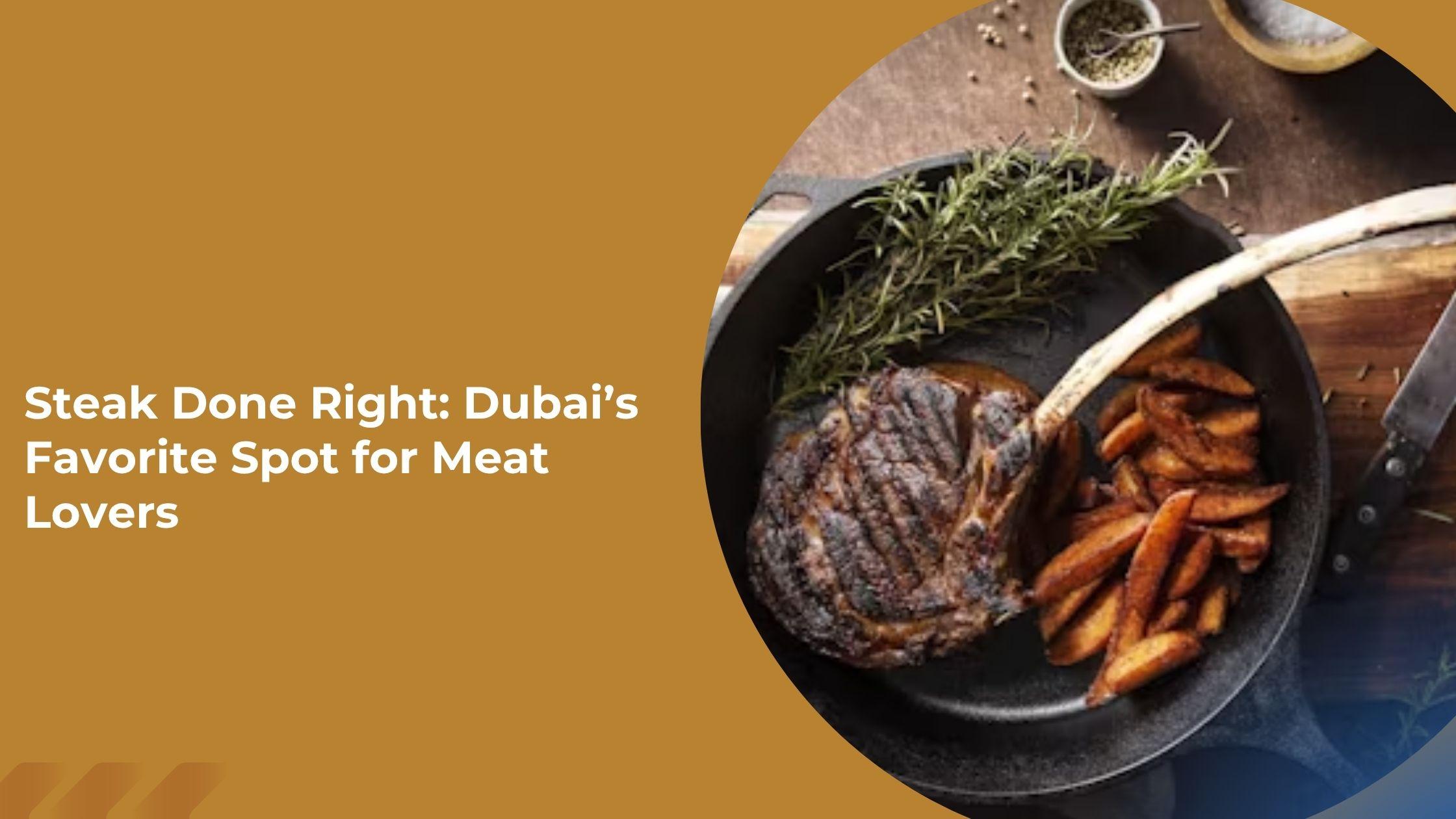
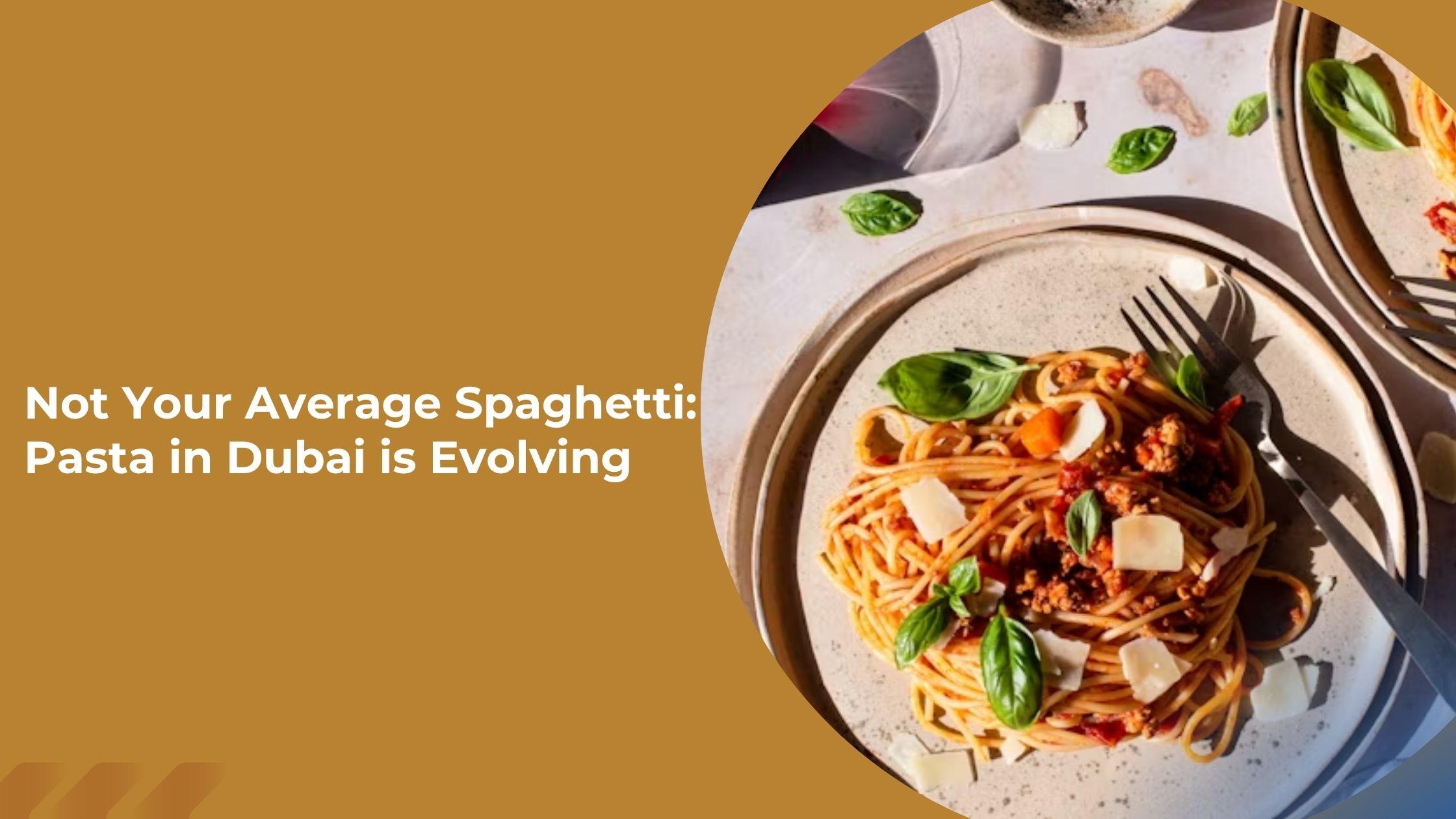
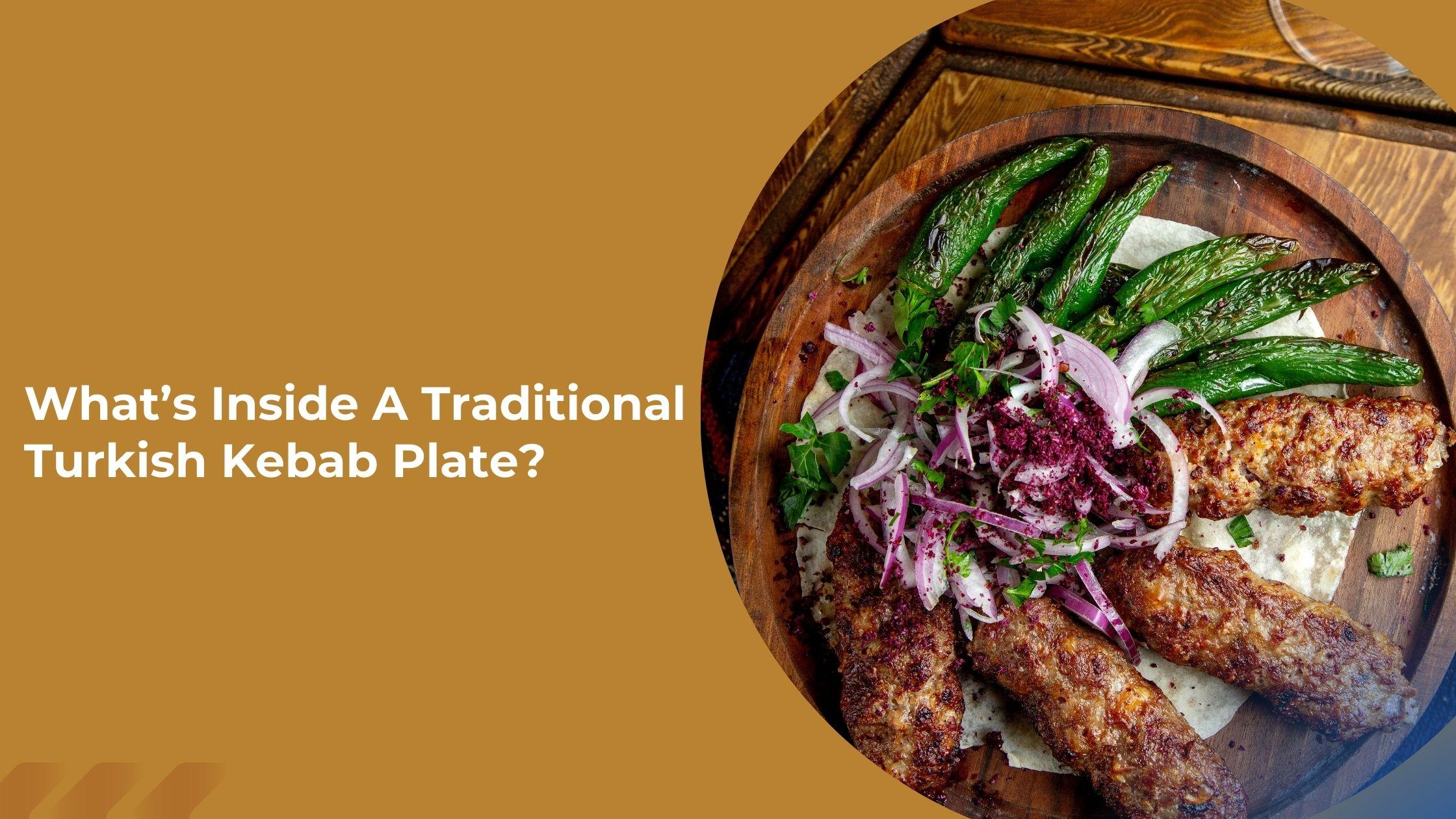
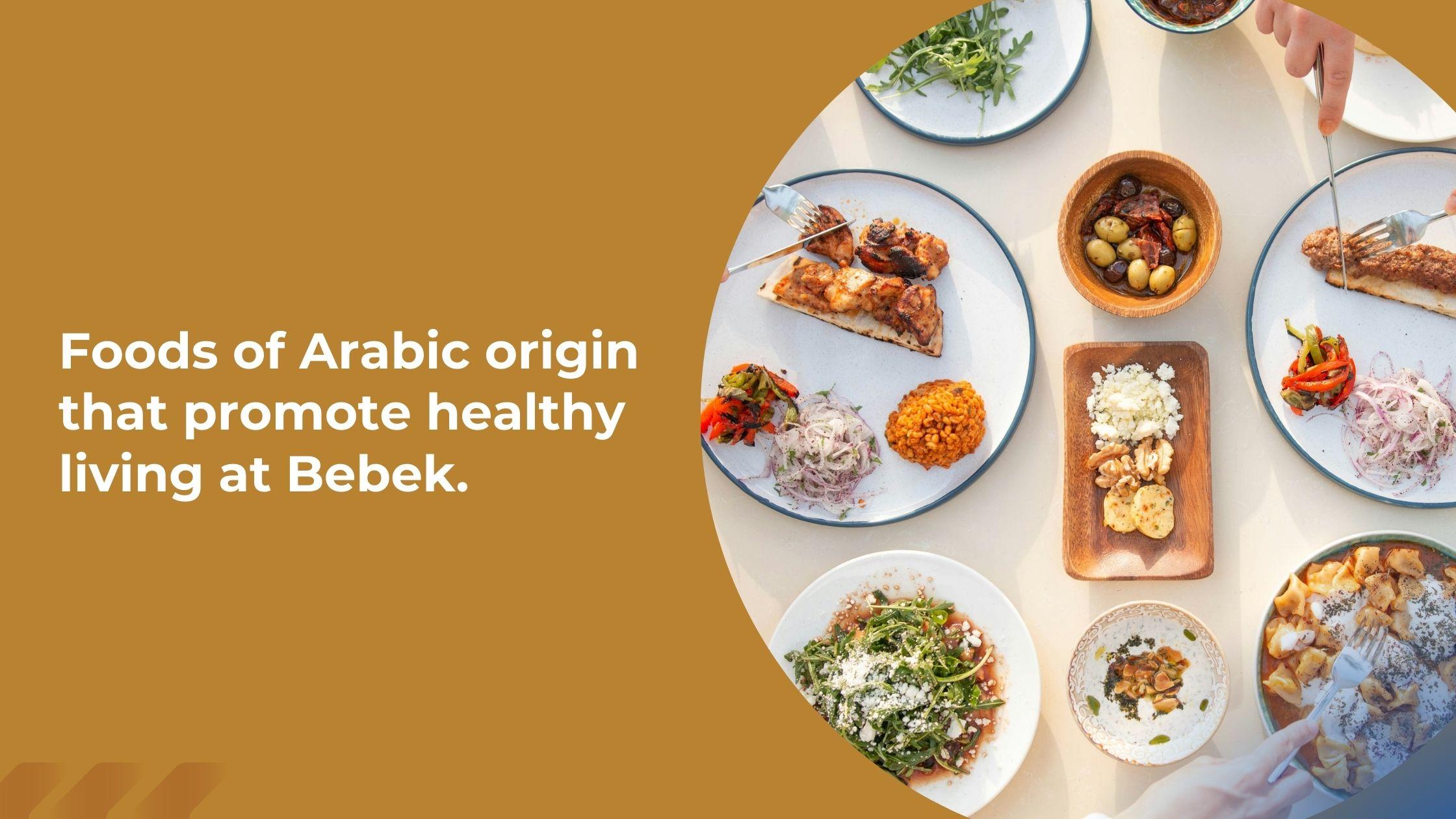
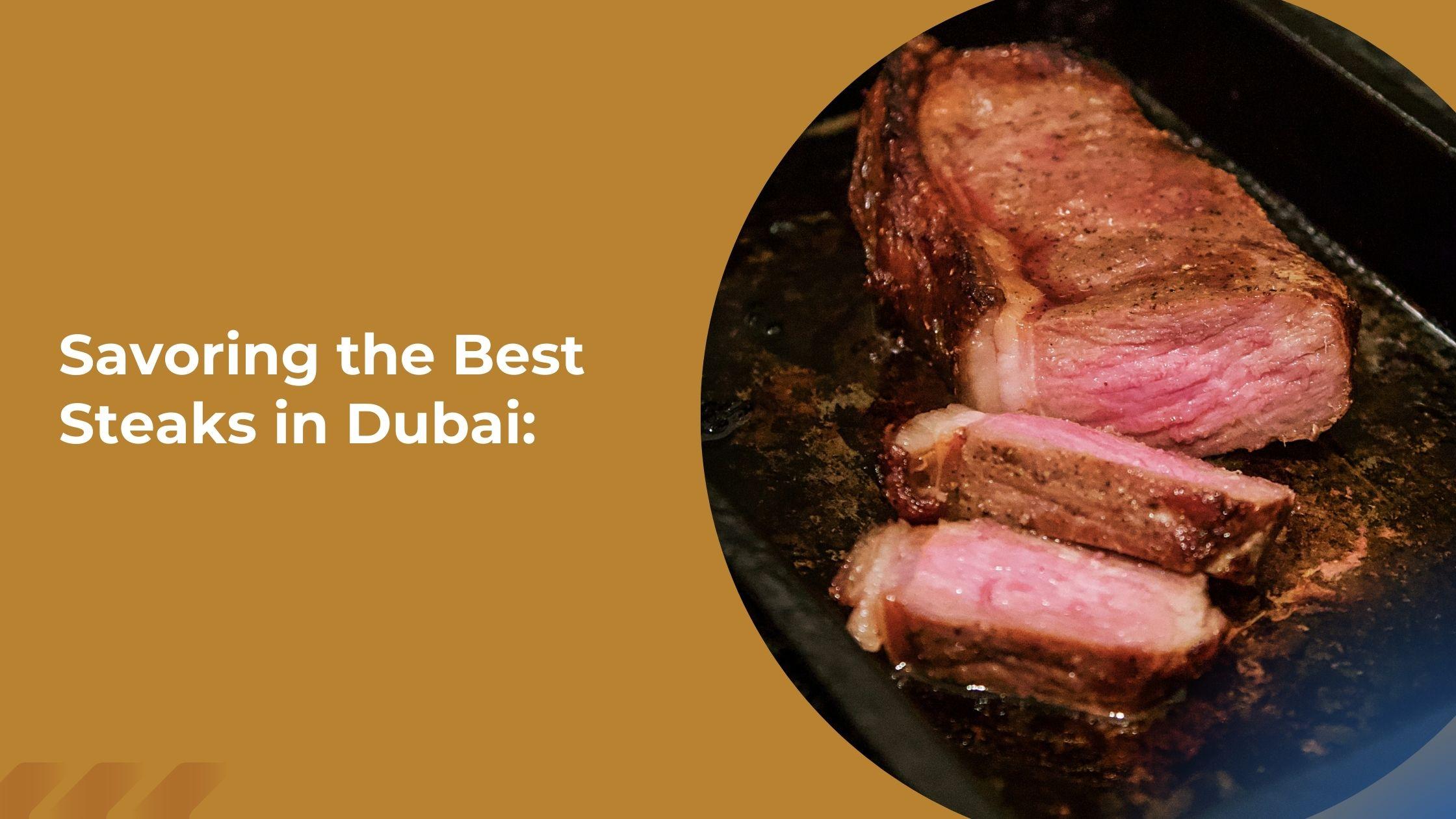
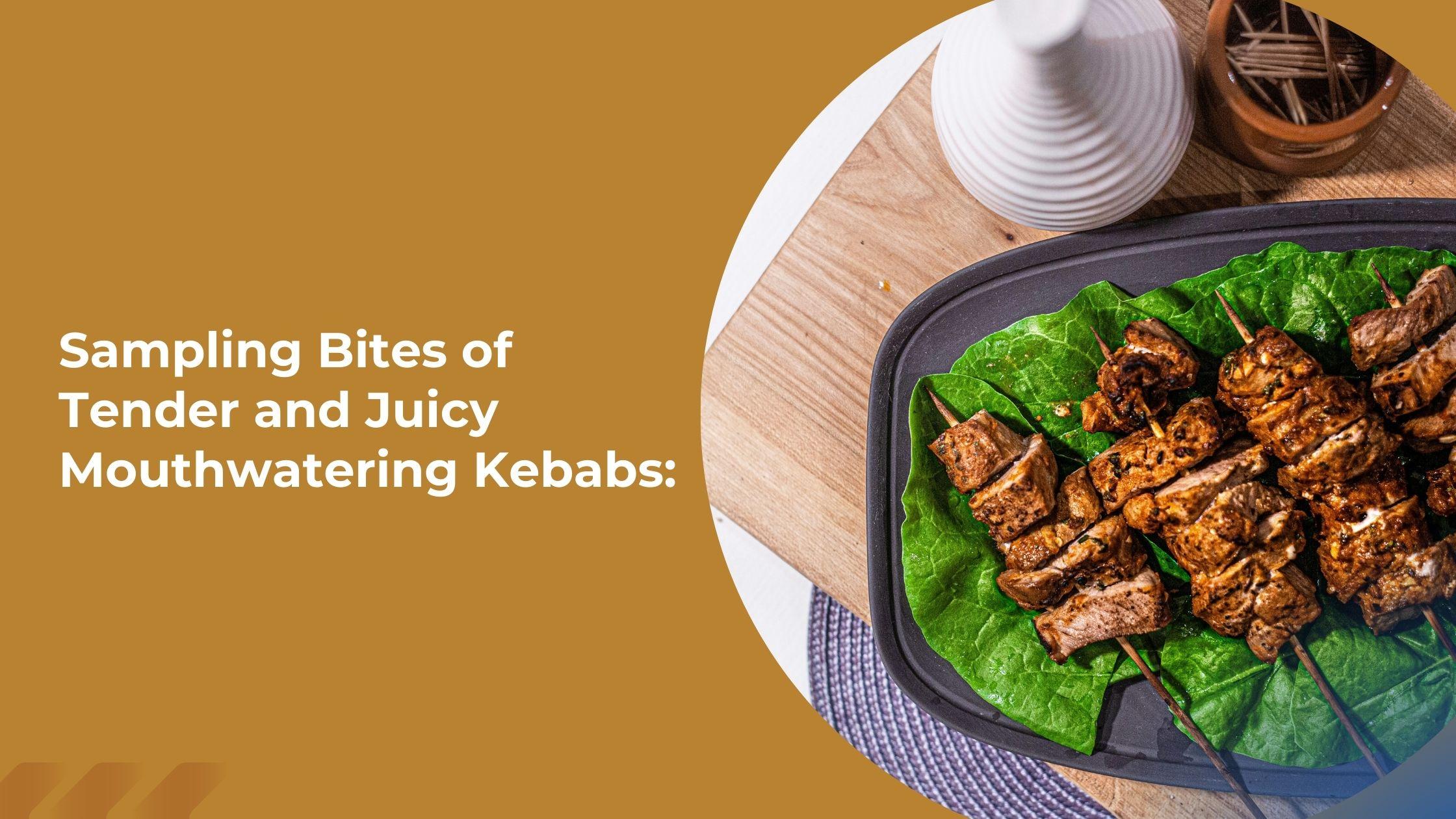
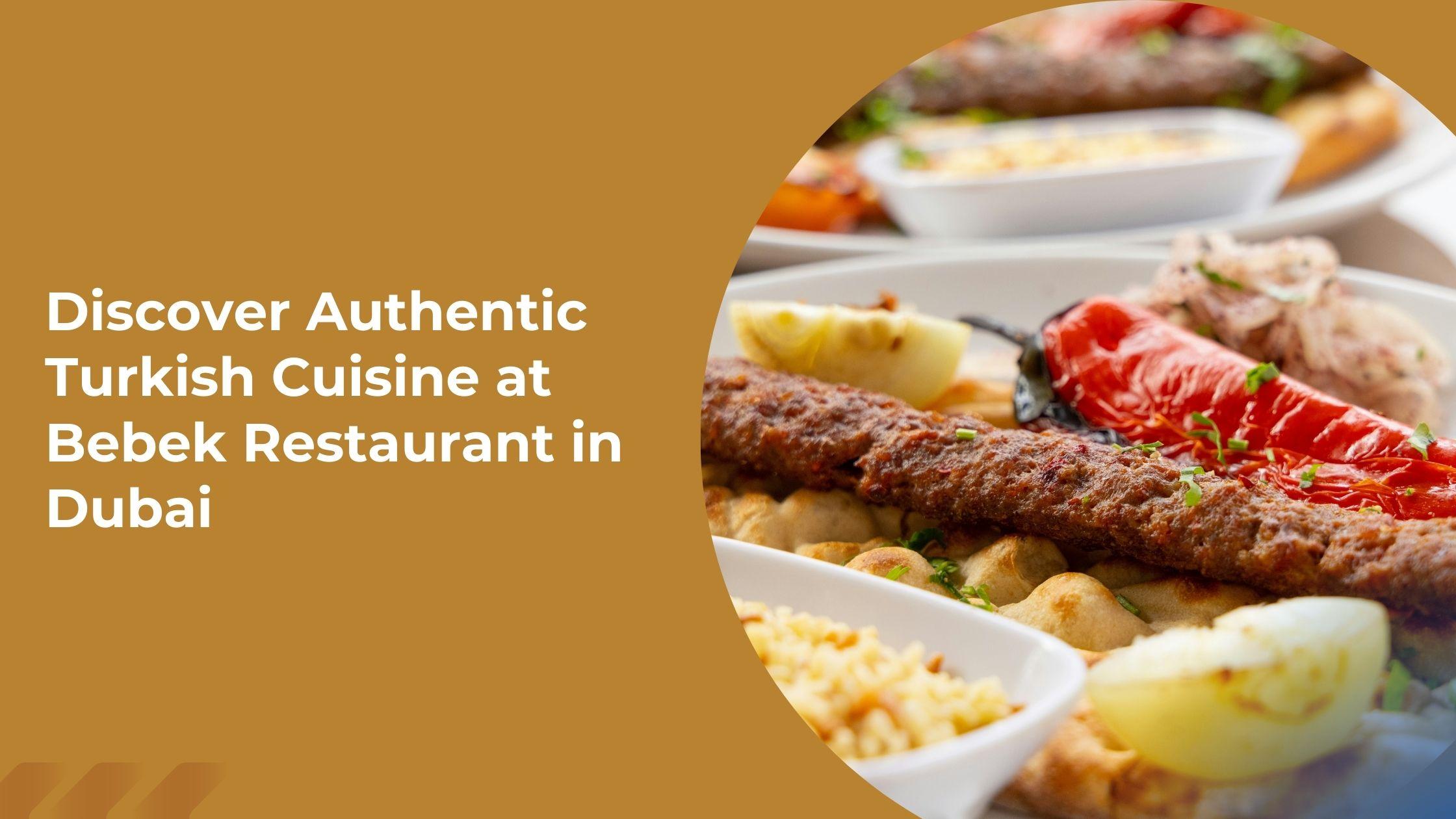
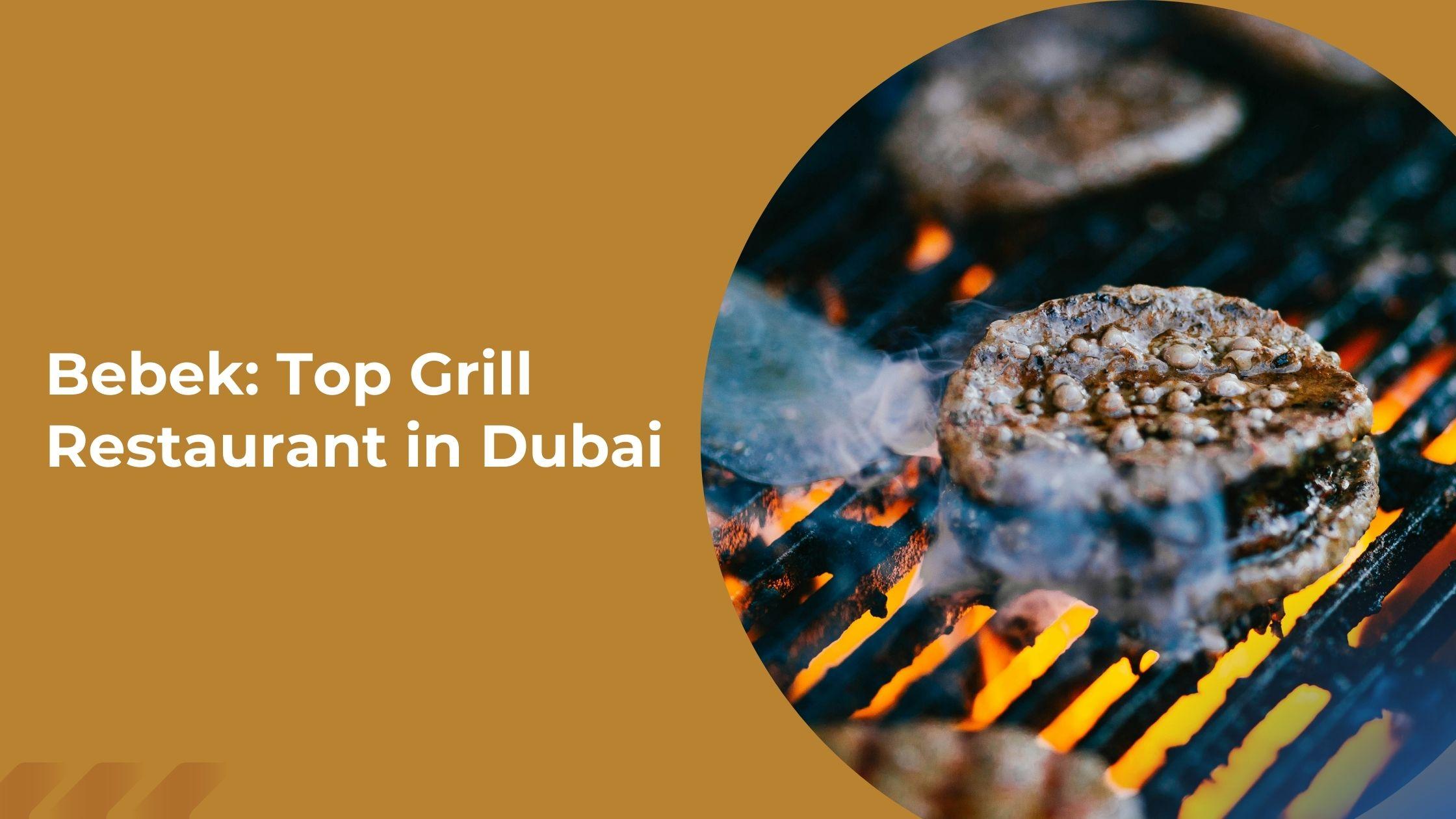
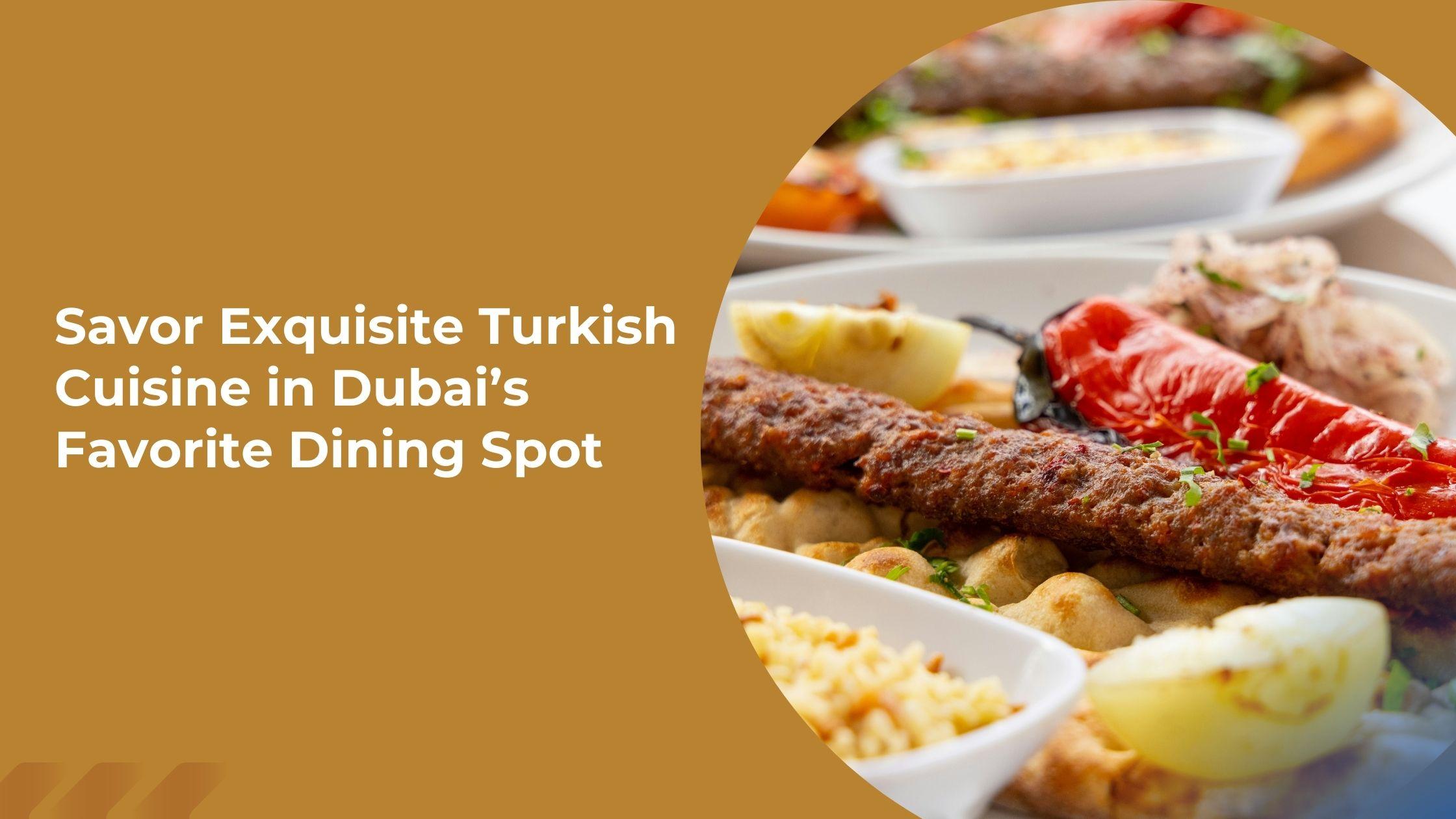
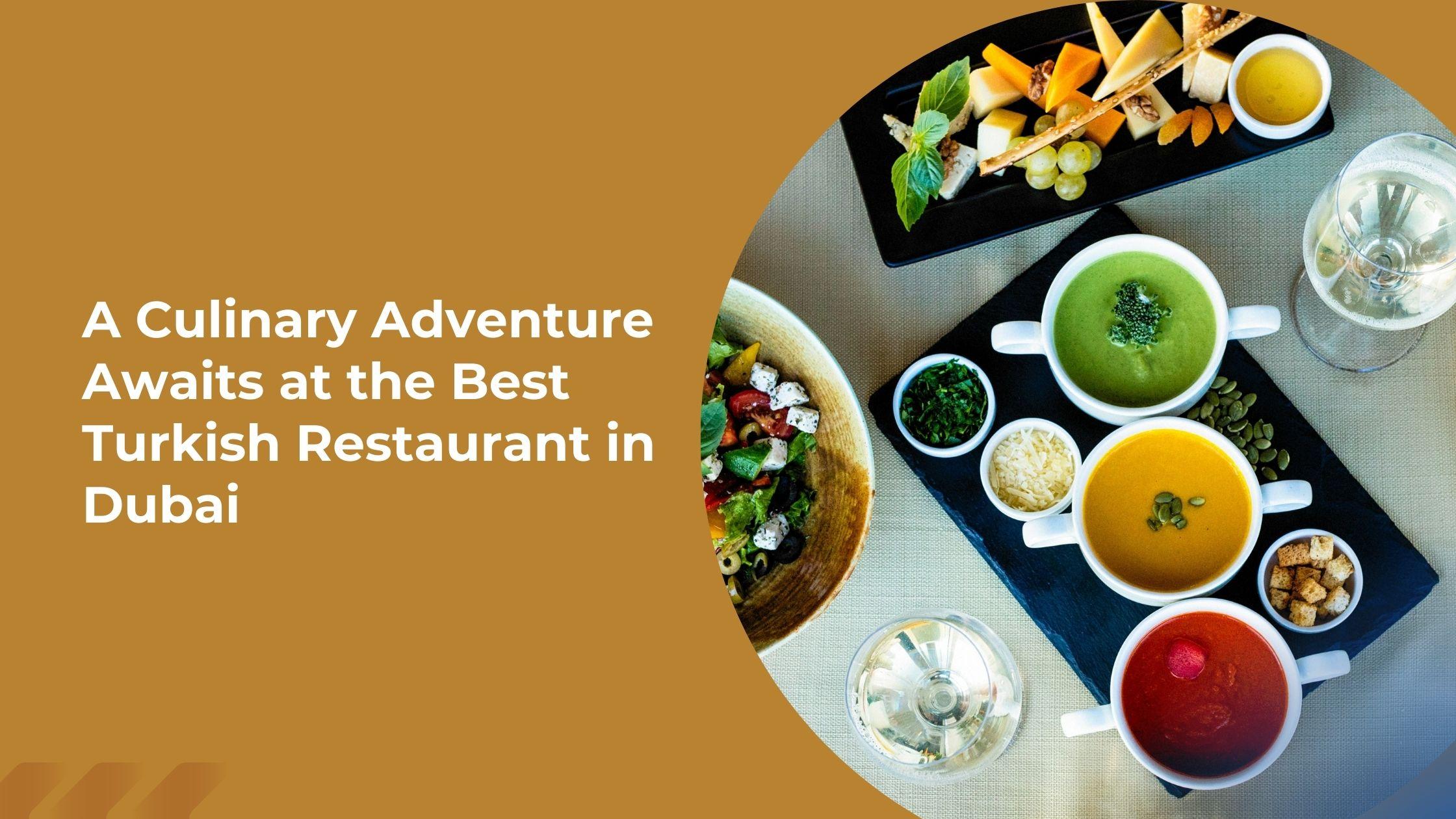
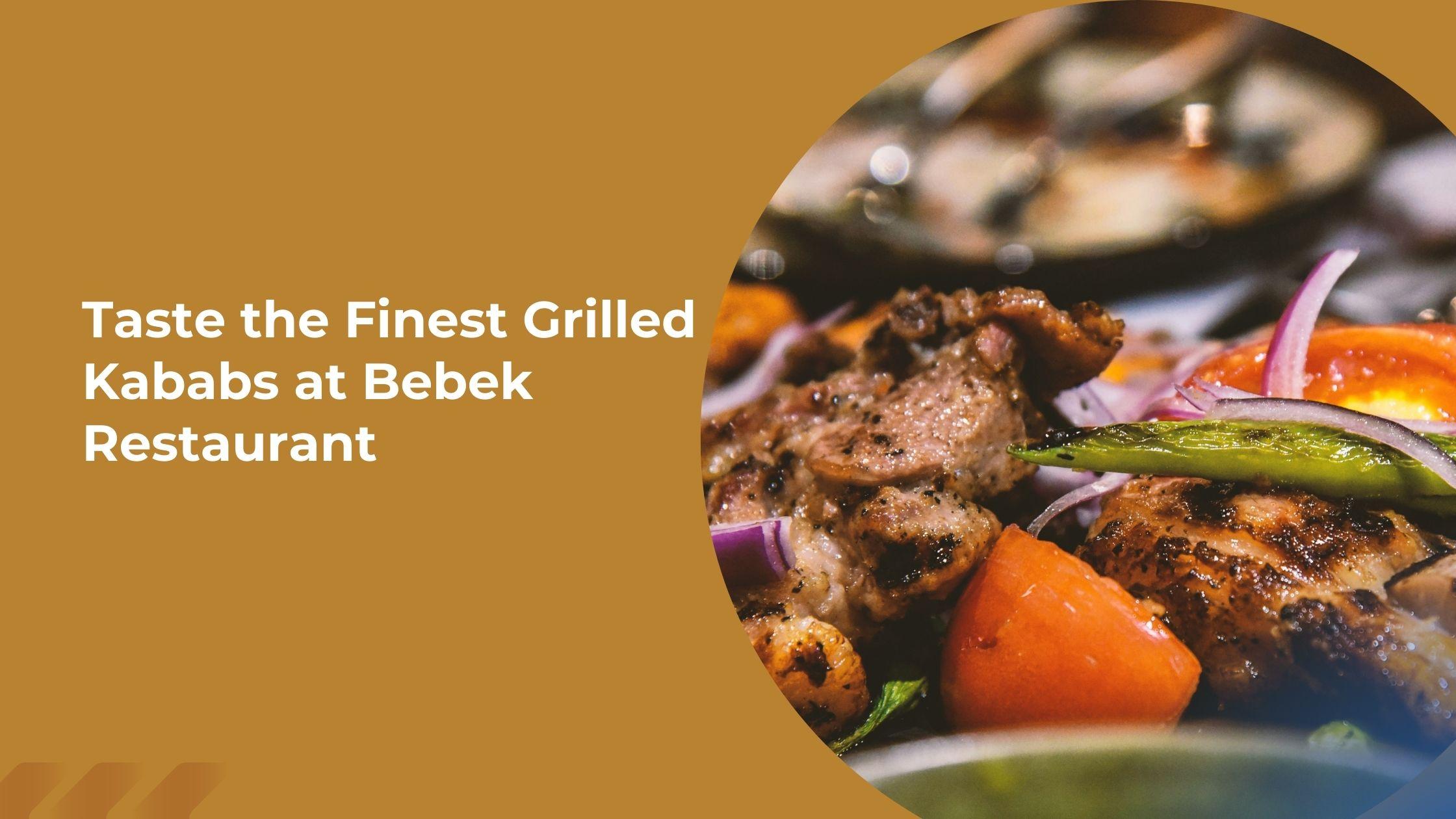
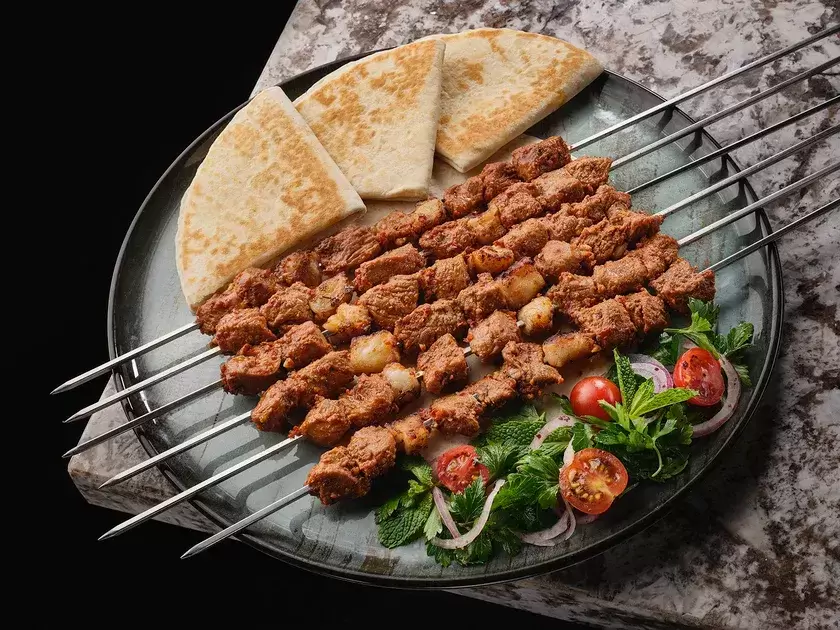
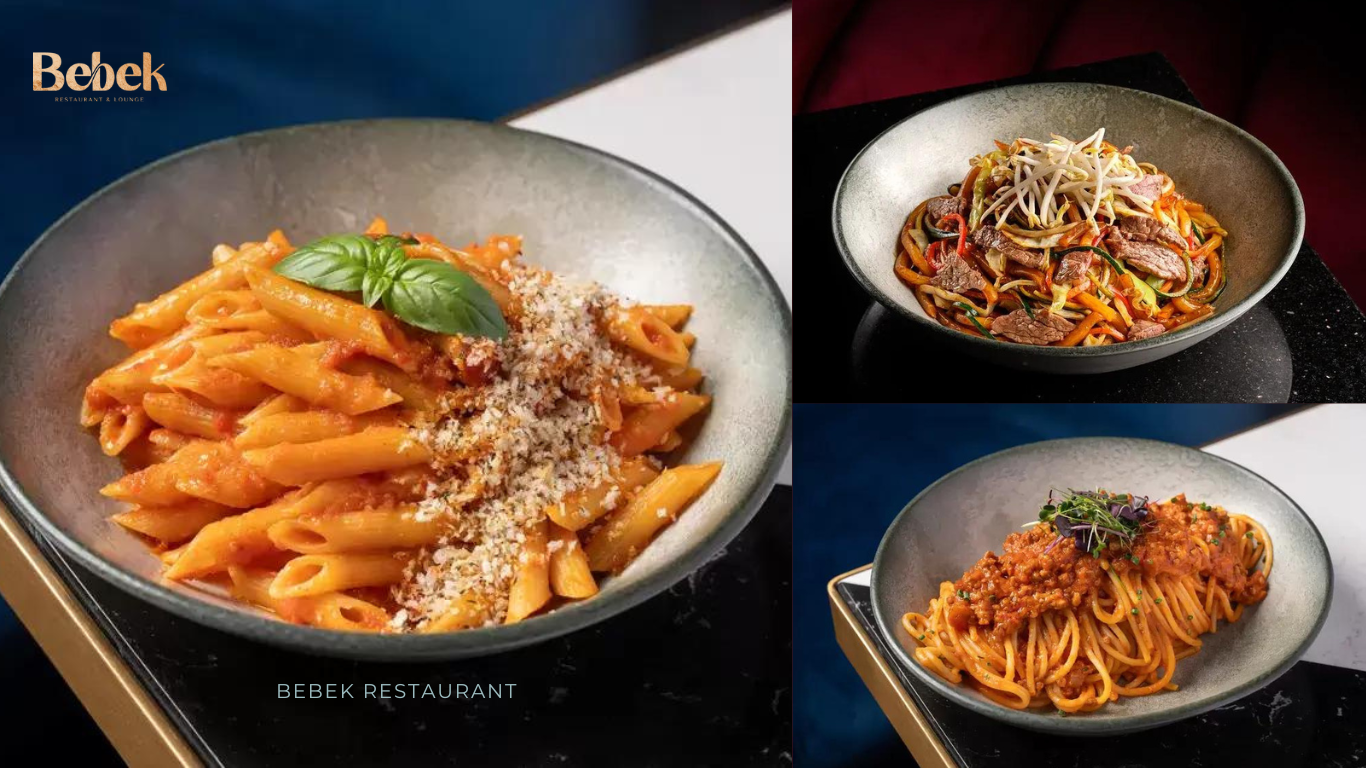
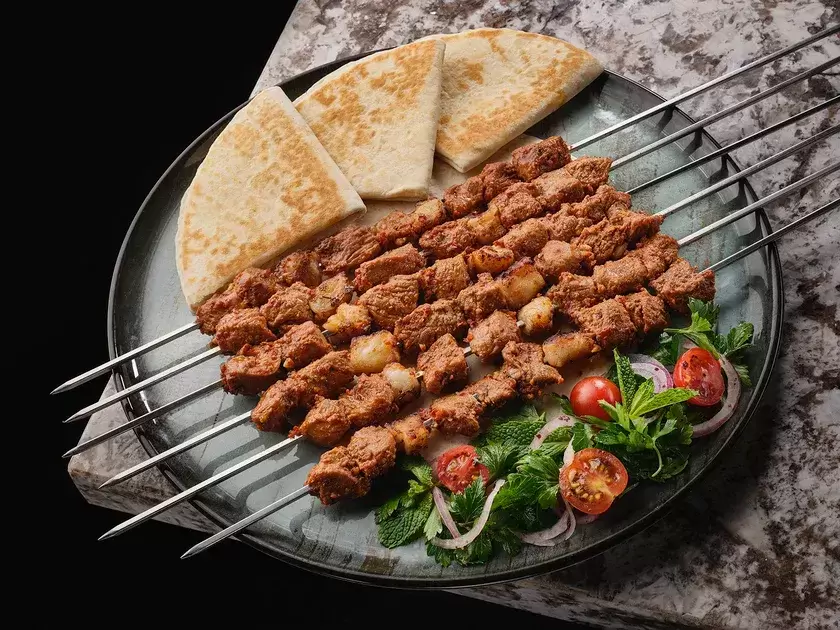
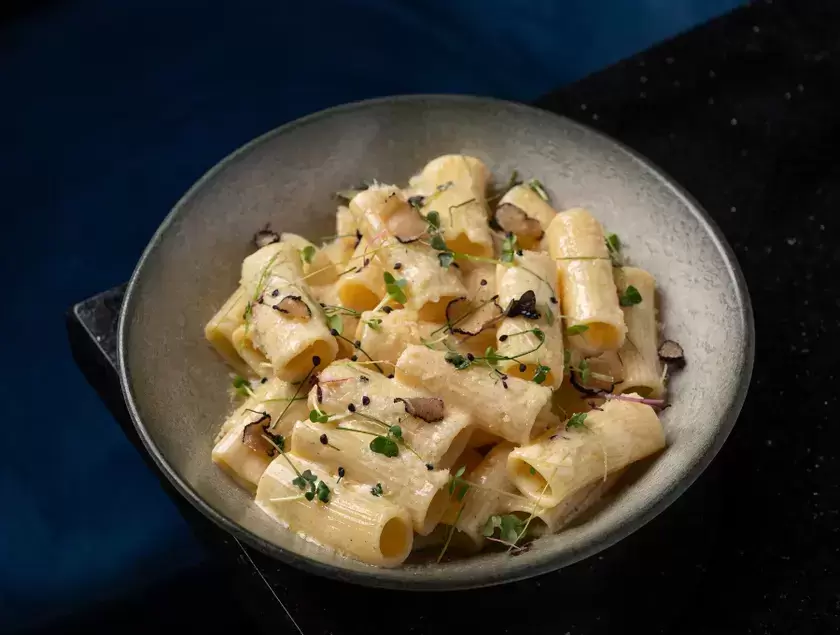
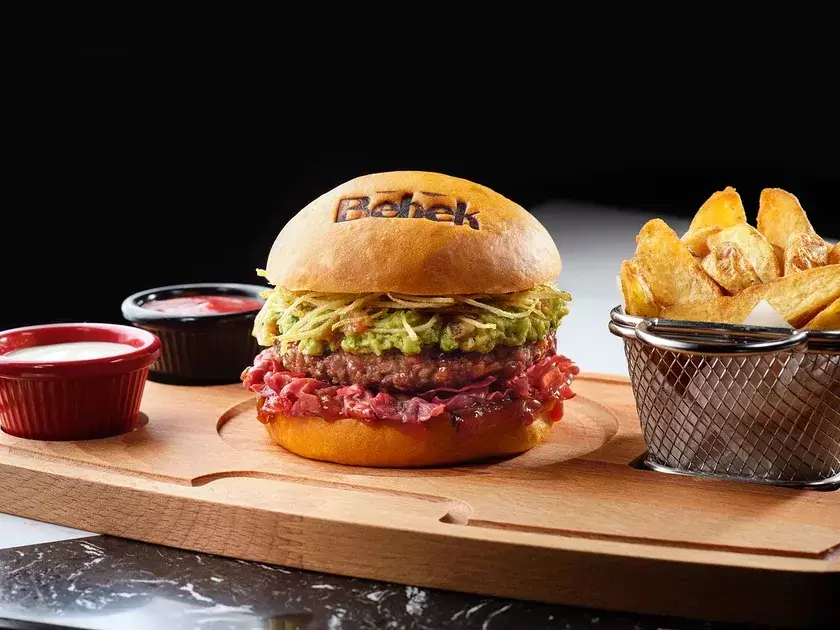
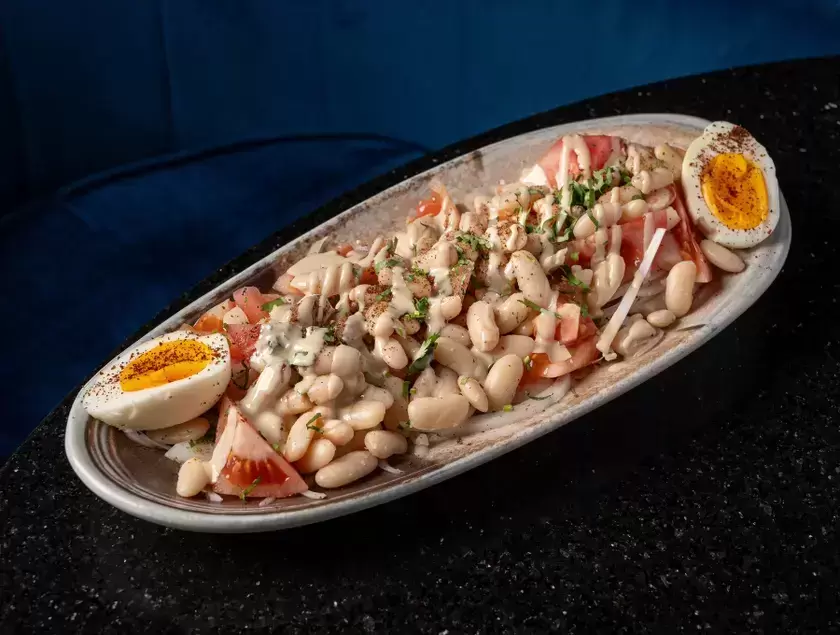
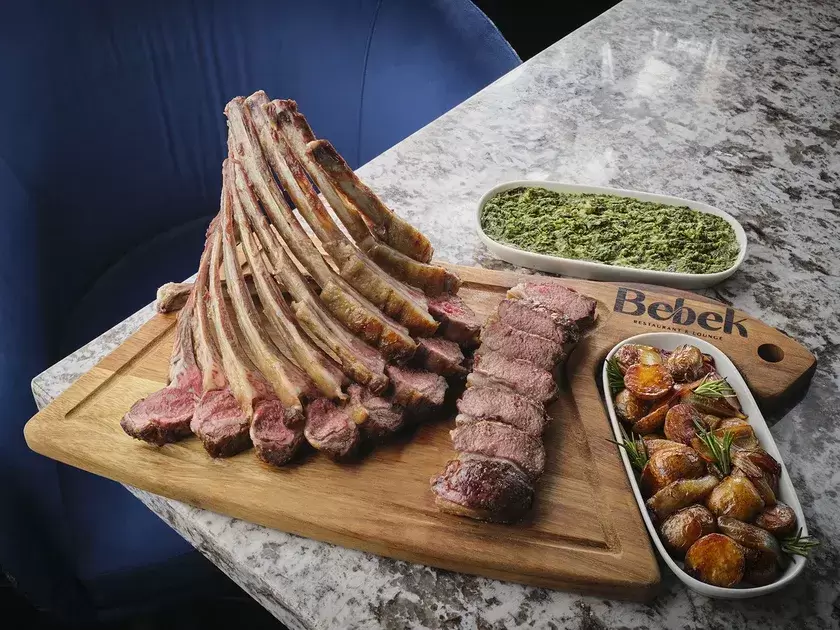
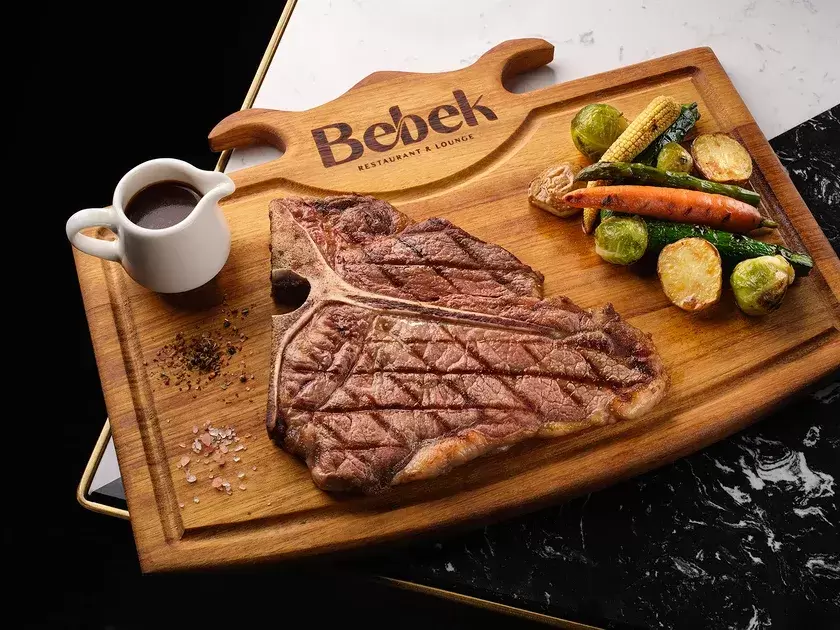
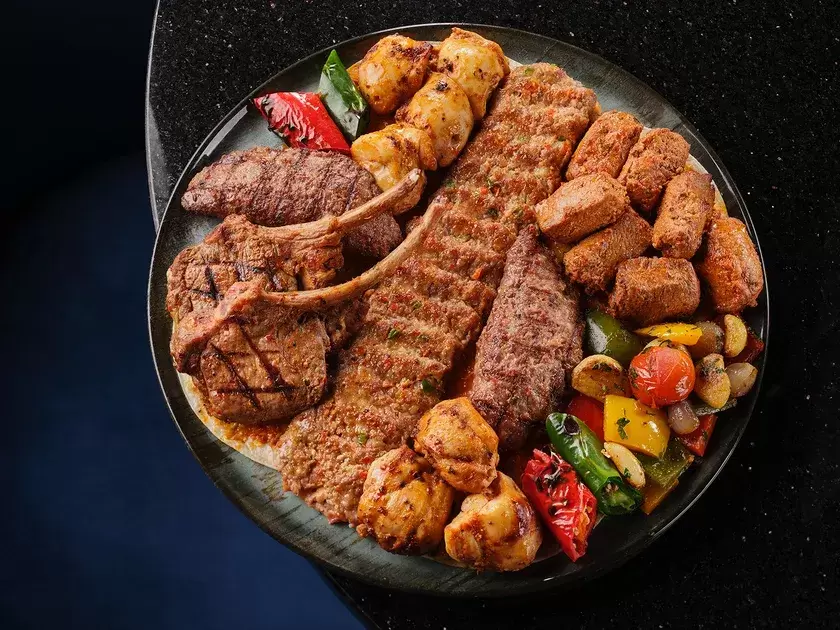
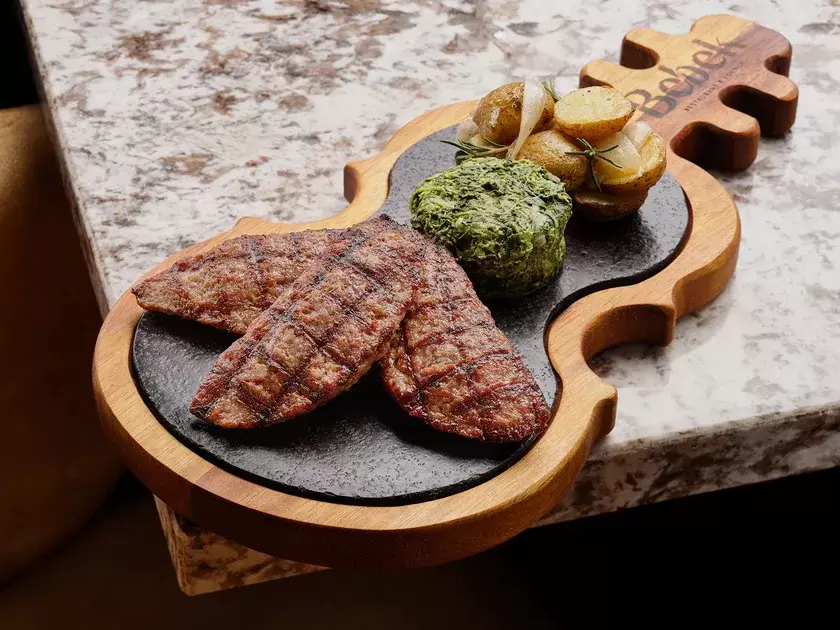
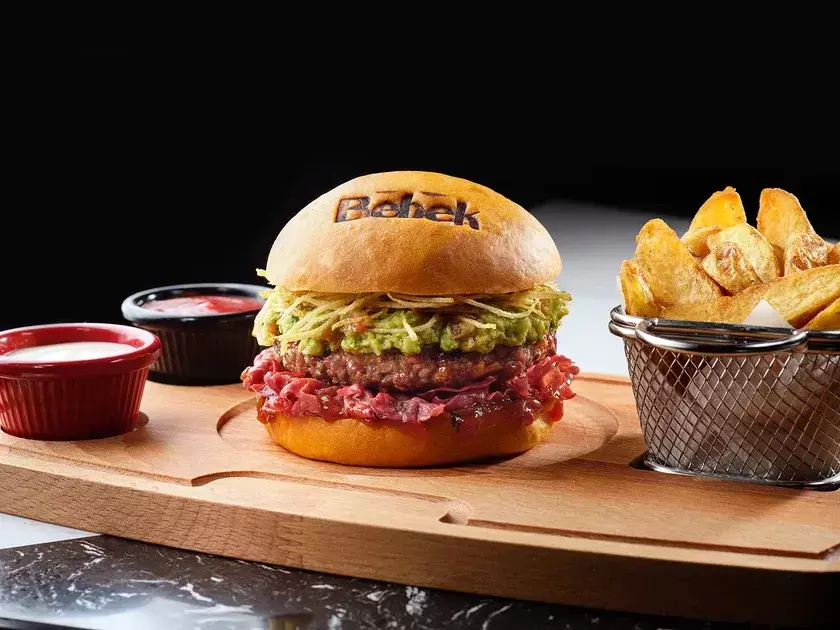
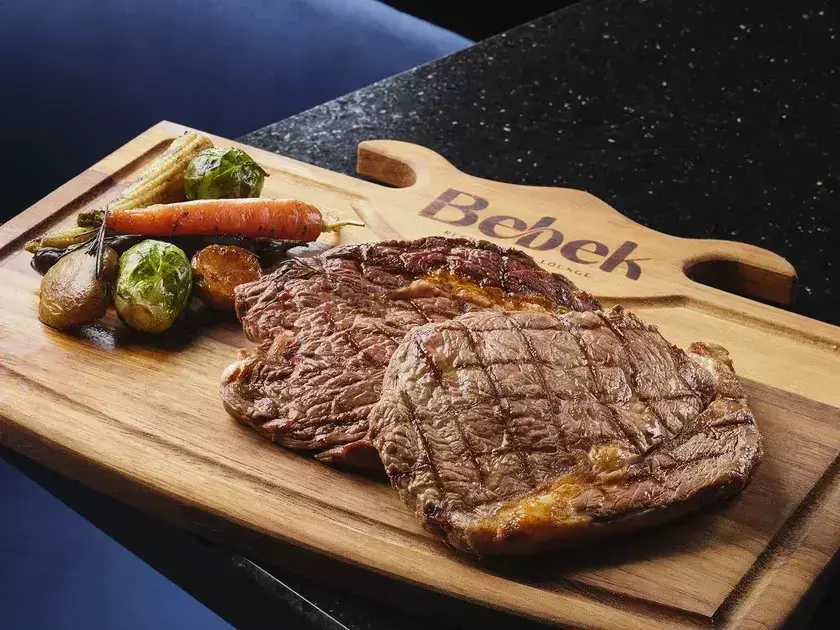
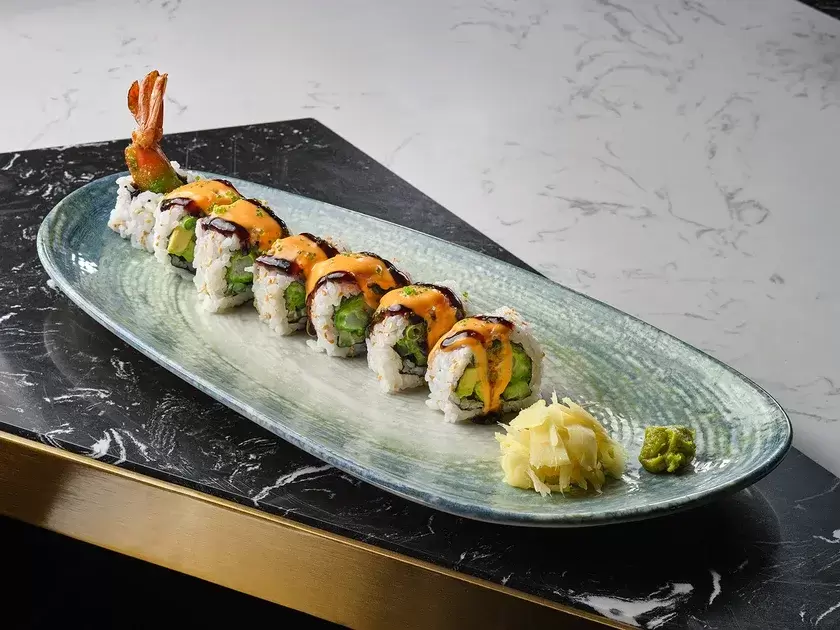
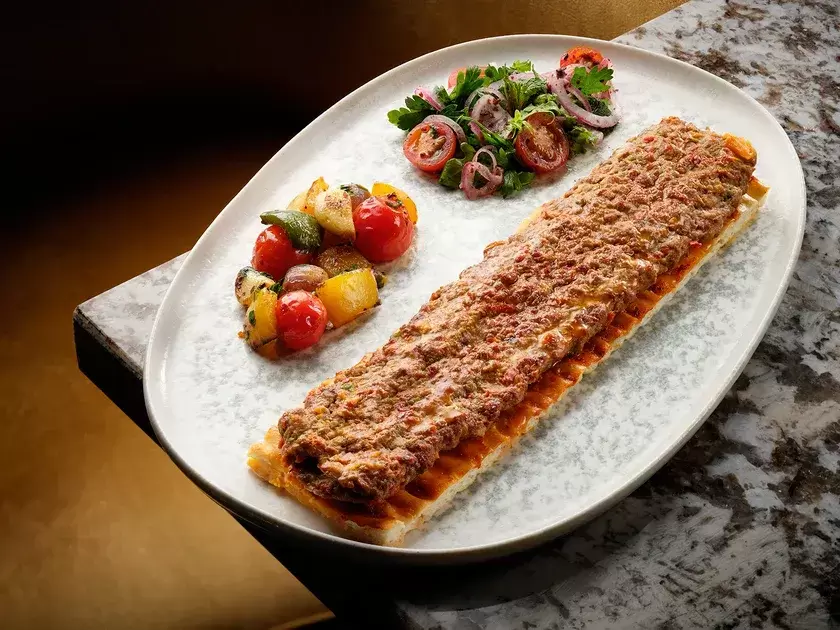
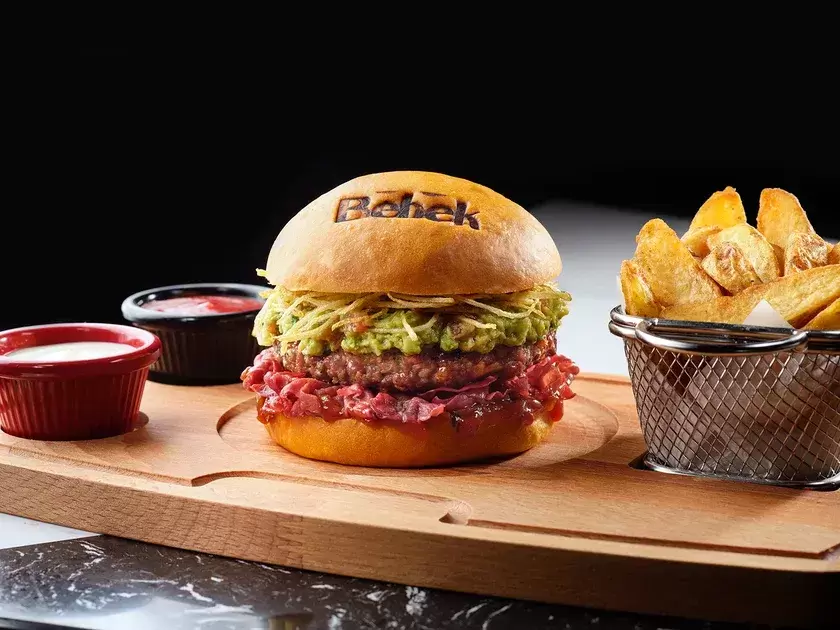
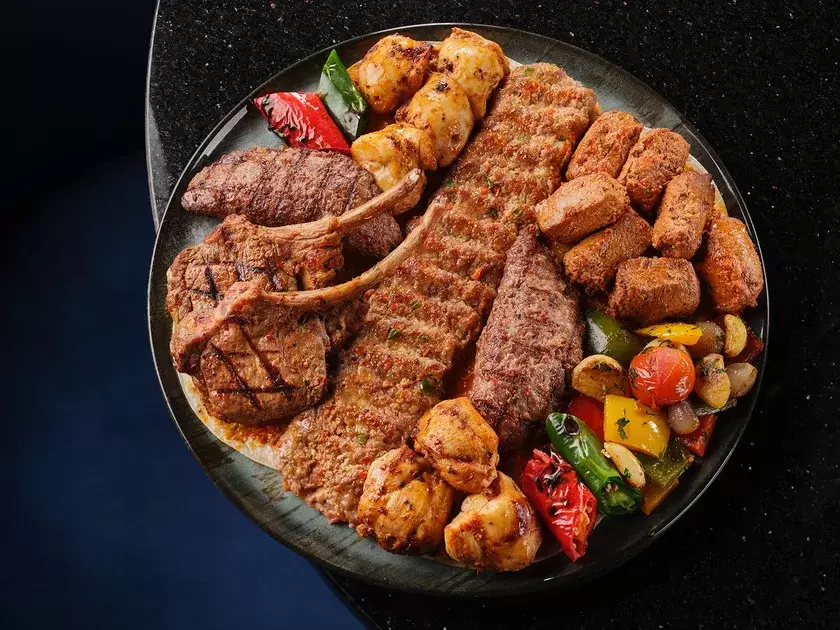
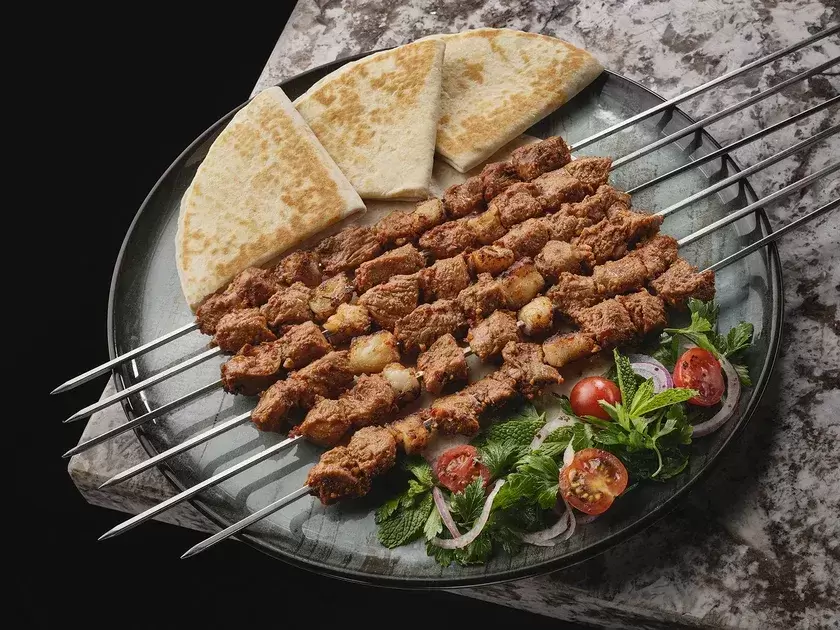
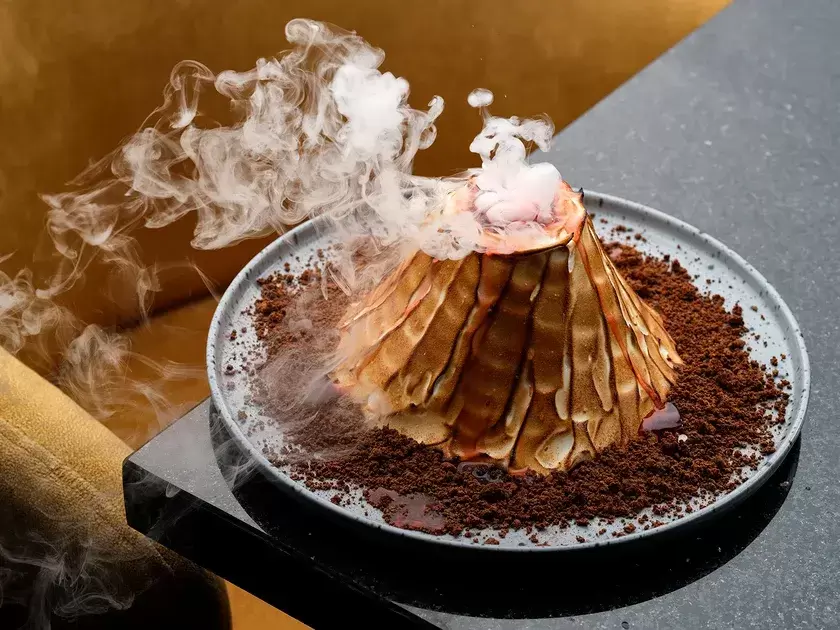
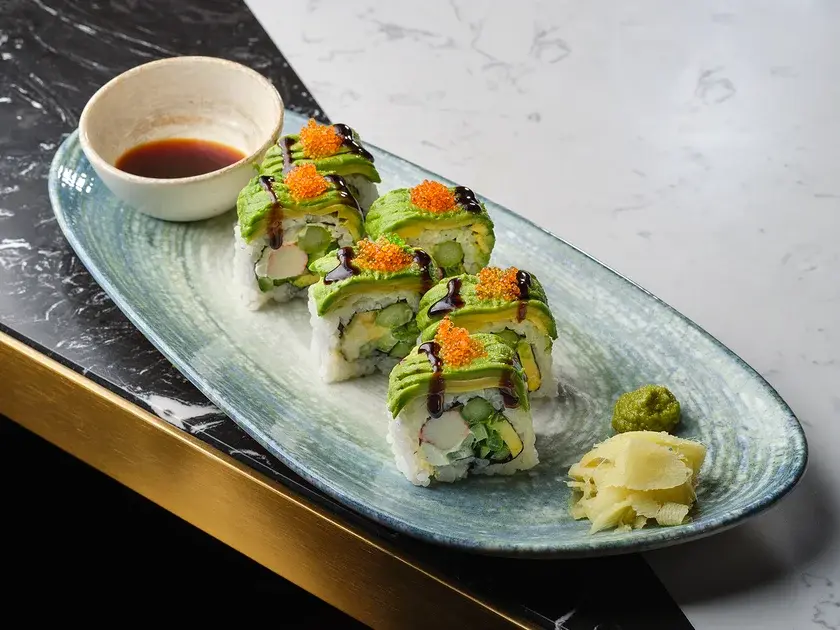
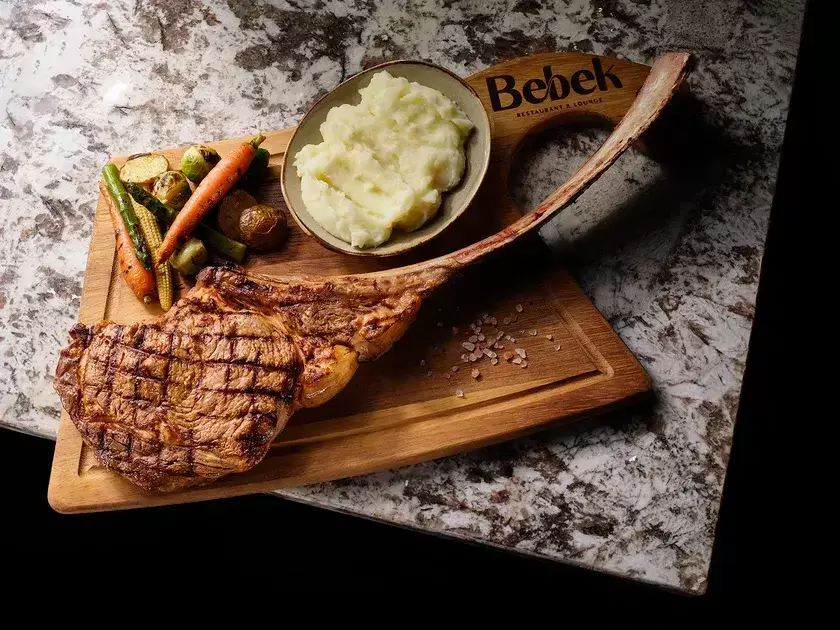
Bebek's published menu includes salads, cold and hot starters, grills and kebabs, oven dishes, pasta, and other main courses. These categories provide a starting point for comparing preferences, although individual ingredients and dietary suitability still need confirmation.
When reviewing any restaurant menu, ask one important question: Can each guest find a suitable meal without forcing the rest of the table to change their choices?
If the answer is unclear, contact the restaurant before making a reservation.
3. Decide What to Share and What to Order Individually
Sharing dishes can introduce variety, but it is not always the best approach for a professional lunch. The right decision depends on the group's dietary needs, meeting format, and available time.
-
When shared starters make sense
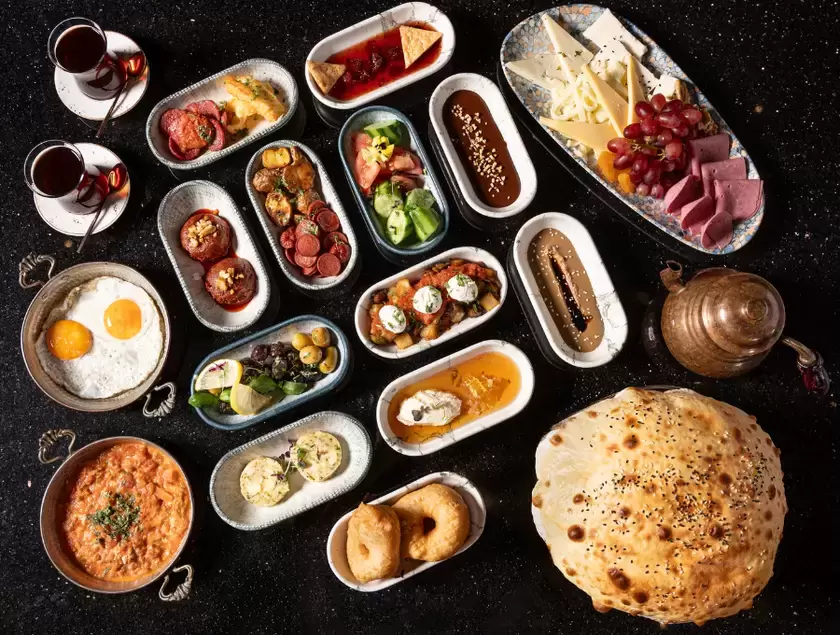
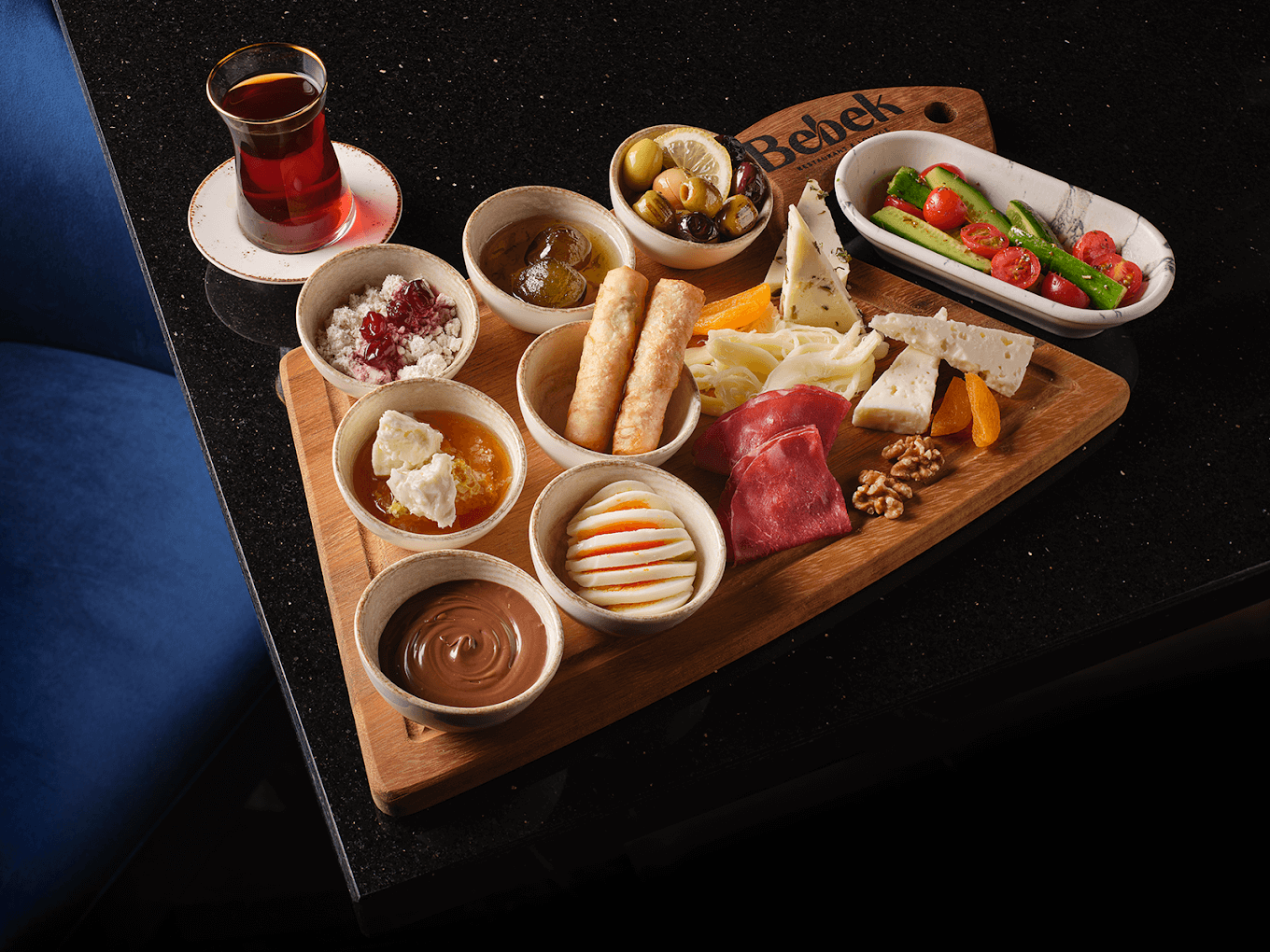
Shared starters work well when guests enjoy trying different flavours and the selected dishes suit everyone who will eat them. Salads, dips, and other suitable starters can offer variety before individual mains arrive.
However, shared plates become complicated when guests have allergies, strict dietary requirements, or concerns about ingredients touching other foods.
-
When individual dishes are better
Individual ordering gives each guest more control over ingredients, portion size, and meal choice. It is often the more practical option when dietary requirements differ or the meeting has a fixed finishing time.
-
When to combine both approaches
For many business lunches, a hybrid arrangement works best. Choose a few suitable starters for the table, then let everyone select an individual main course.
Use this simple decision guide:
|
Situation |
Recommended approach |
|
Informal team lunch |
Shared starters and individual mains |
|
Client meeting with limited time |
Individual orders with advance coordination |
|
Guests with different dietary needs |
Confirmed individual dishes |
|
Group with serious food allergies |
Restaurant-approved arrangements with careful ingredient and cross-contact checks |
The aim is not to make the meal identical for everyone. It is to make different choices work within one coordinated dining experience.
4. Match the Meal to the Meeting
The best menu for a business lunch also depends on what needs to happen around the table. A working meeting has different requirements from a client introduction or a relationship-building lunch.
-
For working lunches
Prioritize straightforward ordering and dishes that are practical to eat while talking. If attendees need to return to the office promptly, ask about expected service times before booking.
Avoid creating an elaborate shared meal that requires constant passing, serving, or discussion about who can eat what.
-
For first-time client meetings
Familiarity and choice can make ordering more comfortable. A menu with different cuisines and preparation styles allows guests to select dishes according to their own tastes.
Let the client choose first if appropriate, but avoid assuming their preferences based on their background, job title, or nationality.
-
For relationship-building lunches
A more relaxed meal can accommodate shared starters and a broader range of dishes. This format allows conversation to develop naturally without making the entire experience feel like an extension of an office meeting.
The key distinction is simple: choose the dining format around the purpose of the meeting, not just the number of people attending.
5. Prevent Dietary Requirements from Becoming Last-Minute Problems
Dietary needs should be handled before the group reaches the ordering stage. Discovering a restriction after food arrives can delay the meal and leave a guest with limited choices.
Start by distinguishing between a preference, an intolerance, and an allergy. These terms are not interchangeable, and the appropriate response depends on the individual's needs.
For example, a guest avoiding gluten may need to ask about sauces, pasta, bread, and preparation methods. Someone with a serious food allergy may also need confirmation that the kitchen can manage cross-contact risks.
Before the meeting:
-
Ask guests privately about essential dietary requirements.
-
Send the restaurant the relevant details in advance.
-
Request confirmation about suitable dishes and preparation.
-
Avoid making assumptions based on dish names.
-
Confirm any unresolved concerns before ordering.
If a restaurant cannot confirm that it can manage a serious allergy safely, do not promise the guest that a particular dish will be suitable.
6. Use a Simple Planning Framework Before Booking
Once you understand the group's requirements, use this checklist to compare restaurants. It helps you assess the complete experience rather than choosing a venue based on appearance or menu size alone.
A restaurant does not need to offer every possible cuisine. It needs to provide appropriate choices for your particular group and communicate clearly about any limitations.
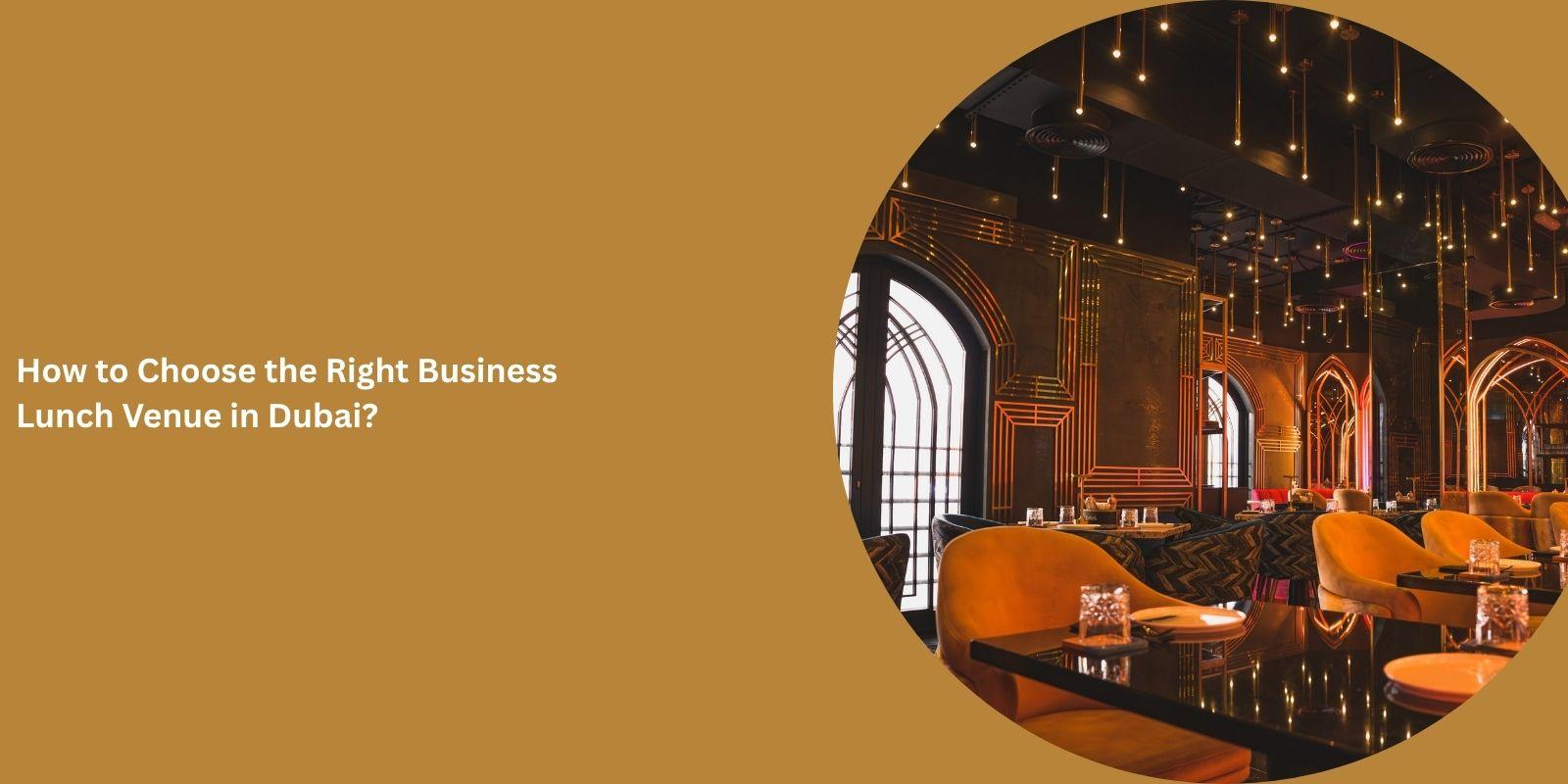
For more ideas about selecting a suitable venue, read Bebek's guide to choosing a business lunch venue in Dubai.
7. Plan Your Business Lunch at Bebek Restaurant & Lounge
Bebek Restaurant & Lounge in Jumeirah offers Turkish and international menu options for guests who want different dishes around the same table. Its menu categories include salads, starters, grills and kebabs, oven dishes, pasta, and other mains.
For a mixed business group, the practical next step is to identify which categories match the attendees' preferences and confirm any dietary requirements directly with the restaurant. This helps you assess the available choices before deciding how to structure the meal.
Organising your next Business Lunch Dubai experience? Visit Bebek Restaurant & Lounge and contact the restaurant to discuss your group, menu preferences, and dietary requirements before booking.
Frequently Asked Questions
1. How do you plan a Business Lunch Dubai experience for people with different diets?
Start by identifying essential dietary requirements, then compare restaurant menus for suitable categories and individual choices. Confirm ingredients and preparation methods directly with the restaurant where necessary. For most mixed groups, shared starters combined with individual main courses can offer flexibility without making ordering unnecessarily complicated.
2. Is a shared menu better than individual ordering for a business lunch?
Neither approach is universally better. Shared starters can introduce variety and encourage conversation, while individual mains provide more control over ingredients and portion sizes. For guests with allergies or strict dietary requirements, confirm suitability before sharing food. The best arrangement depends on the group and meeting schedule.
3. What should you look for in a business lunch restaurant in Dubai?
Look for a menu with distinct meal categories, clear ingredient information, suitable seating, and service arrangements that fit your meeting duration. Consider whether guests can order individually and whether the restaurant can address specific dietary requirements. A flexible menu is more valuable than a long menu with repetitive options.
4. How can you accommodate vegetarian guests at a business lunch?
Identify suitable vegetarian dishes before booking and confirm that their ingredients meet the guest's requirements. Check sauces, stocks, garnishes, and preparation methods rather than relying on a dish's name. Let vegetarian guests choose their own meals, and avoid making them depend entirely on shared starters or side dishes.
Key Takeaways
-
Plan around the most restrictive dietary requirement first. Then assess the remaining choices for the group.
-
Use a hybrid ordering approach where suitable. Shared starters can provide variety, while individual mains preserve choice.
-
Match the menu to the meeting. Consider dietary needs, service timing, and the purpose of the gathering.