
16 Jun 2026
Arabic food in Dubai: Role of Spices, Herbs & Cooking Techniques Explained
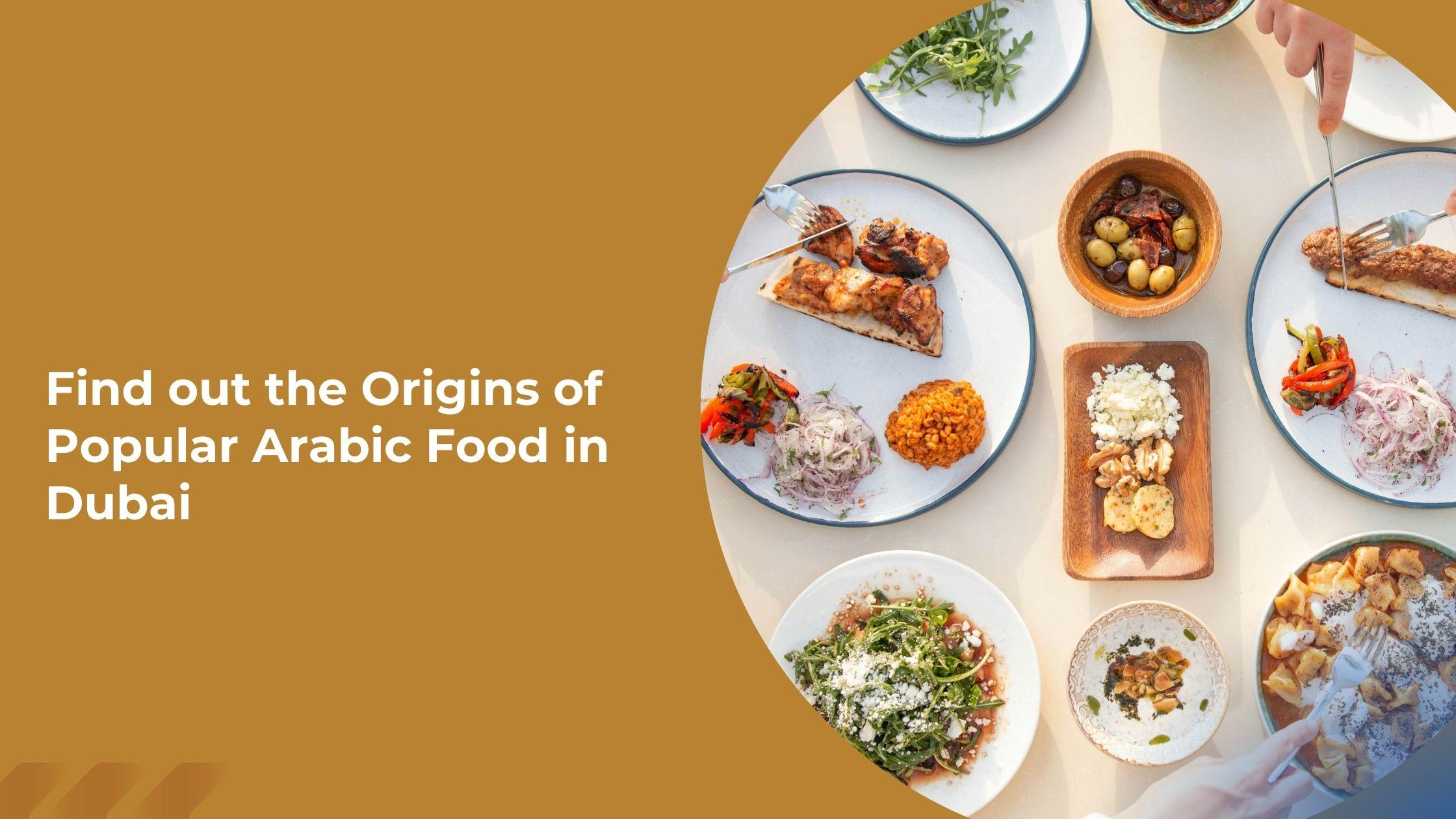
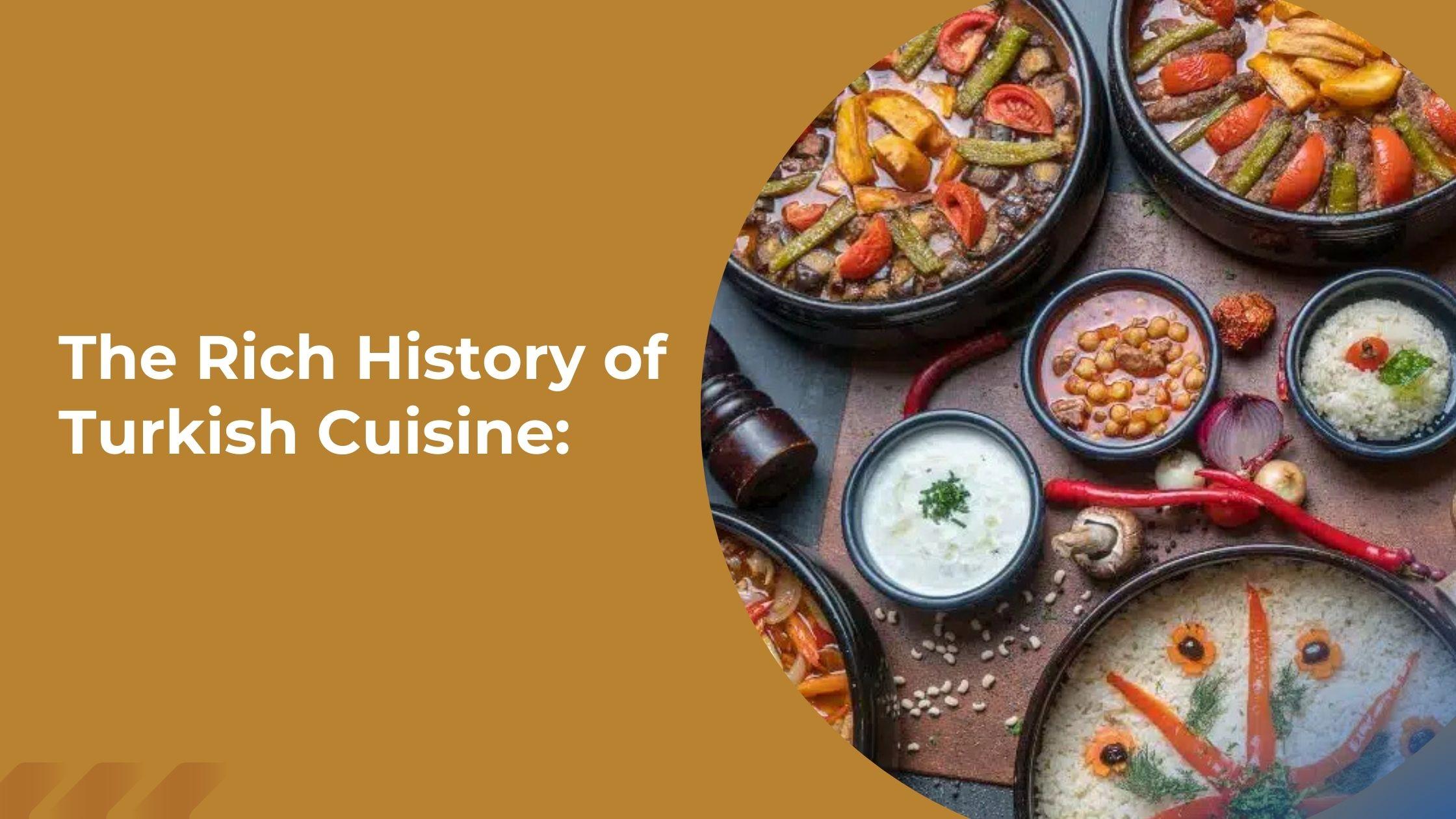
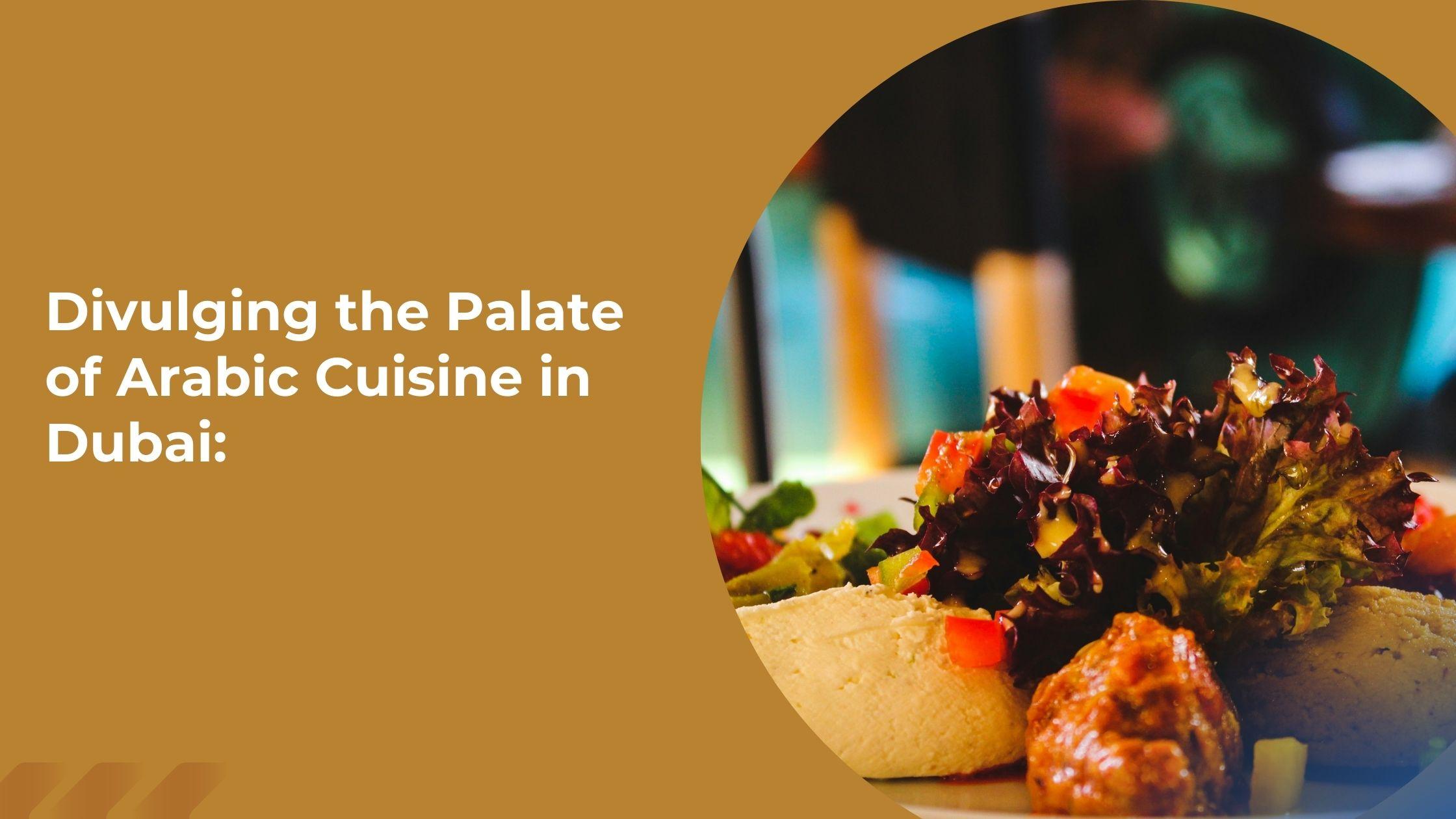
Arabic food in Dubai is much more than grilled meats, mezze platters, and traditional desserts. Behind every dish is a combination of carefully selected spices, fragrant herbs, and cooking techniques that have been passed down through generations.
Many visitors try Arabic cuisine in Dubai and immediately notice the rich flavors, but few realize how much thought goes into creating those flavors. It's not usually about making food extremely spicy. Instead, Arabic cooking focuses on balance, aroma, depth, and bringing natural ingredients together in a way that feels comforting and memorable.
From slow-cooked lamb dishes to charcoal-grilled kebabs and freshly baked flatbreads, the secret often lies in the spices, herbs, and traditional cooking methods used throughout the region.
This guide explores how these elements come together to create the authentic taste of Arabic food in Dubai.
Why Arabic Cuisine Is So Popular in Dubai
Dubai is one of the best places to experience Arabic cuisine because the city brings together culinary traditions from across the Middle East.
Whether you're dining with family, meeting friends, or introducing visitors to local flavors, Arabic food offers something for almost everyone.
People often enjoy Arabic cuisine because:
- The flavors are rich without being overwhelming
- Meals are designed for sharing
- Fresh ingredients are heavily used
- There is a balance between grilled, baked, and slow-cooked dishes
- The food reflects centuries of cultural traditions
Many traditional dishes found in Dubai today still rely on recipes and techniques that have been used throughout the Arab world for generations.
The Importance of Spices in Arabic Food
If there is one thing that defines Arabic food, it is the thoughtful use of spices.
Unlike some cuisines that focus on intense heat, Arabic cooking often uses spices to build layers of flavor and aroma.
Common Spices Used in Arabic Cuisine
|
Spice |
Flavor Profile |
Common Uses |
|
Cardamom |
Warm and aromatic |
Coffee, rice dishes, desserts |
|
Cumin |
Earthy and savory |
Kebabs, stews, hummus |
|
Cinnamon |
Sweet and warm |
Rice dishes, meats, desserts |
|
Saffron |
Floral and delicate |
Rice, festive dishes |
|
Sumac |
Tangy and citrusy |
Salads, meats, flatbreads |
|
Cloves |
Rich and warming |
Slow-cooked dishes and rice |
Cardamom remains one of the most recognizable ingredients in Arabic cuisine and is commonly used in both savory dishes and traditional Arabic coffee. Saffron, cinnamon, cloves, and sumac are also widely used to create the distinctive flavor profiles found across the region.
Baharat: The Signature Arabic Spice Blend
One of the most important spice mixtures in Arabic cooking is Baharat. The word itself simply means "spices" in Arabic, but the blend can vary between countries and households.
A typical Baharat mix may include:
- Black pepper
- Cardamom
- Cinnamon
- Cumin
- Coriander
- Cloves
- Nutmeg
This blend is often used in rice dishes, grilled meats, soups, and stews to create depth without overpowering the ingredients.
How Herbs Shape Arabic Flavors
While spices provide warmth and complexity, herbs bring freshness and balance. Arabic cuisine relies heavily on fresh herbs to enhance both flavor and presentation.
Popular Herbs in Arabic Cooking
Parsley
Parsley is one of the most widely used herbs in Arabic cuisine.
It plays a key role in dishes such as:
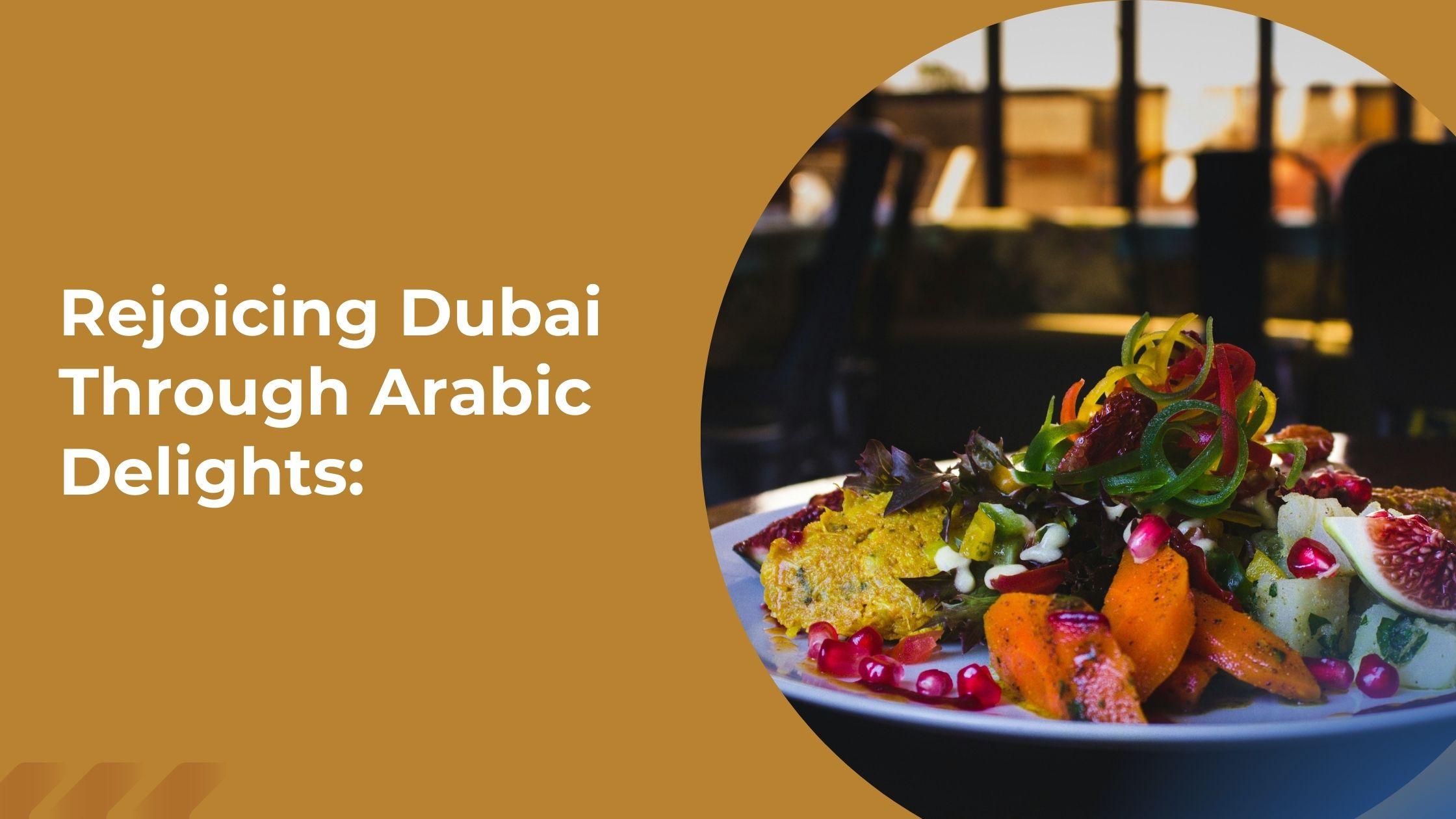
- Tabbouleh
- Mezze platters
- Fresh salads
Mint
Mint adds brightness and freshness.
You'll often find it in:
- Salads
- Yogurt-based dishes
- Traditional beverages
Thyme
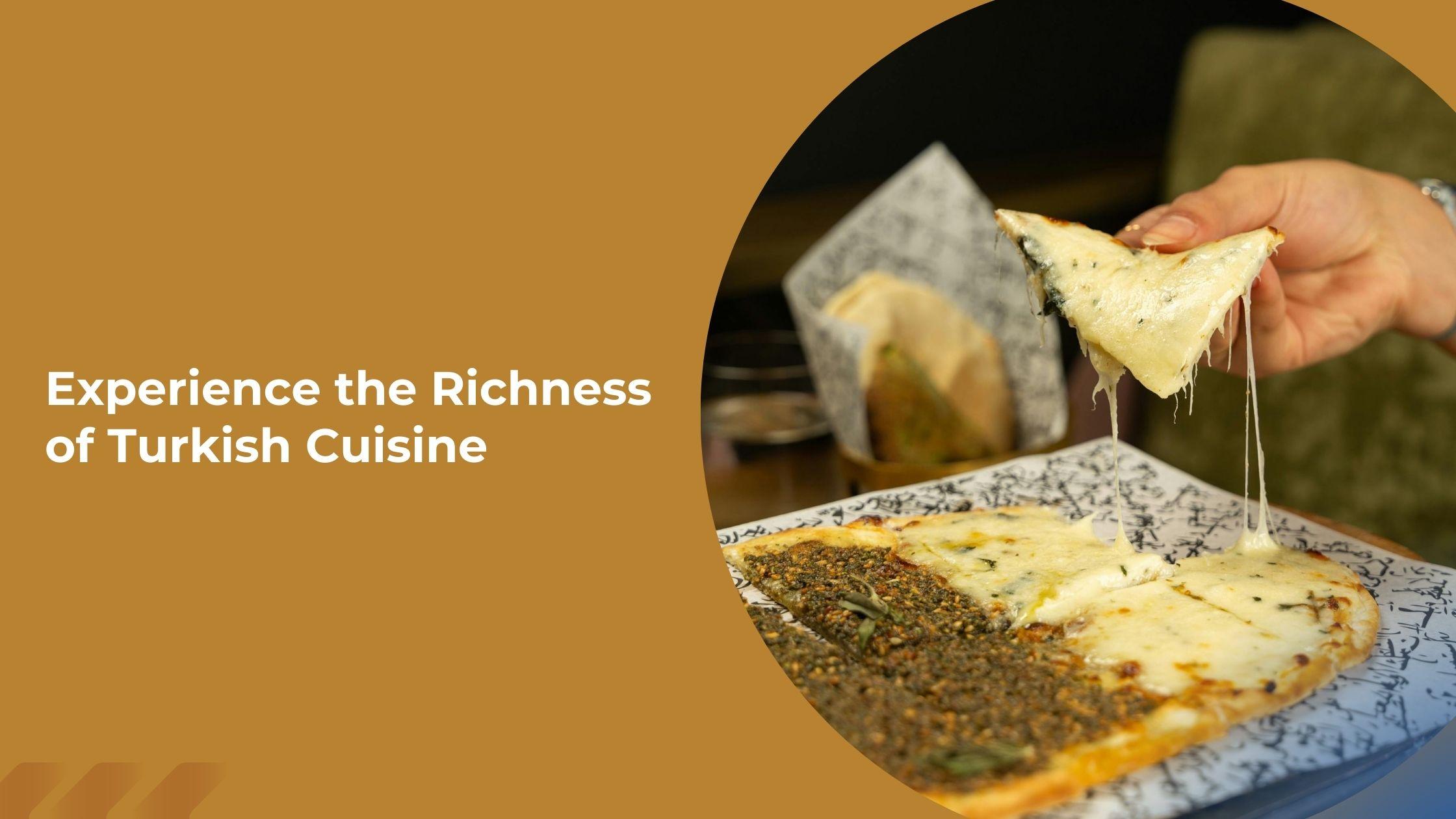
Thyme is particularly important because it forms part of Za'atar, one of the region's most famous herb and spice blends. Za'atar commonly combines thyme, sesame seeds, and sumac to create a savory, slightly tangy seasoning.
Why Fresh Herbs Matter
Fresh herbs help balance richer ingredients such as grilled meats and rice dishes. They also contribute to the vibrant appearance that Arabic food is known for.
This combination of herbs and spices creates layers of flavor that feel complex while remaining approachable.
Traditional Cooking Techniques Behind Arabic Food
The ingredients are important, but the cooking methods are what bring everything together. Many traditional Arabic dishes rely on techniques that focus on patience rather than speed.
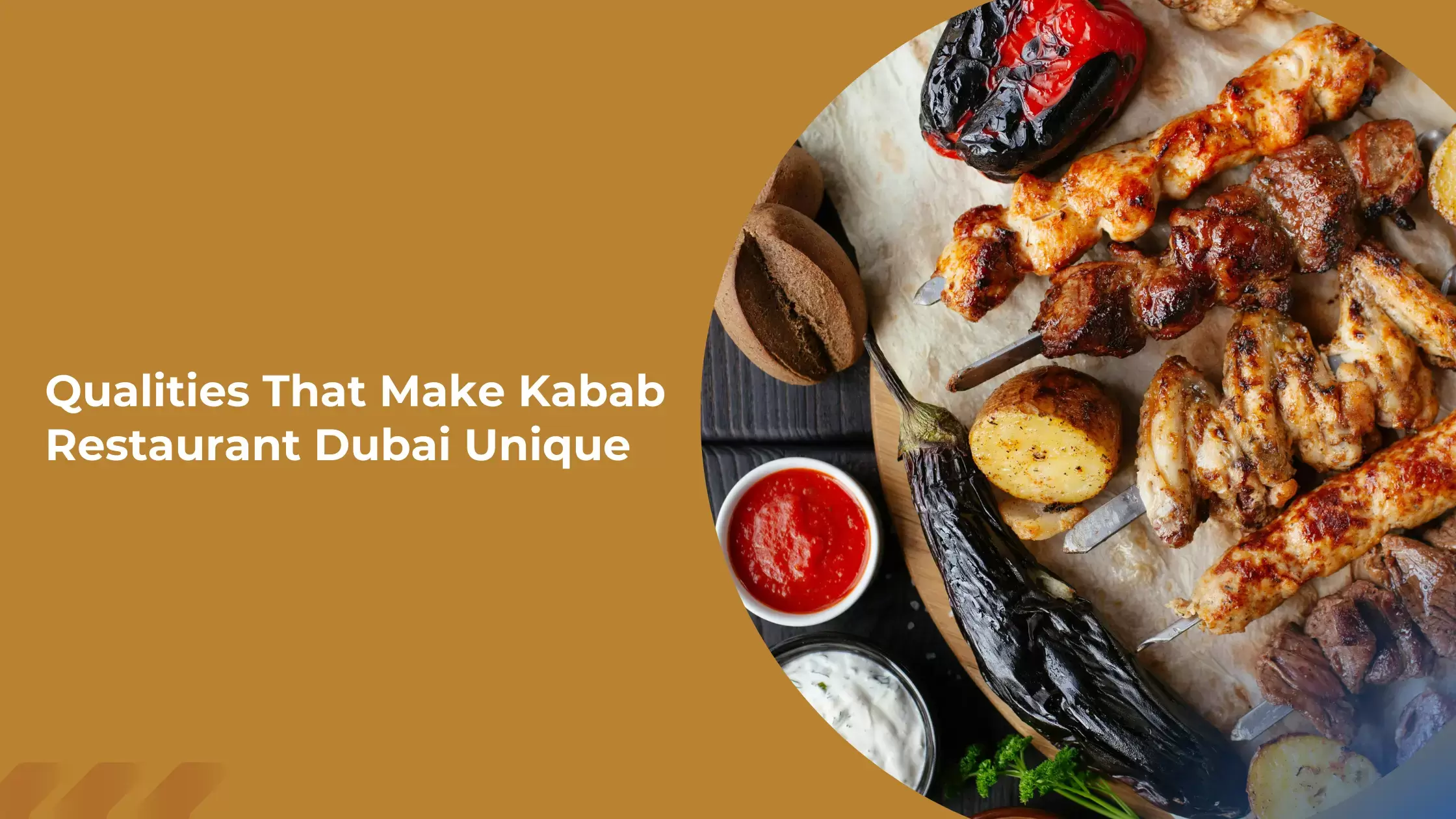
Charcoal Grilling
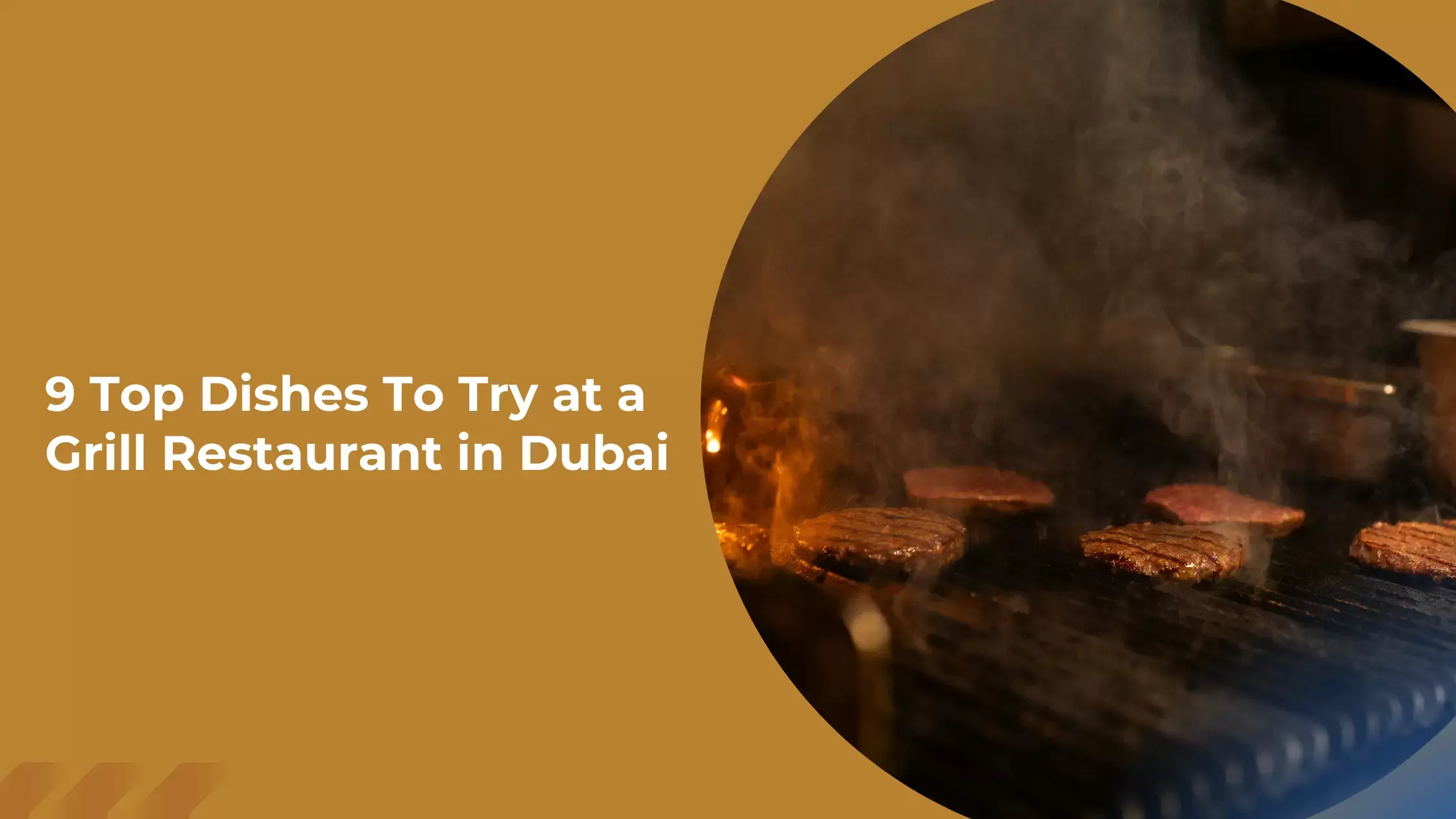
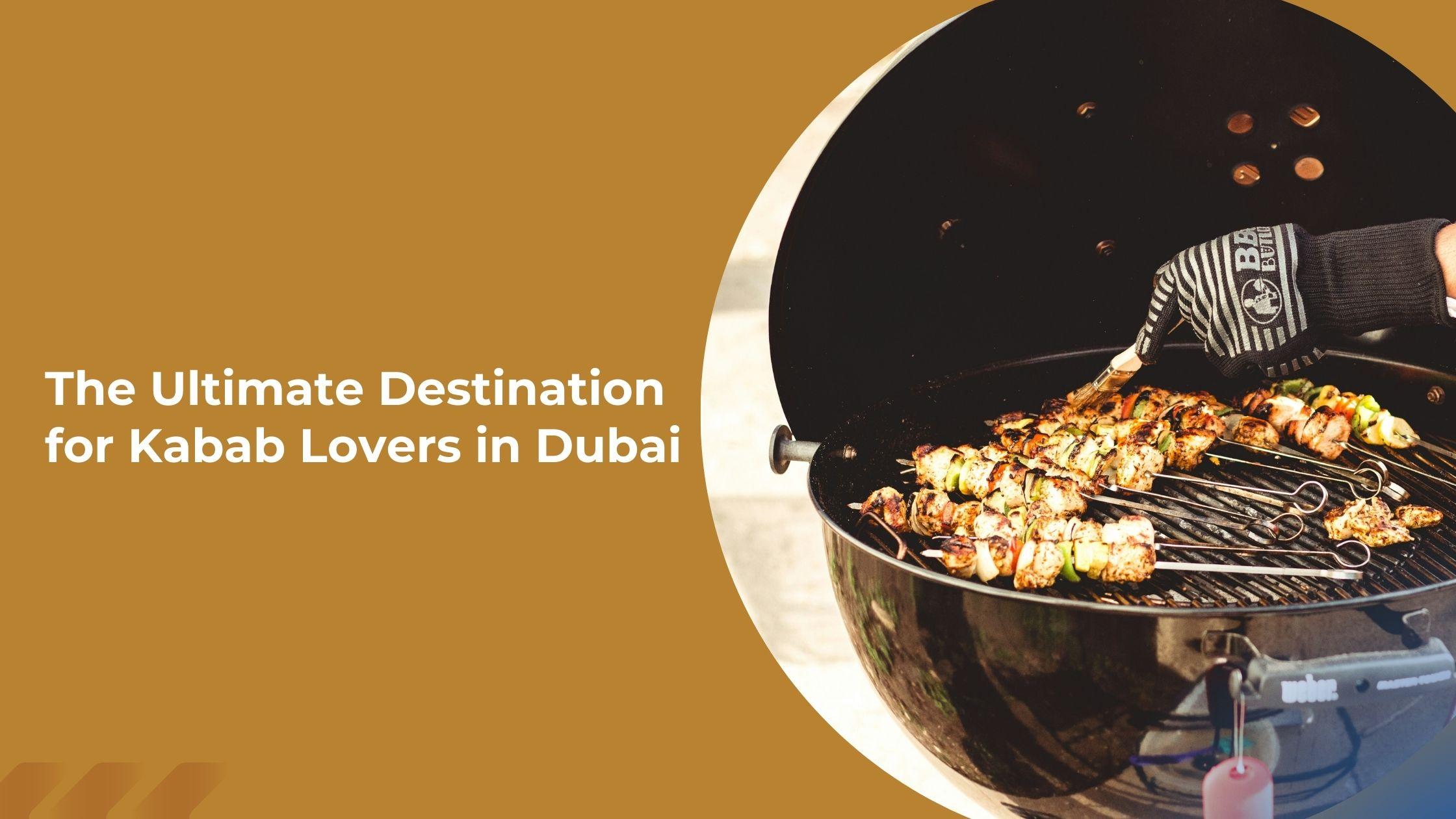
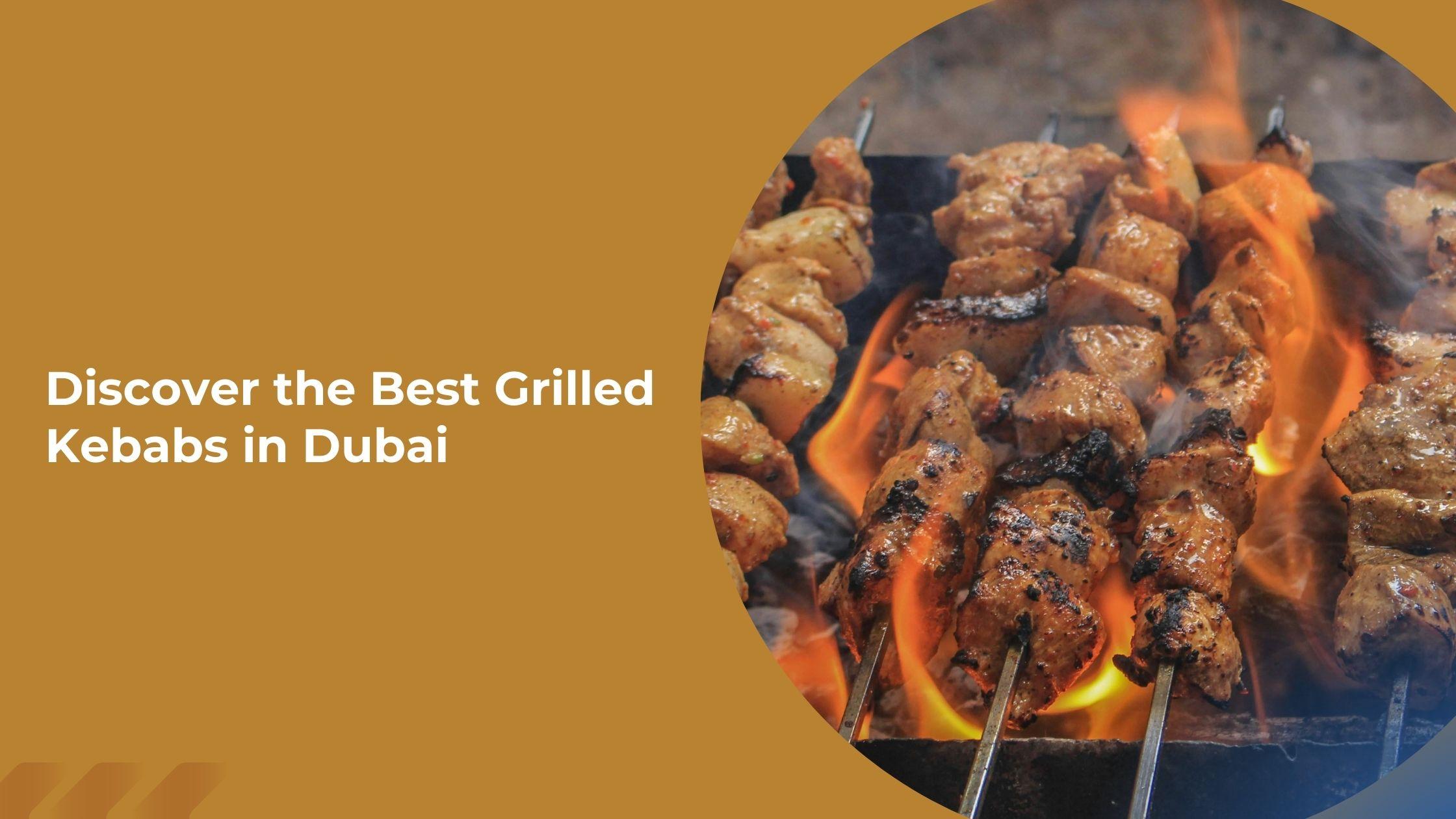
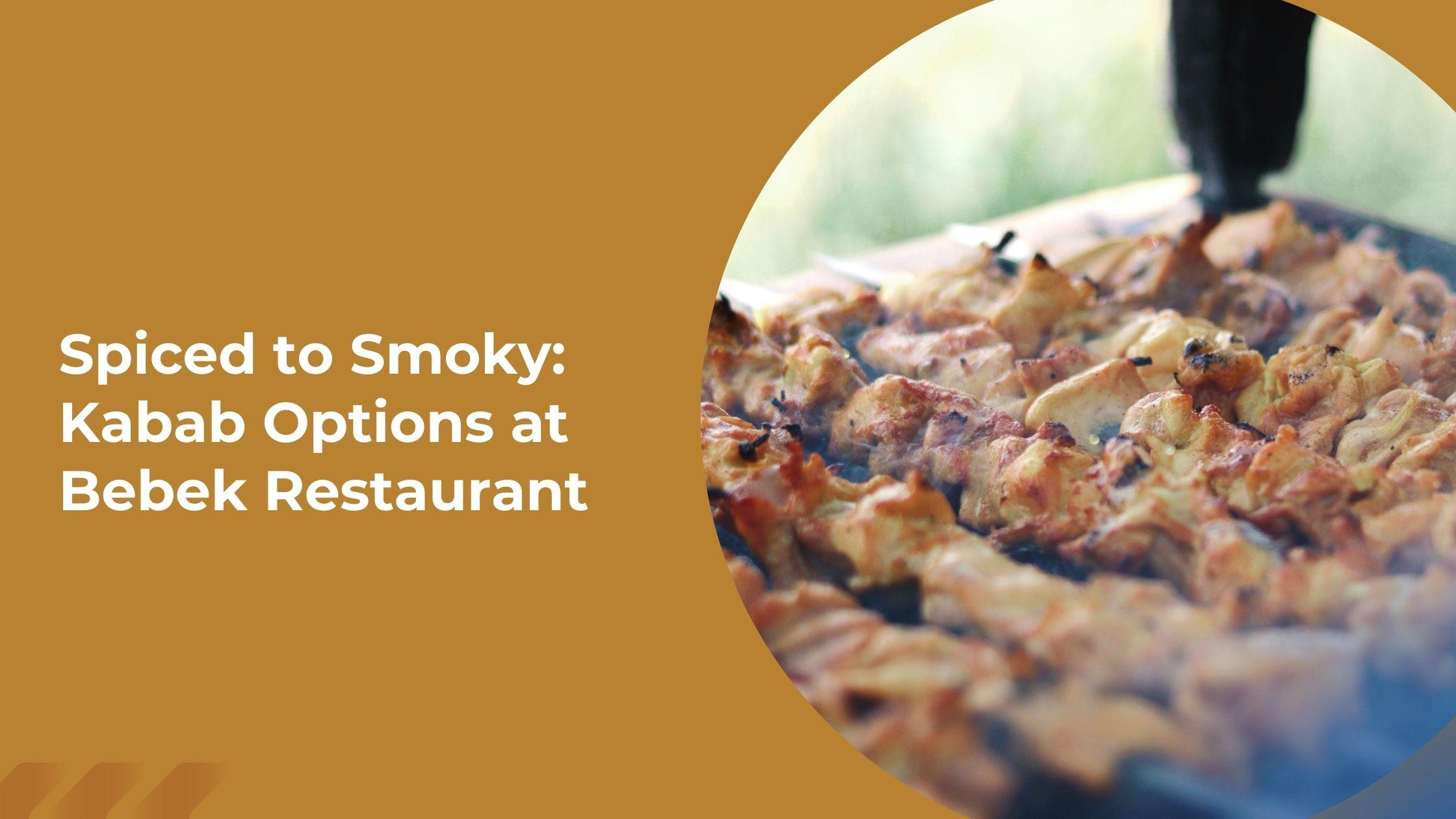
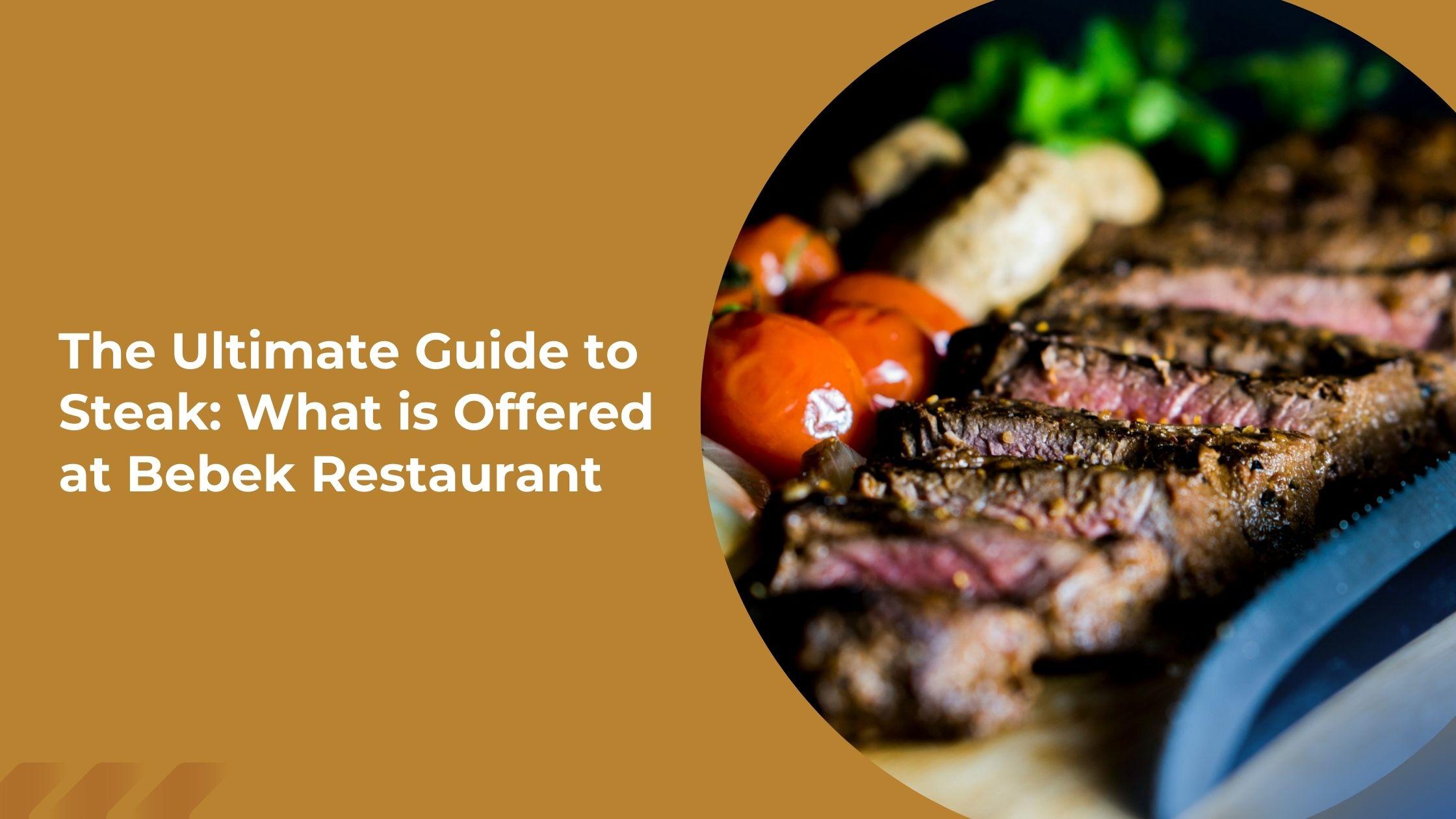
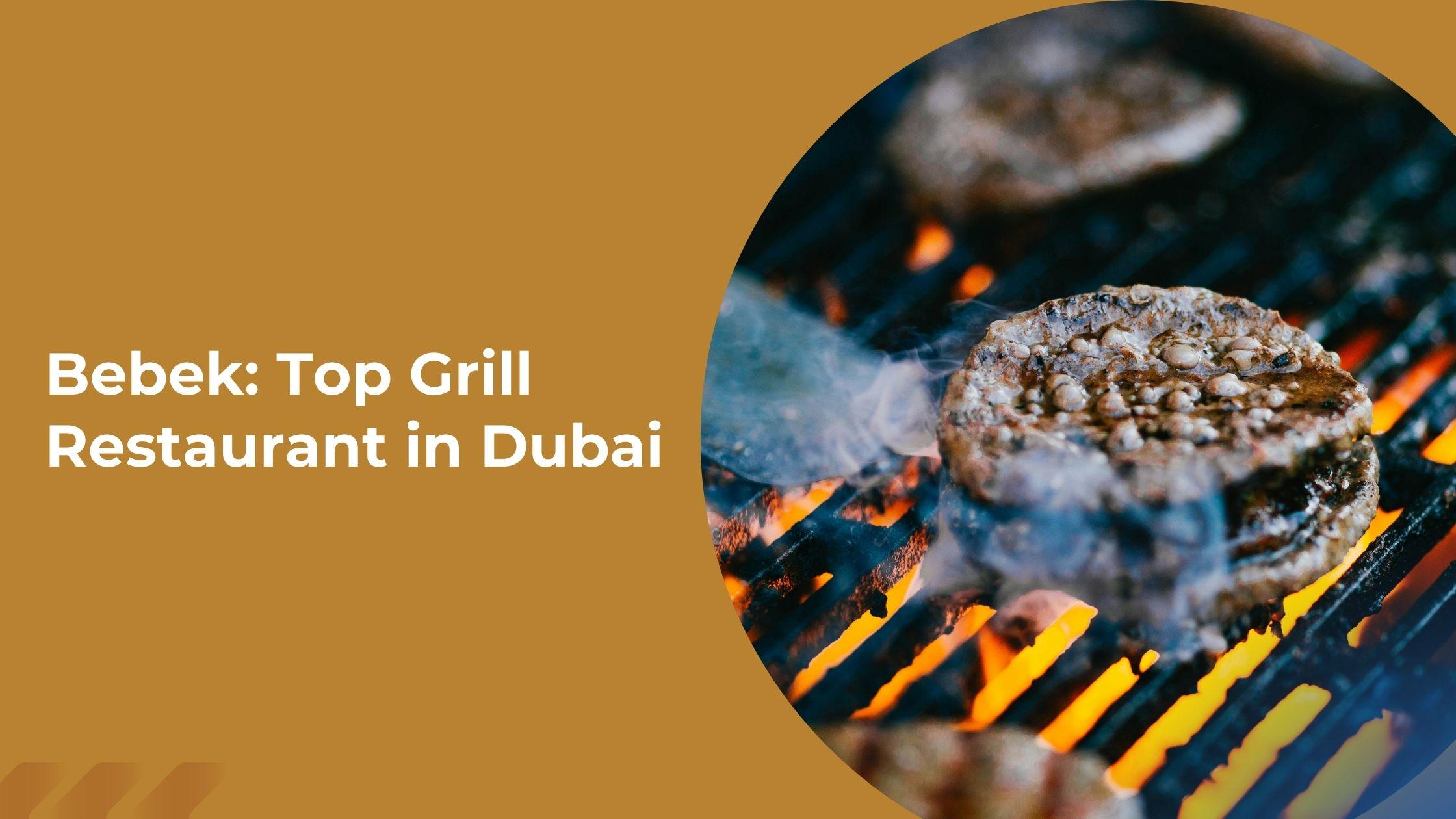
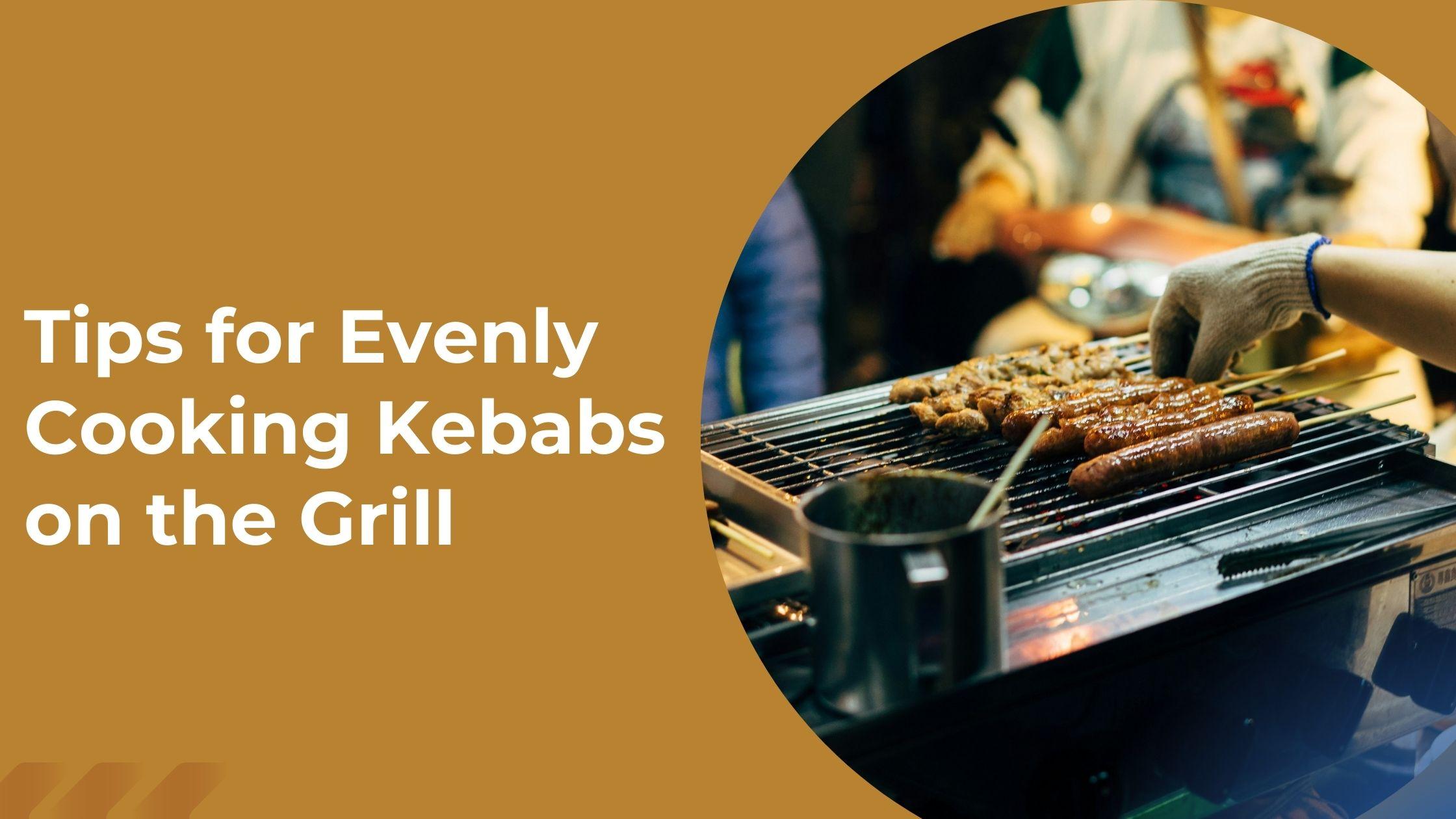
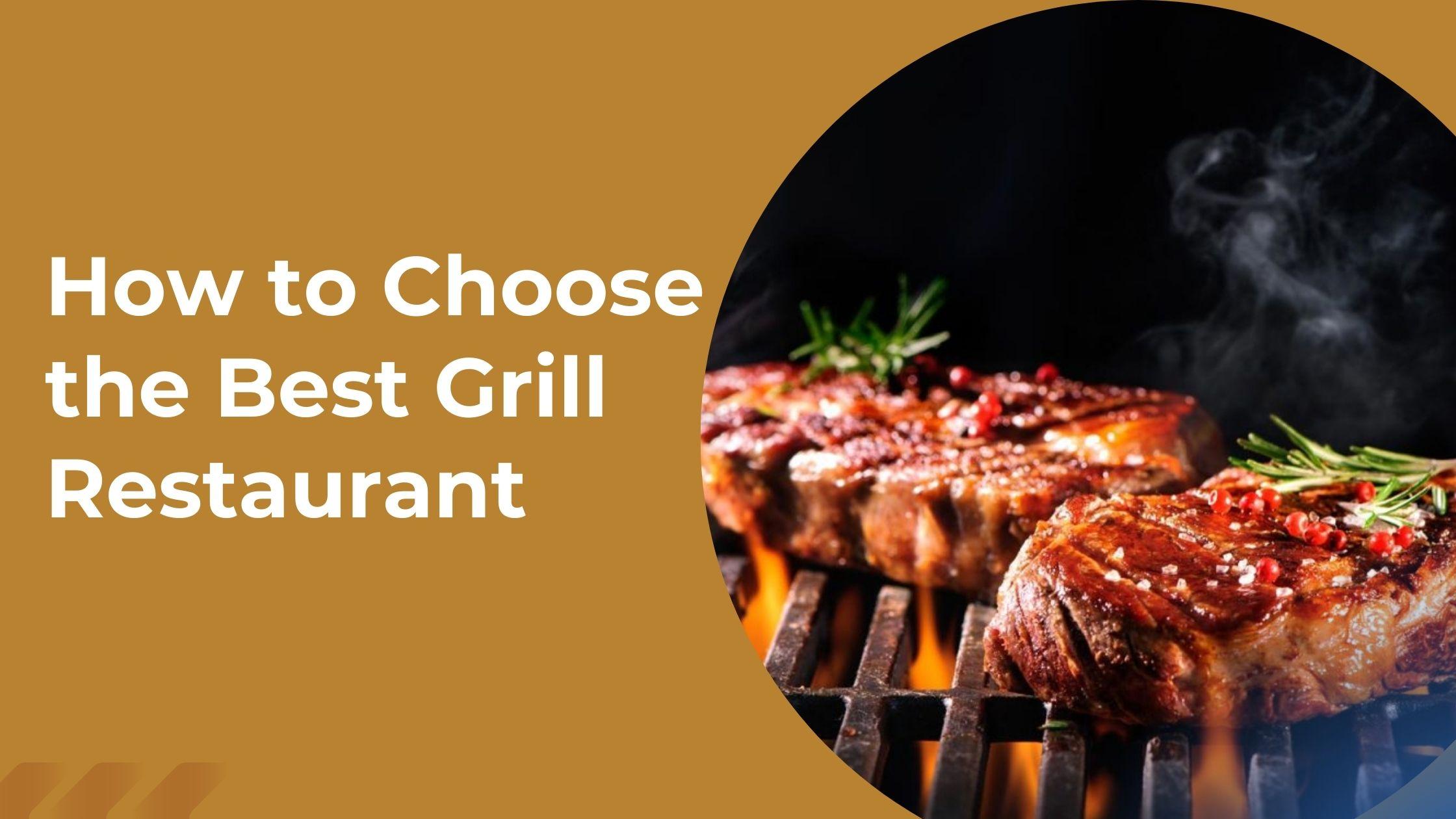
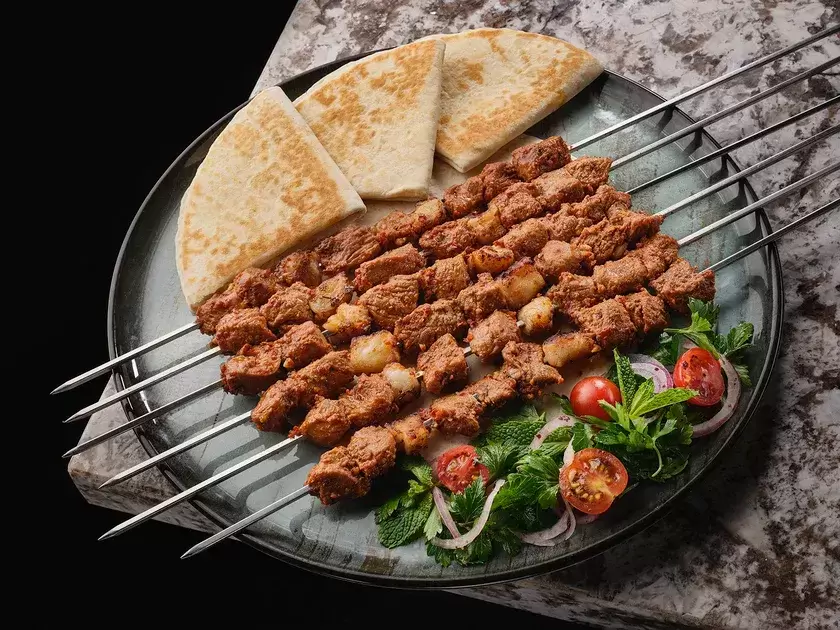
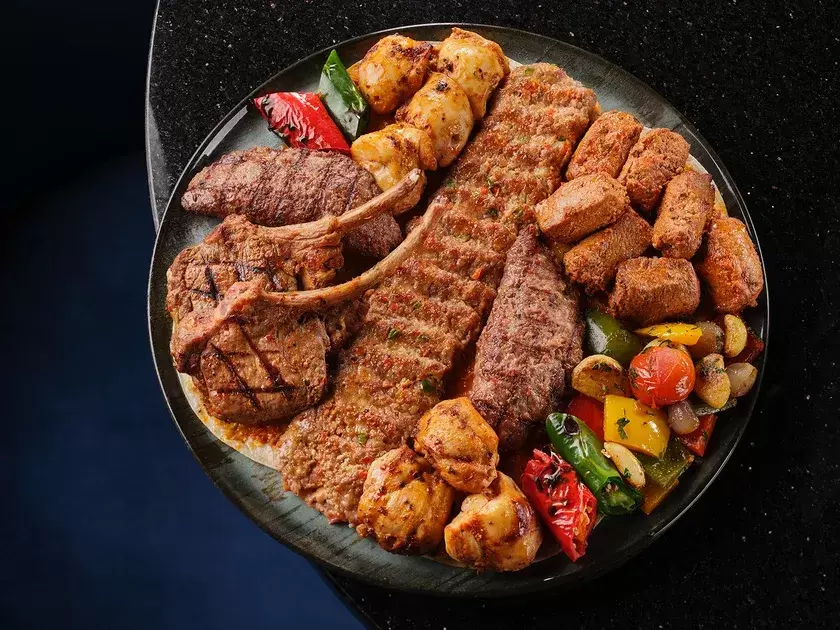
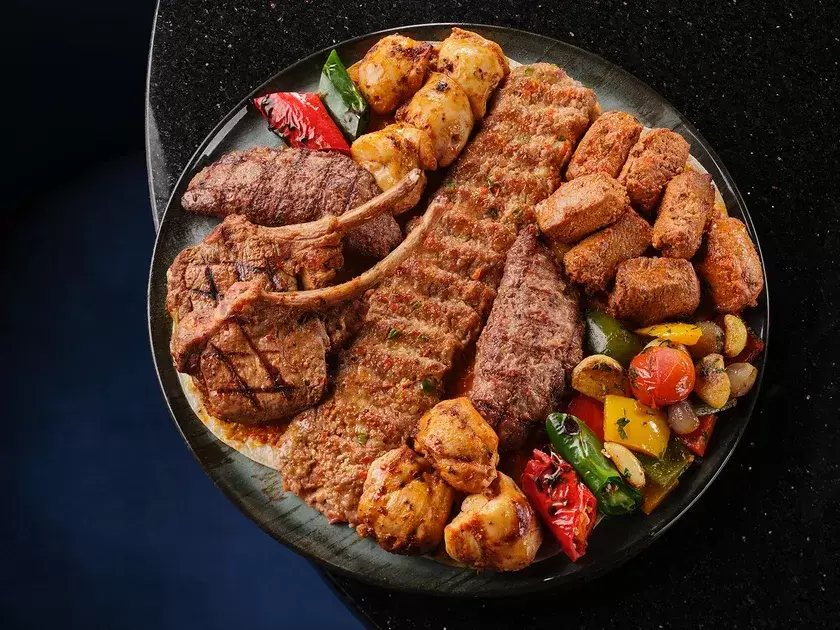
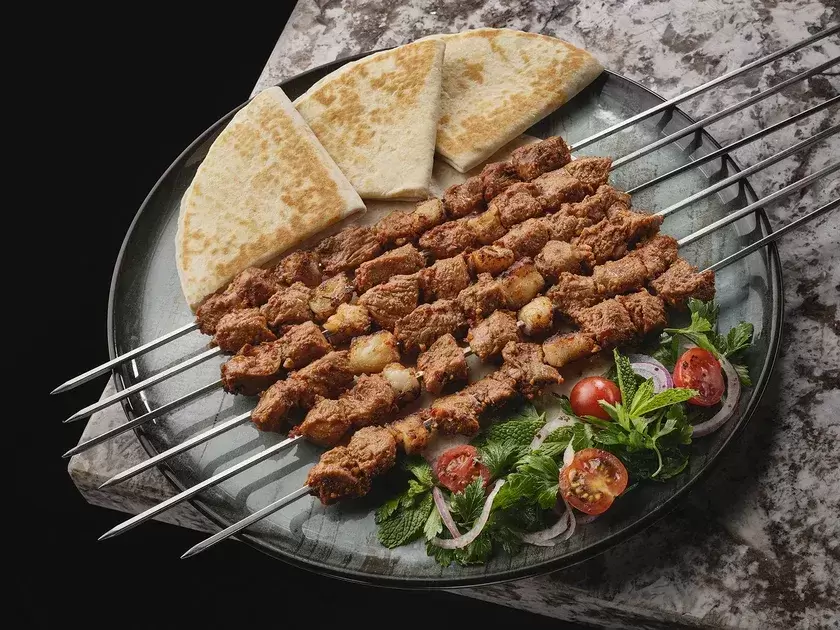
Grilling is one of the most recognizable cooking methods in Arabic cuisine.
Popular grilled dishes include:
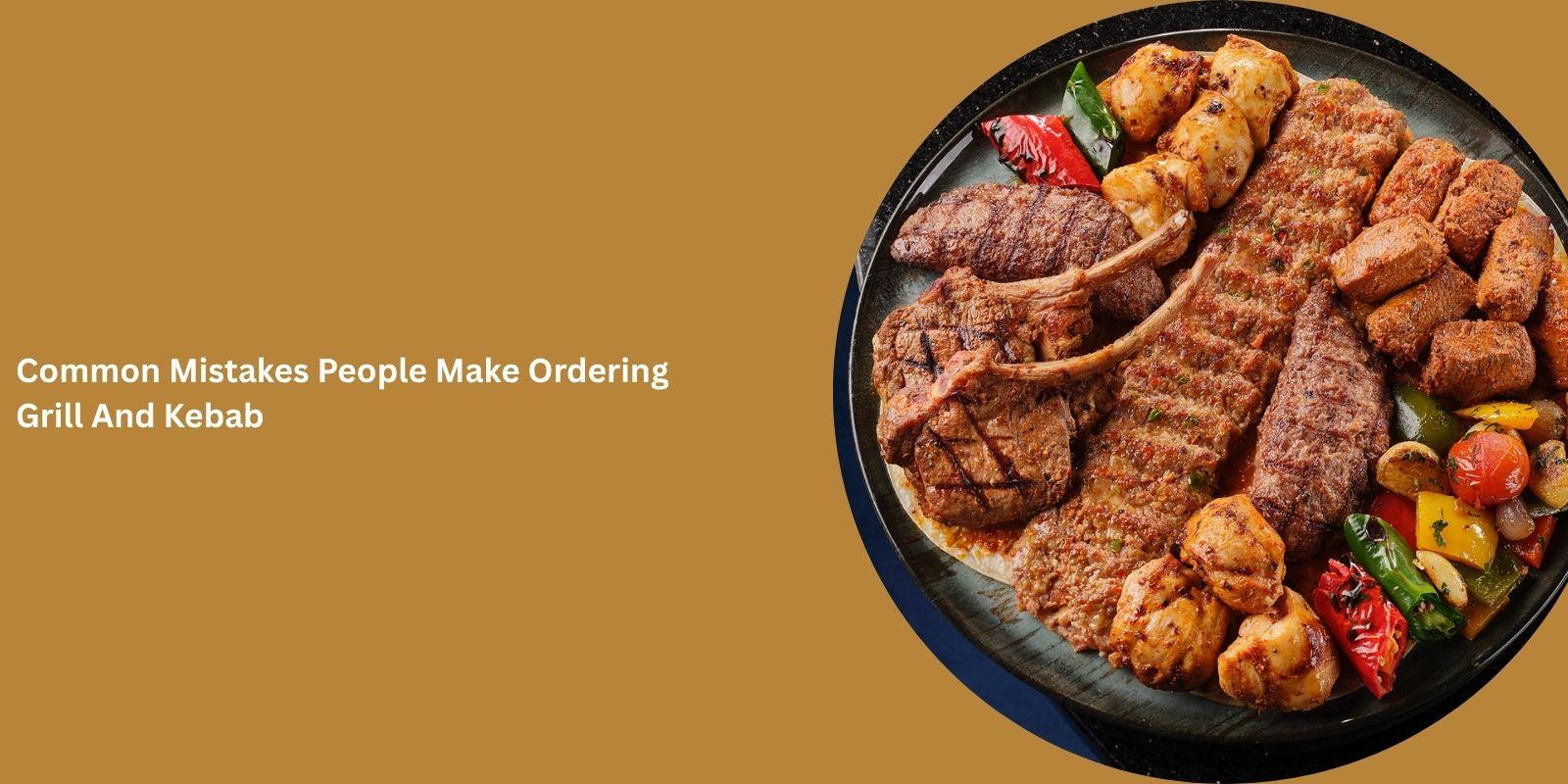
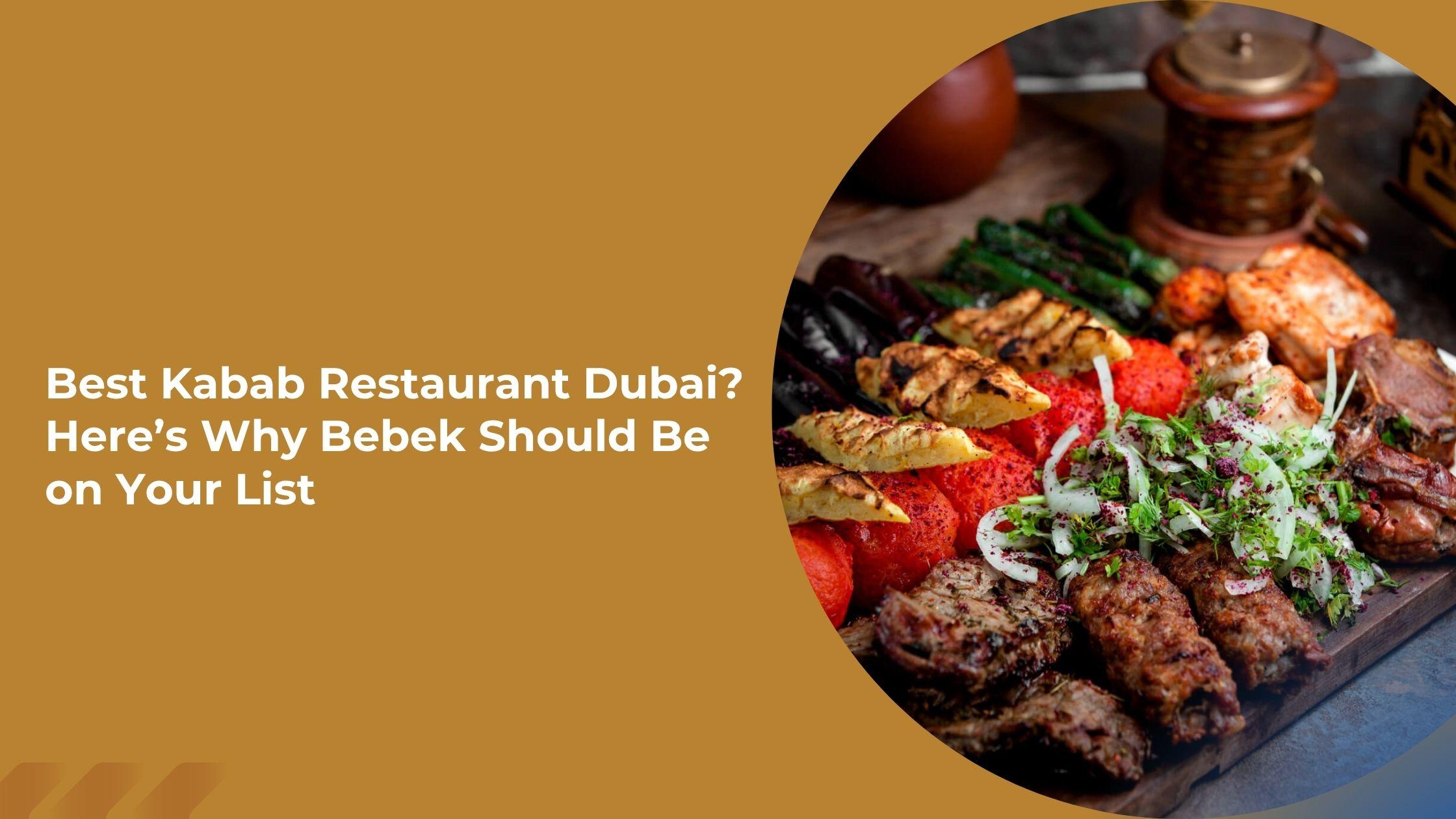
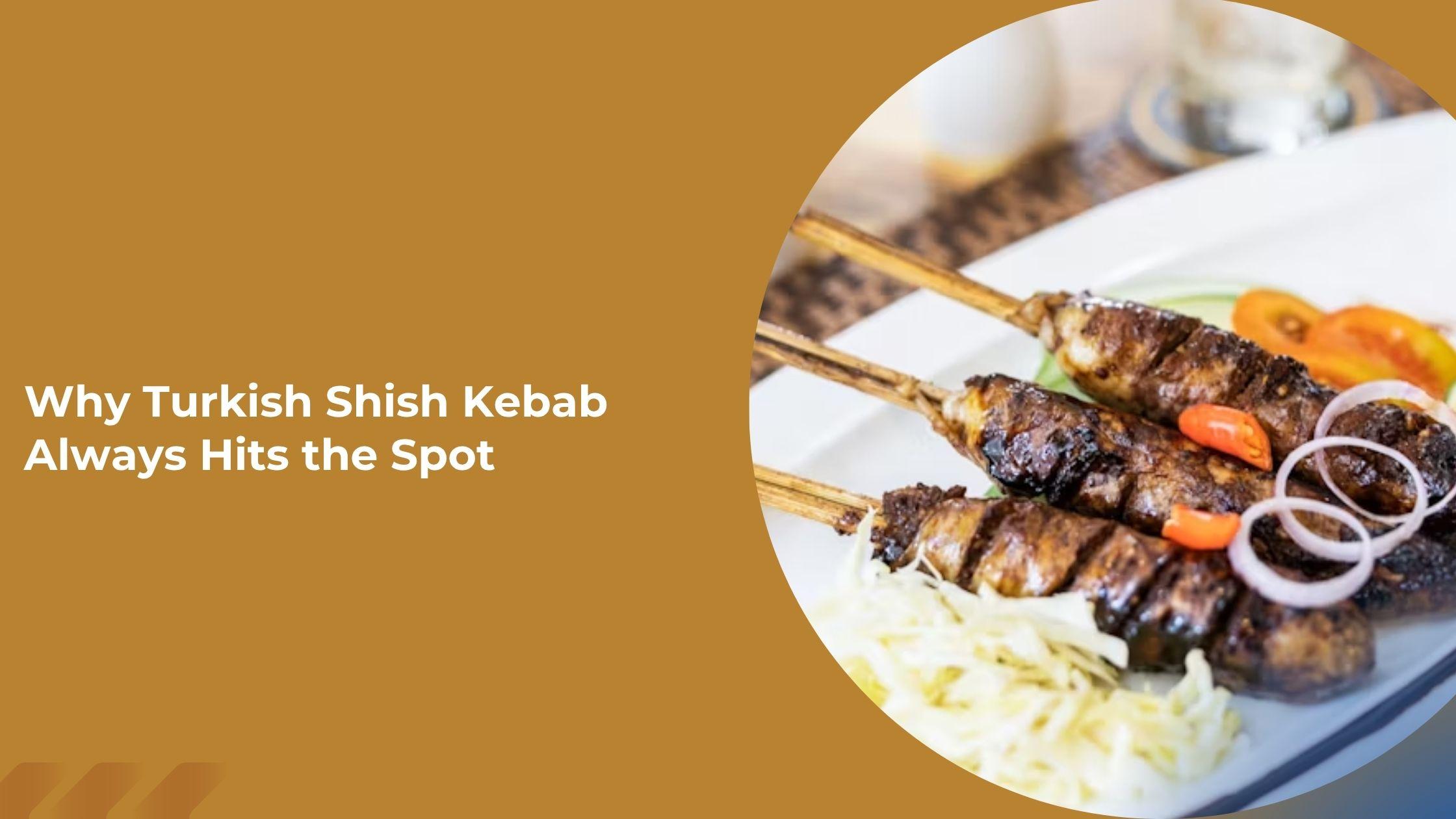
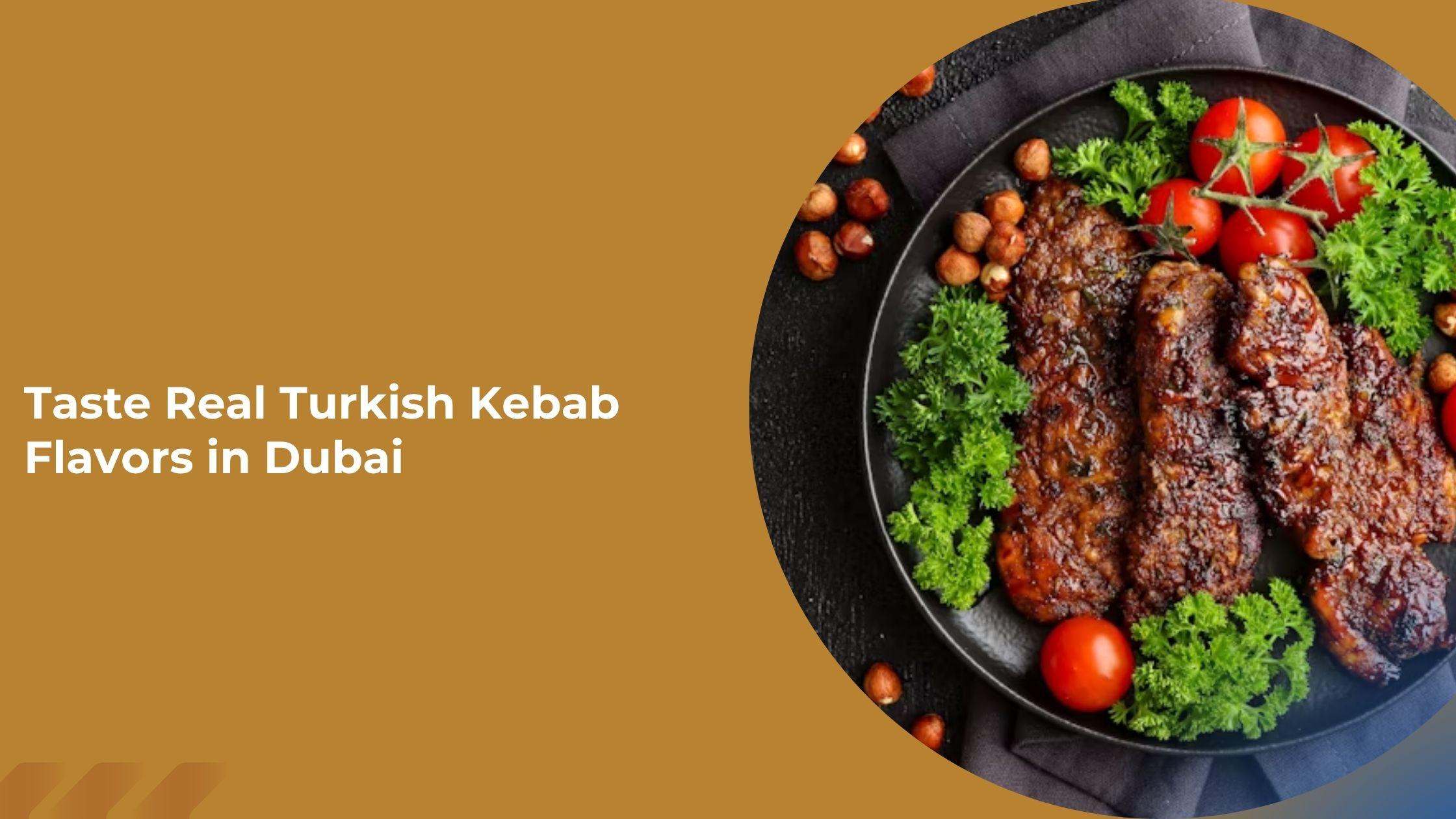
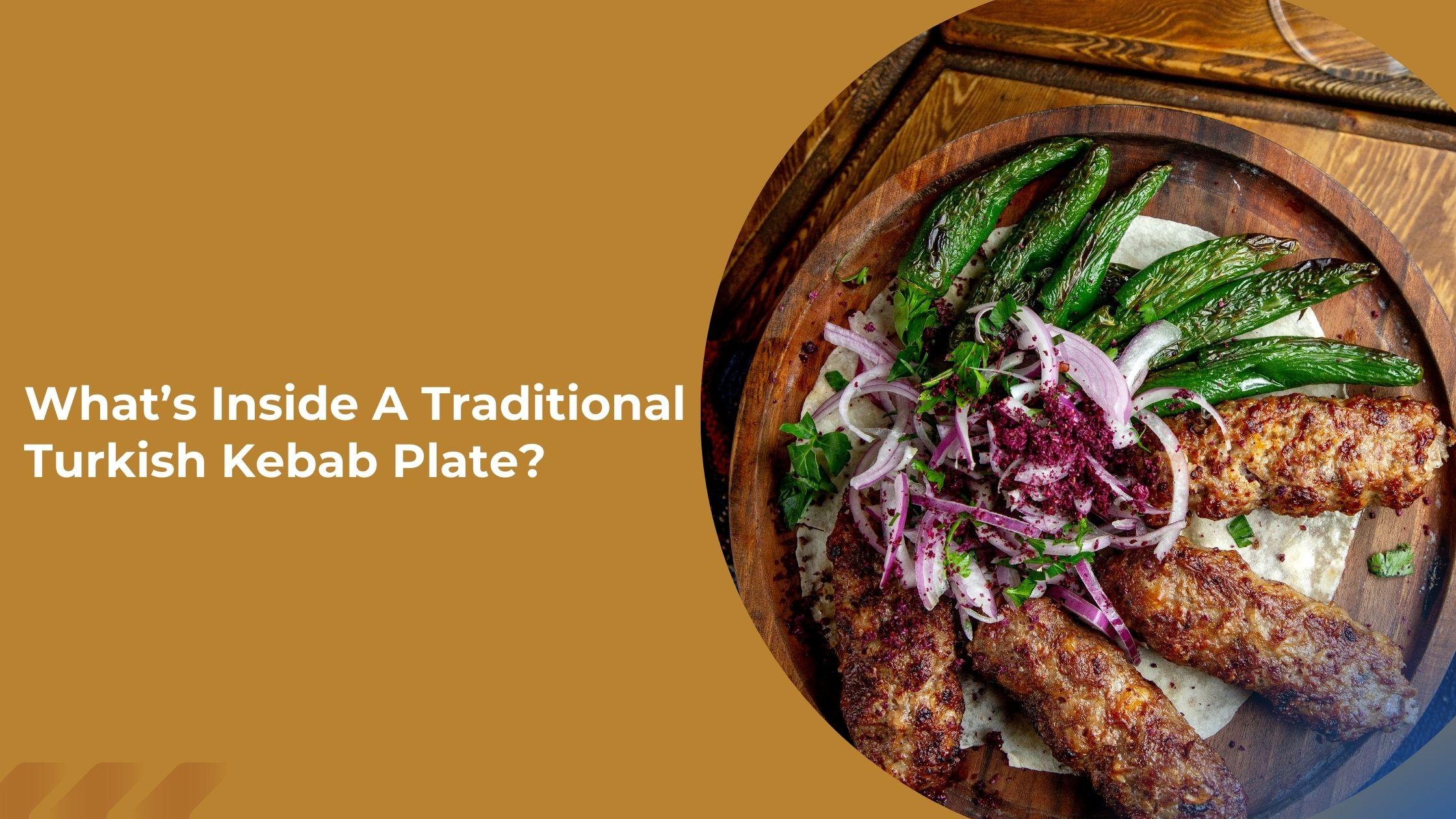
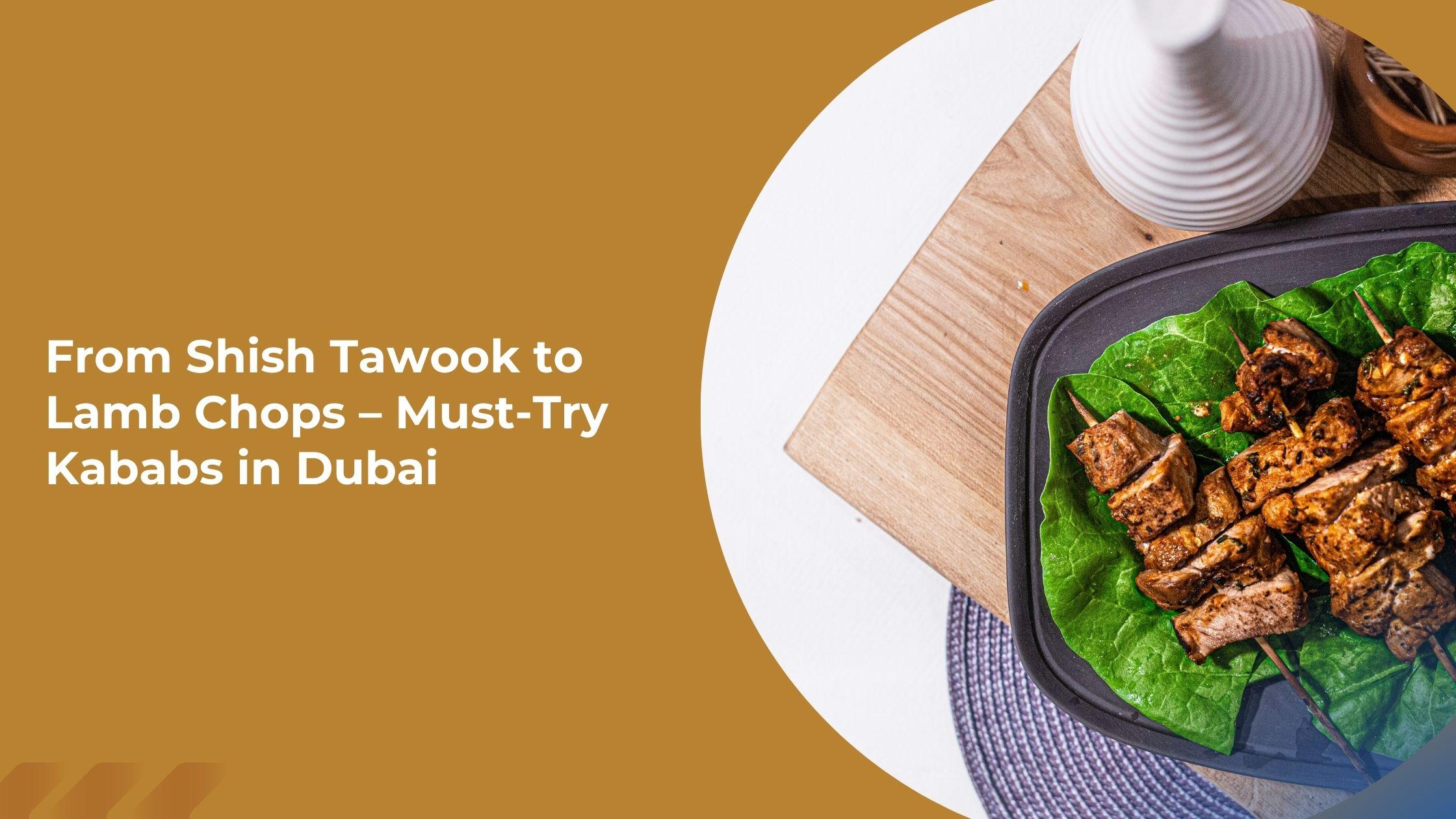
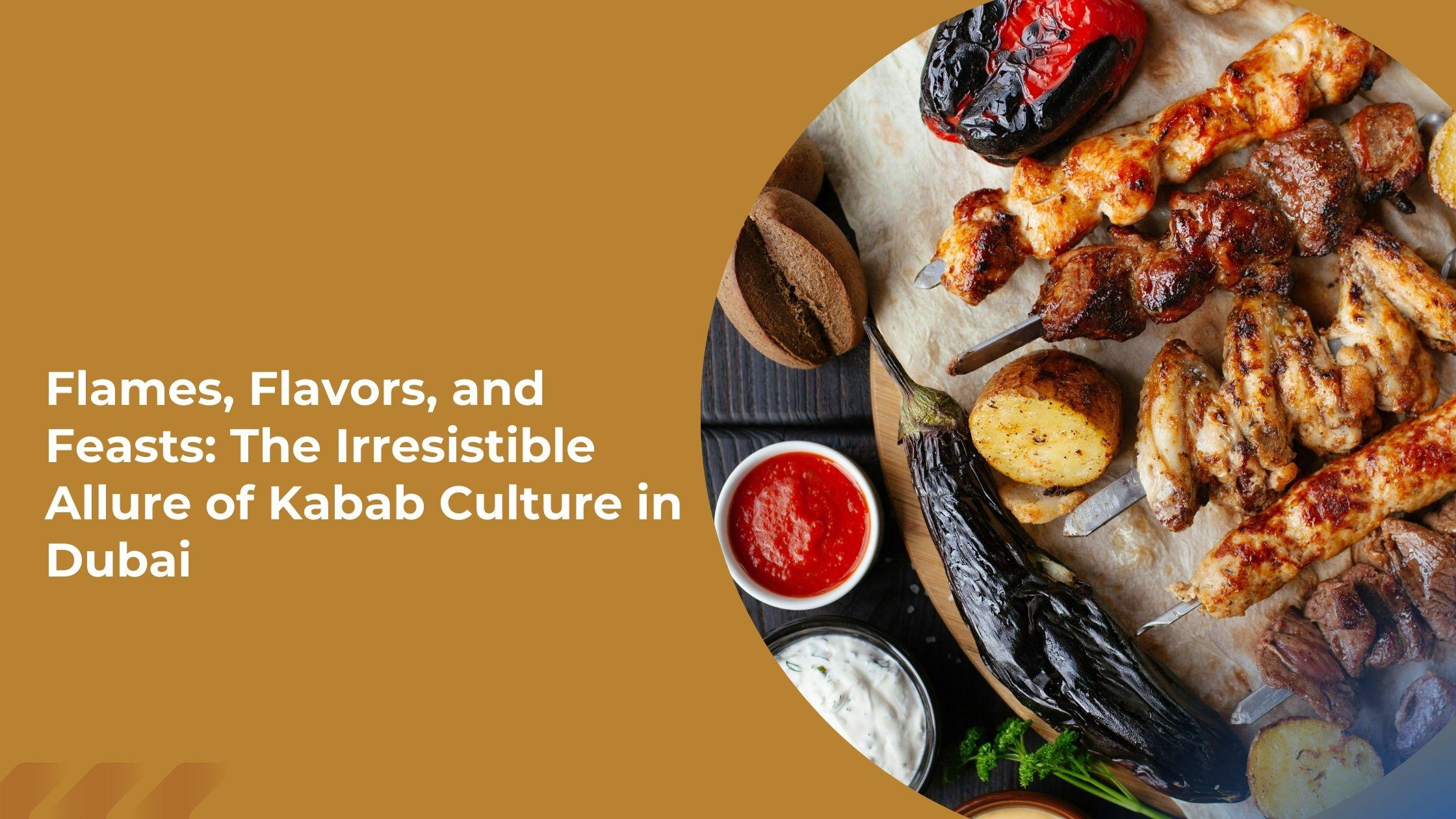
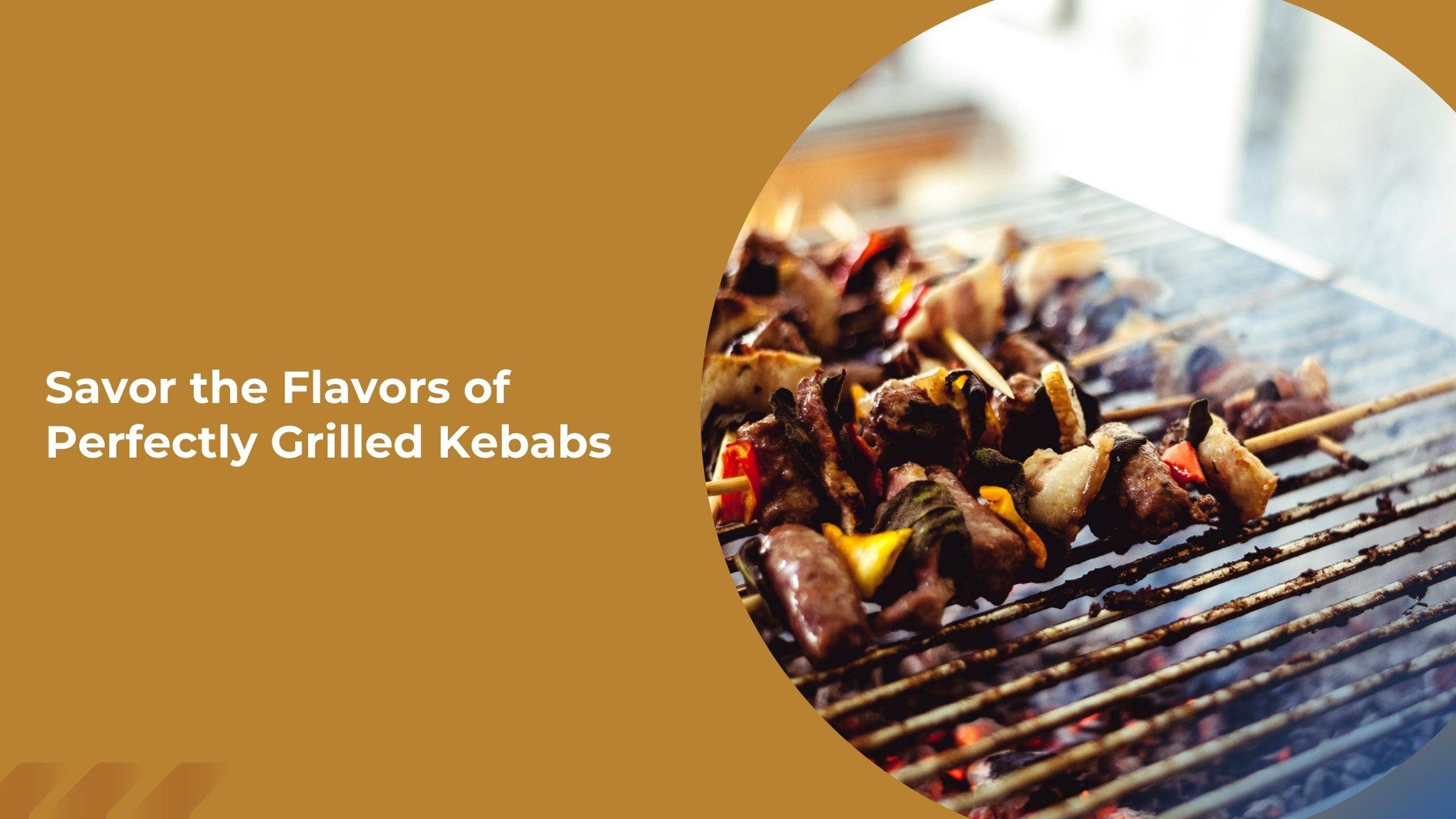
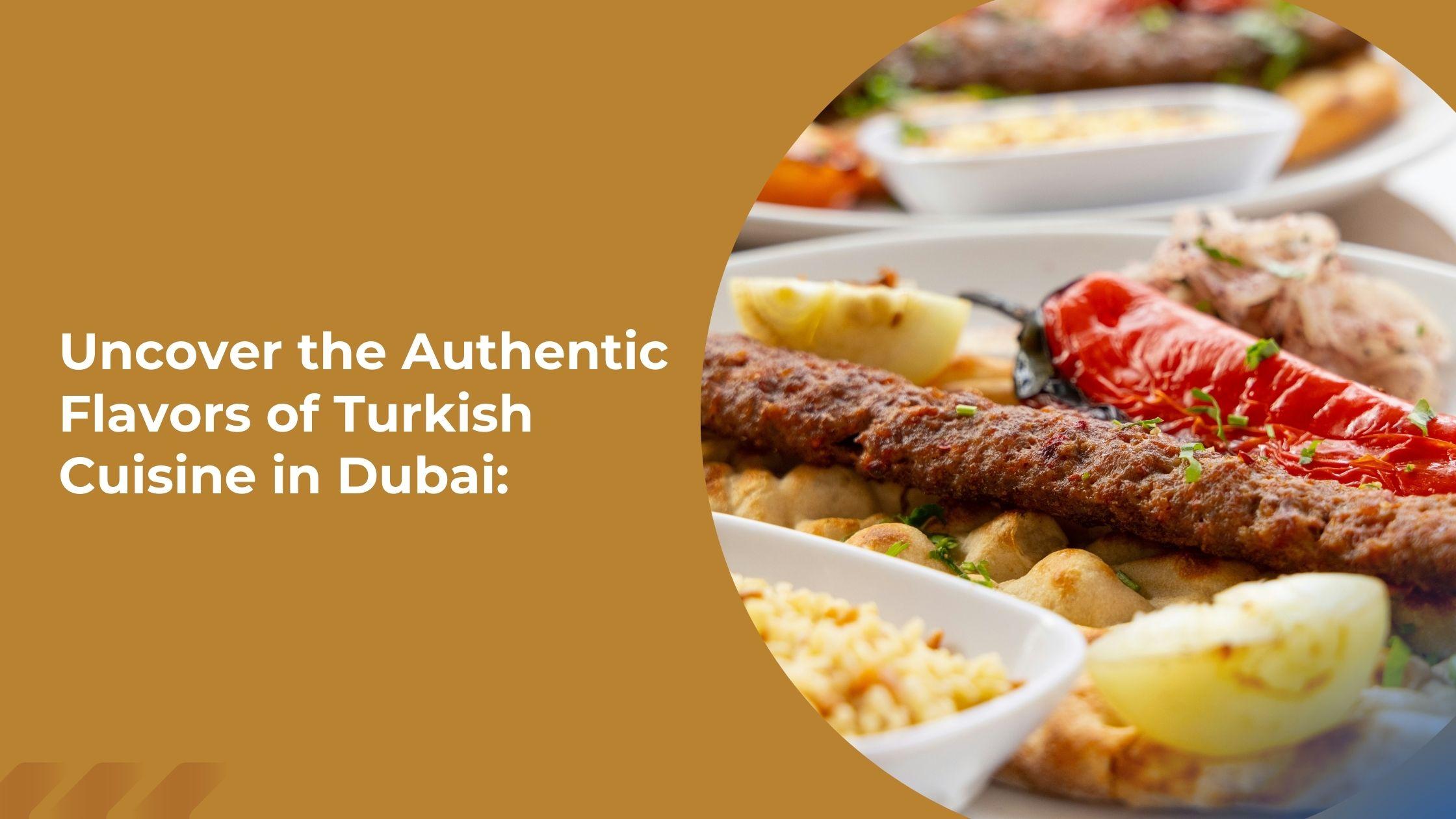
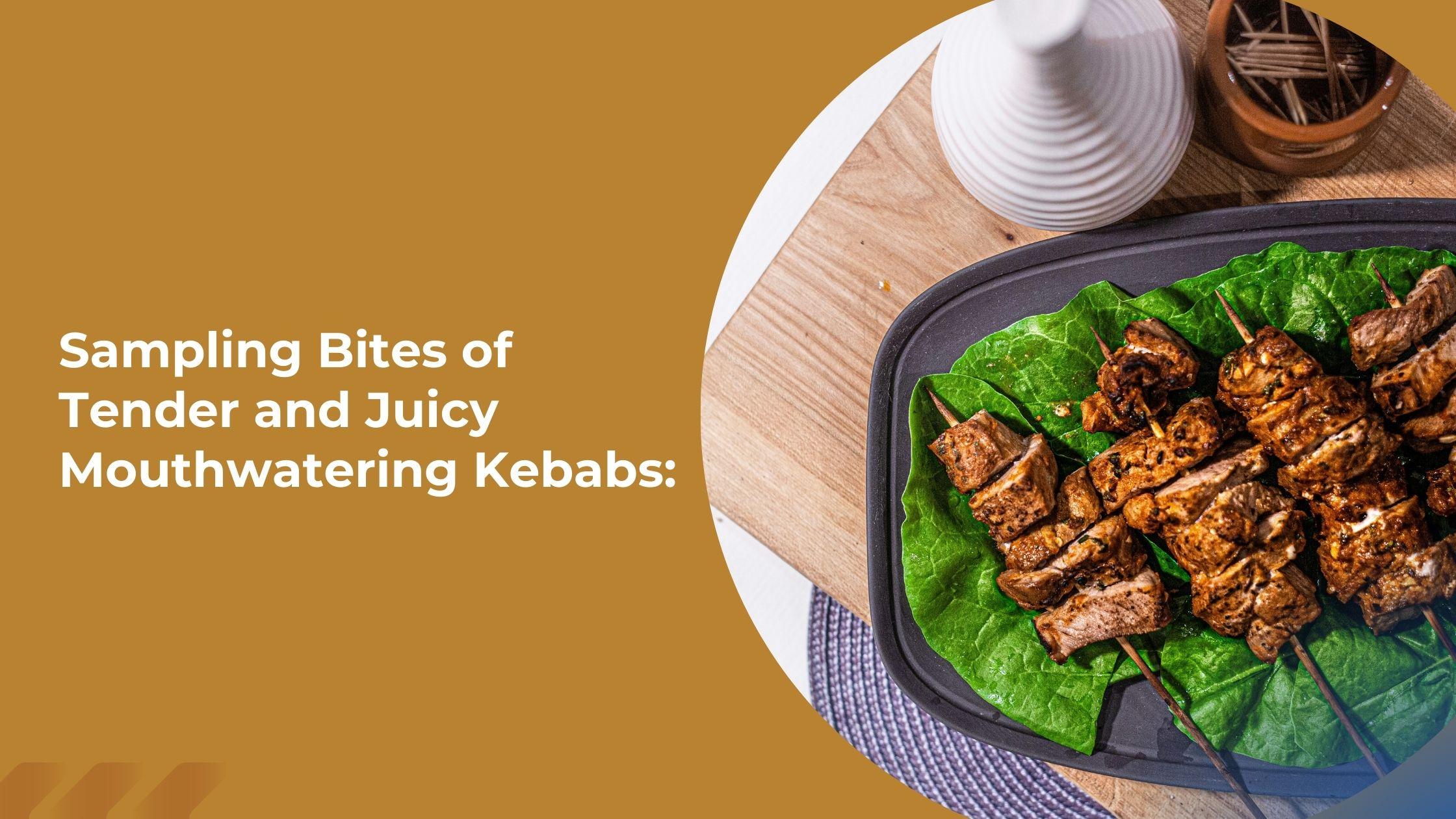
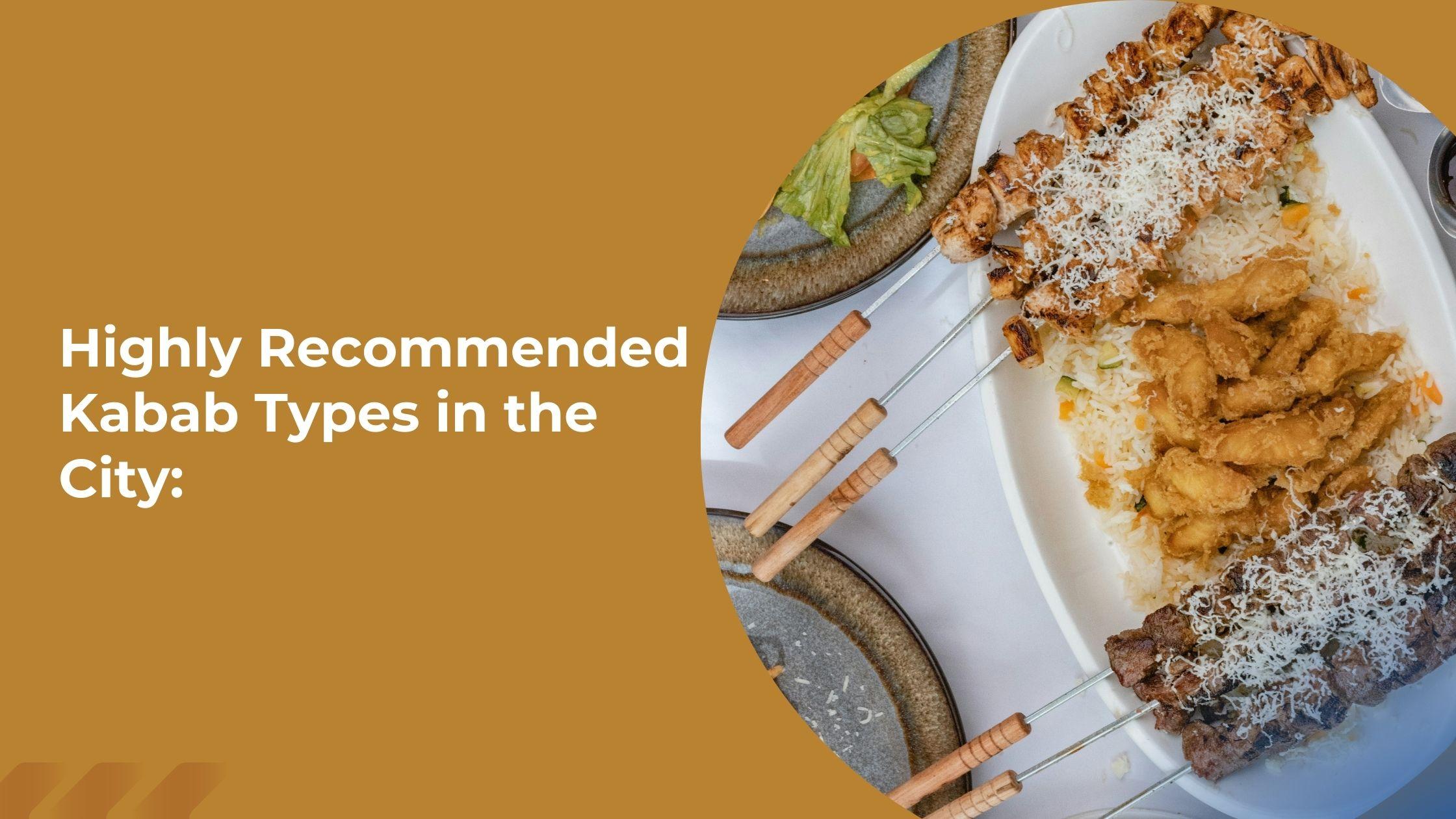
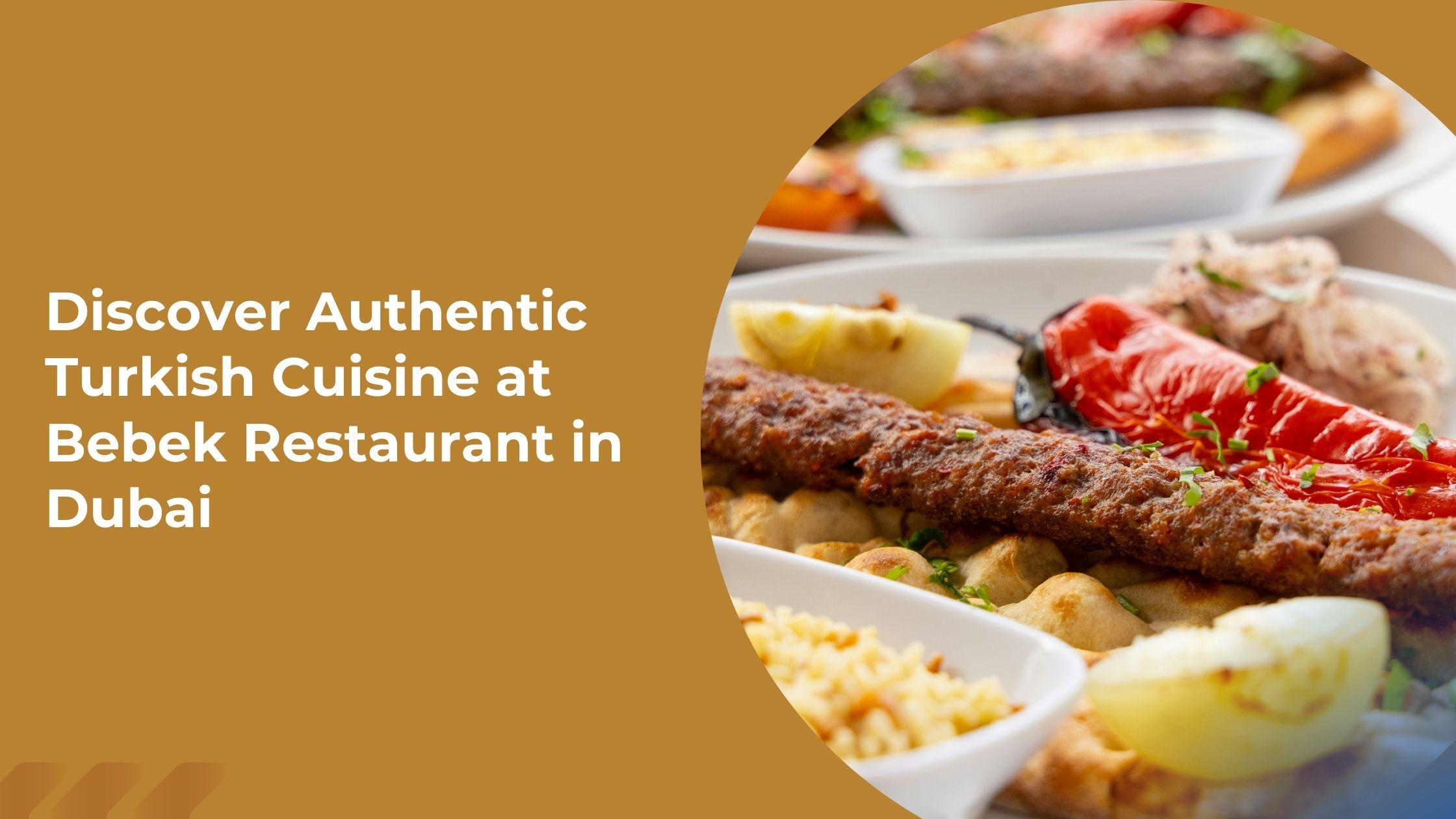
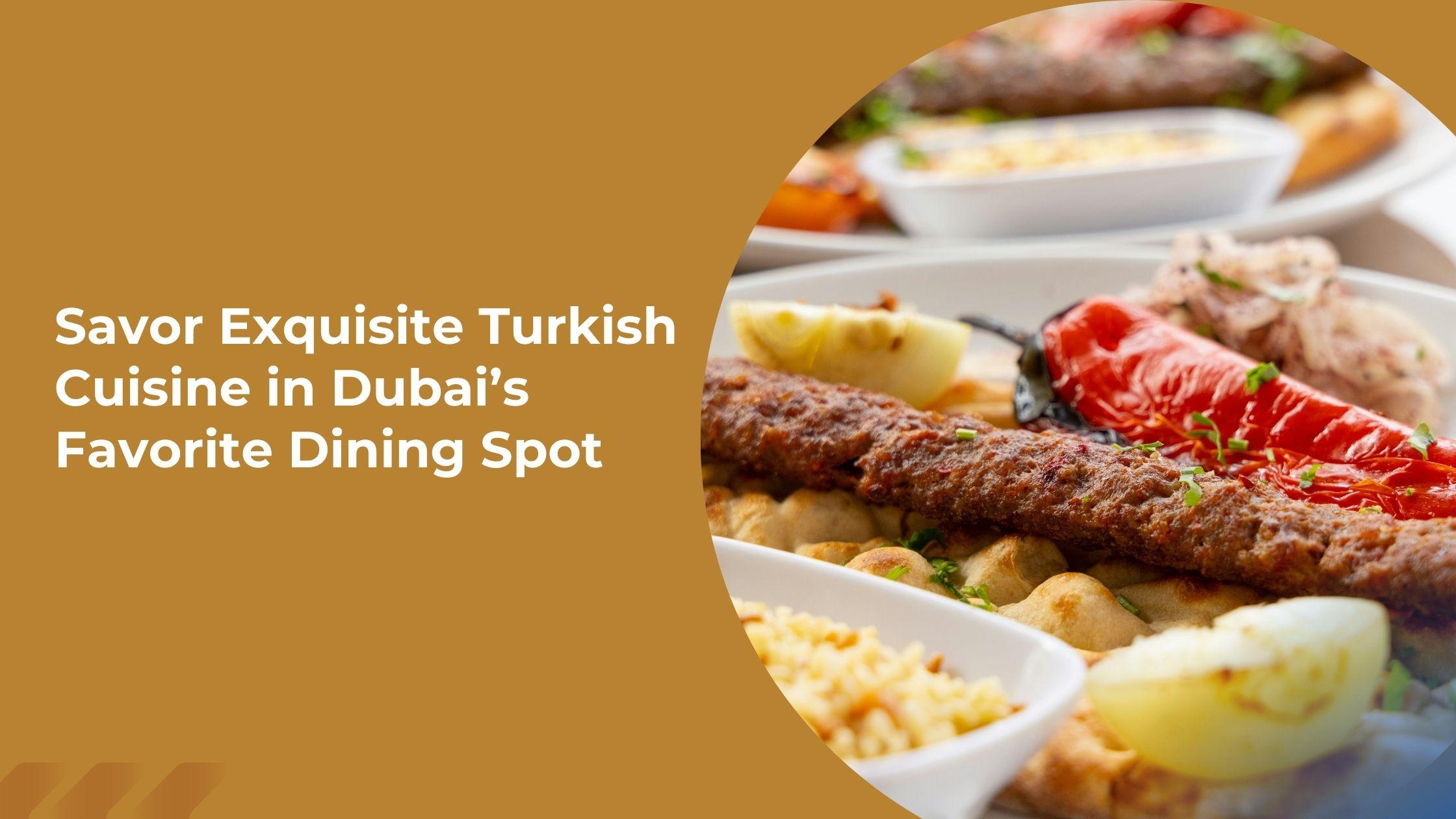
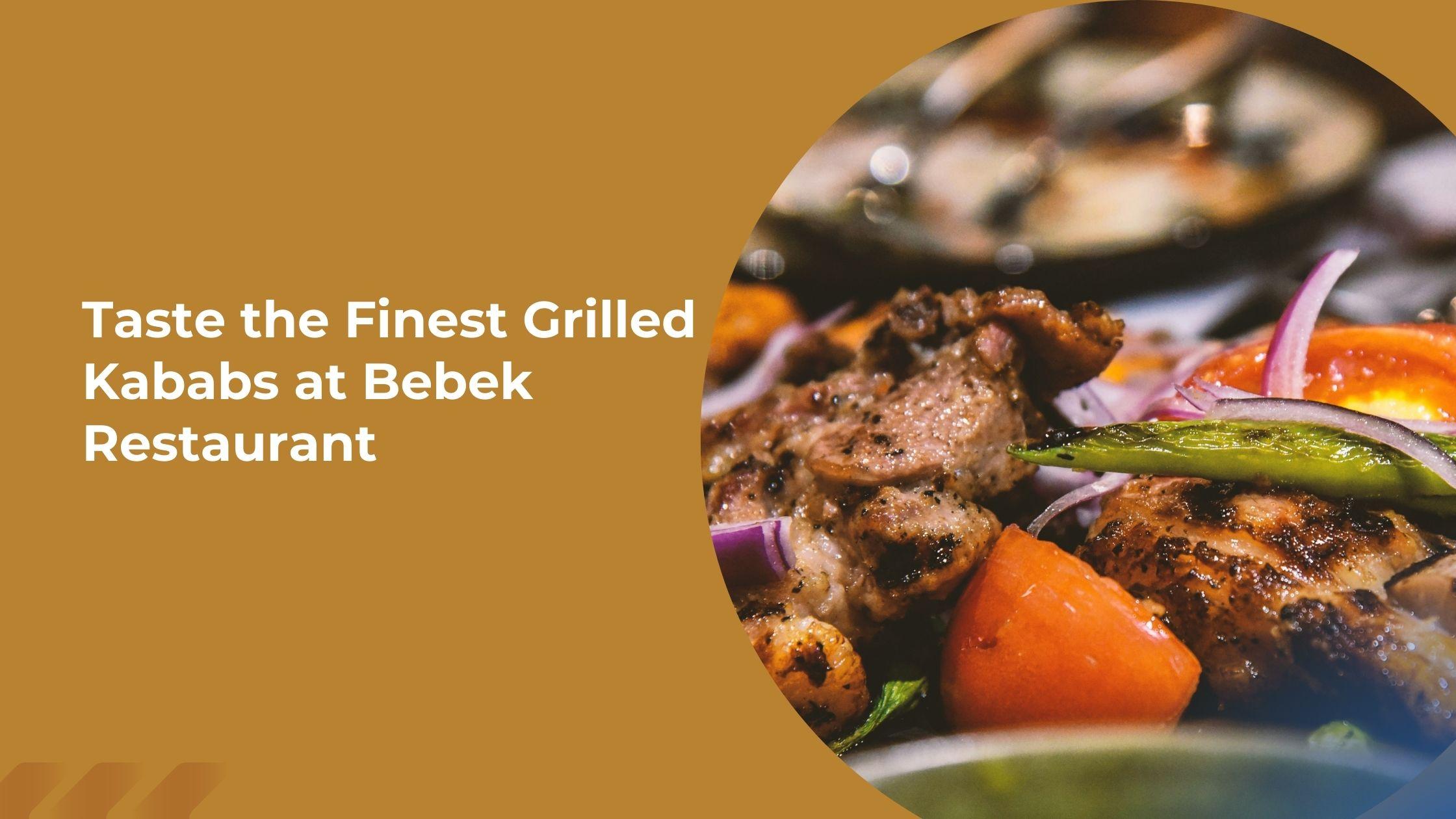
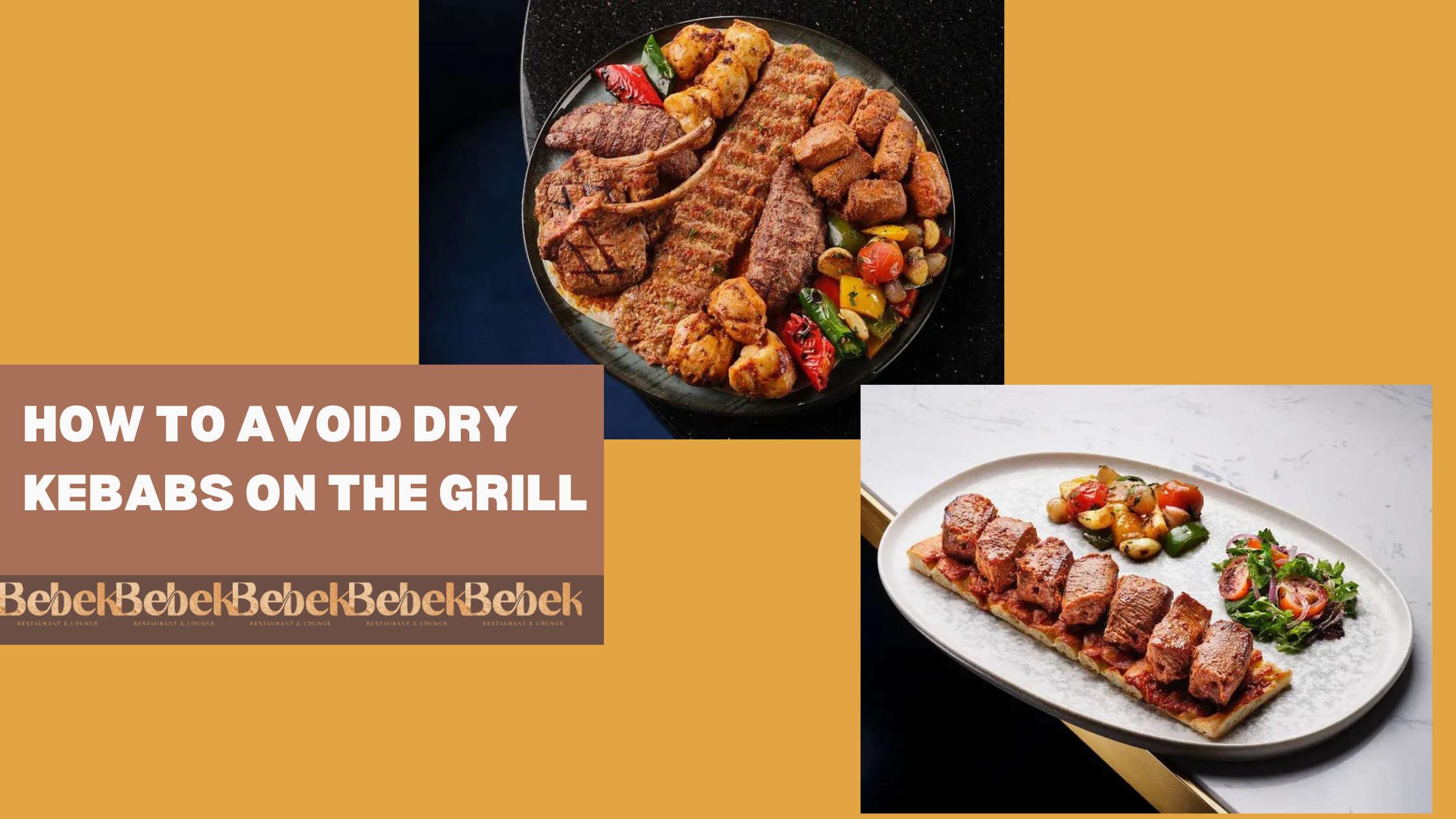
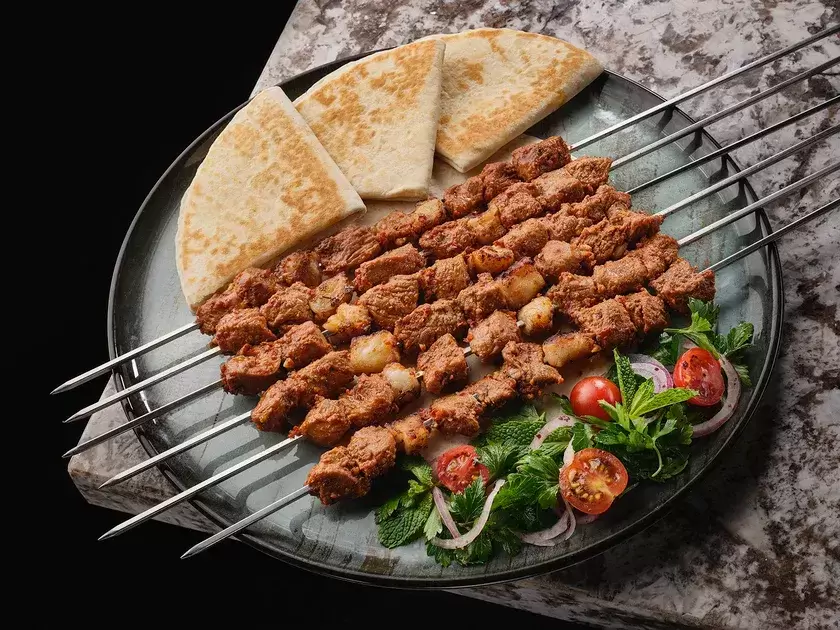
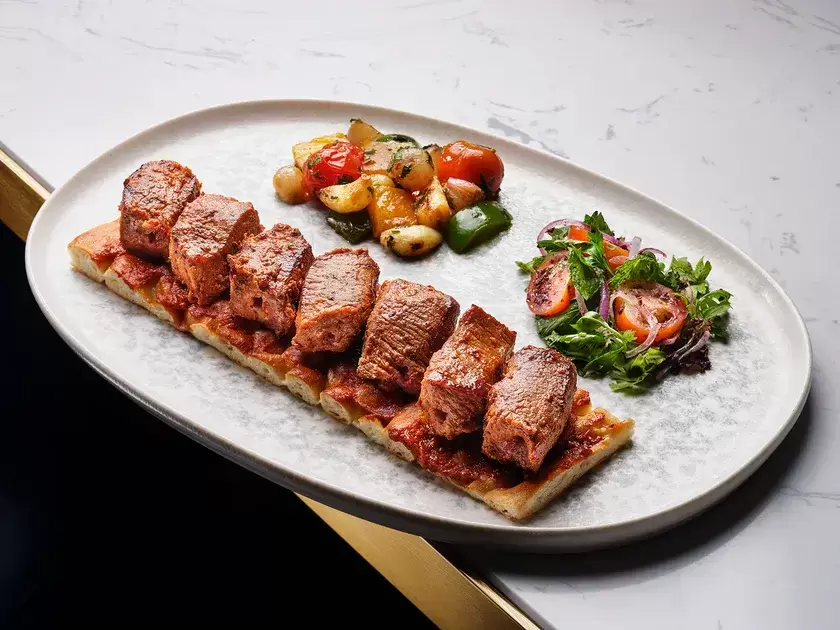
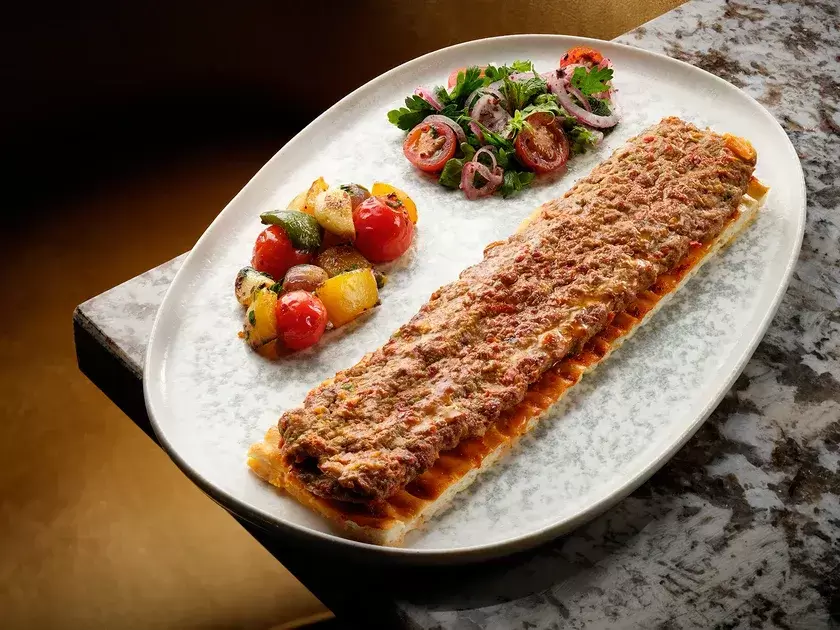
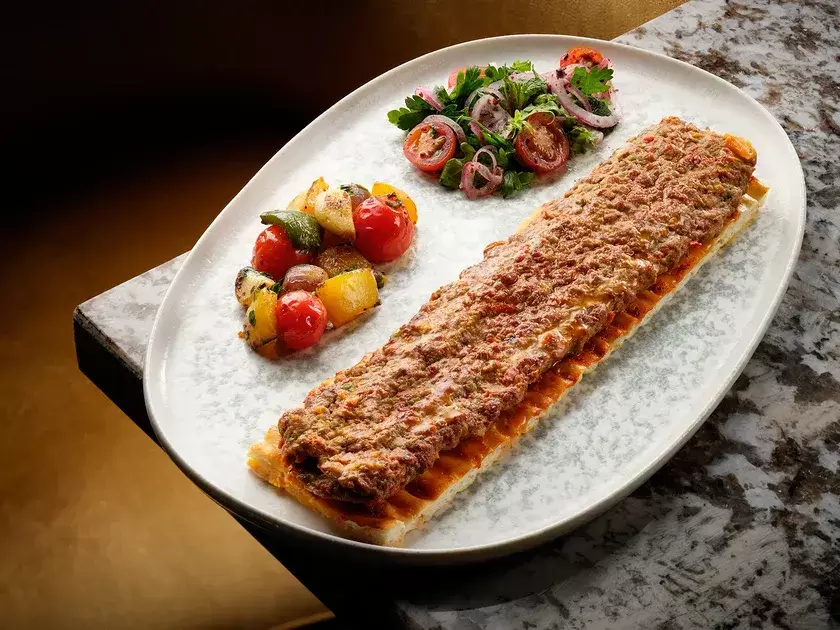
- Kebabs
- Shish tawook
- Kofta
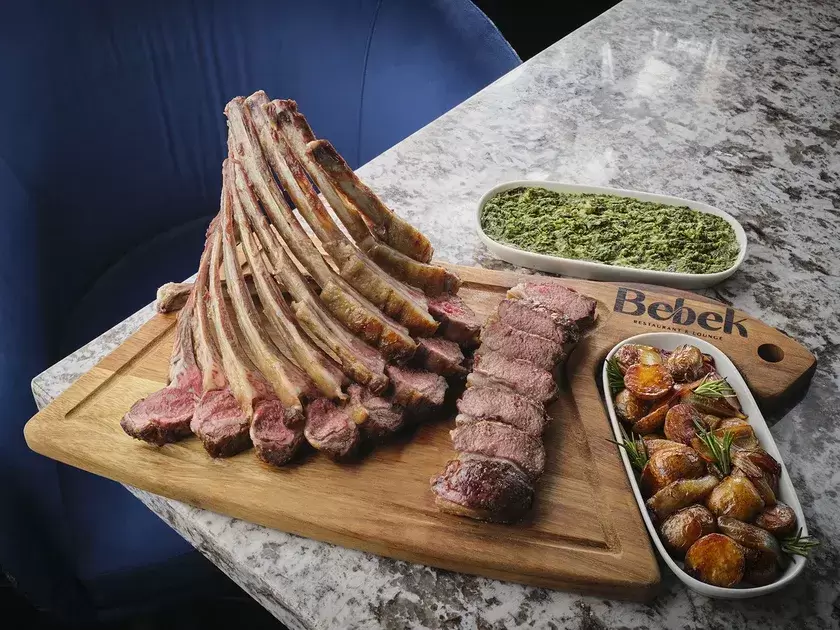
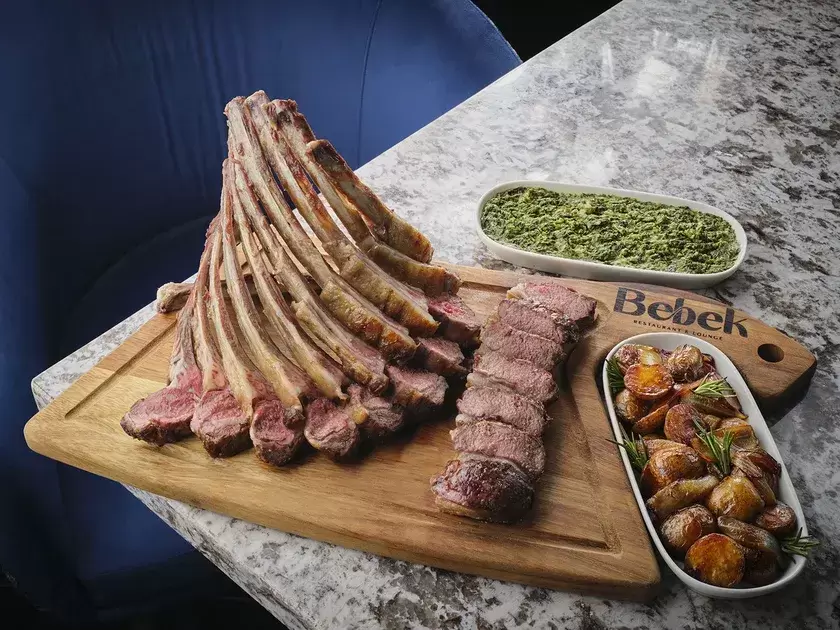
- Lamb chops
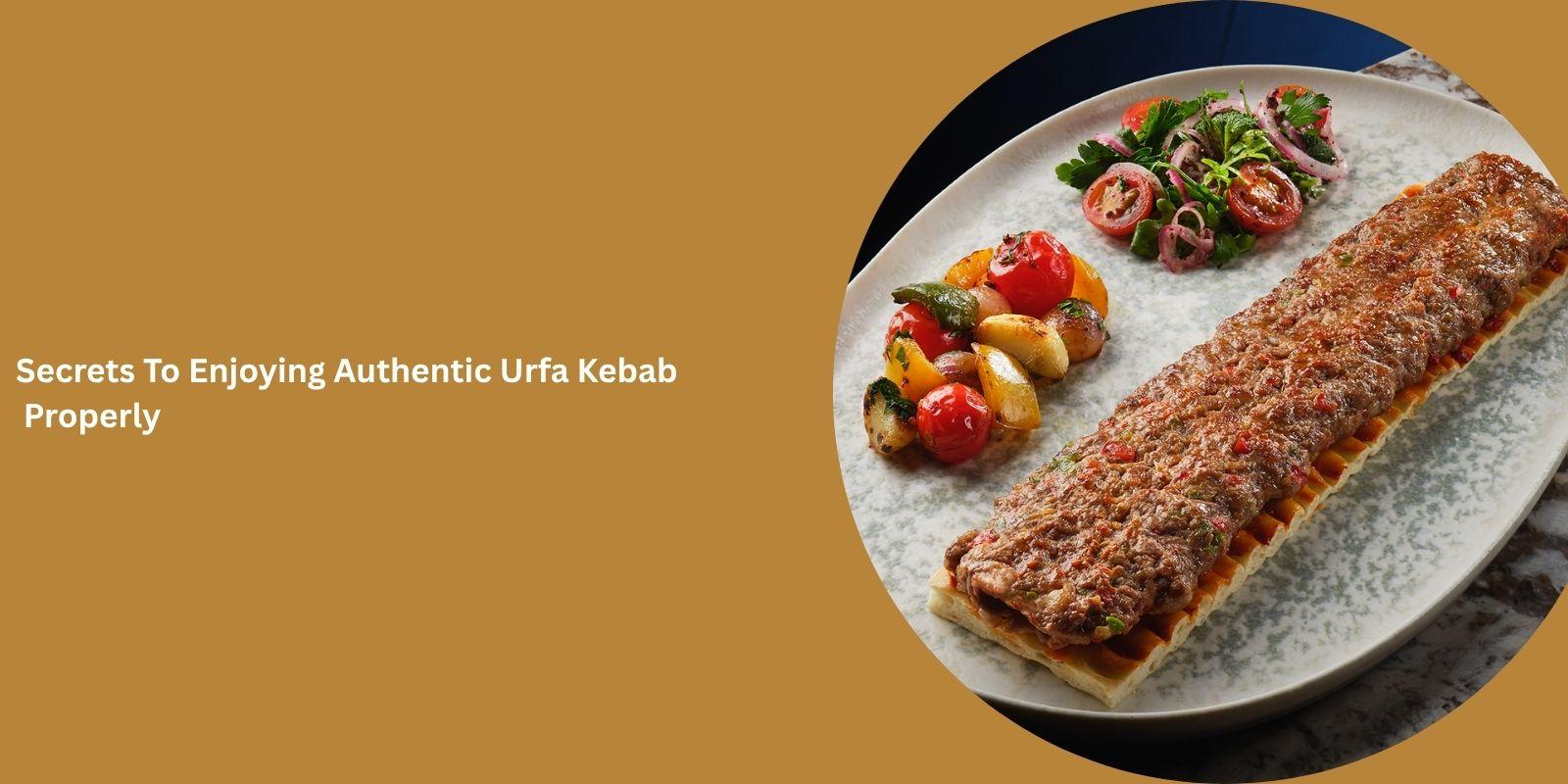
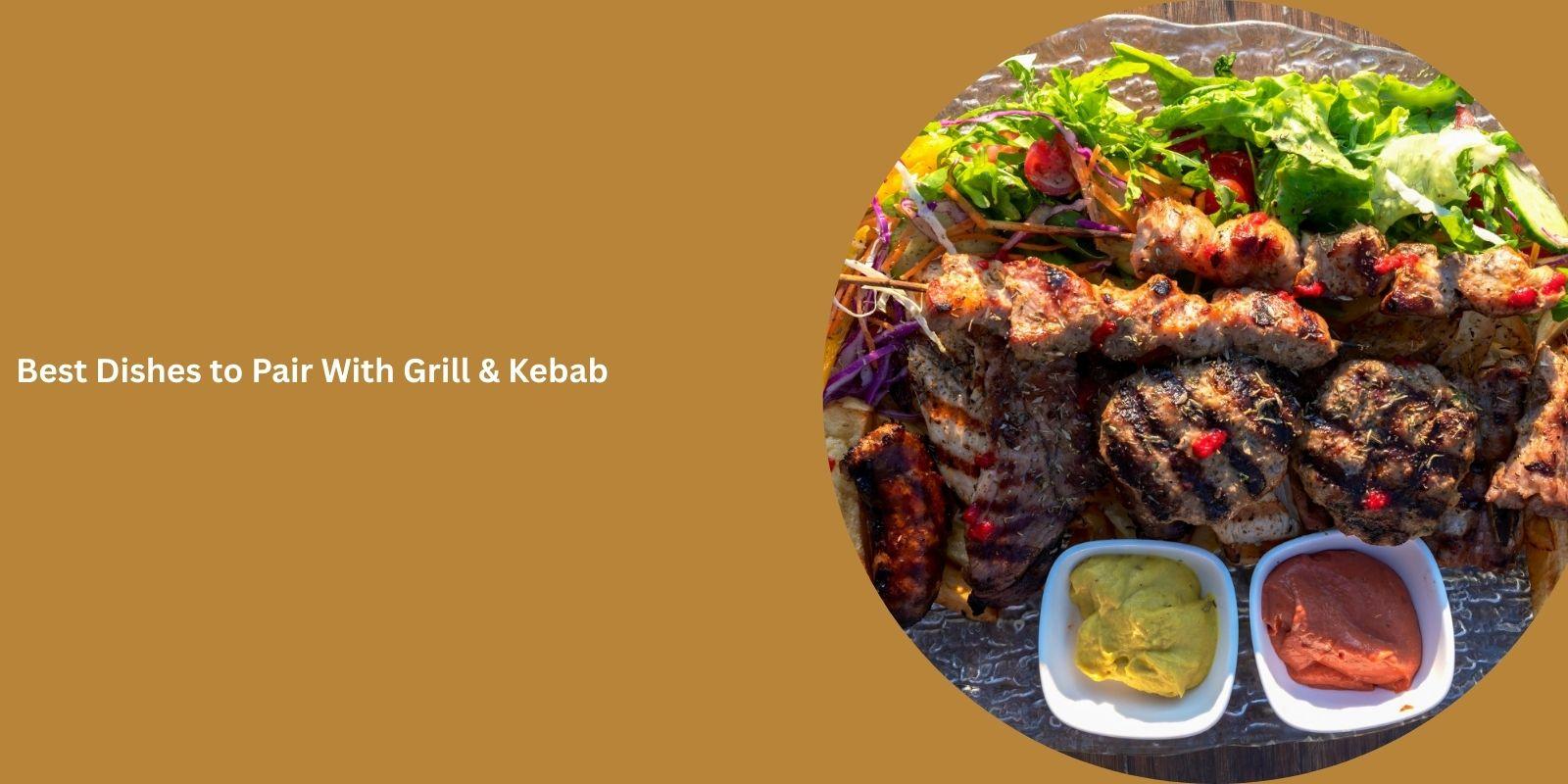
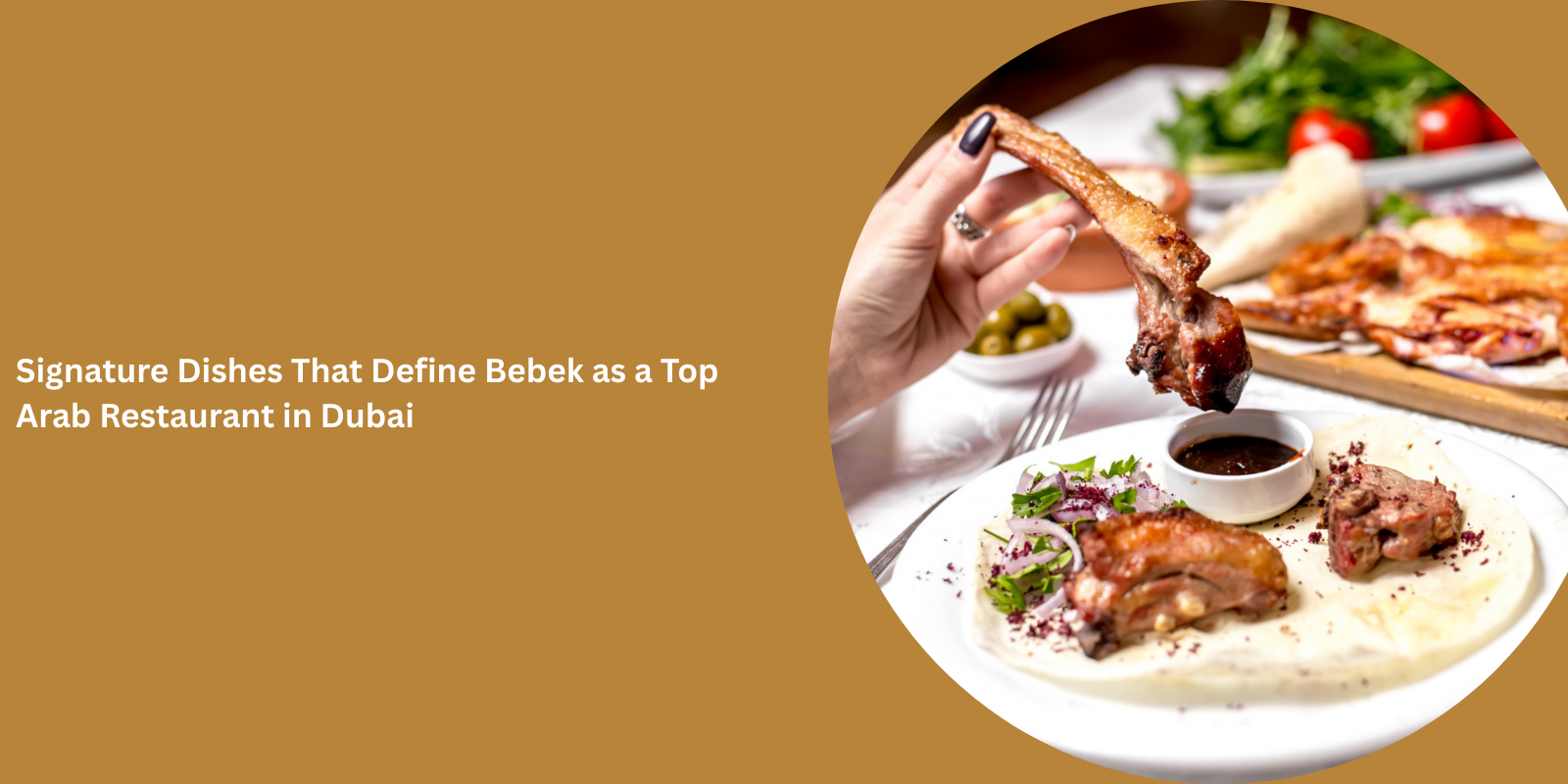
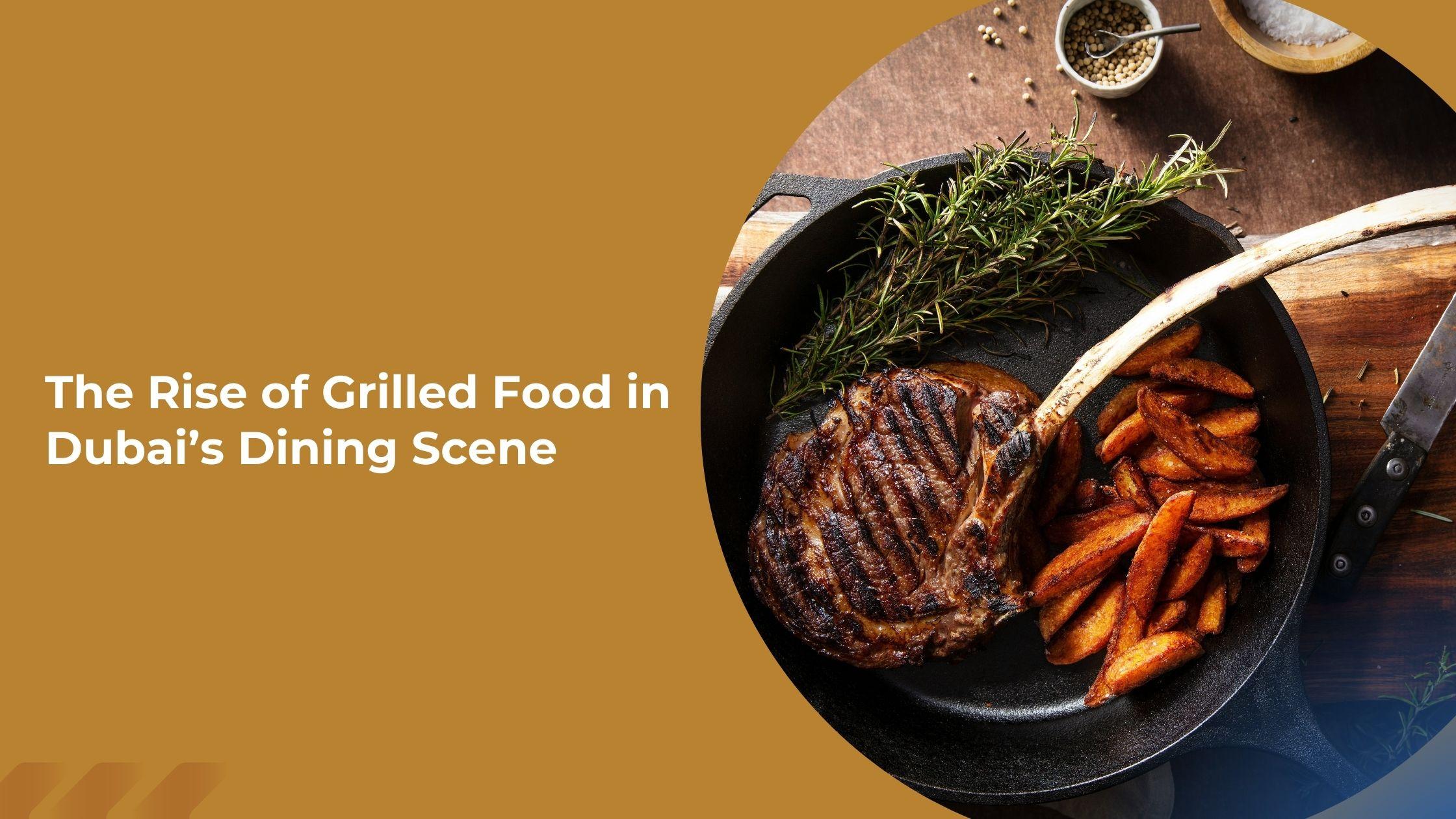
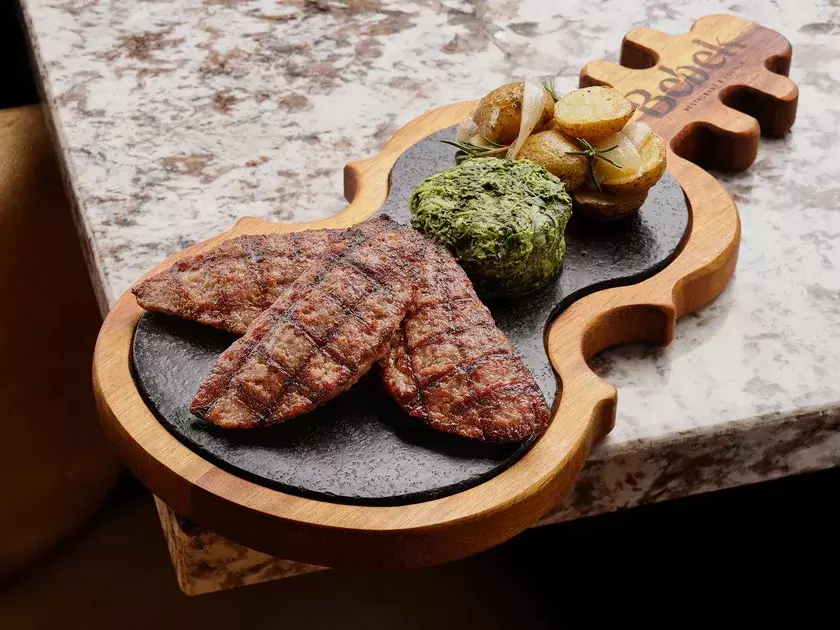
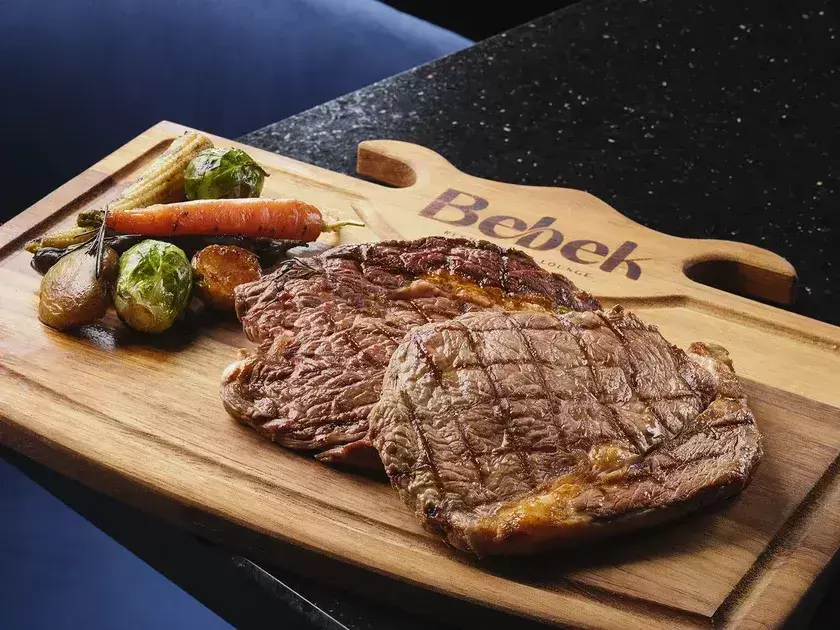
Cooking over charcoal creates a smoky flavor that cannot easily be replicated using modern equipment. Grilled meats remain among the most popular Arabic dishes served across Dubai.
Slow Cooking
Many traditional Arabic dishes are cooked over low heat for extended periods.
Examples include:
- Harees
- Lamb stews
- Rice-based meat dishes
Slow cooking allows spices to develop gradually while keeping meat tender and flavorful. Traditional Emirati and Arabic recipes frequently rely on this technique.
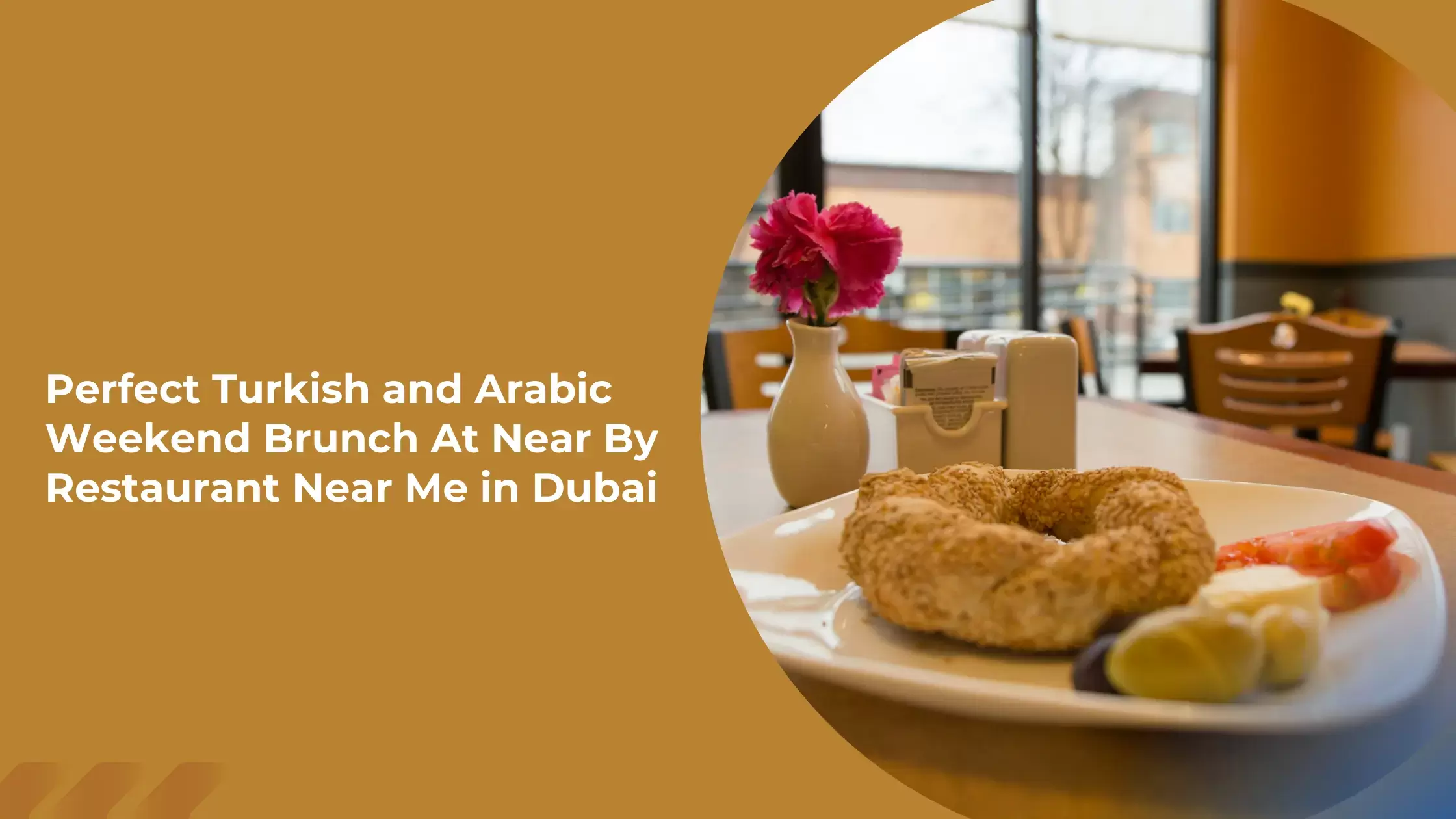
Baking Fresh Bread
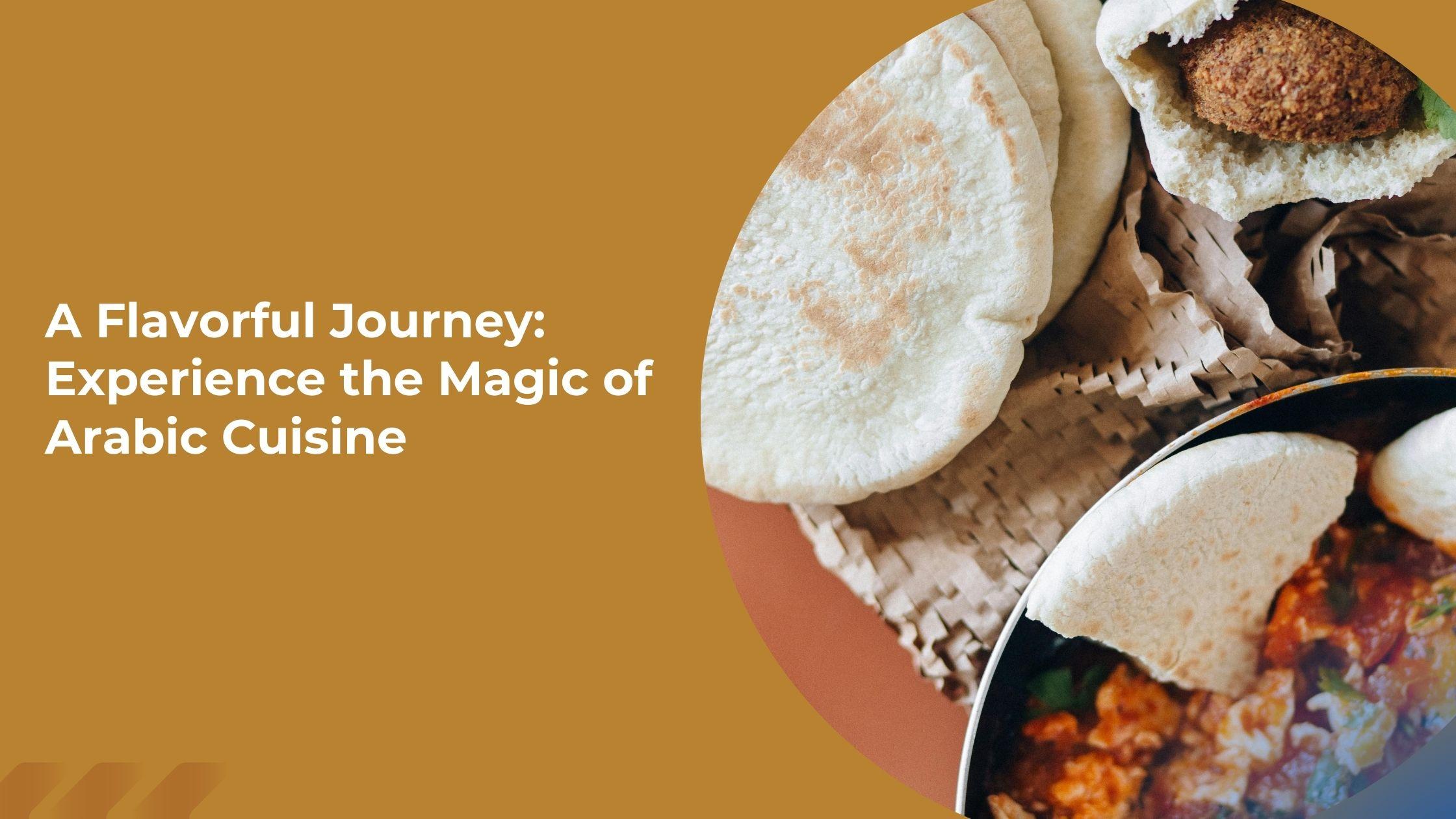
Freshly baked bread remains a central part of Arabic dining.
Common varieties include:
- Pita bread
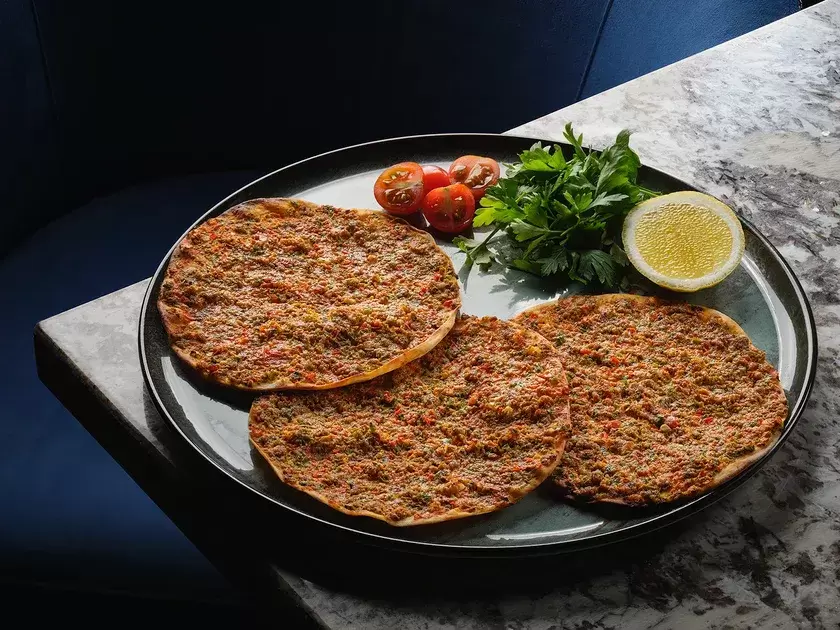
- Manakish
- Flatbreads
Bread is often used to scoop dips, accompany grilled dishes, or serve as the base for herb and spice toppings such as Za'atar.
Marination Techniques
Arabic cuisine places significant emphasis on marination. Many meats are marinated using combinations of:
- Olive oil
- Garlic
- Lemon juice
- Yogurt
- Spice blends
This process helps tenderize the meat while enhancing flavor before cooking.
Popular Arabic Dishes That Showcase These Techniques
Many well-known Arabic dishes highlight the perfect combination of spices, herbs, and cooking methods.
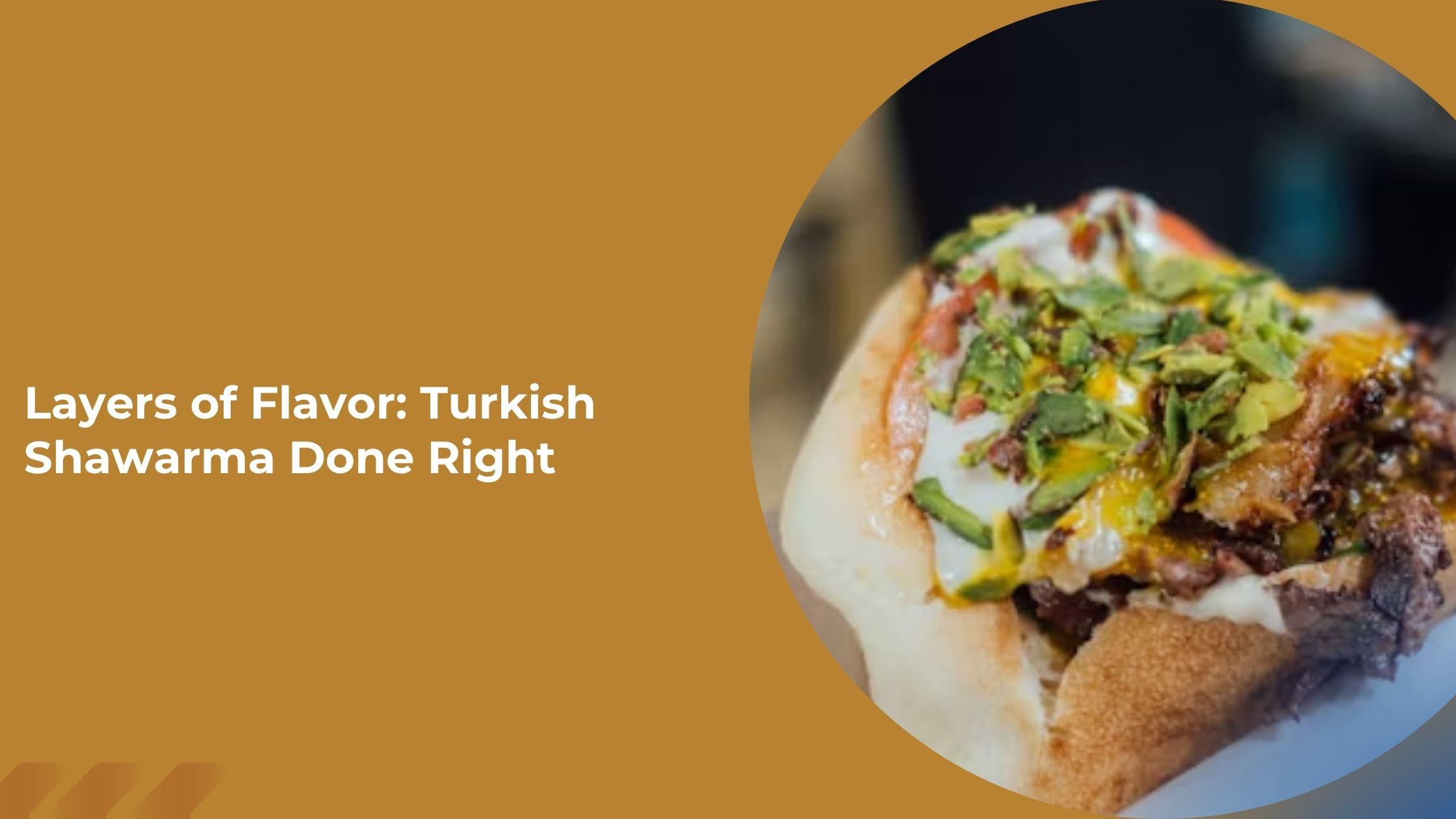
Shawarma
One of Dubai's most popular street foods.
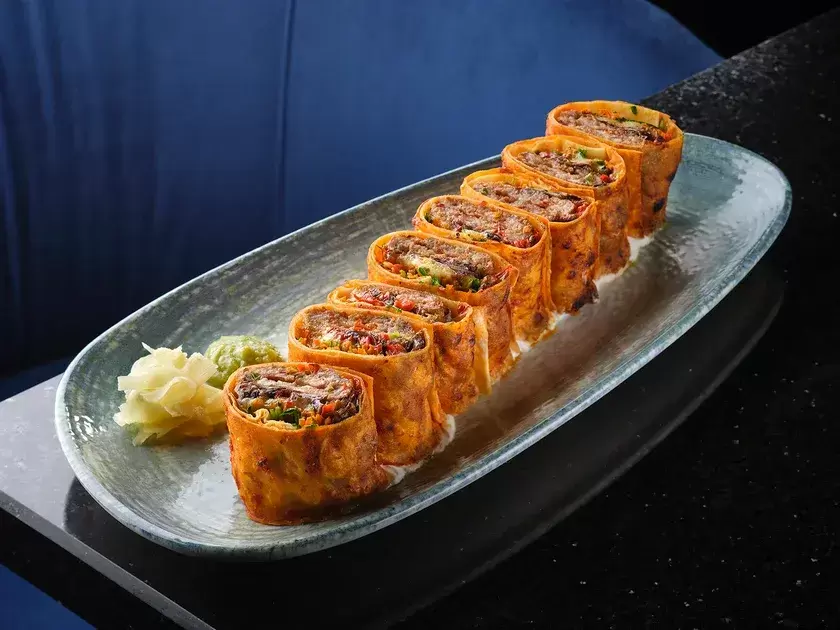
The meat is marinated with spices before being slowly cooked on a rotating spit, creating deep flavor and tenderness.
Shish Tawook
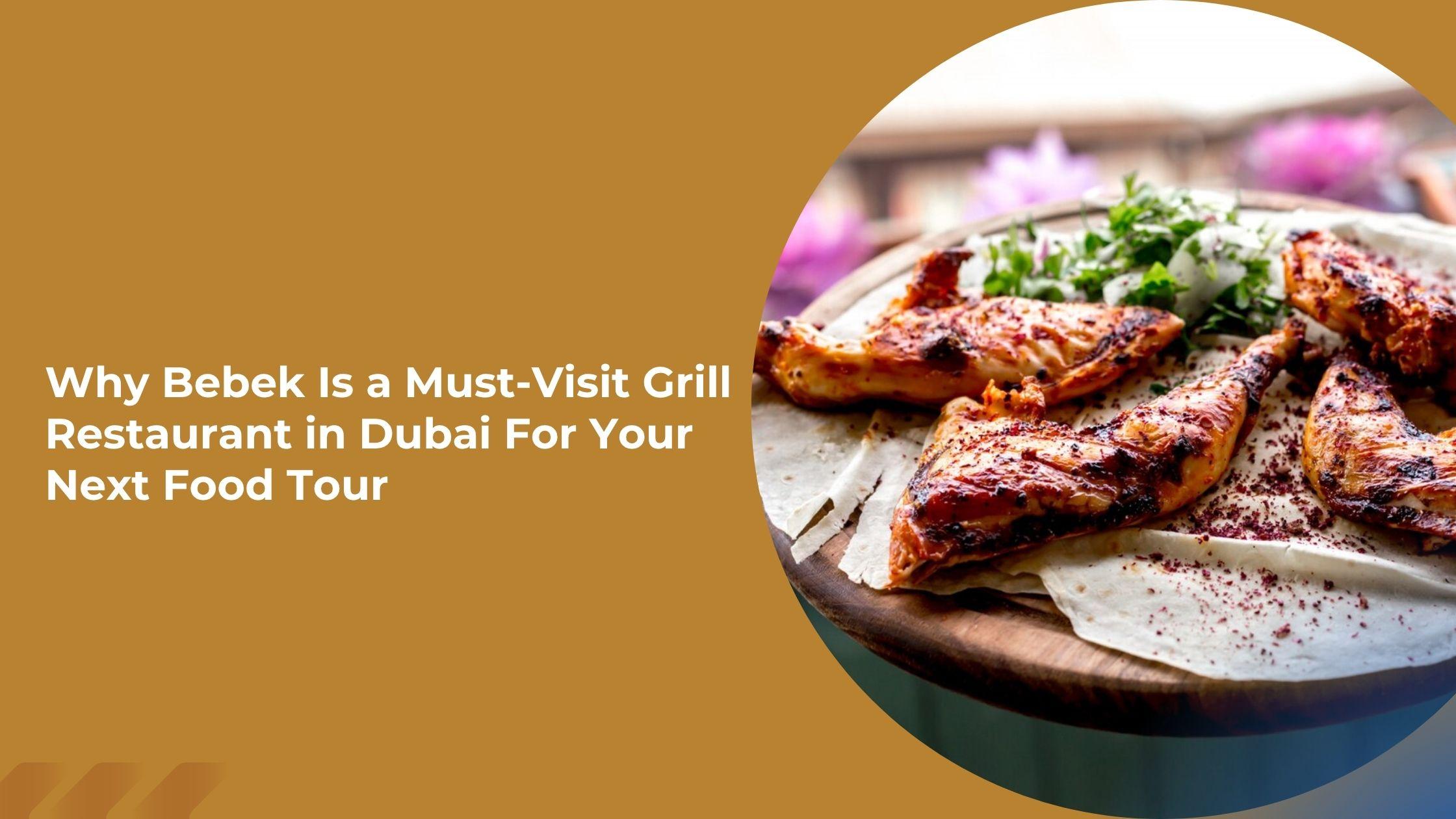
Marinated chicken grilled over high heat and often served with garlic sauce and fresh bread.
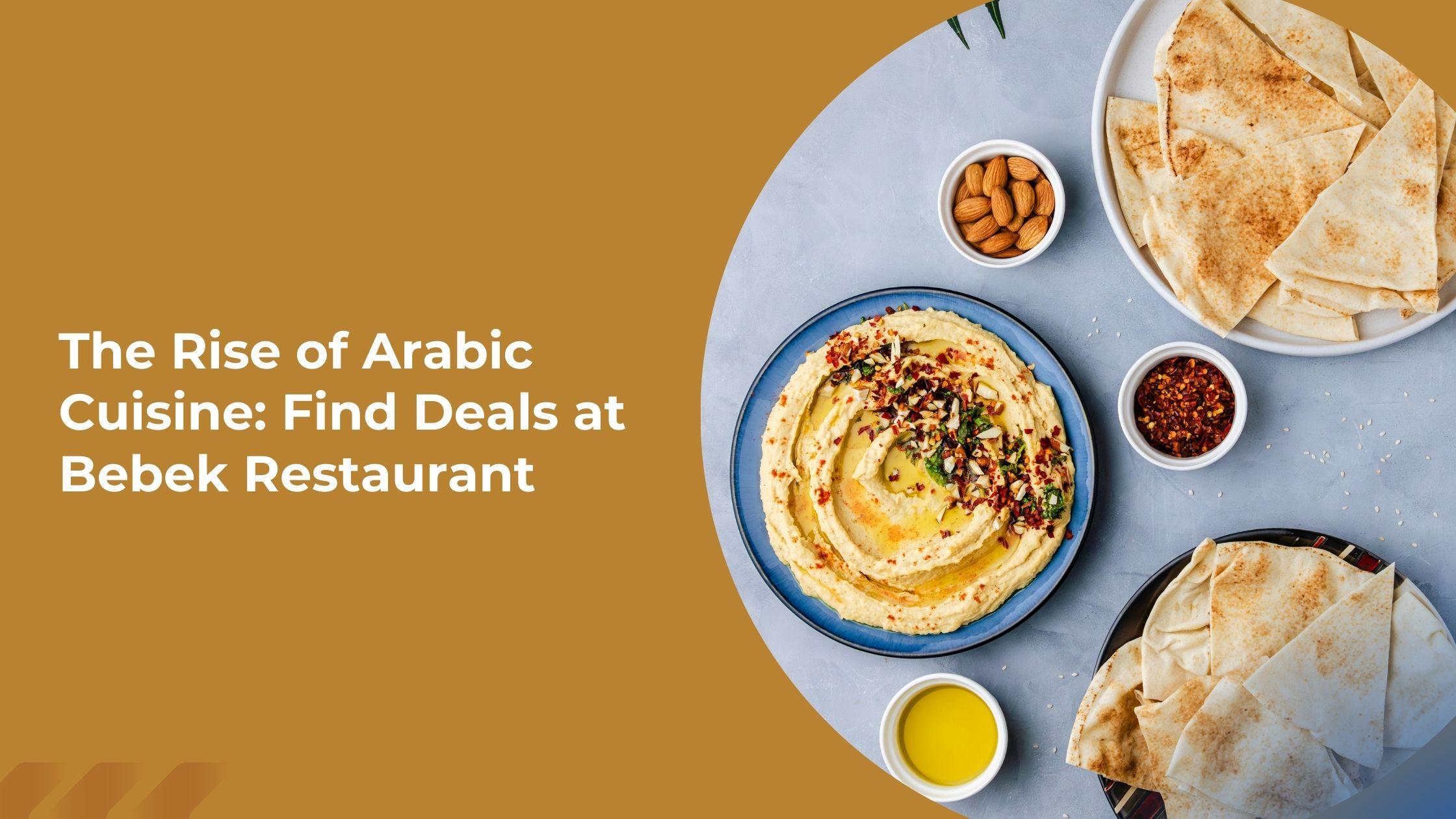
Hummus
Simple ingredients such as chickpeas, tahini, garlic, and lemon are blended to create one of the region's most recognizable dishes.
Machboos
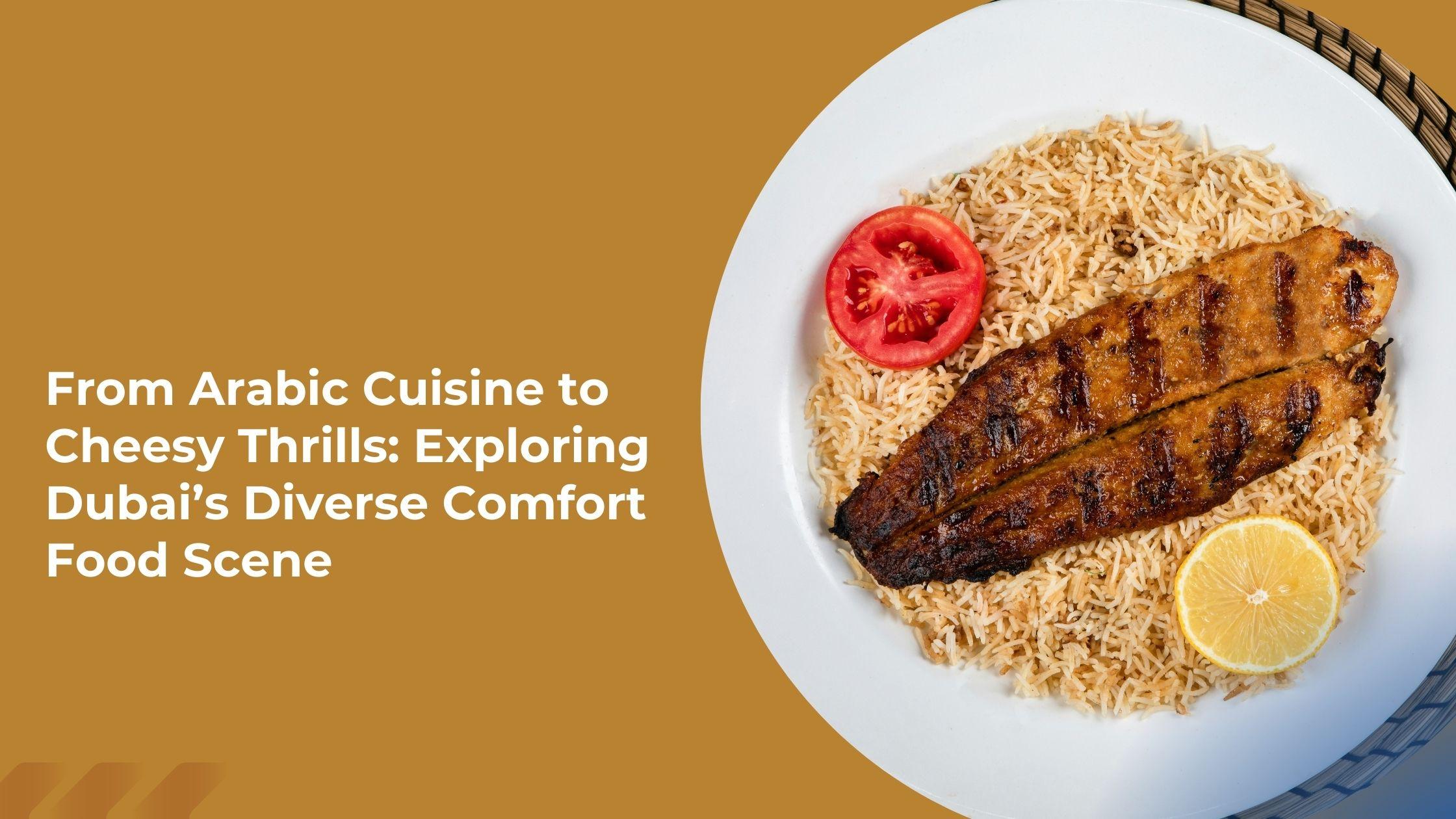
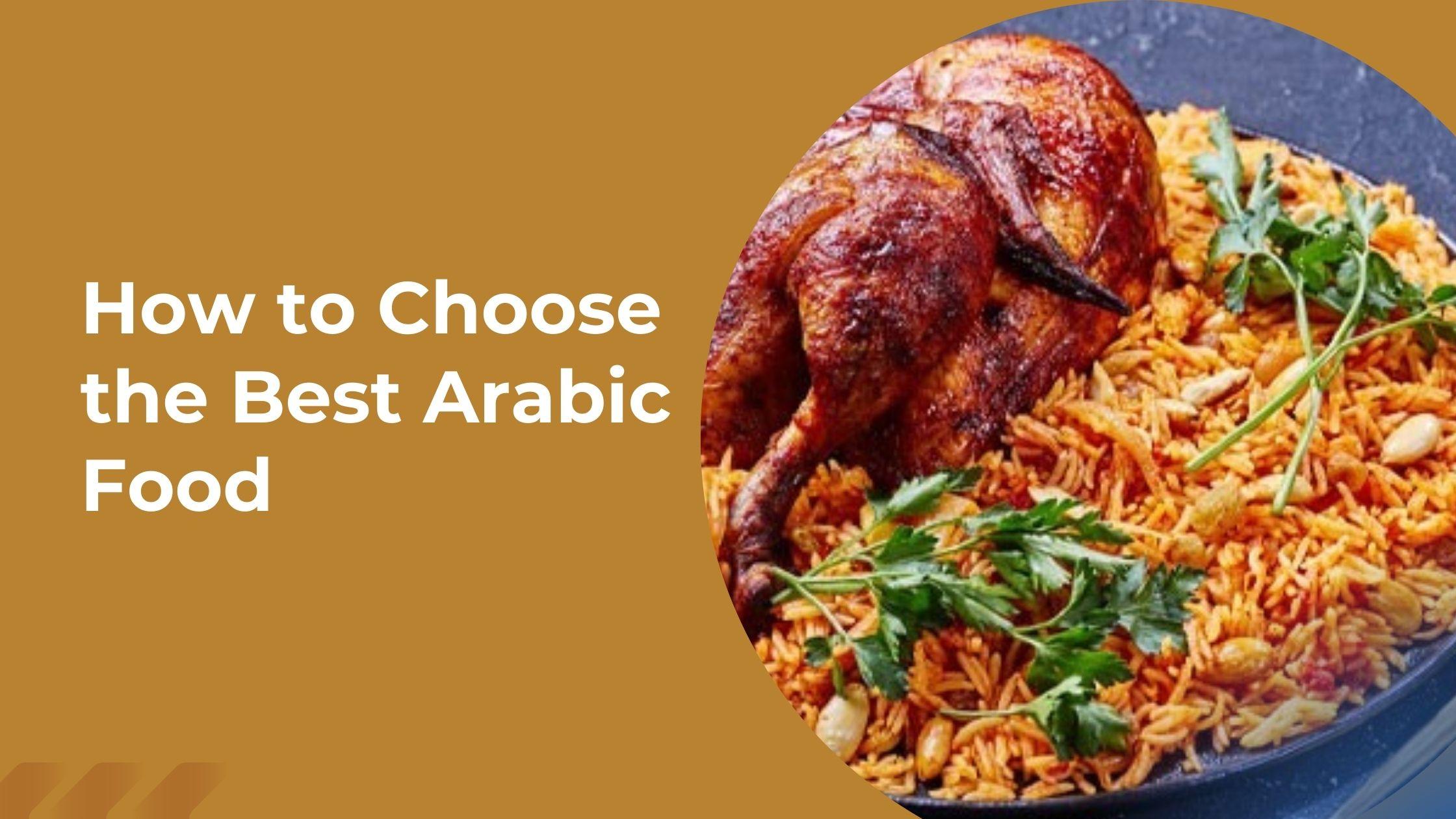
A traditional rice dish flavored with spices such as saffron, cardamom, cinnamon, and dried lime, creating a rich and aromatic meal.
Why Authentic Arabic Food Feels Different
One reason people remember Arabic food long after their visit is because the cuisine focuses on balance. You rarely find one ingredient dominating the dish.
Instead, flavors work together through:
- Layered spice blends
- Fresh herbs
- Slow cooking methods
- High-quality ingredients
- Traditional preparation techniques
The result is food that feels both comforting and sophisticated at the same time.
Conclusion
The distinctive character of Arabic food in Dubai comes from far more than recipes alone. It is the careful combination of spices, fresh herbs, and traditional cooking methods that creates the rich flavors people associate with Middle Eastern cuisine.
From the warmth of cardamom and cinnamon to the freshness of mint and parsley, every ingredient serves a purpose. Combined with techniques such as charcoal grilling, slow cooking, and traditional baking, these elements help create dishes that have remained popular for generations.
Whether you're enjoying a mezze platter, a perfectly grilled kebab, or a fragrant rice dish, understanding the role of spices, herbs, and cooking techniques offers a deeper appreciation of the traditions behind Arabic food in Dubai.
Key Takeaways
- Arabic cuisine focuses on balanced flavors rather than extreme spice levels.
- Cardamom, cumin, cinnamon, saffron, and sumac are among the most commonly used spices.
- Fresh herbs such as parsley, mint, and thyme play an important role in flavor and presentation.
- Baharat is a traditional Arabic spice blend used across many dishes.
- Charcoal grilling, slow cooking, baking, and marination are key cooking techniques.
- Traditional cooking methods help create the authentic flavors that define Arabic food in Dubai.