

12 Sep 2026
20 Must-Try Traditional Turkish Foods and Their Flavors
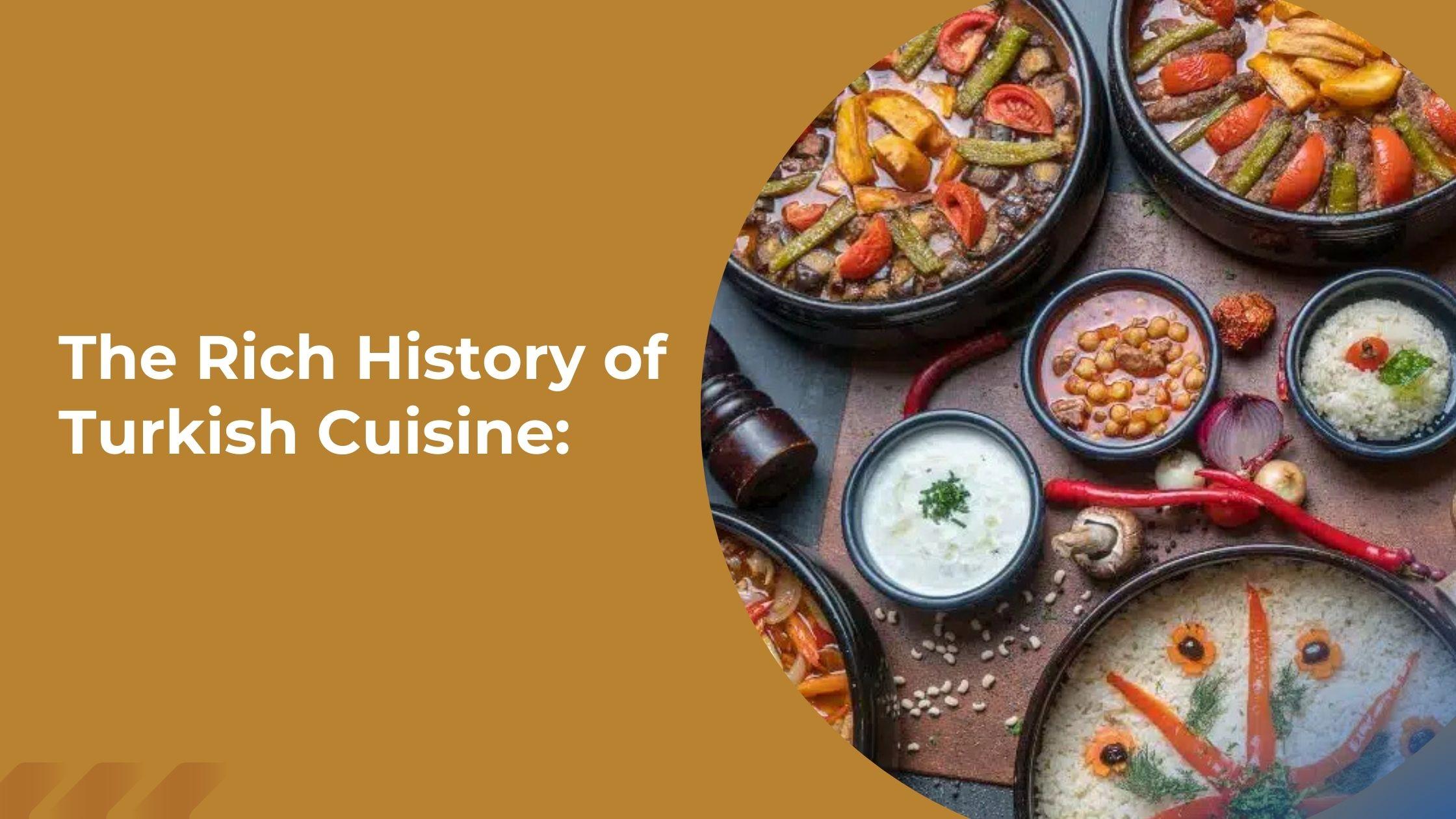
What marks Turkish food so popular across the world? Is it the smoky flavor of charcoal-grilled kebabs, the richness of slow-cooked dishes, or the sweet finish of baklava?
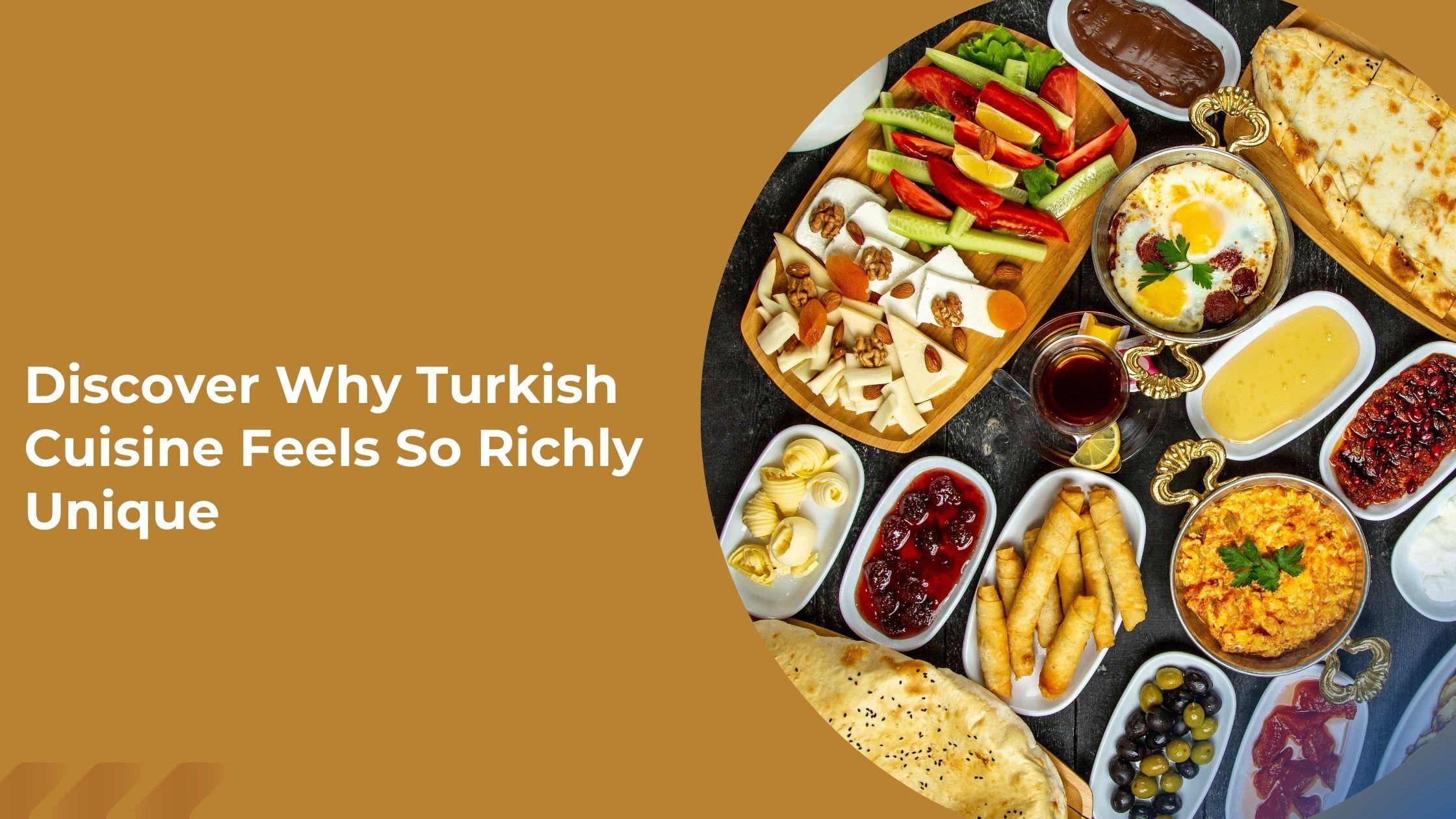
The answer is all three. Traditional Turkish foods are a blend of fresh vegetables, grilled meats, creamy yogurt, aromatic herbs, spices, olive oil, and handmade breads. Turkish cuisine also varies across regions, offering foodies an impressive range of flavors and textures.
If you're new to Turkish food, deciding what to order might be challenging. In this piece, we will cover 20 must-try Turkish dishes and enlighten exactly what each one tastes like.
20 Traditional Turkish Foods You Must Try
Below we have listed the top 20 traditional Turkish foods you must try. Here we go.
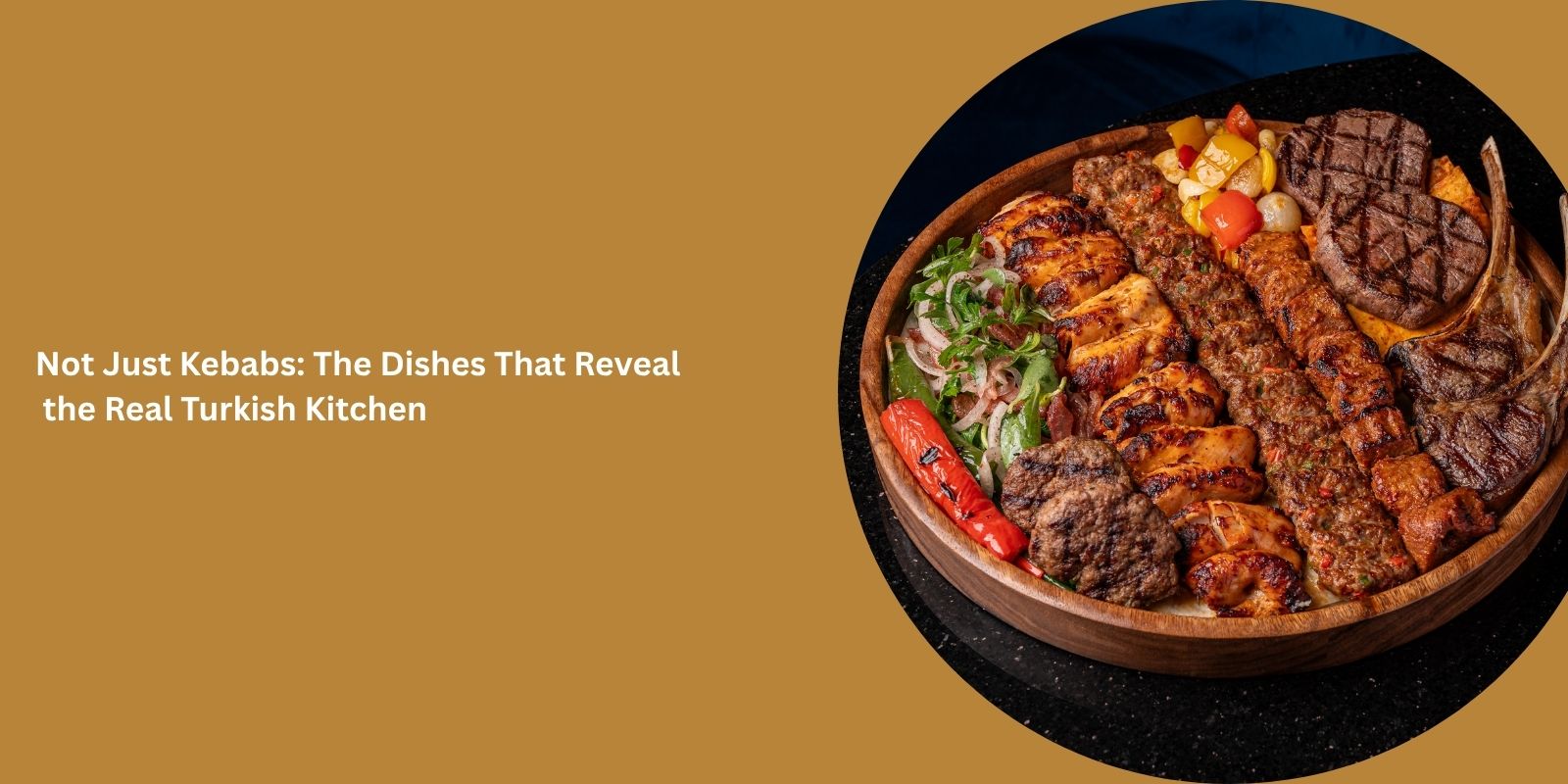
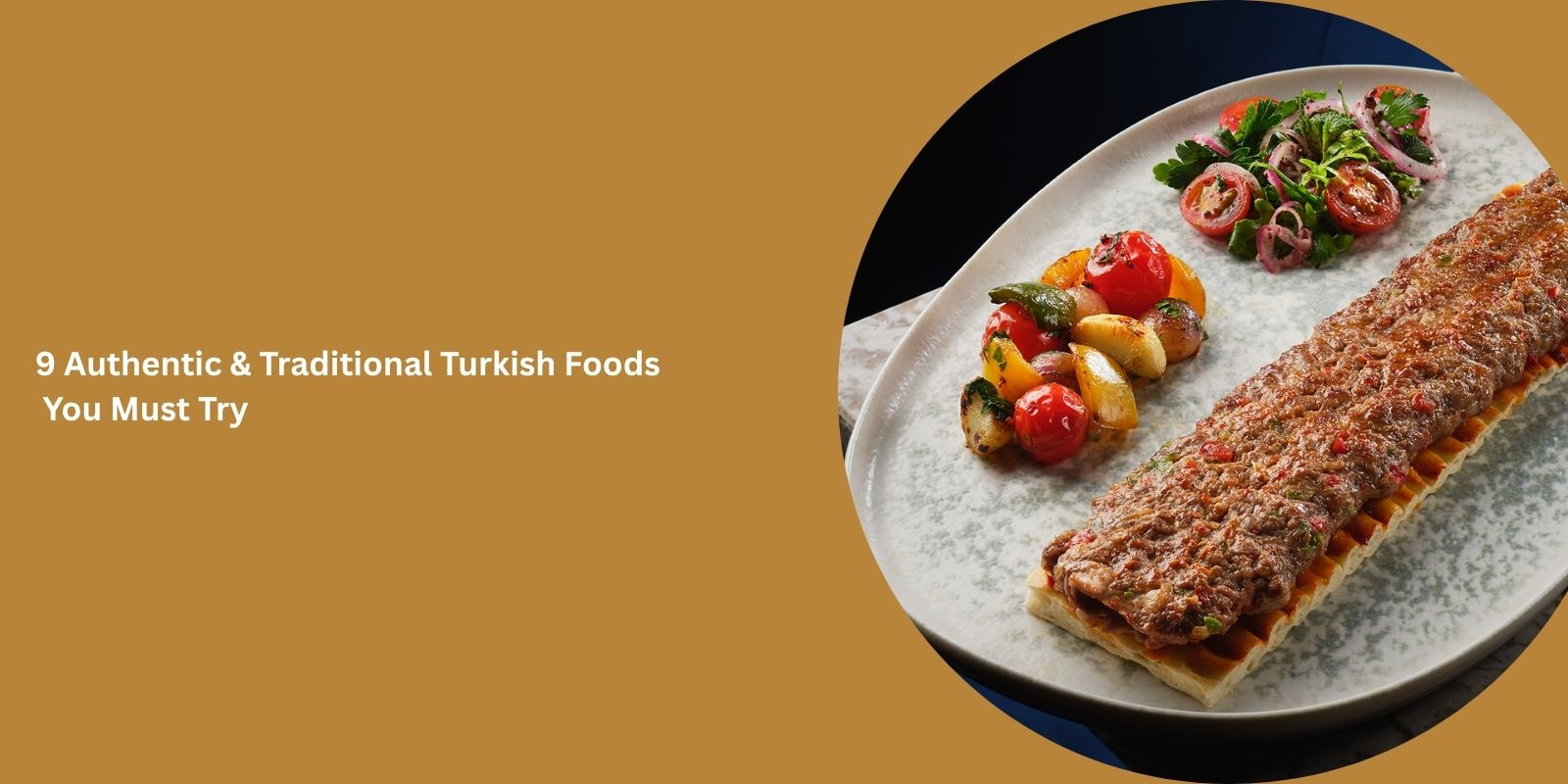
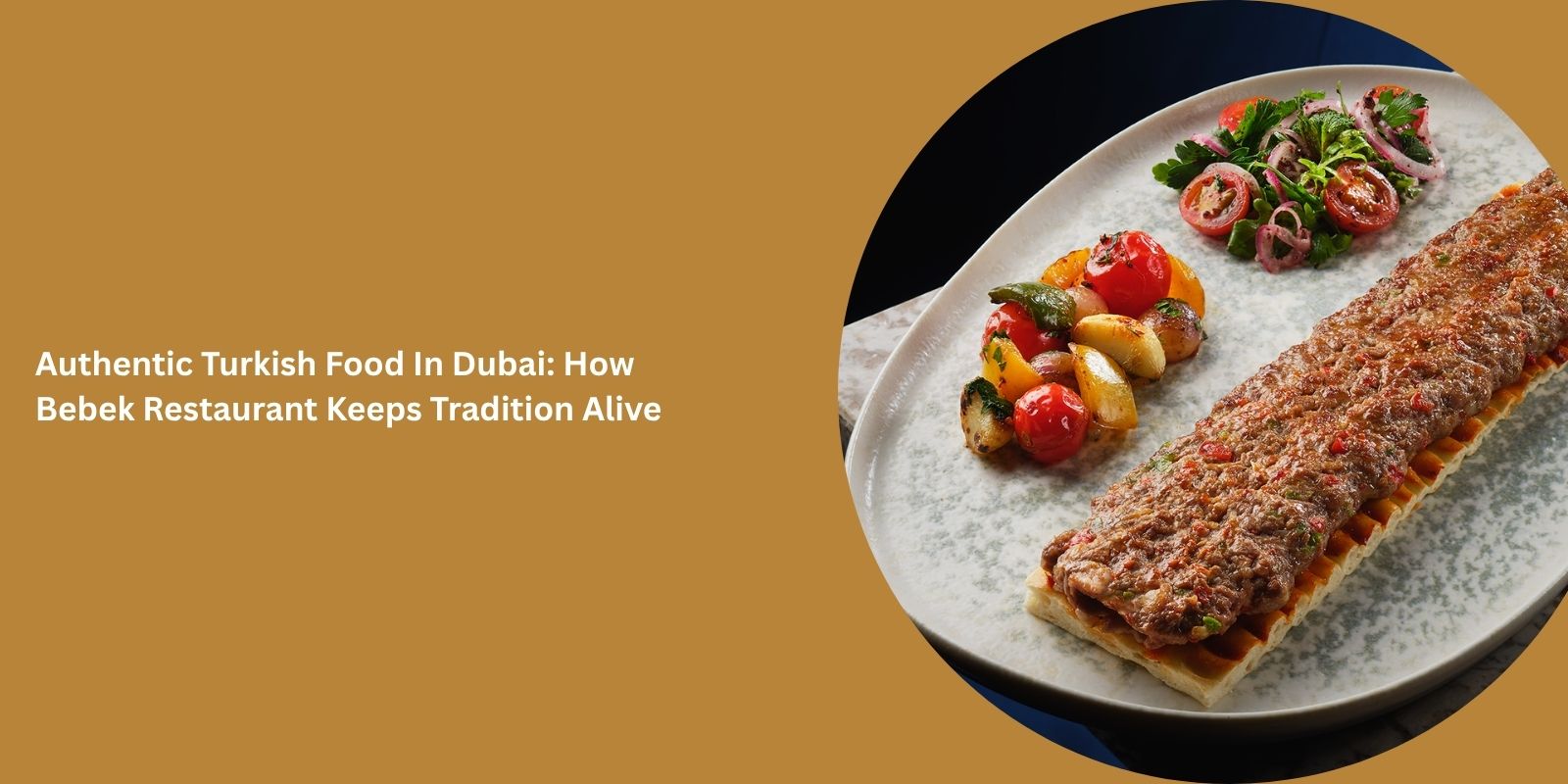
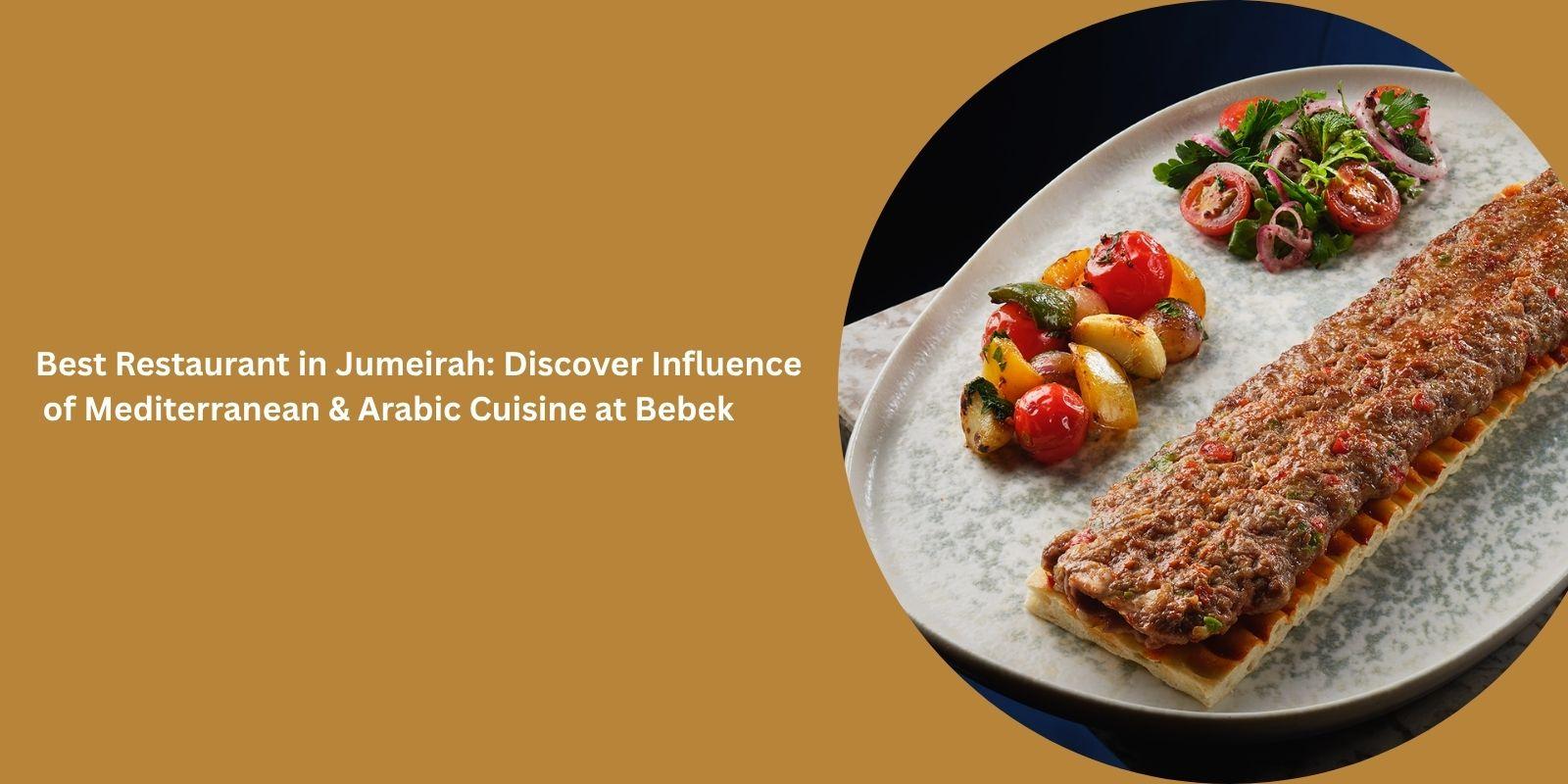
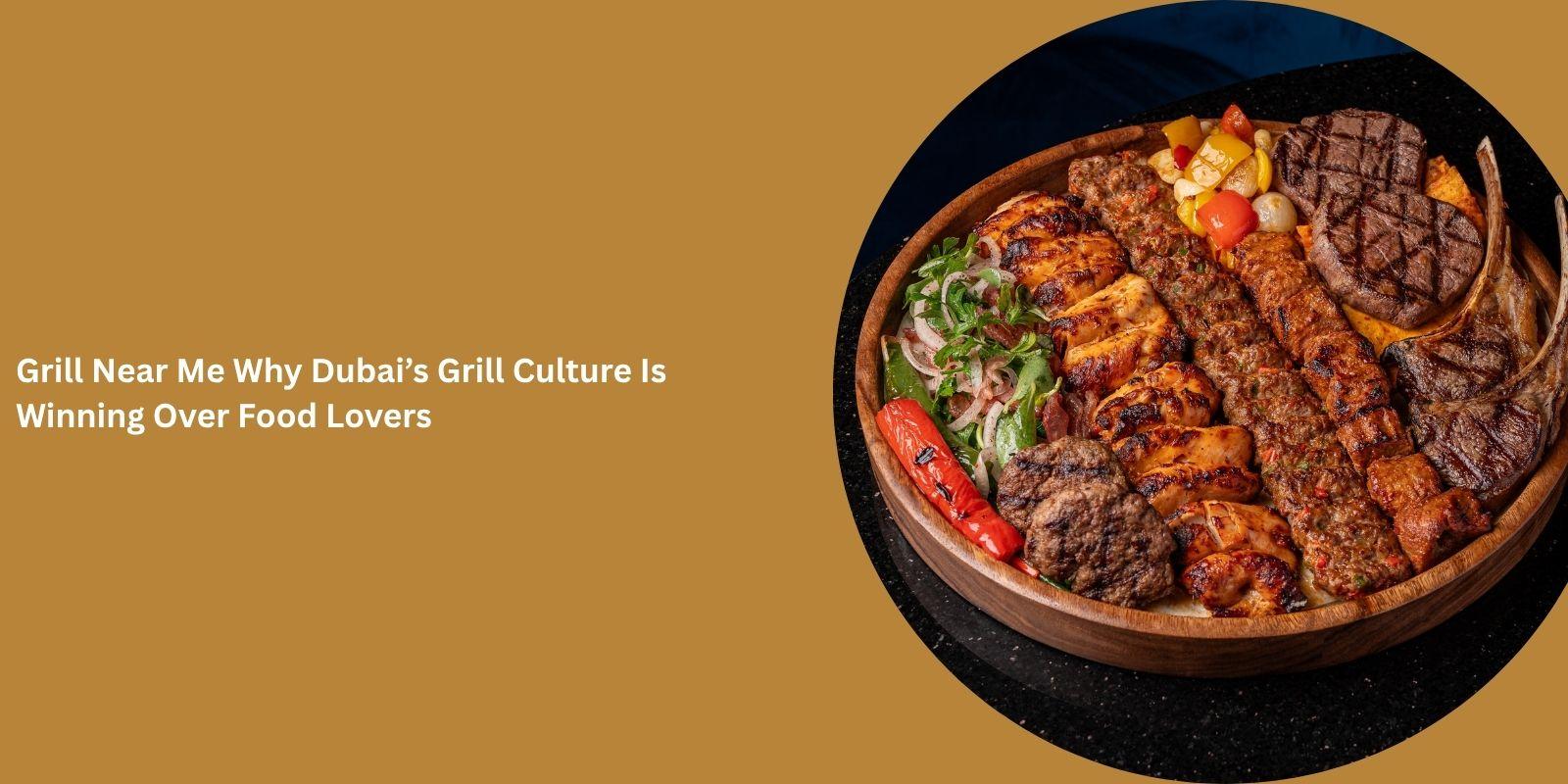
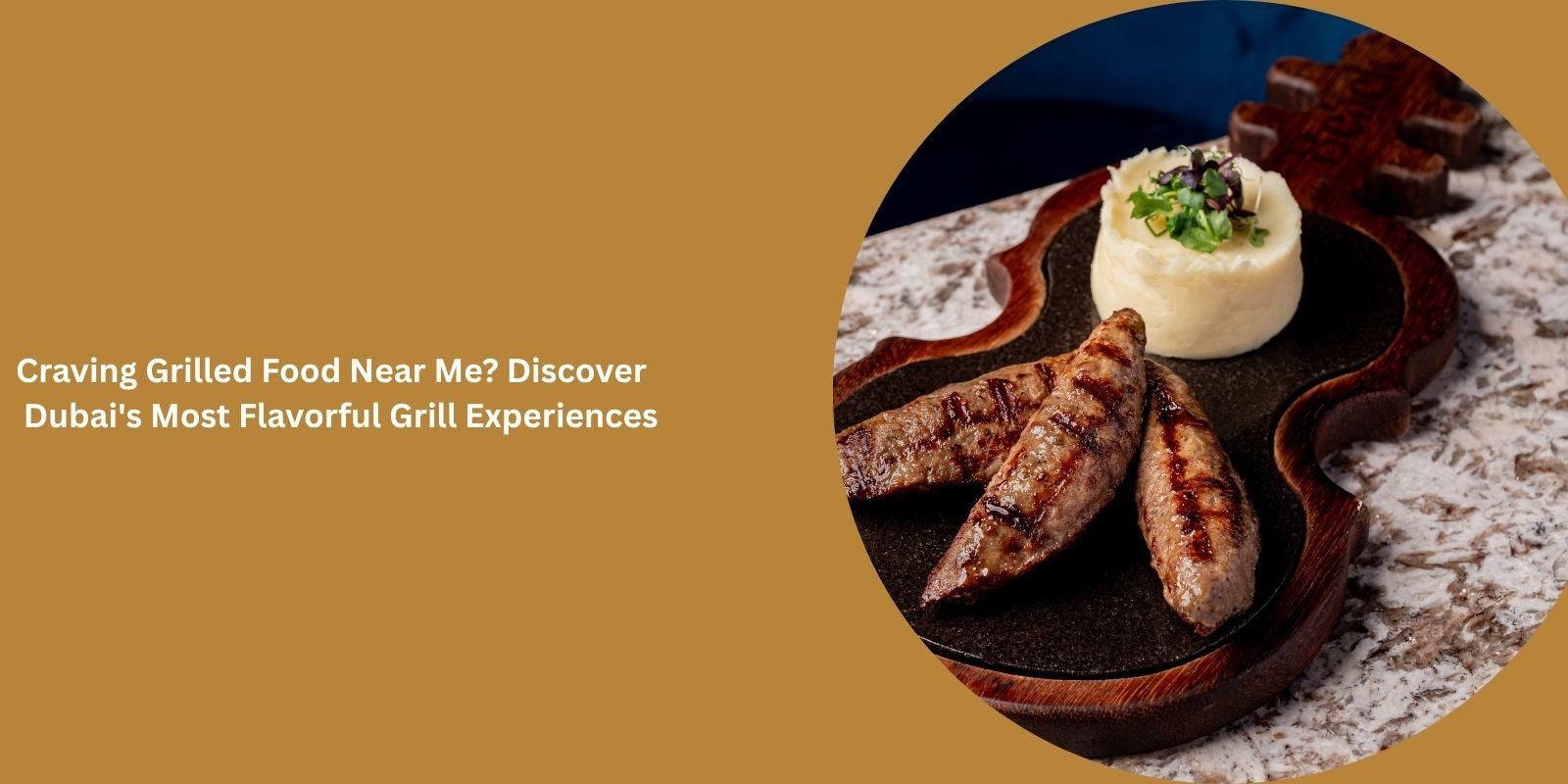
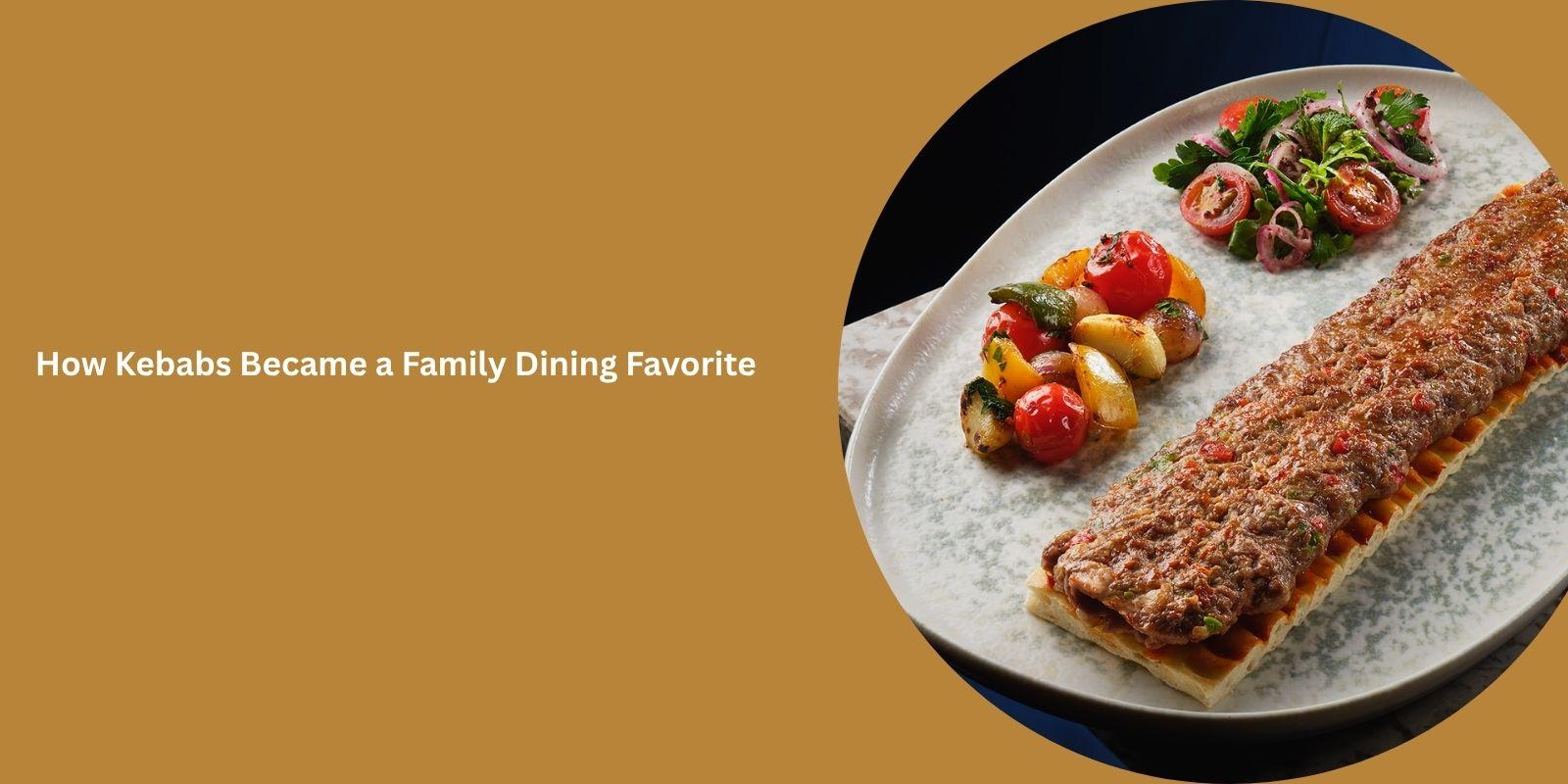
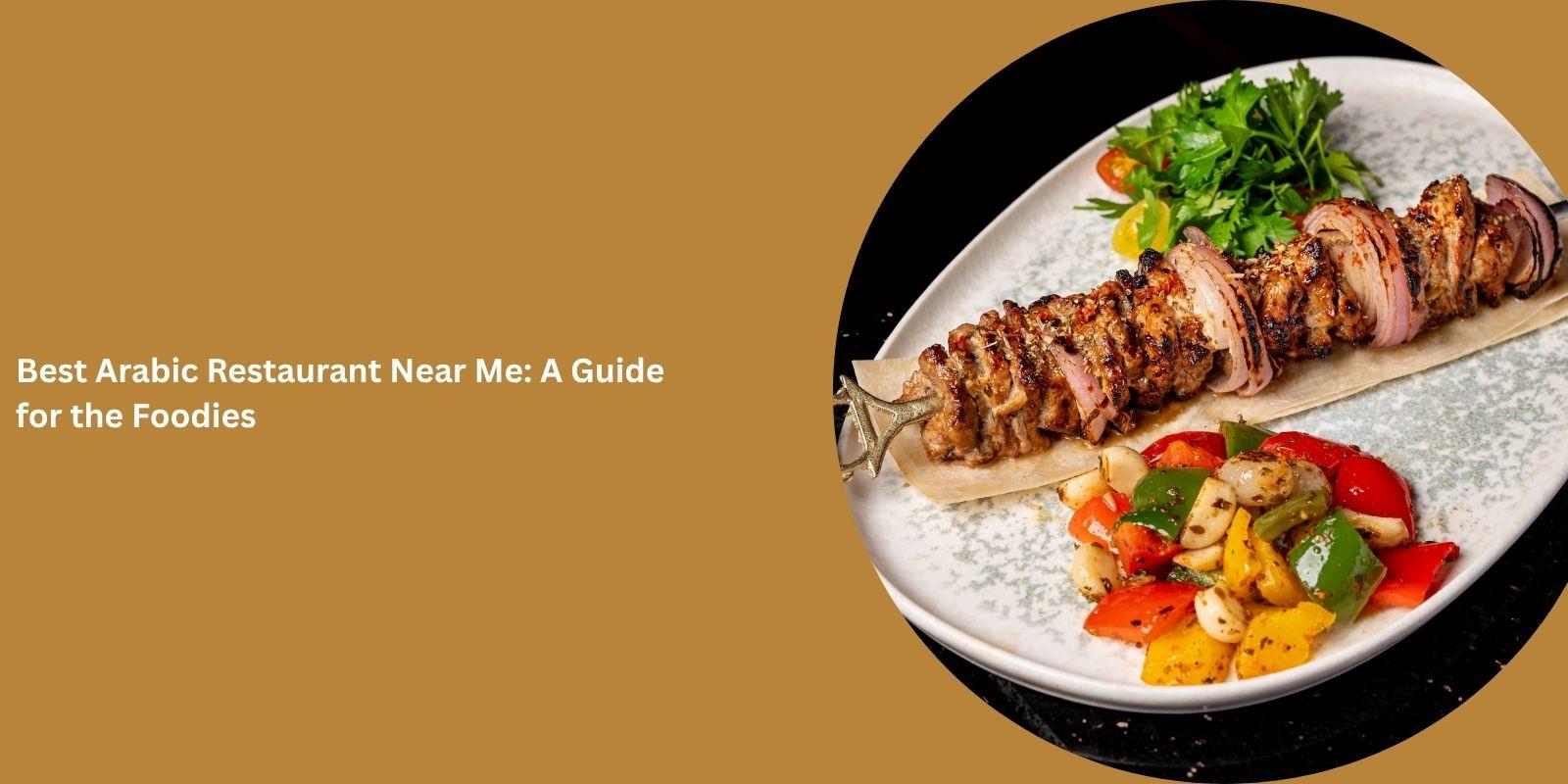
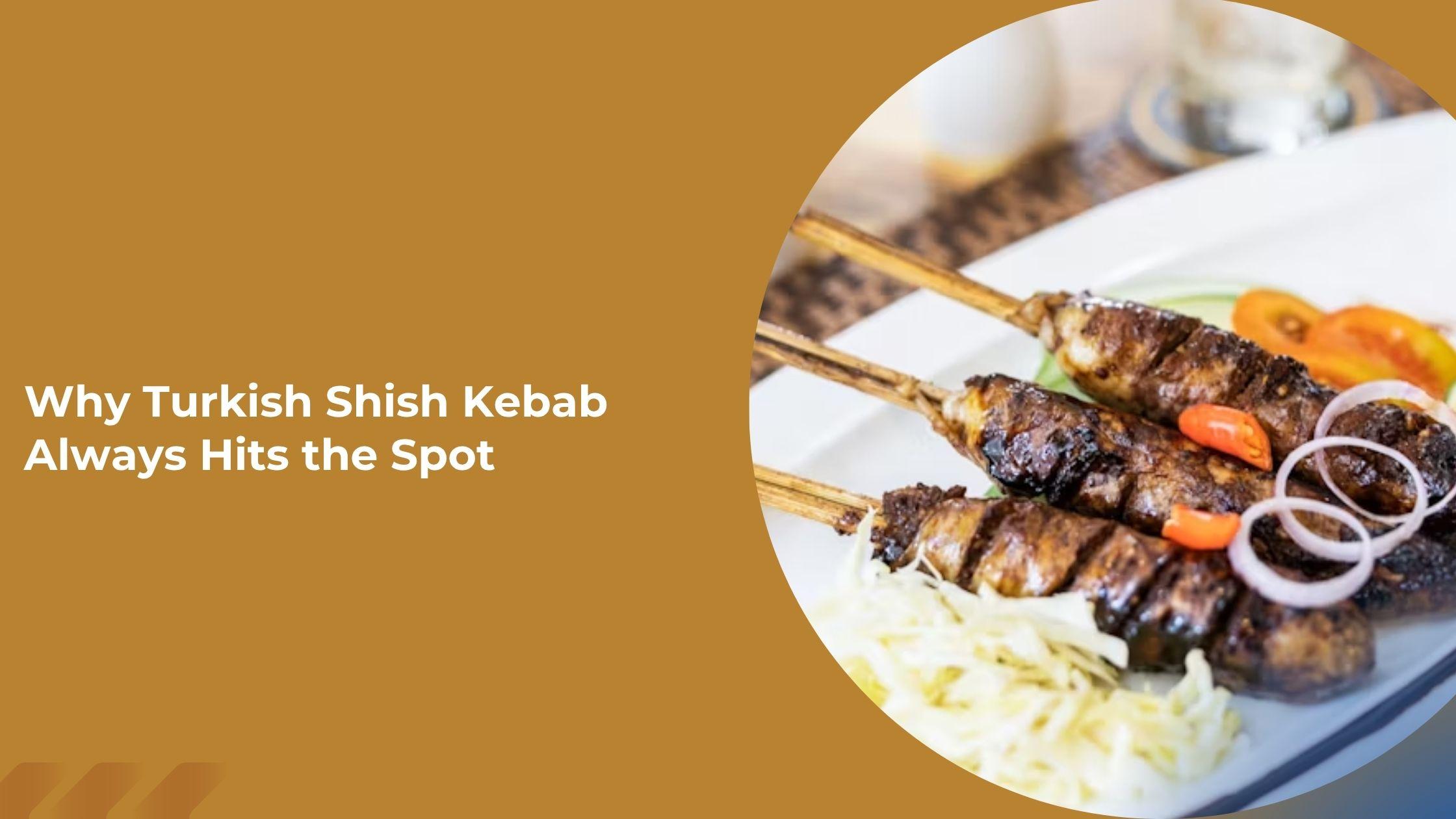
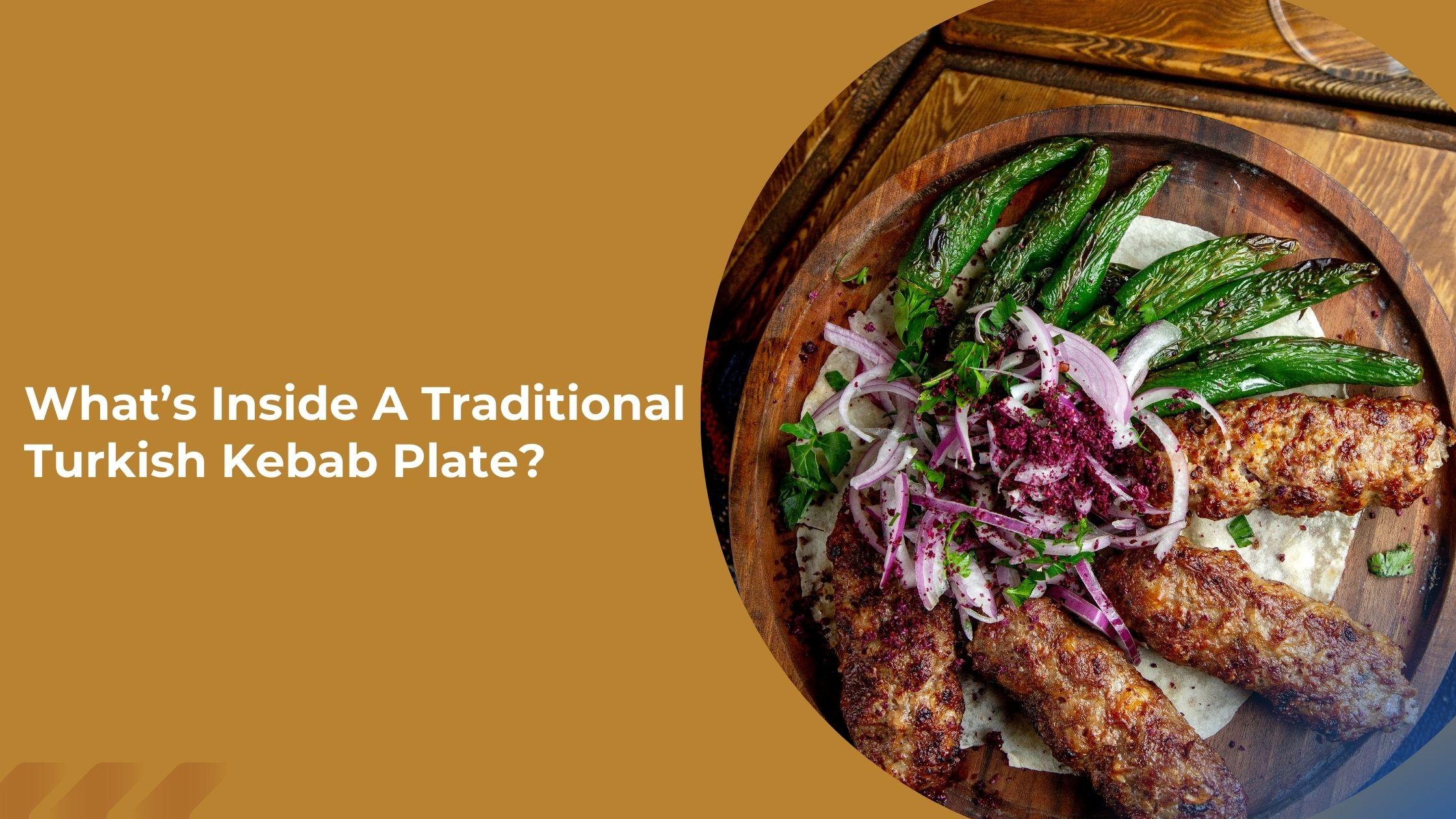
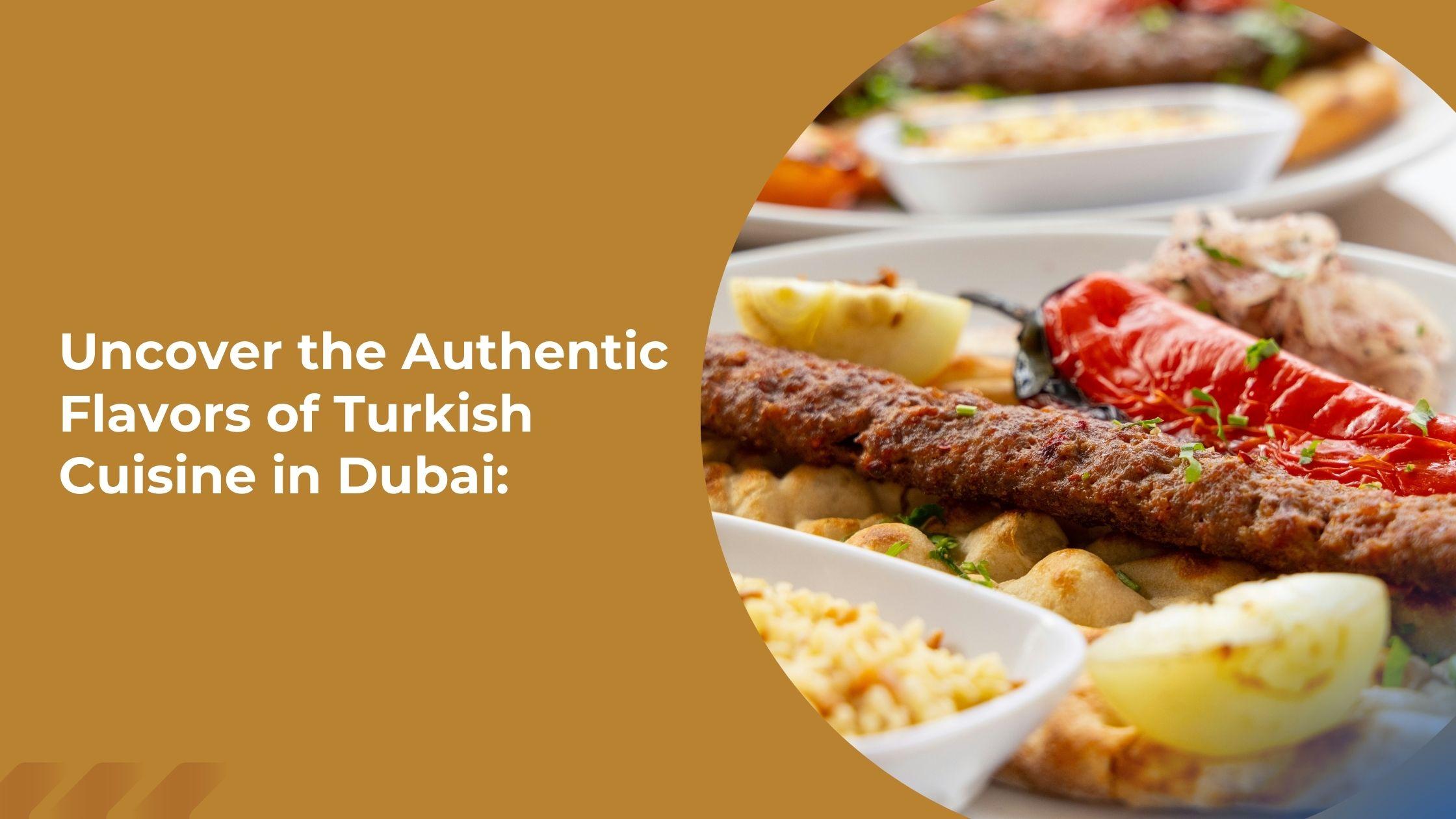
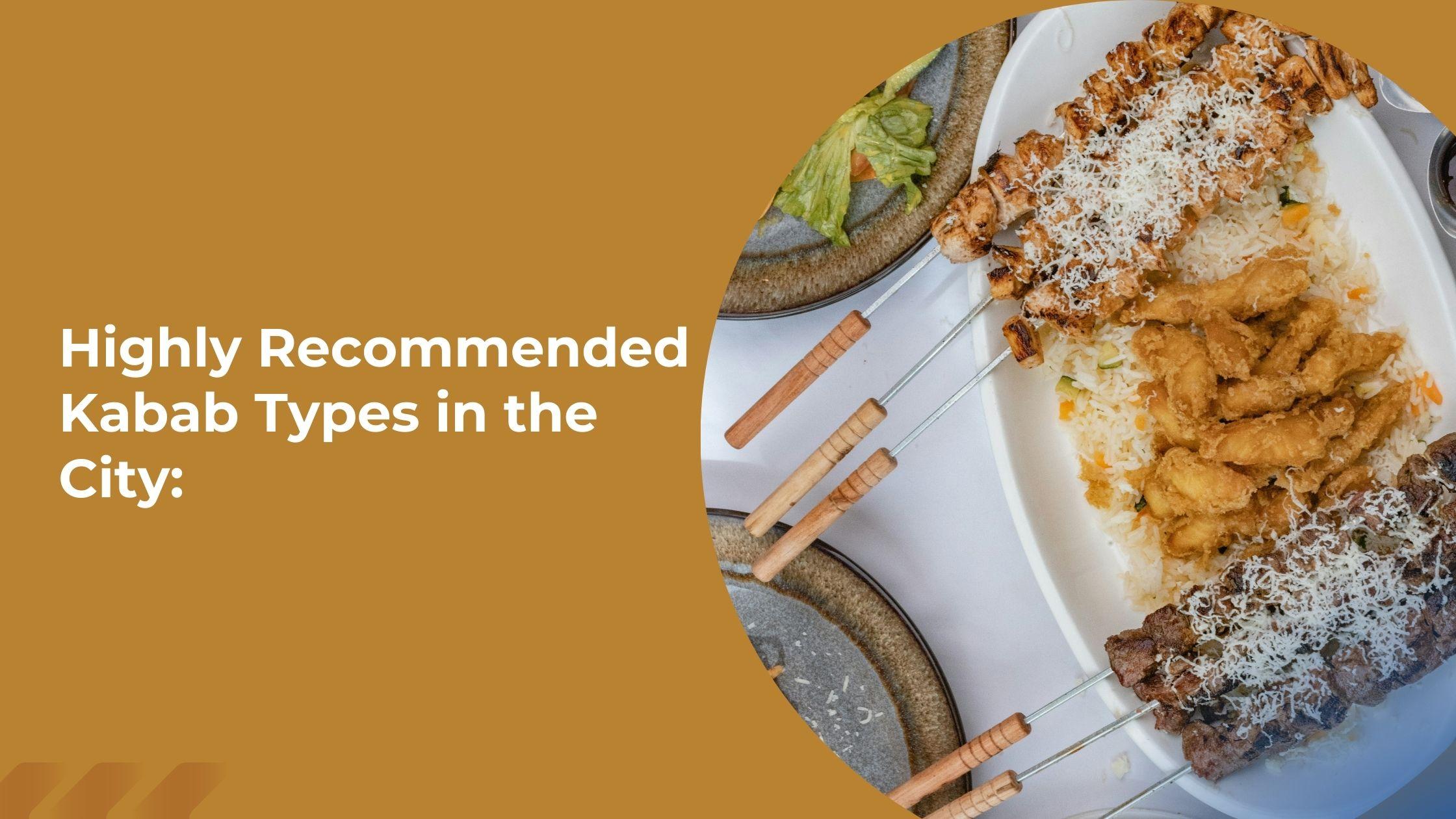
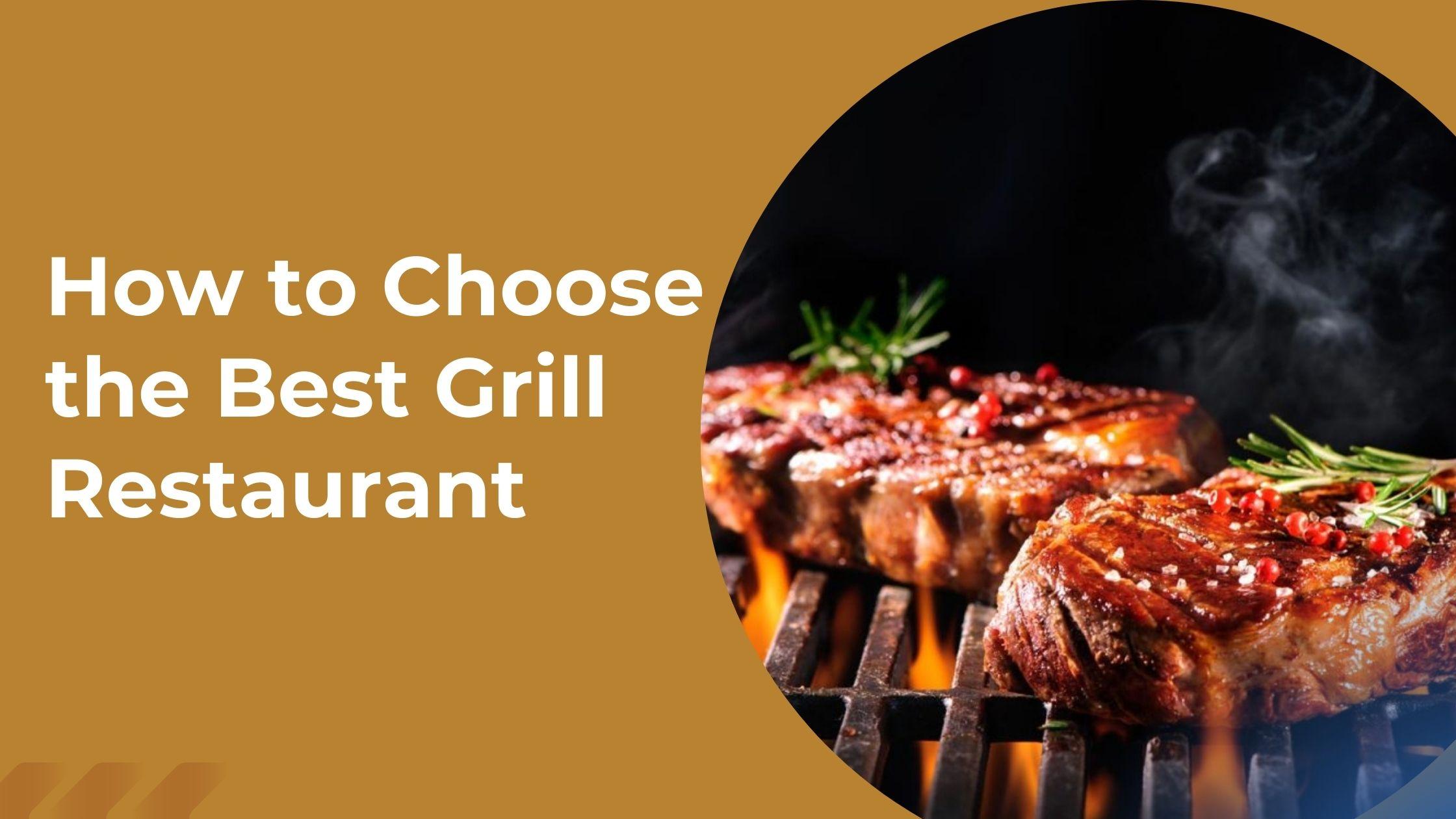
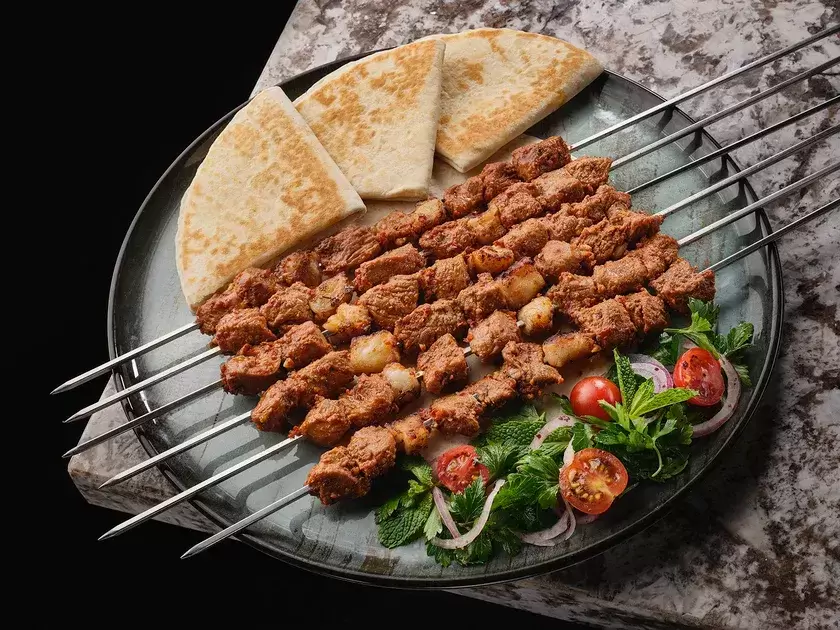
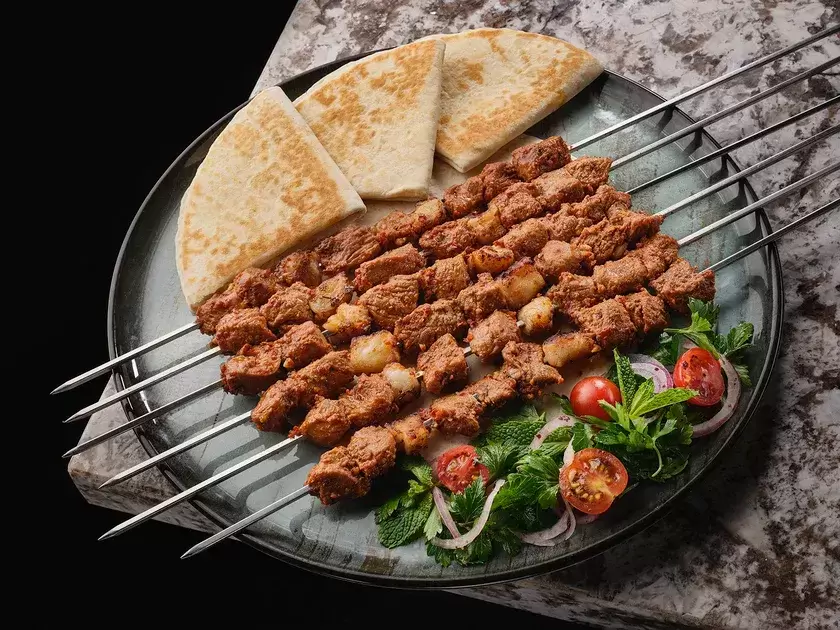
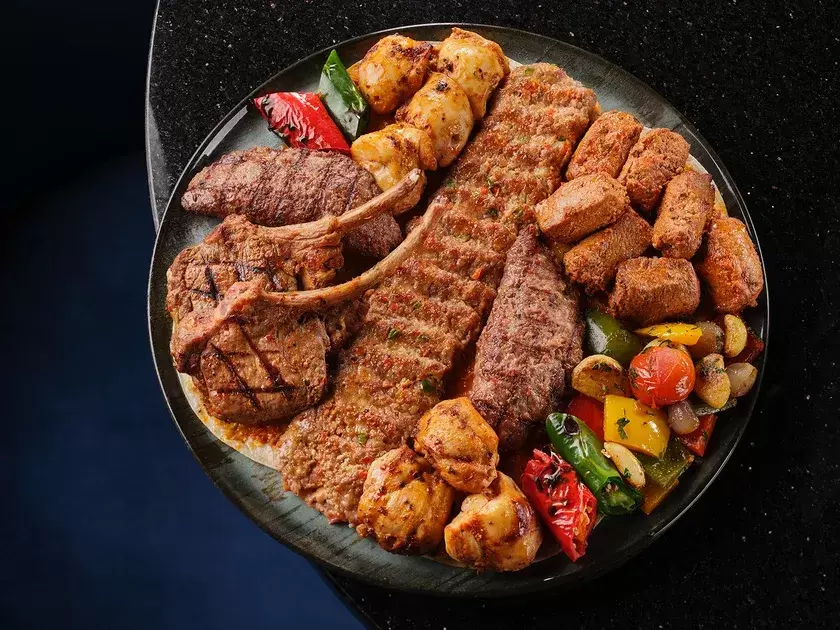
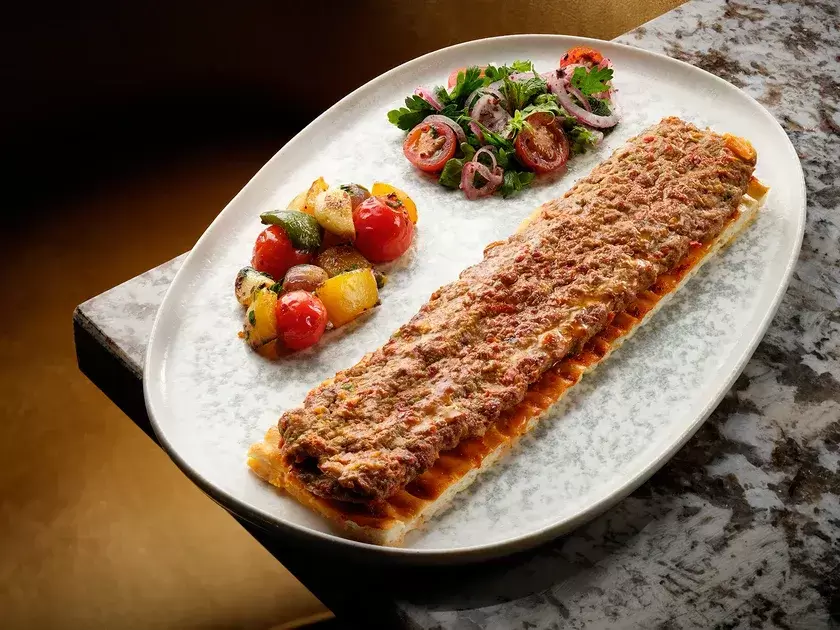
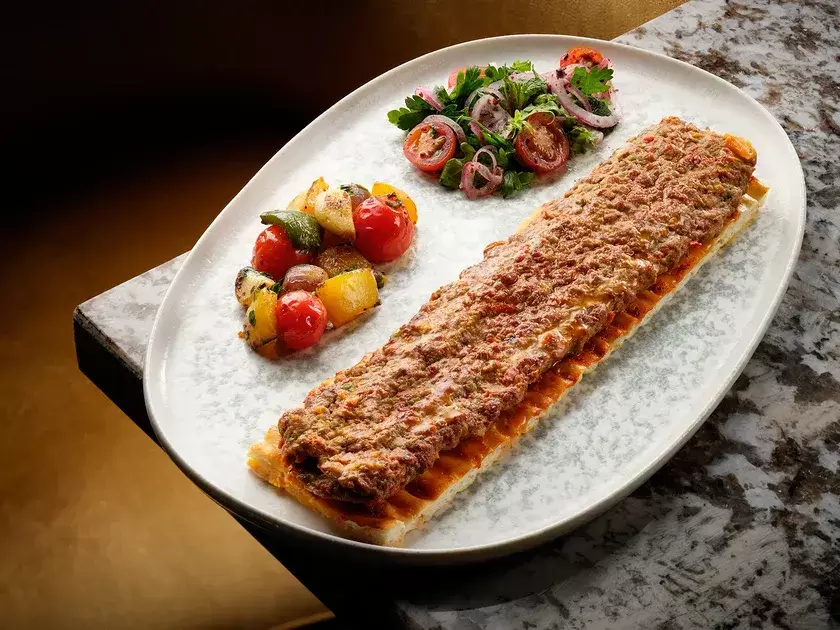
- Adana Kebab
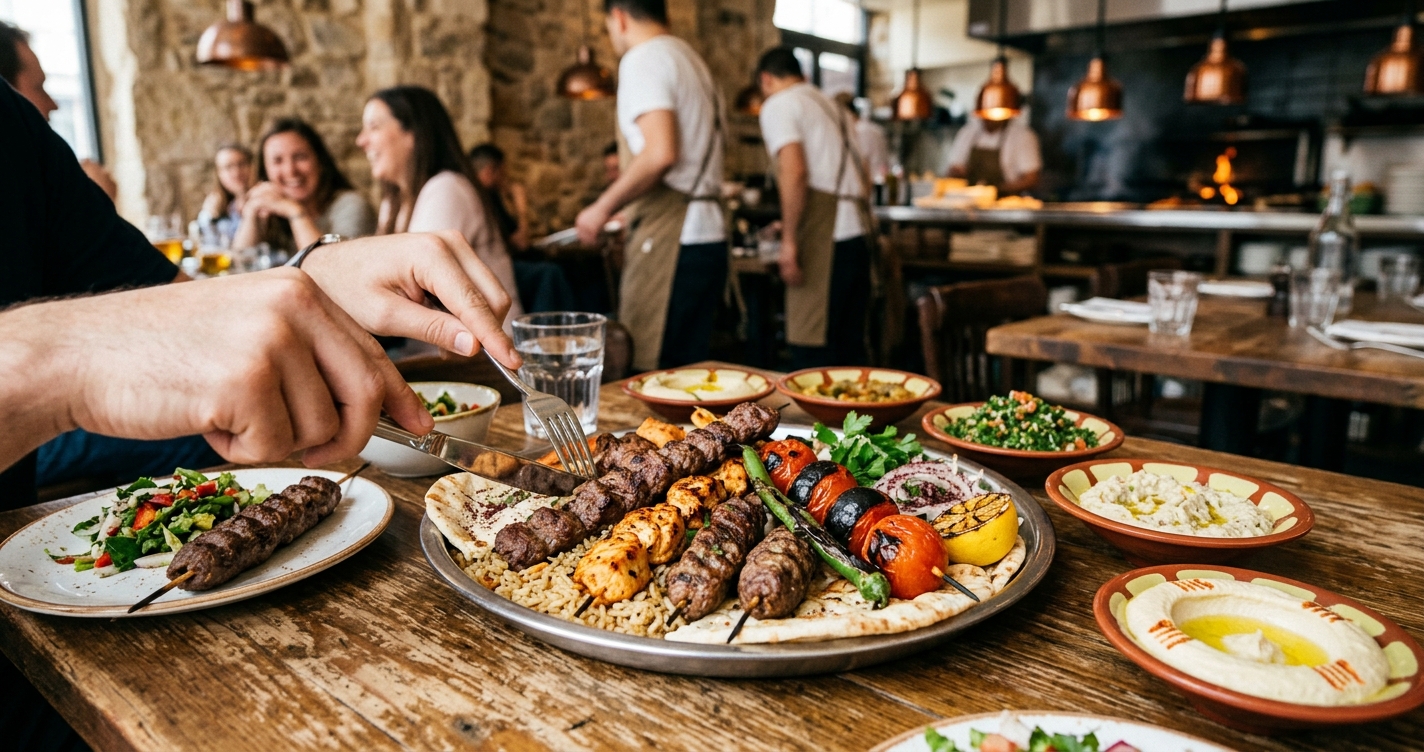
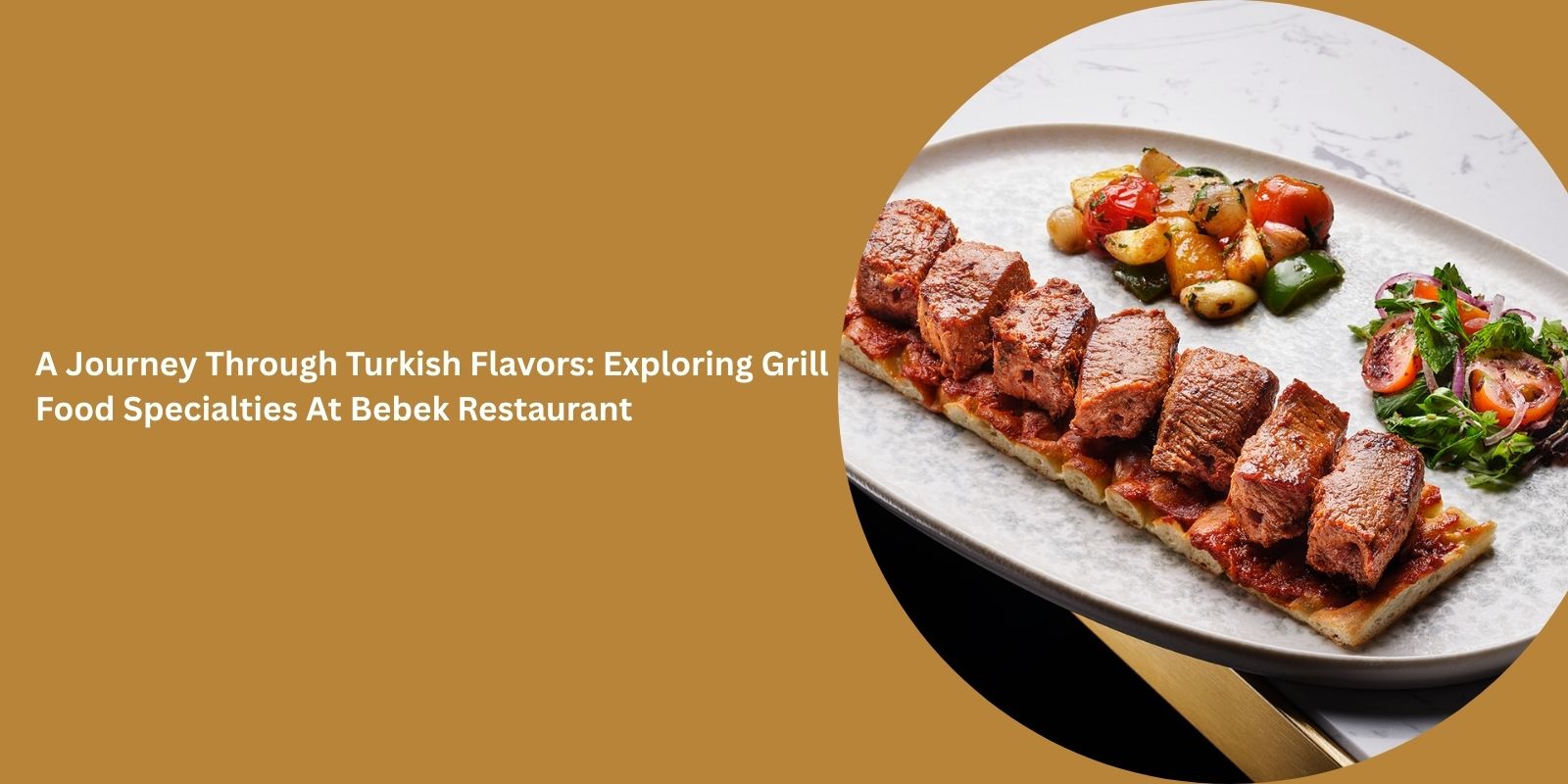
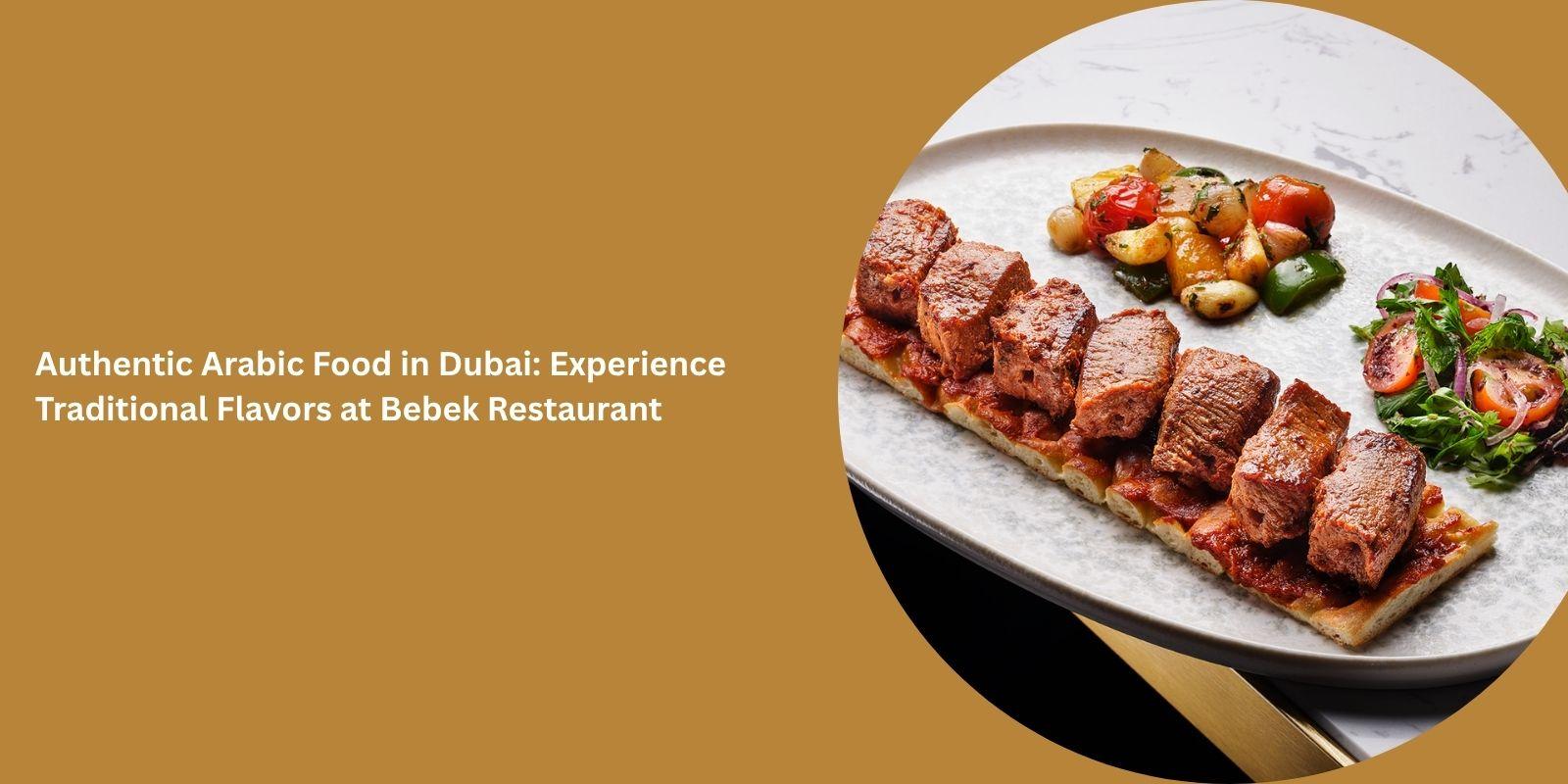
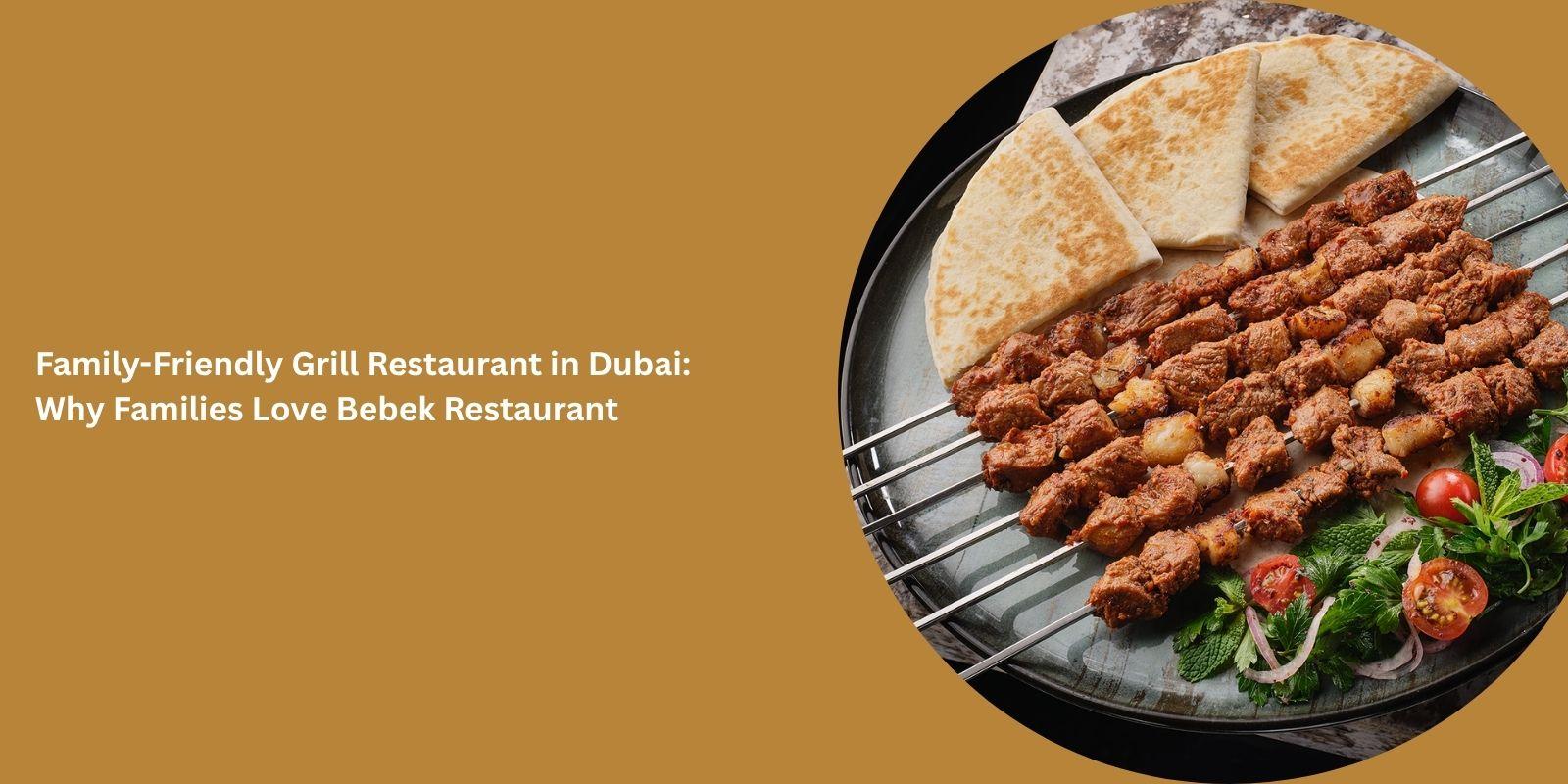
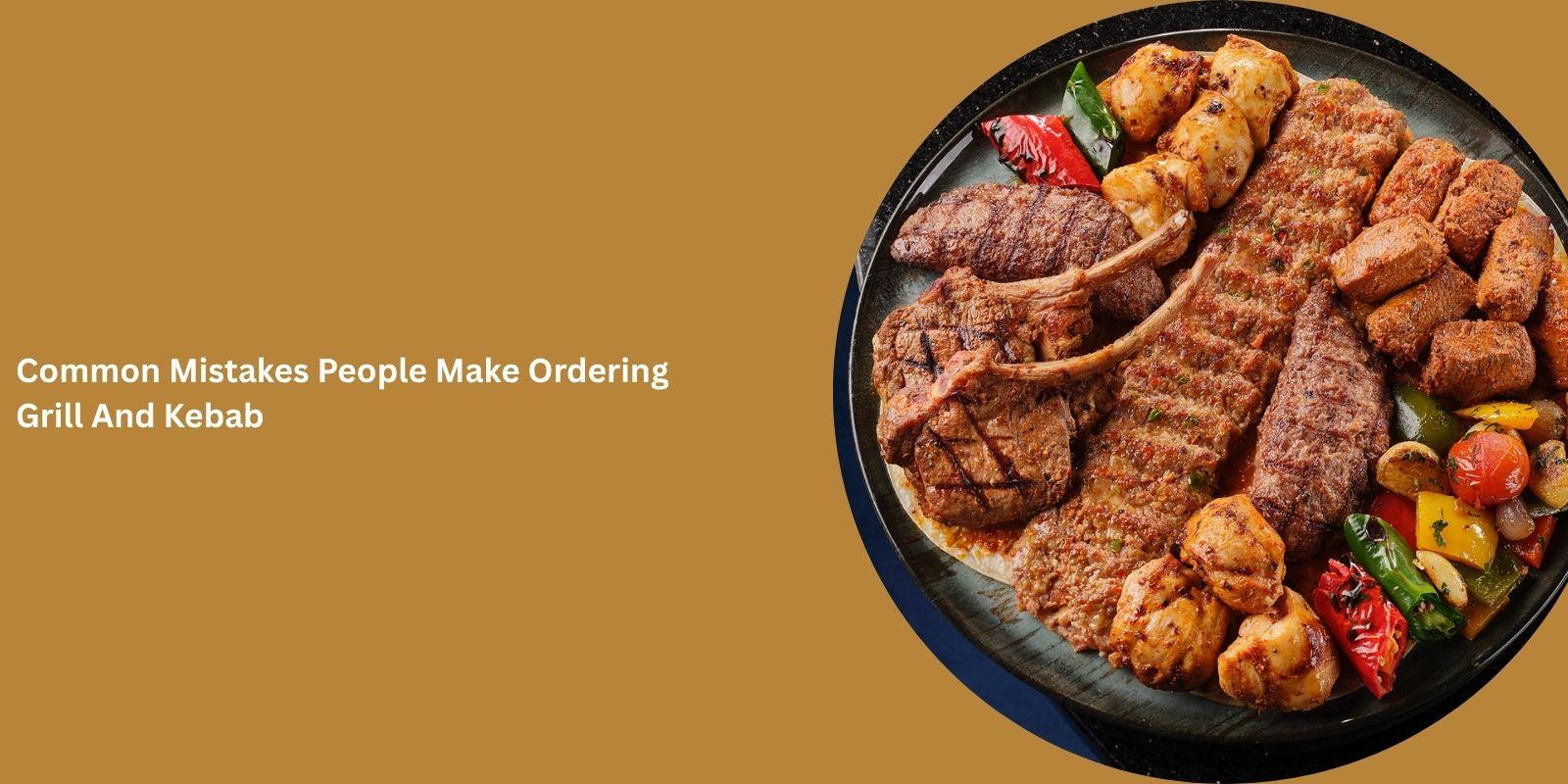
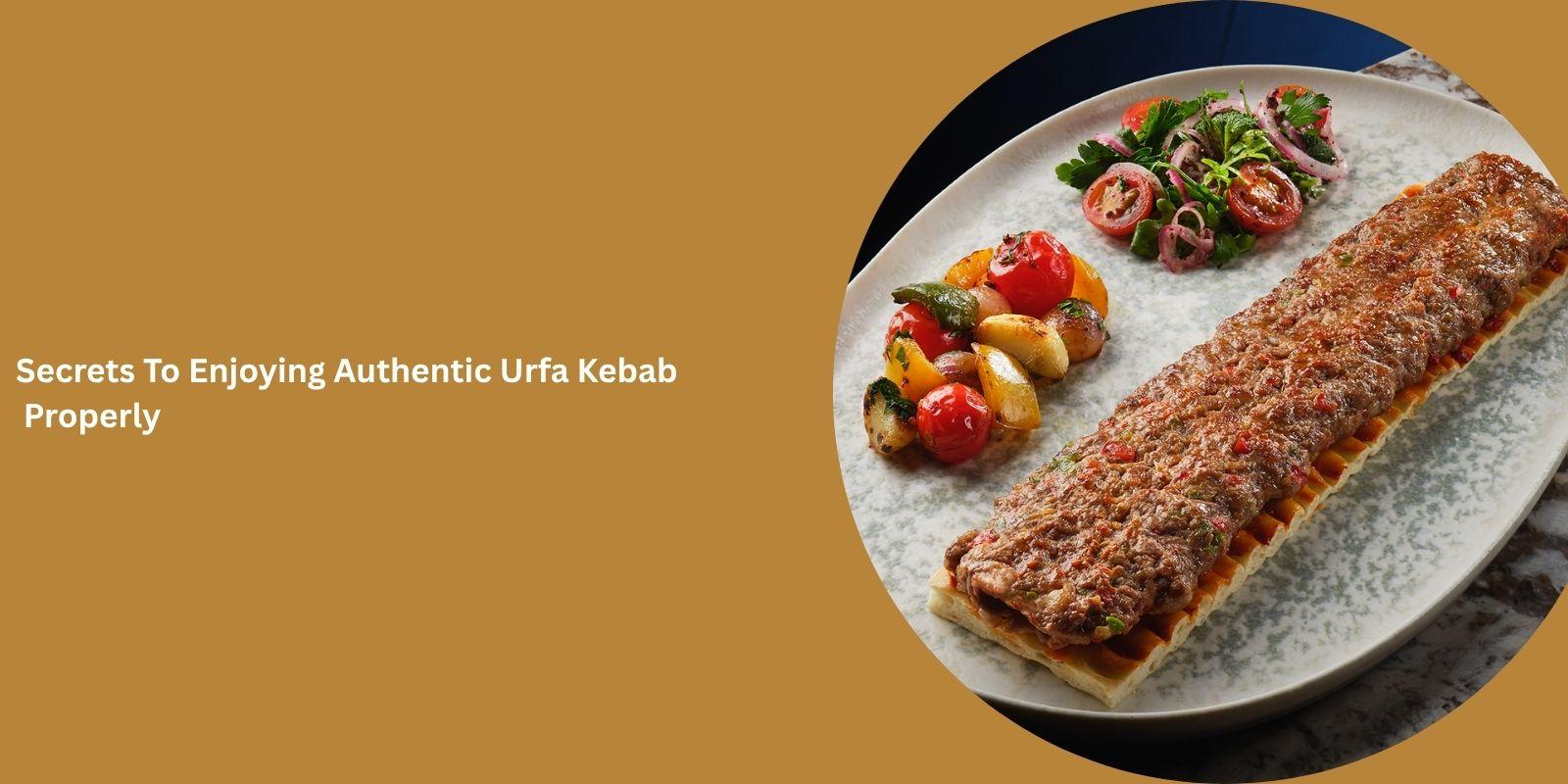
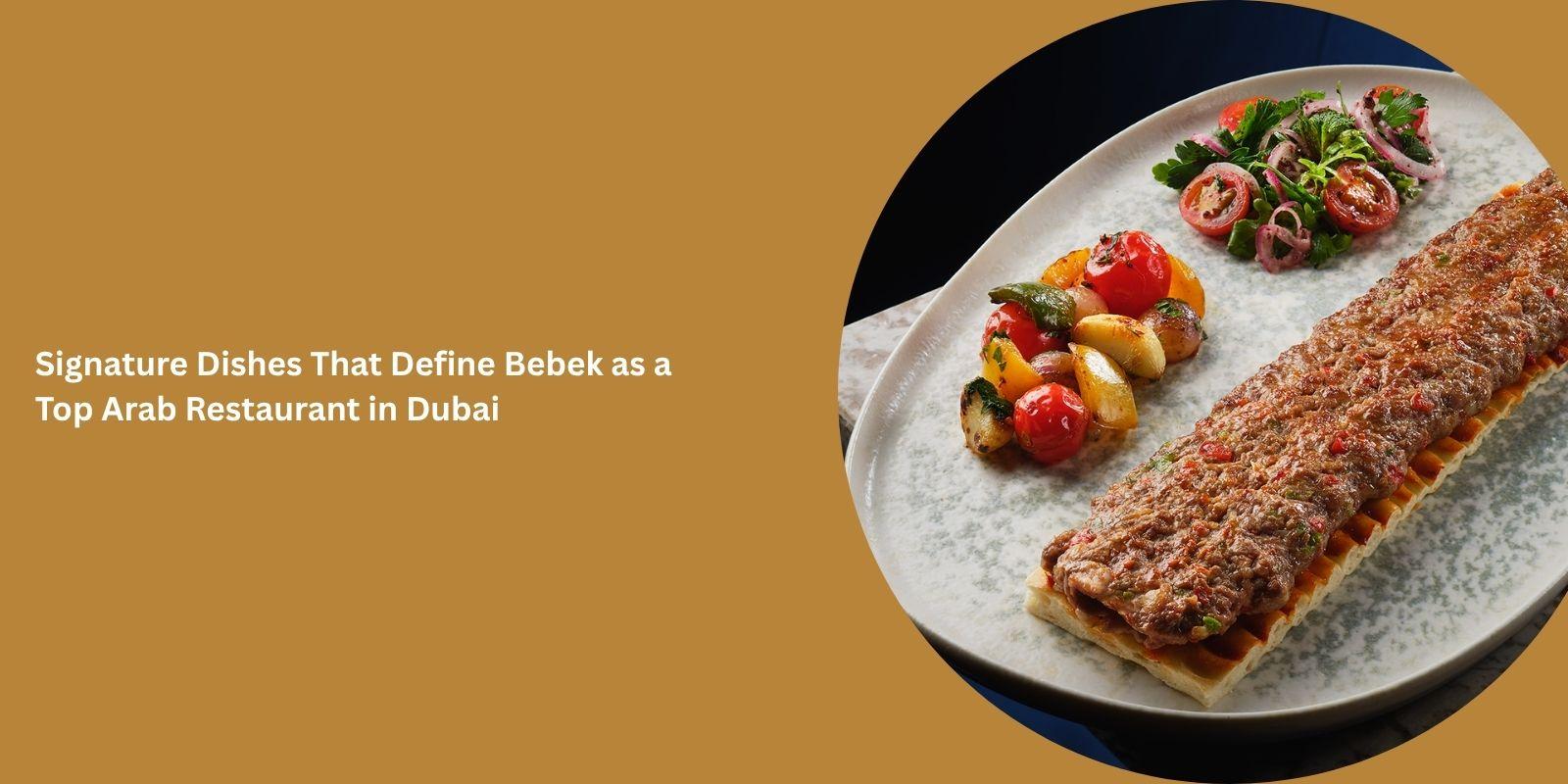
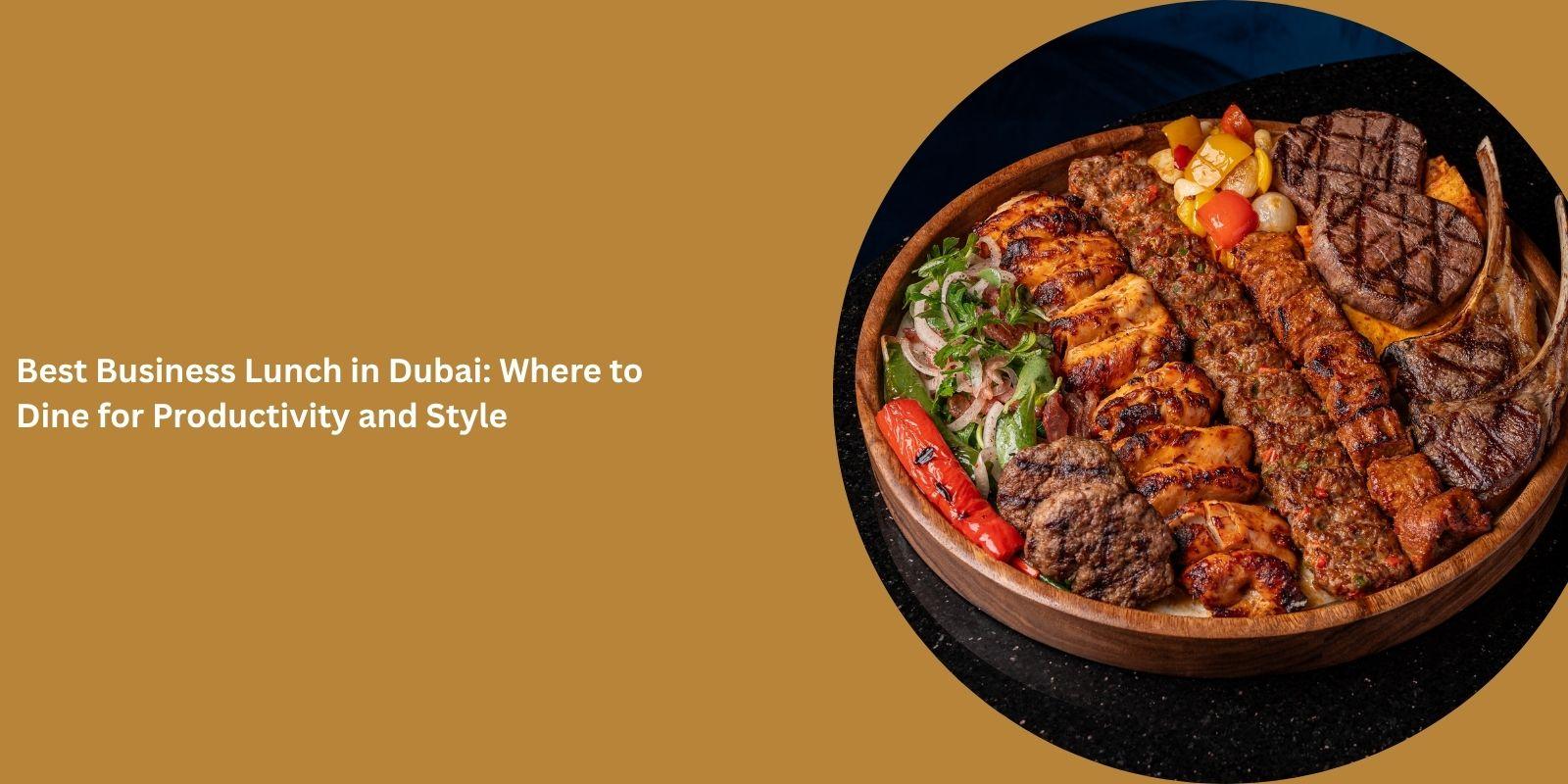
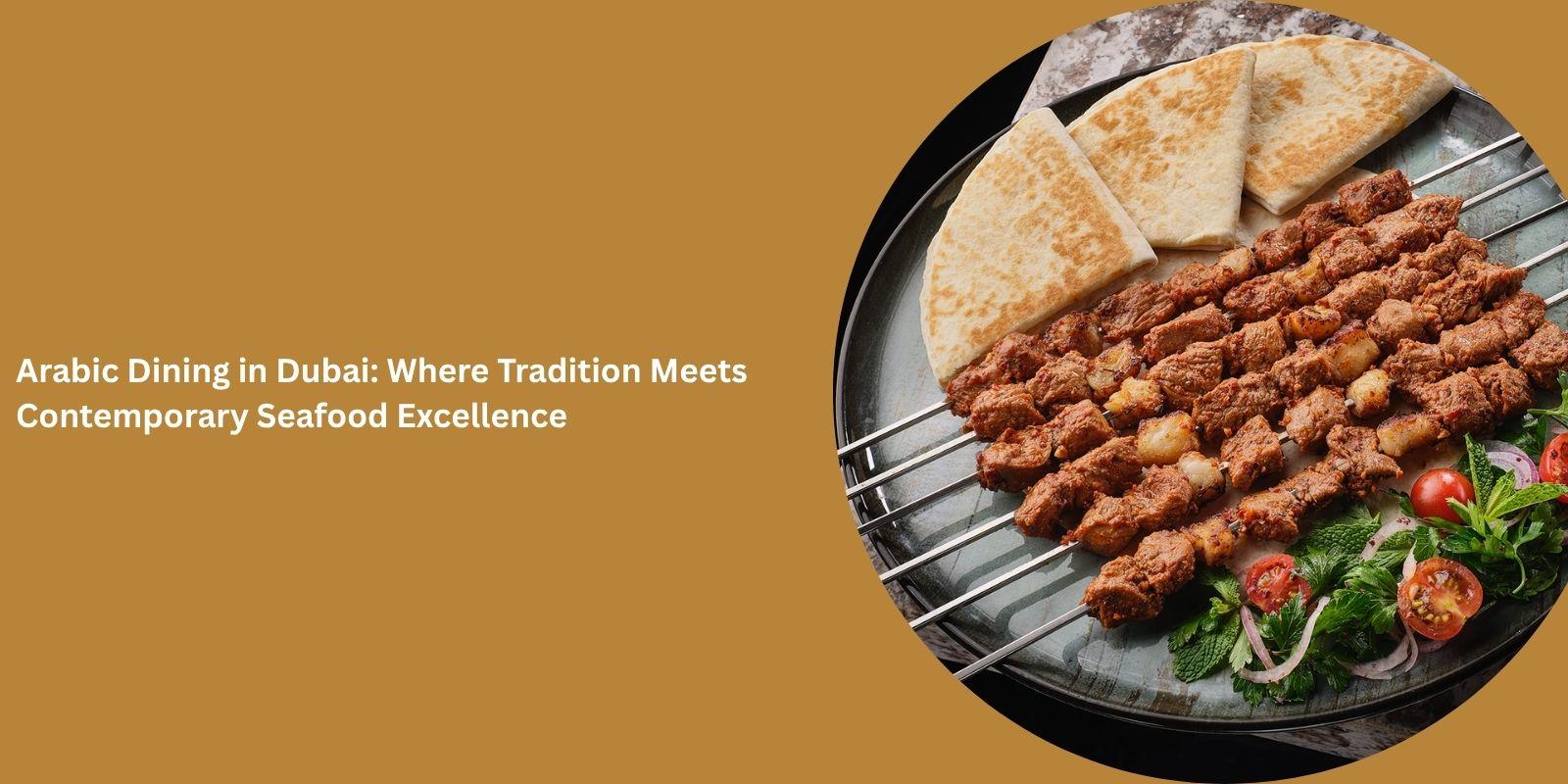
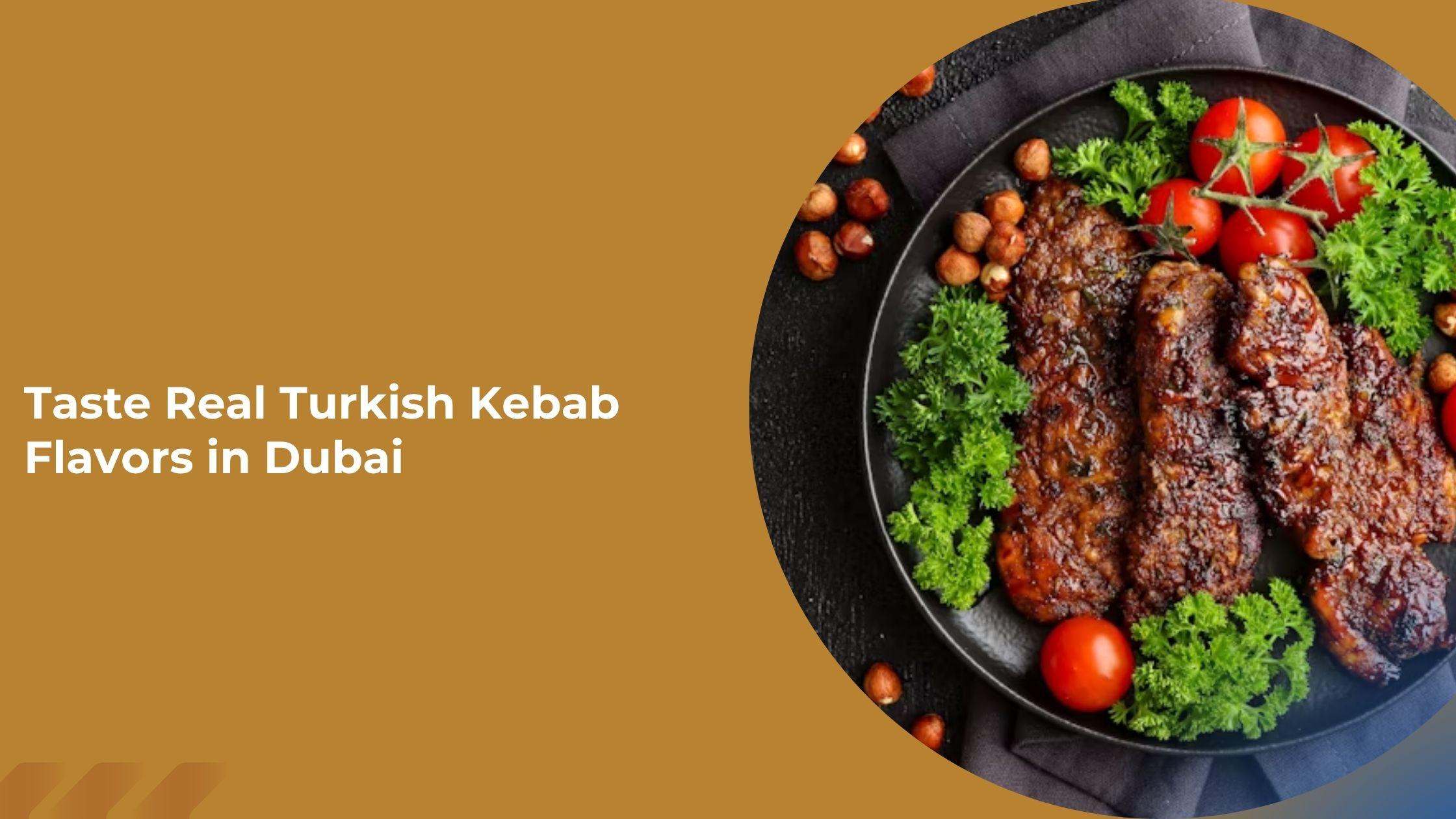
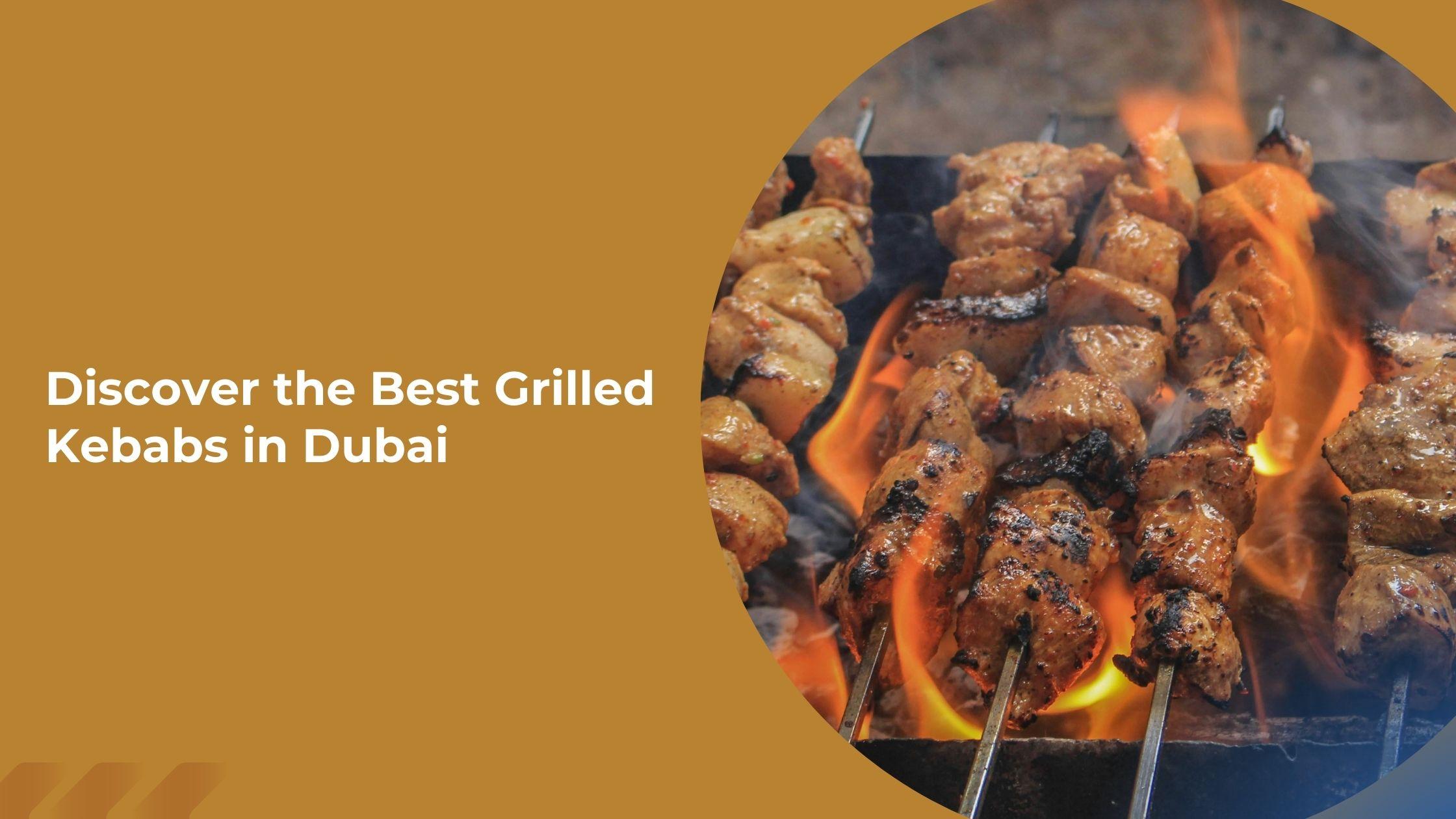
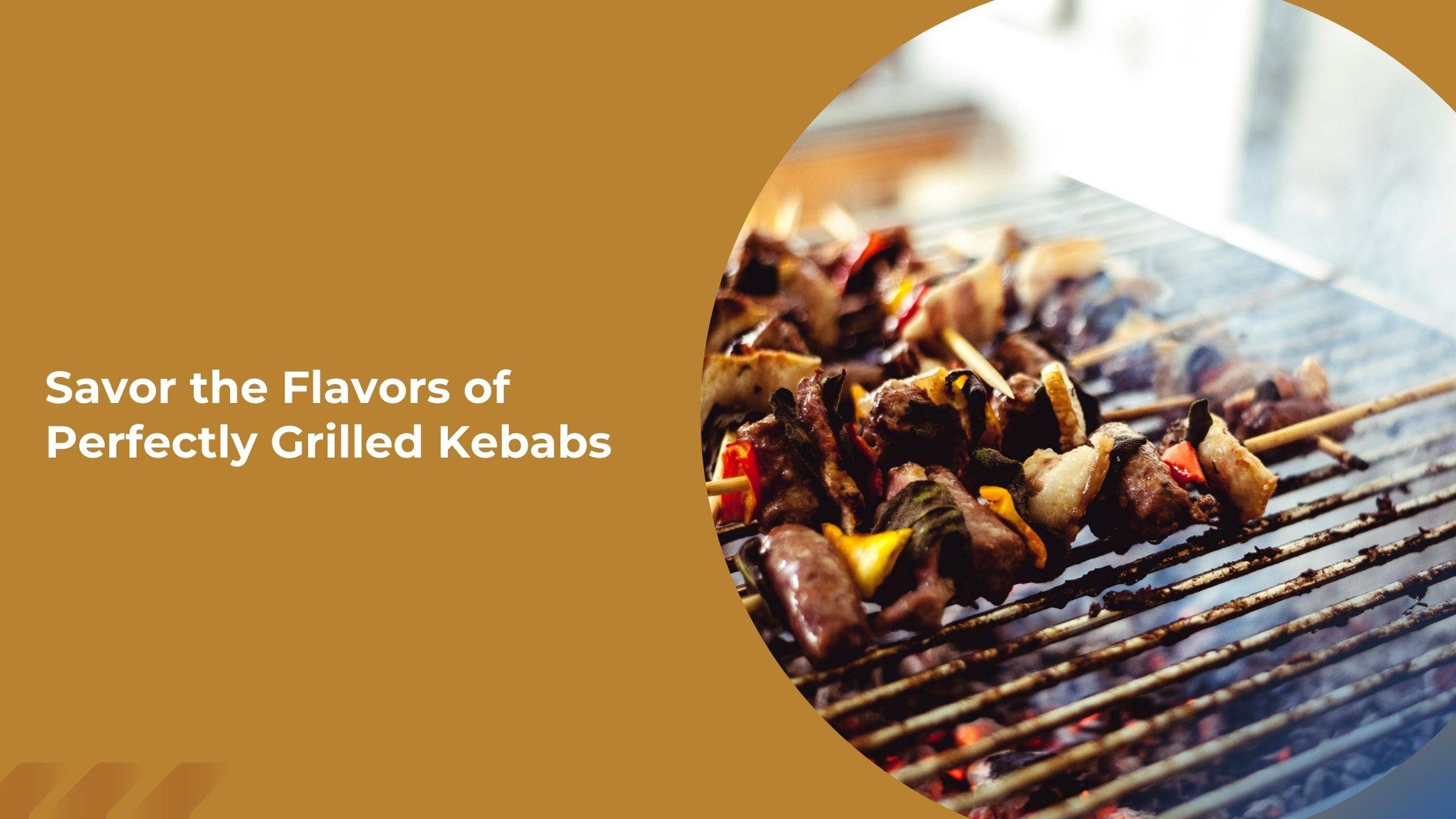
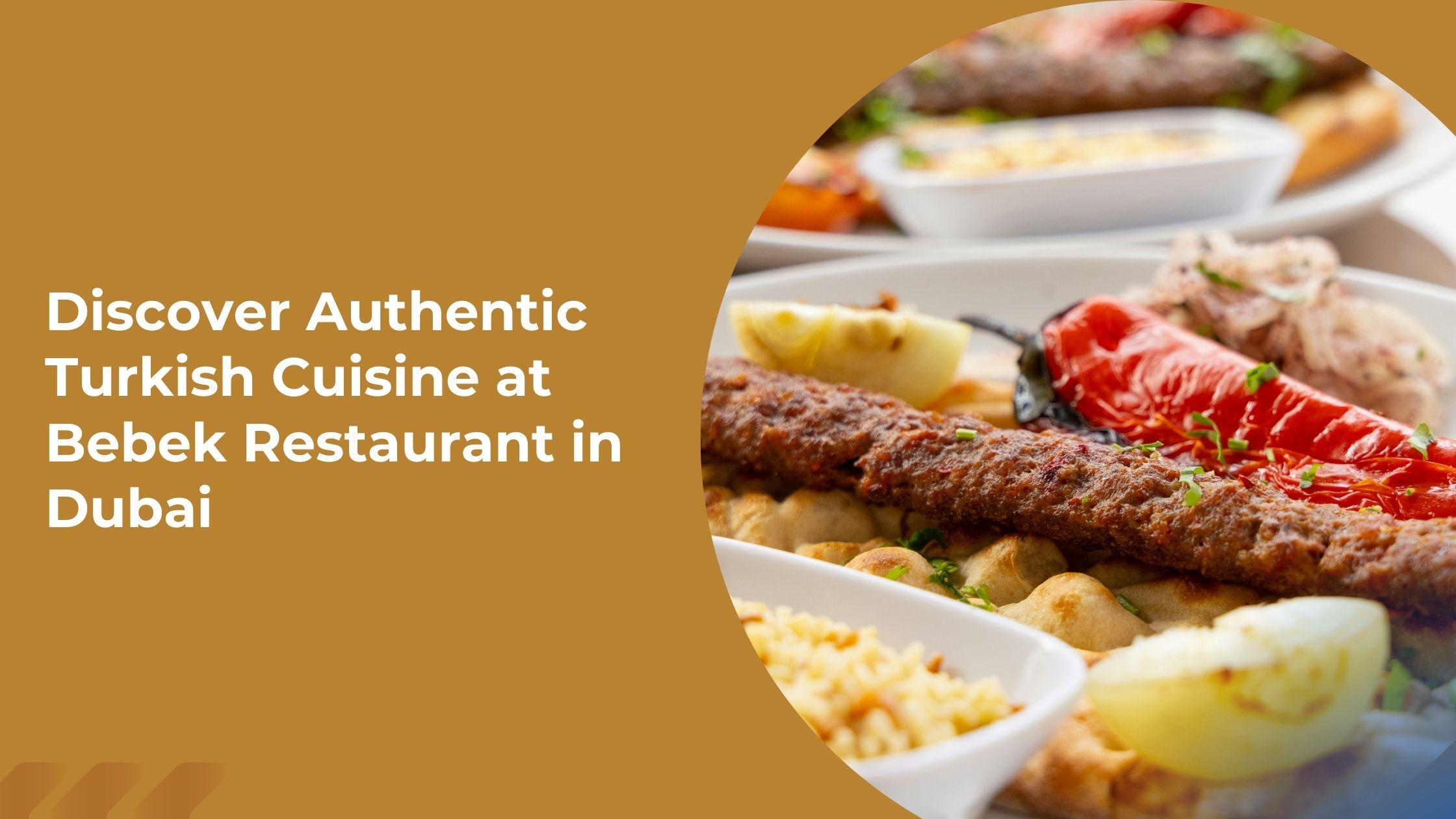
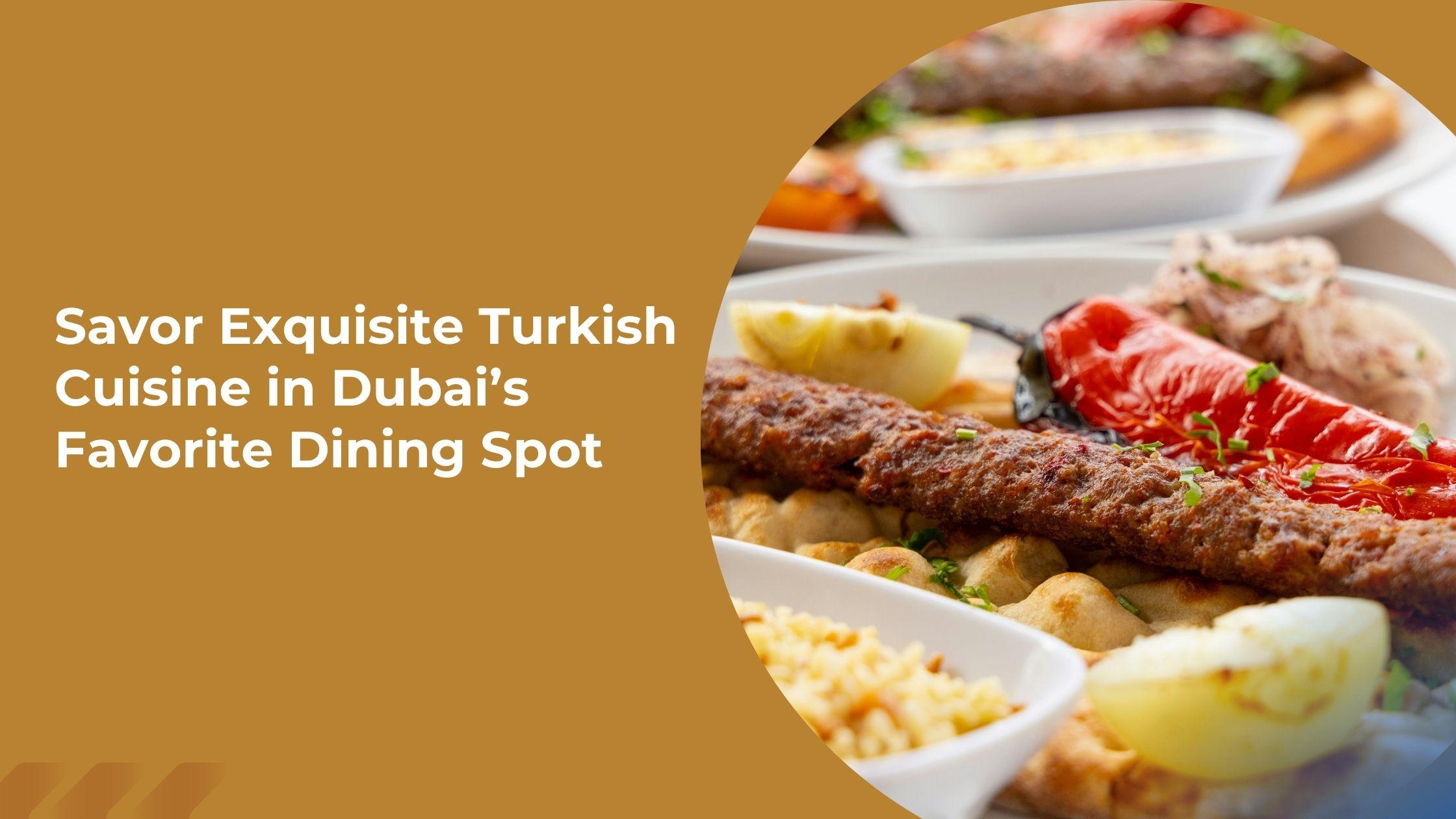
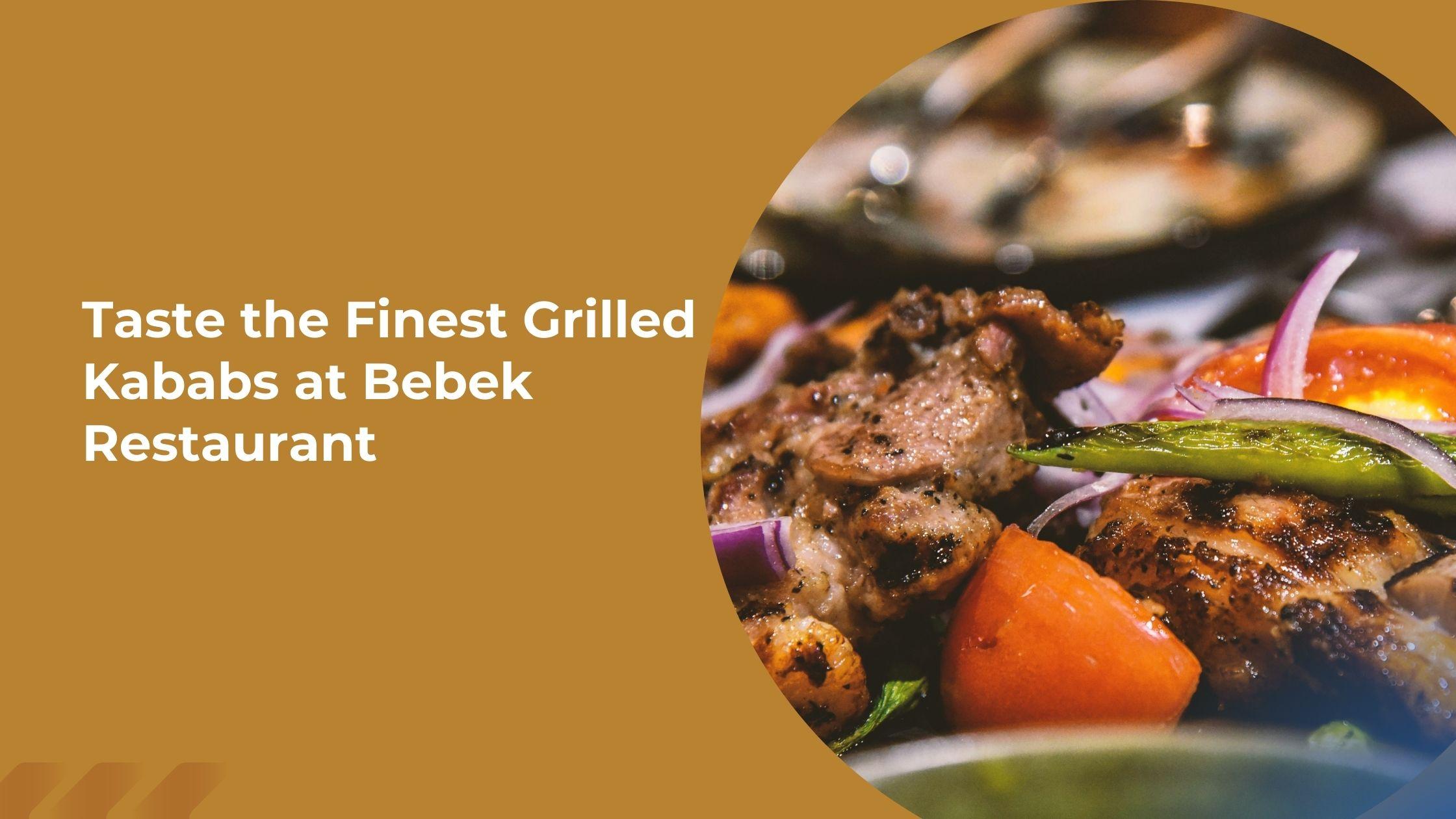
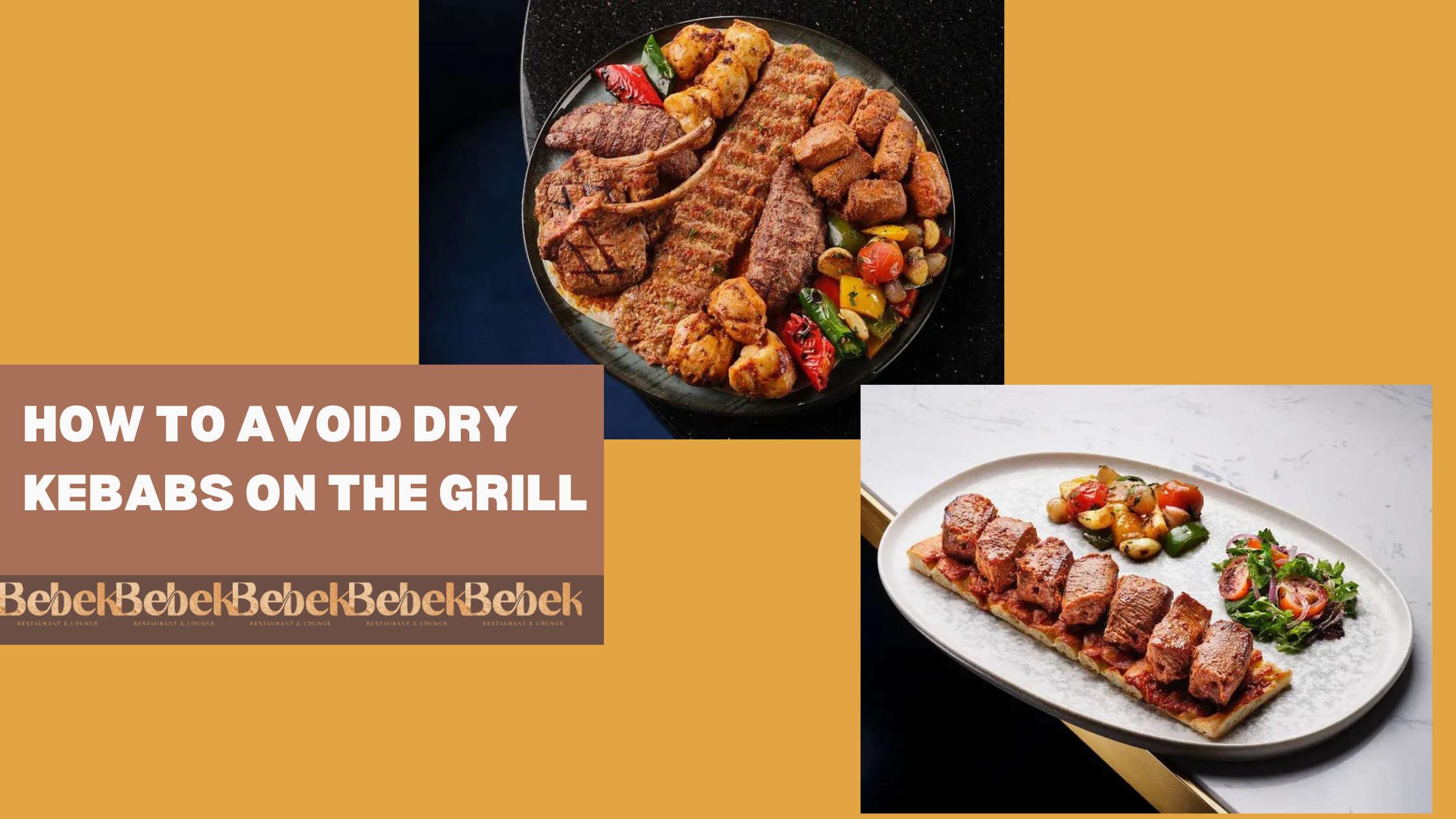
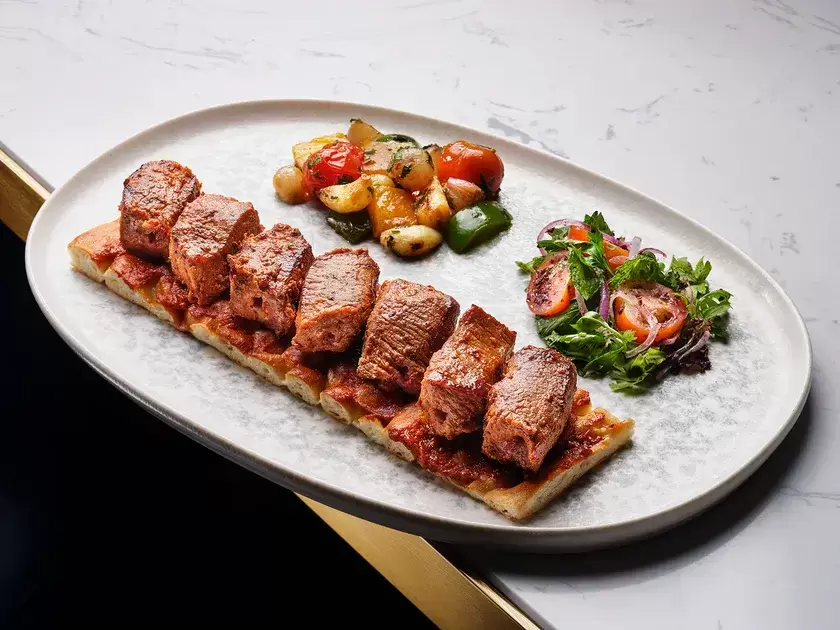
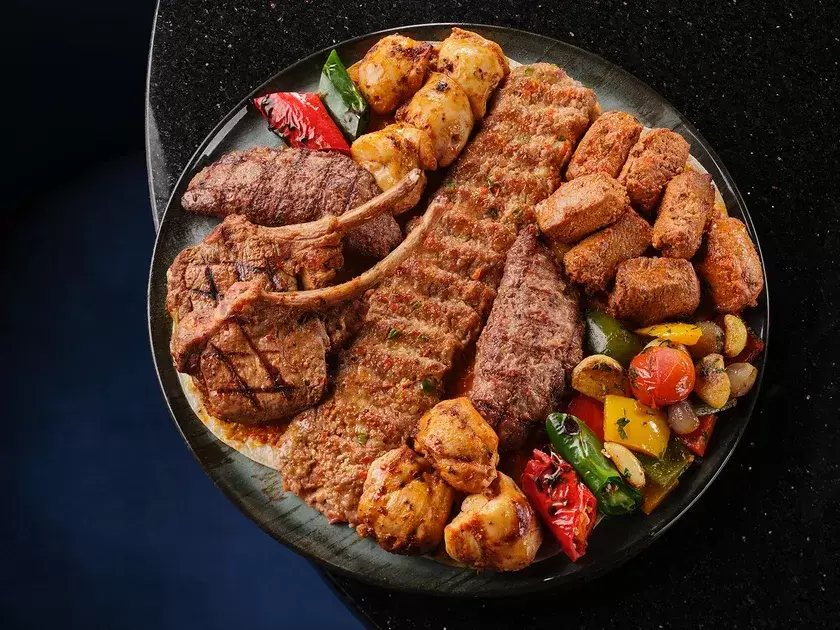
Hand-minced lamb, blended with tail fat and red pepper, pressed onto a wide skewer and grilled over charcoal until it's smoky and a little charred at the edges. It's peppery, juicy from the fat, and has real heat if you order it as intended.
- İskender Kebab
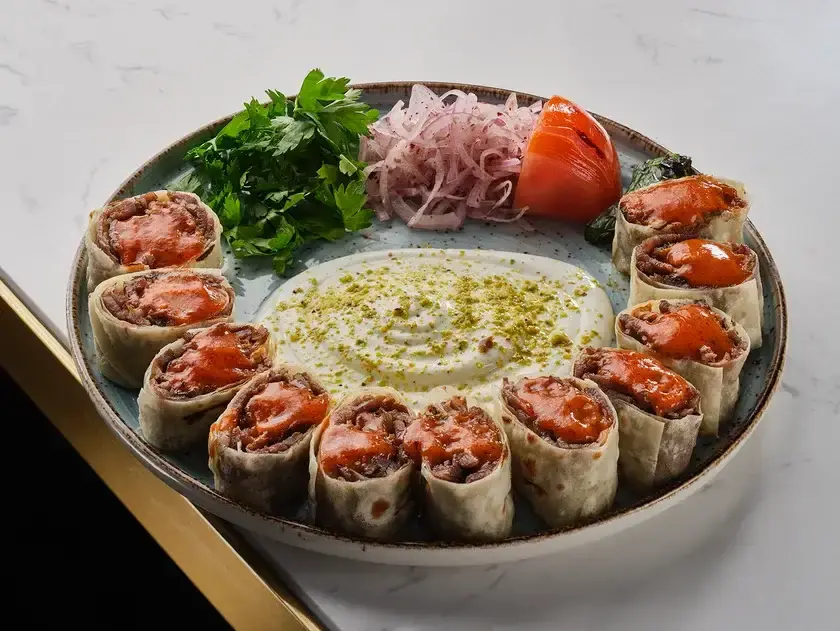
Thin slices of döner meat laid over soft bread, then finished with tomato sauce, melted butter, and a good spoon of yogurt. The combination sounds heavy on paper, but it balances out , tangy yogurt against rich butter, savory meat against bright tomato.
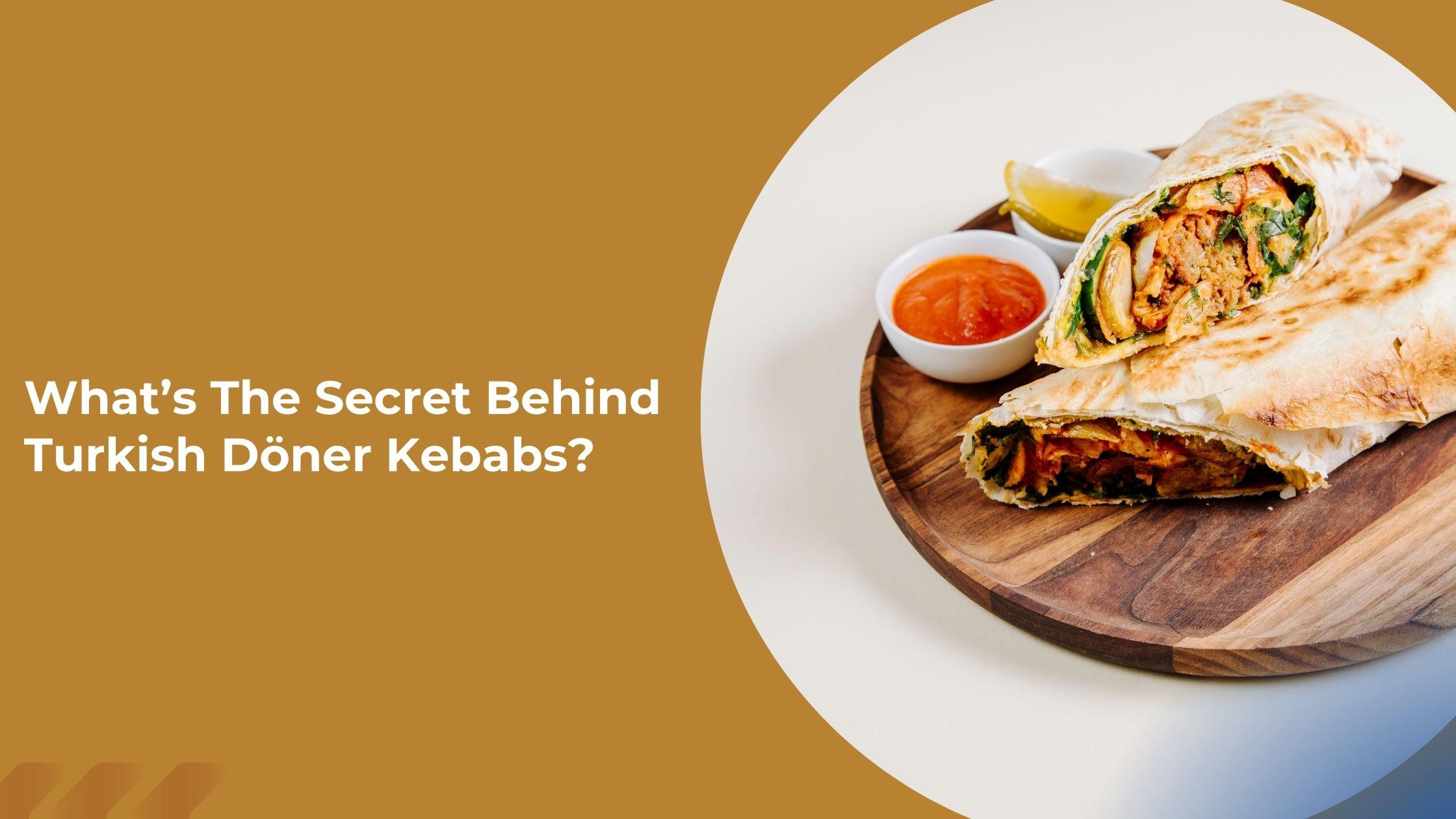
- Döner Kebab
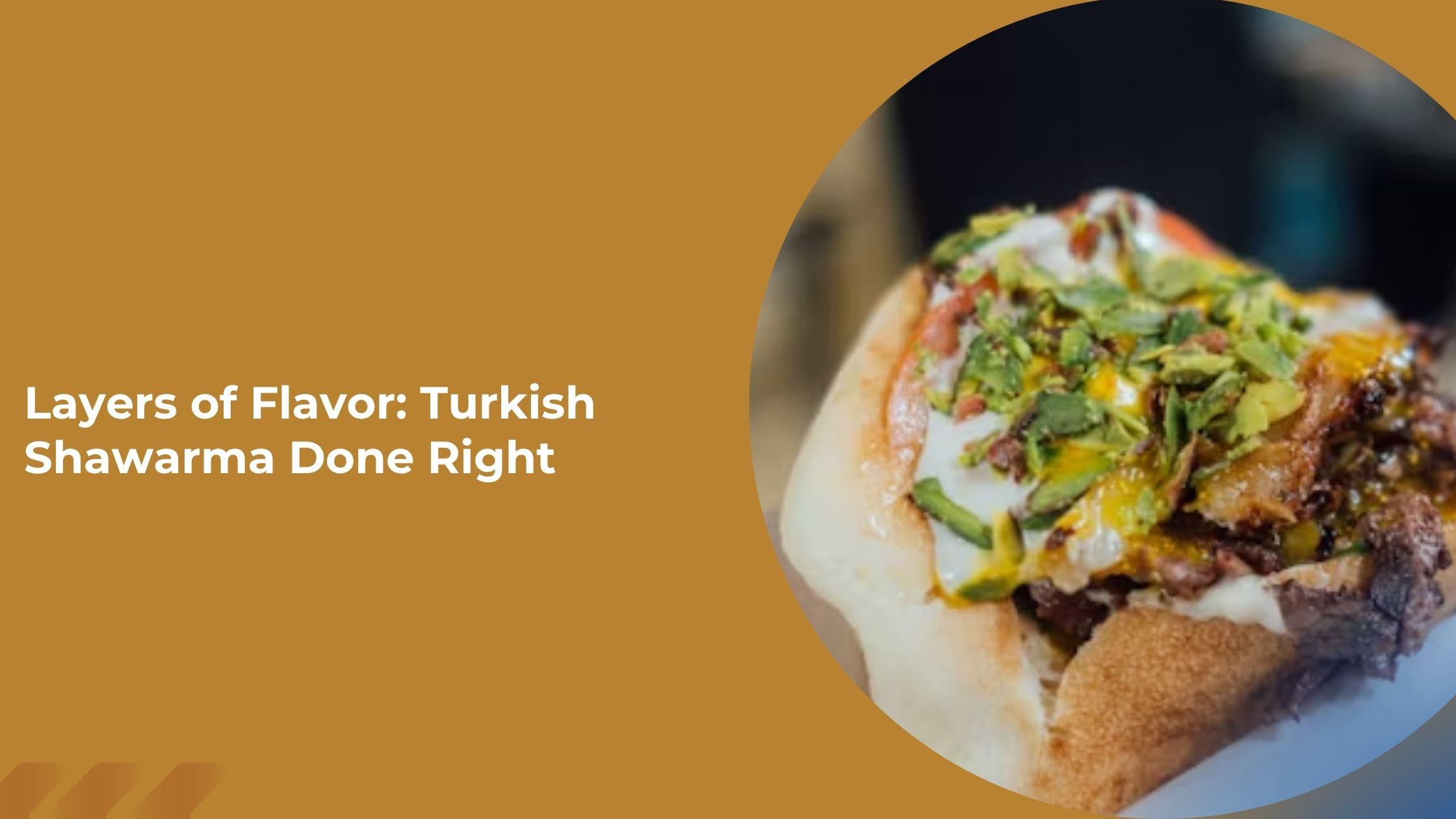
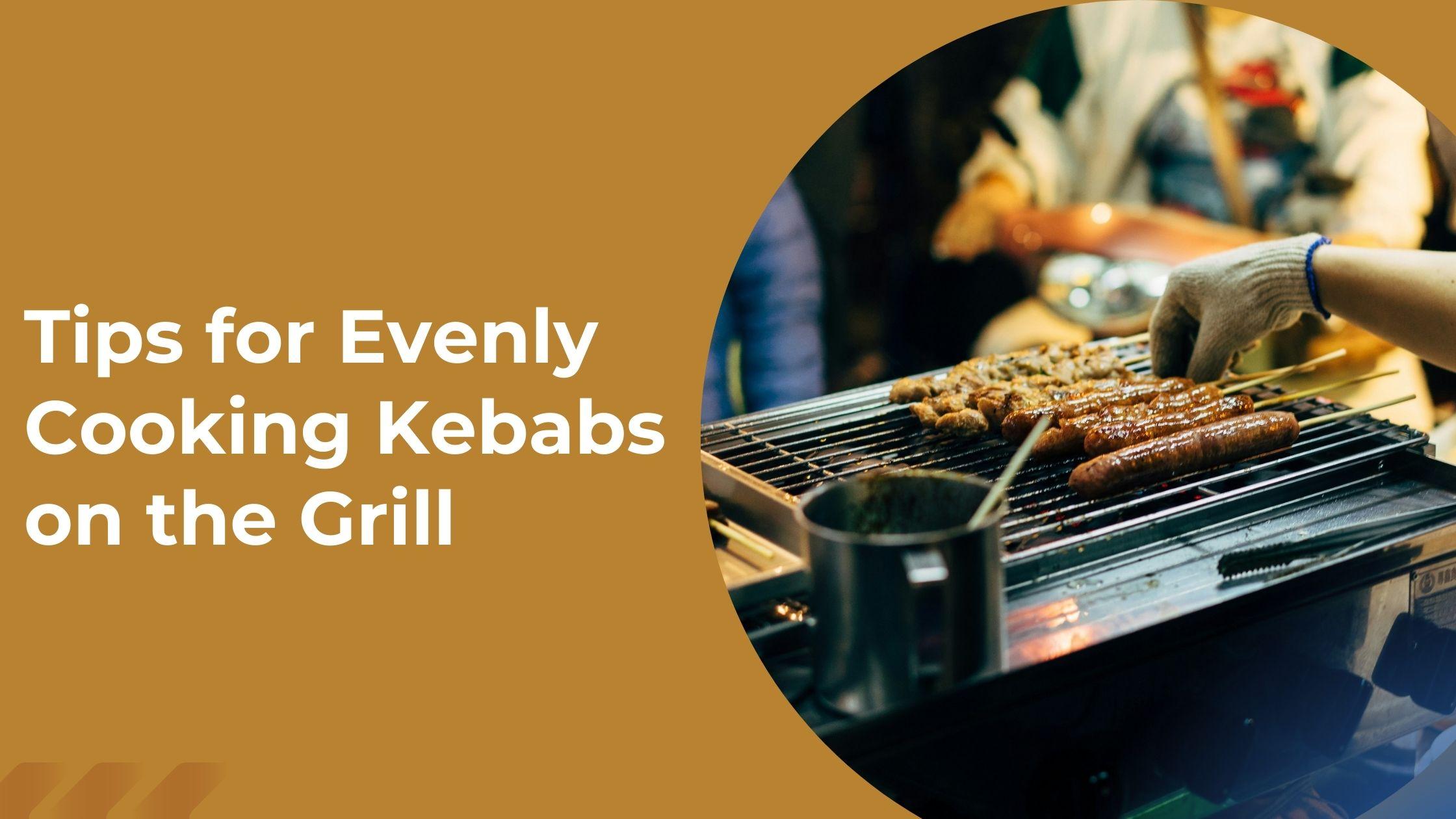
You've probably seen this one before it ever crossed your plate , seasoned meat stacked high on a vertical spit, slowly turning, browning on the outside as it cooks. The shaved slices come off juicy, with those caramelized edges doing most of the flavor work.
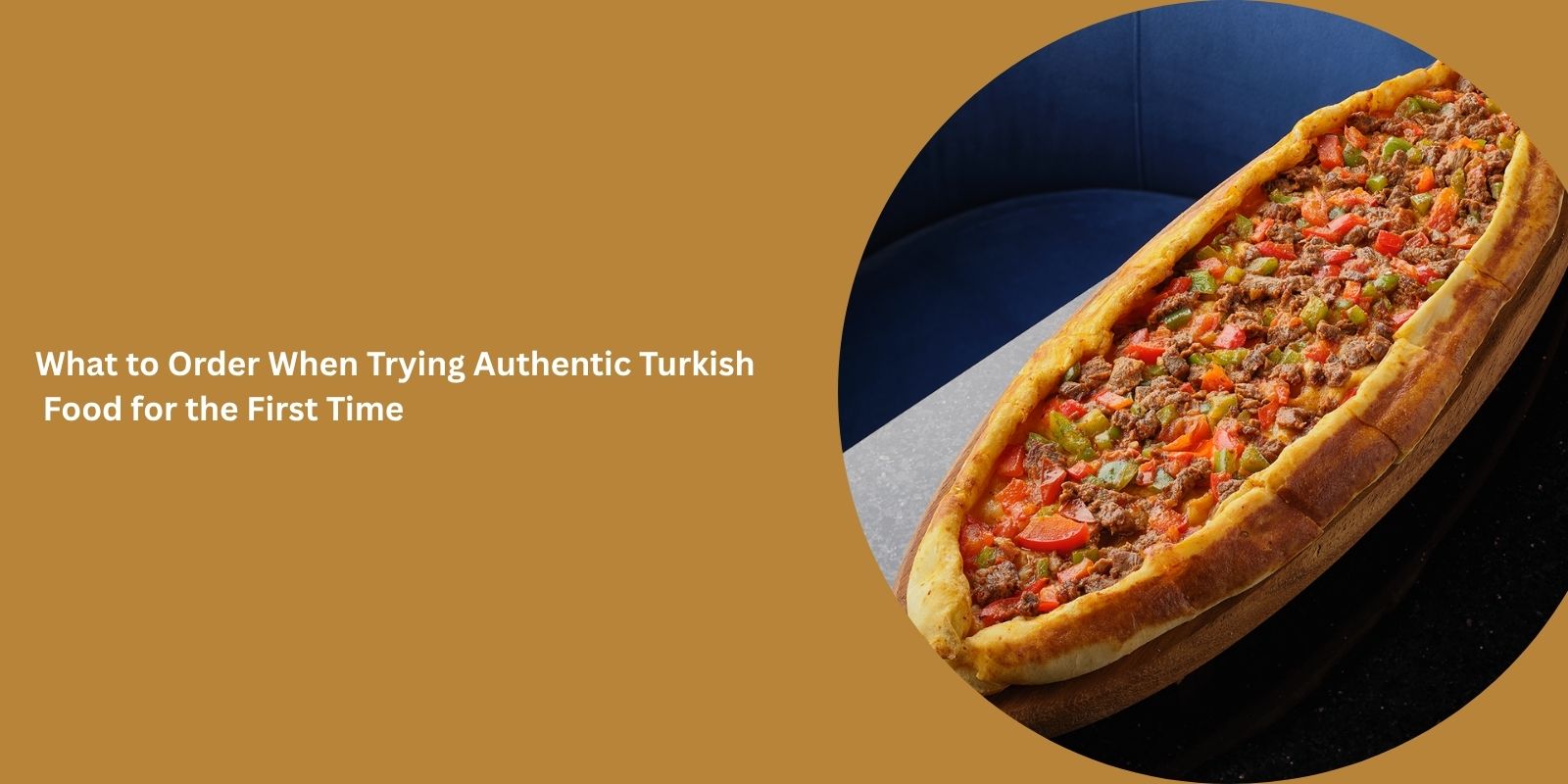
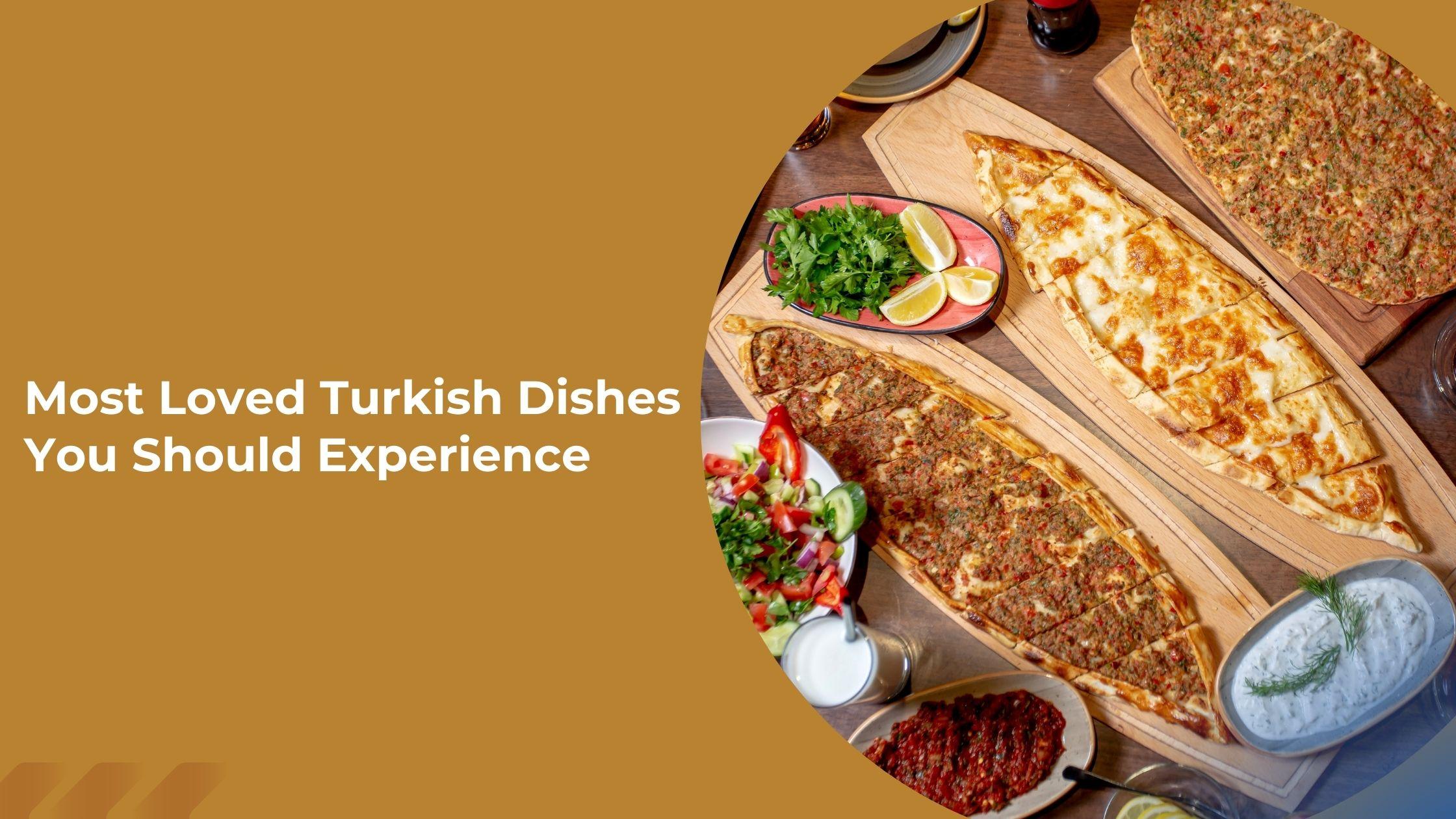
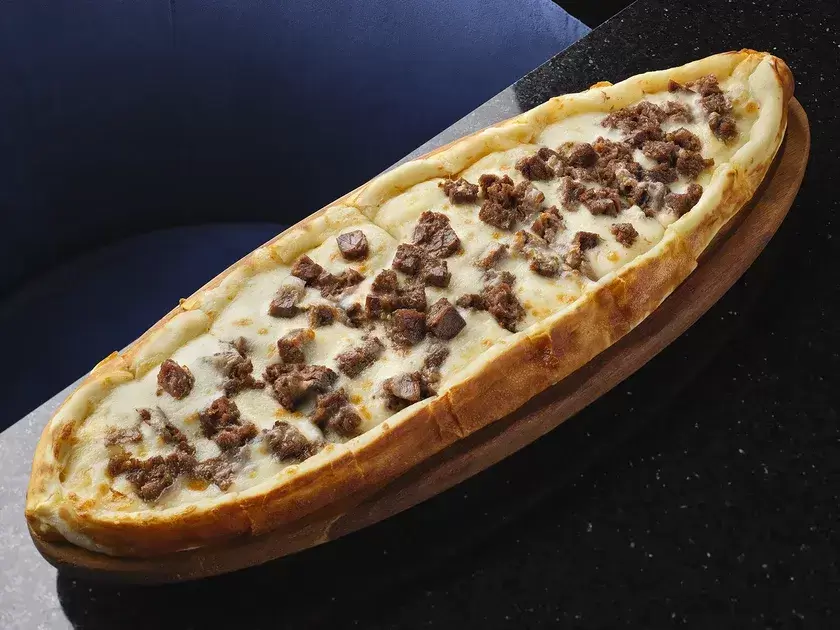
- Turkish Pide
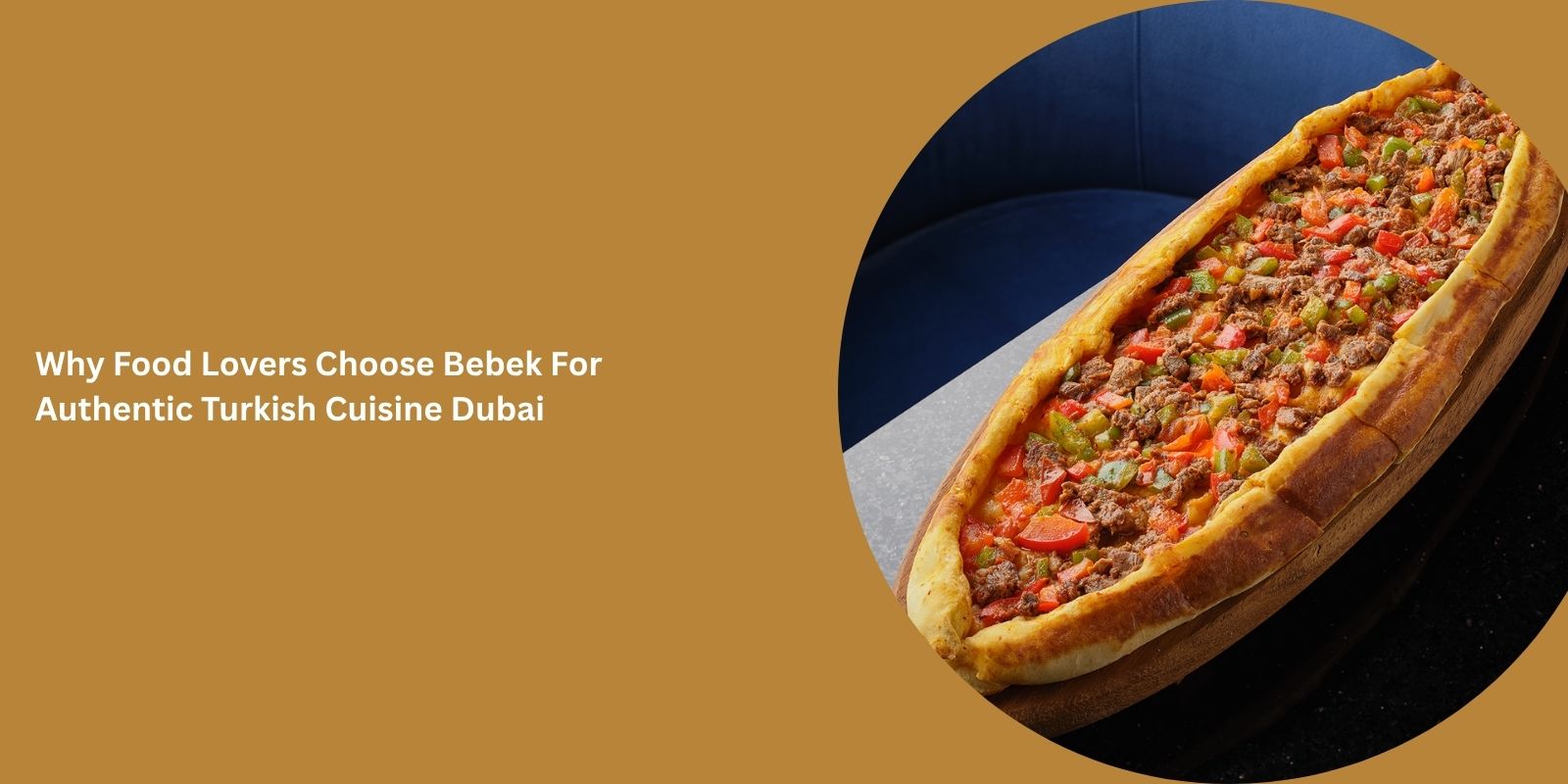
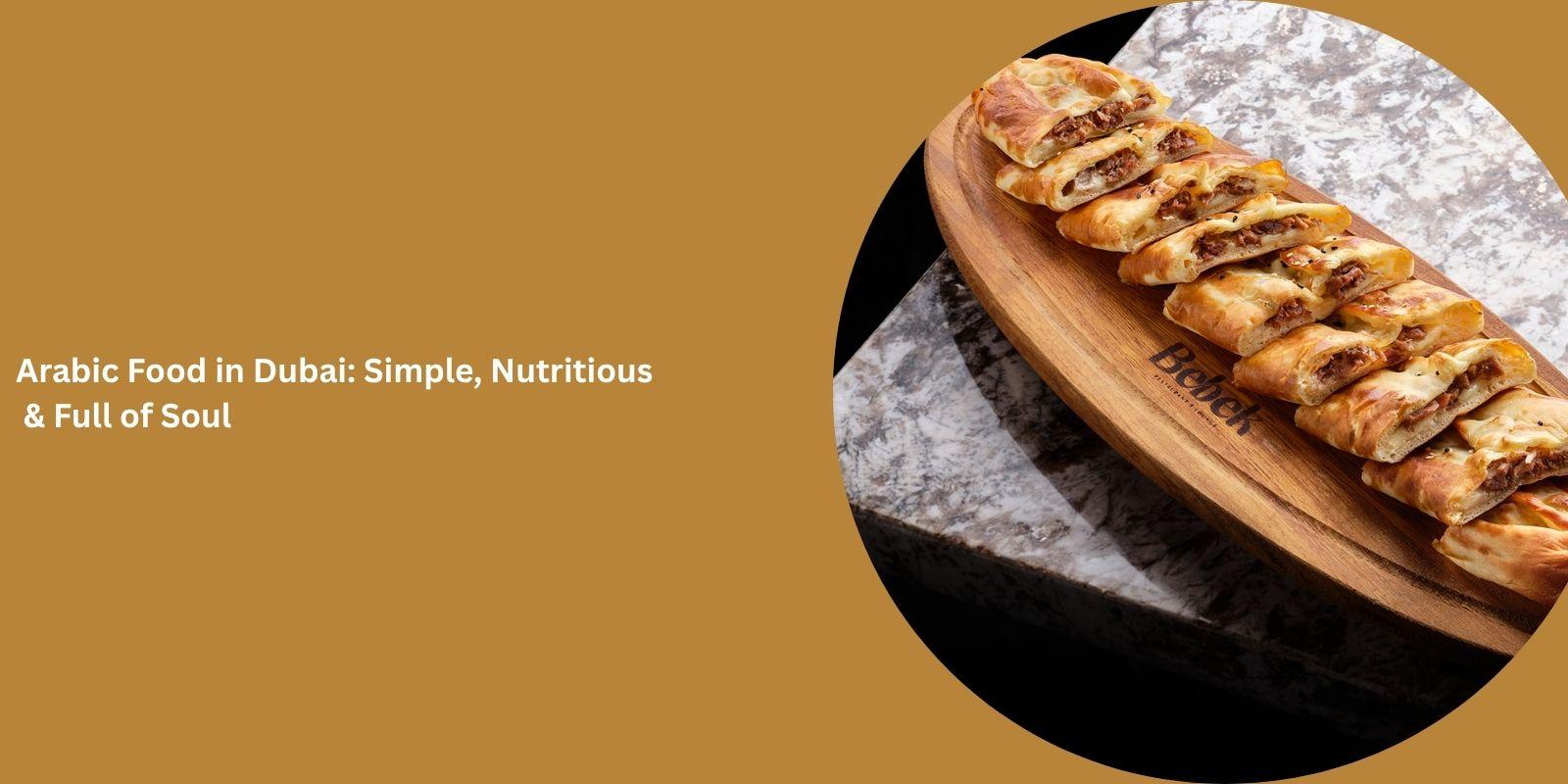
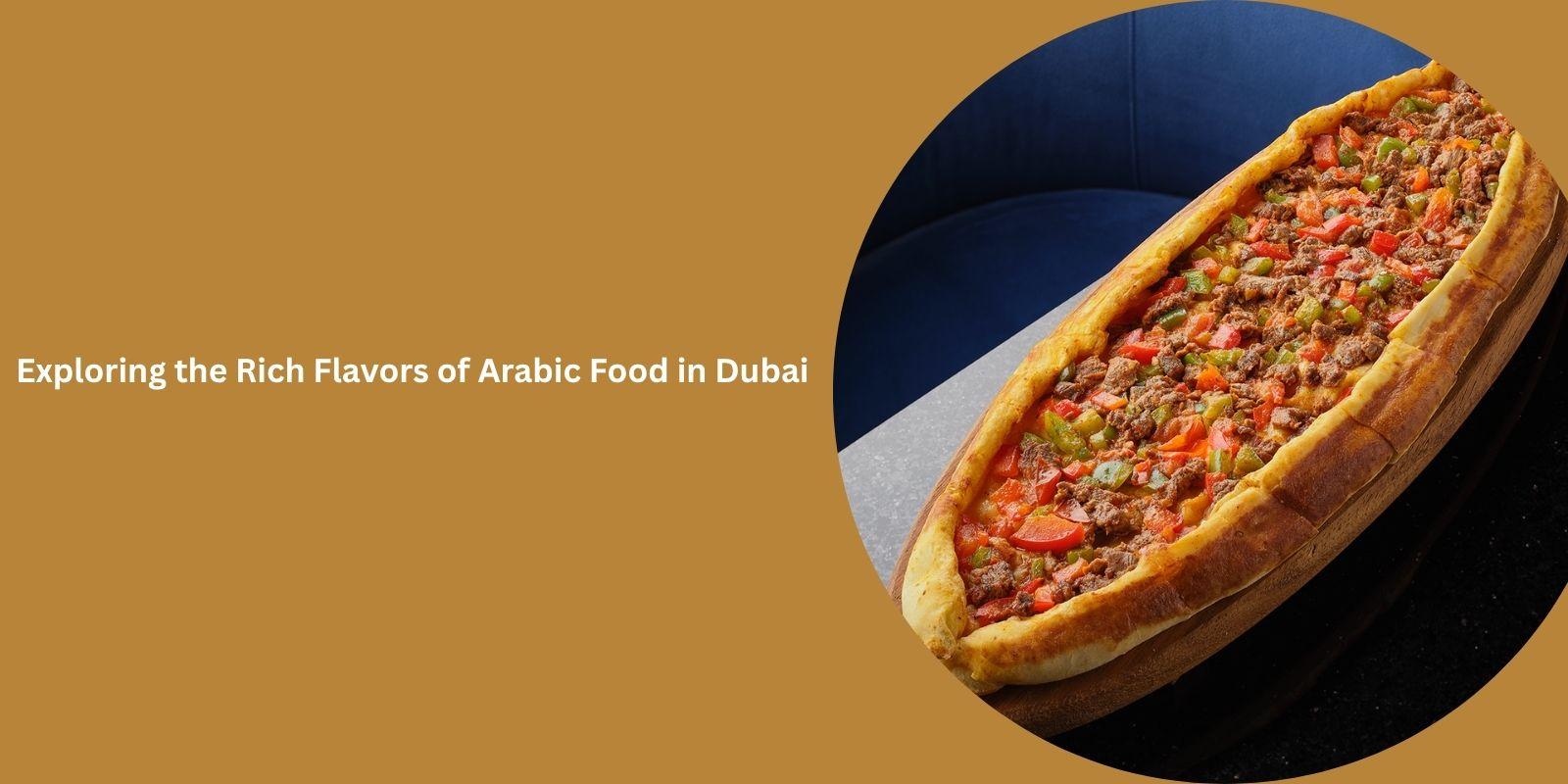
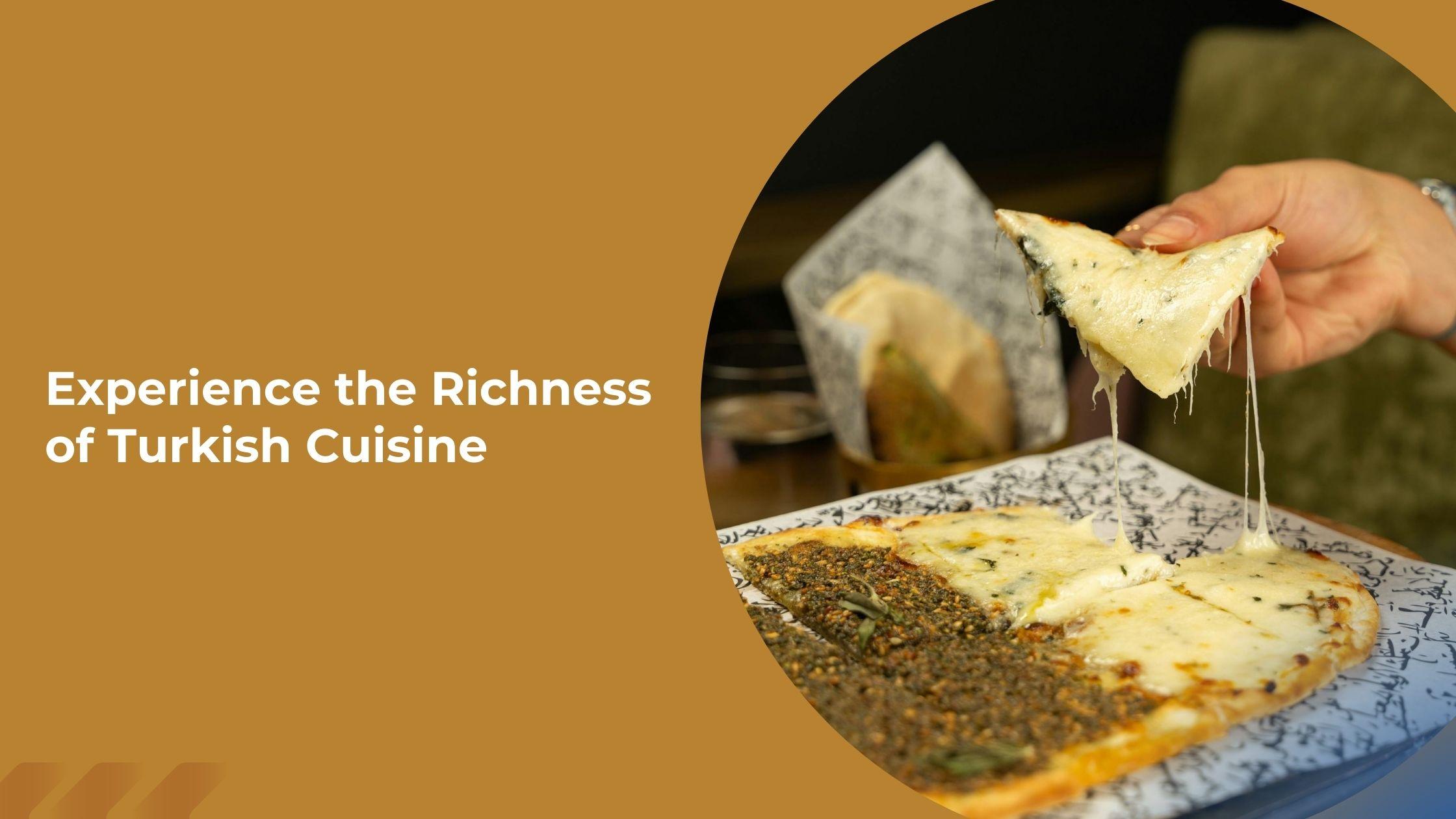
Sometimes called "Turkish pizza," though that undersells it. Pide is boat-shaped, baked until the rim goes crisp while the center stays tender, and topped with anything from minced meat to cheese to sucuk. The dough itself is mild enough to let whatever's on top do the talking.
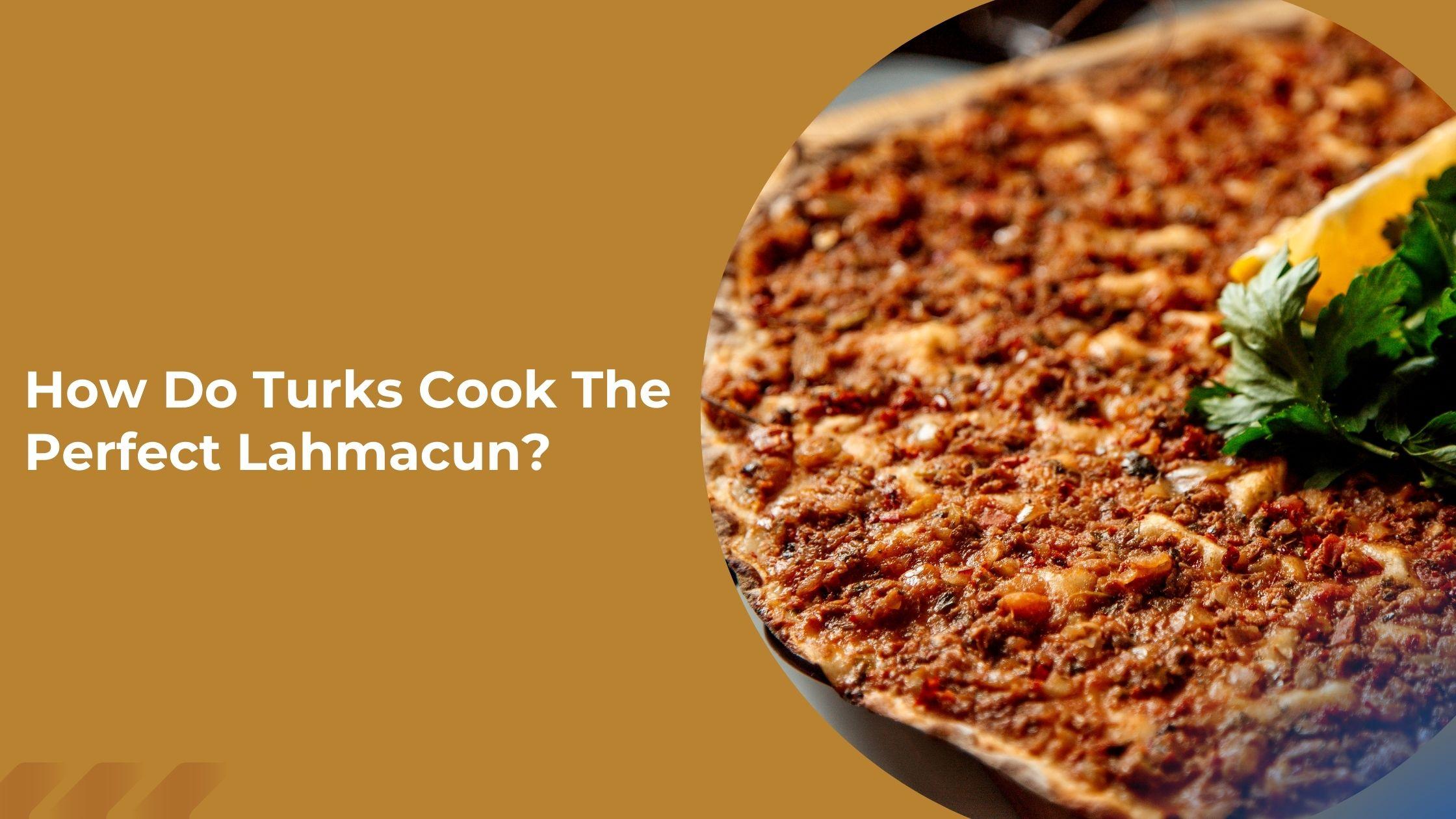
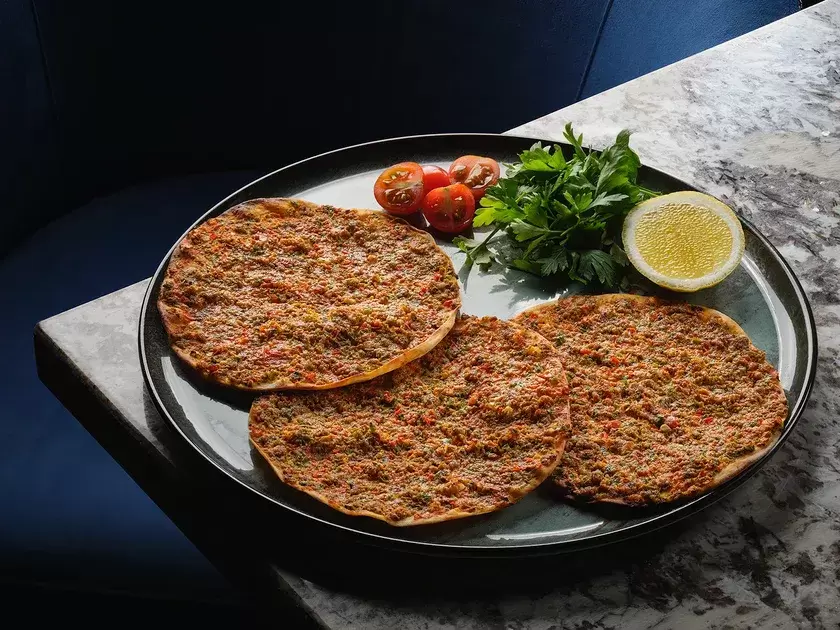
- Lahmacun
A thin, almost cracker-crisp flatbread topped with finely seasoned minced meat, tomato, pepper, onion, and herbs. Squeeze lemon over it, add parsley, roll it up , that sharp citrus finish is what makes lahmacun addictive rather than just good.
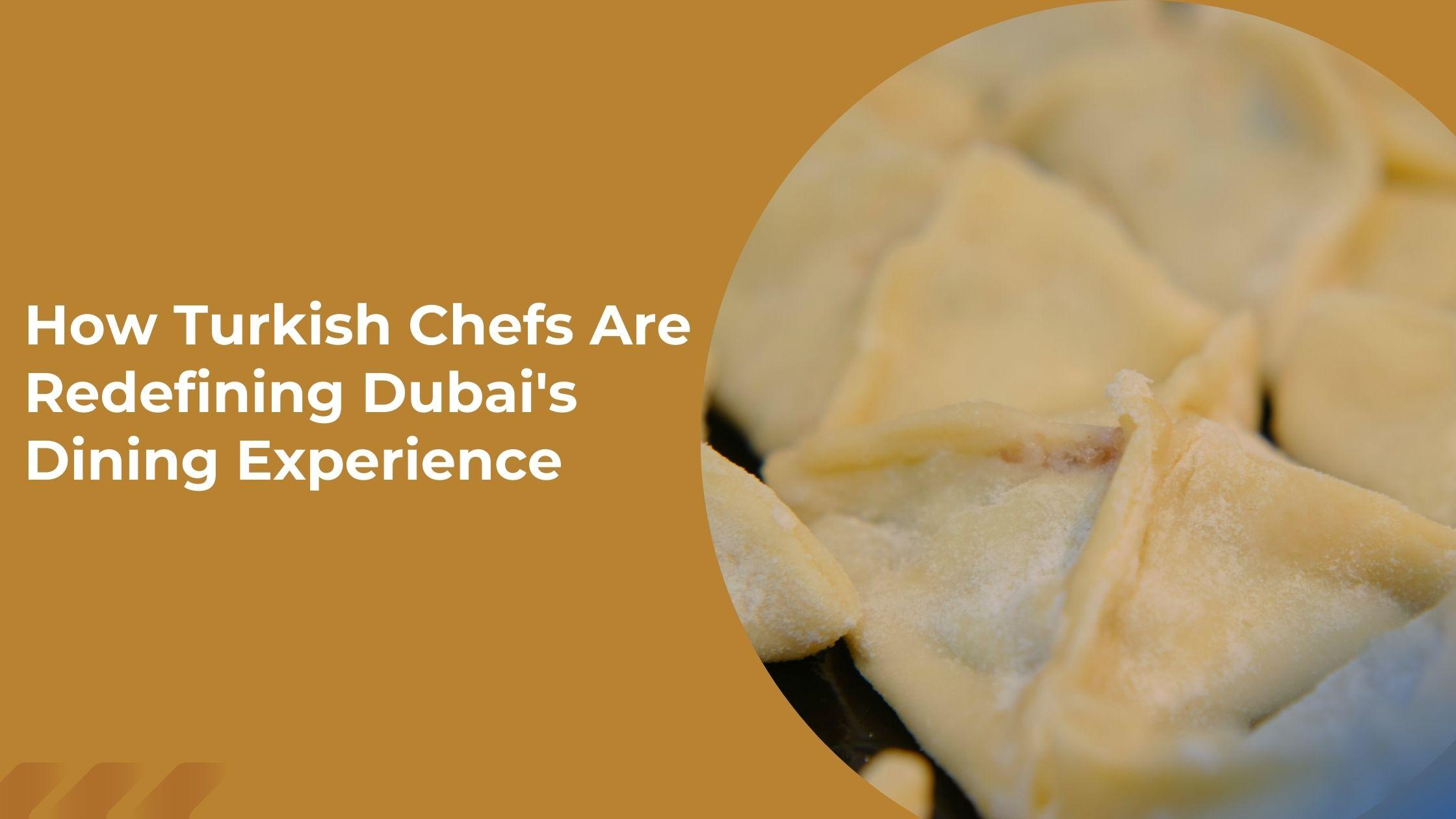
- Manti
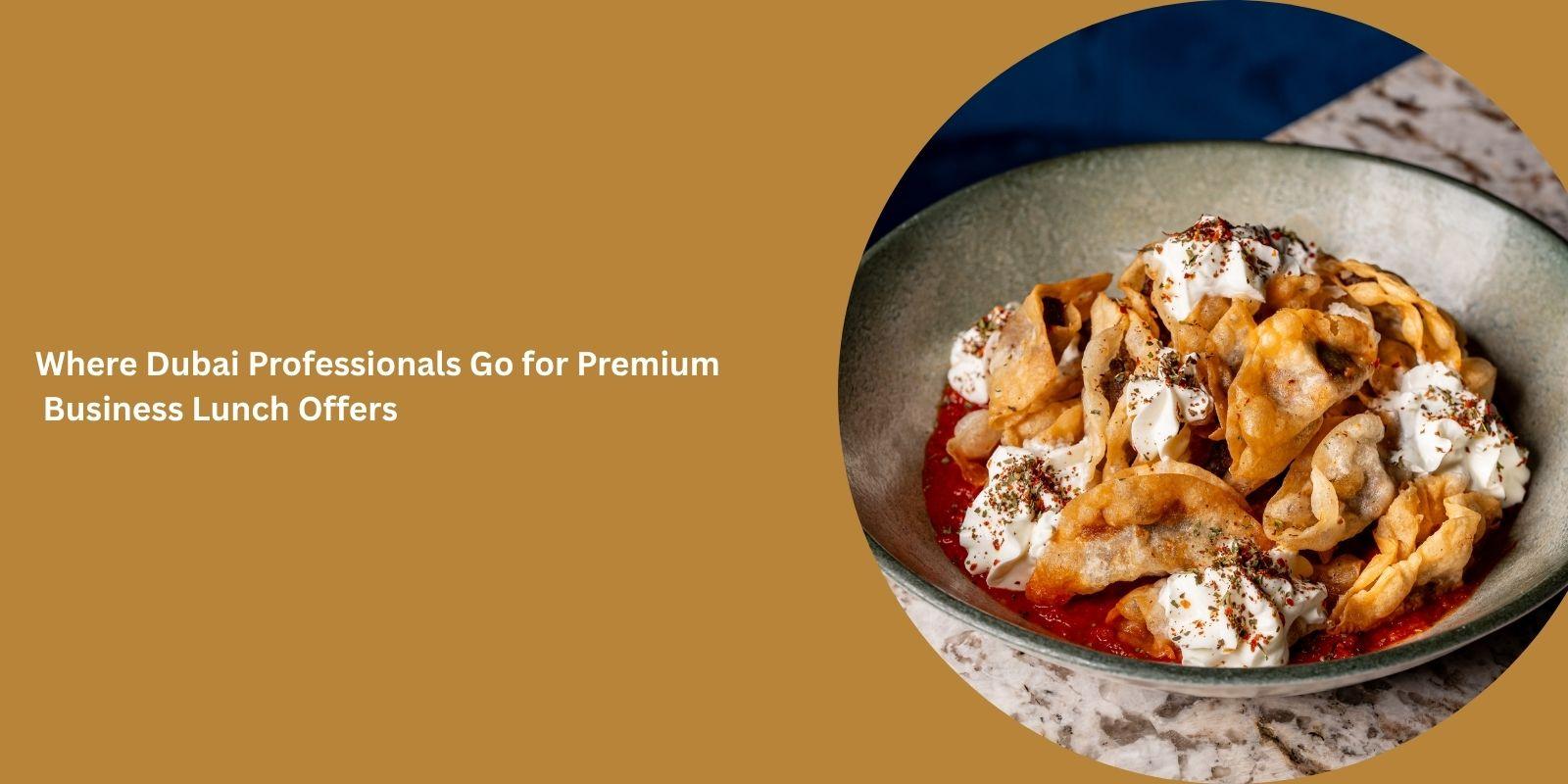
These are Turkey's answer to dumplings , tiny, filled with seasoned minced meat, and almost always drowned in garlic yogurt with a drizzle of spiced butter on top. Small bite, big flavor; the yogurt does a lot of the heavy lifting here.
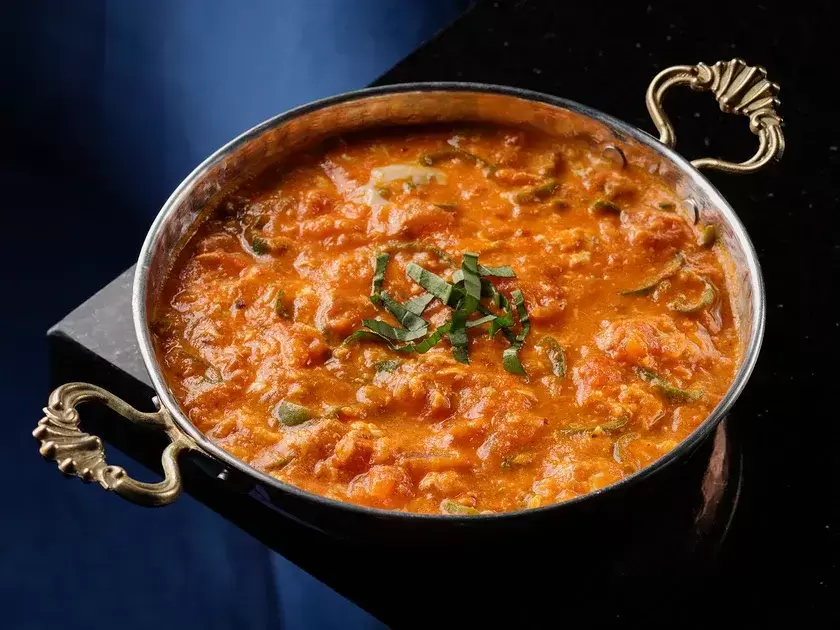
- Menemen
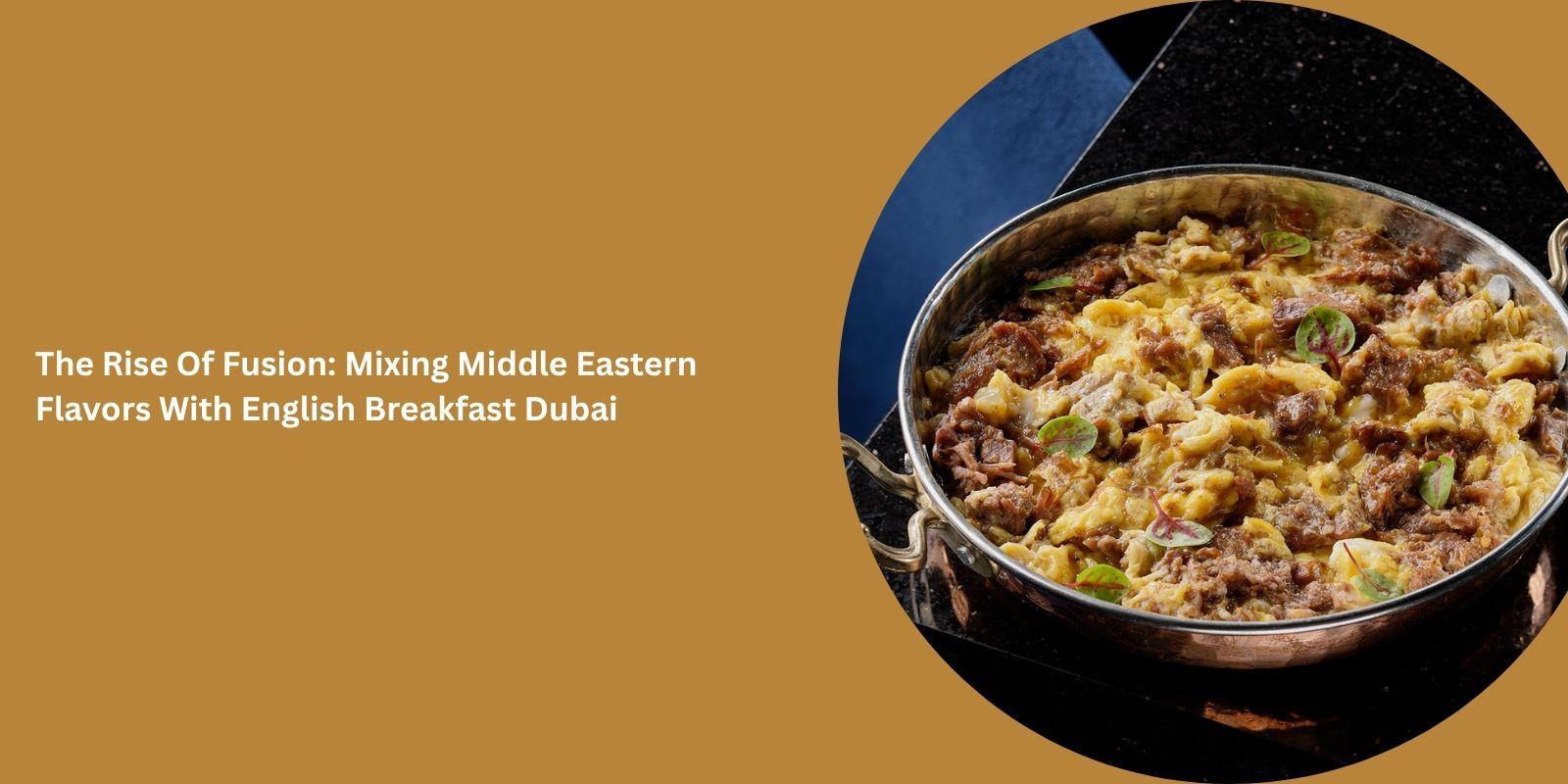
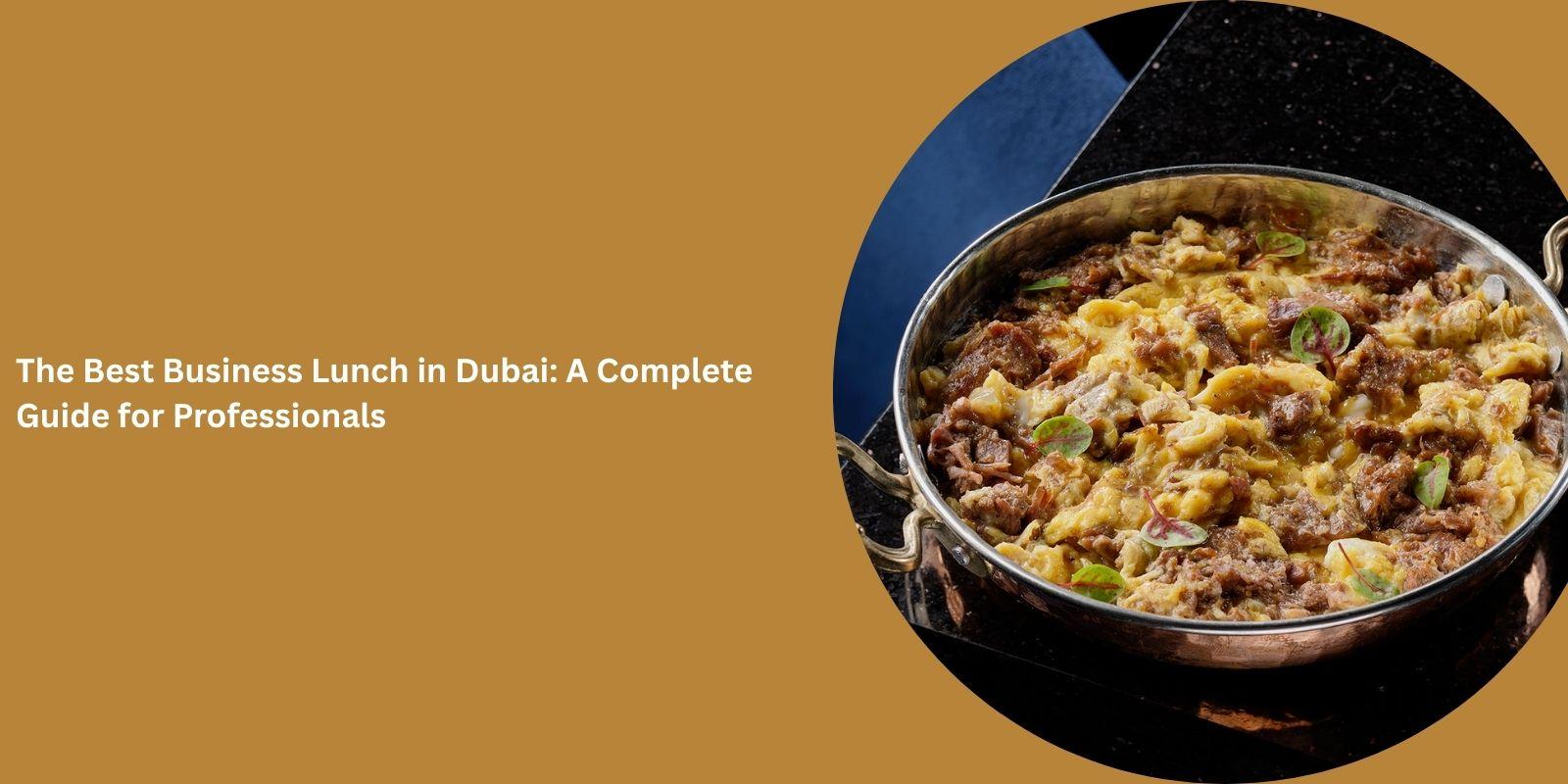
This is the breakfast dish. Eggs cooked slowly with tomatoes and green peppers until everything turns soft and spoonable , not scrambled so much as gently folded together. Sweet from the tomato, a little heat from the pepper, mellow where the eggs bring it all together.
- Mercimek Çorbası
A smooth red lentil soup, usually served with a lemon wedge on the side. Don't skip the lemon , without it, the soup is pleasant but a bit flat. With it, the acidity cuts right through the earthiness of the lentils.
- Dolma
"Dolma" covers a lot of ground , vegetables or vine leaves stuffed with rice, herbs, spices, sometimes meat. Every region does it slightly differently. The vine-leaf version in particular has a distinctive tang that sets it apart from the vegetable-stuffed varieties.
- İmam Bayıldı
Eggplant cooked low and slow with onion, tomato, garlic, and olive oil, then served at room temperature. Legend has it an imam fainted from how good it was , hence the name ("the imam fainted"). Whether that's true or not, the caramelized sweetness of the onion against silky eggplant makes a strong case.
- Karnıyarık
Literally "split belly" , eggplant sliced open and stuffed with minced meat, onion, tomato, garlic, and herbs, then baked until tender. It's richer than İmam Bayıldı, with the meat filling doing more of the work against that same soft eggplant base.
- Turkish Köfte
There isn't just one köfte , it's really a whole family of regional meatballs, each with its own shape and spice mix. Some lean heavily on cumin, others on fresh herbs or a hit of pepper. Order köfte in three different cities and you'll get three different dishes.
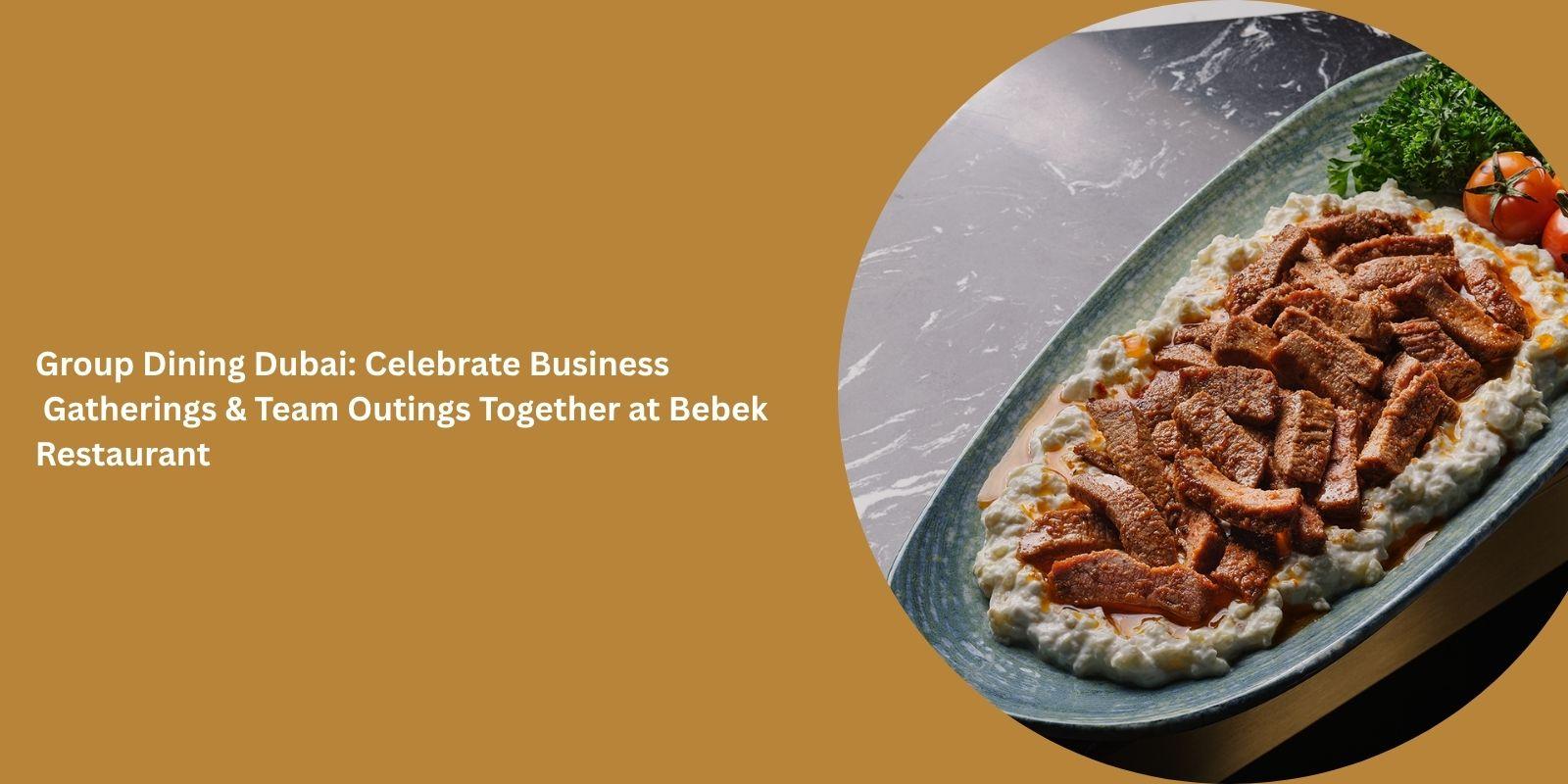
- Hünkar Beğendi
"The Sultan Liked It" , an Ottoman-era dish pairing tender meat with a puree of roasted eggplant, milk, and cheese. The smokiness from the charred eggplant against that creamy puree is what makes this one feel a little more special-occasion than everyday.
- Kuru Fasulye
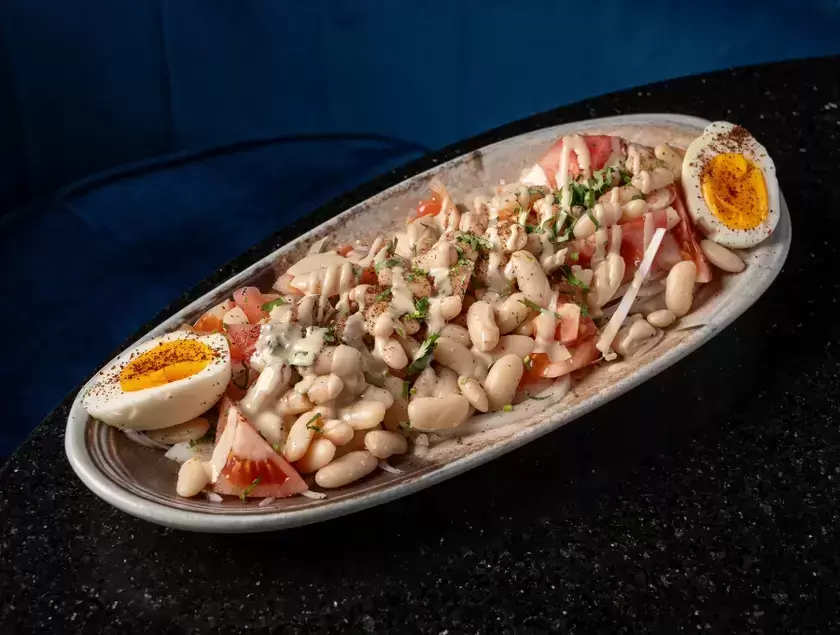
A white bean stew, cooked with tomato, onion, and spices, sometimes with meat added for extra body. It's humble food , the kind of thing you'd find at a home dinner table rather than a fancy restaurant , but a good version, with creamy beans and a gentle tomato sweetness, is hard to beat.
- Gözleme
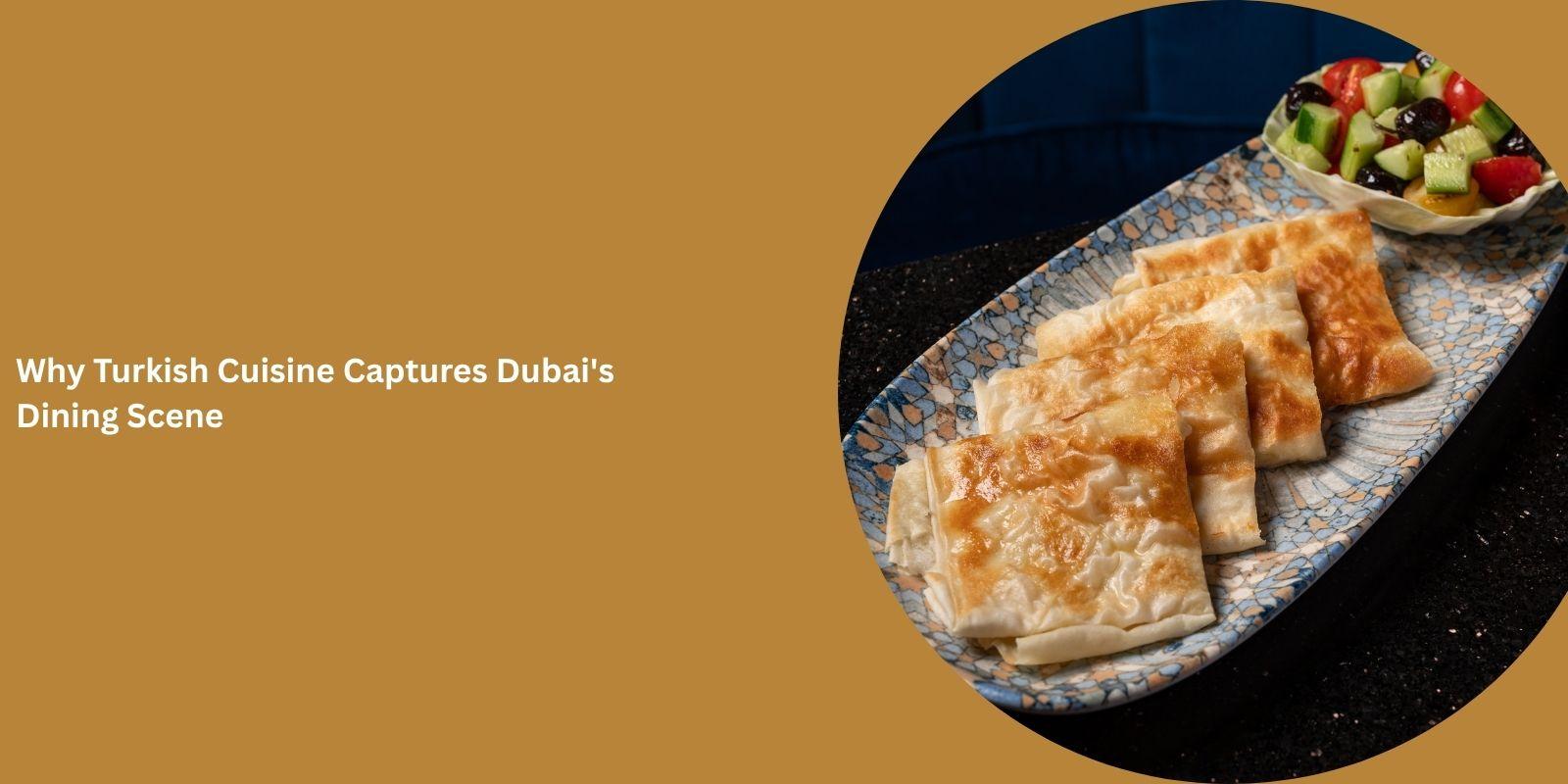
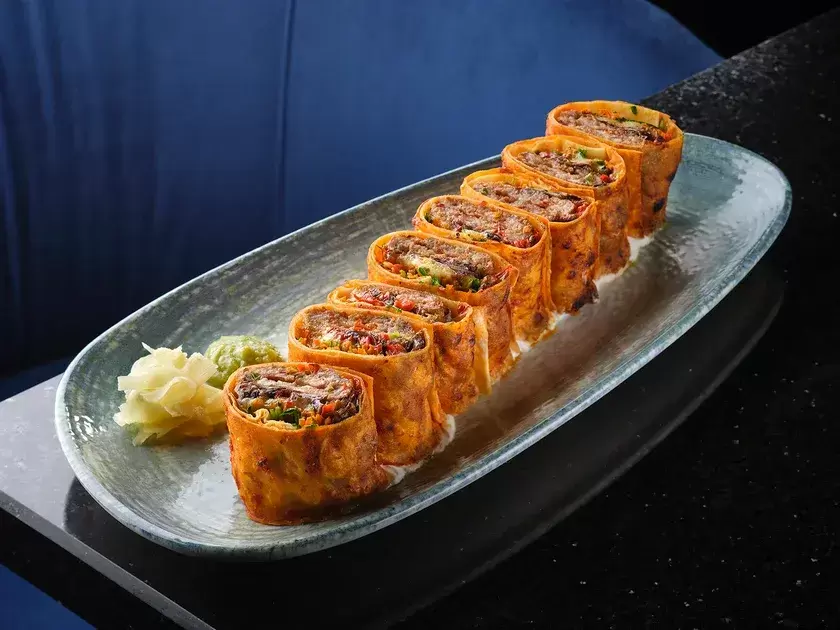
A thin, handmade flatbread filled with spinach, cheese, potato, or minced meat, then cooked on a griddle until it gets those golden patches. Crisp outside, soft inside , street-food comfort in one wrap.
- Börek
Thin pastry layers wrapped around cheese, minced meat, spinach, or potato. Every region shapes it differently , rolled, layered, coiled , but the contrast is always the same: crisp pastry giving way to a moist, savory filling.
- Çılbır
Poached eggs sitting in garlic-infused yogurt, finished with warm, spiced melted butter. It's a longstanding breakfast dish, and honestly one of the more underrated ones on this list , the runny yolk mixing into cool yogurt and warm butter is a genuinely great combination.
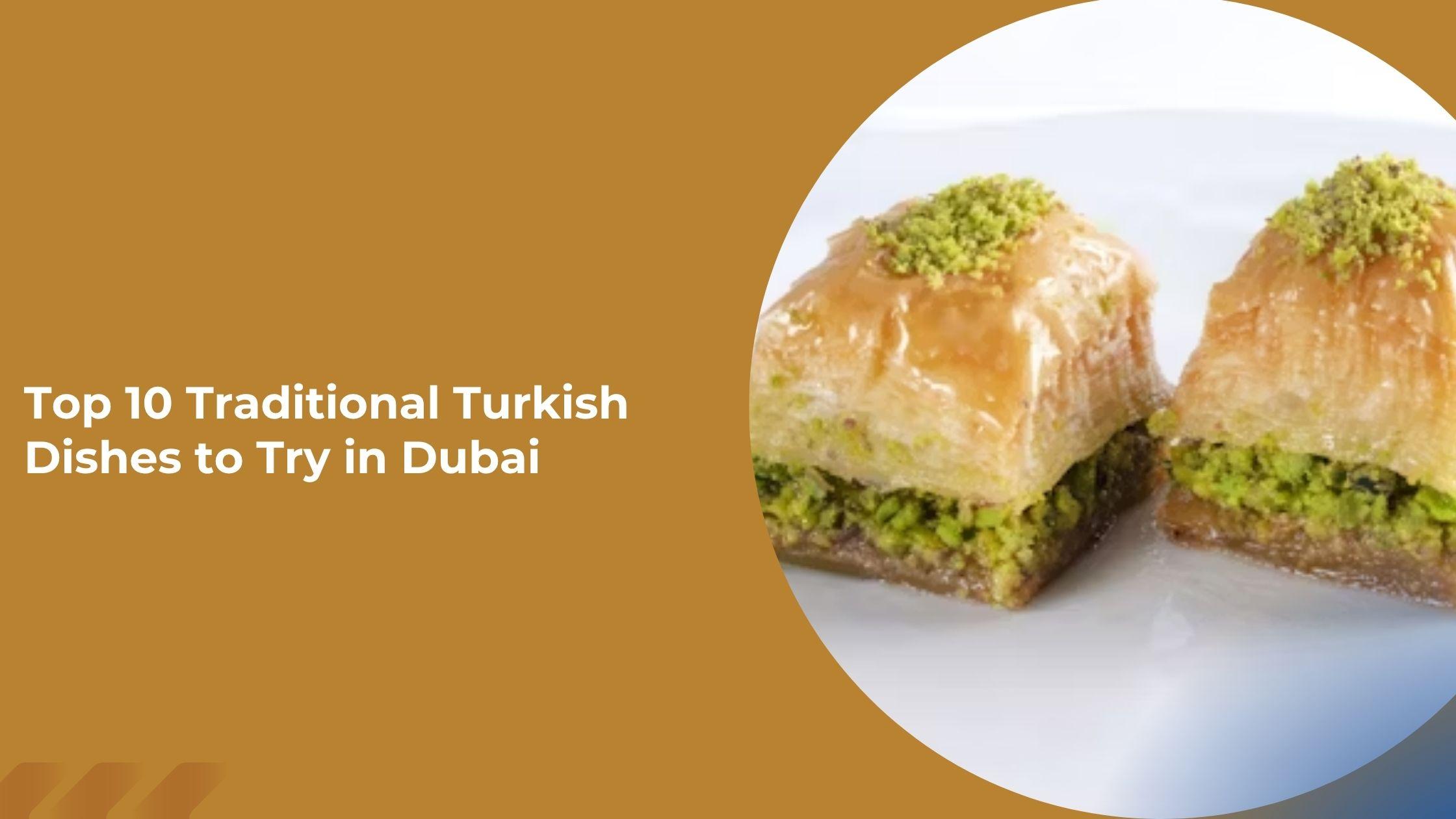
- Baklava
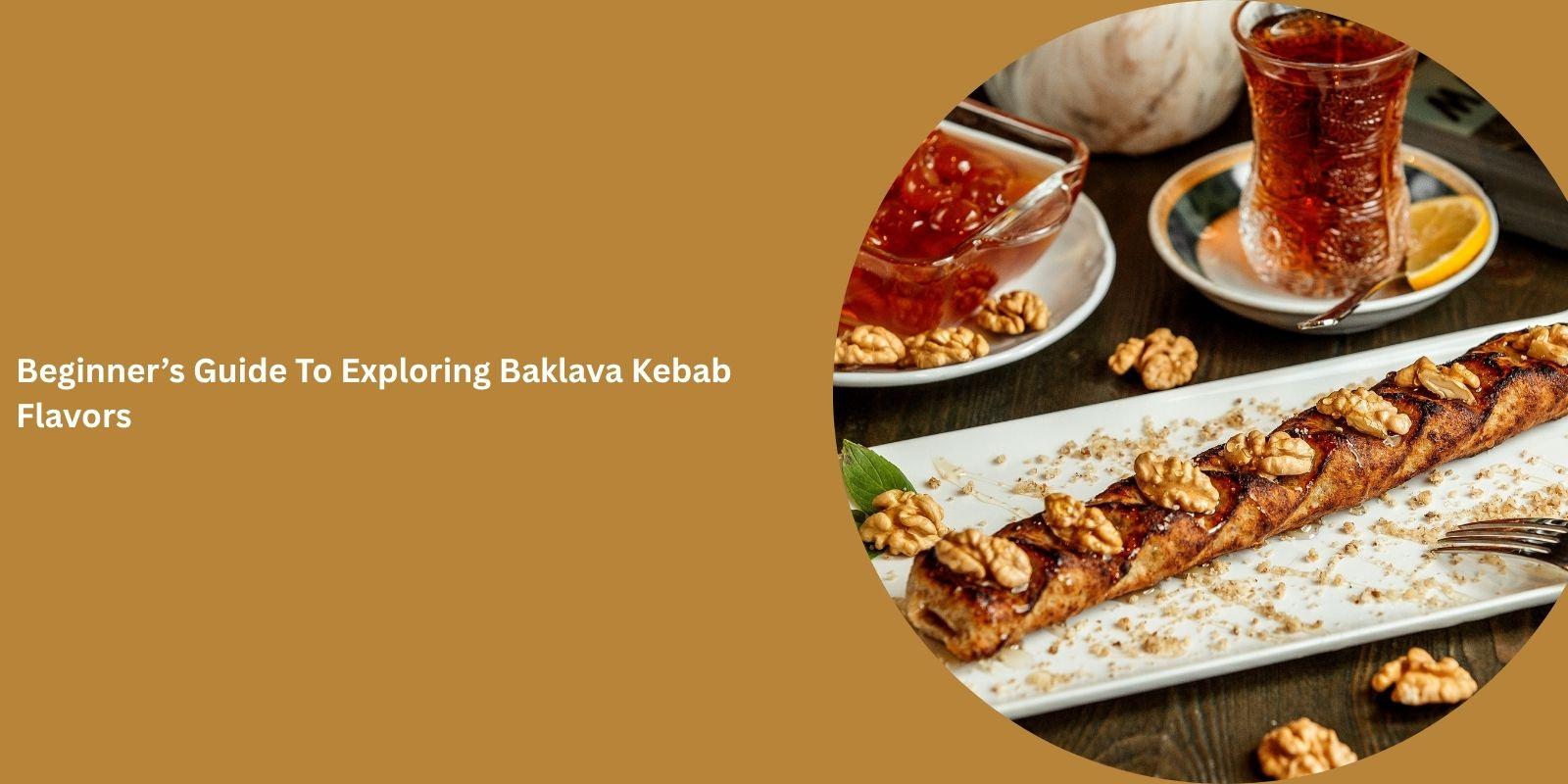
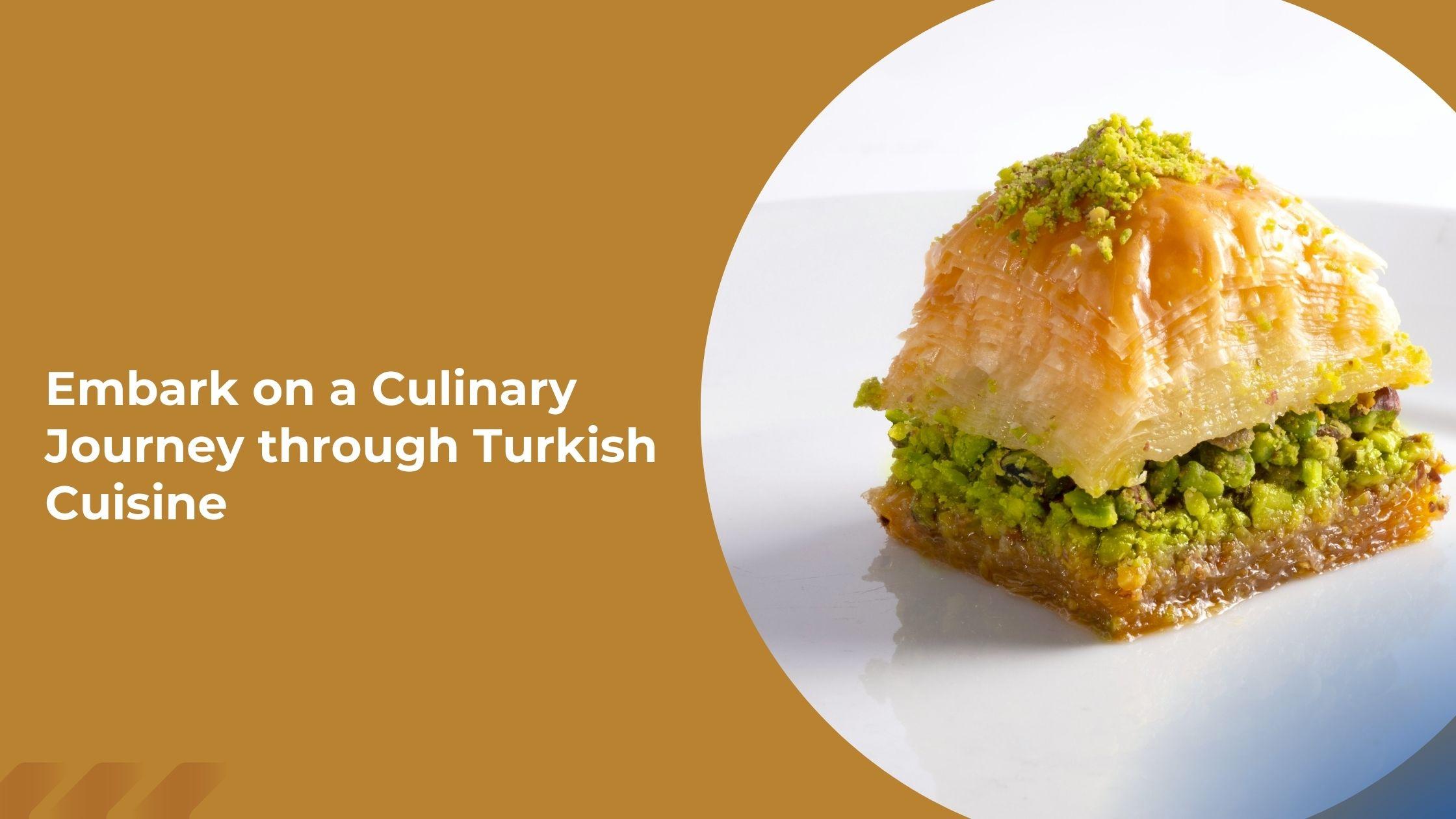
Layers of delicate pastry, chopped nuts, and syrup. Pistachio and walnut versions are the most common in Türkiye, and the difference between a good baklava and a great one usually comes down to how well the syrup and pastry balance , too much syrup and it's cloying, too little and it's dry.
The opposite flavors of flaky pastry and syrup makes it one of Turkiye's most recognizable desserts.
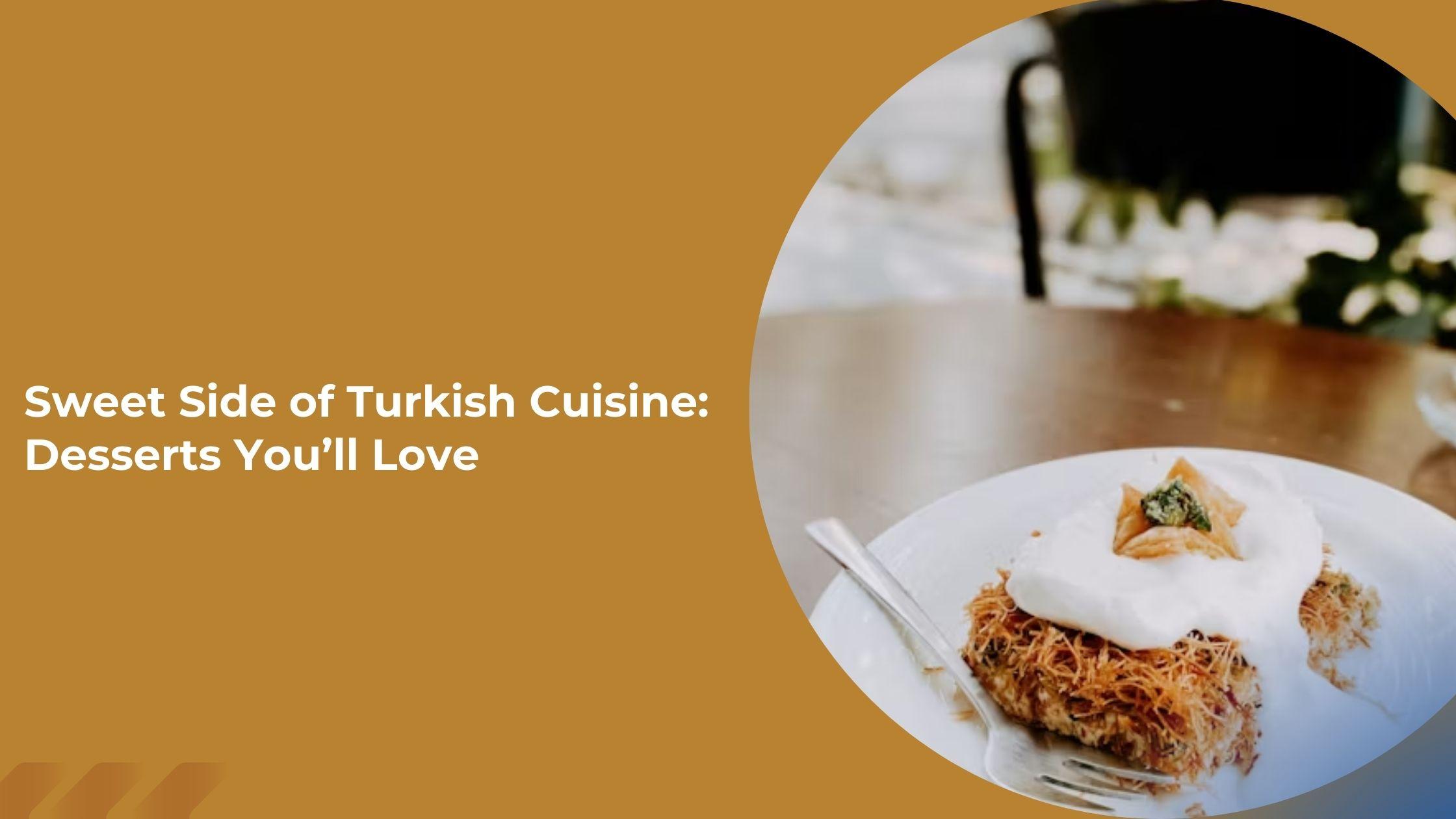
- Kunefe
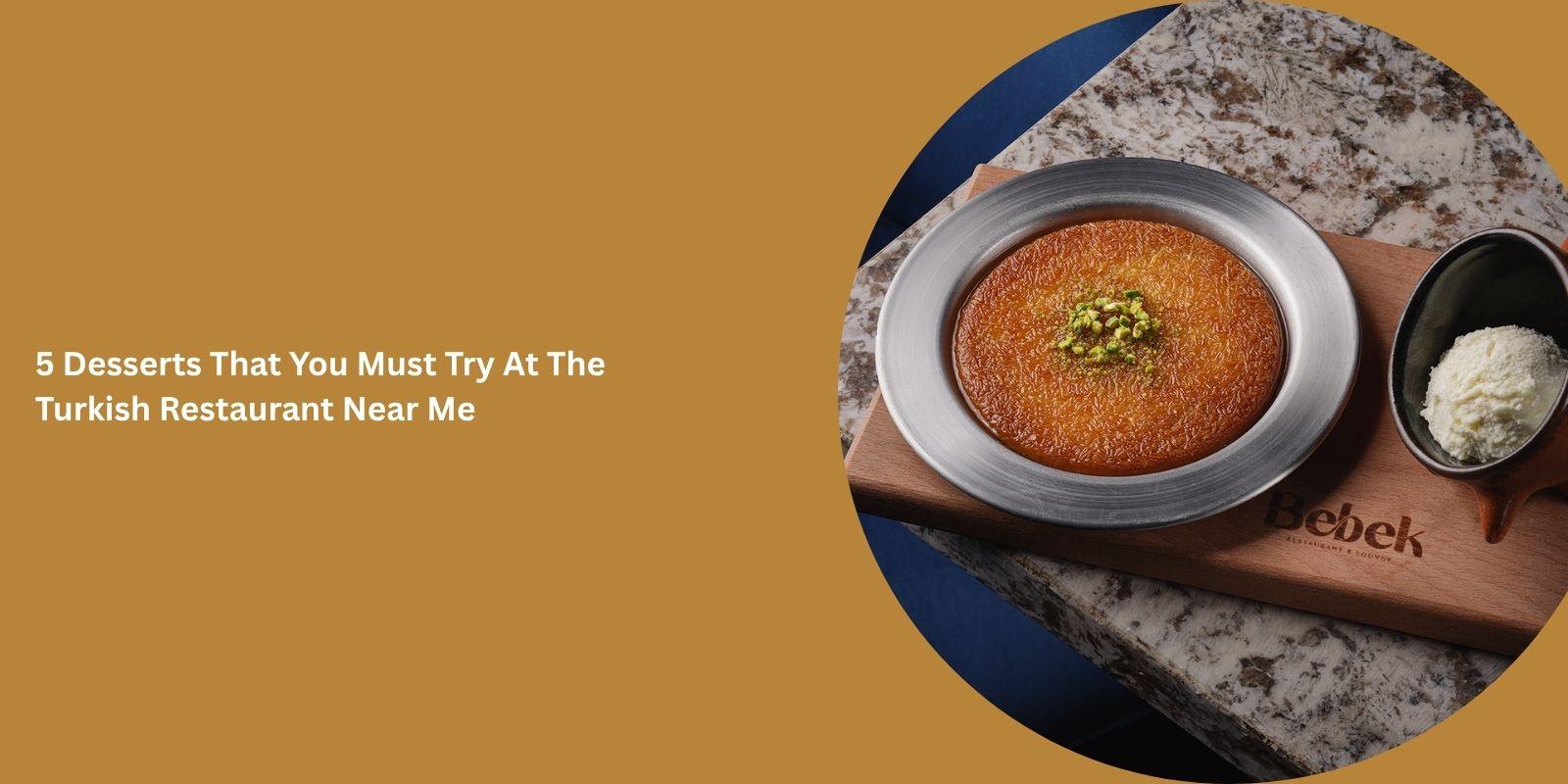
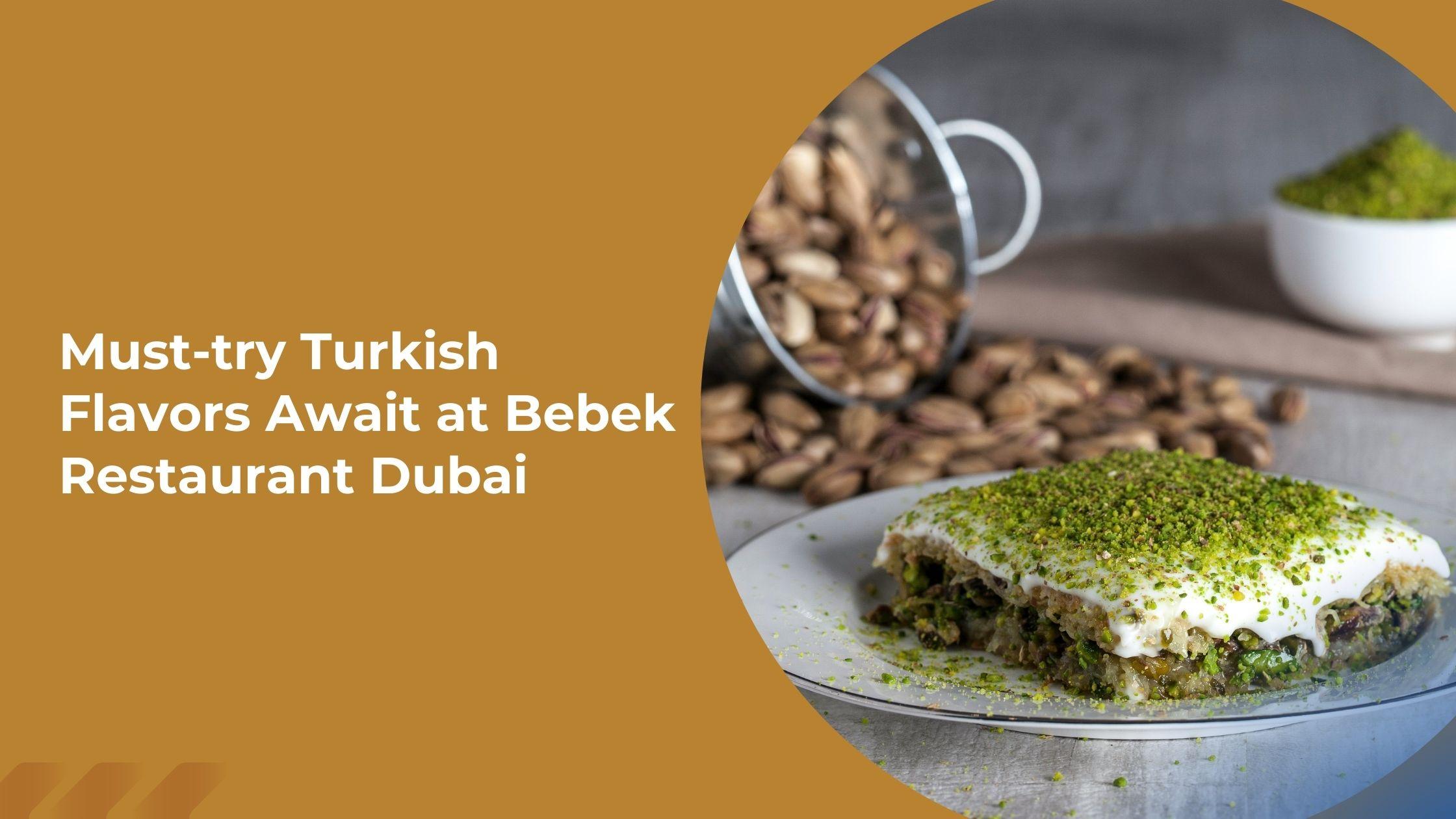
Stands as the most preferred and loved dessert. Kunefe is the shredded pastry with melted cheese and sugar syrup. Usually, it is served with warm and garnished with pistachios.
Flavor: Sweet, buttery, creamy, and nutty, with crisp pastry surrounding the soft cheese.
- Turkish Delight
Most of the locals also name it as Lokum. This Turkish Delight come with a soft confection of falours like rose, lemon, orange and mastic.
Flavor: Sweet, chewy, delicate, and aromatic.
Rose diversifies a floral character, while citrus create brighter and refreshing taste.
What Makes Traditional Turkish Food Different?
Turkish cuisine stands out for balancing richness, freshness, texture, and aroma.
Grilled meats develop smoky flavors over charcoal. Yogurt adds a cool, tangy contrast. Fresh herbs and vegetables bring brightness, while butter and olive oil add richness.
Common ingredients and seasonings include:
- Lamb and beef
- Eggplant and tomatoes
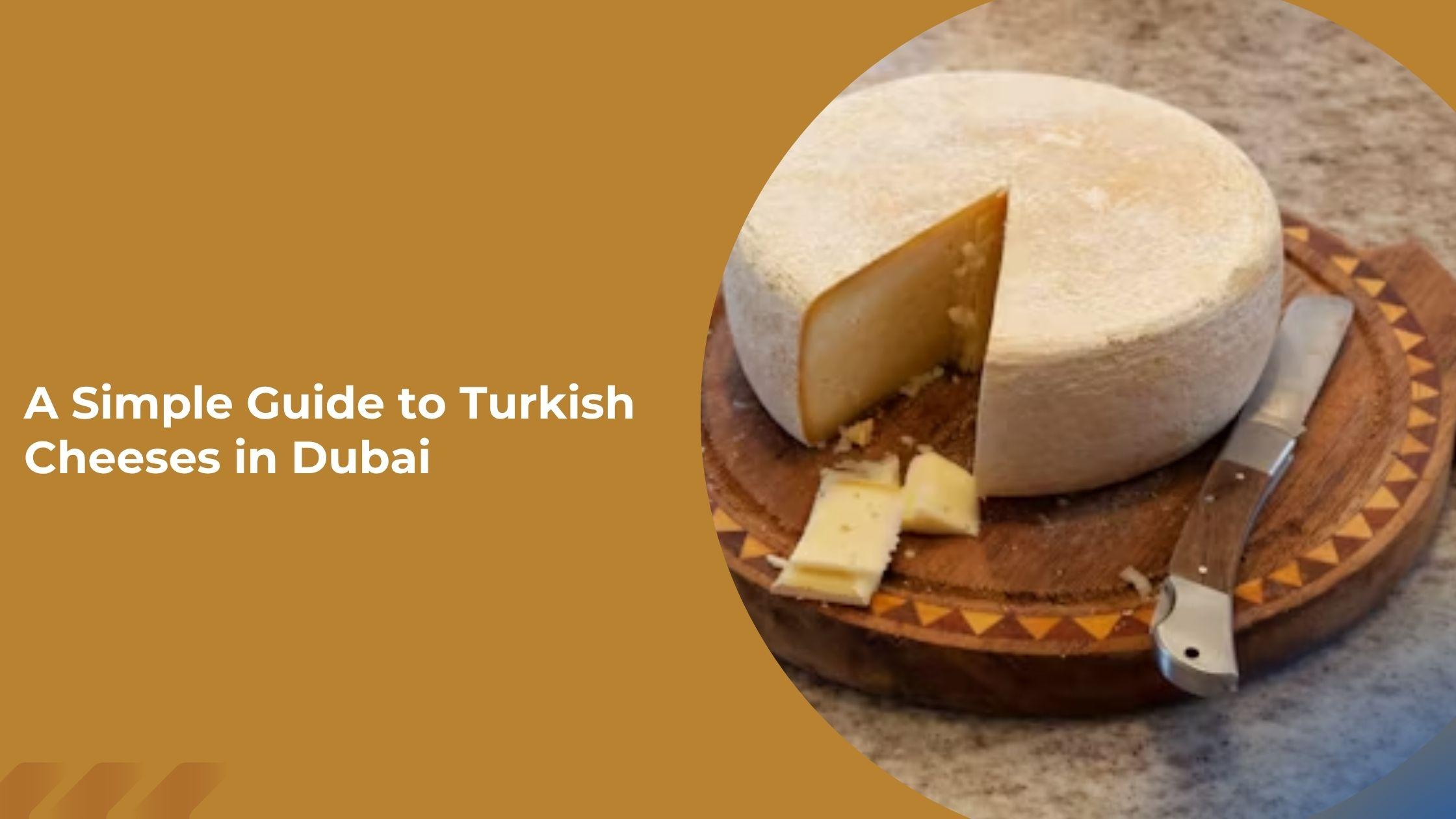
- Yogurt and cheese
- Olive oil and butter
- Garlic and fresh herbs
- Cumin and black pepper
- Pul biber and paprika
- Sumac and mint
The result is food that's flavorful without relying on one overpowering ingredient.
Experience Authentic Turkish Cuisine in Dubai
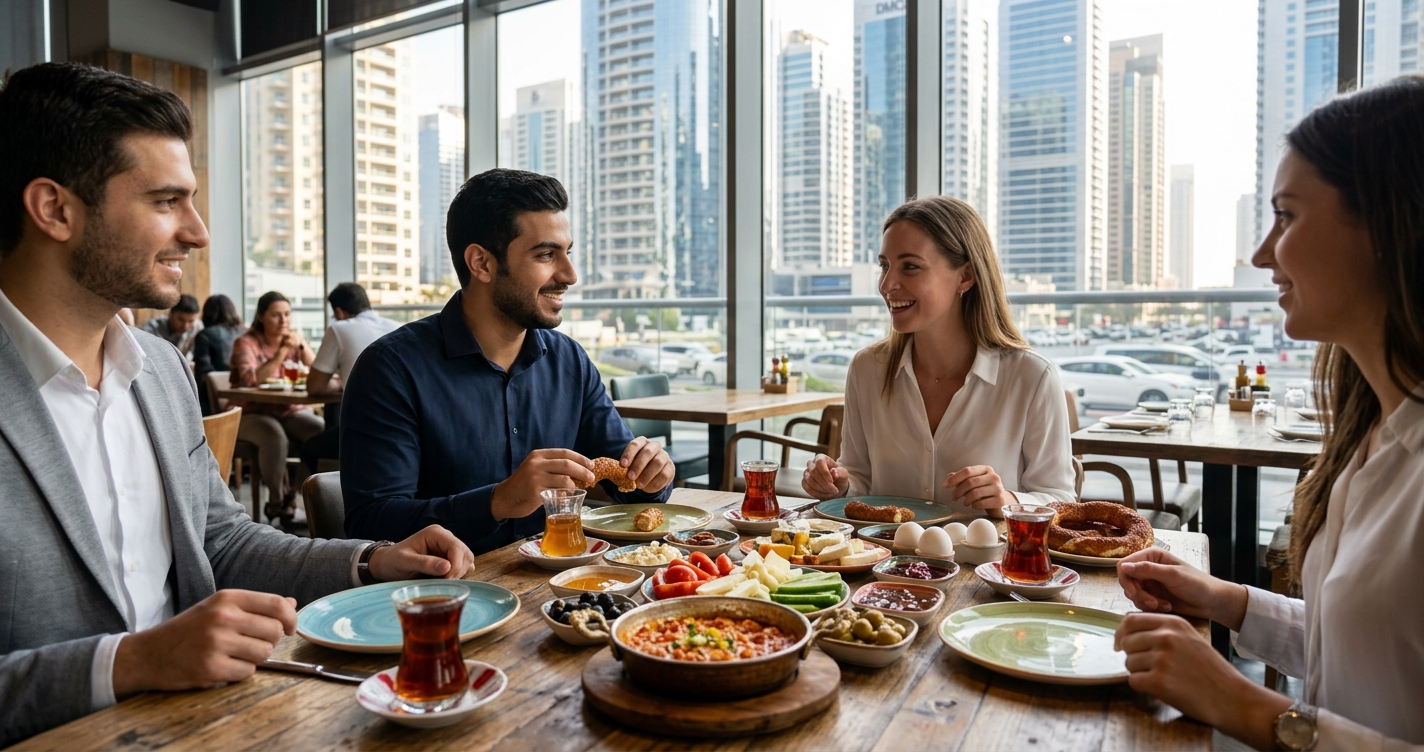
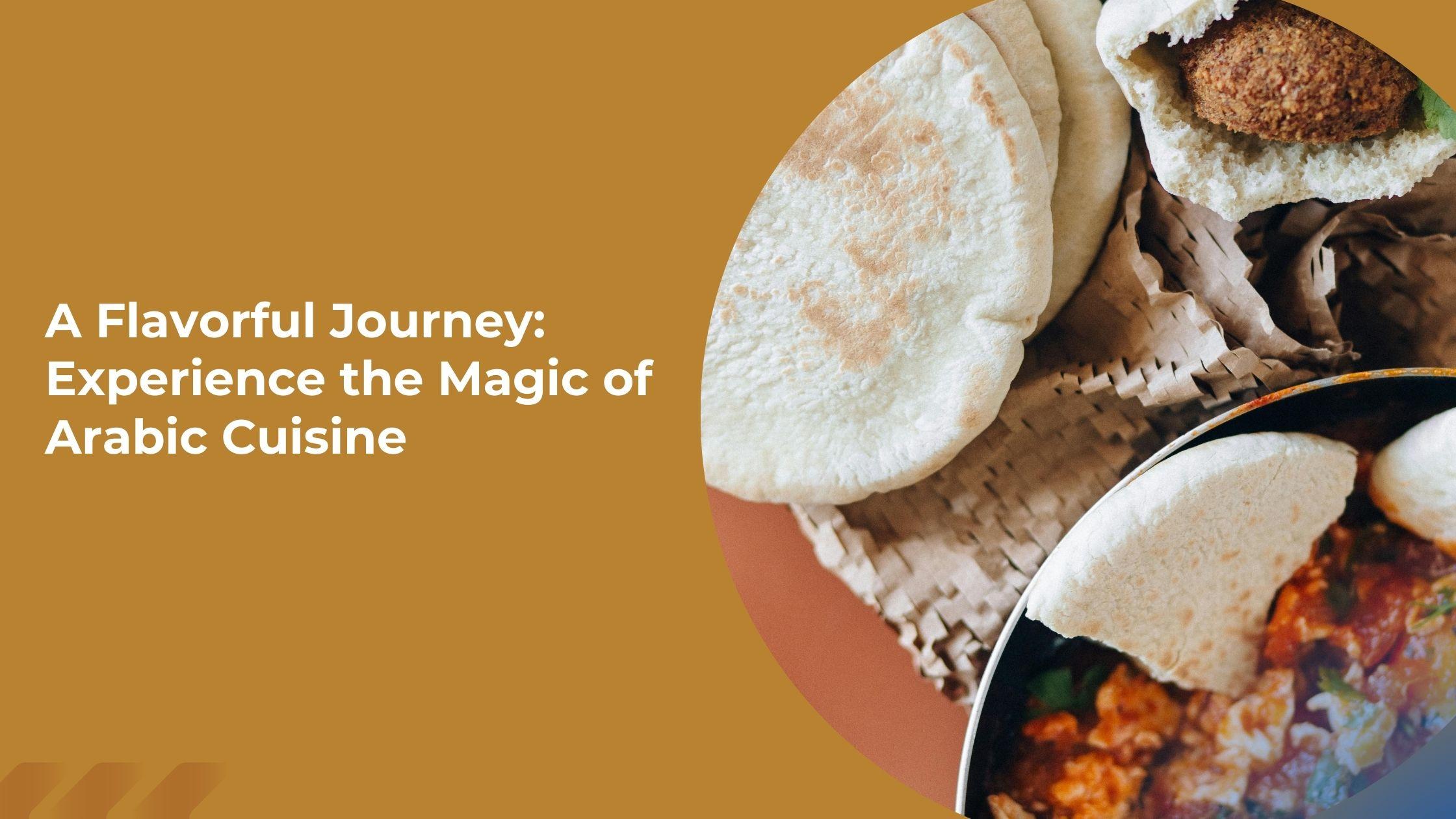
Dubai is a hub for foodies, including Turkish cuisine. Here you can experience far beyond just ordering the single kebab.
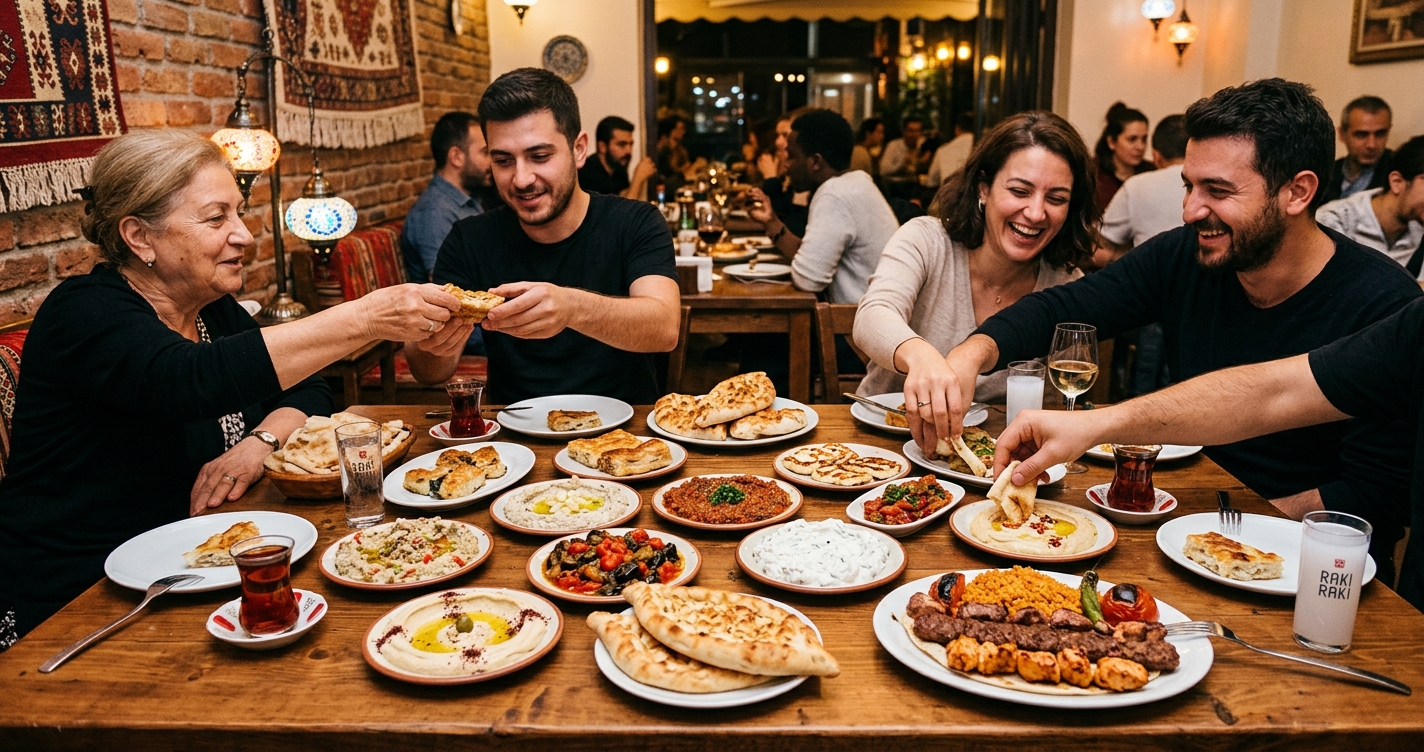
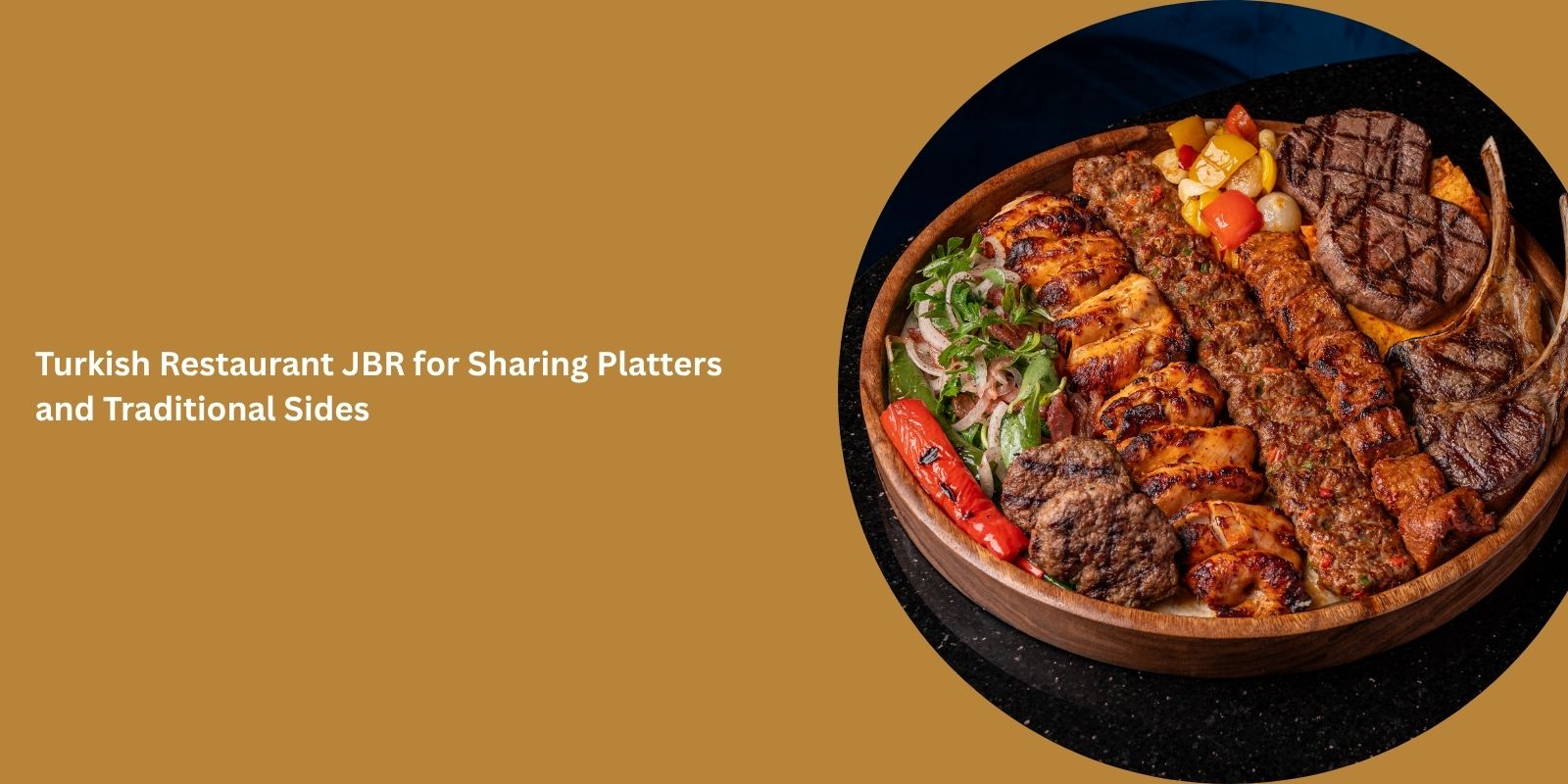
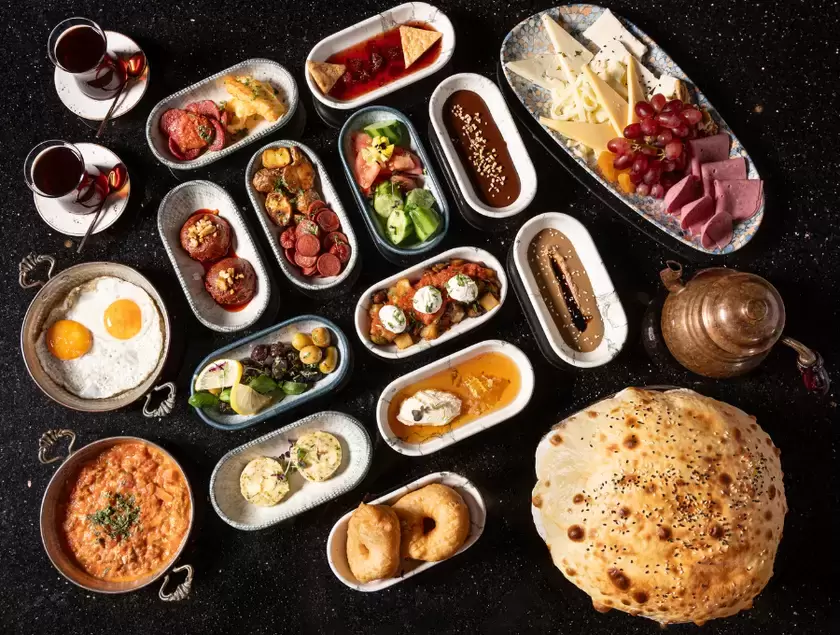
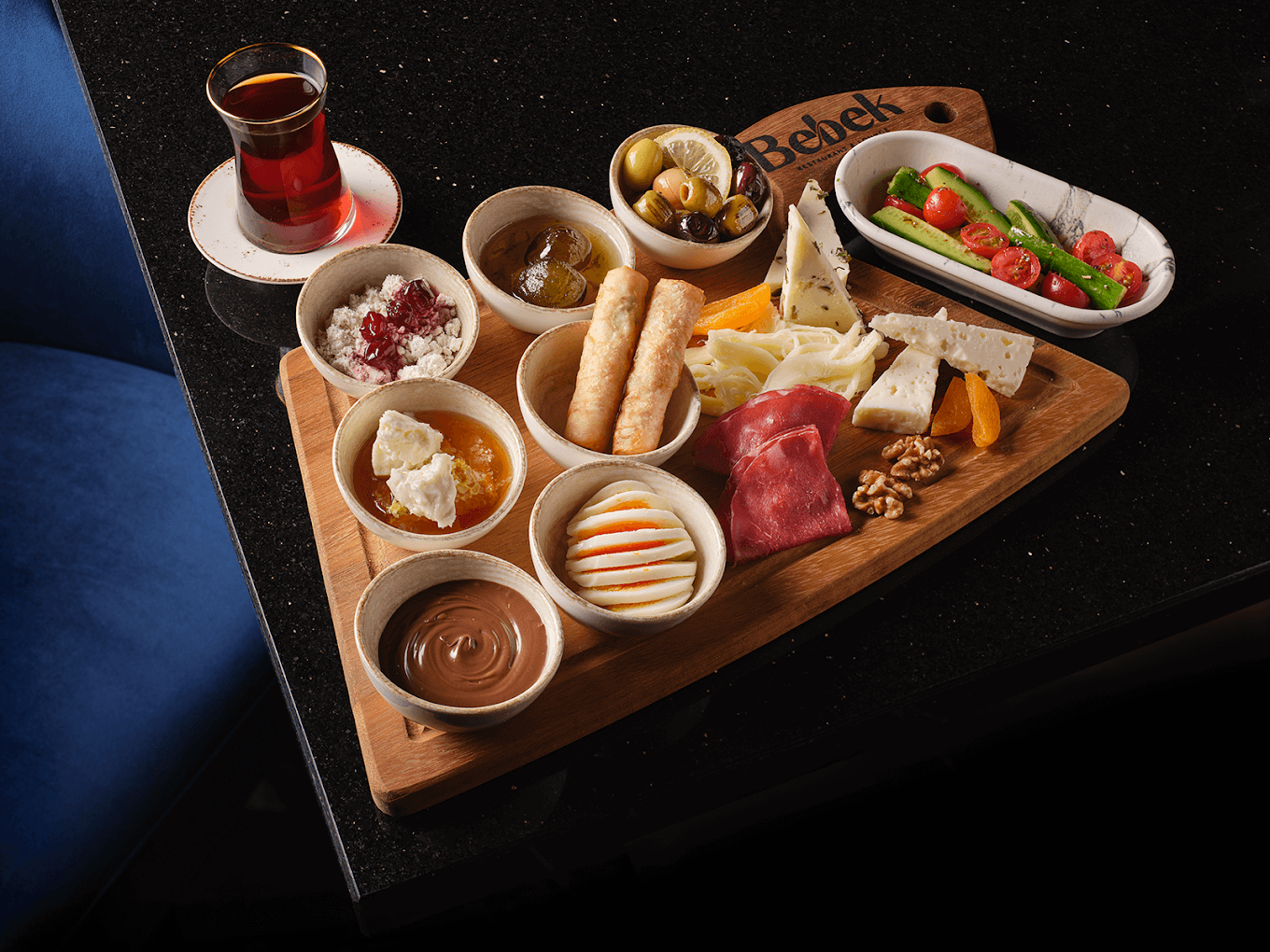
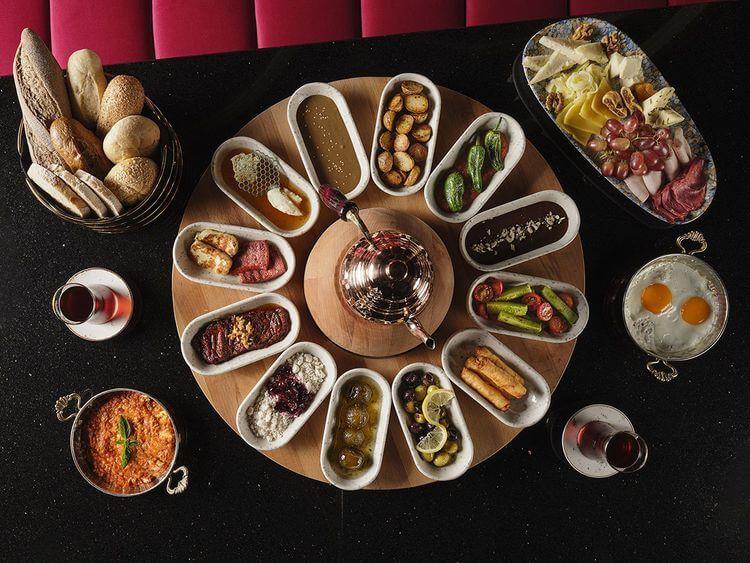
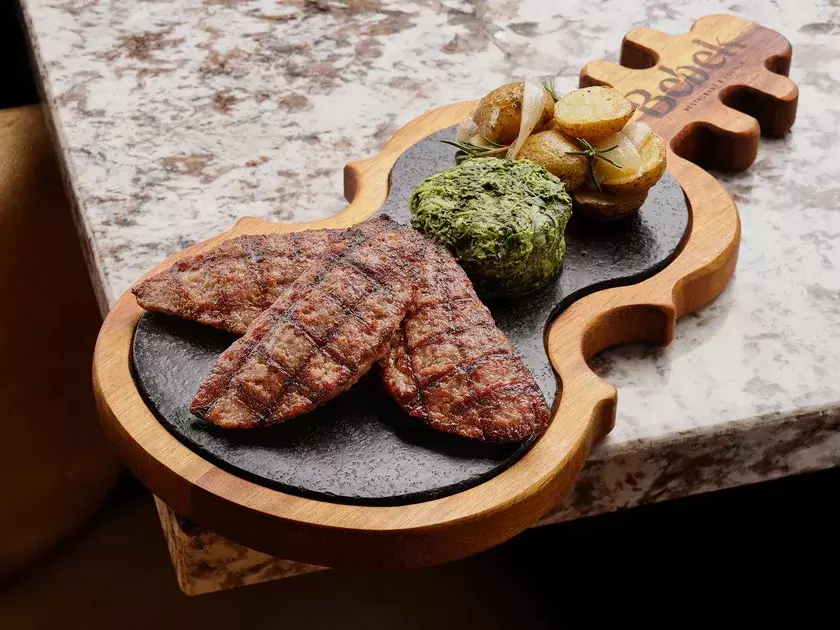
A proper Turkish meal can include grilled specialties, warm breads, flavorful sides, and more that make you stick to the table even if you are full. A full traditional Turkish table could include grilled specialties, warm breads, flavored sides, yogurt–based dishes, and traditional desserts.
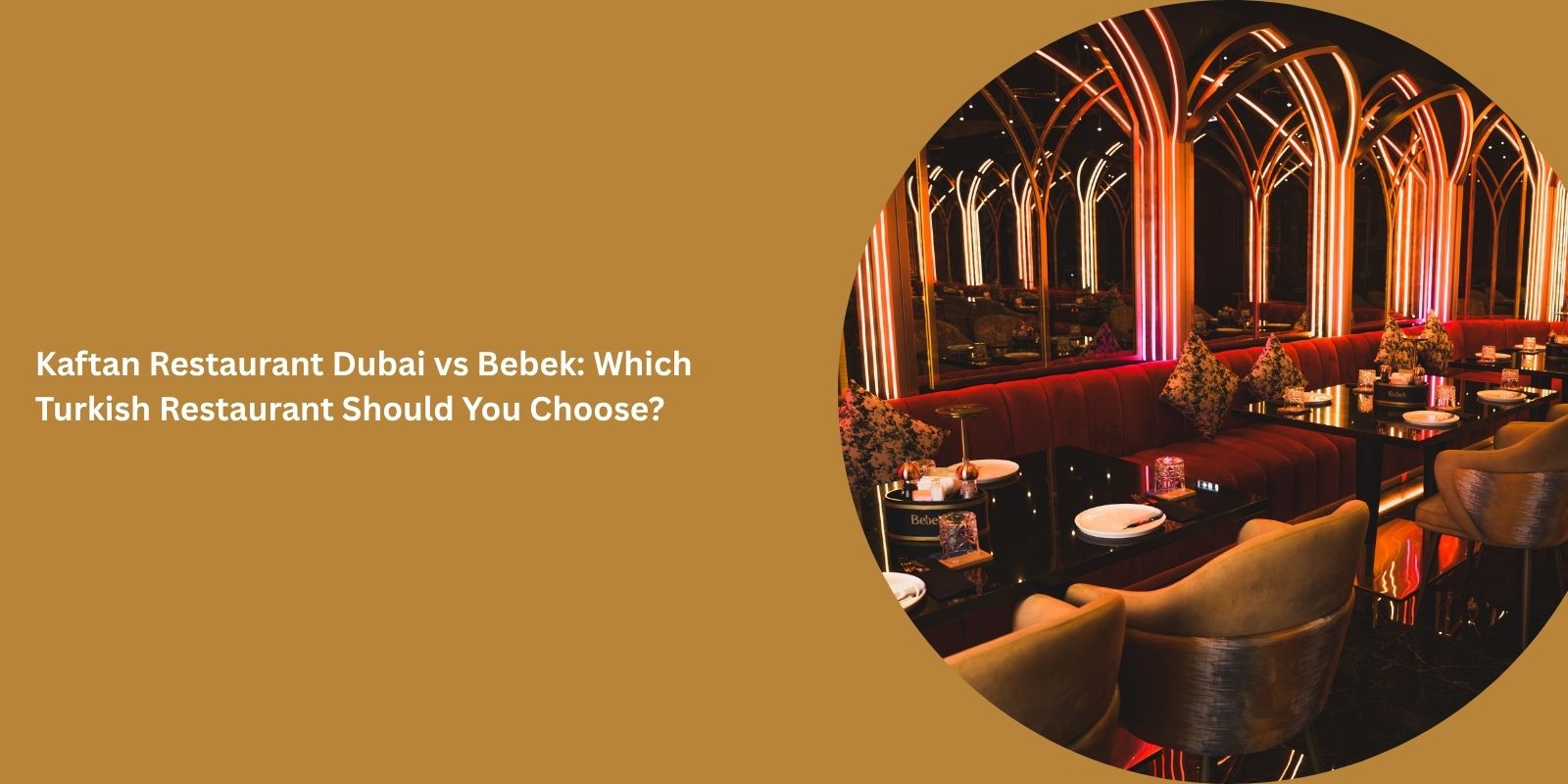
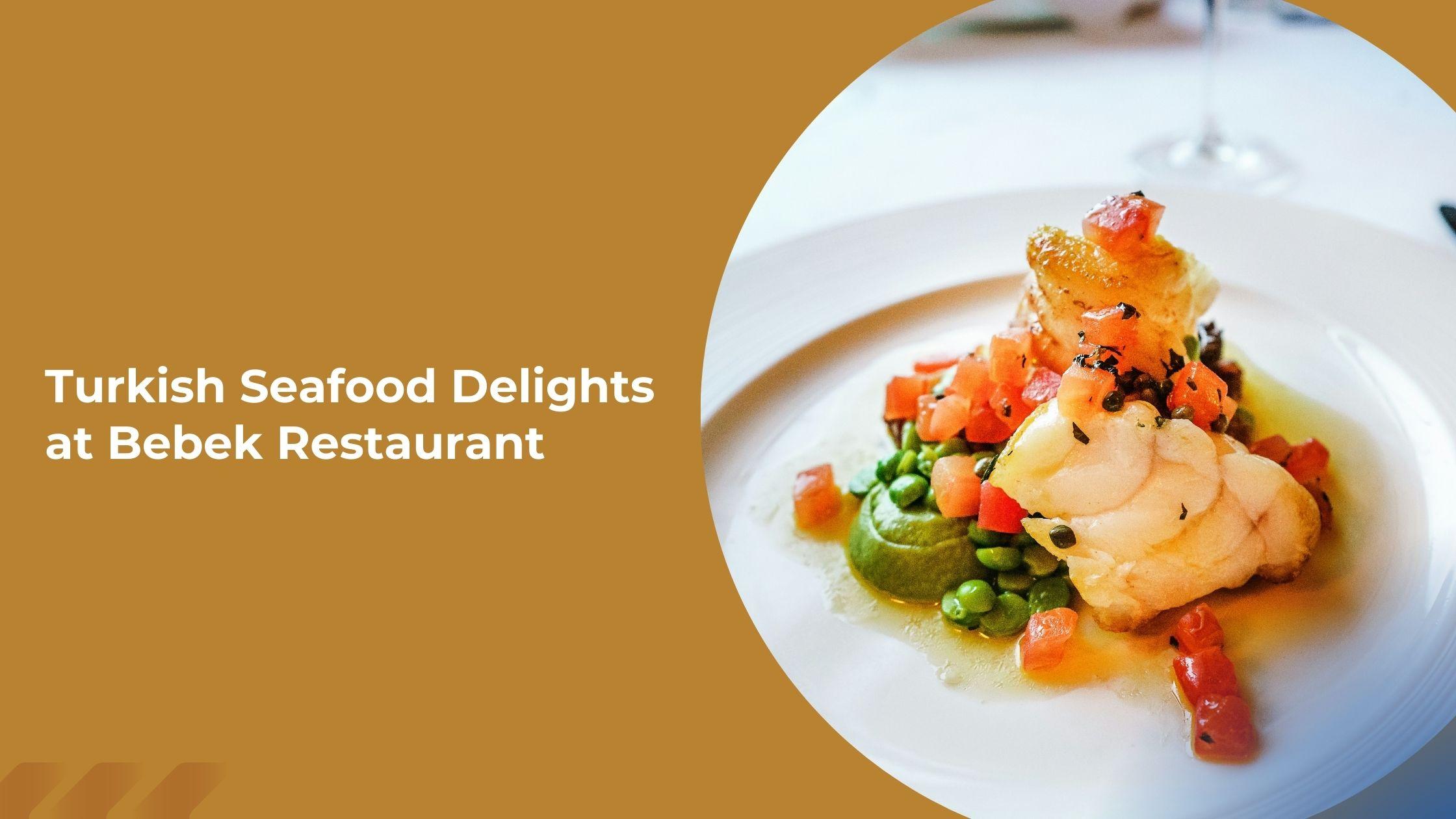
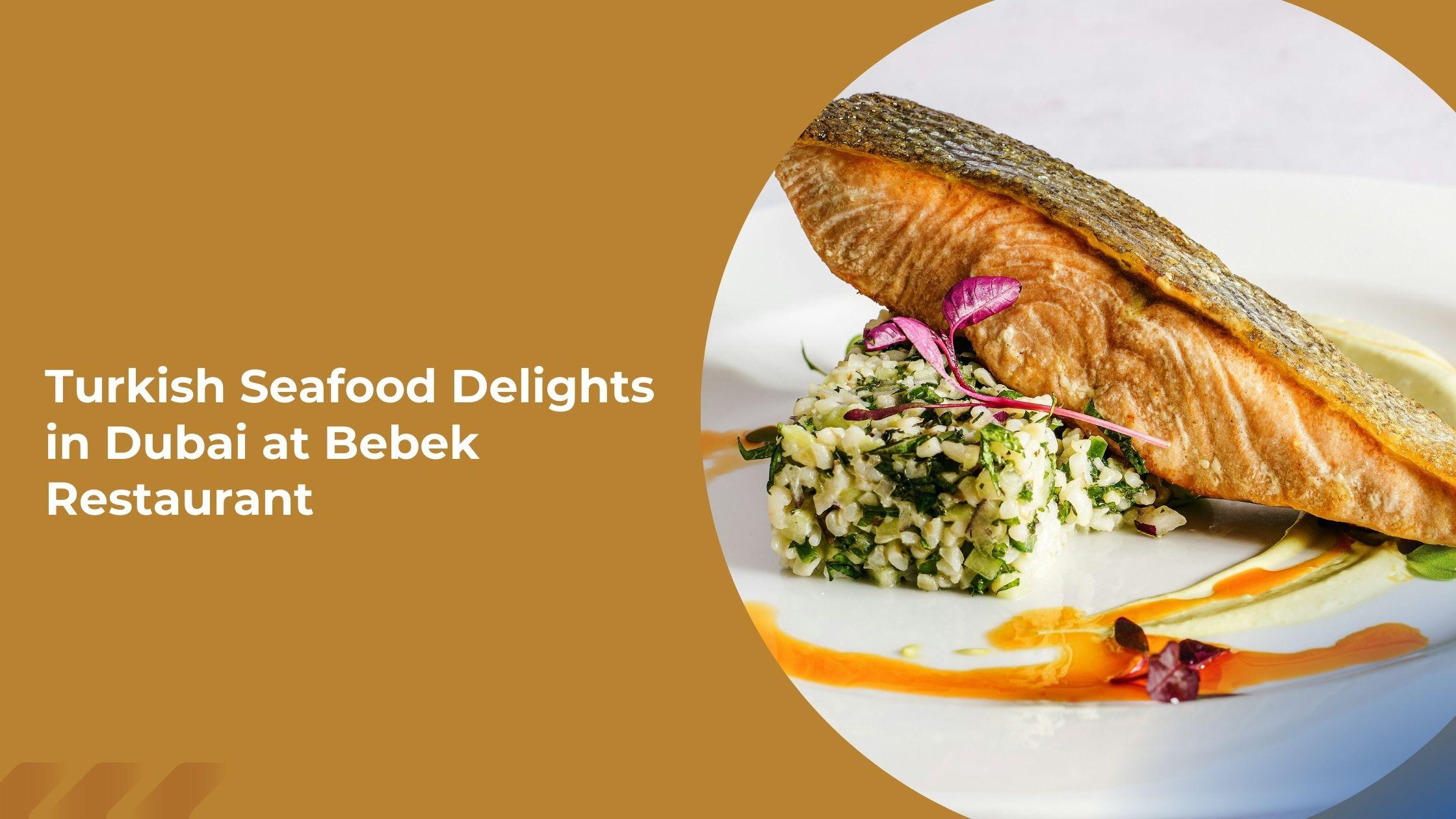
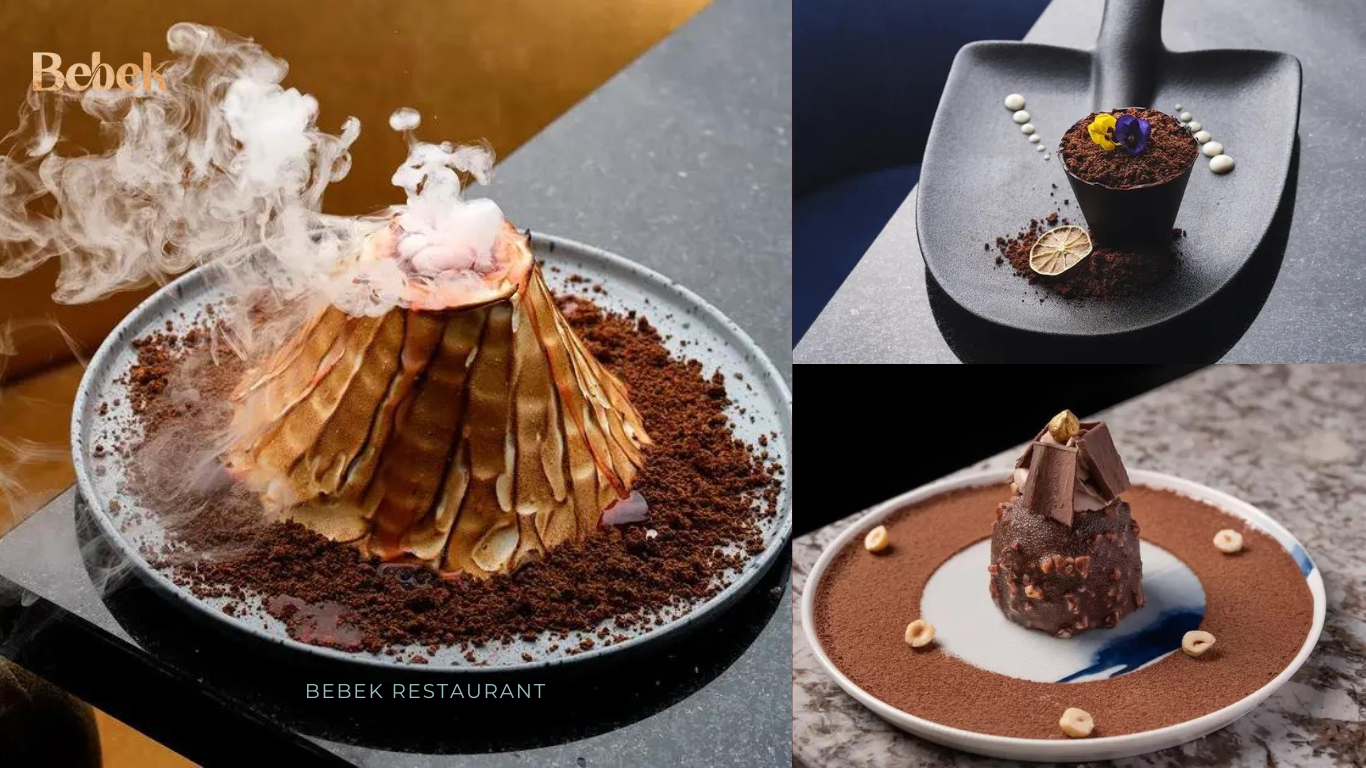
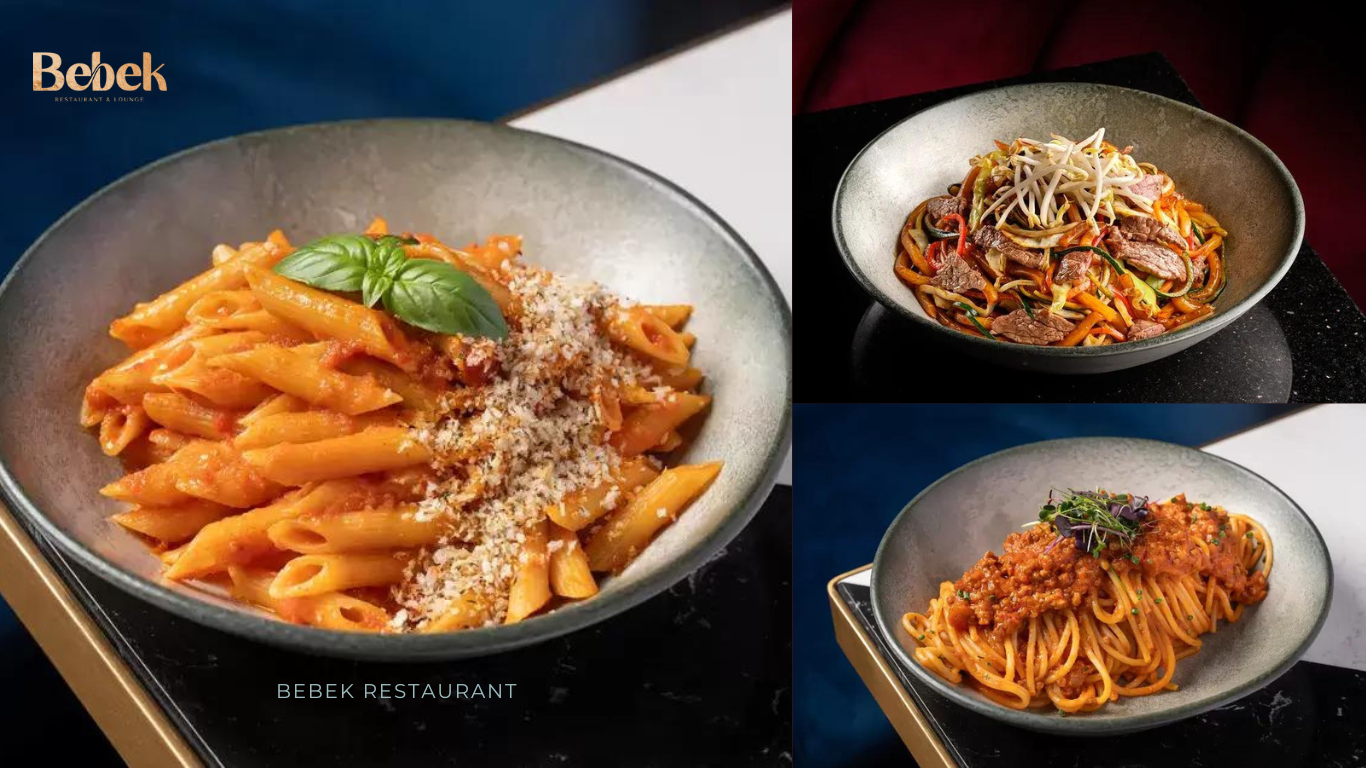
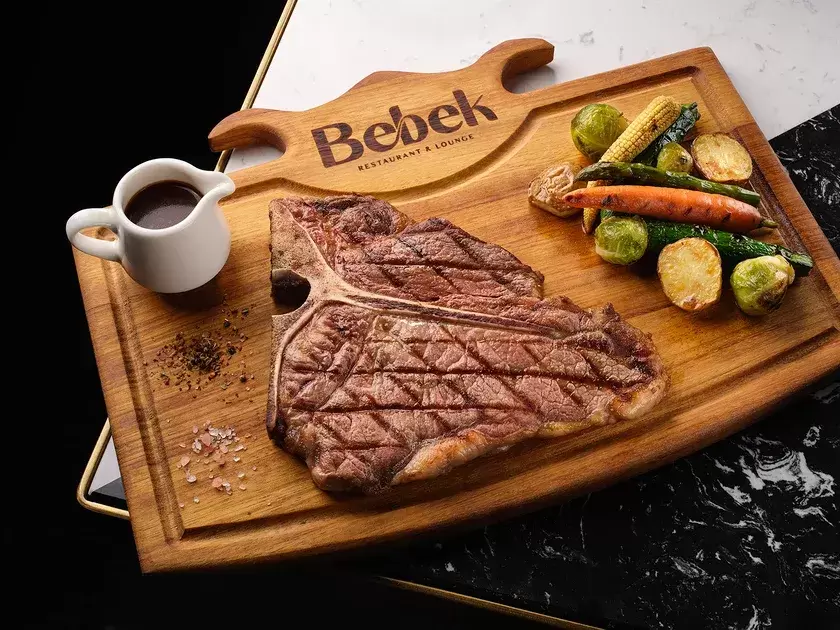
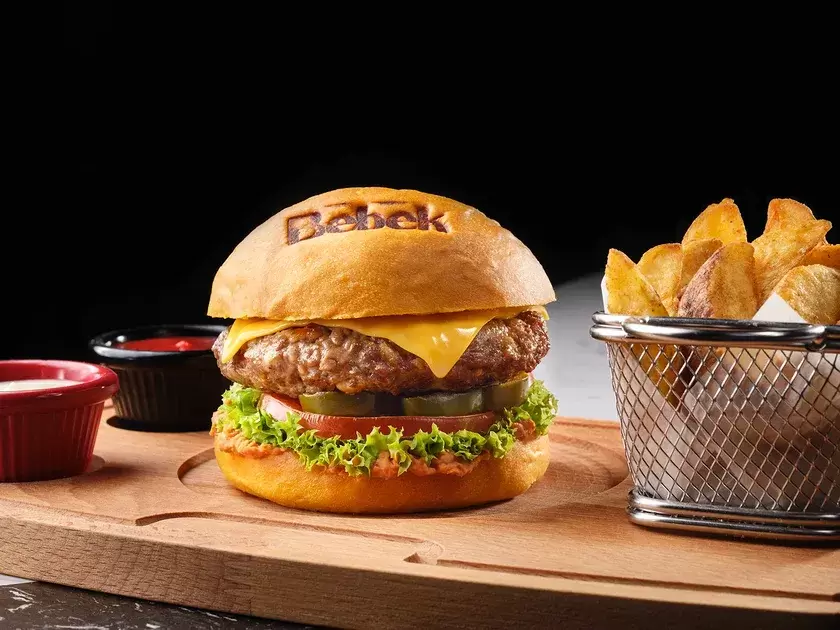
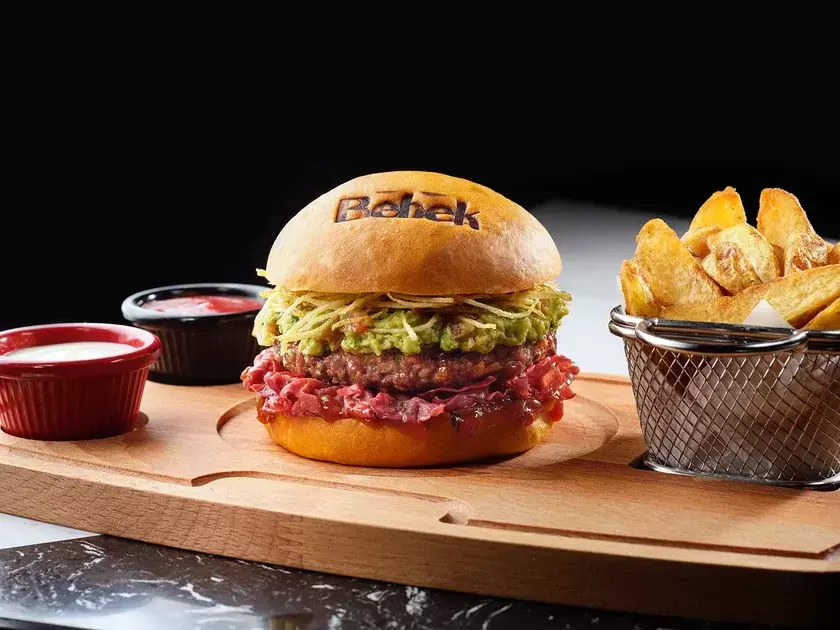
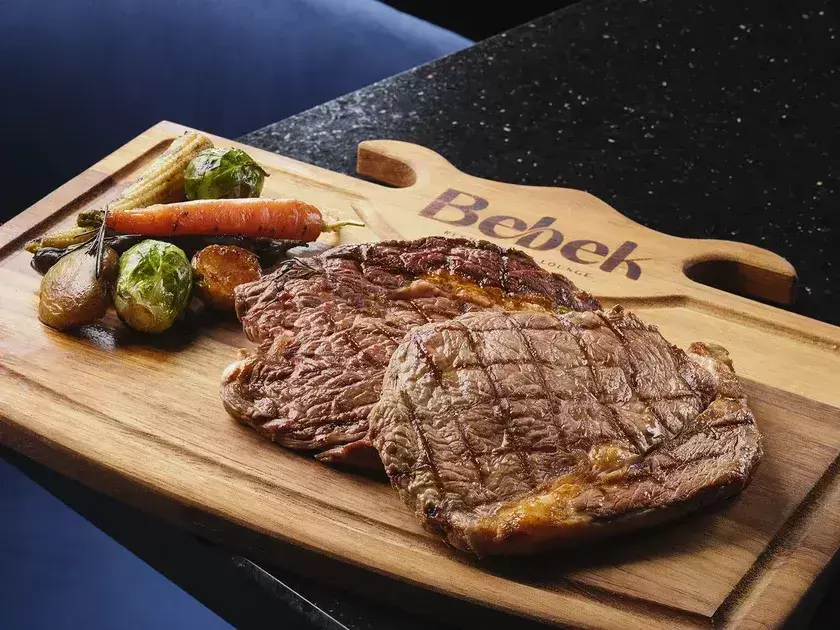
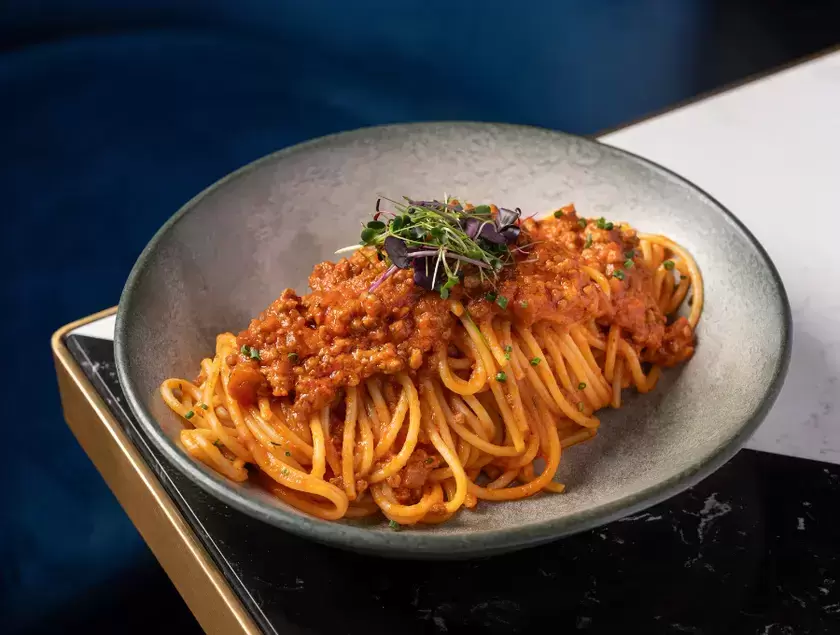
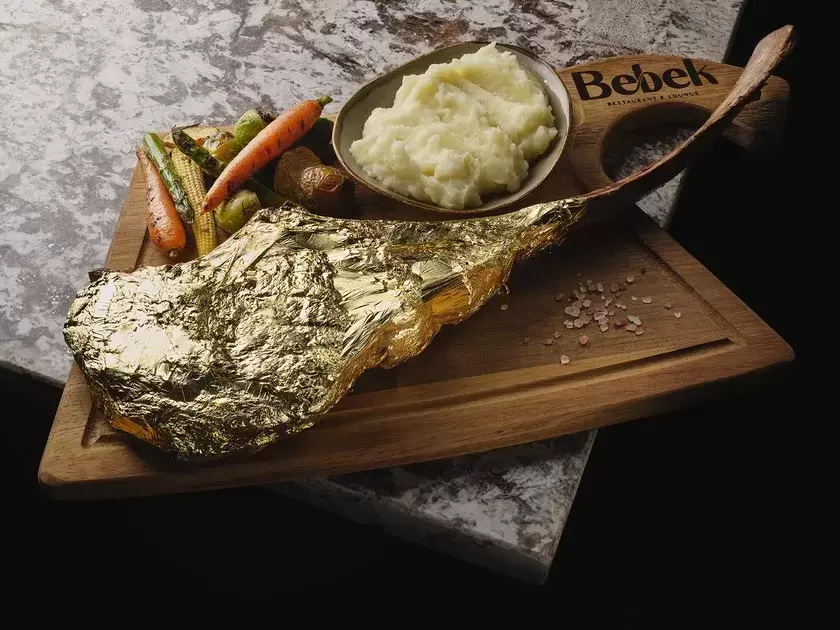
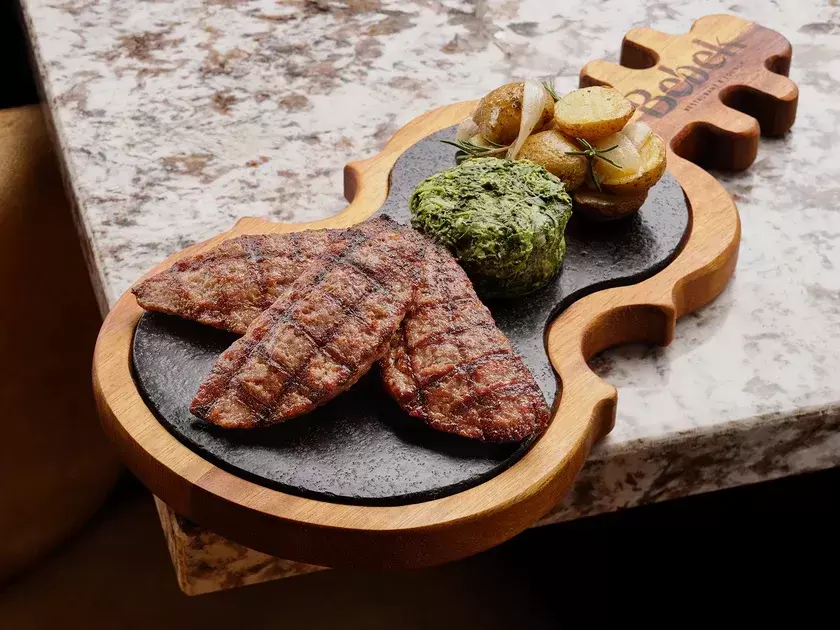
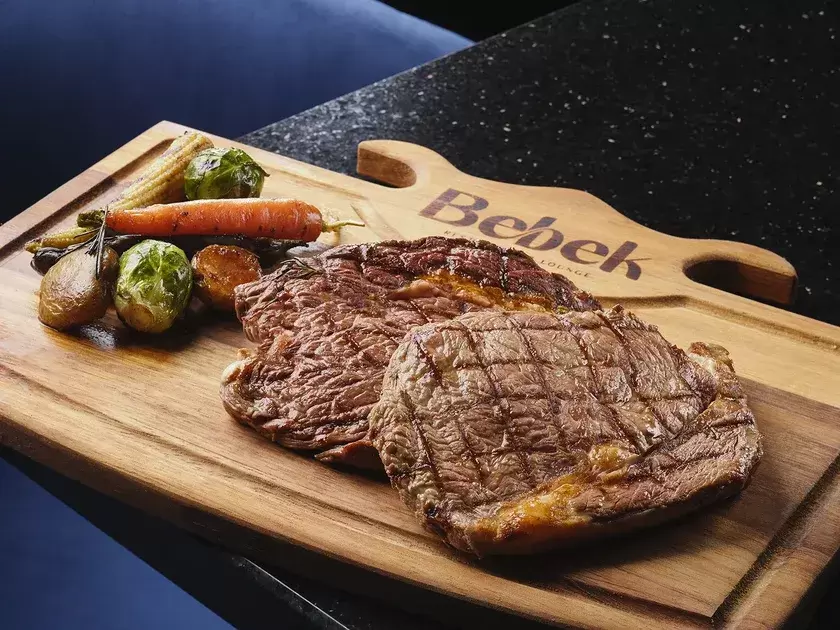
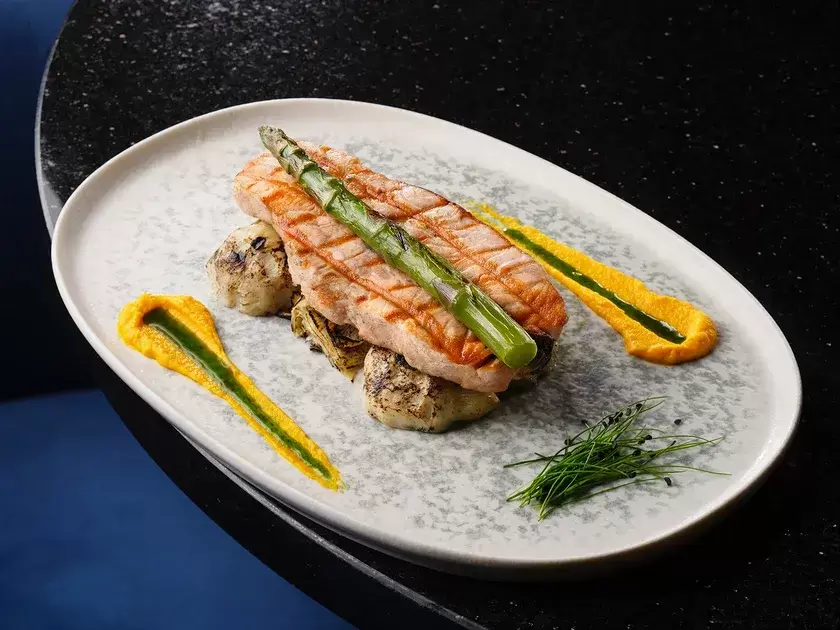
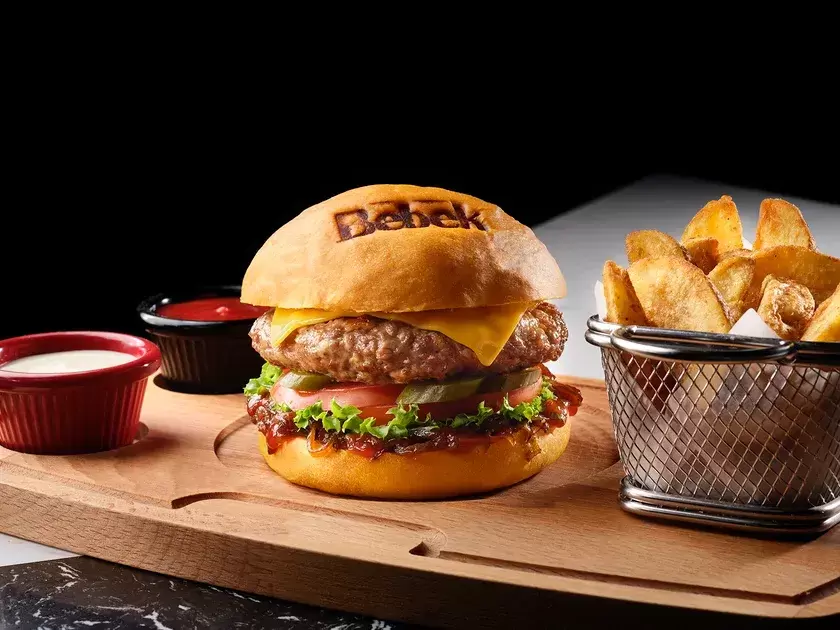
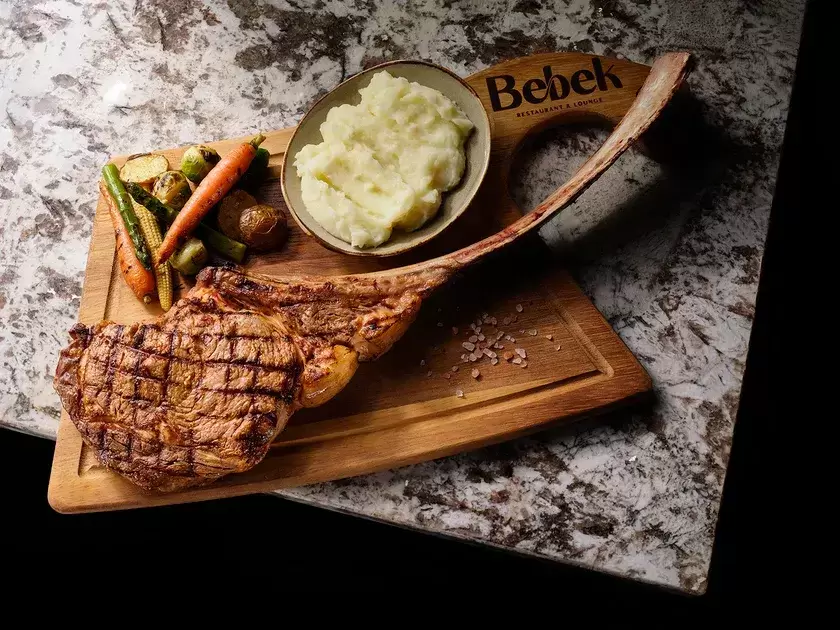
If you are searching for a Traditional Turkish foods in Dubai, Bebek restaurant & lounge should be your go-to option.
Conclusion
The traditional Turkish food is a combination of food traditions, merged with fresh ingredients, different cooking styles, and proportioned flavors.
Be it about smoky and delicious kebabs or creamy manti, to enjoy the menemen and indulgent baklava. The above-mentioned 20 dishes offer an unforgettable experience of Turkish food.
Key Takeaways
- Turkish cuisine offers an incredible variety, from grilled meats to vegetarian dishes and desserts.
- Traditional Turkish dishes balance flavors and textures, rather than relying heavily on spices.
- Trying several dishes together is the best way to experience the breadth of Turkish cuisine.
Are you ready to discover Turkish flavors in a good way? Explore the authentic Turkish dinning experience in Dubai and have your next favorite food.
FAQs
What Traditional Turkish Foods are recommended for first-timers?
If you are new to Turkish foods, you must opt for popular traditional Turkish dishes like Adana Kabab, Iskender Kebab, Pide, Lahmacun, Manti, Menemen, Kofte, and Baklava.
What are preferred traditional Turkish Dishes for Breakfast?
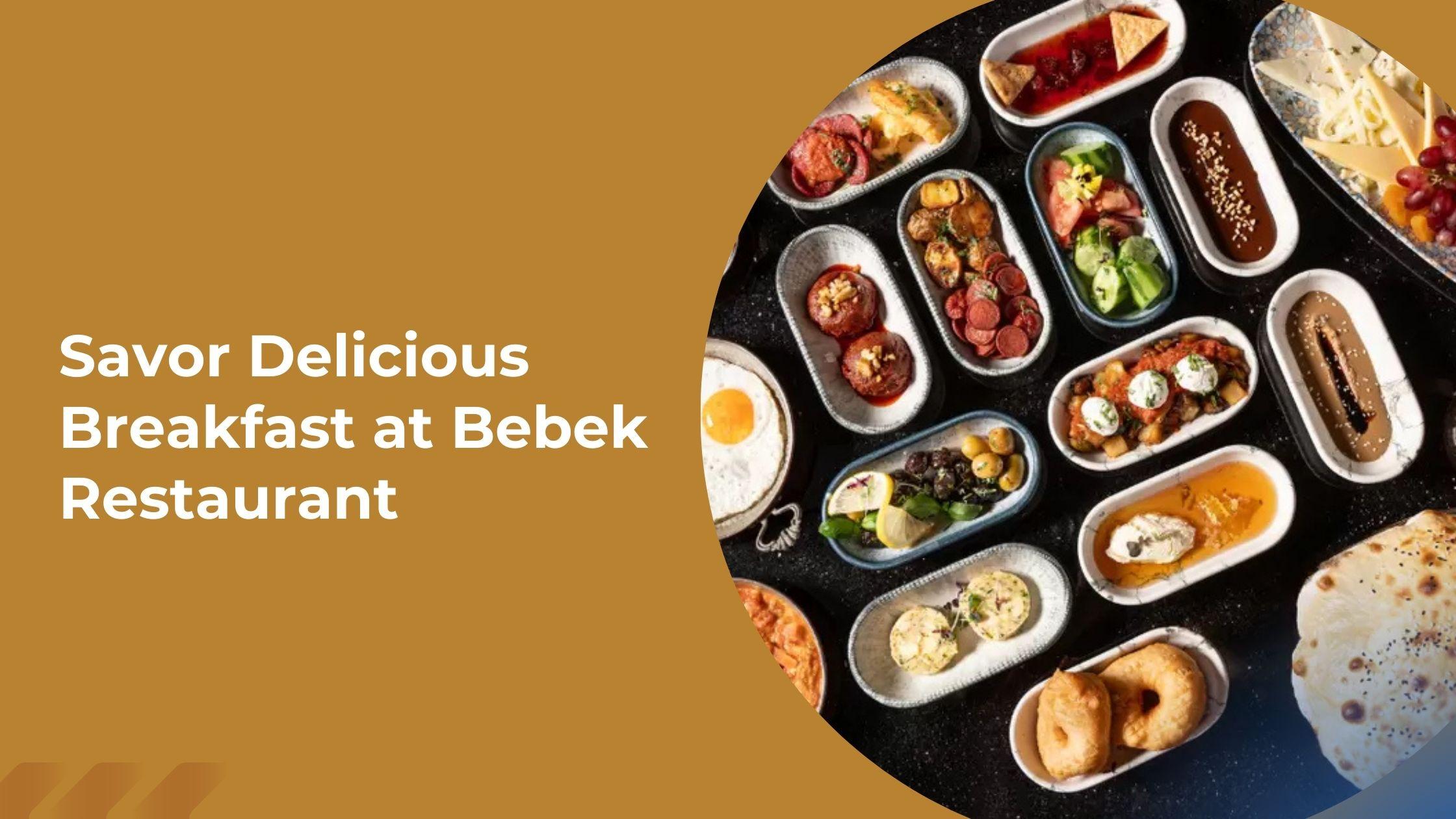
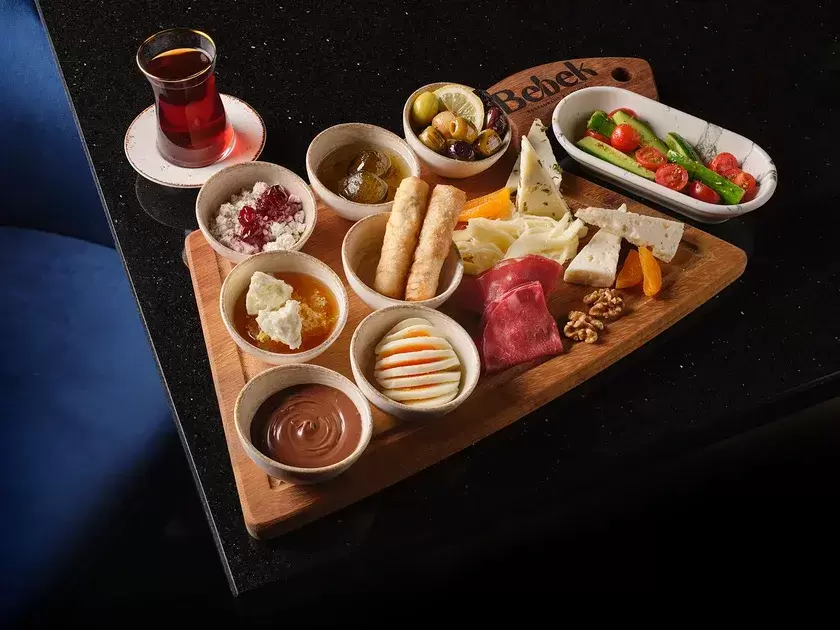
For breakfast, you can go with world famous menemen, cilber, gozleme,a nd variety of breads, cheeses, olives, and spreads are well-known options in breakfast.
Do traditional Turkish dishes come with spicy flavors?
Well, most of the traditional Turkish dishes are extremely spicy. Adana kabab is a spicy option. However, manti and meneman usually come with little spices.