
15 Sep 2026
Not Just Kebabs: The Dishes That Reveal the Real Turkish Kitchen
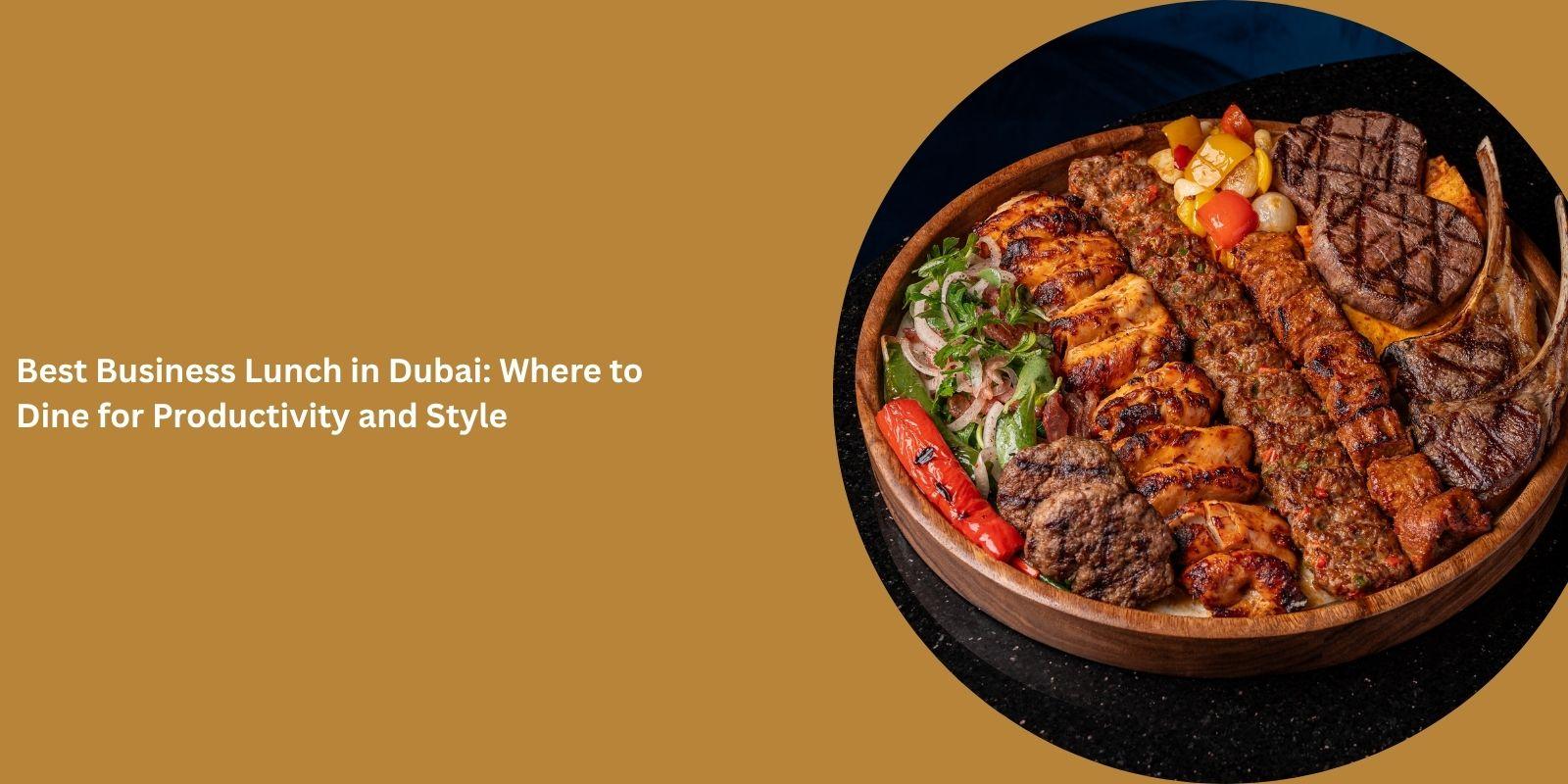
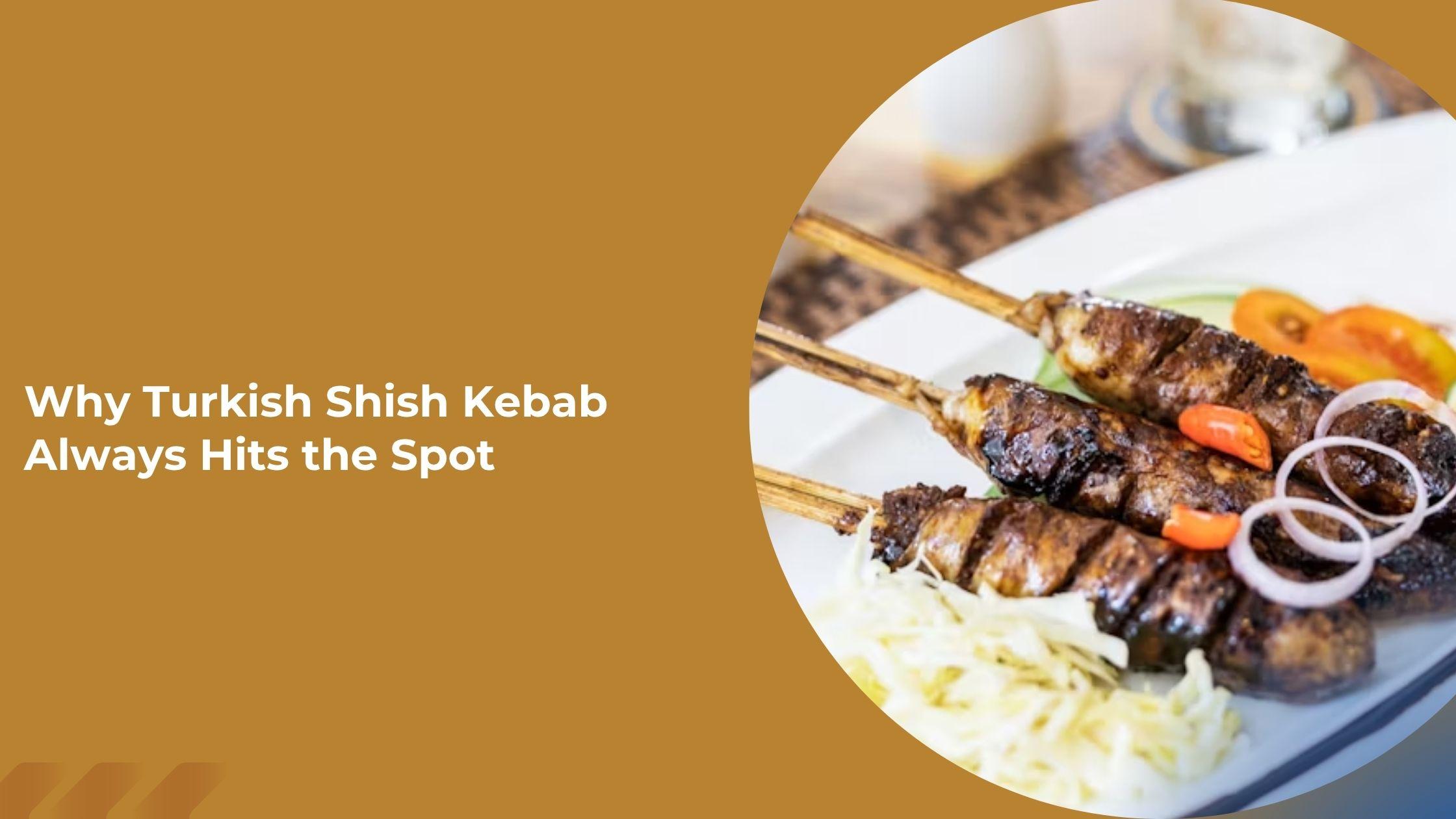
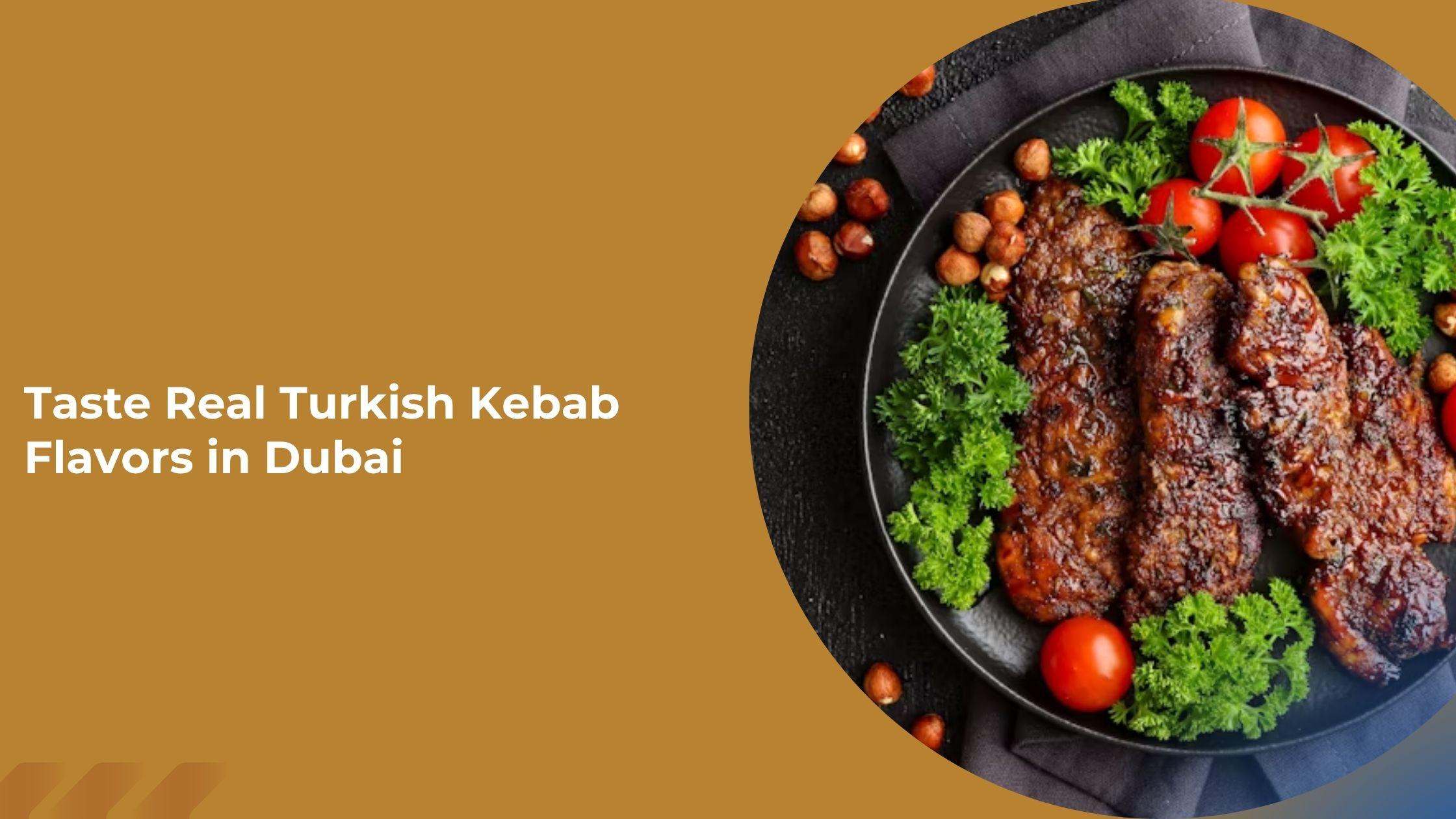
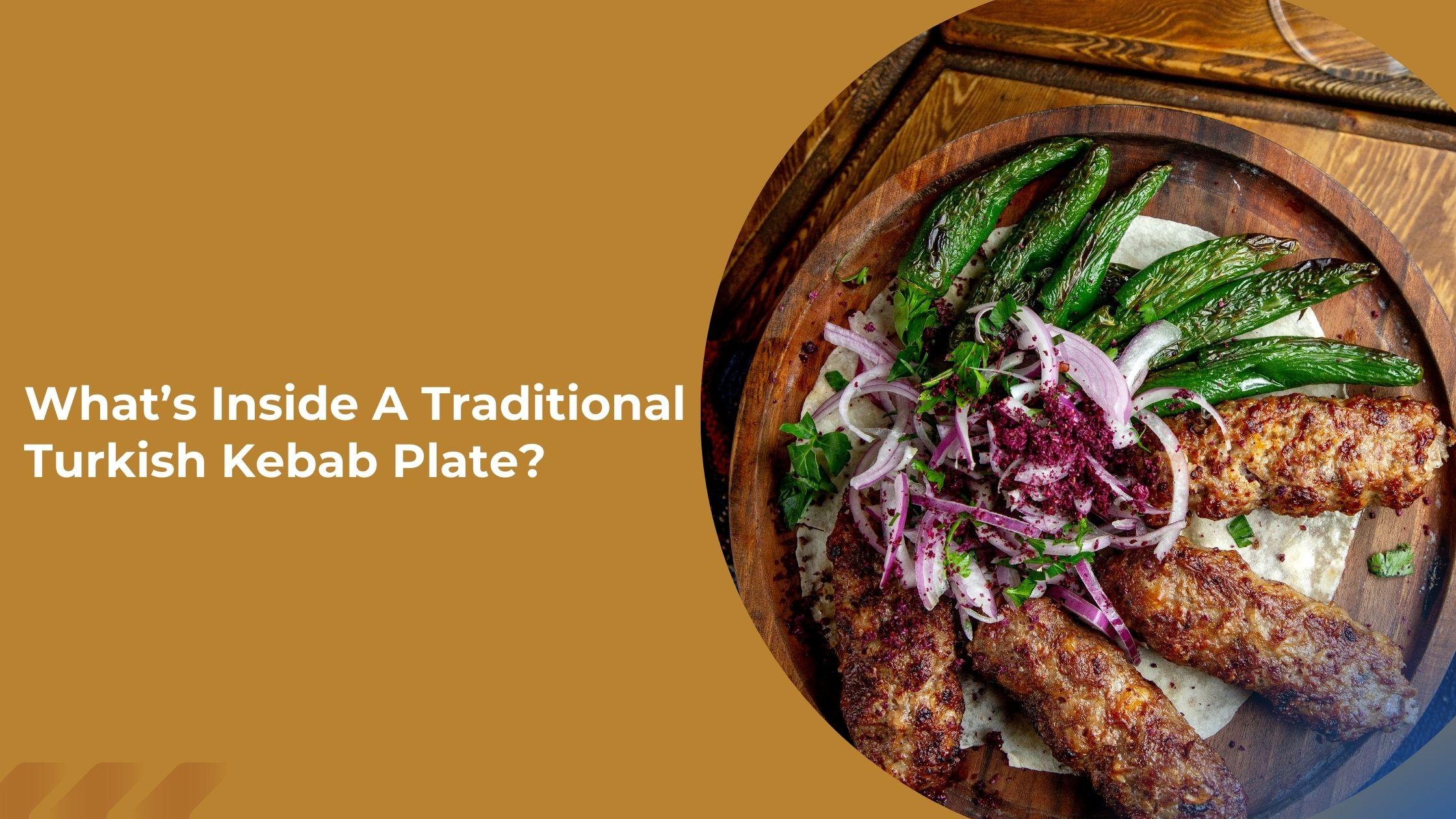
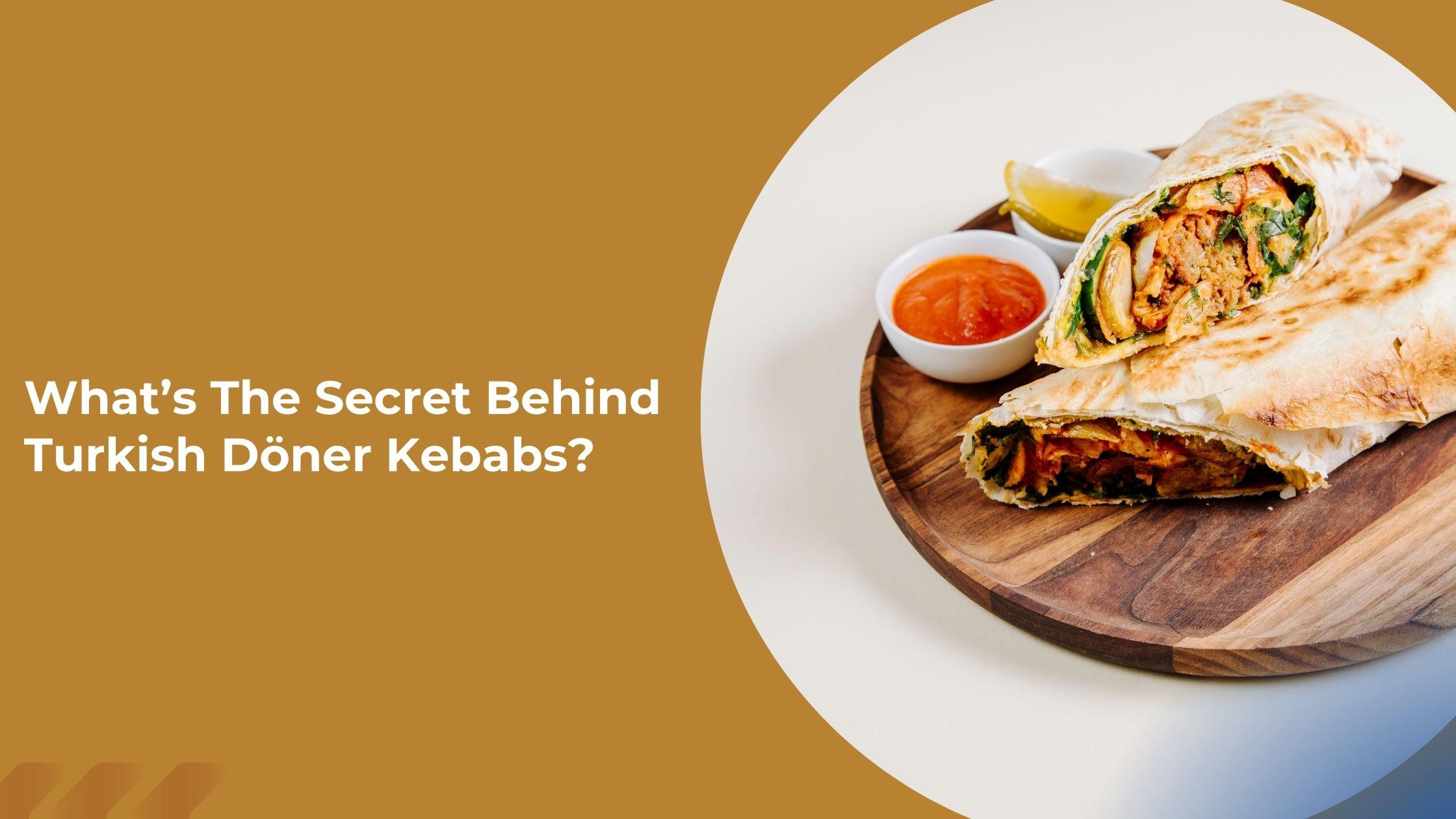
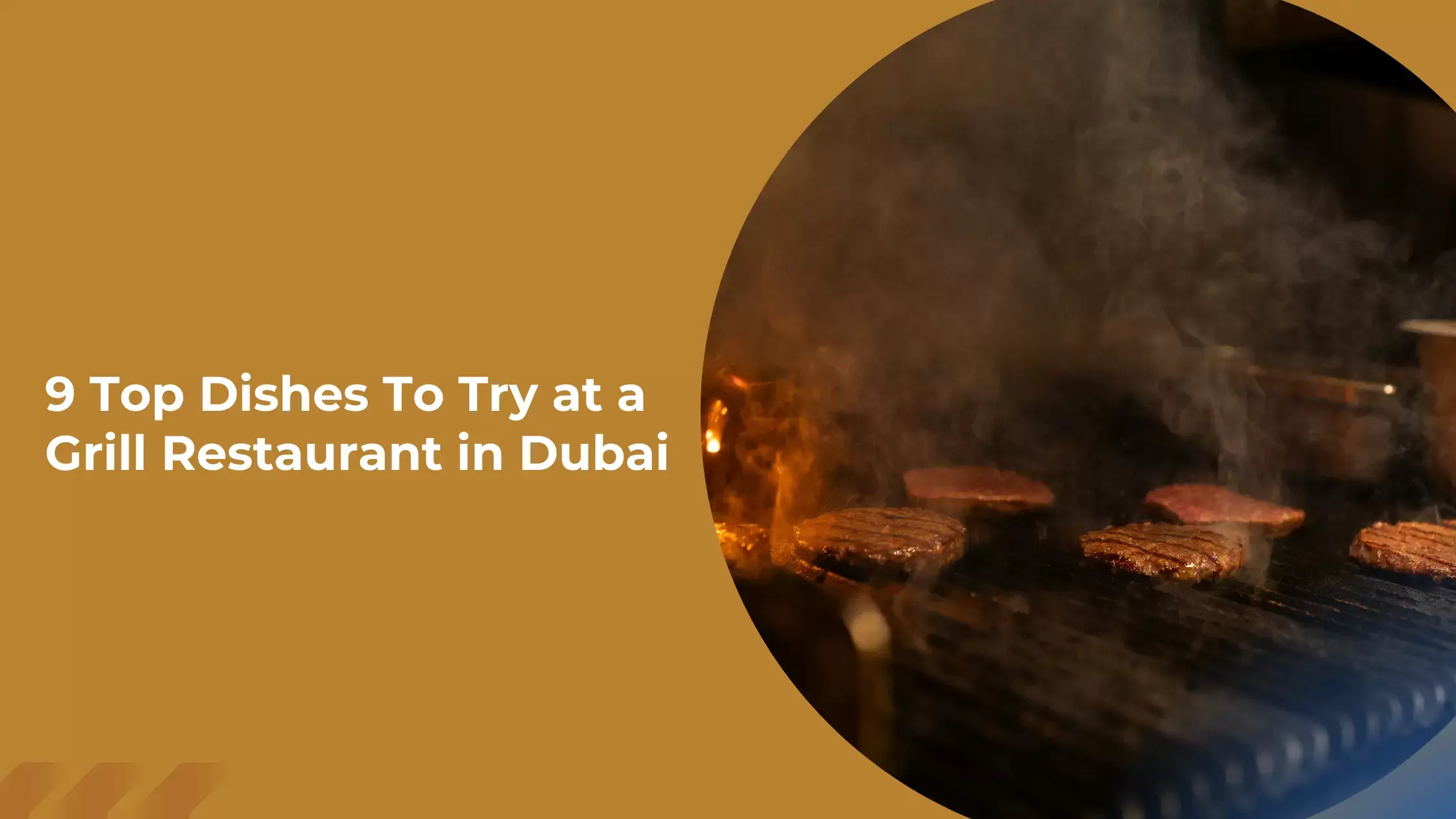
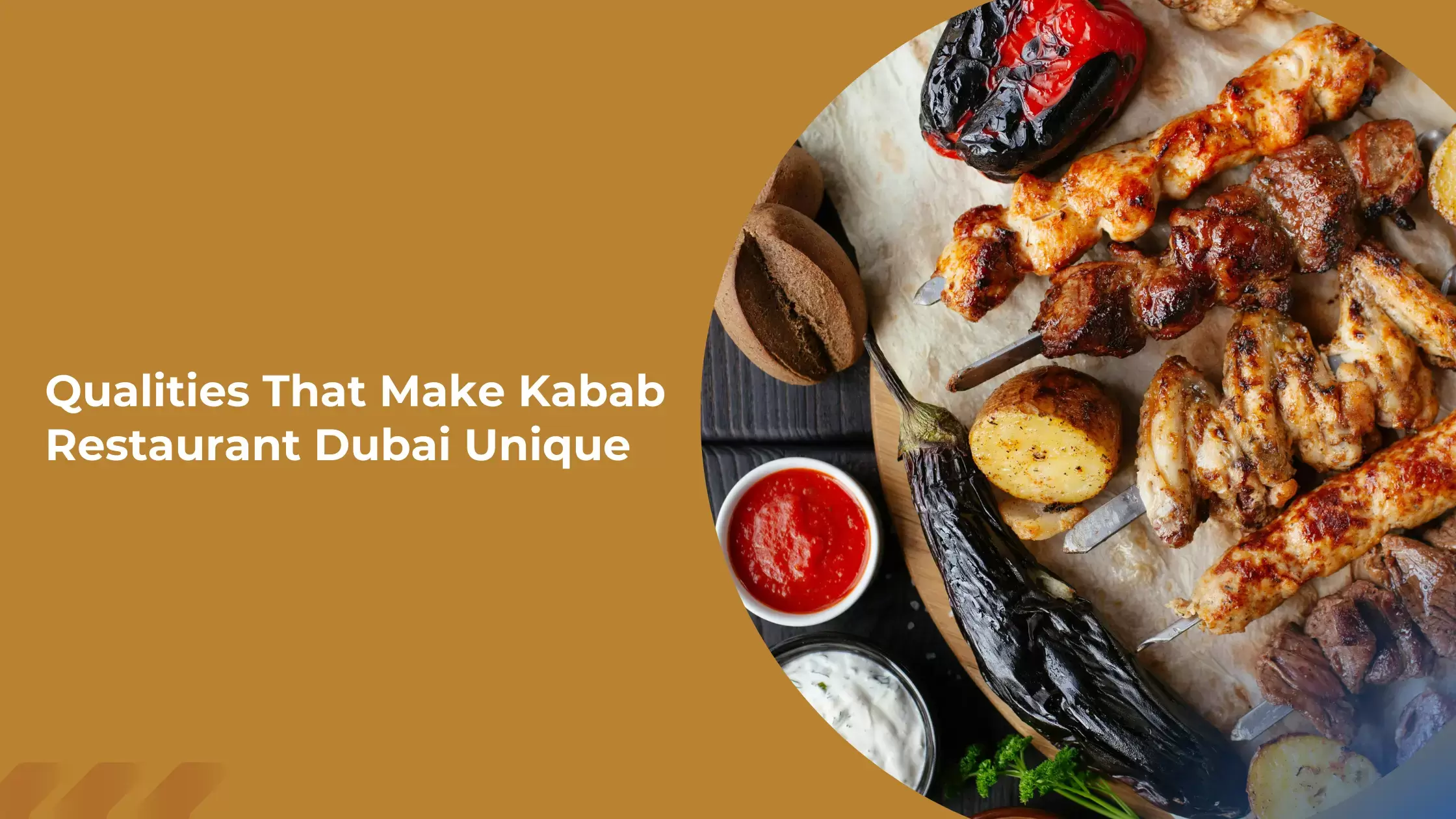
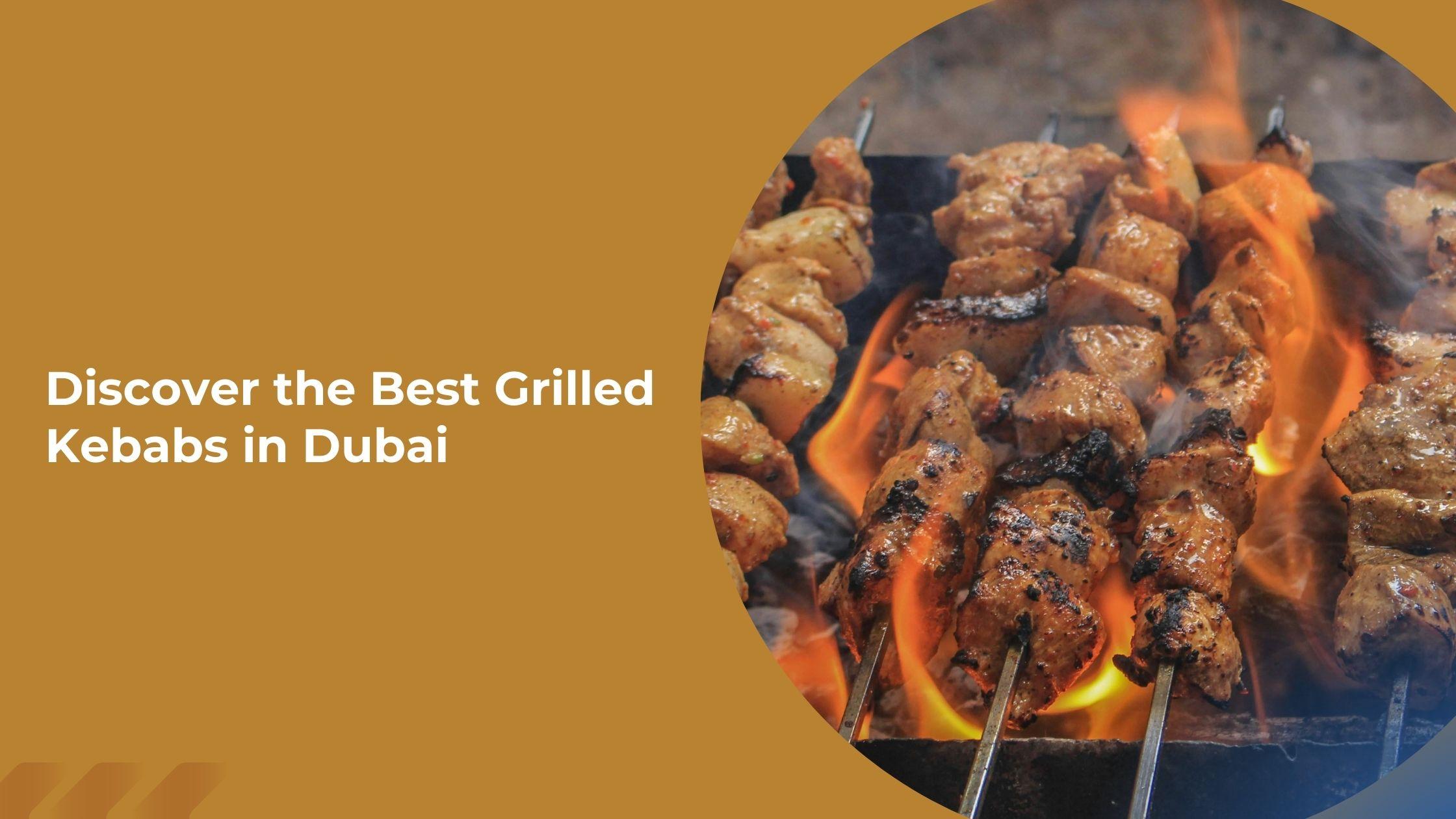
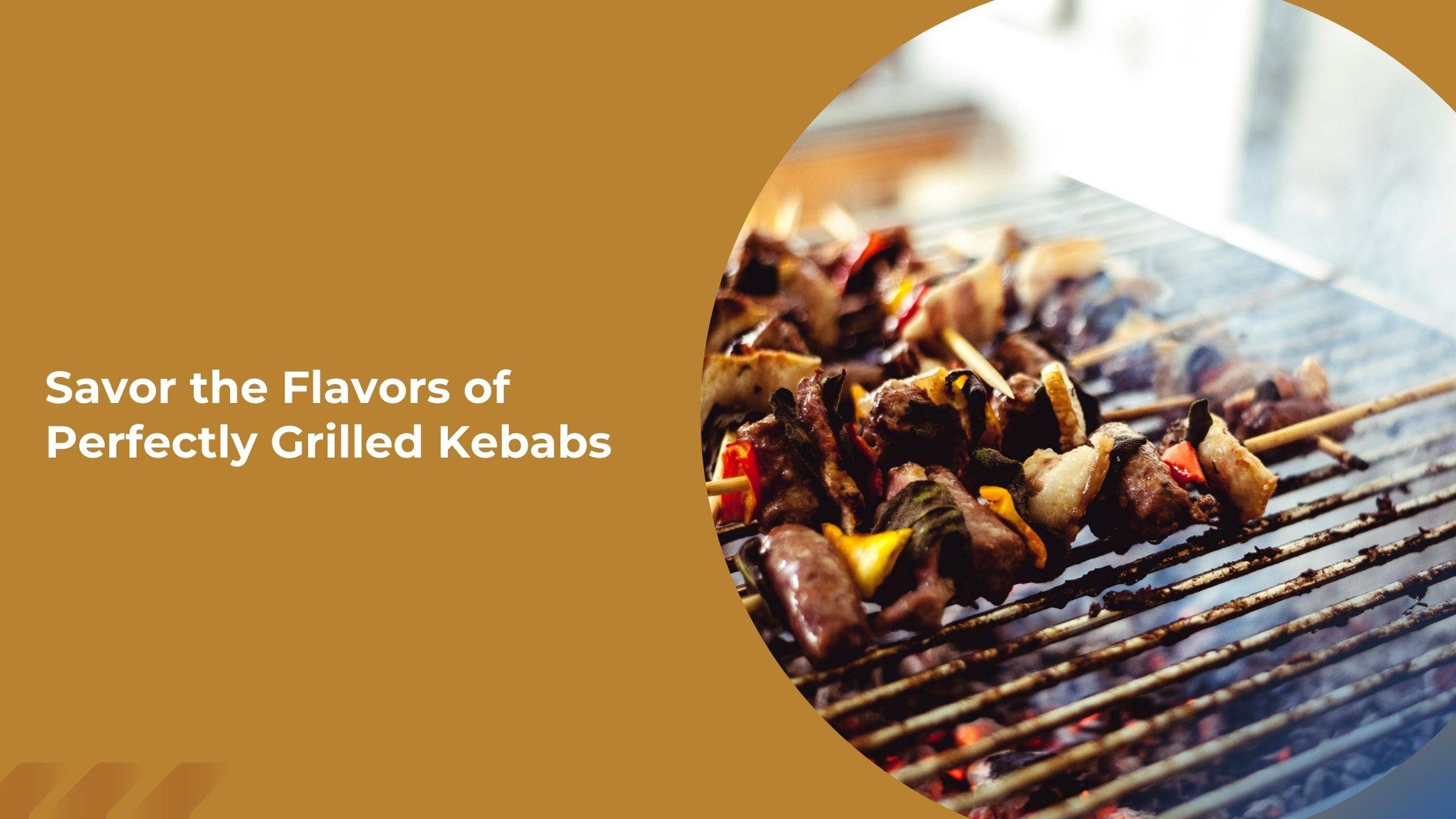
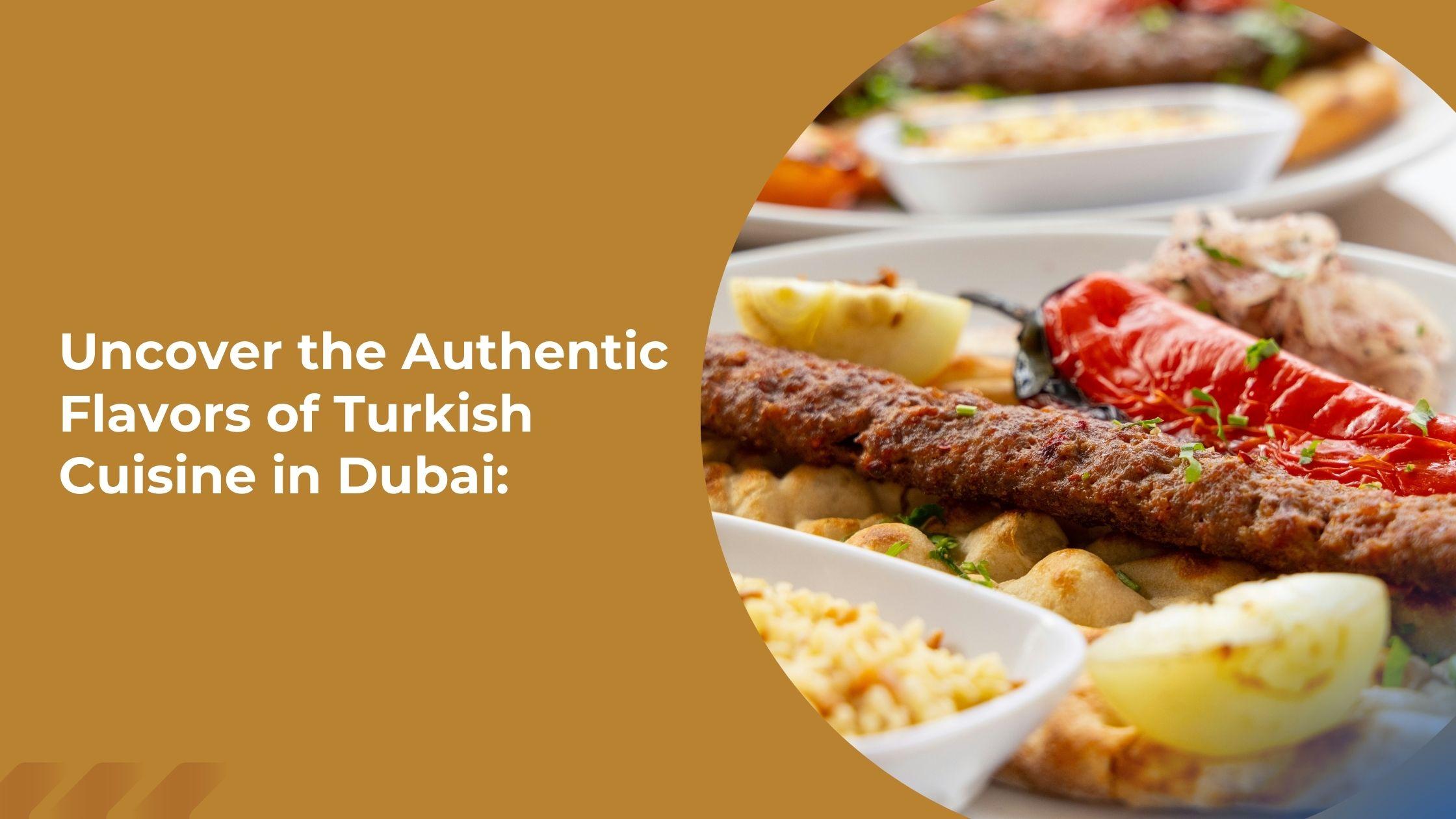
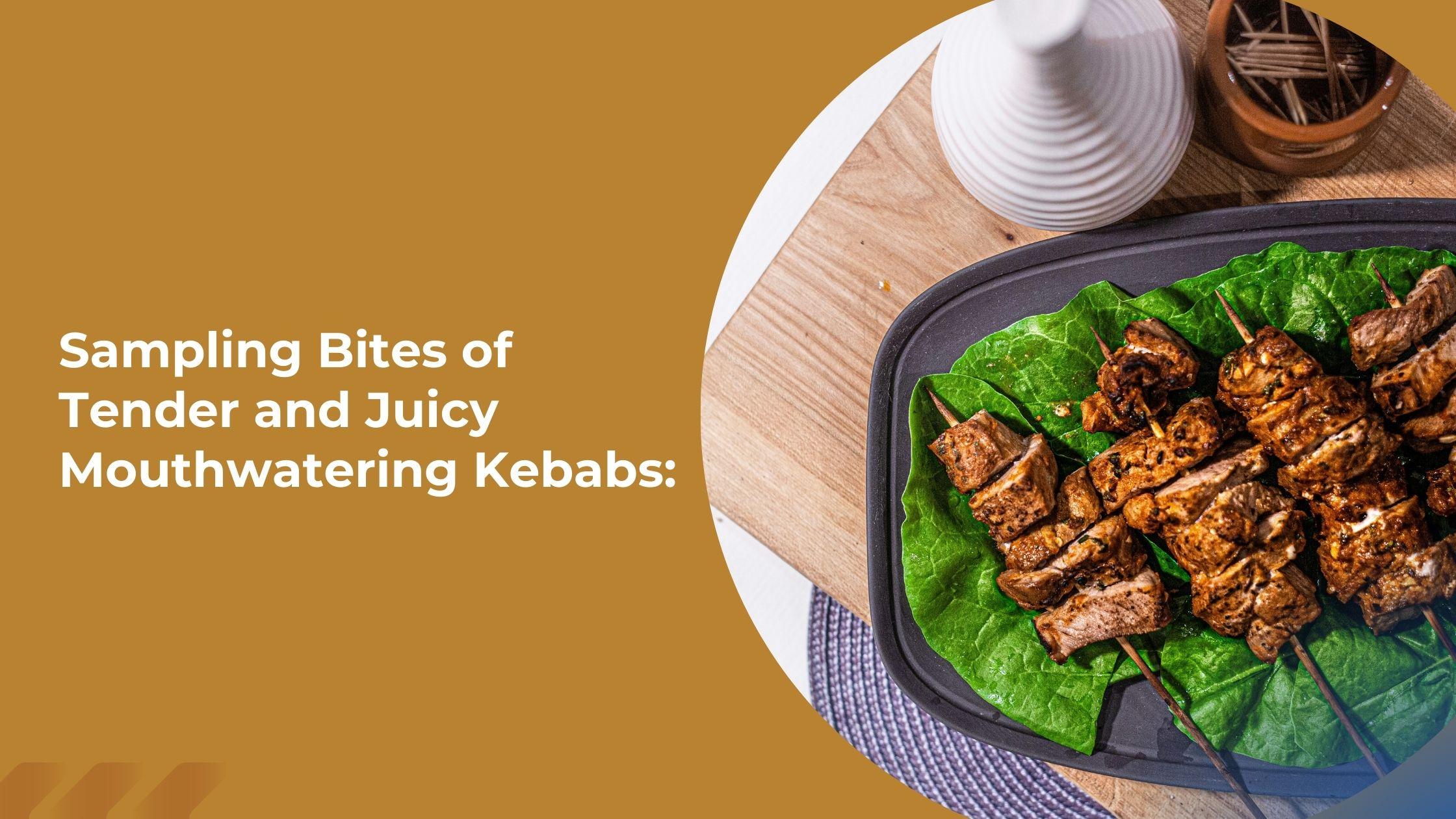
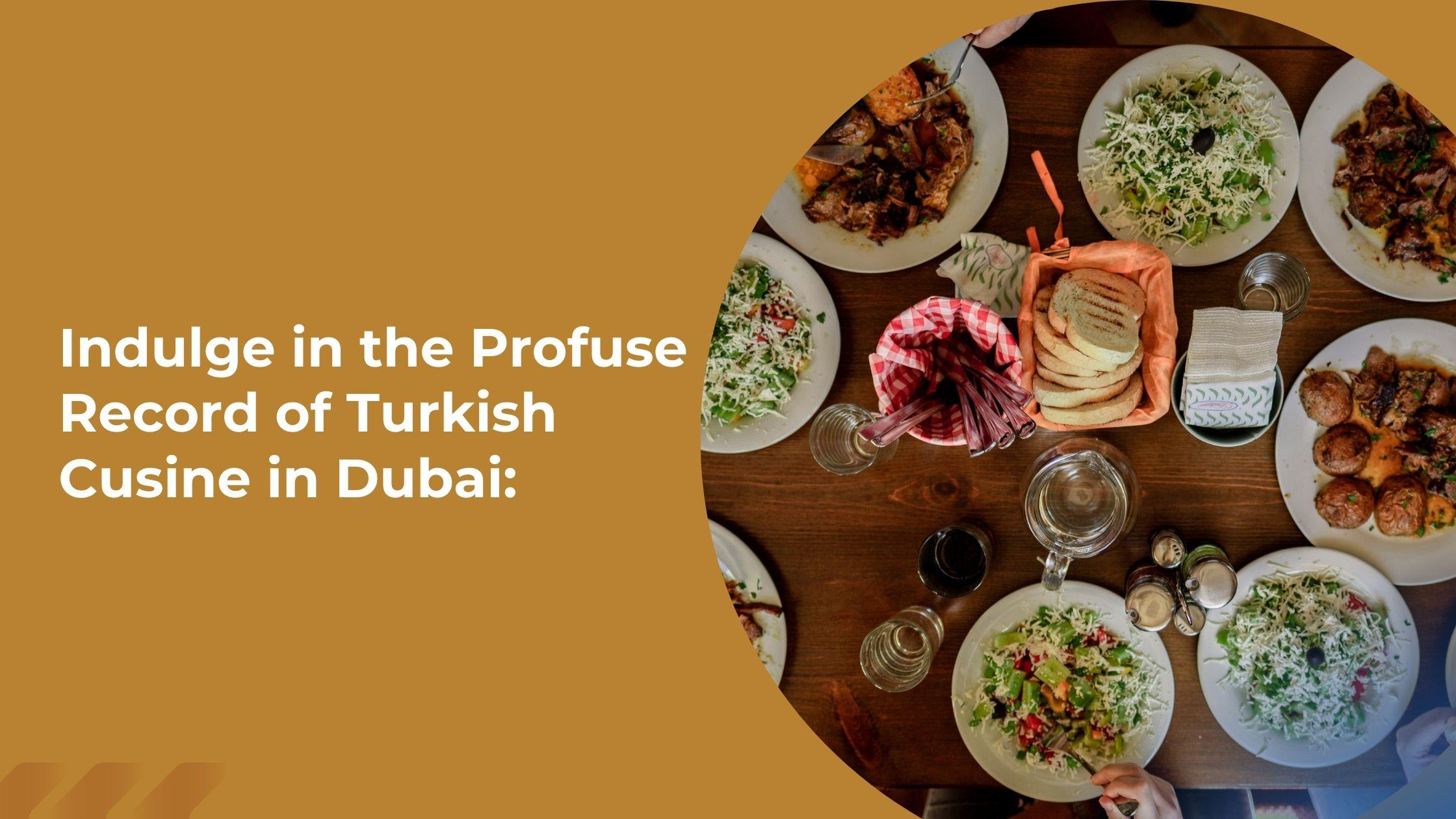
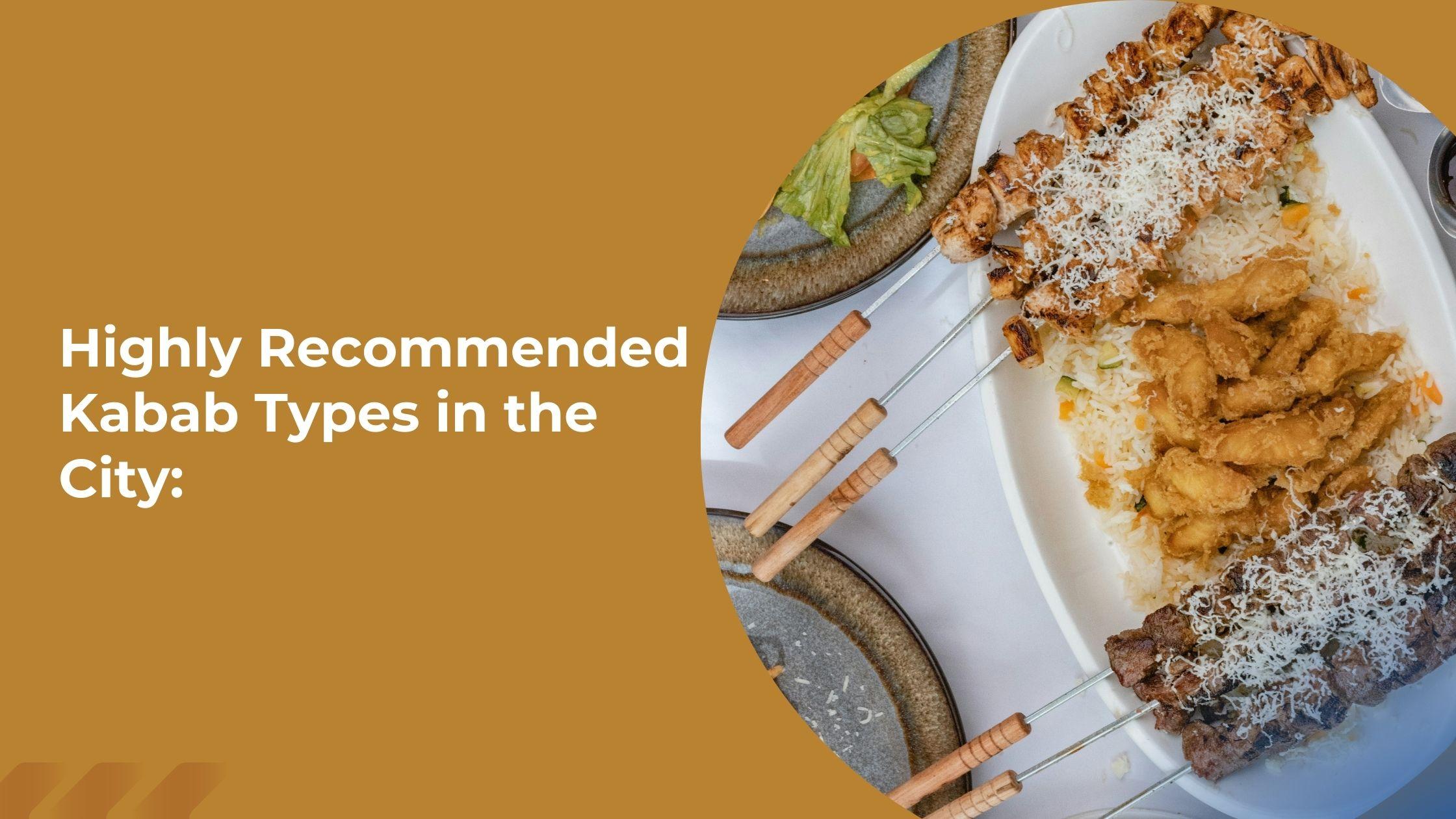
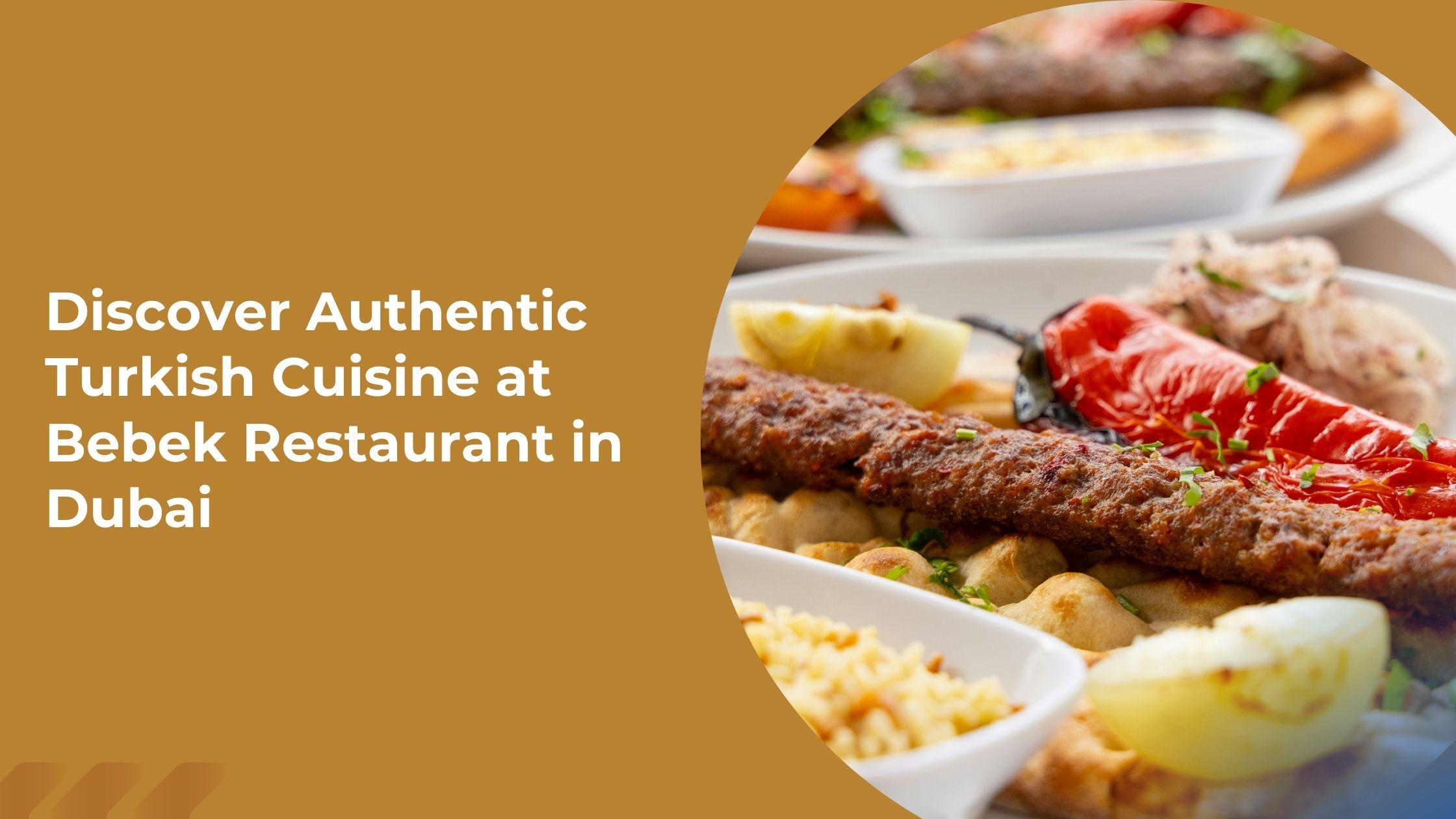
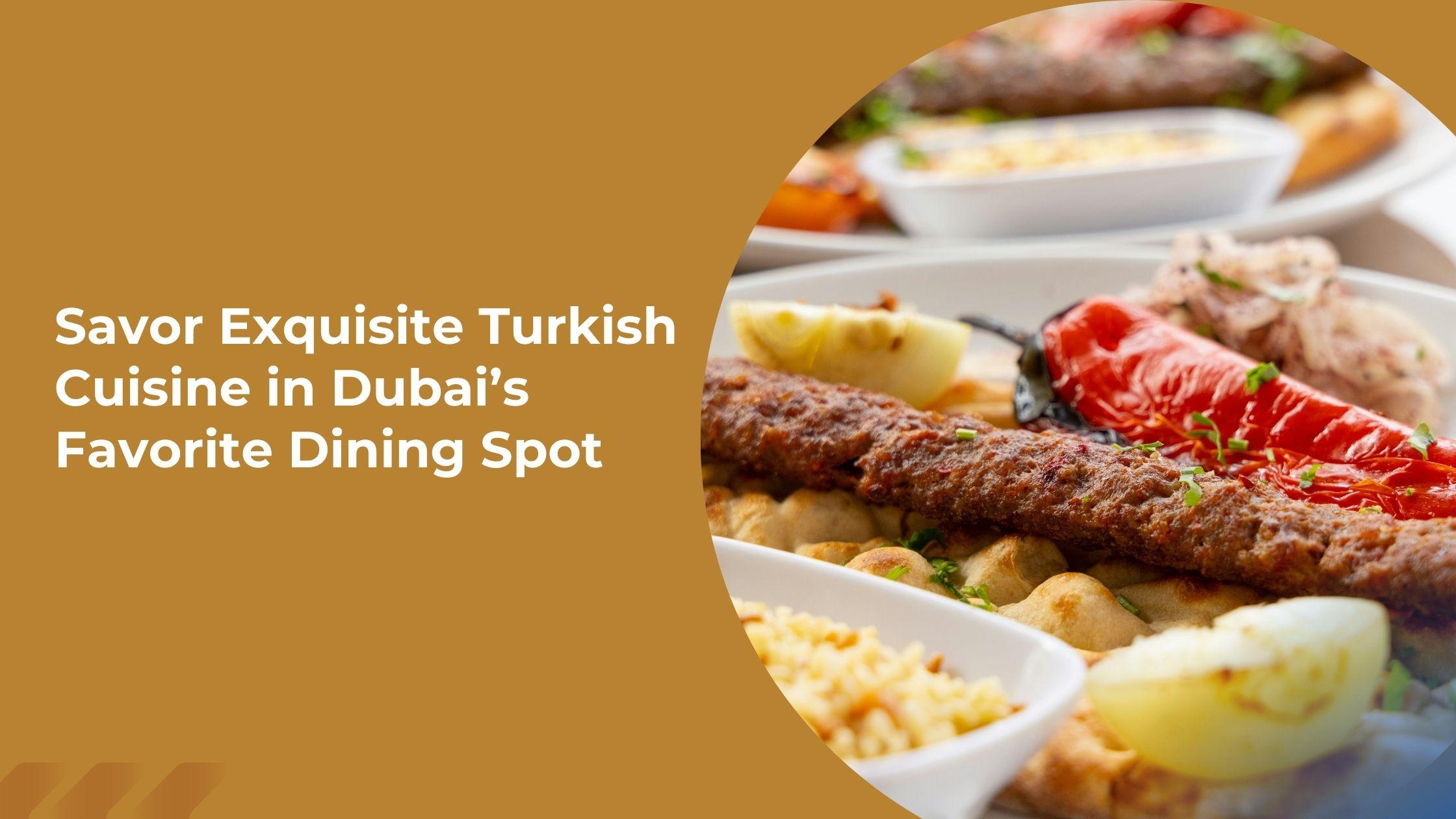
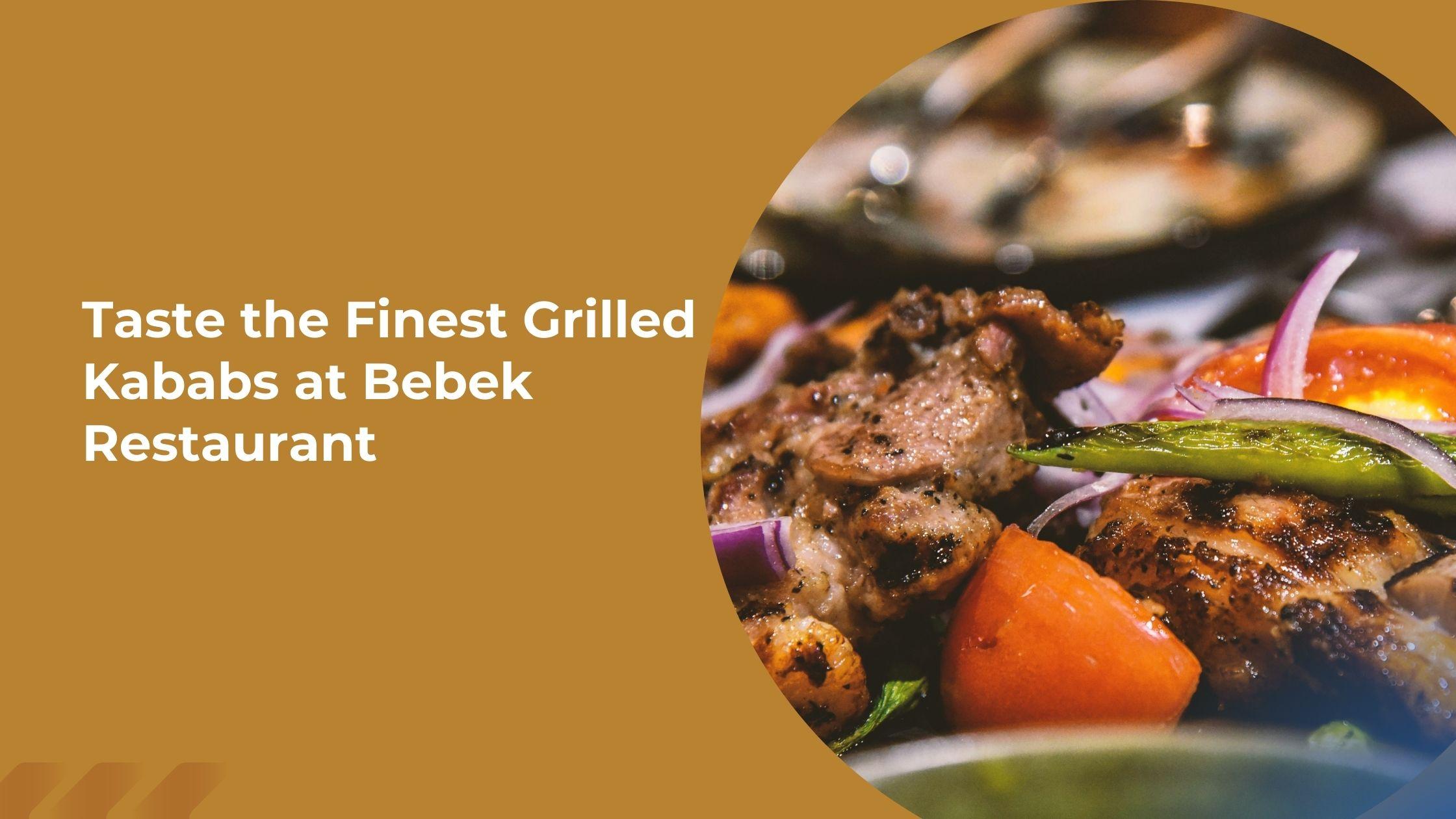
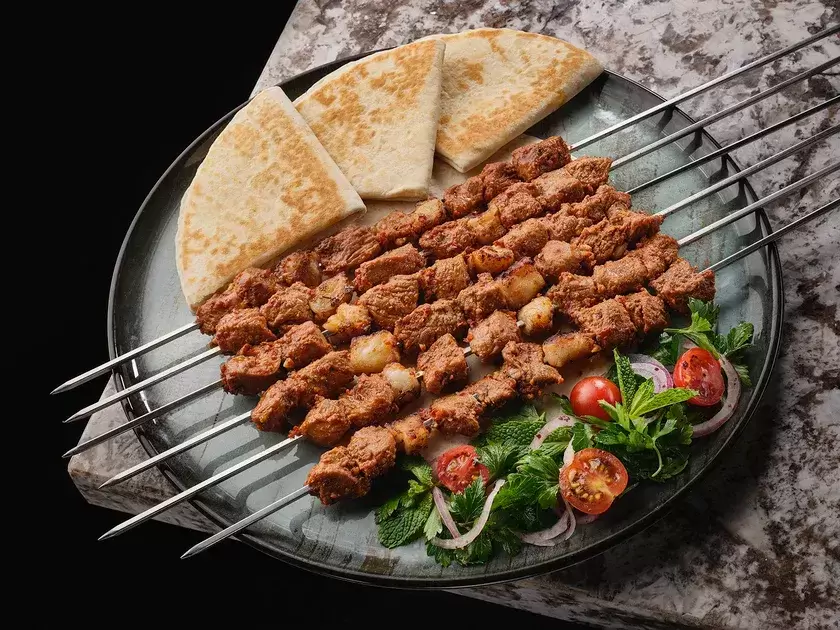
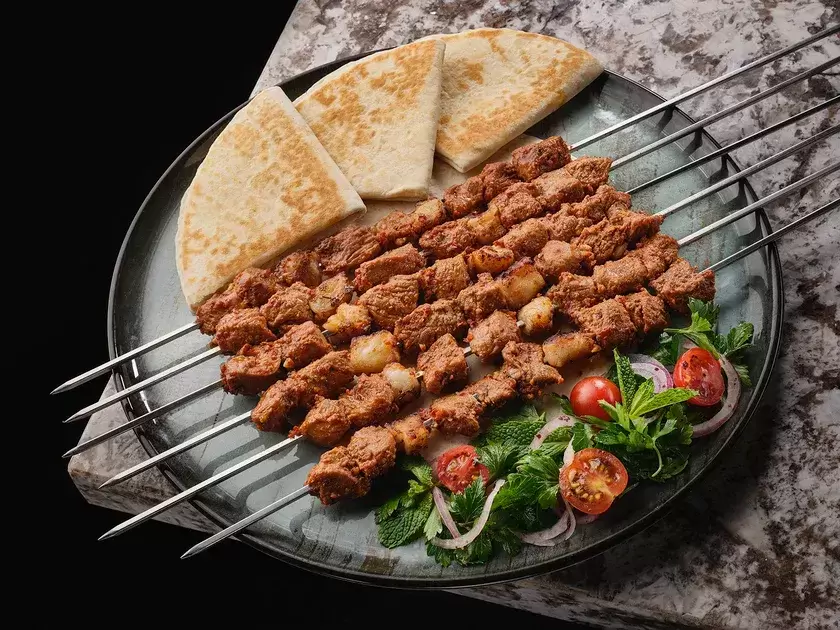
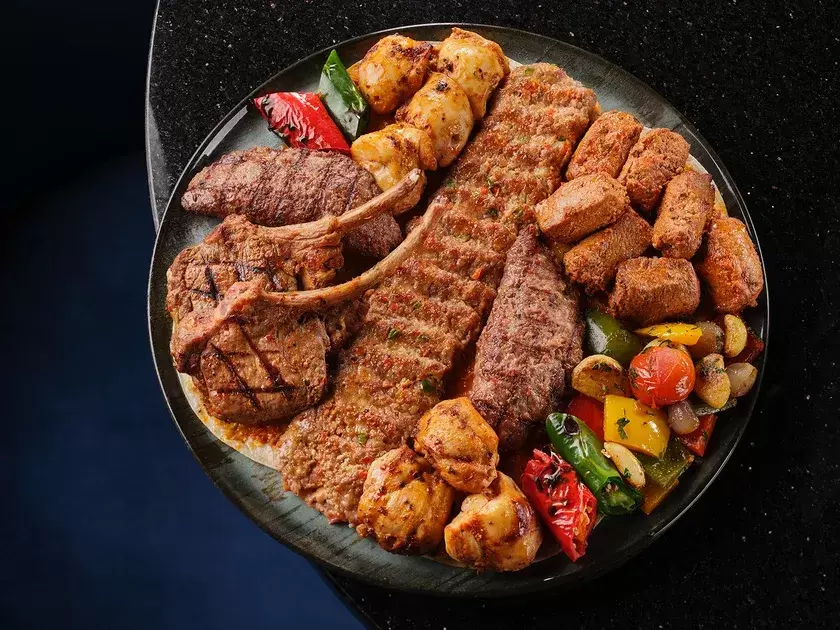
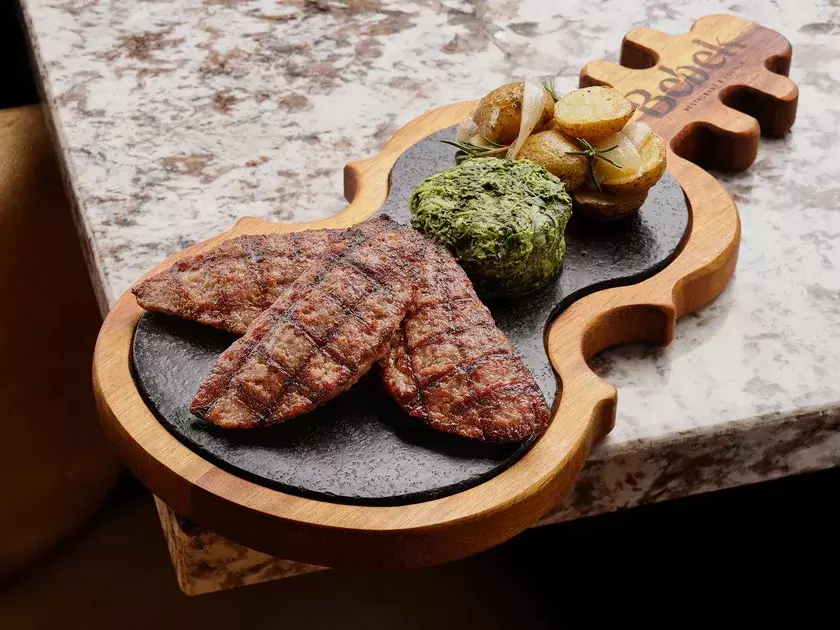
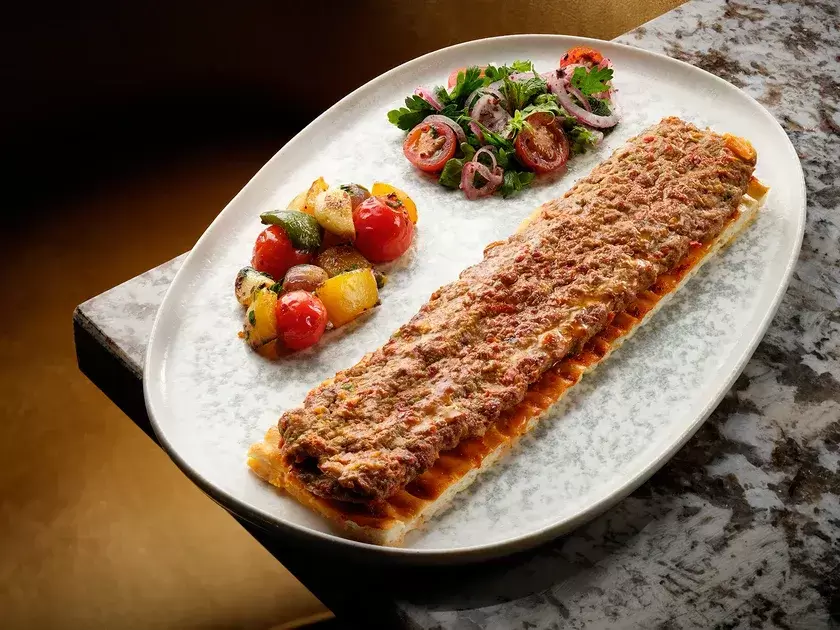
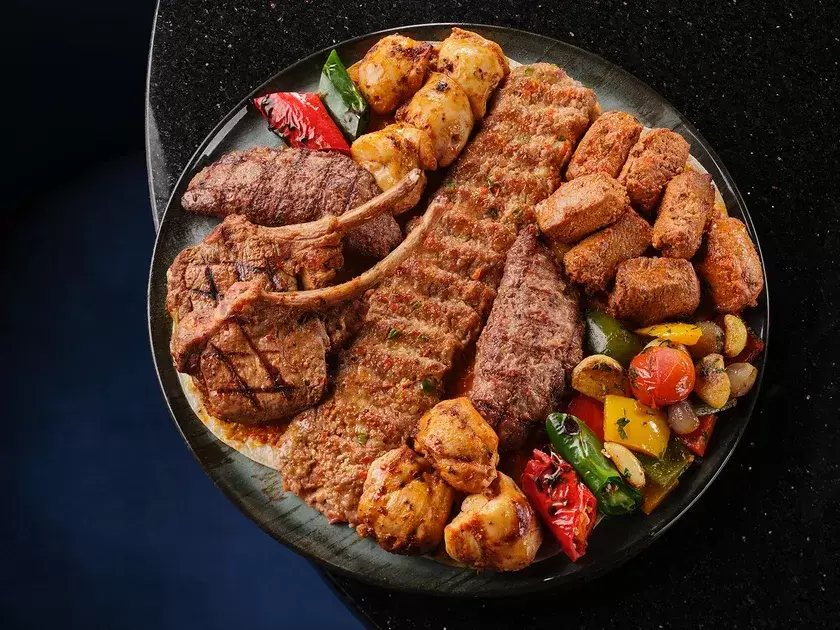
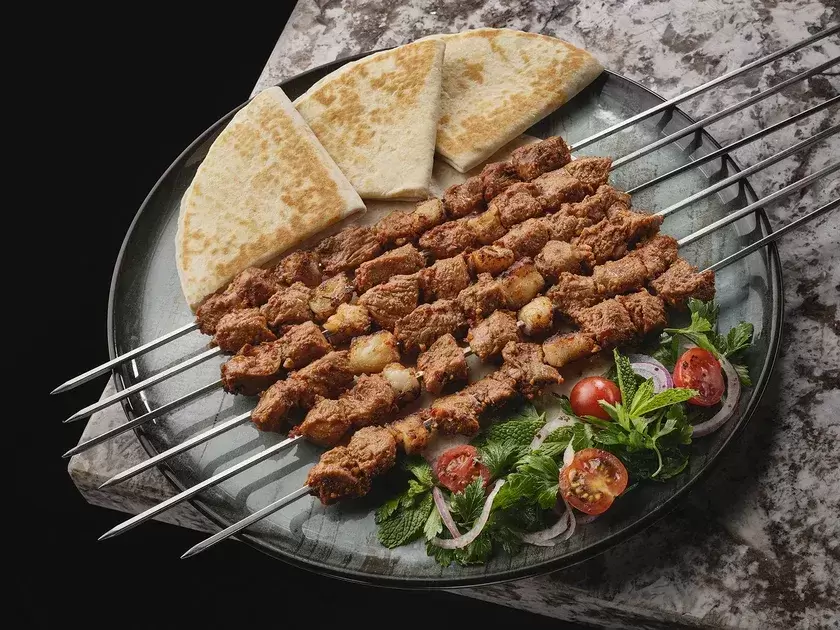
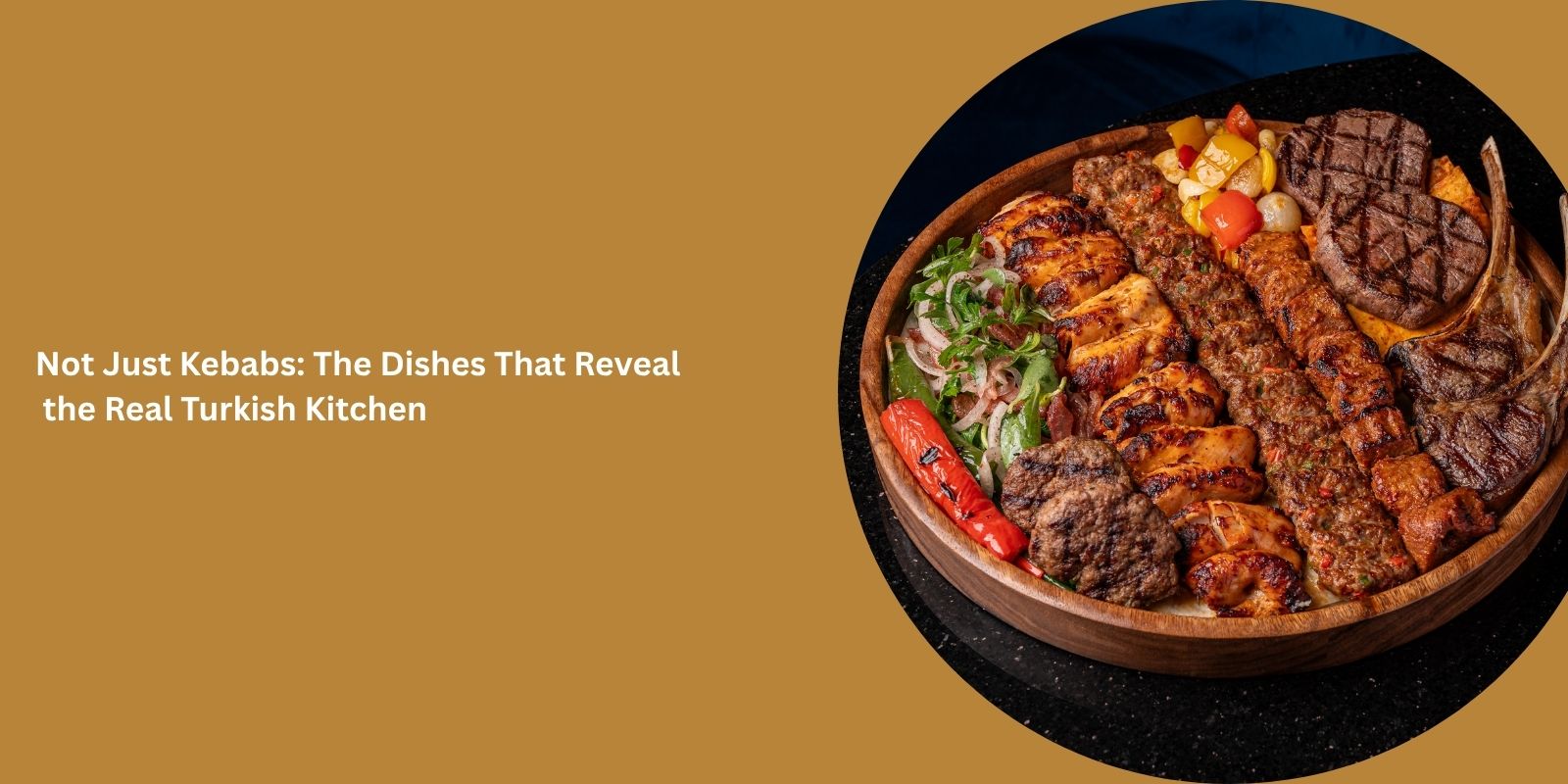
Many of you might have a thought of Kebabs, doner, or maybe baklava, when it comes to authentic Turkish food. But the truth is, it is far more than just grilling.
This comprises the delicious dumplings, vegies cooked in pure olive oil, creamy meze, handmade pastries, breads, mouthwatering soups, rice, and many more desserts.
If you are discerning of authentic Turkish food, you could begin with the dishes that reveal how varied the cuisine really is.
If you are thinking of having some authentic Turkish Food, start with the dishes that actually reveal how vast the cuisine is.
Turkish Cuisine Is More Than Meat on the Grill
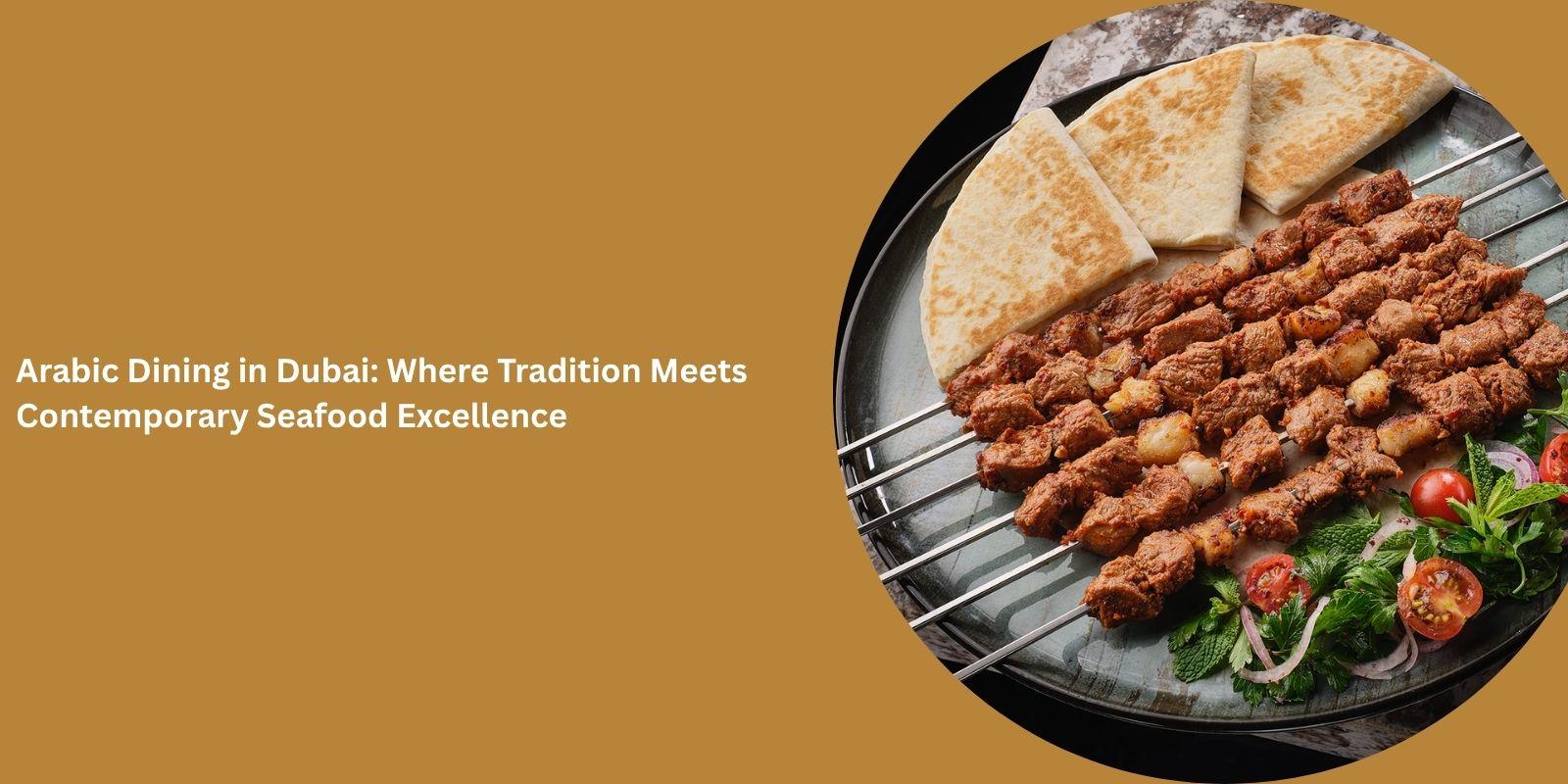
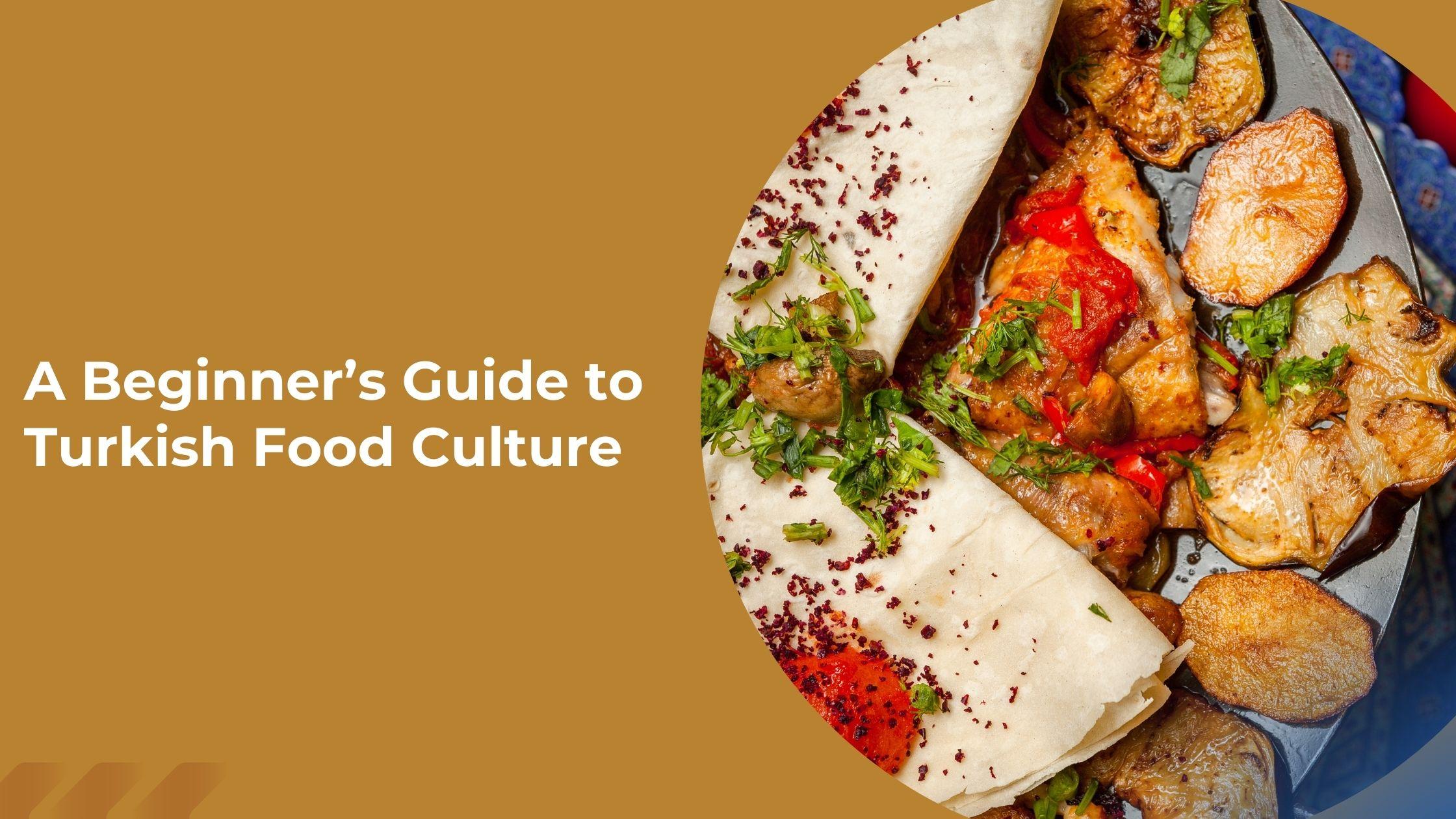
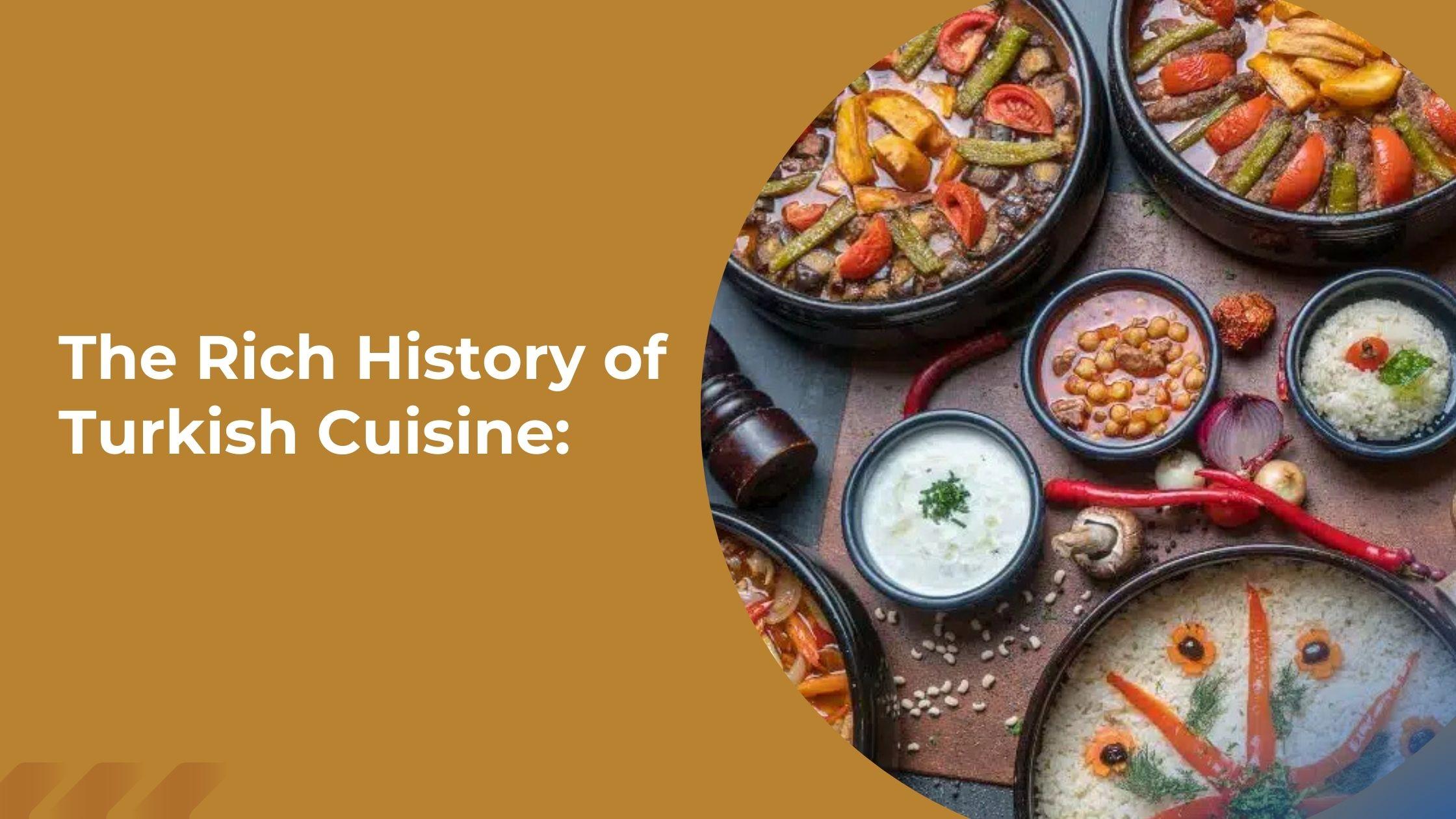
Kebabs are the most important part of Turkish cuisine, but they’re not limited to kebabs only. Turkish food is evolving dramatically from one region to another. The Aegean known for olive oils, herbs, and vegetables. Anatolian cooking can bring grains, legumes, yogurt, and slowly –cooked dishes to the table. Coastal regions has specialties for their seafood, while pastry, meat, and dairy play major roles across other regions.
Turkey has a strong cultural influence, which could be experienced in the small plates before the main course comes. Breads and yogurt offer freshness, and herbs offer rich flavors. Species used just for the flavors rather than overwhelming them. That balance is what makes traditional Turkish dishes so distinctive.
1. Mantı Shows the Craft Behind Turkish Cooking
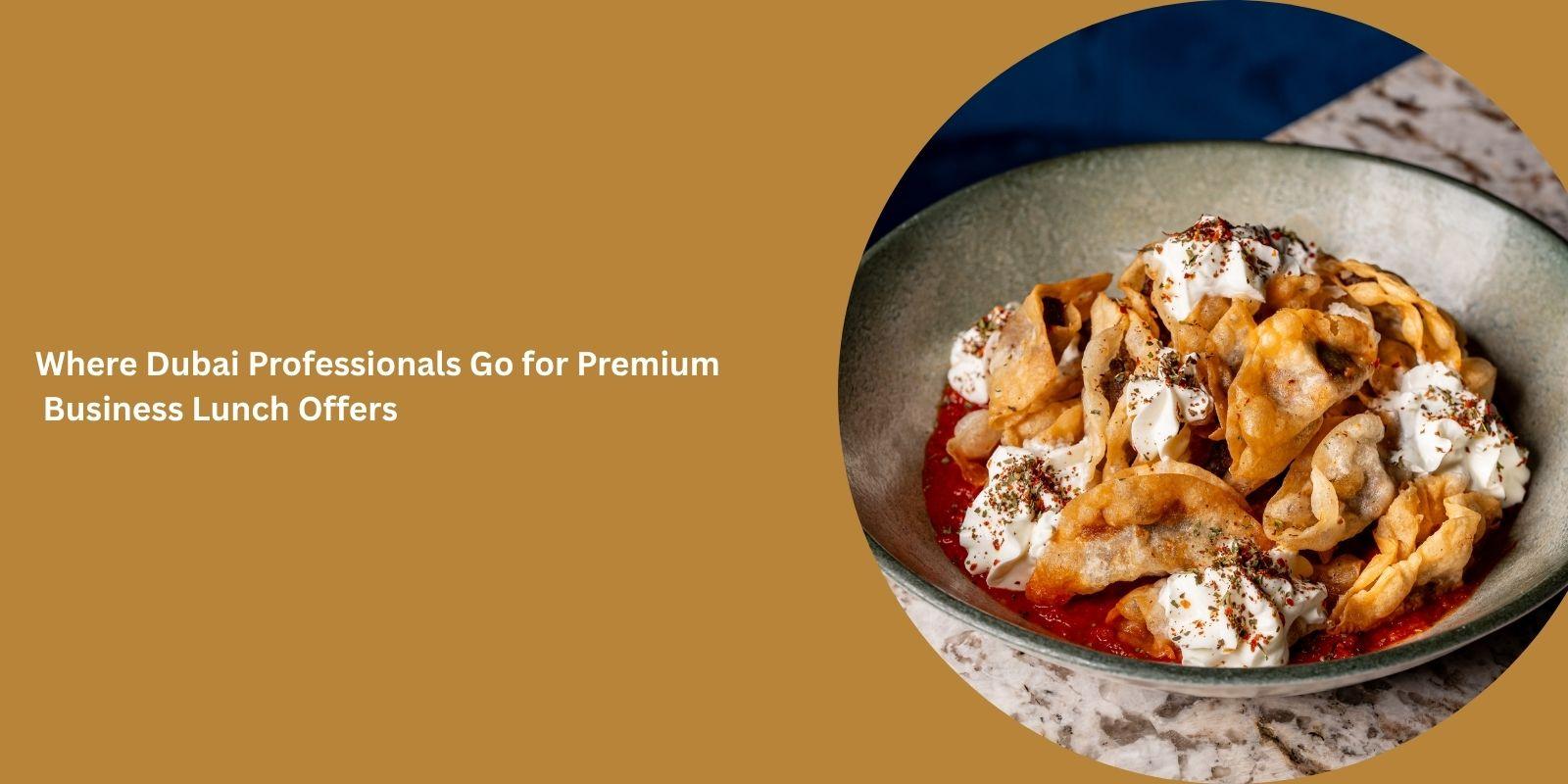
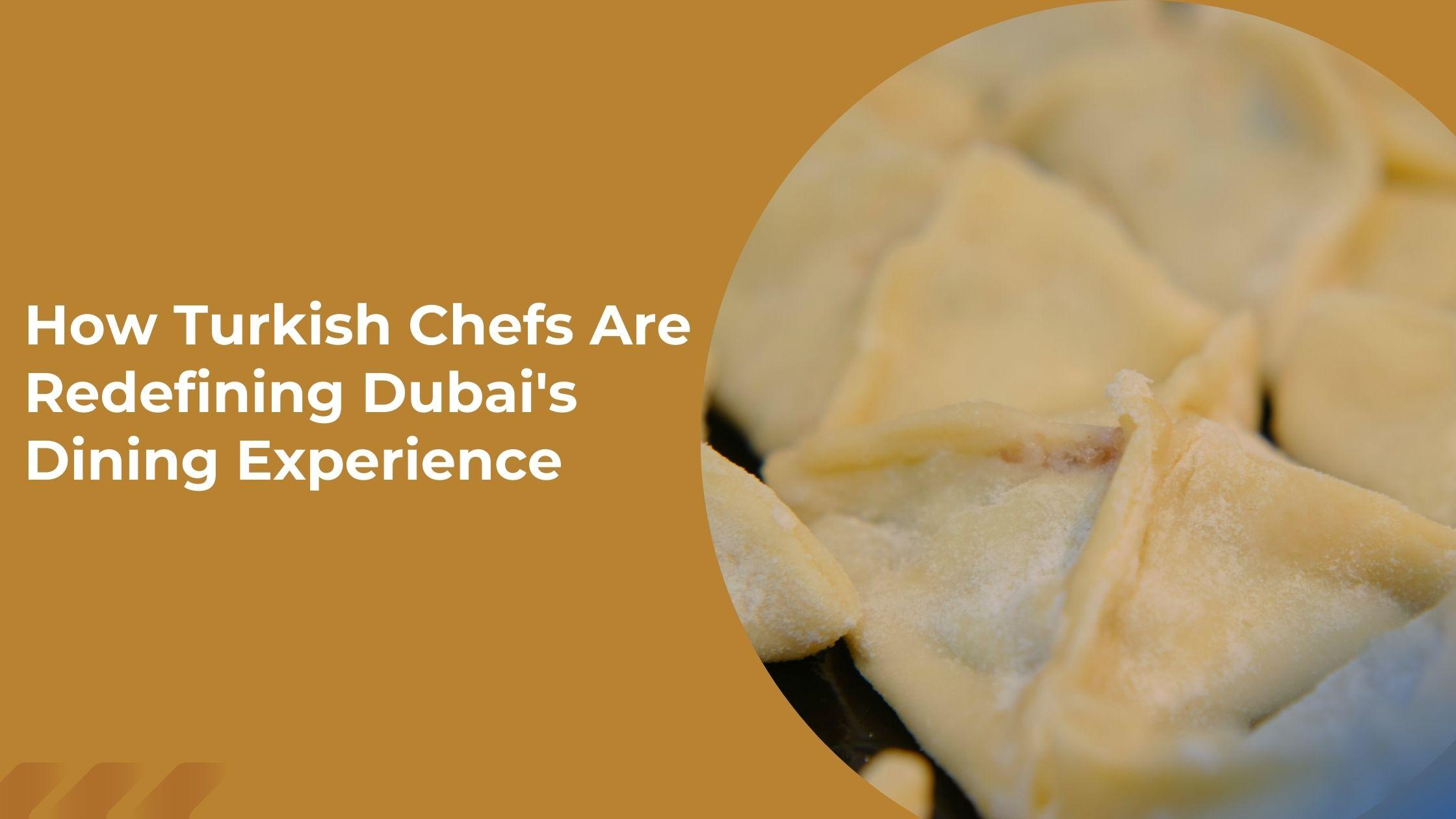
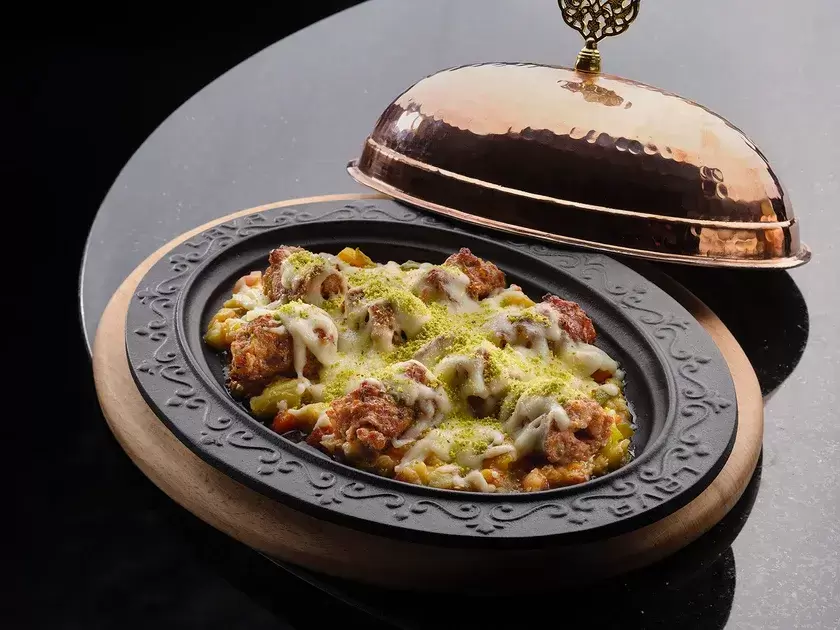
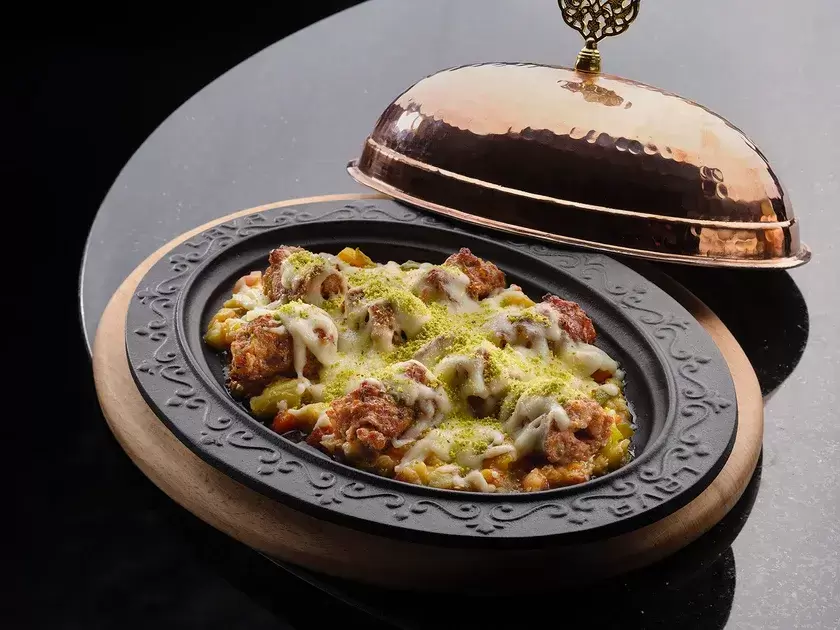
Mantı consists of small dumplings traditionally filled with seasoned minced meat. The interesting part isn't just the filling. It's the preparation.
The dough is rolled thin, cut into small pieces, filled, and carefully folded before cooking. In Turkish food, dumplings are served with garlic yogurt and butter or chilli oil.
Every component plays a role. The yogurt cools the dish. Garlic adds sharpness. Butter brings richness. The dumplings provide the substance. Kayseri is particularly famous for its mantı, with traditional versions celebrated for their remarkably small size.
Why try it: Mantı offers a completely different perspective on Turkish cuisine. It shows patience, technique, and comfort rather than simply fire and smoke.
2. Imam Bayıldı: Let's Eggplant Take Center Stage
Eggplant appears throughout Turkish cooking, but imam bayıldı turns it into the star. The eggplant is cooked with onions, tomatoes, garlic, and olive oil until soft and intensely aromatic.
There is no need for heavy seasoning. The slow cooking does the work. Imam bayıldı also introduces diners to zeytinyağlı, the Turkish tradition of vegetable dishes prepared with olive oil. These dishes are particularly prominent in Western and Aegean Turkish cuisine.
Why try it: It proves that authentic Turkish food can be deeply satisfying without meat.
3. Meze Reveals the Social Side of Turkish Food
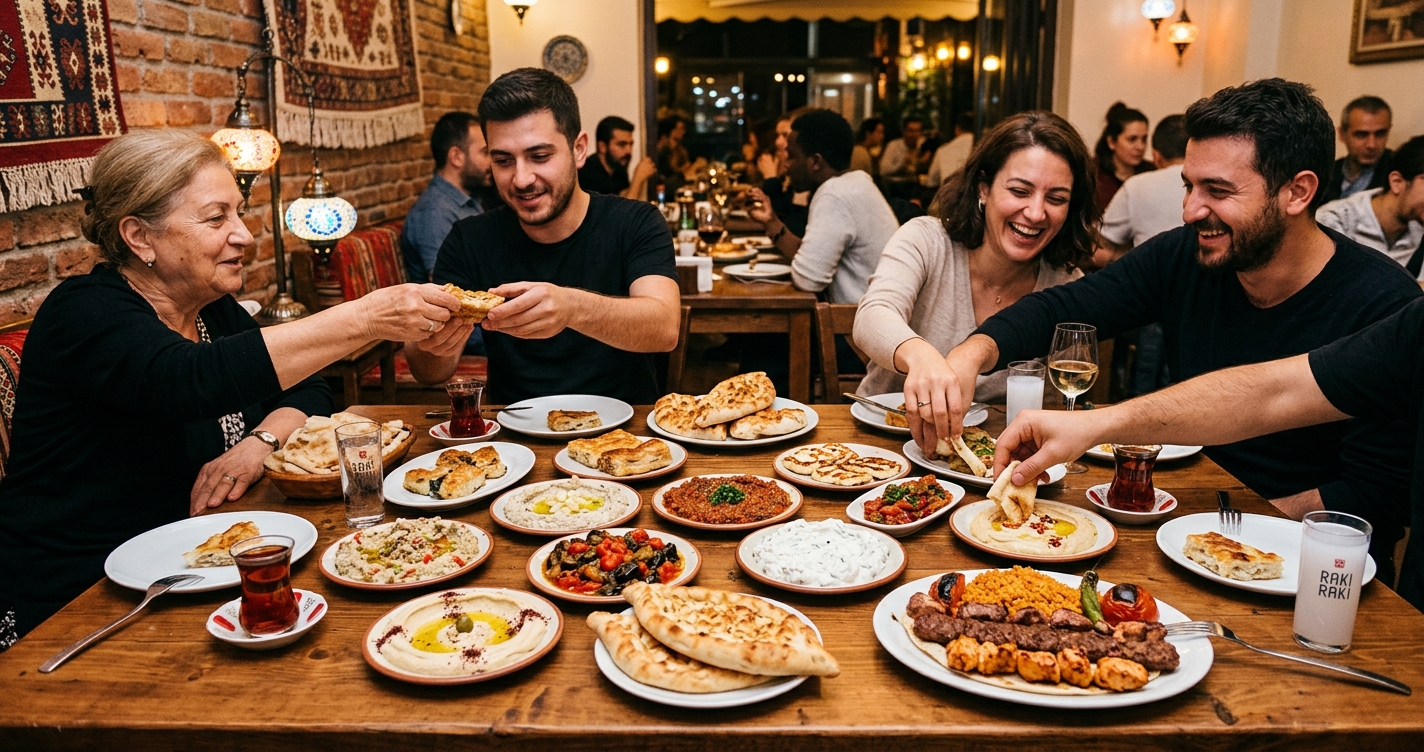
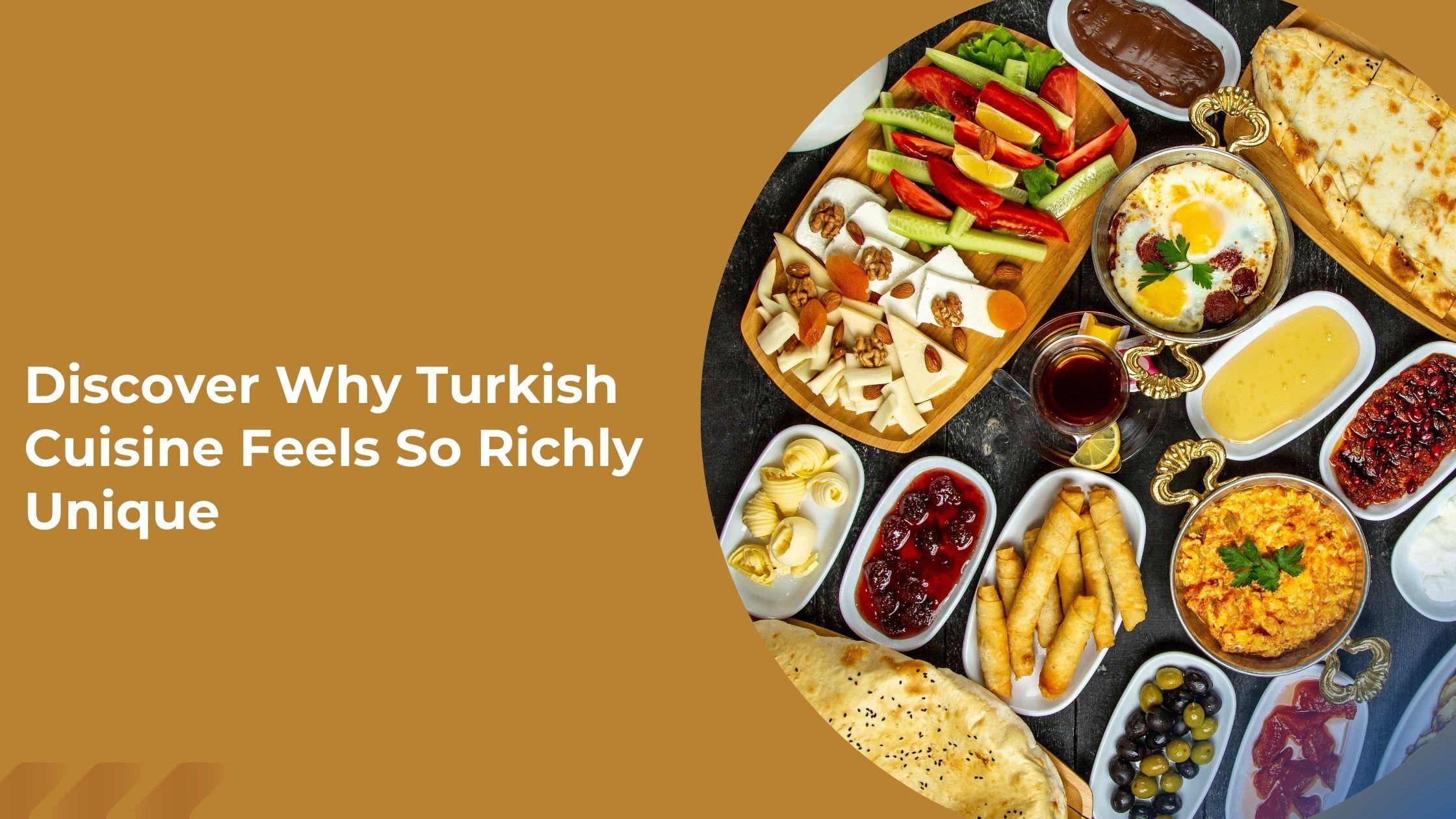
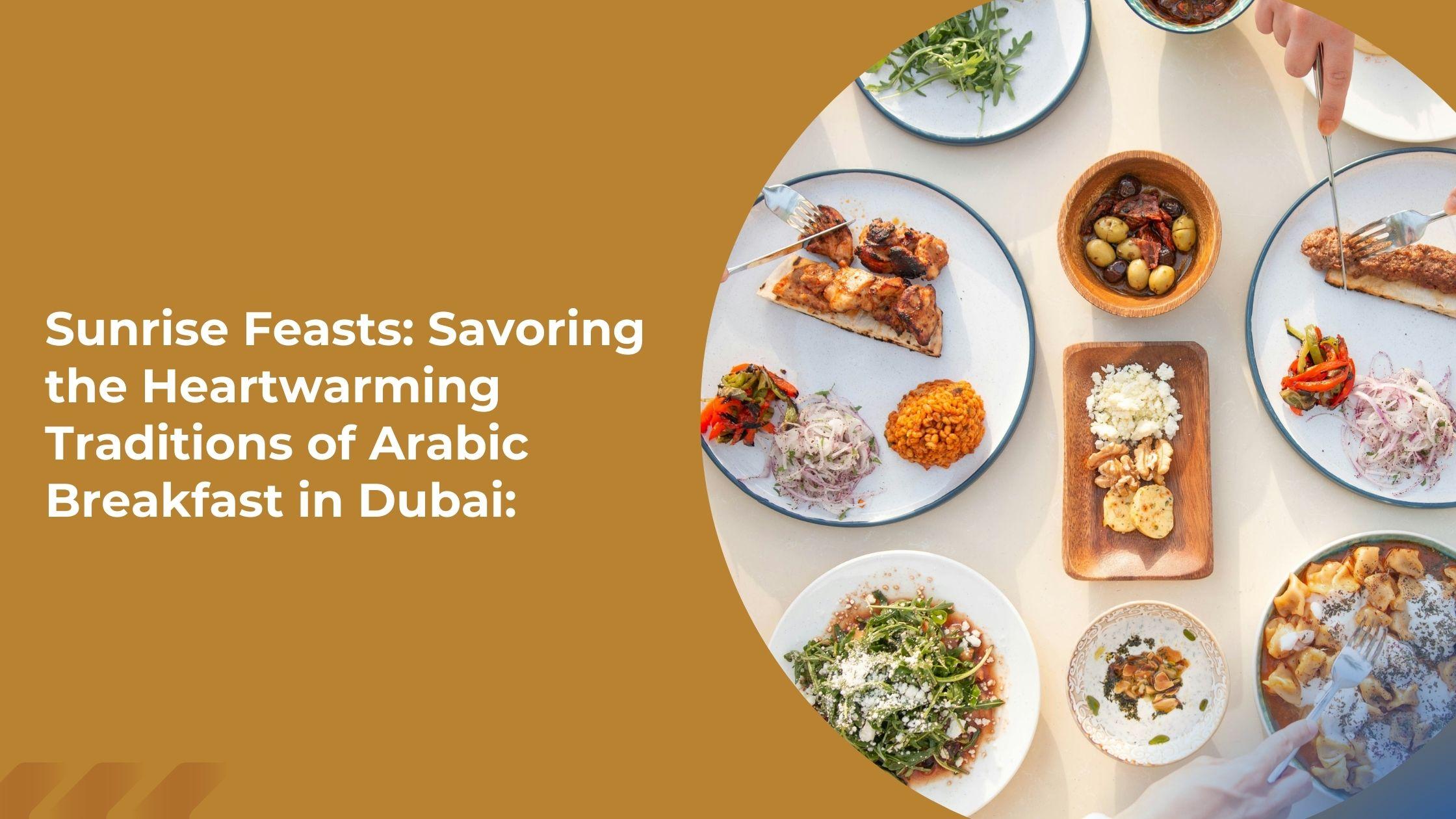
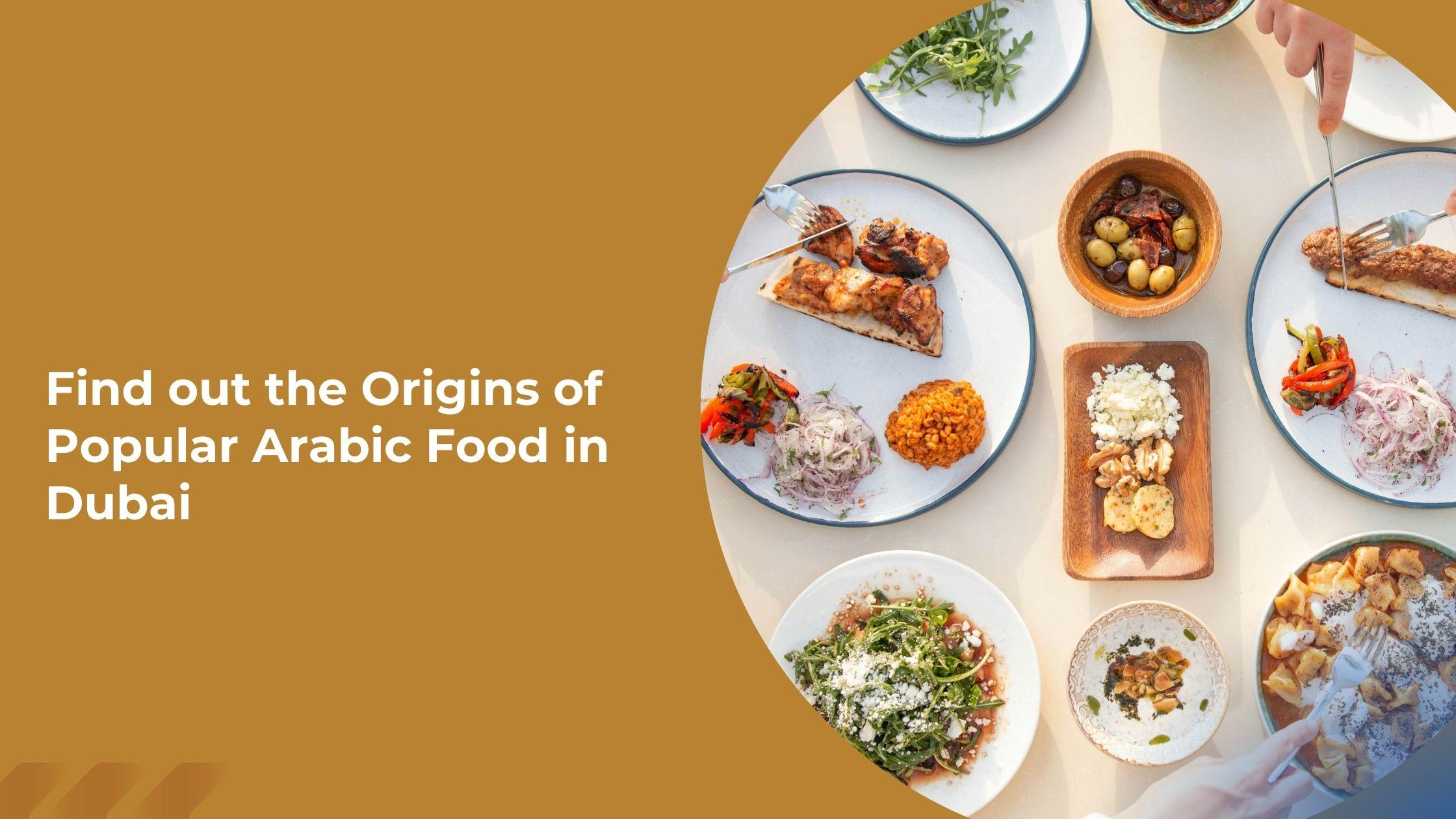
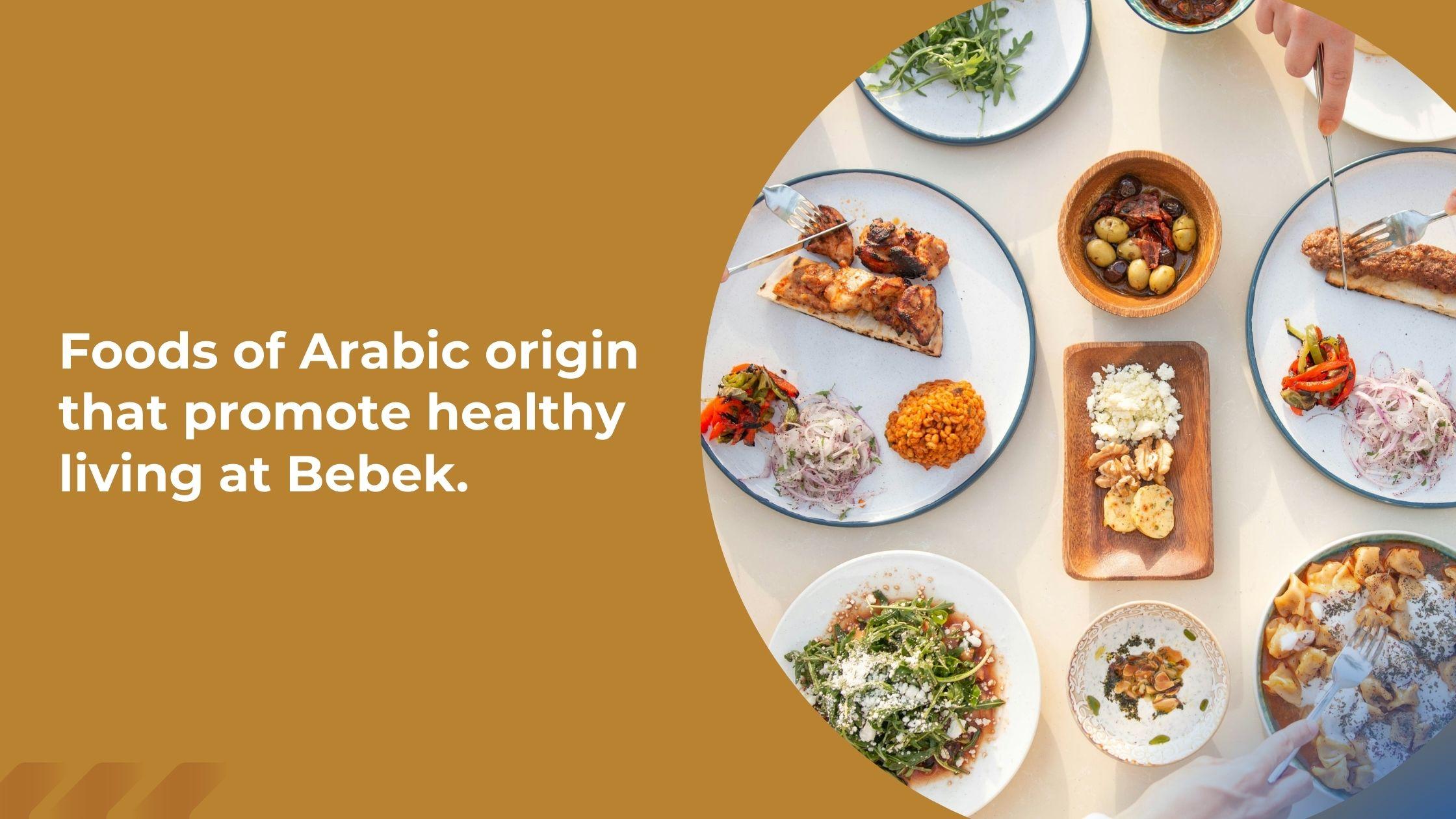
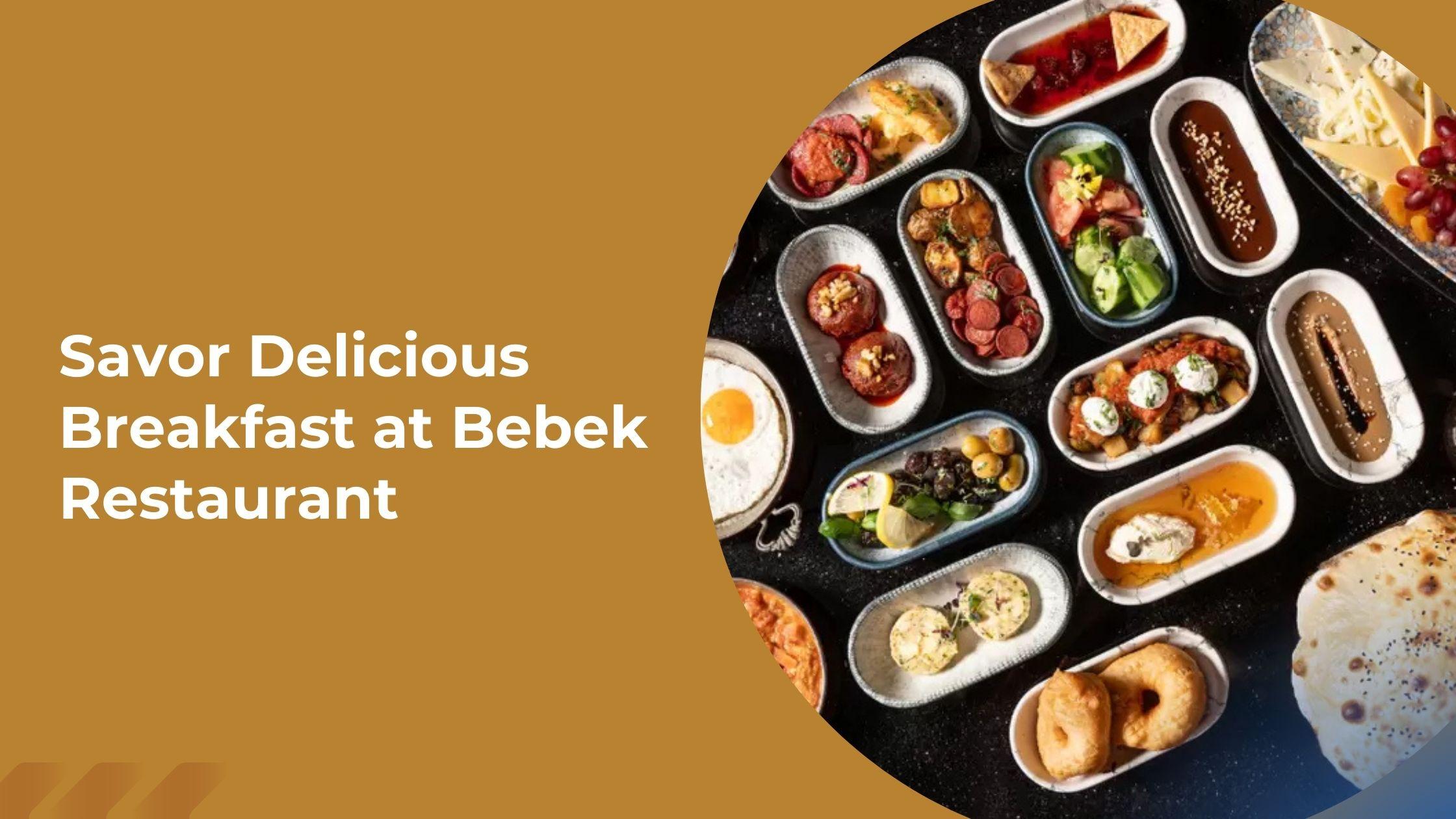
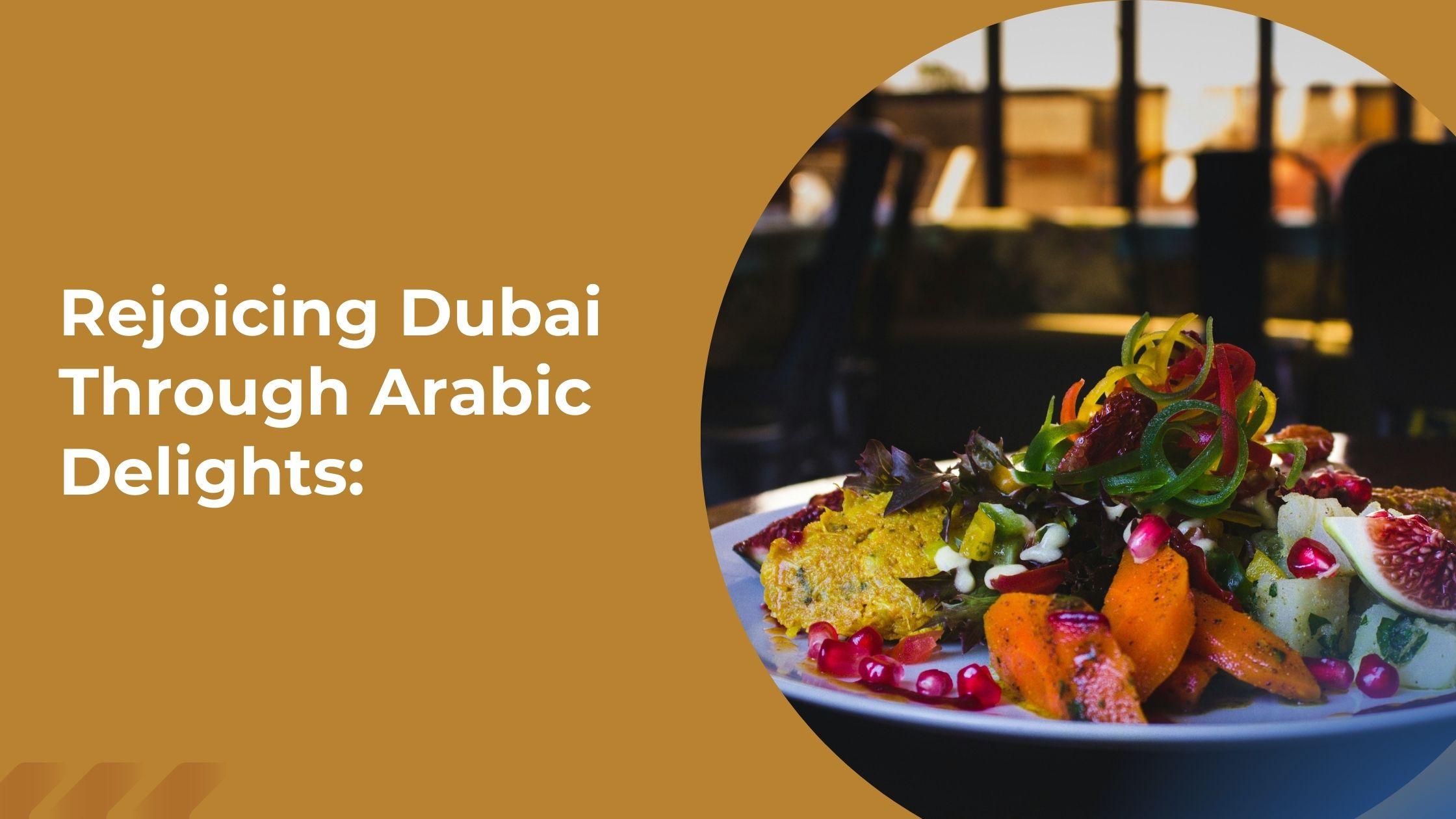
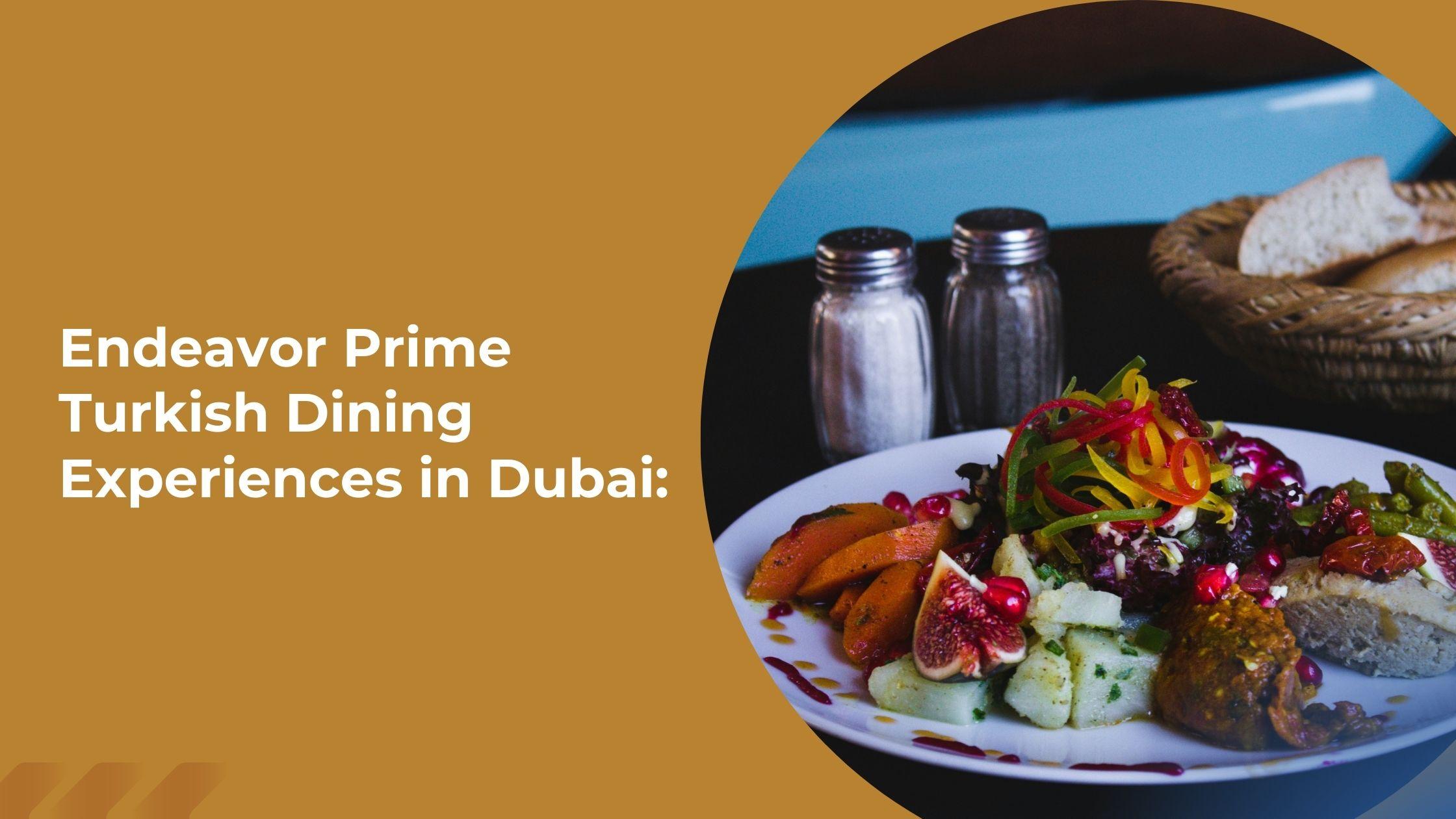
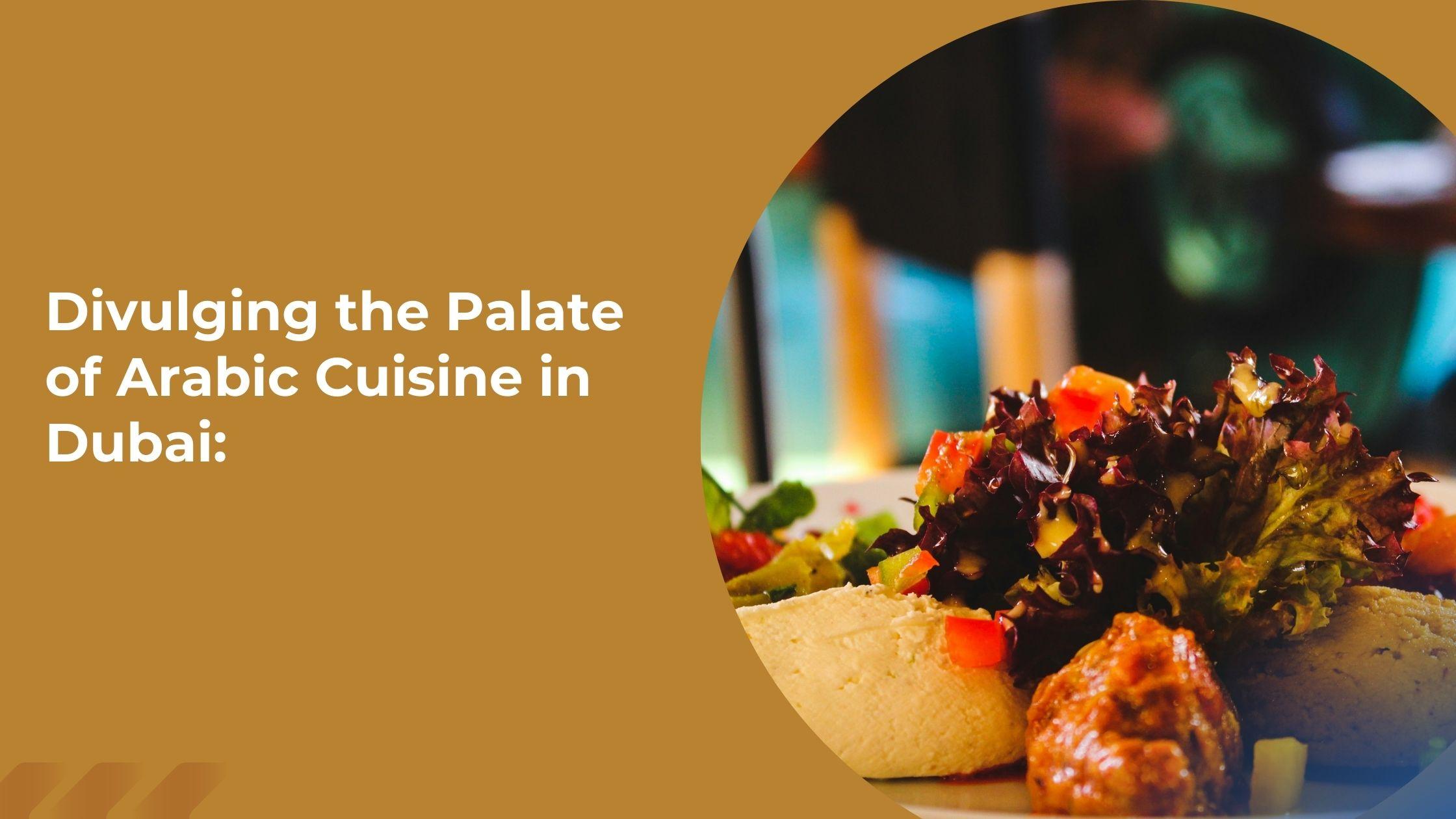
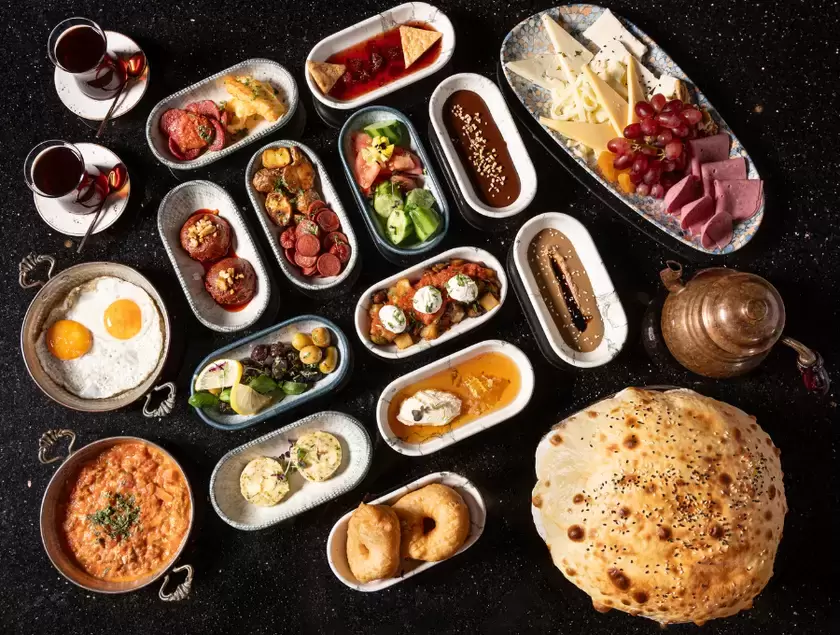
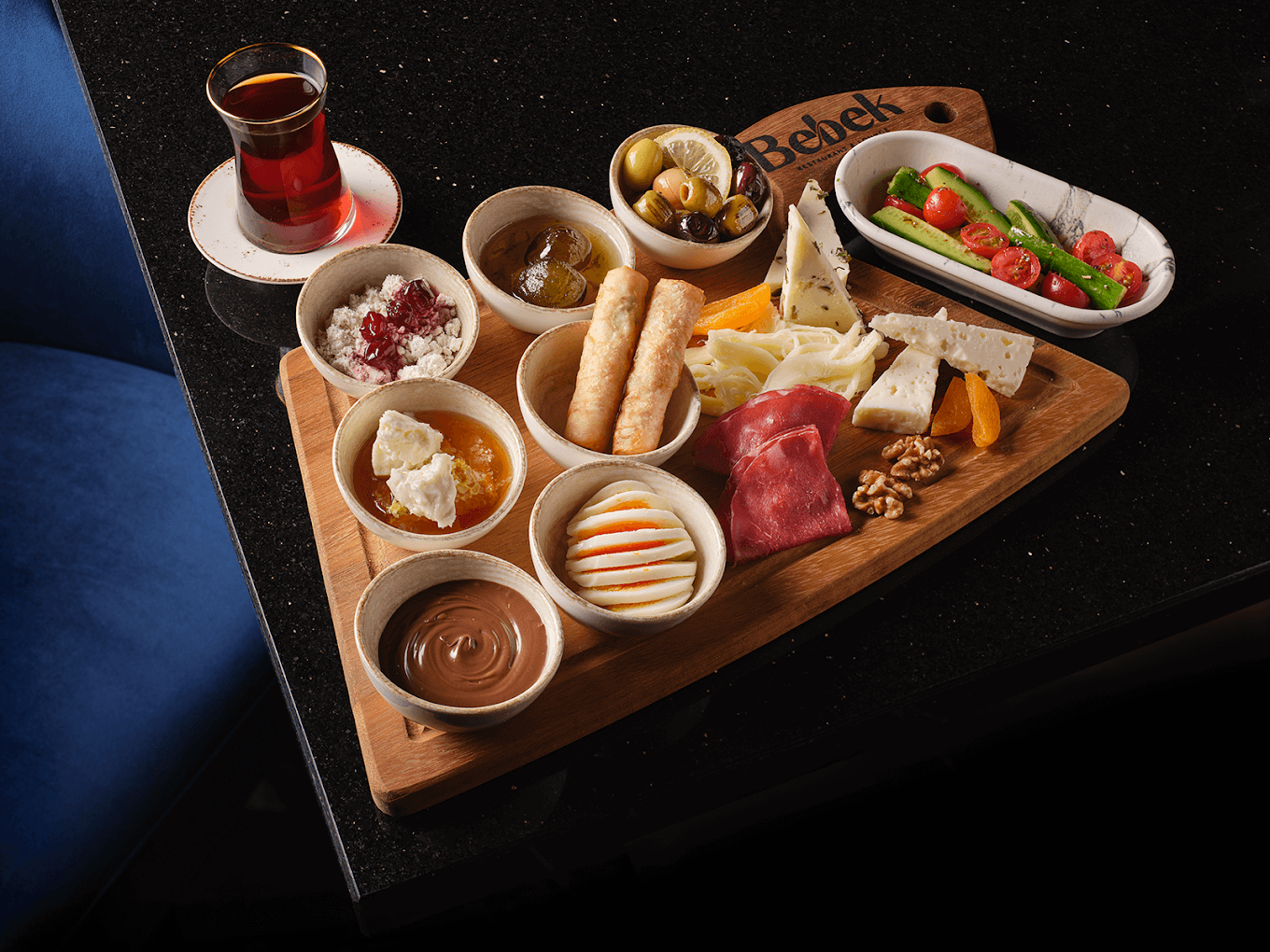
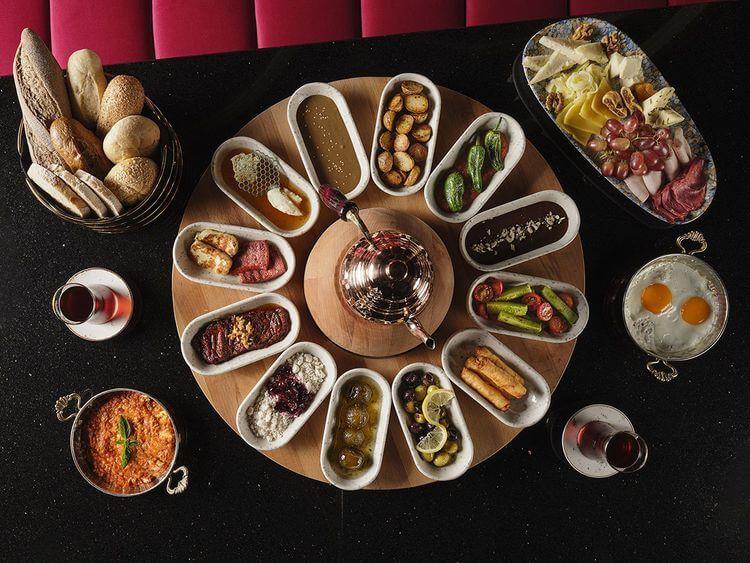
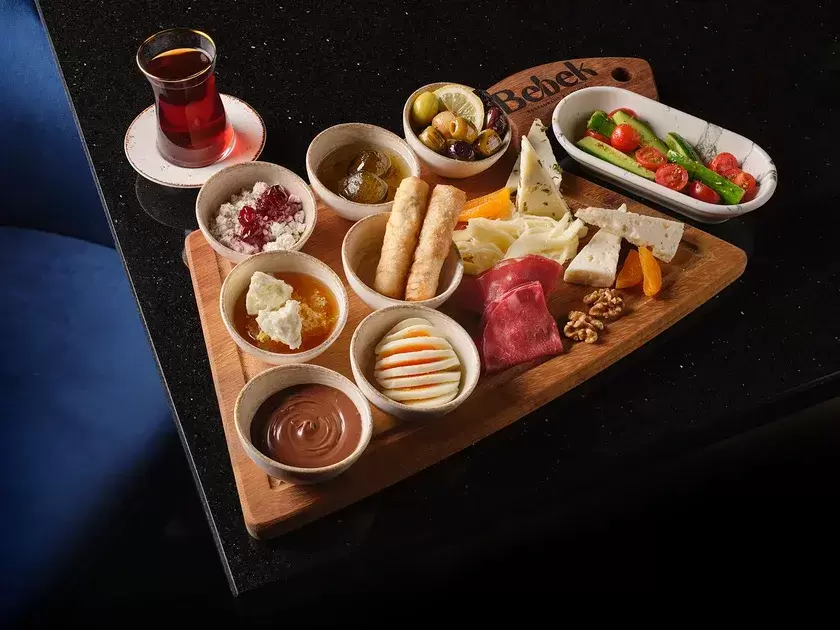
Turkish meze isn't one recipe. It's a whole way of eating. A table might feature creamy yogurt dips, roasted vegetables, stuffed leaves, hummus, eggplant preparations, spicy pepper spreads, and herb-based salads.
Each portion is small. The experience is not. Meze invites everyone to the table to taste something different according to their preferences. You can have all the flavors within one plate, like tangy, refreshing, and other smoky, walnuts, and olive oil.
Why try it: If you want to experience the communal character of Turkish dining, start with meze.
What to order with meze
Look for a combination of:
- Haydari for a thick, garlicky yogurt dip
- Muhammara for roasted pepper and walnut flavors
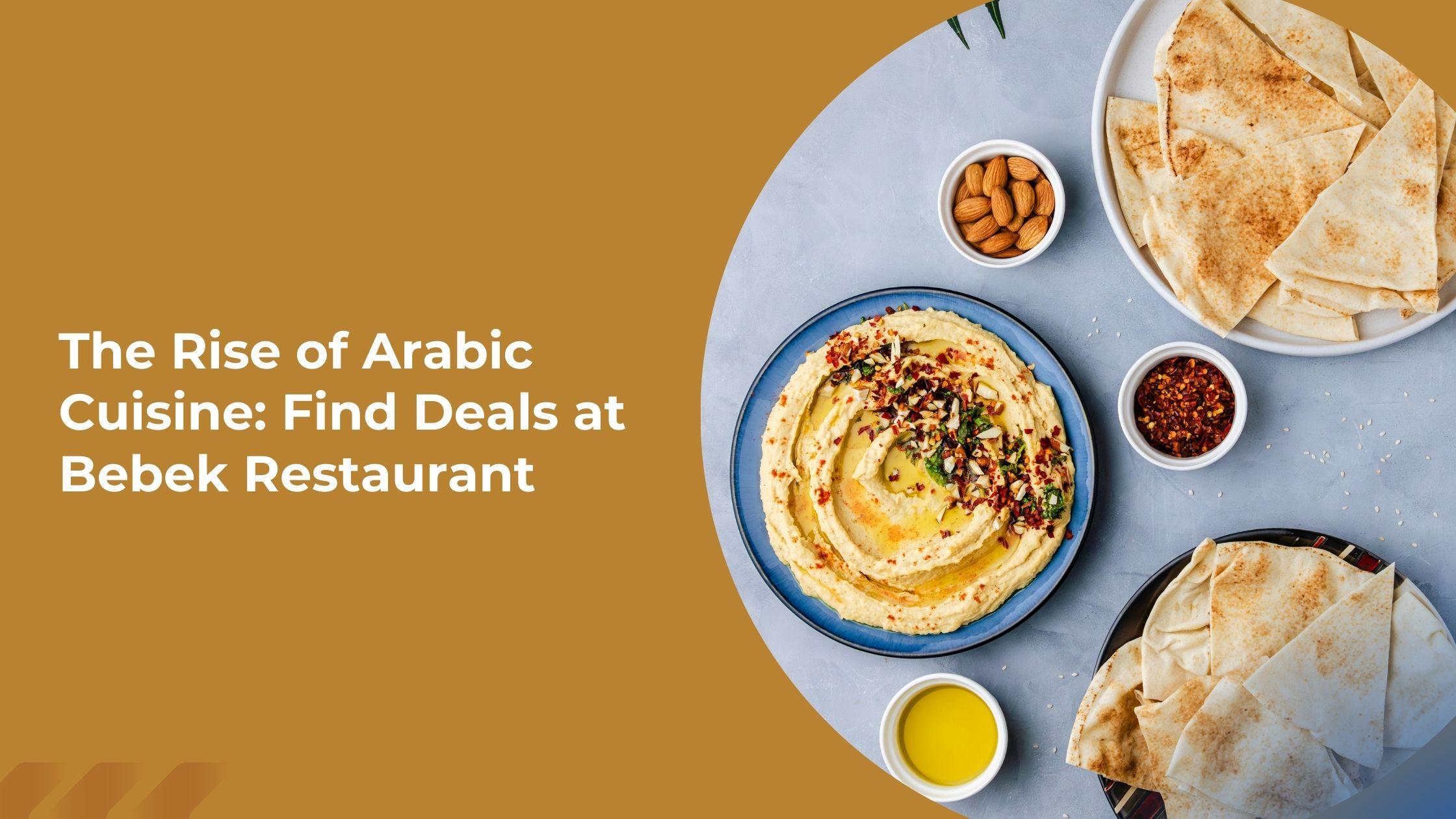
- Hummus for creamy chickpea richness
- Şakşuka for cooked vegetables and tomato
- Dolma for seasoned stuffed leaves or vegetables
The exact selection varies by restaurant and region.
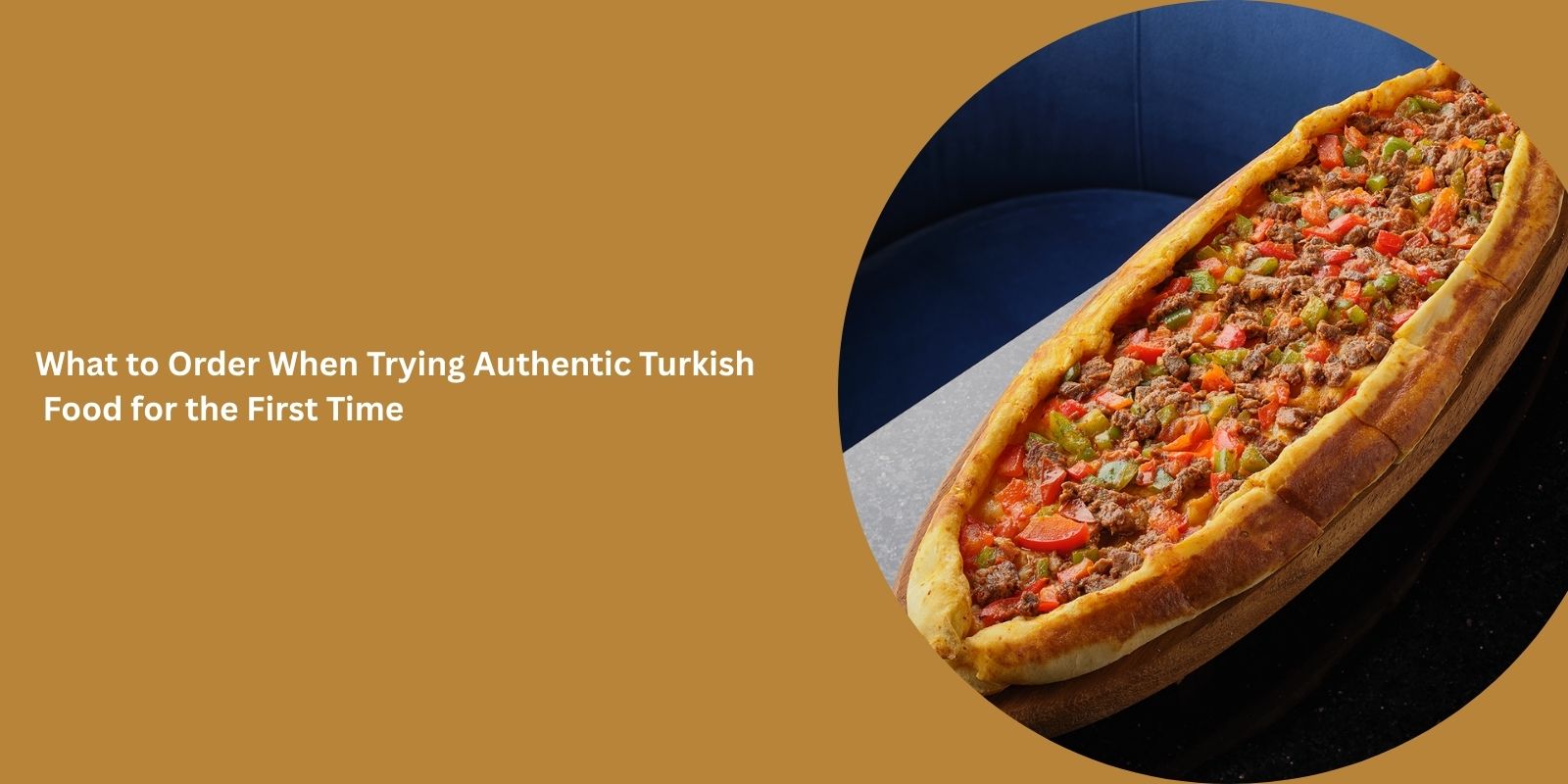
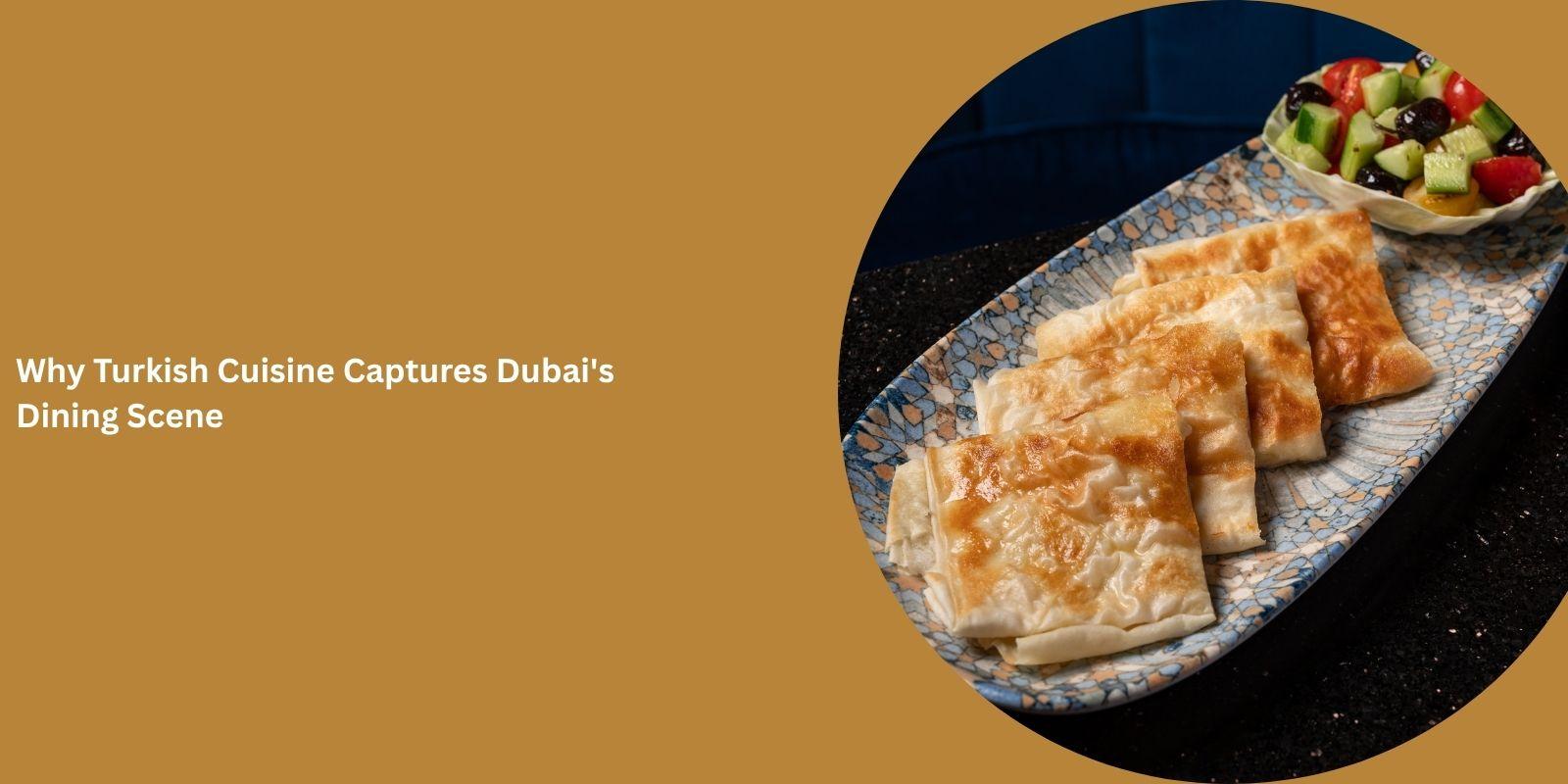
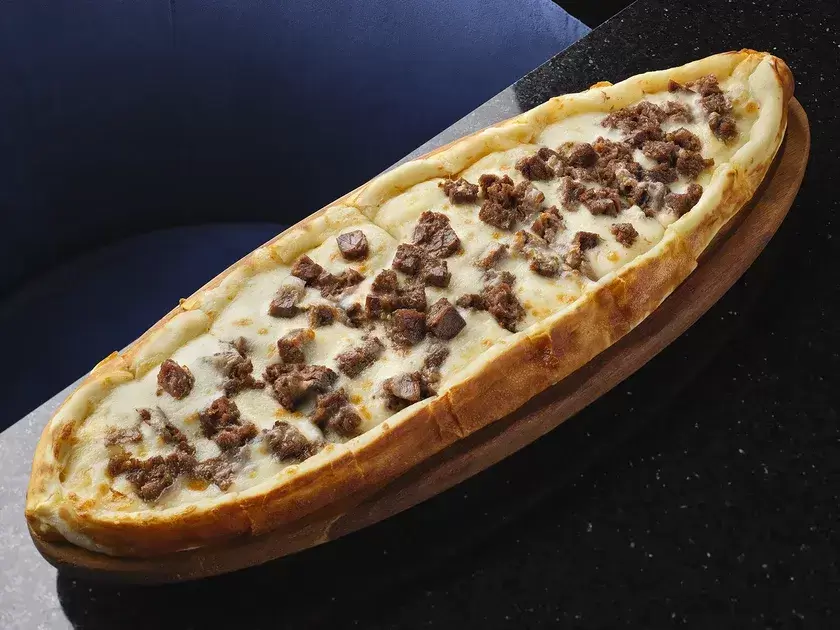
4. Pide Deserves Its Own Spotlight
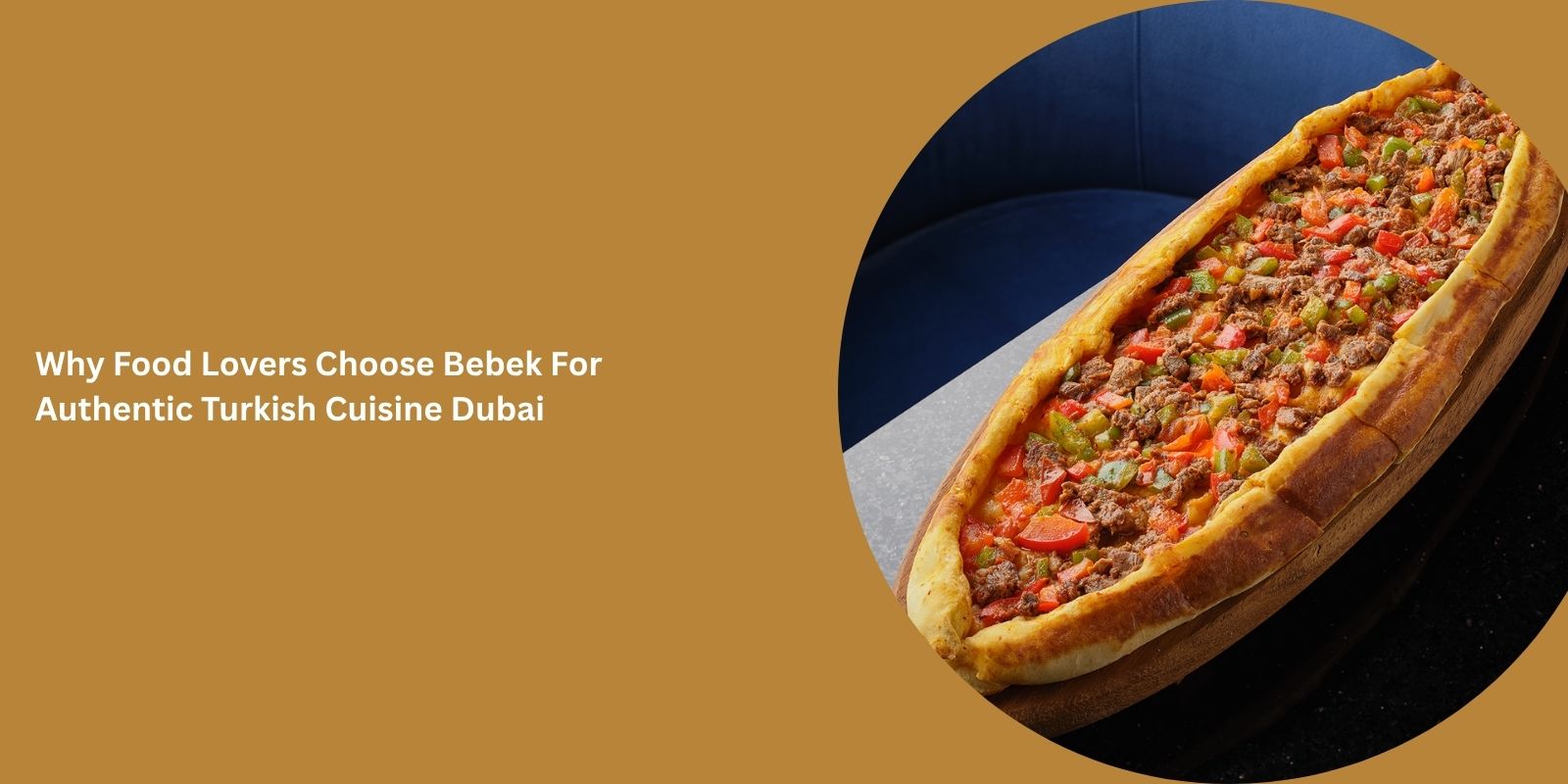
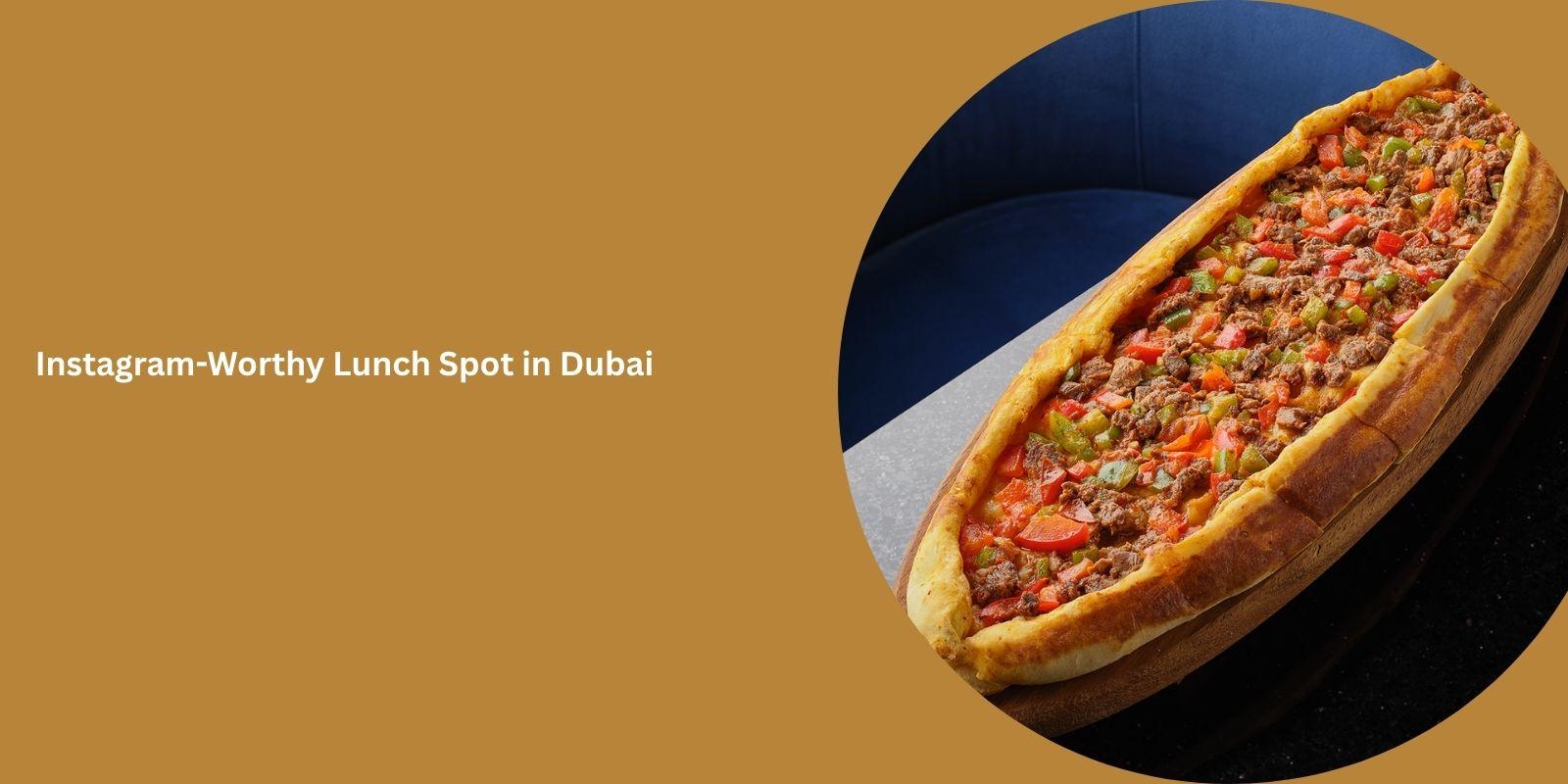
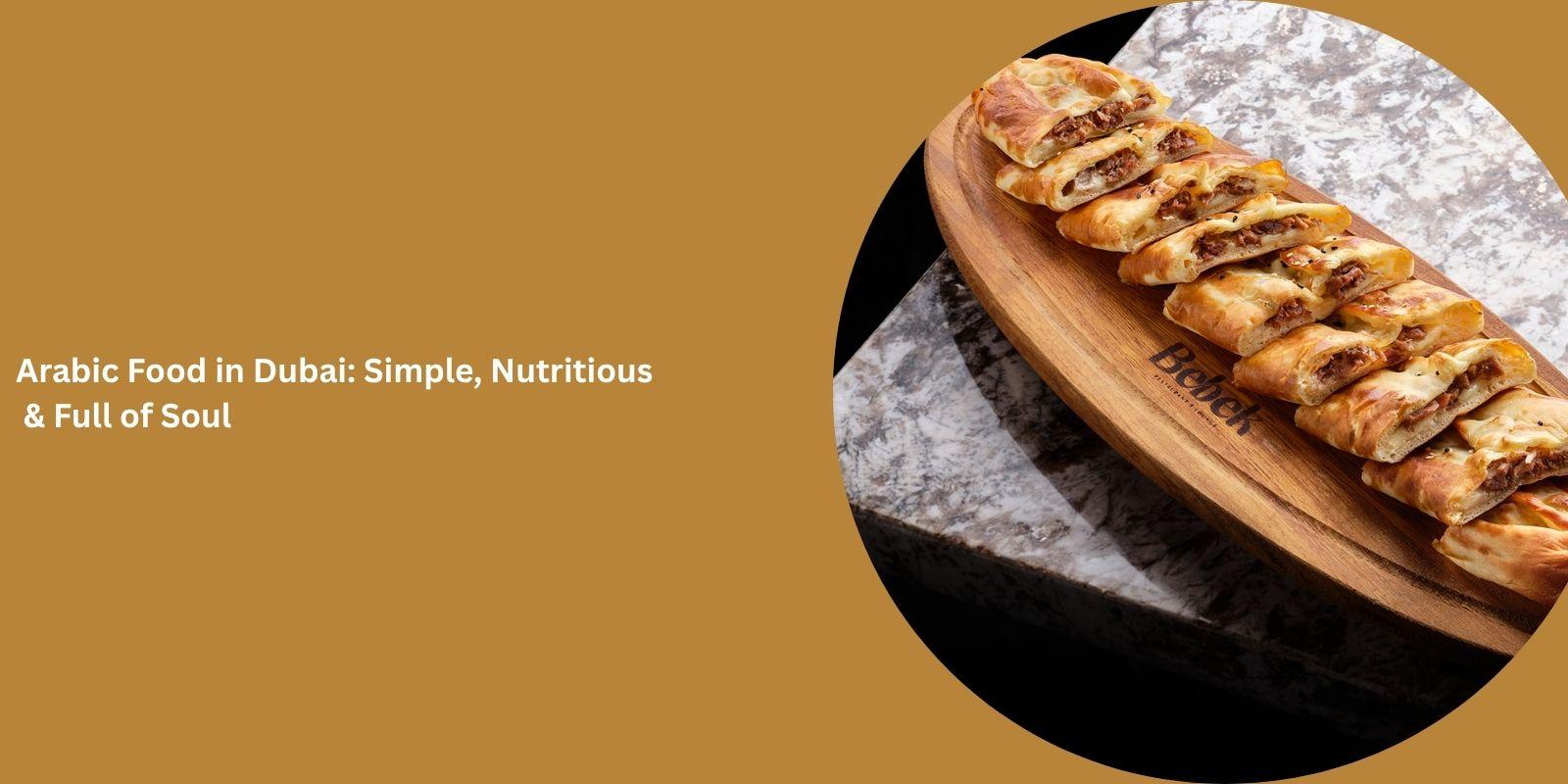
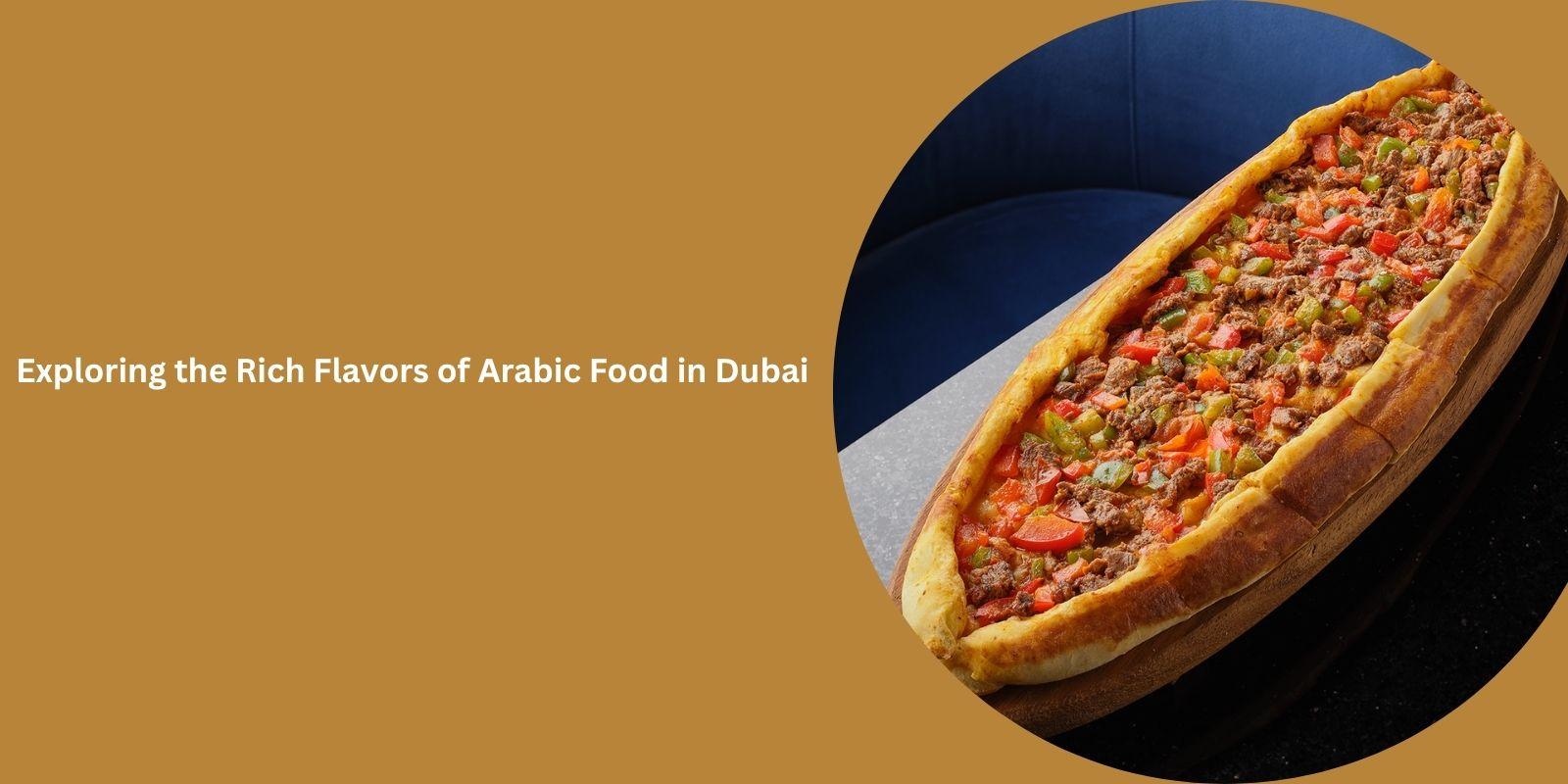
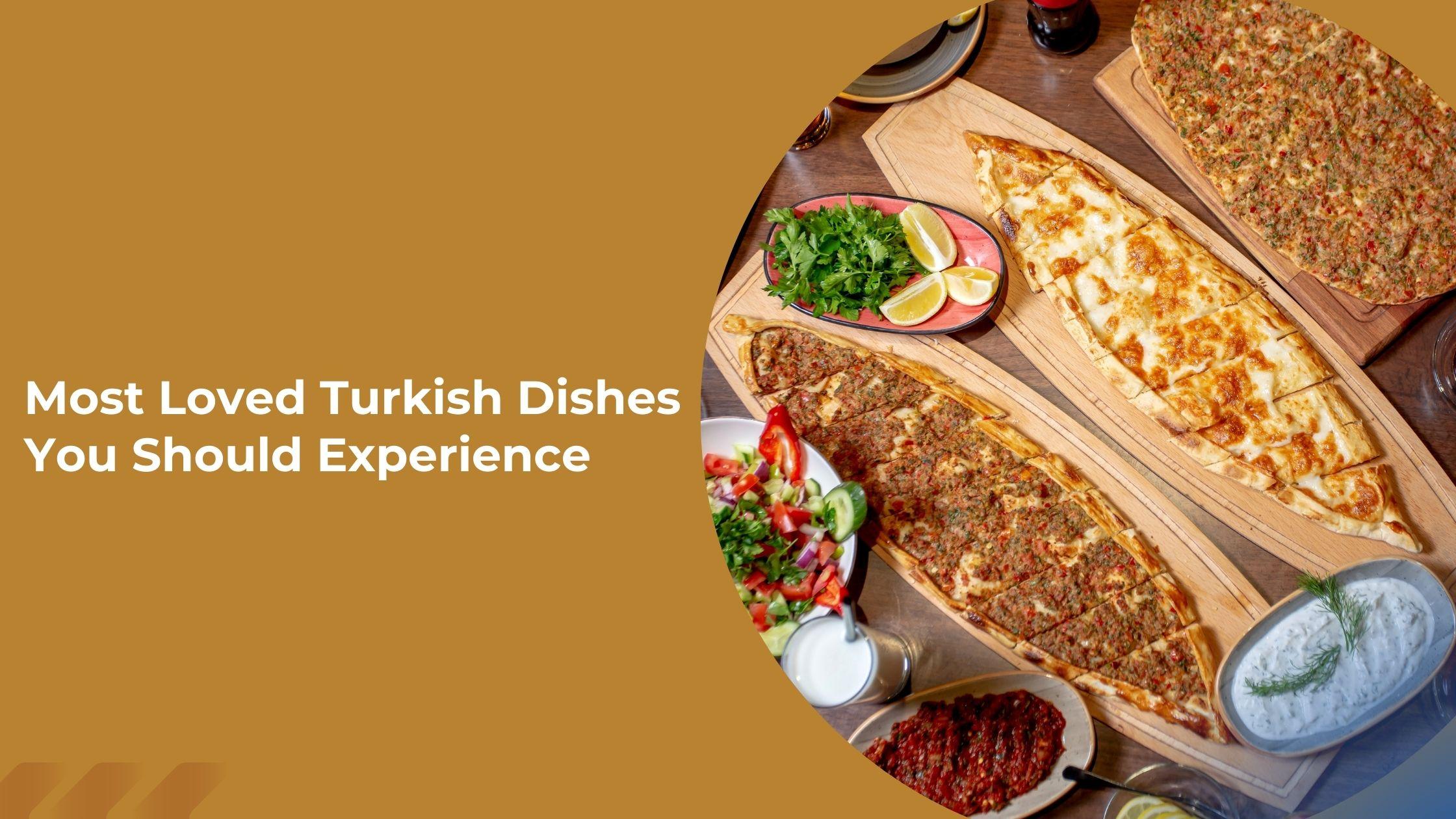
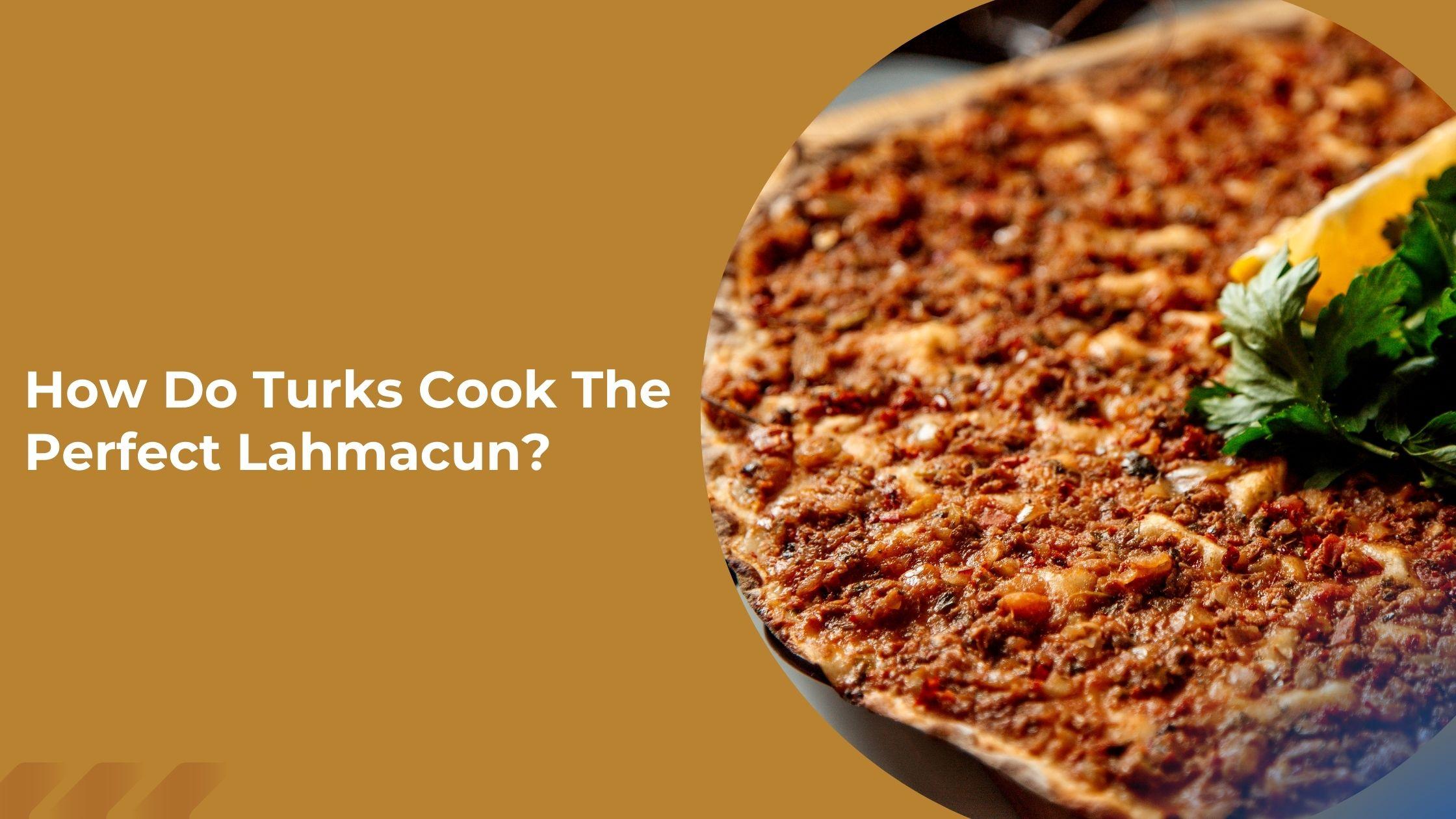
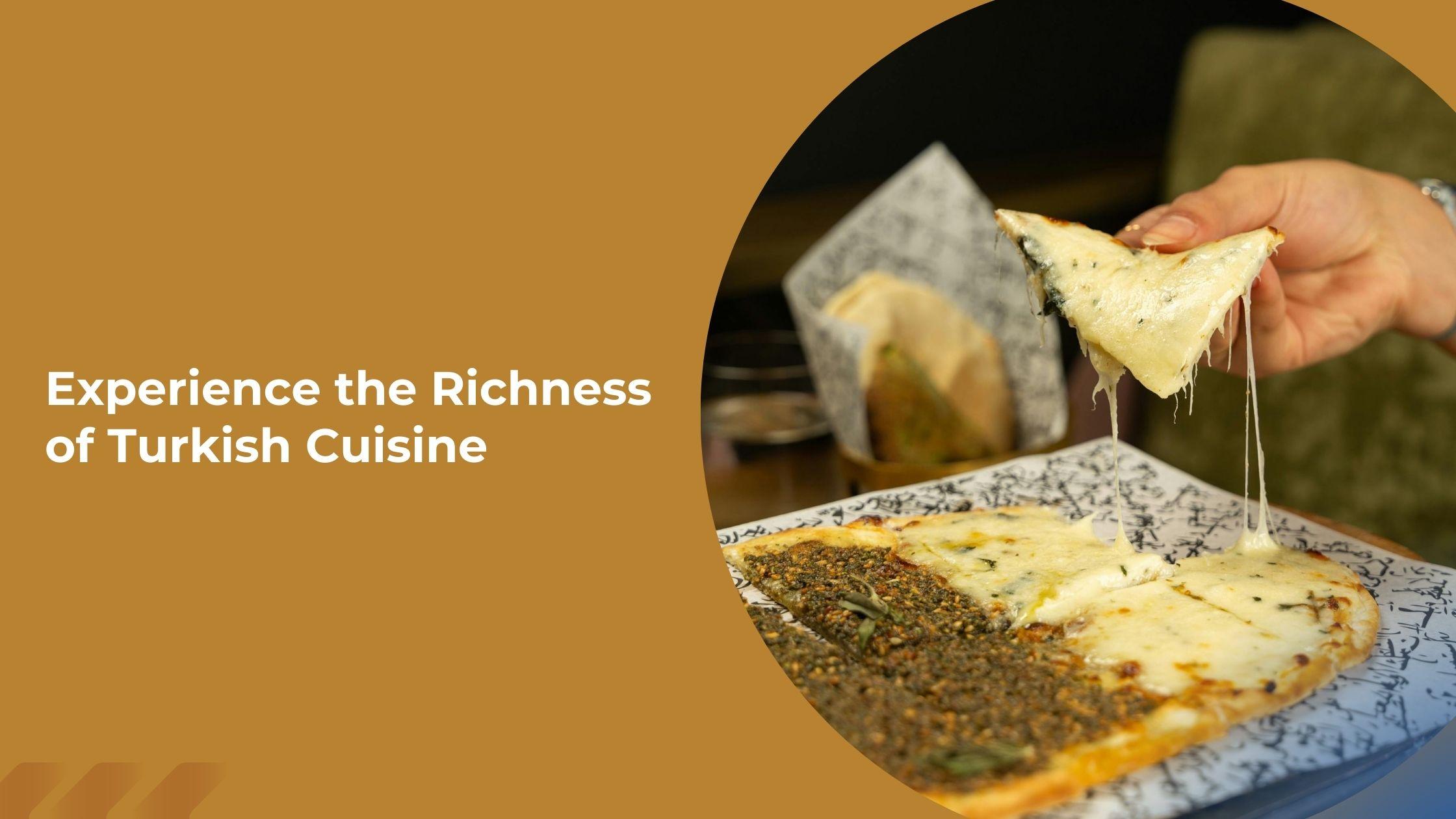
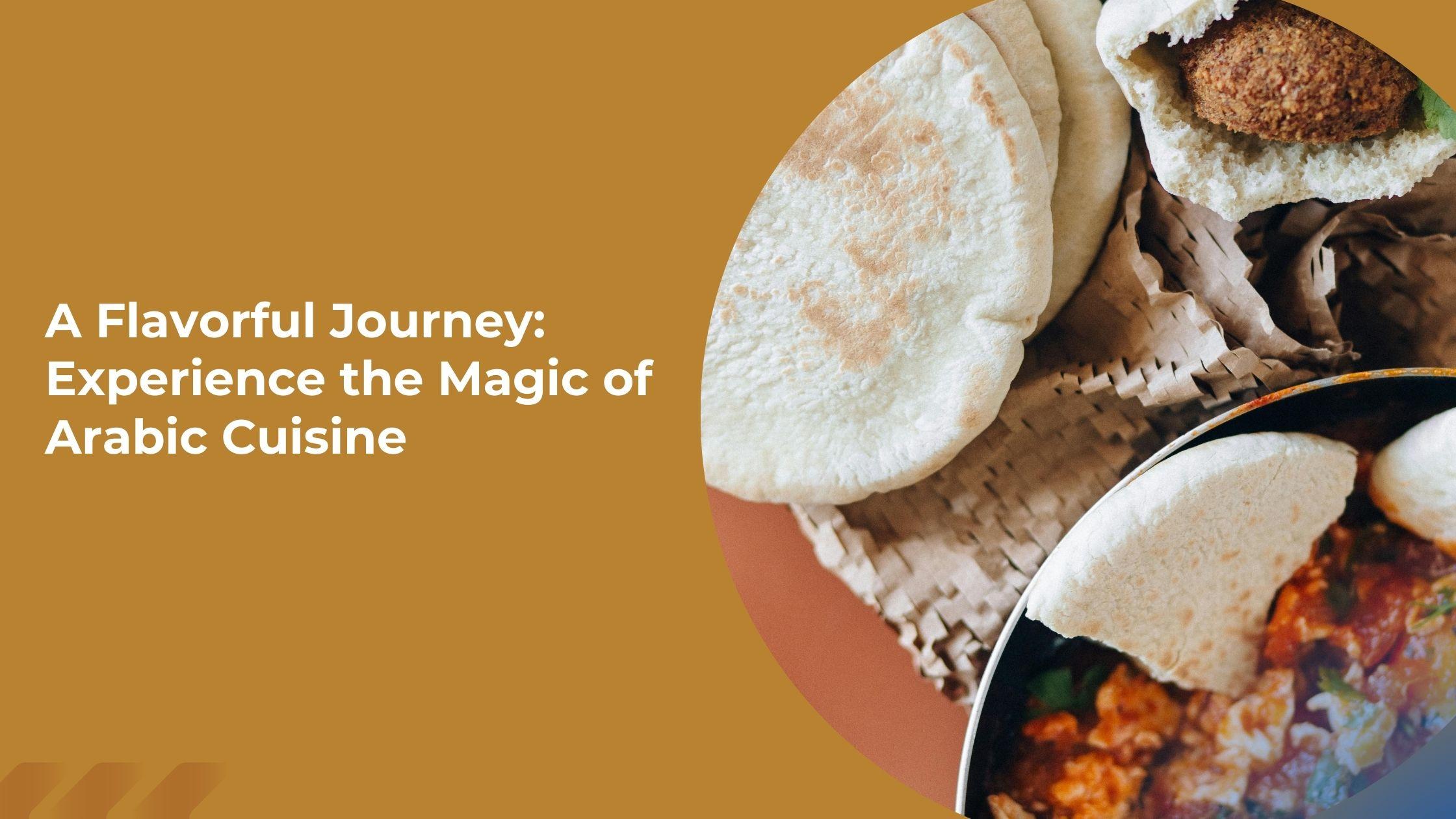
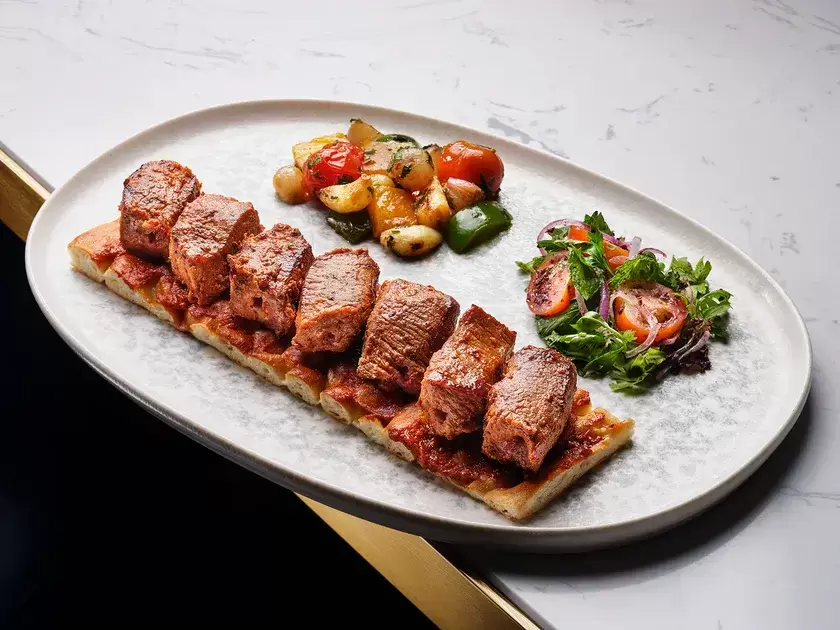
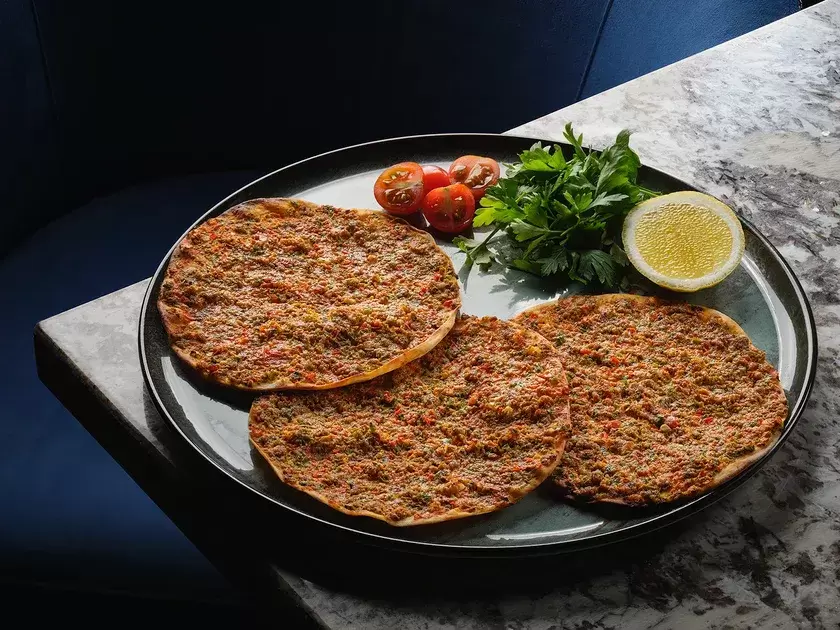
Calling pide “Turkish pizza” makes it easy to understand, but the comparison doesn't tell the entire story. Pide is a boat-shaped flatbread traditionally topped with minced meat, cheese, vegetables, or eggs.
The crust matters. A good pide should have crisp edges and a soft center. This makes the toppings and bread work together rather than compete.
Different regions and restaurants make their own variations. It makes pide particularly fun for diners who like discovering diverse combinations.
Why try it: Pide combines the comfort of freshly baked bread with the bold flavors of Turkish cuisine.
5. Dolma Turns Stuffed Vegetables Into an Art
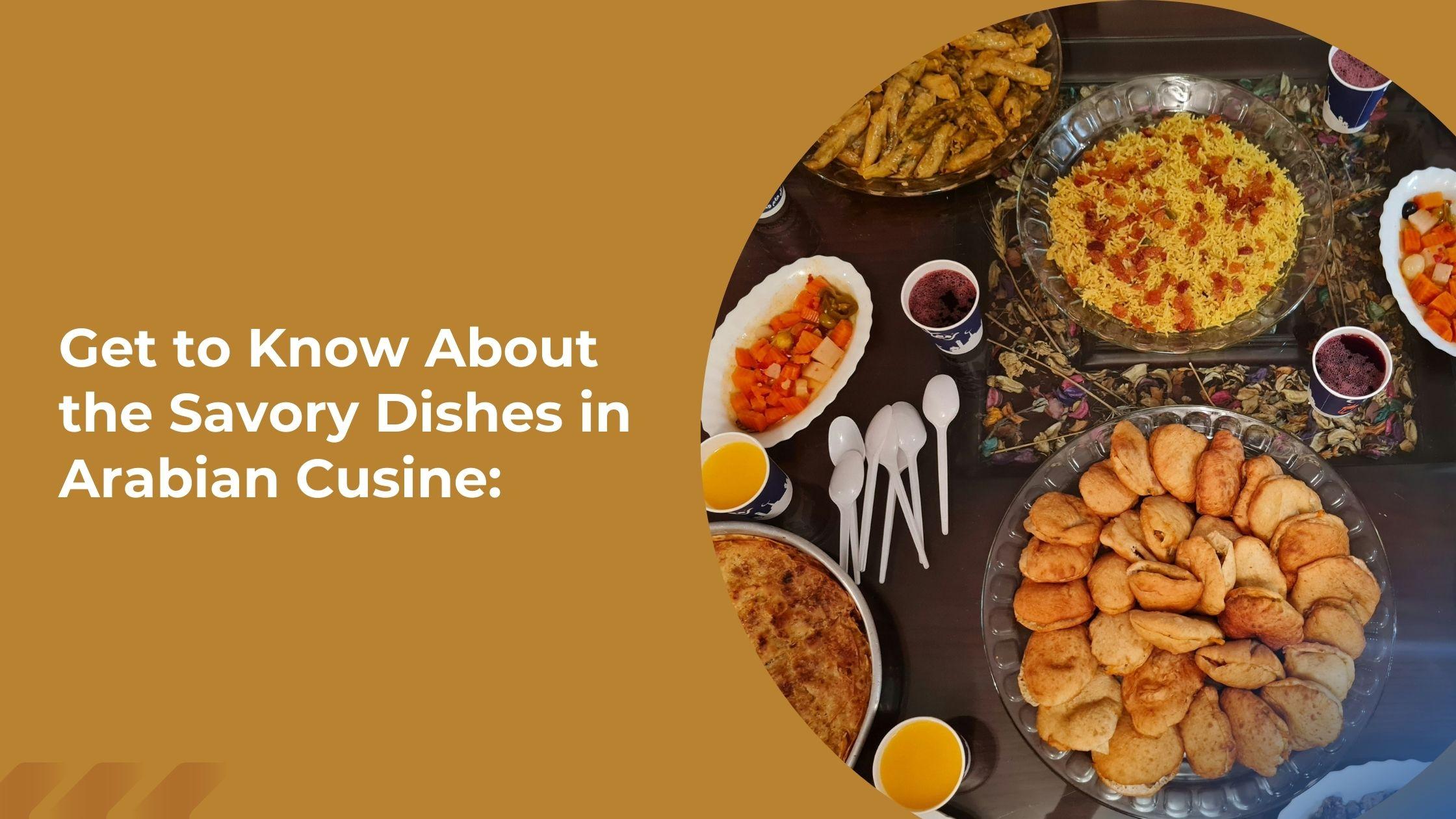
Dolma belongs to the family of stuffed dishes found throughout Turkish and neighboring cuisines. In this dish, grapes are filled with rice, herbs, and seasonings. Stuffing vegetables, such as peppers, zucchini, and eggplant, can also become vessels for seasoned fillings.
Some versions contain meat. Others focus entirely on rice, herbs, and olive oil. The preparation changes with the recipe, region, and occasion.
That's part of the appeal. Dolma demonstrates how Turkish cooks can transform simple ingredients into dishes with layers of flavor and texture.
Why try it: It gives you a closer look at the vegetable and grain traditions behind Turkish cuisine.
6. Mercimek Çorbası Is Everyday Turkish Comfort Food
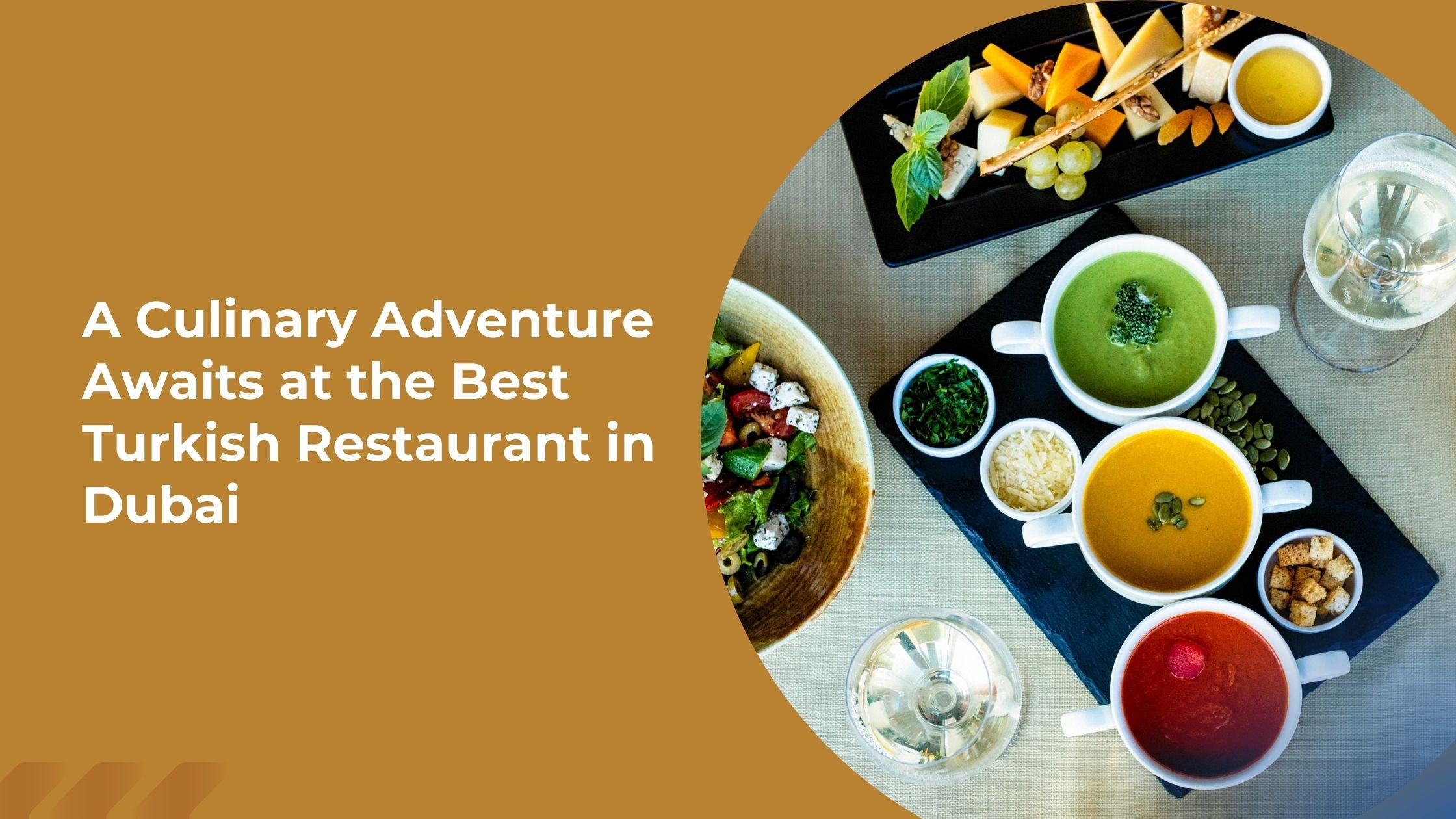
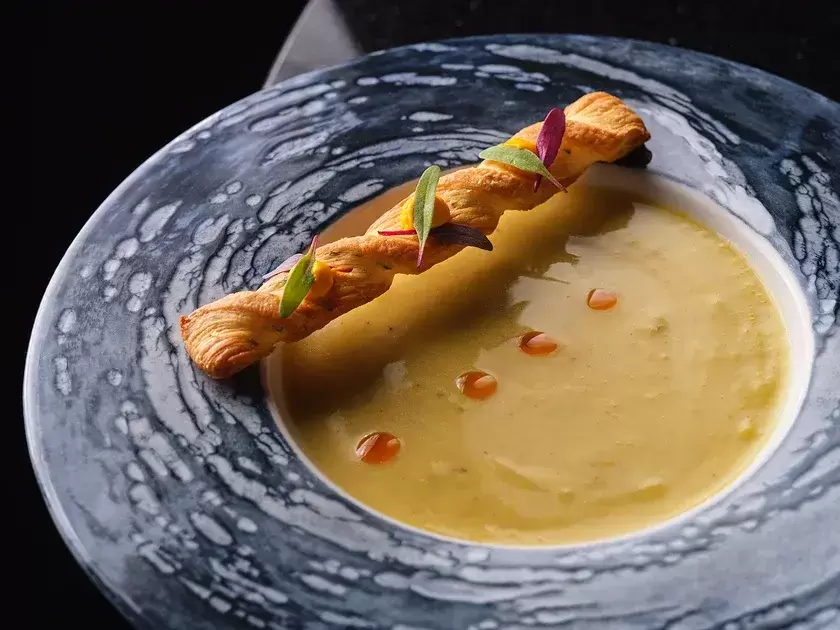
Not every traditional dish needs to be decorative. Mercimek çorbası, or Turkish lentil soup, is the perfect example.
Lentils are cooked with vegetables and seasonings until the soup becomes smooth, creating consistency. Sometimes, it is also served with lemon, adding acidity that enhances the taste of earthy lentils.
It's warm, simple, and loved by everyone due to its simple but unforgettable taste. Authentic Turkish food isn't explained only by special-occasion dishes. Some of the most revealing recipes are everyday foods prepared repeatedly in Turkish homes.
7. Mücver Gives Vegetables a Crispy Finish
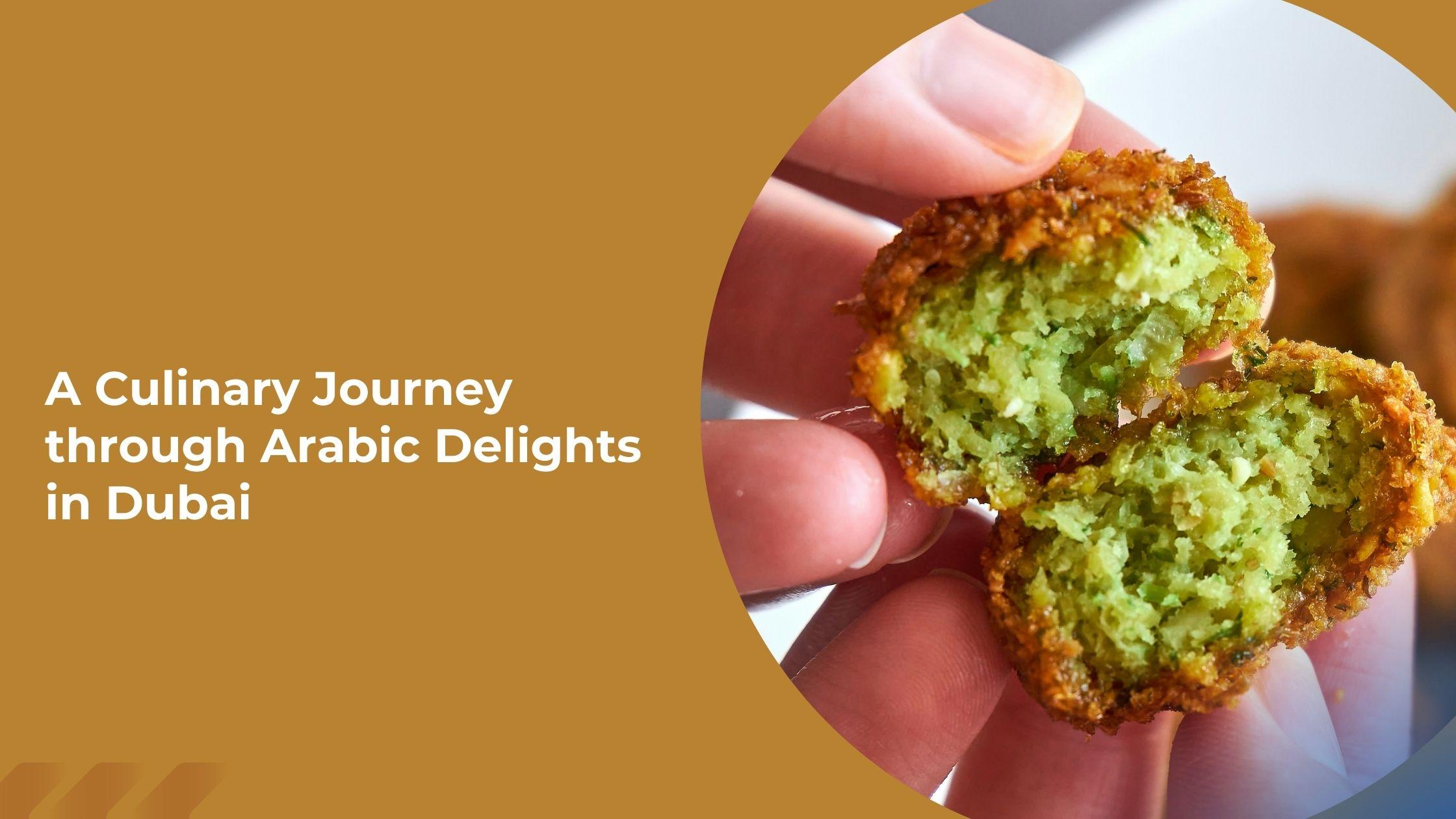
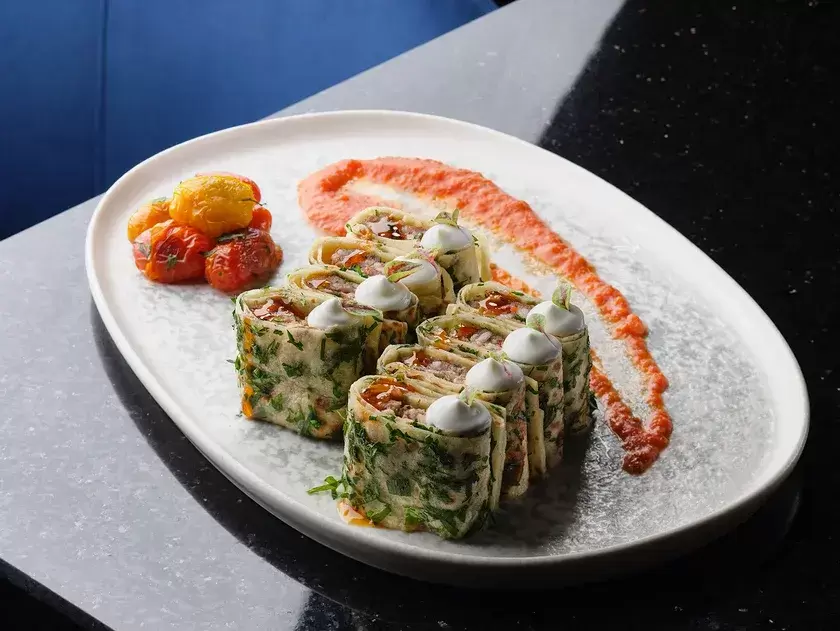
Mücver is a Turkish zucchini fritter made with grated zucchini, eggs, flour, and herbs. Once cooked, the exterior becomes crisp while the inside stays soft. It is often paired with yogurt and can appear as a meze, appetizer, or side dish.
Mücver captures an important characteristic of Turkish cooking: making vegetables interesting without hiding their identity. Fresh herbs provide fragrance. Zucchini supplies moisture. Yogurt adds contrast. Nothing needs to dominate.
8. Barbunya Pilaki Shows the Power of Olive Oil
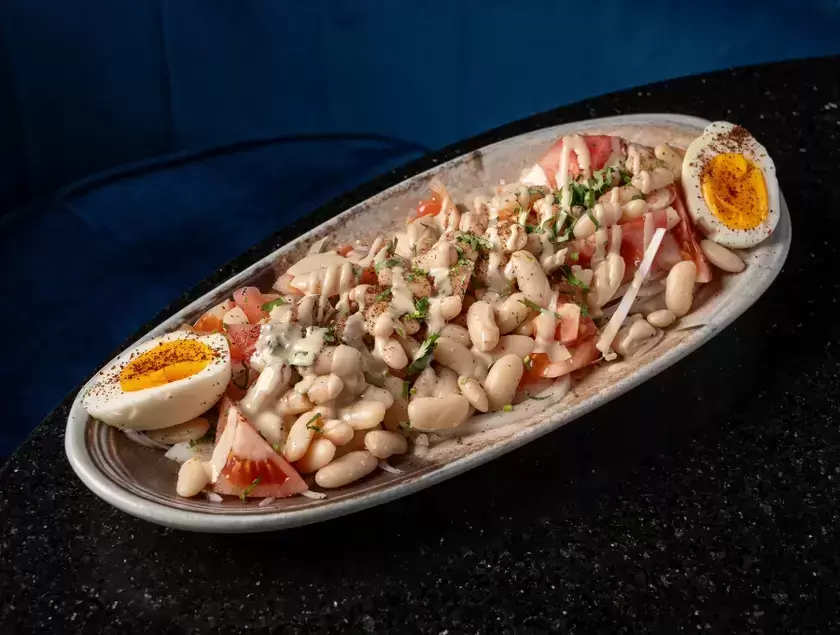
Beans might not sound like an exciting restaurant order. Barbunya pilaki can change that perception. This dish combines borlotti beans with tomatoes, carrots, garlic, and olive oil. It is generally served cool or at room temperature. The flavor is gentle rather than aggressive.
That makes it a useful introduction to the Aegean side of Turkish cuisine, where olive oil, vegetables, legumes, and herbs are prominent.
Why try it: It demonstrates how Turkish cooking can create depth from humble ingredients.
9. Perde Pilavı Marries Rice and Pastry
Perde Pilavi is one of the dishes that make Turkish cuisine more interesting. Rice is combined with ingredients, for instance, chicken, nuts, and dry fruits. Later, it is enclosed in a pastry shell and baked.
This result is visually striking. This also delivers contrasting textures in one dish. Perde Pilavi reflects the most extensive side of authentic Turkish foods.
Why try it: It shows how Turkish cuisine combines grains, pastry, meat, nuts, and spices with remarkable precision.
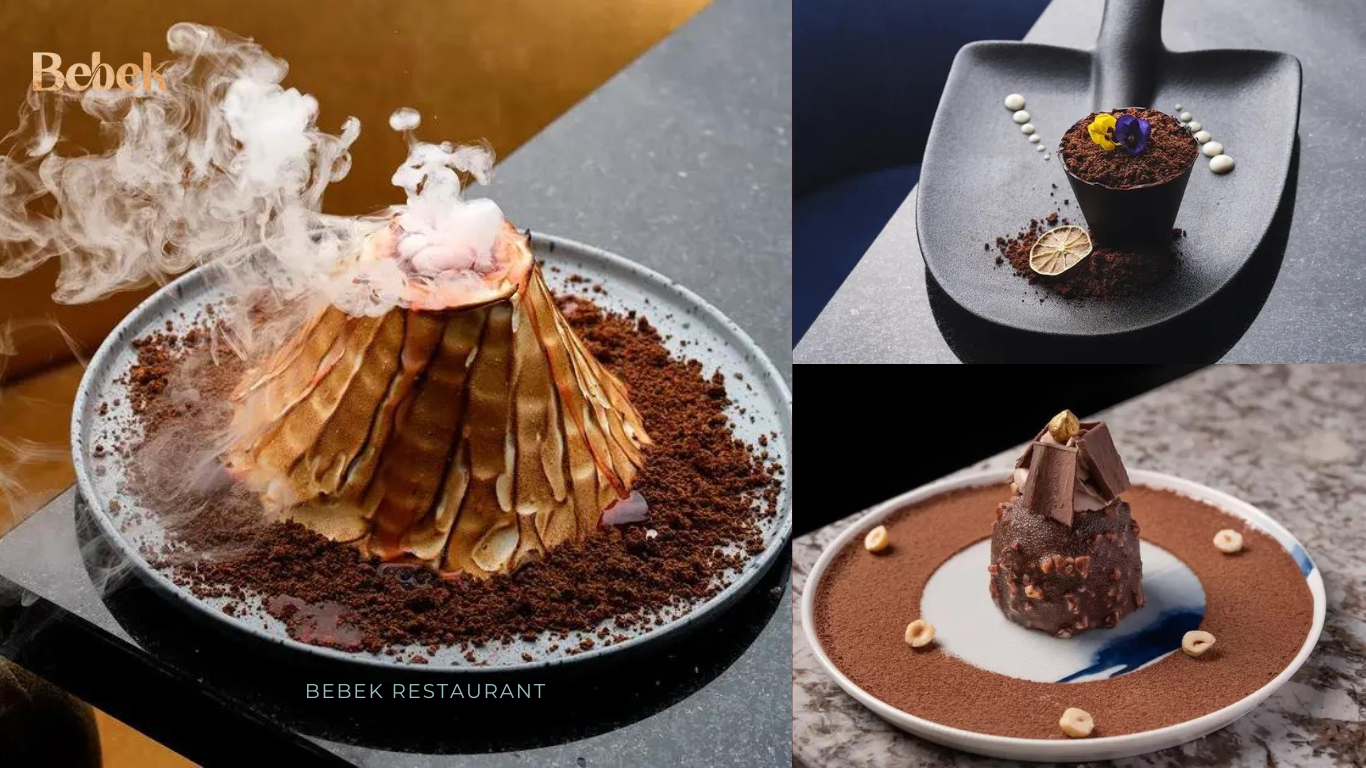
10. Turkish Desserts Go Far Beyond Baklava
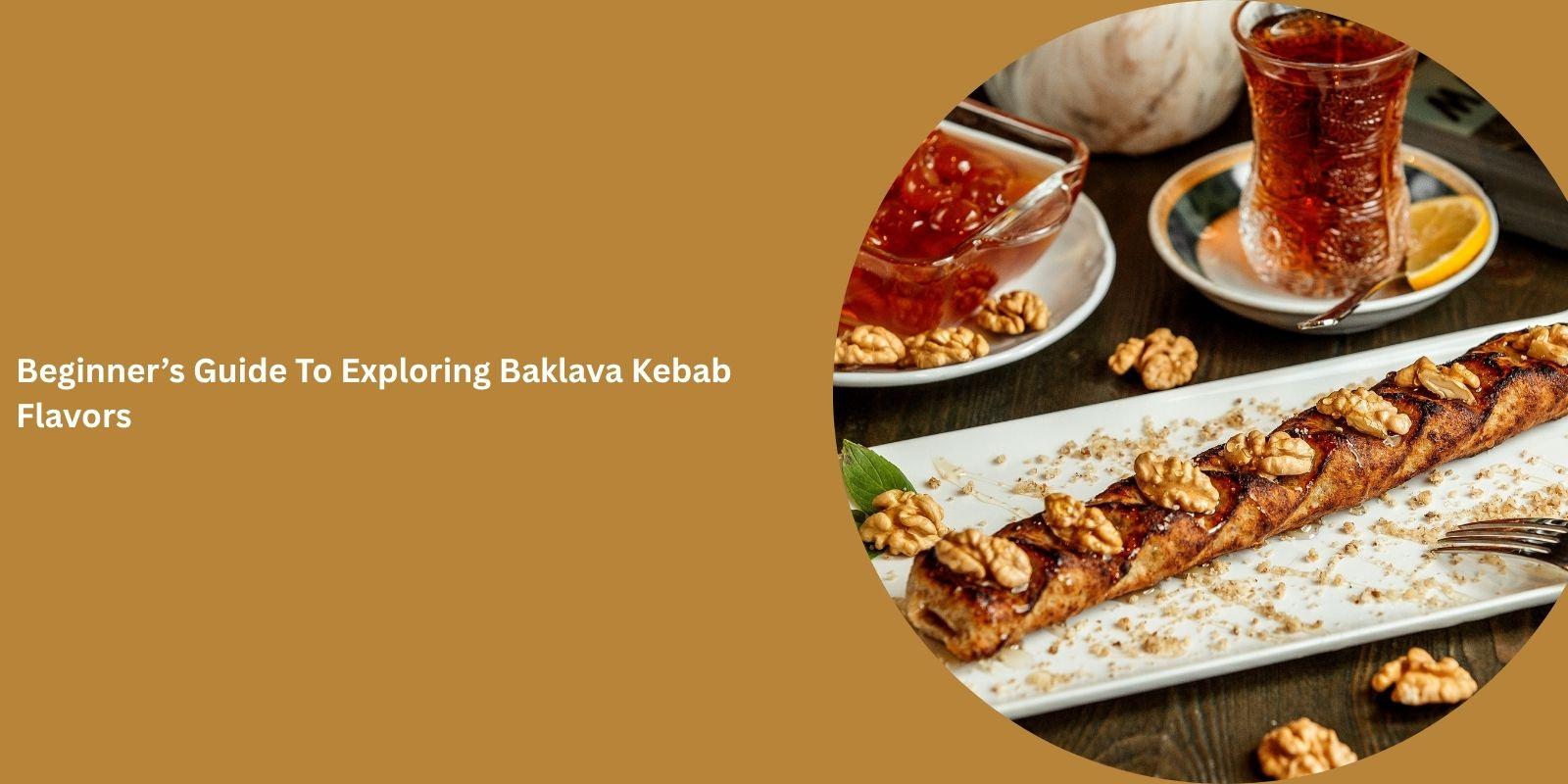
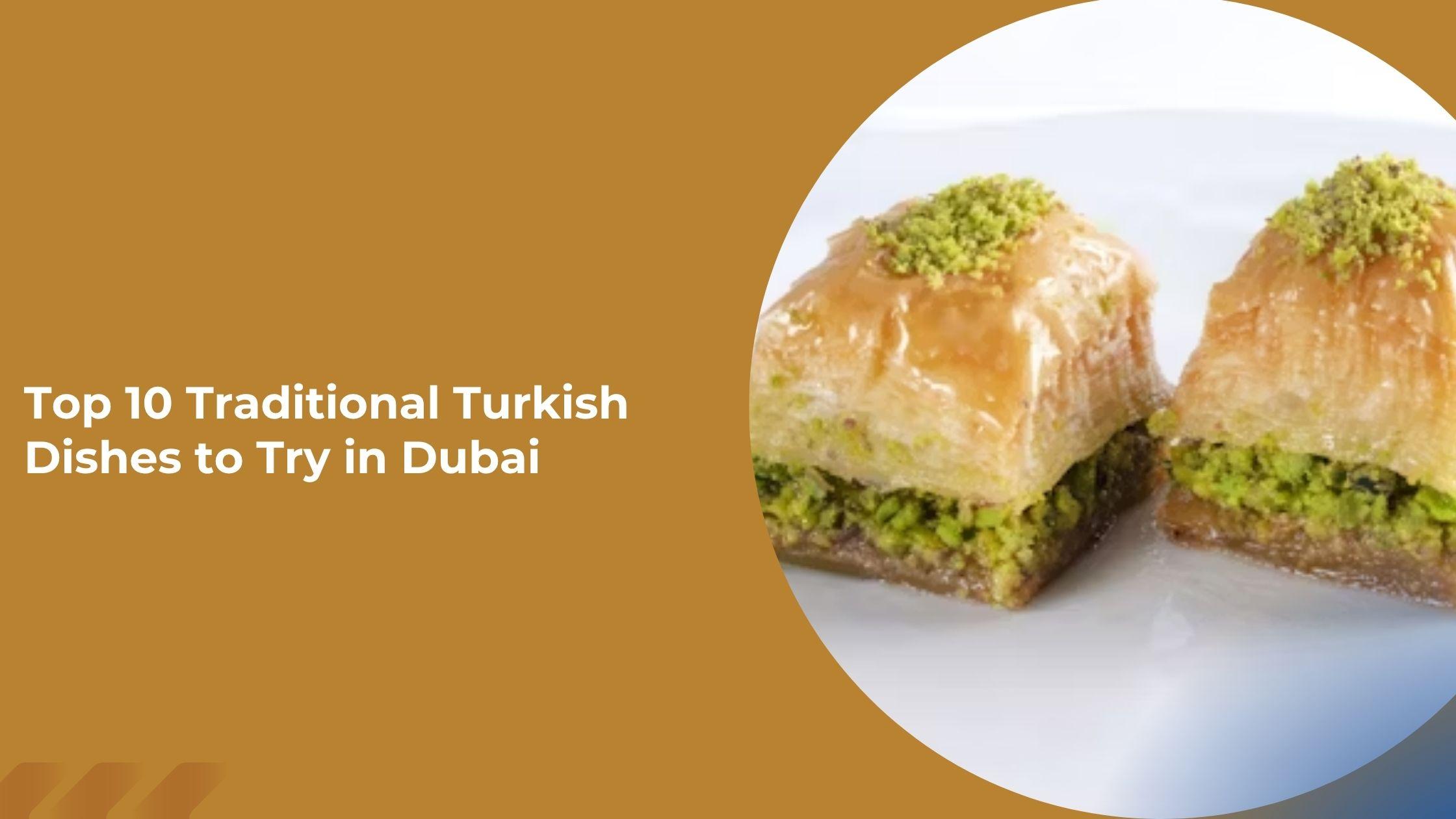
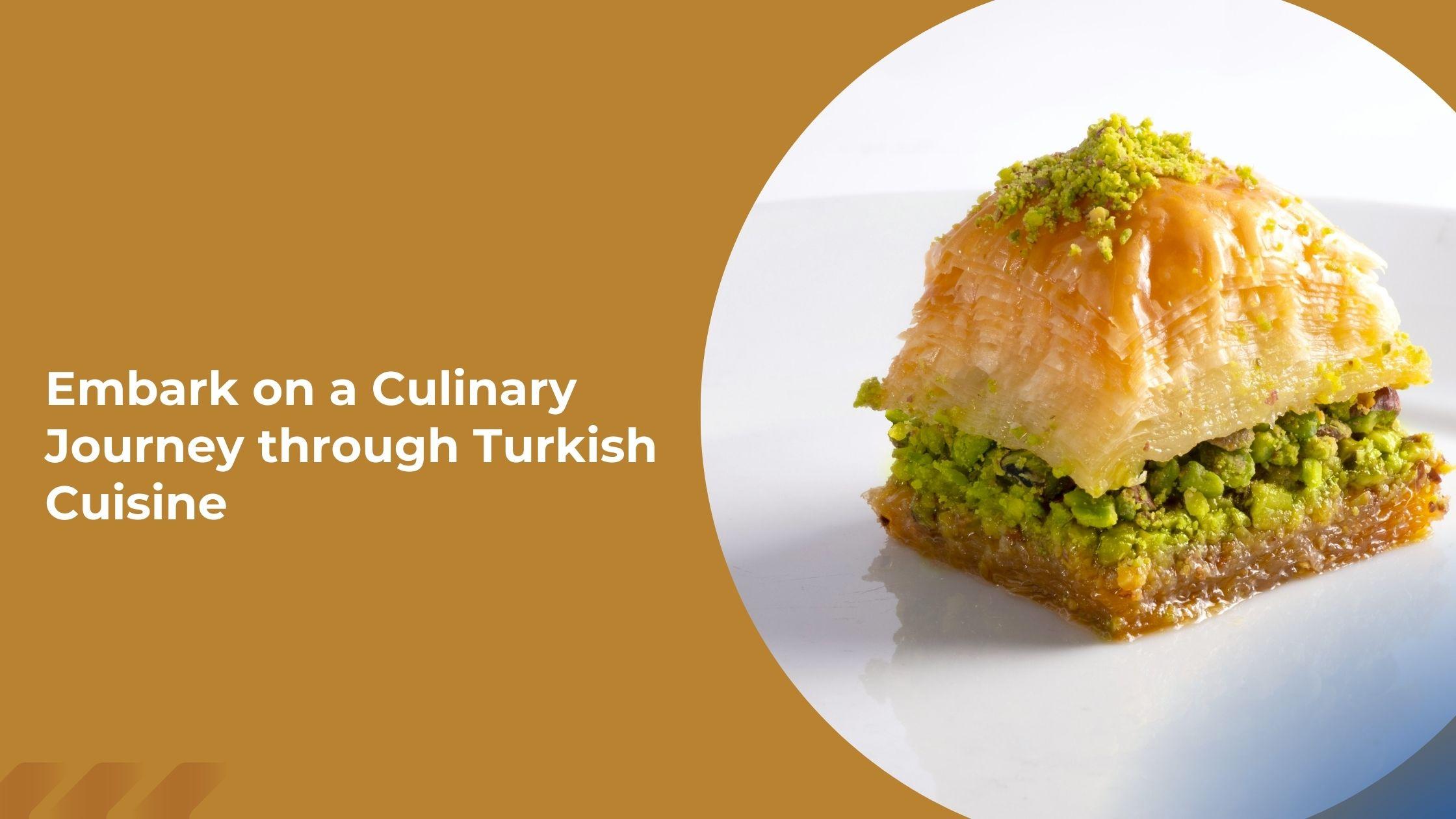
Baklava may be the best-known Turkish dessert internationally, but stopping there would mean missing out on a lot.
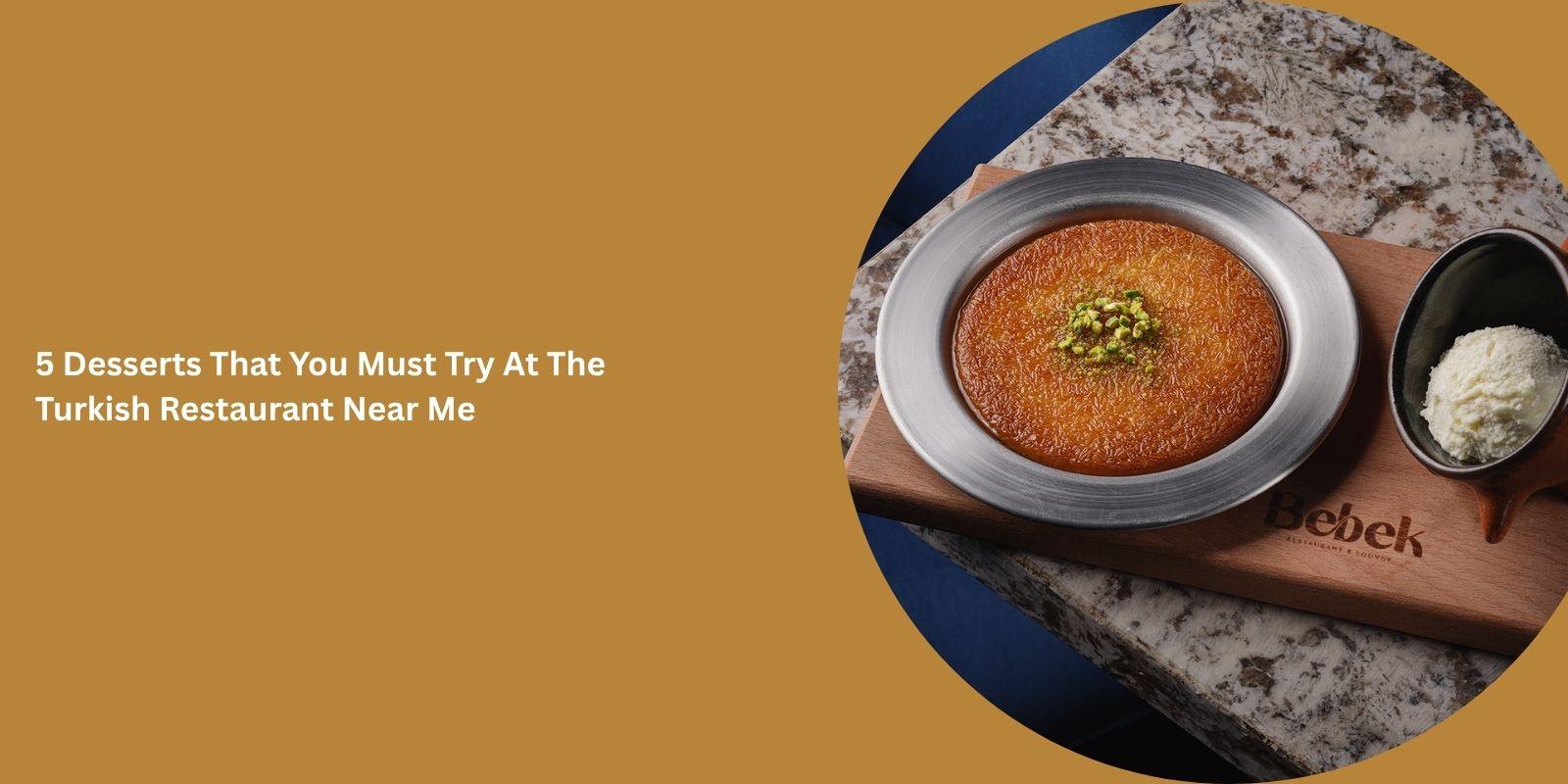
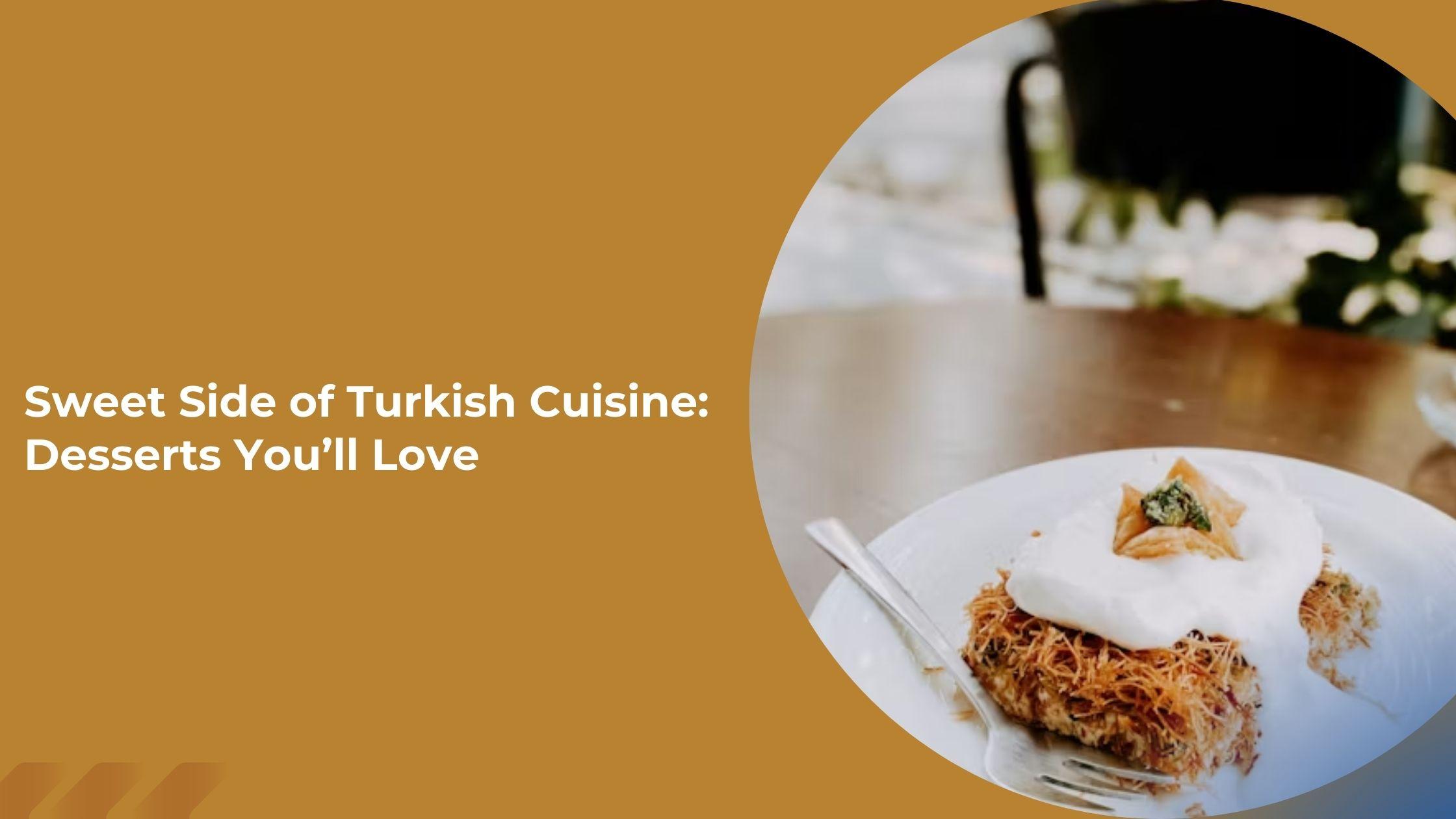
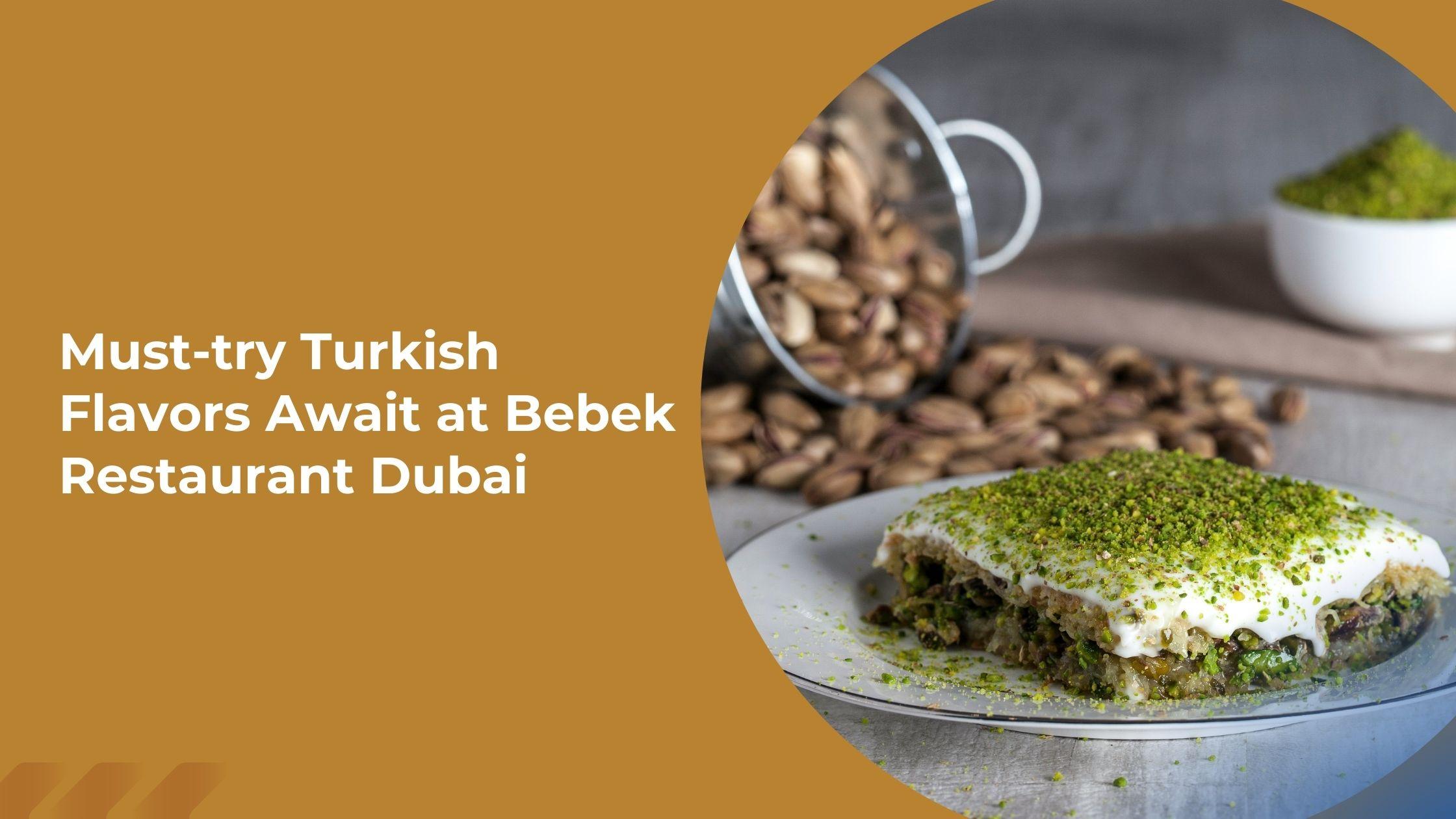
- Try künefe, where crisp shredded pastry meets melted cheese and syrup.
- Try sütlaç, a creamy rice pudding that takes a quieter approach to dessert.
- Try kazandibi, known for its caramelized surface and soft milk-based texture.
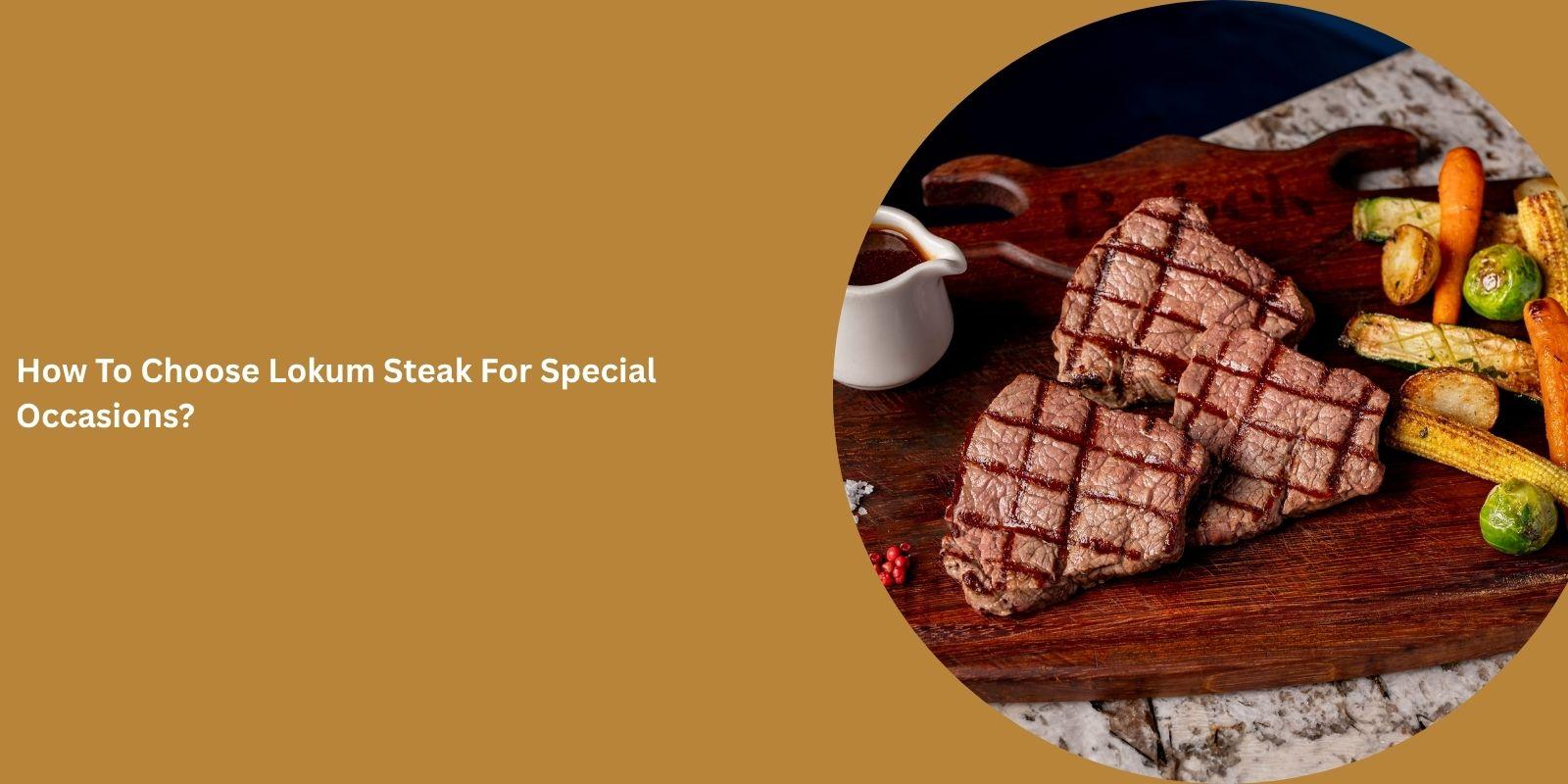
Then there is lokum, the chewy confection commonly flavored with rose, citrus, or nut flavors. Each dessert offers a different expression of Turkish sweetness. Some are rich. Others are delicate. Some depend on texture as much as flavor.
The Real Turkish Kitchen Is Built on Variety
The easiest way to appreciate Turkish flavors is not to stick to one dish. Yes, there isn’t only one. It has the Smoky character of grilled meat. Freshness of yogurt. Comfort of soups, and precision of homemade lentil soups. Herb and vegies, and sweet syrups for desserts.
All together, these dishes build a much broader picture. Authentic Turkish food is about balance, regional personality, and the pleasure of sharing. So the next time you visit a Turkish restaurant, don't order only a kebab.
- Start with meze.
- Try a vegetable dish.
- Share some pide.
- Order mantı if it's available.
- Finish with a Turkish dessert and a cup of tea.
That is when the Turkish kitchen starts to reveal its real character.
Key Takeaways
- Turkish food extends far beyond kebabs and döner.
- Meze, olive oil, vegetables, dumplings, pastries, and legumes are essential parts of the cuisine.
- Regional traditions make Turkish cooking remarkably diverse.
If you're prepared to explore Turkish cuisine beyond the familiar favorites, choose a restaurant where traditional recipes, quality ingredients, and generous sharing plates come together. The best introduction isn't a single dish. It's a table filled with different flavors.
FAQs About Authentic Turkish Food
What is the most authentic Turkish food?
Authentic Turkish food includes much more than kebabs. The traditional options may include manti, pide, dolma, meze, mercimek corbasi, pilaf, and a wide range of regional desserts and dishes.