
10 Sep 2026
What Makes a Turkish Cafe Authentic? A Guide to Turkish Dining
What aspects make a Turkish Cafe feel truly Turkish? It is not the aroma of grilled kebabs, nor colorful meze, neither the freshly baked breads. An Authentic Turkish cafe goes far from traditional-looking decor, and 2,3 Turkish-style dishes.
A classic and authentic Turkish dining experience would have traditional recipes, quality ingredients, and familiar cooking methods.
For dinners exploring Dubai’s diverse food scene, understanding these details would make it easier to understand a Turkish cafe that would help the culinary traditions behind its menu.
Start With Traditional Turkish Food
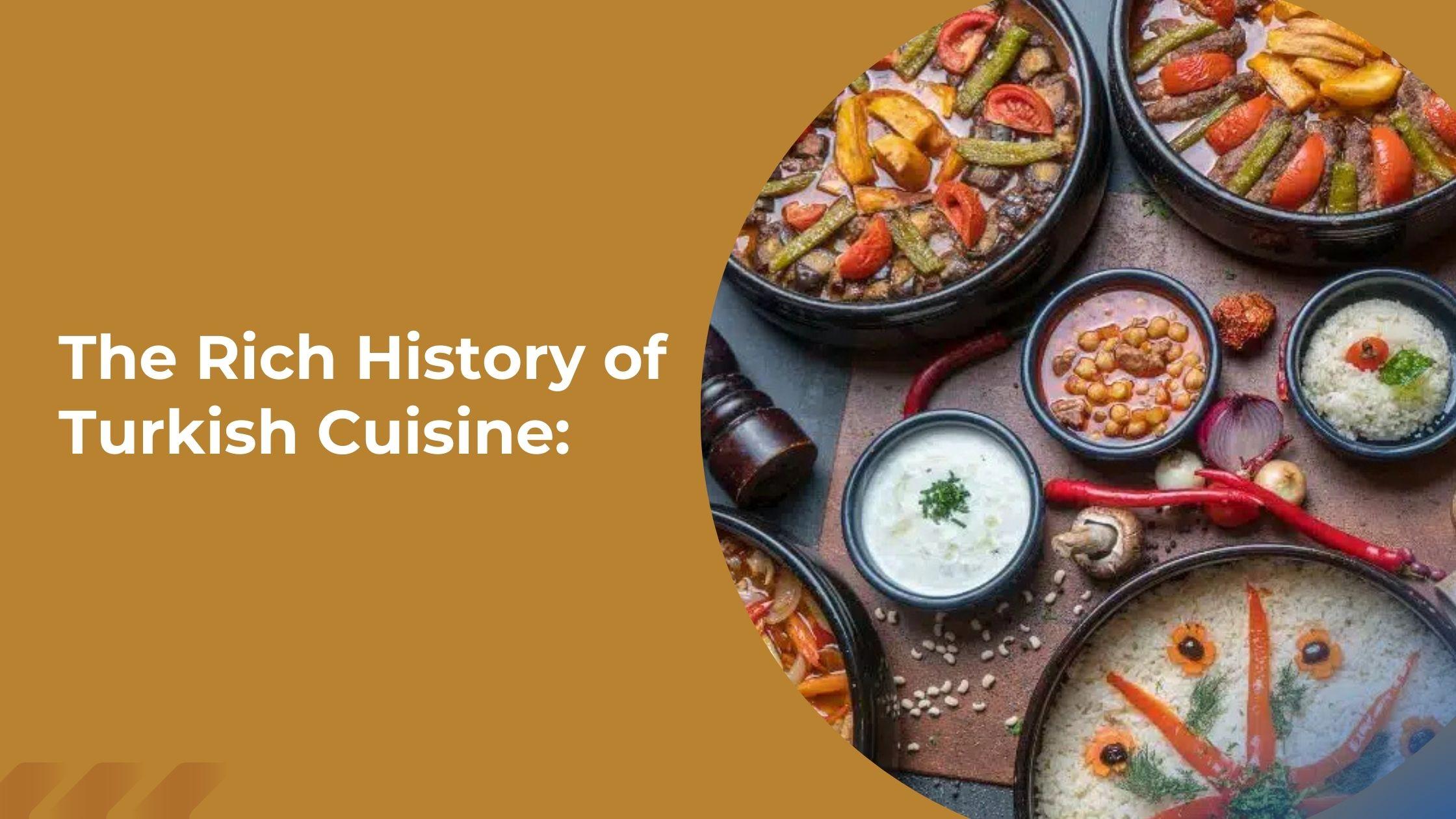
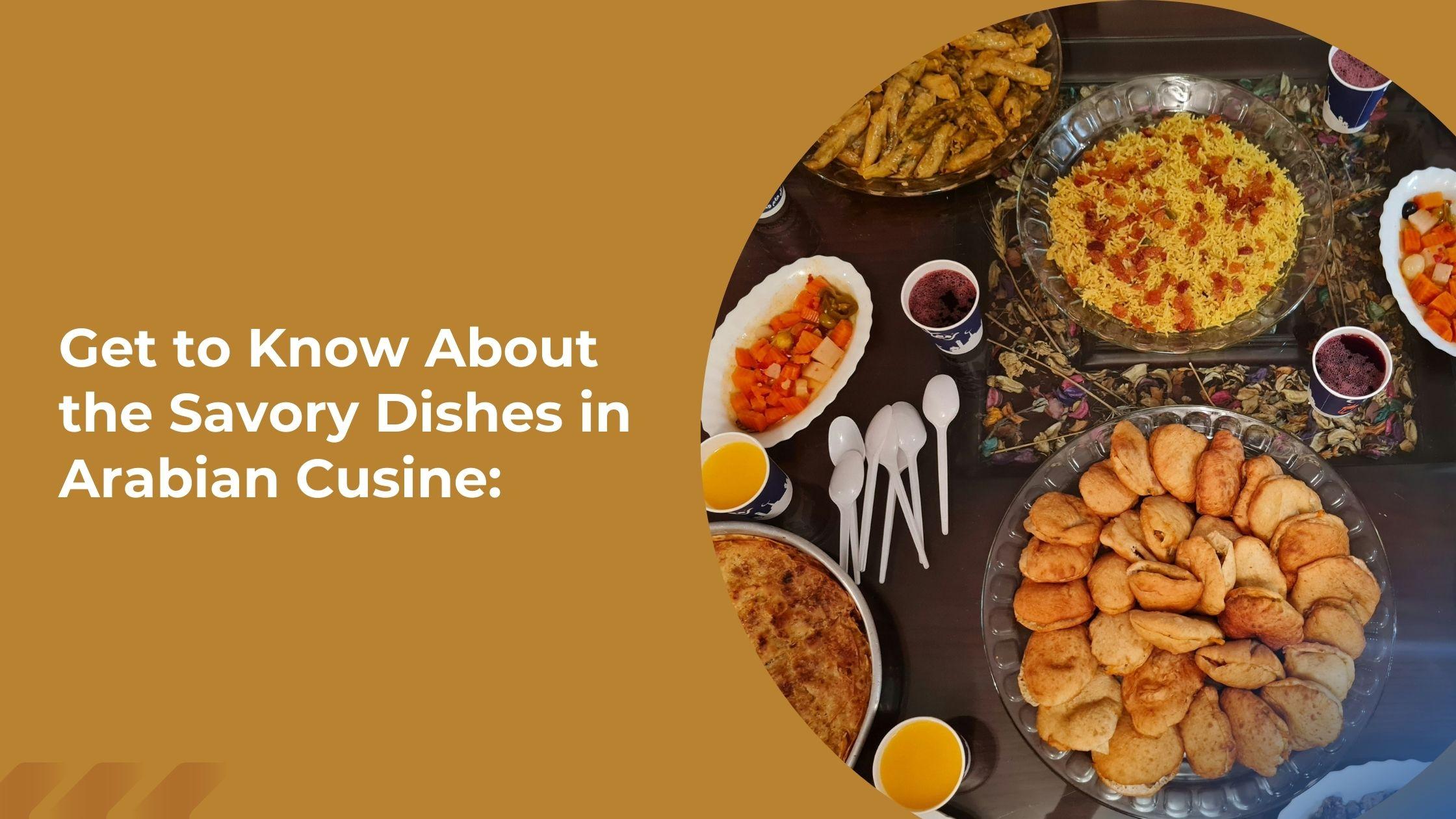
Food is the foundation of an authentic Turkish dining experience. Turkish cuisine has developed across different regions, creating an impressive variety of grilled meats, breads, vegetables, pastries, soups, desserts, and small plates.
A traditional Turkish cafe may serve dishes such as:
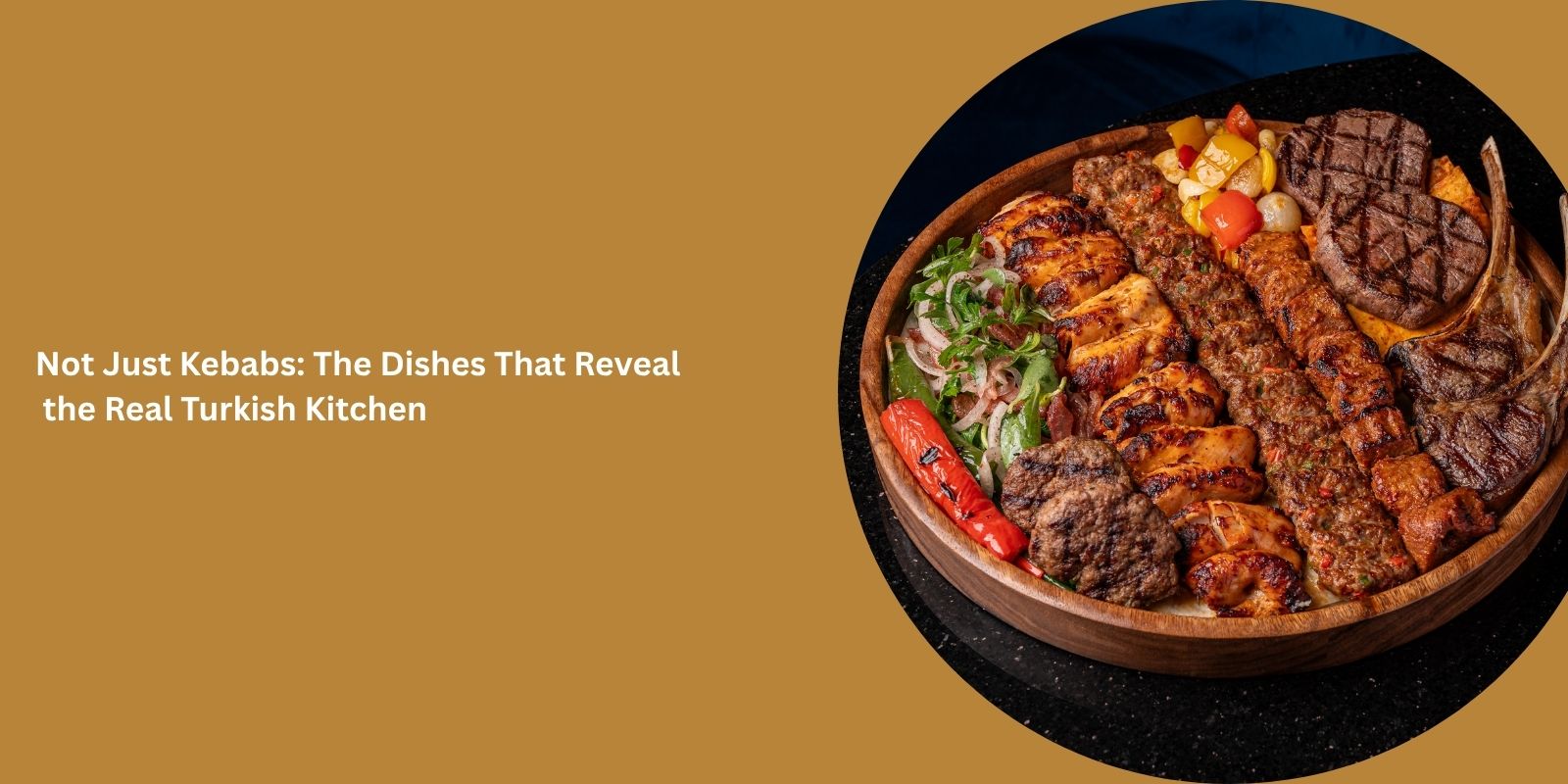
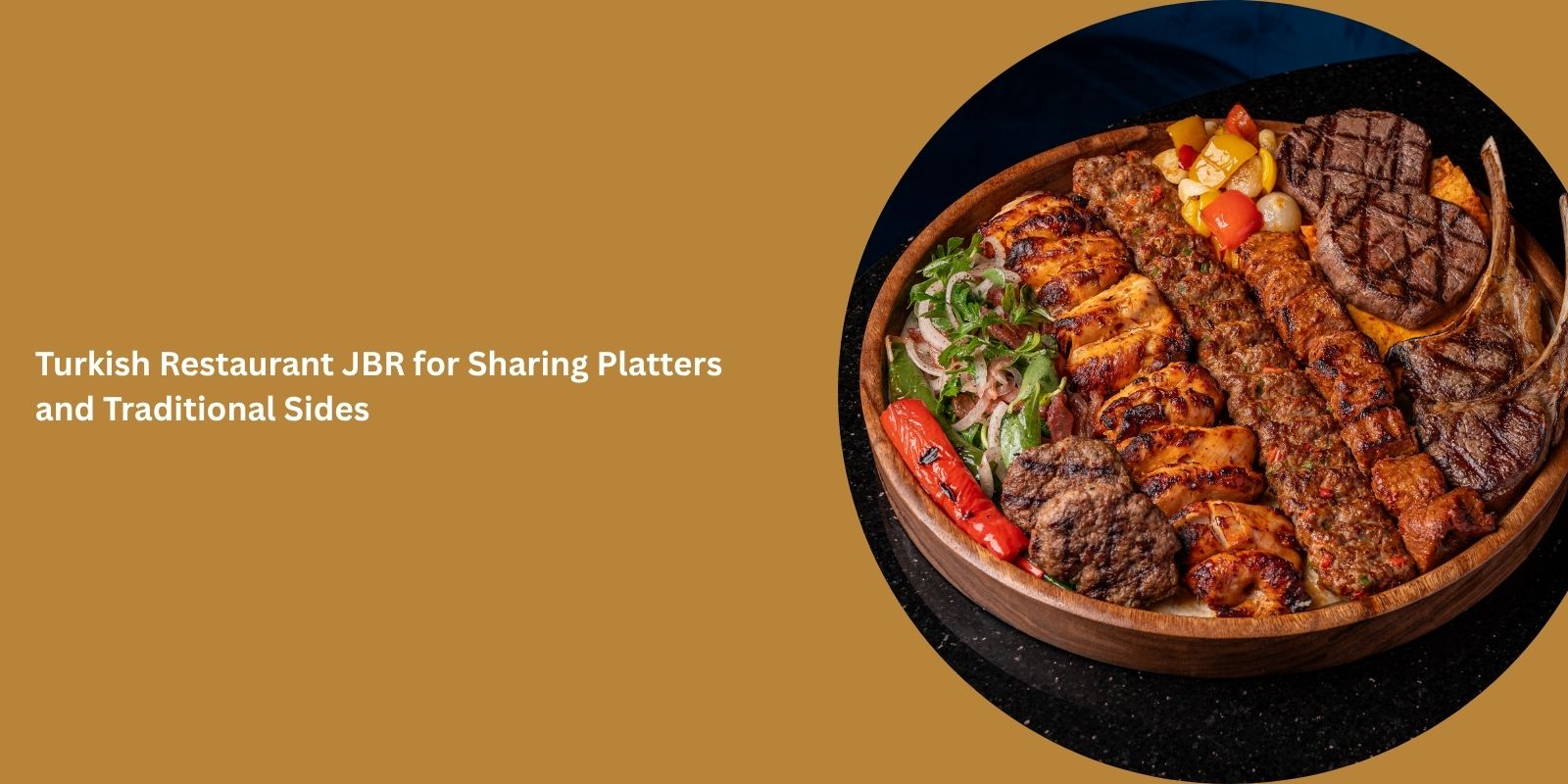
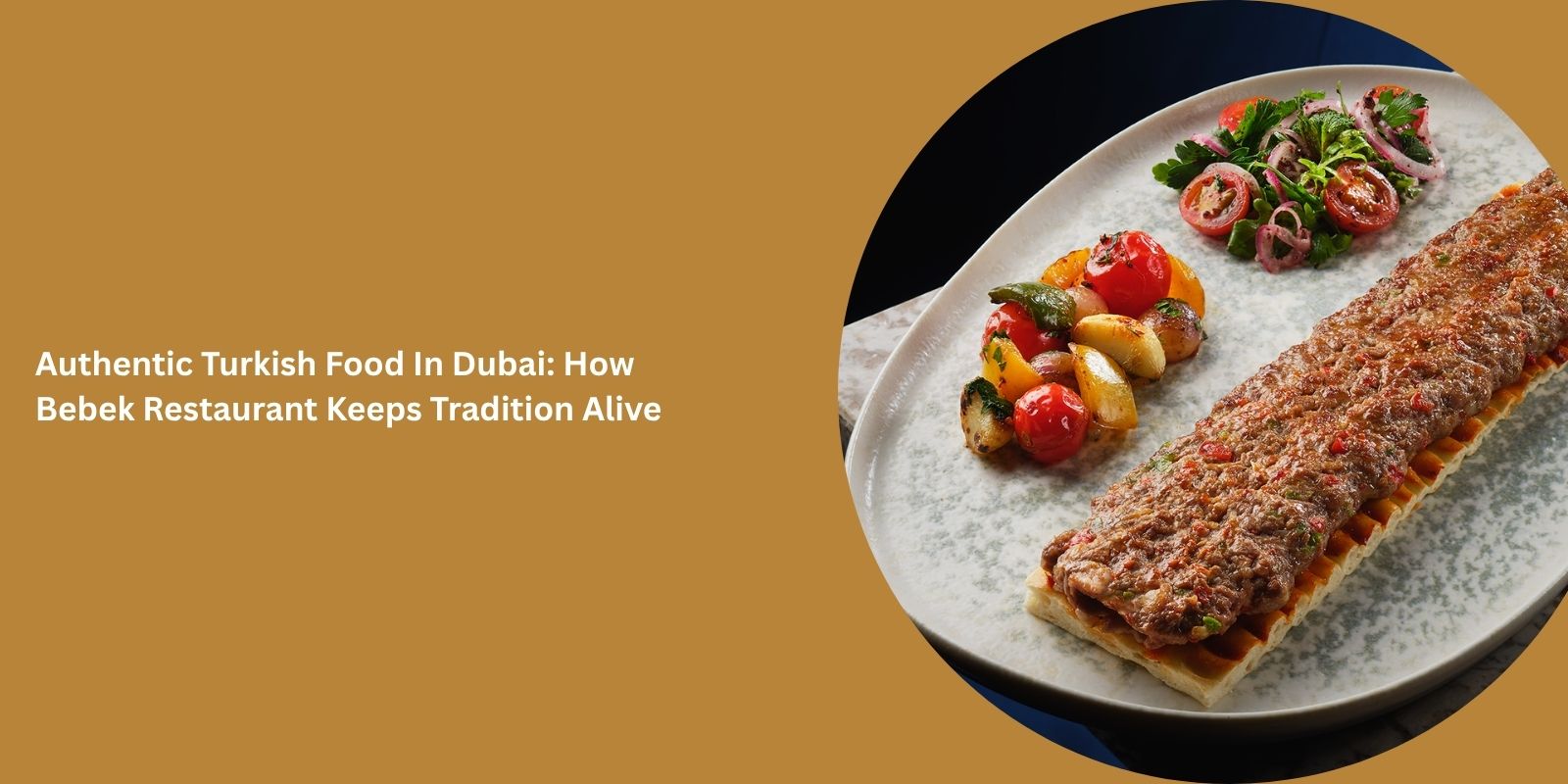
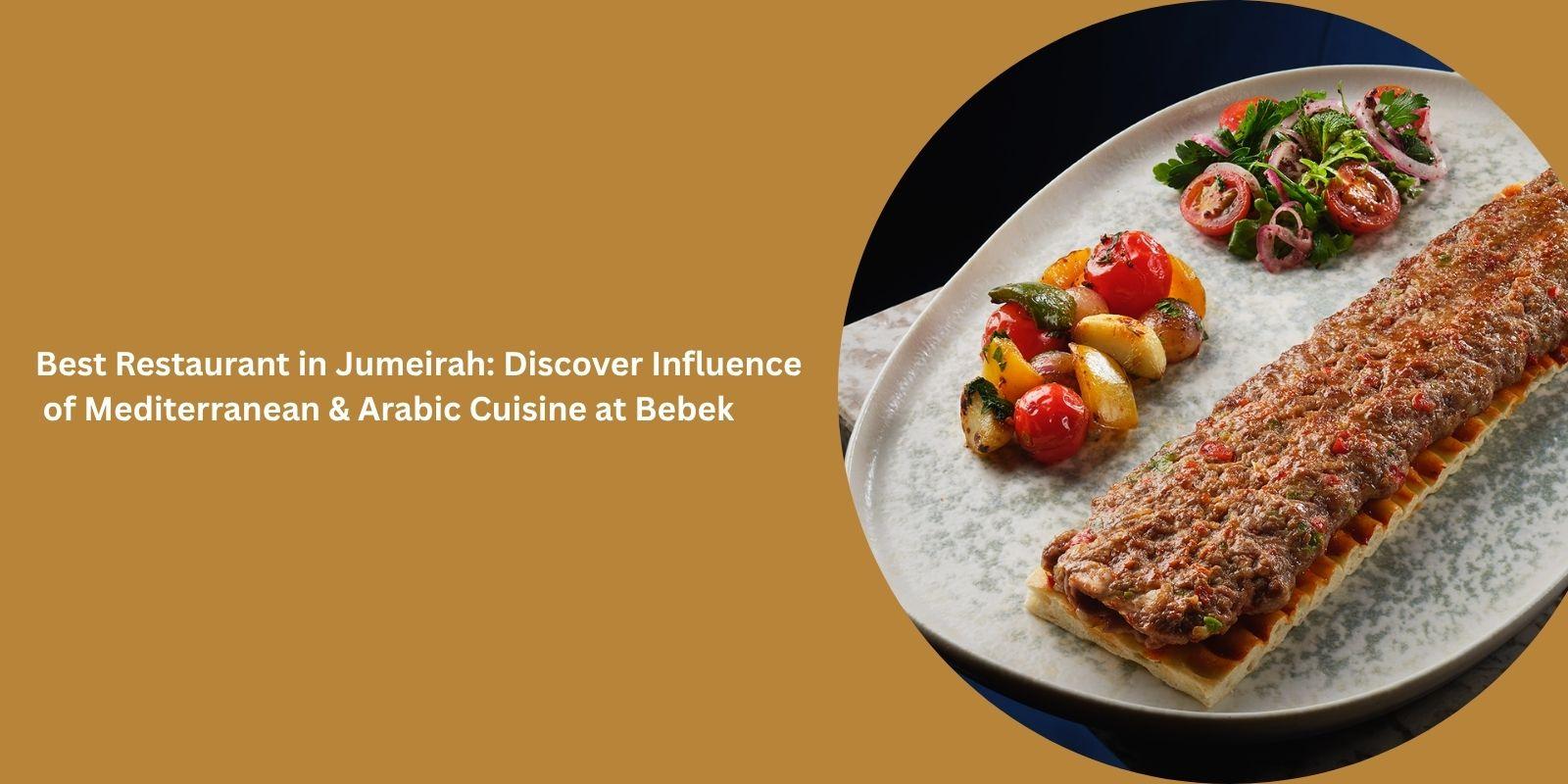
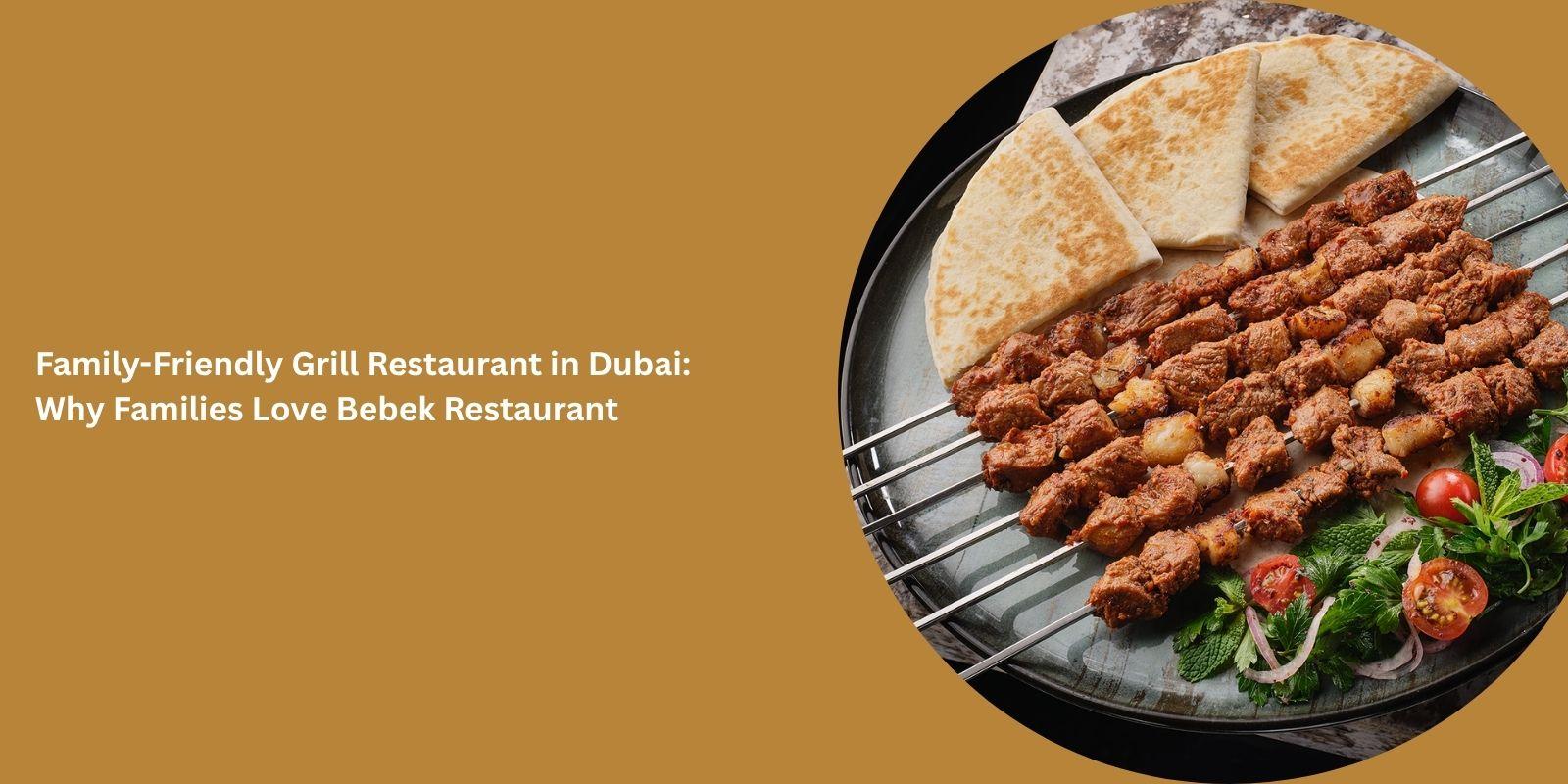
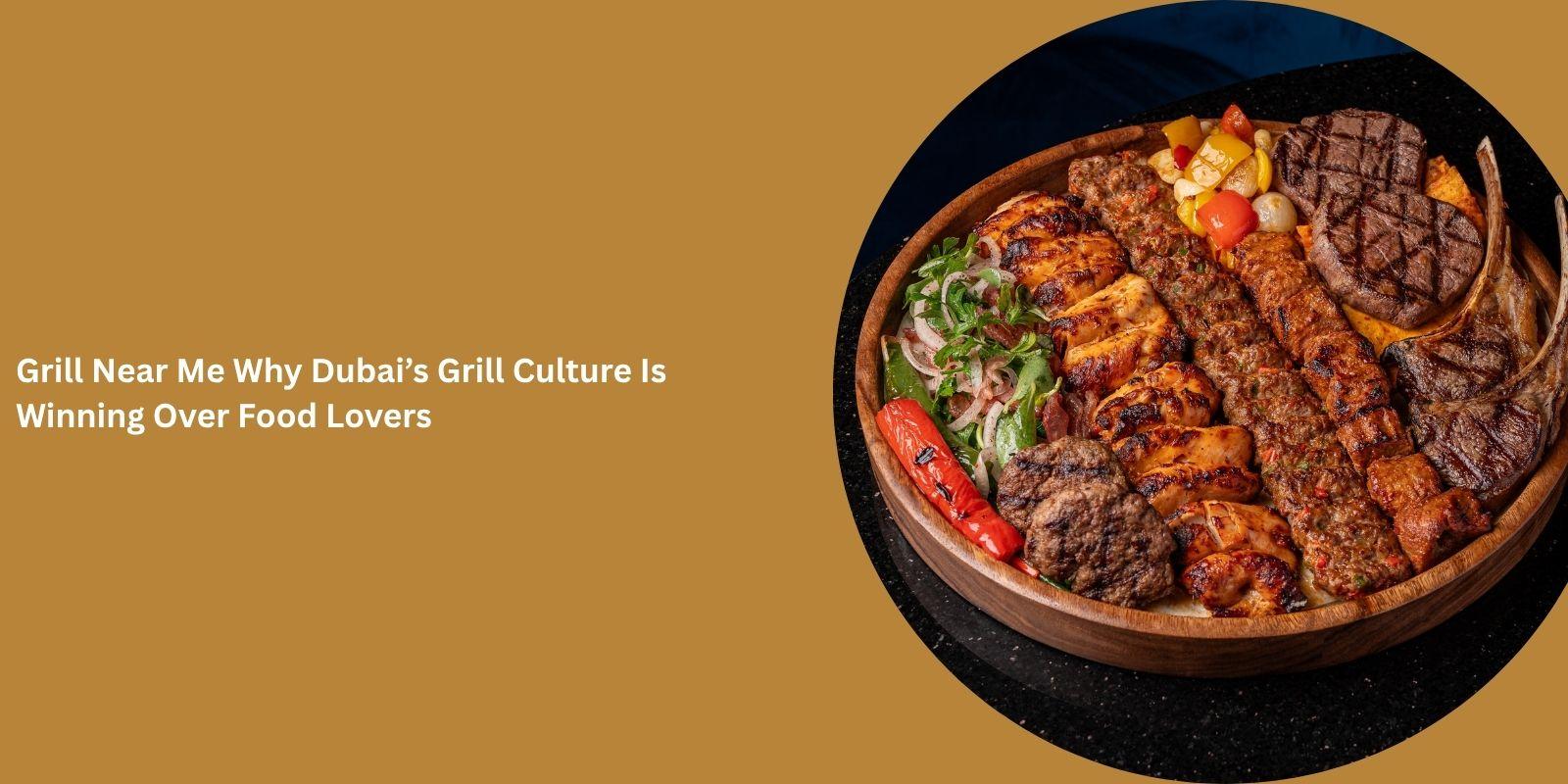
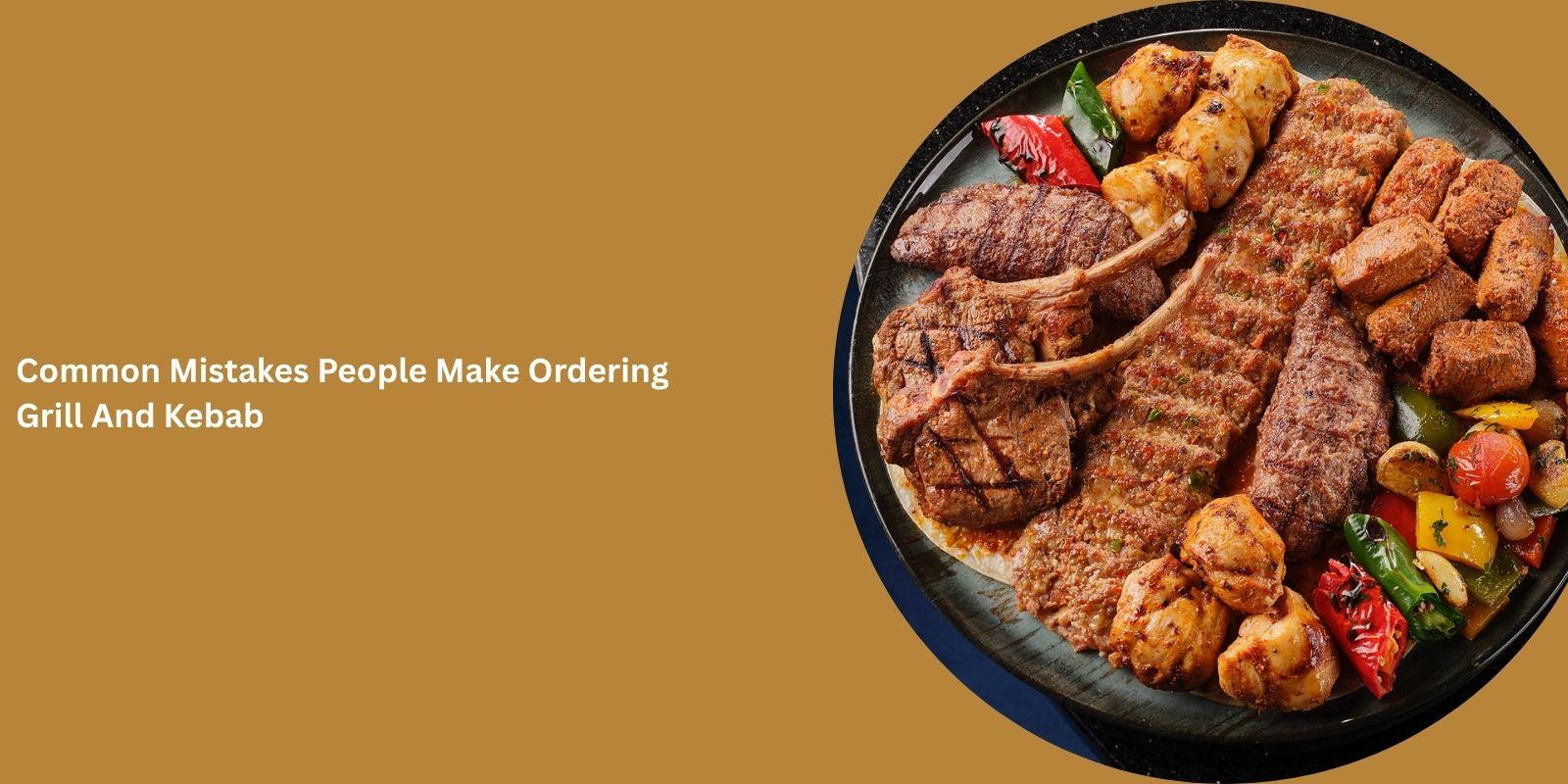
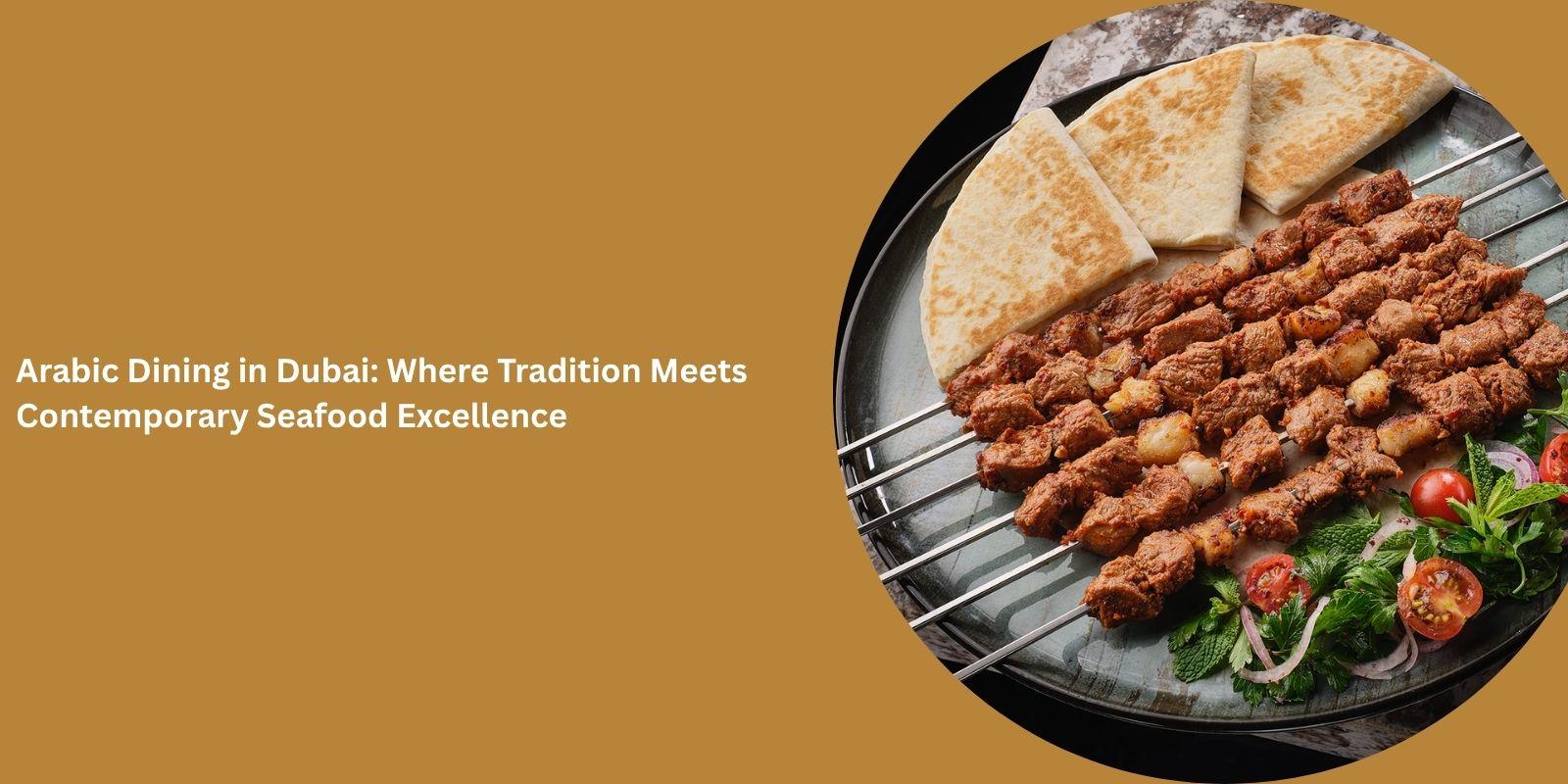
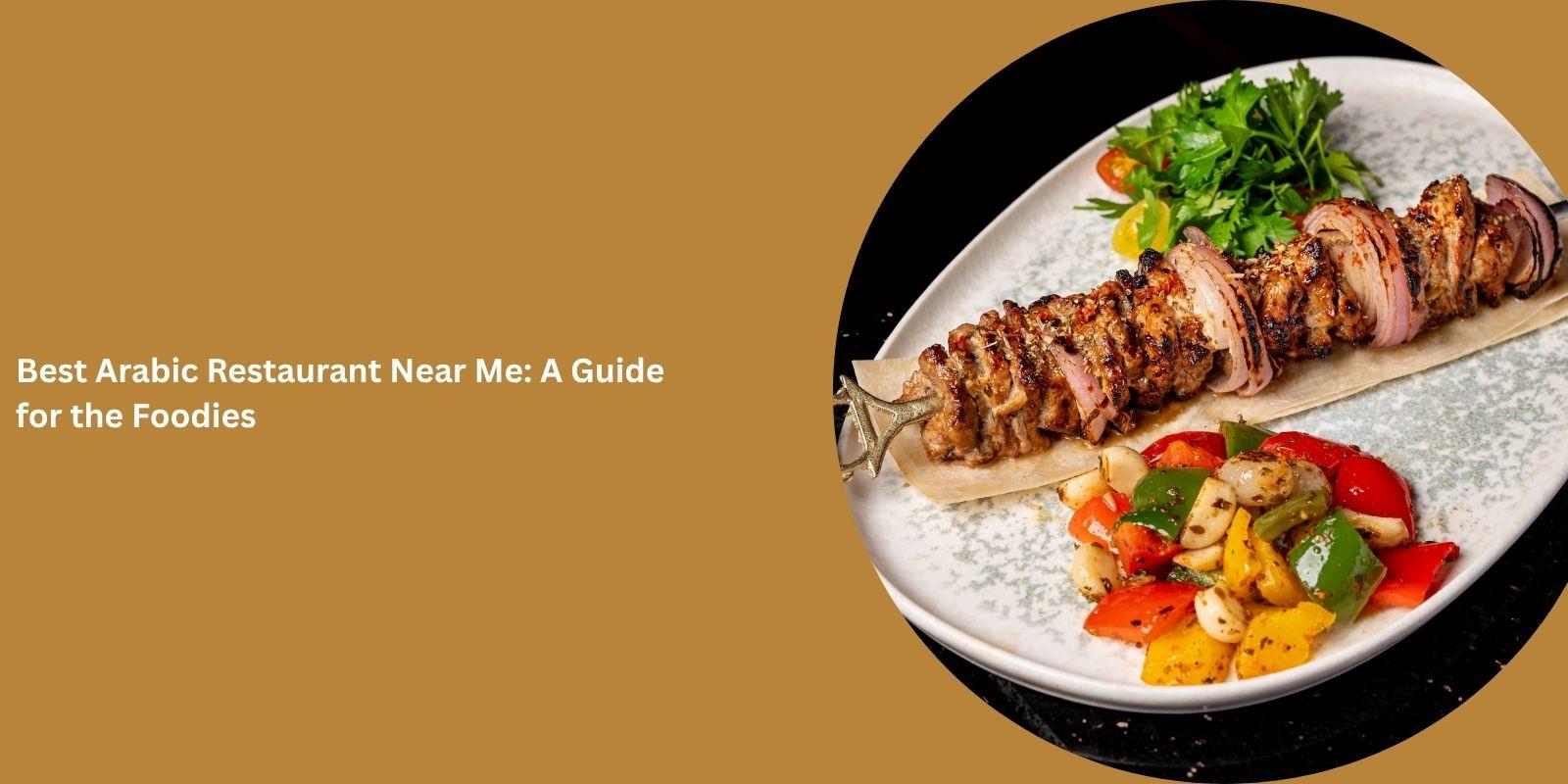
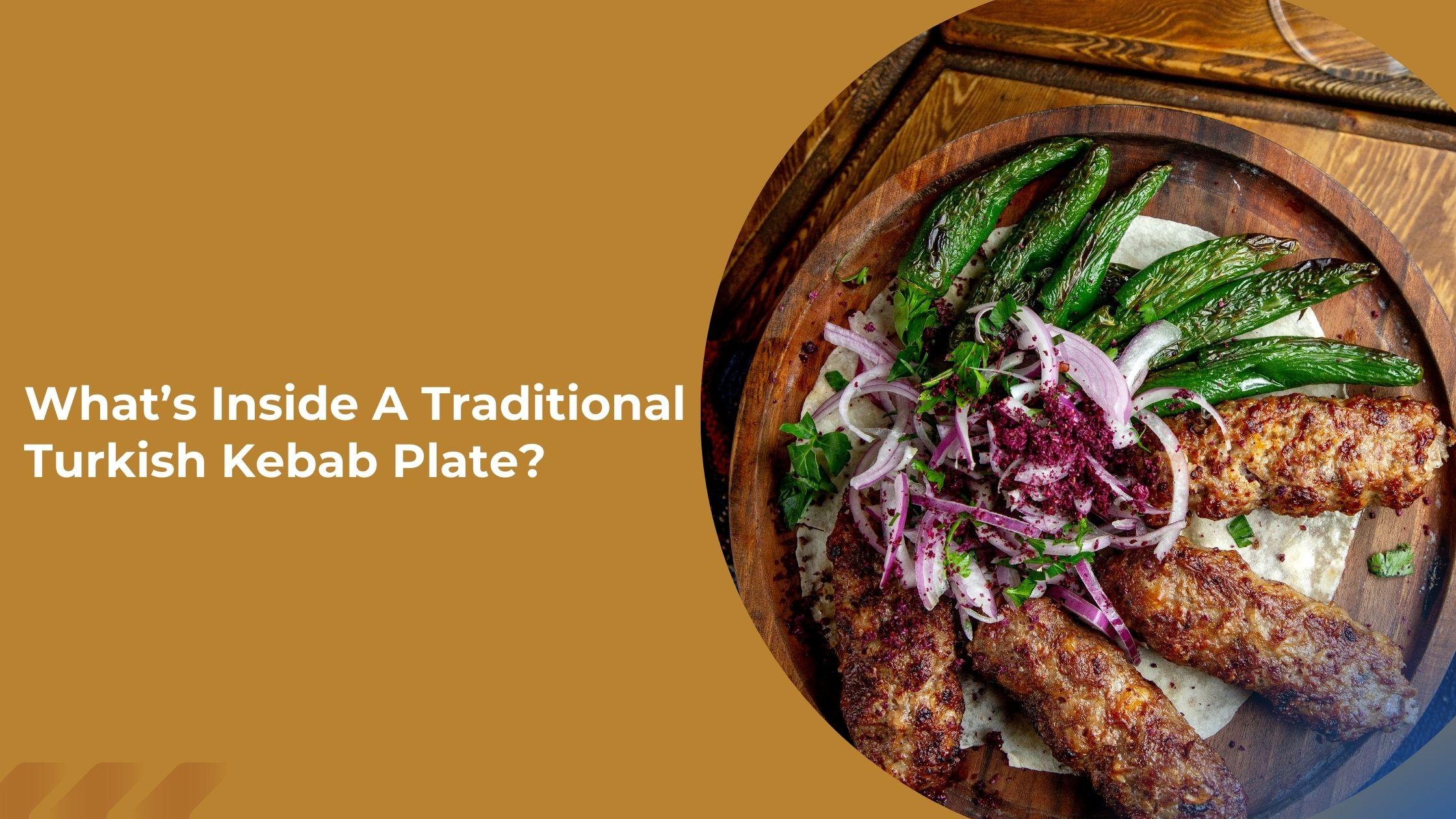
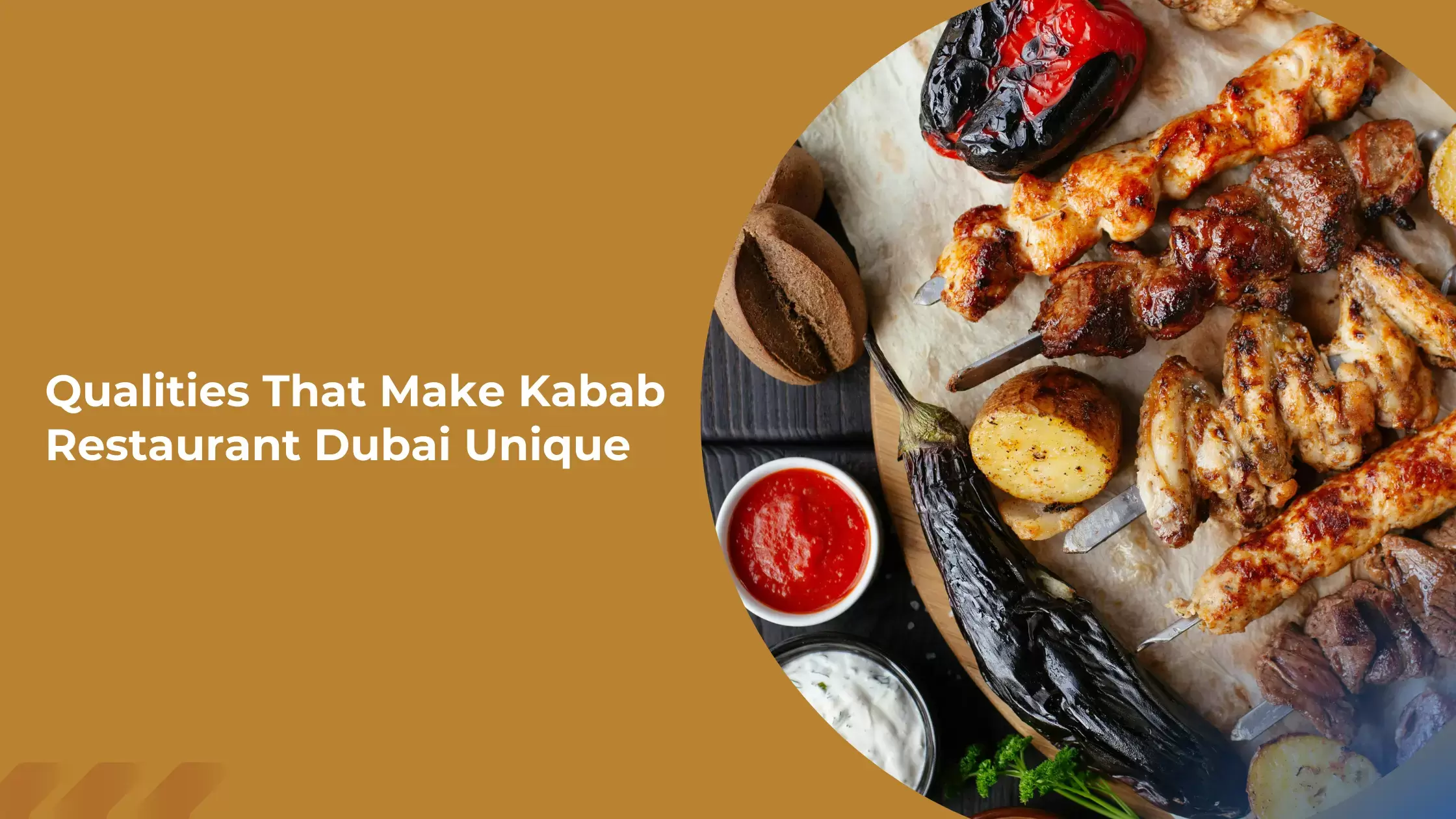
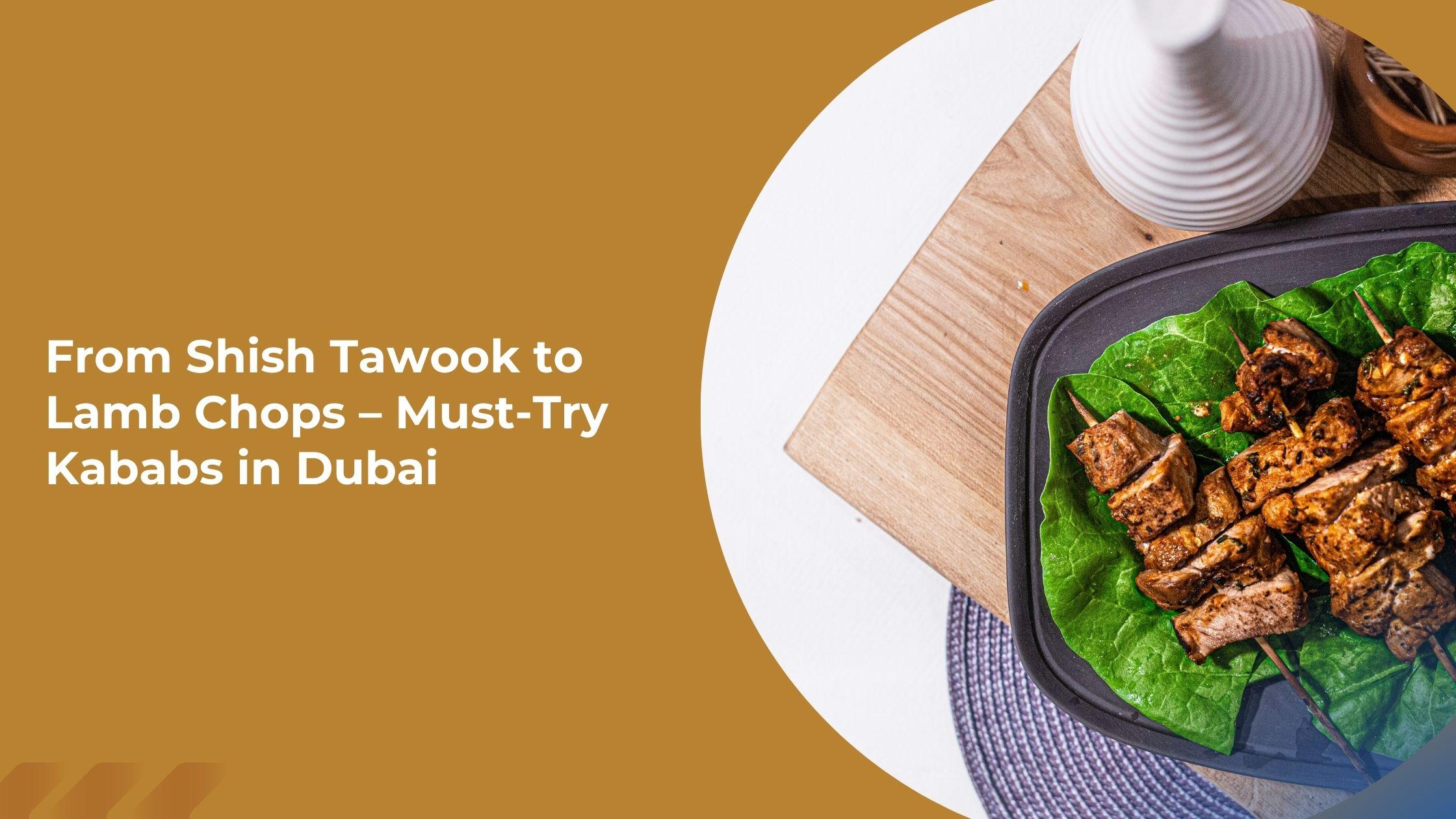
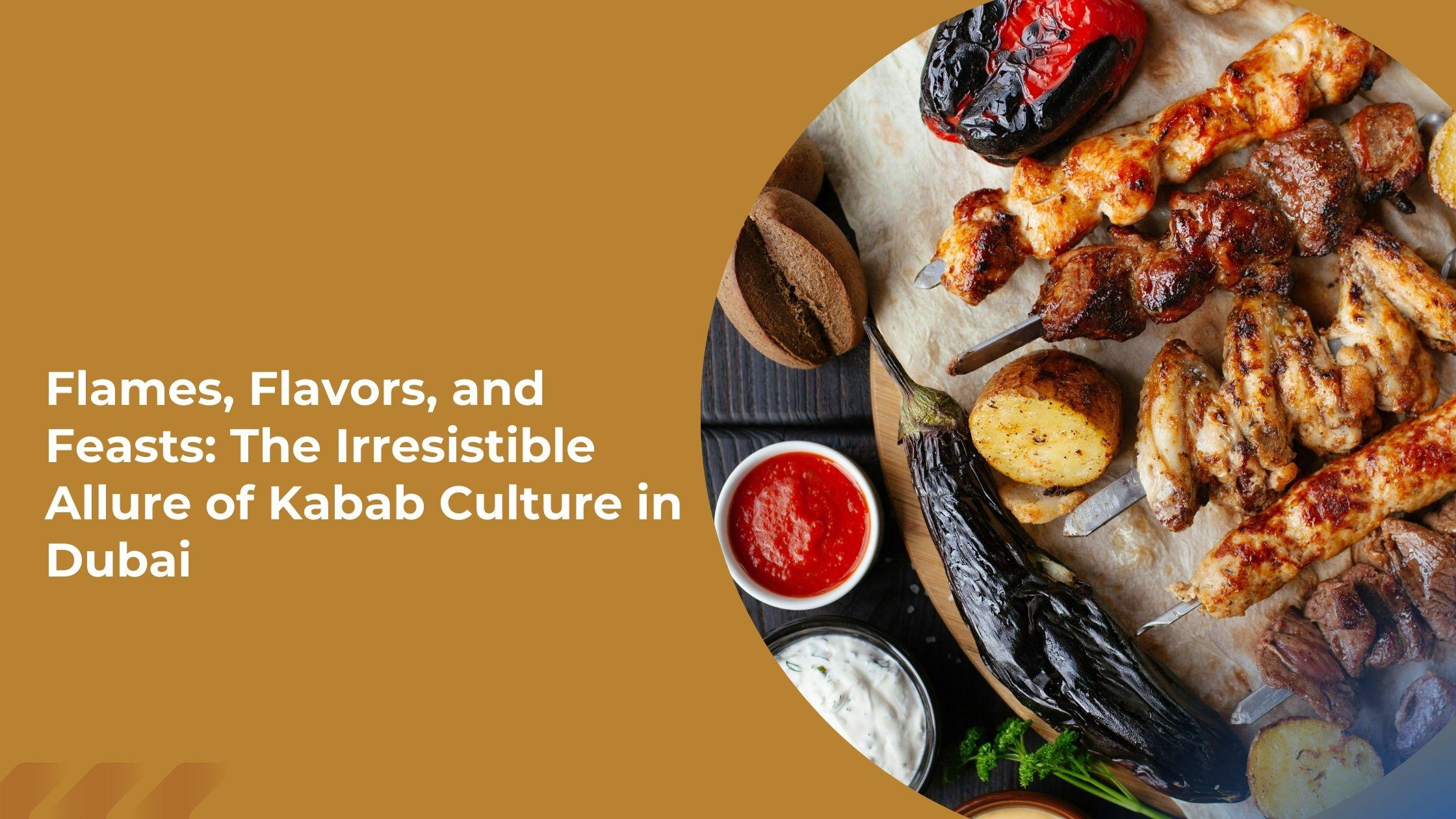
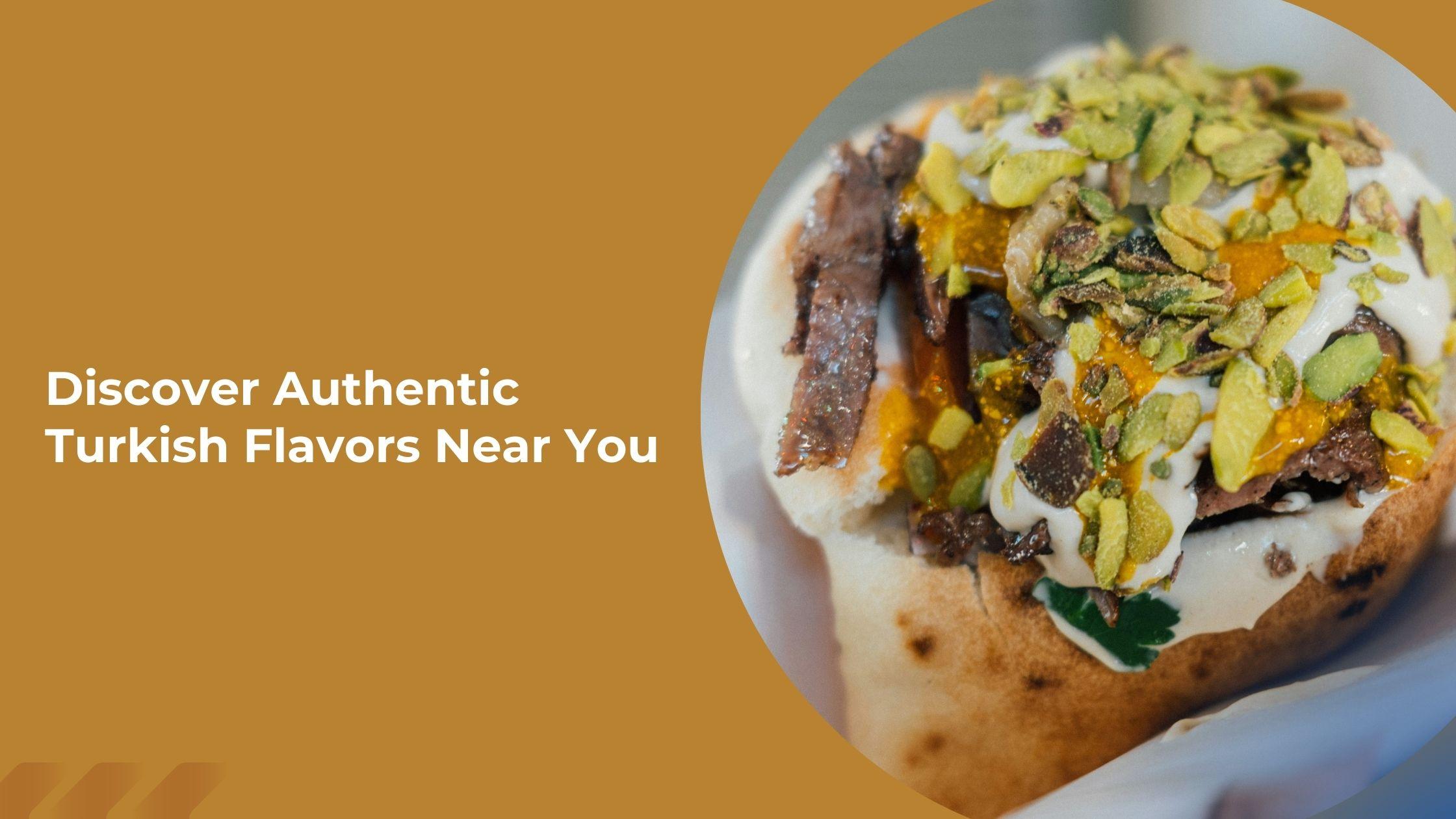
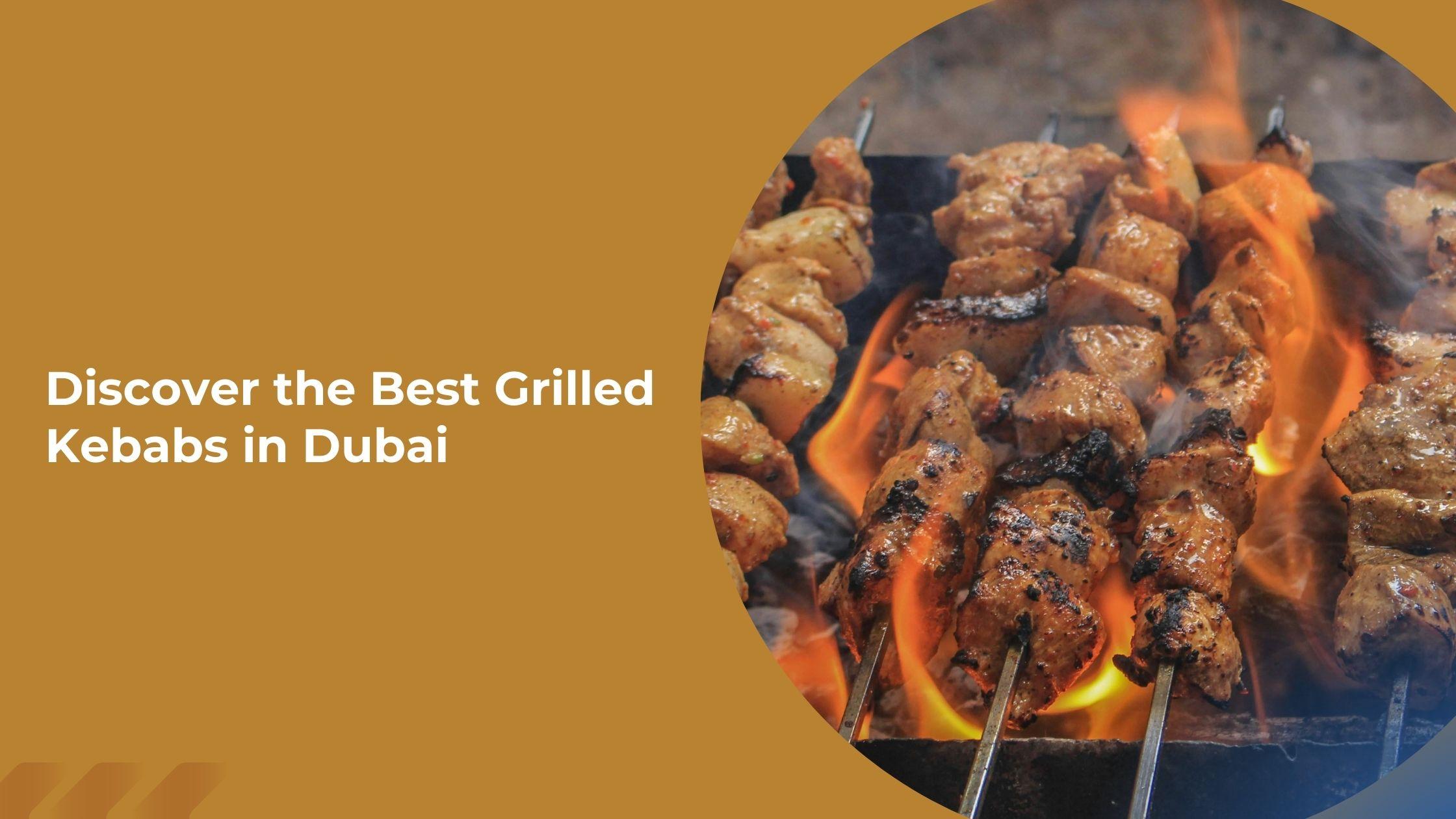
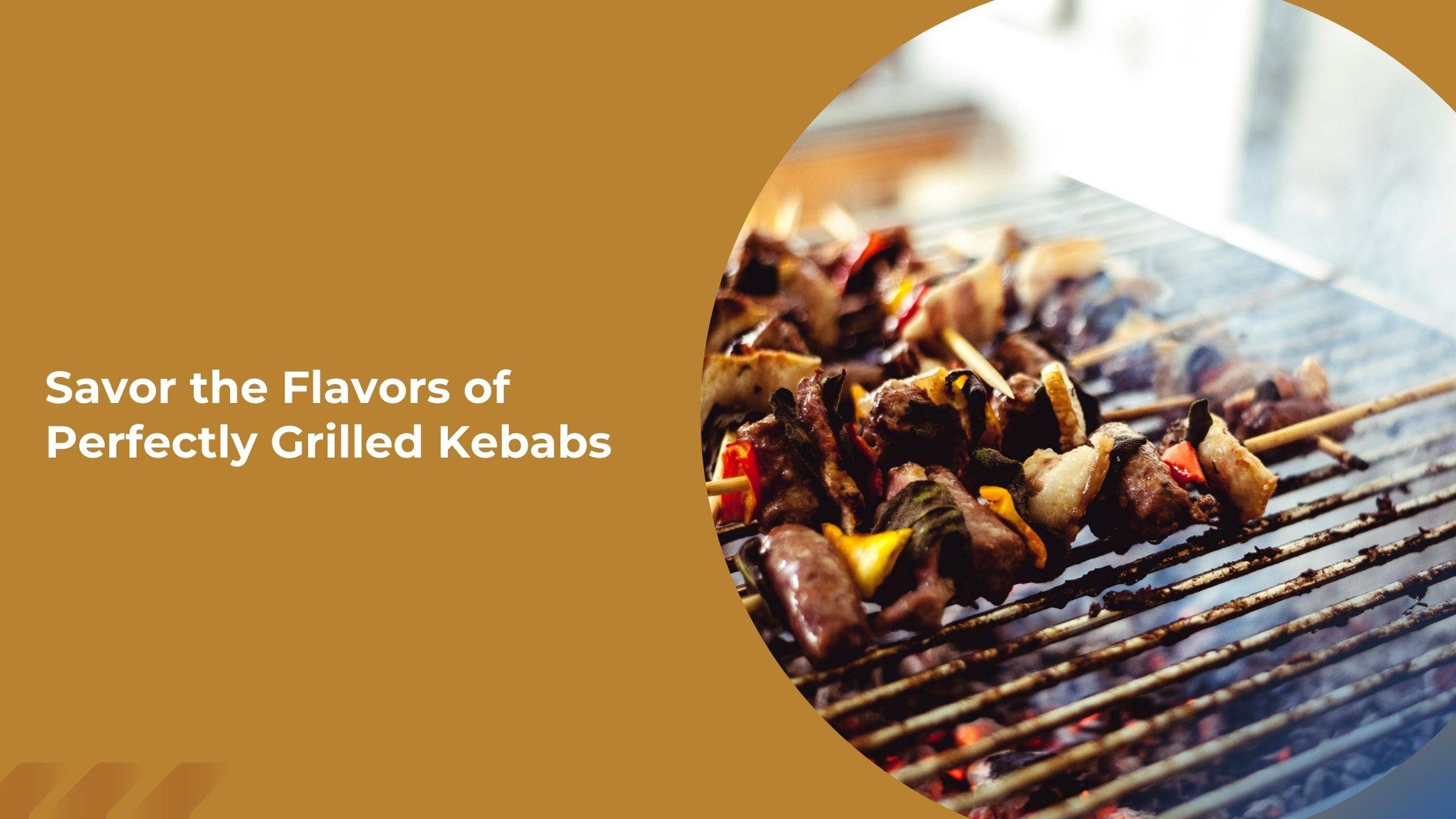
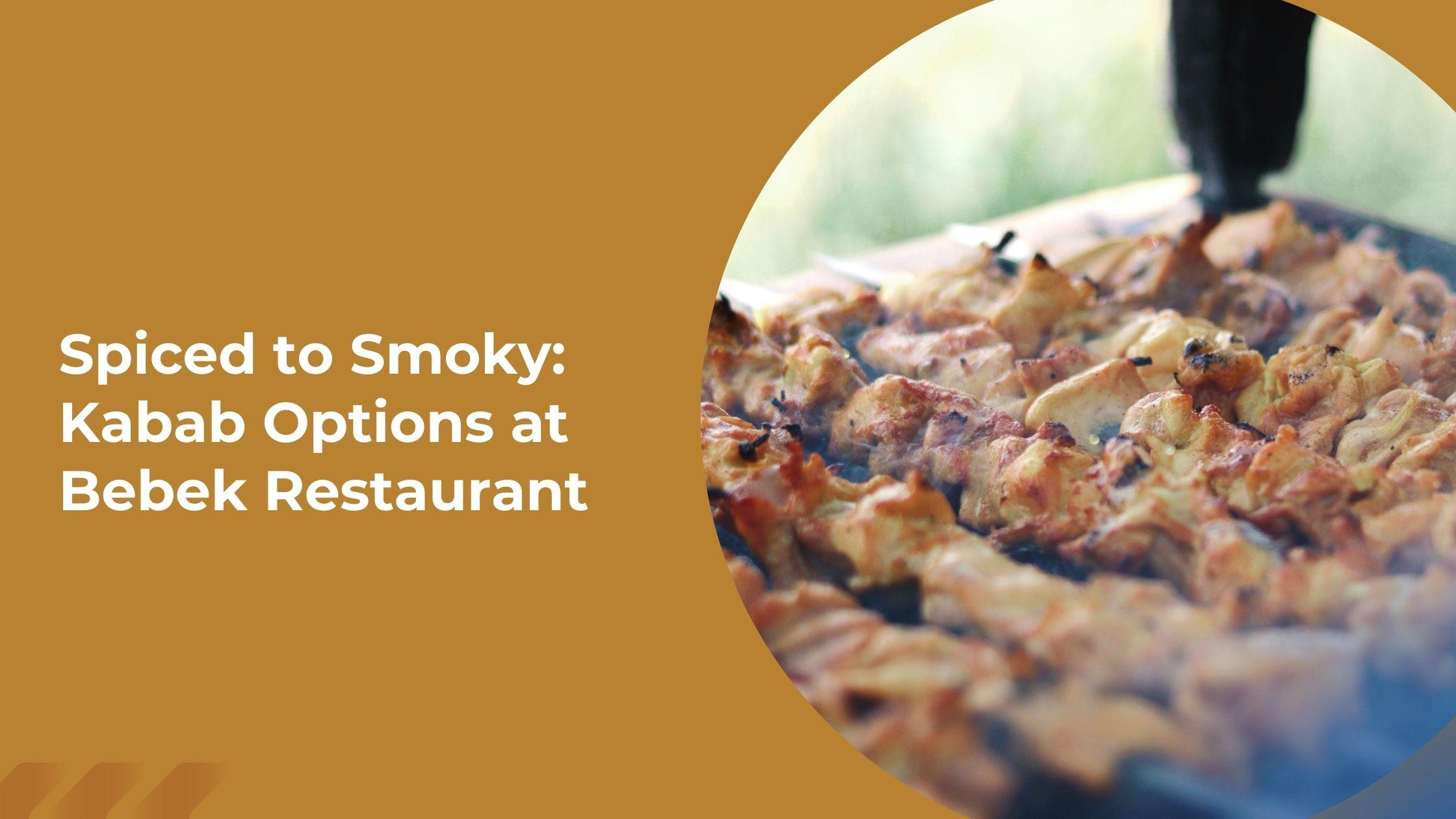
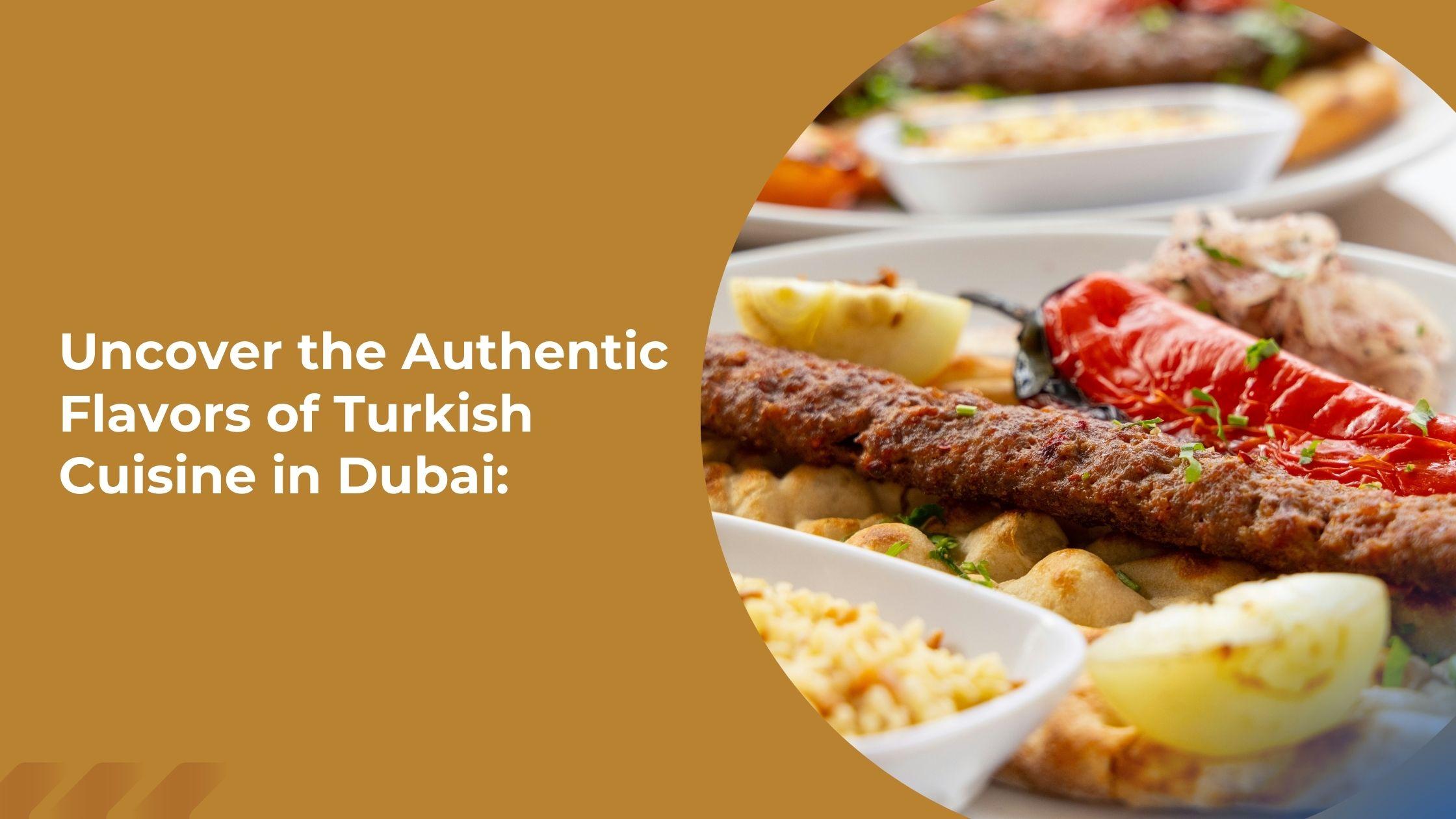
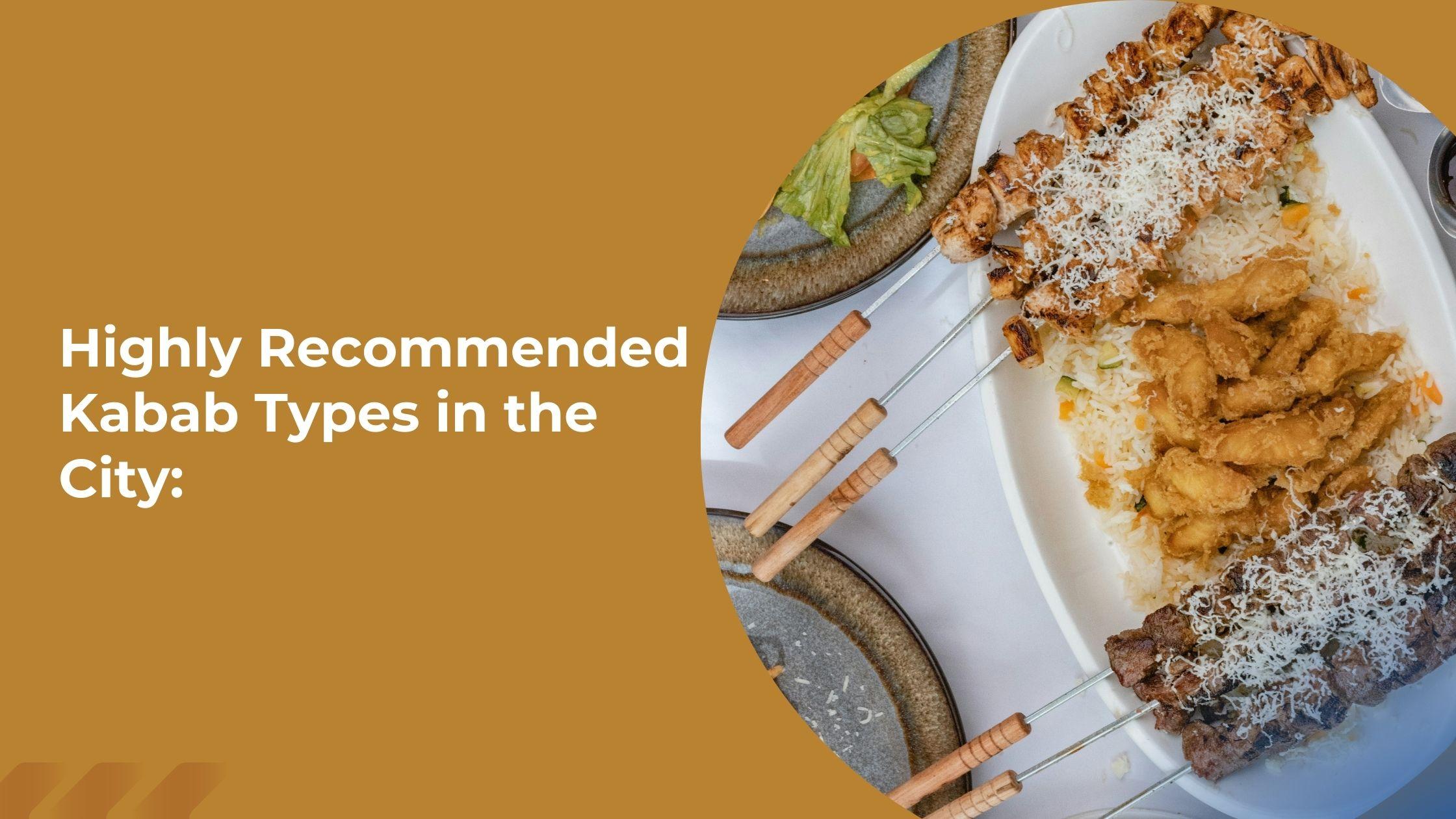
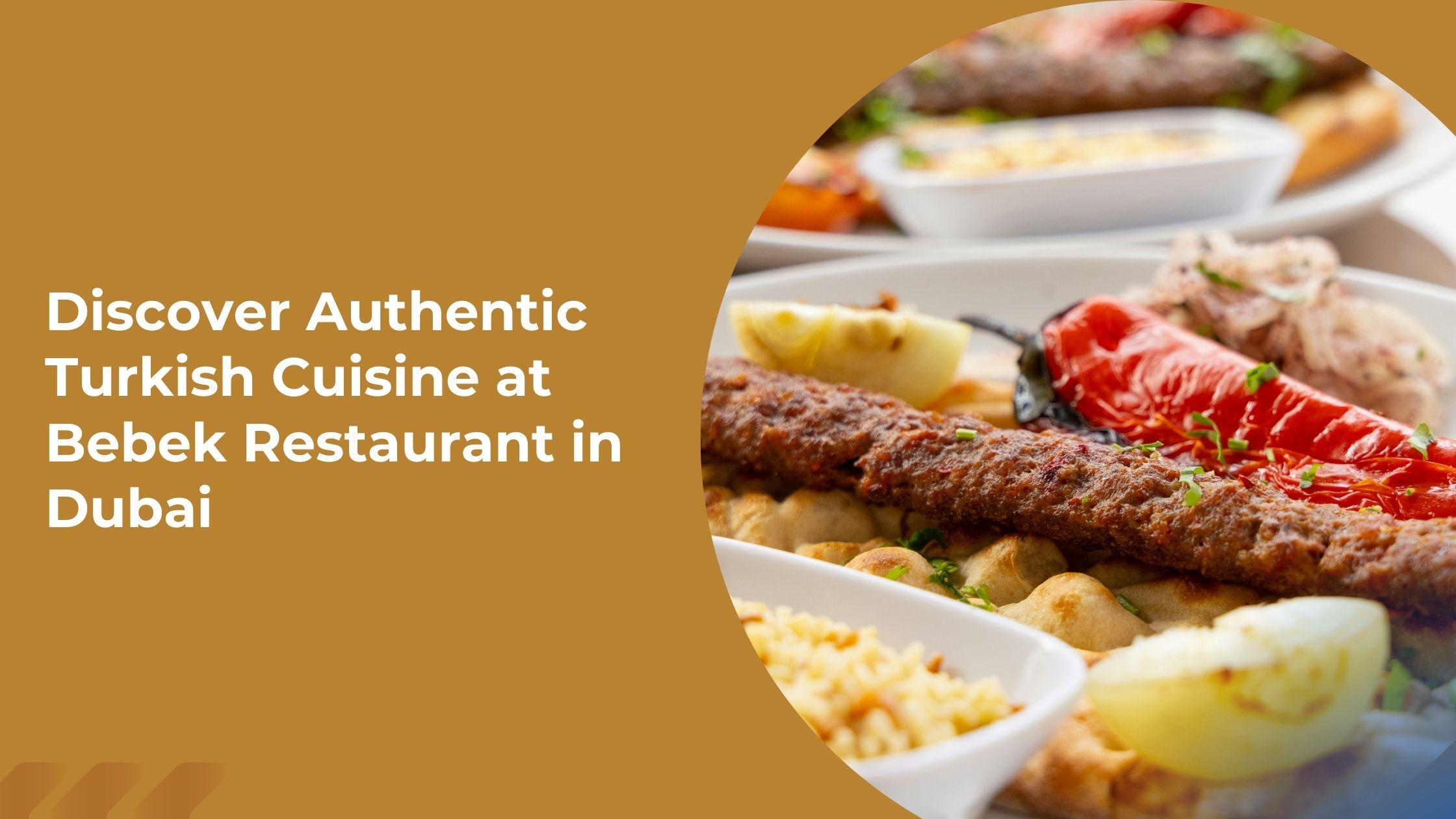
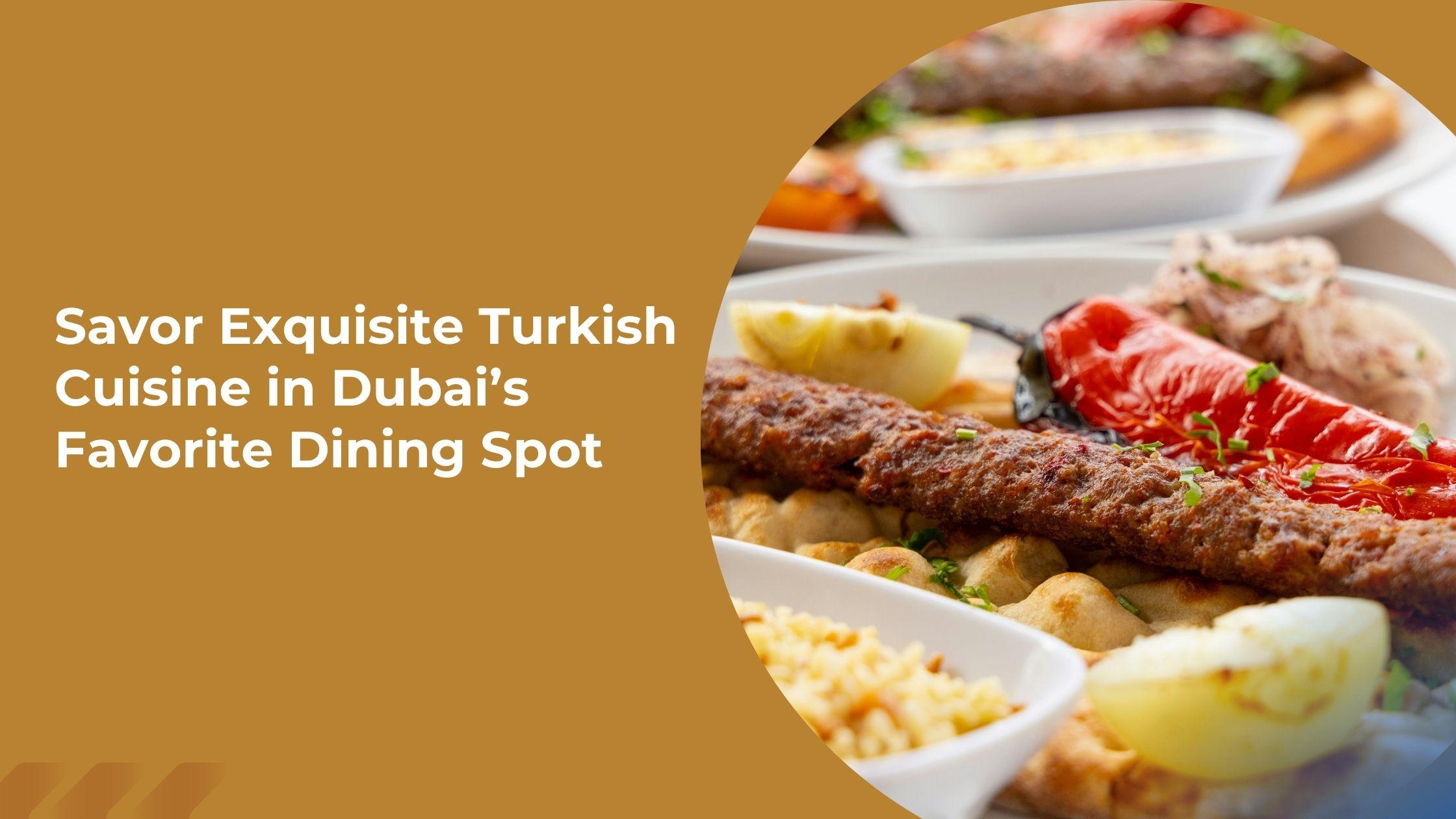
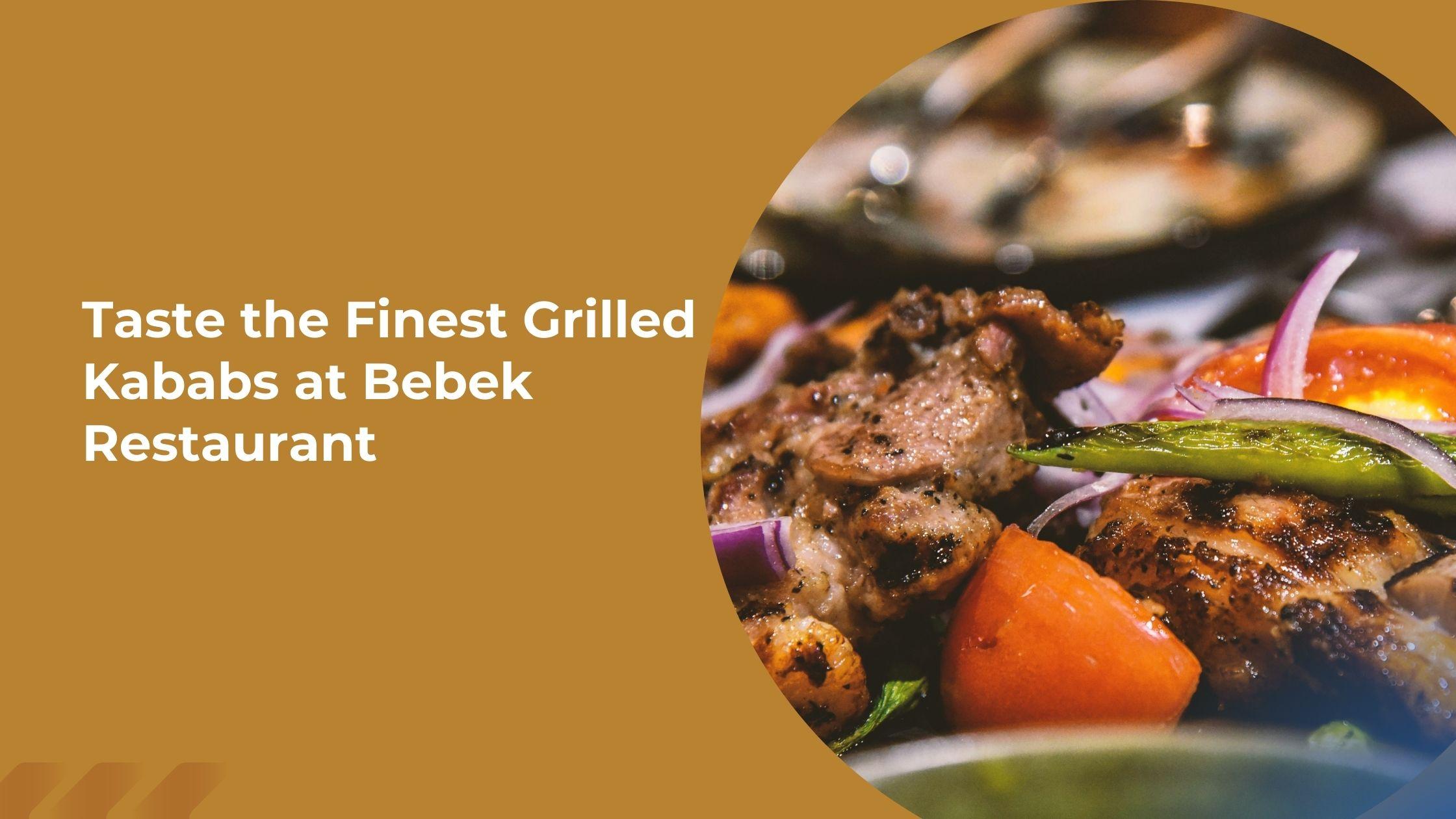
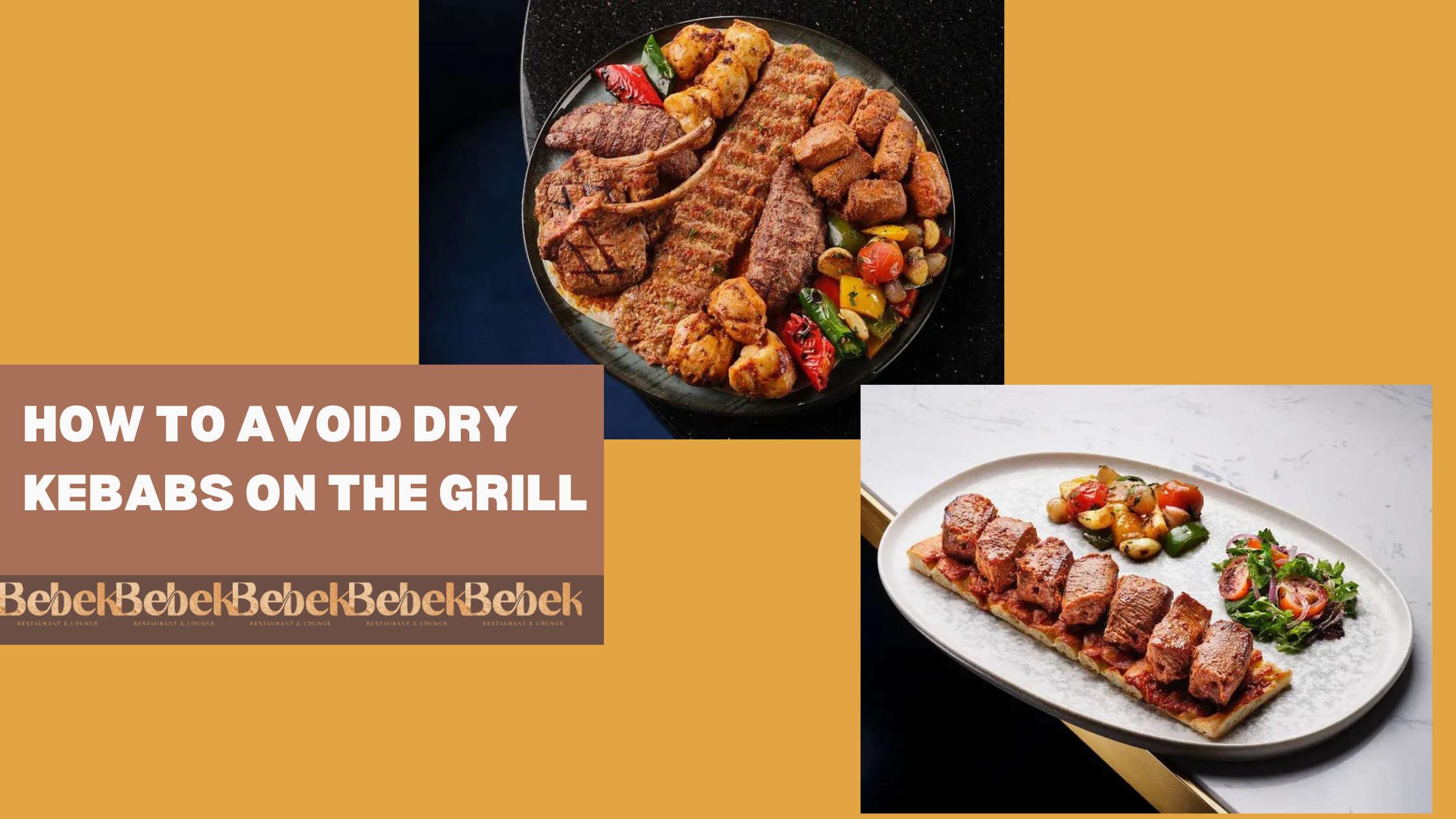
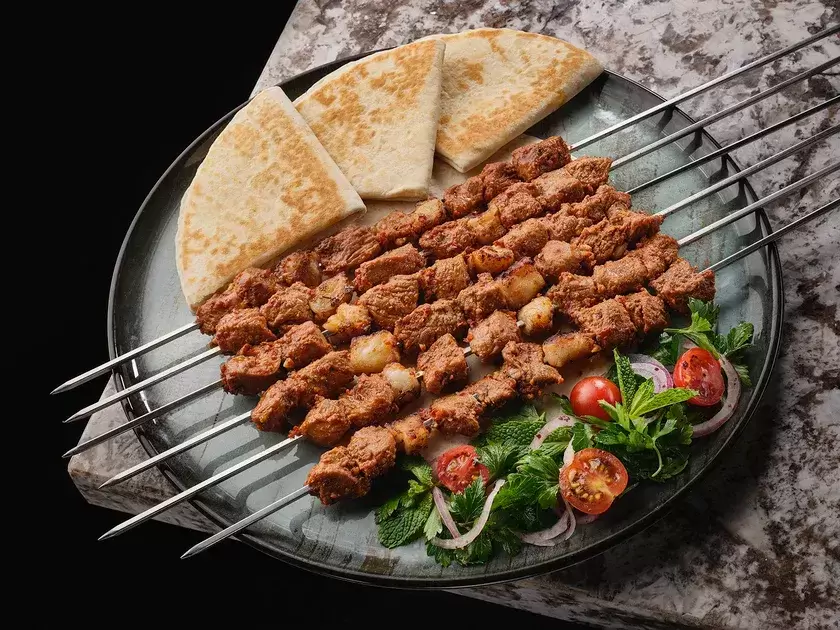
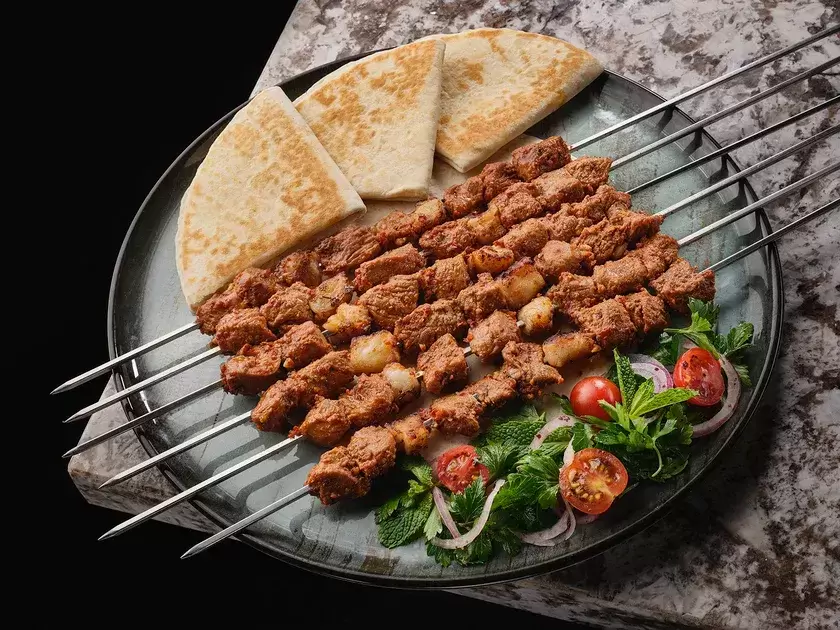
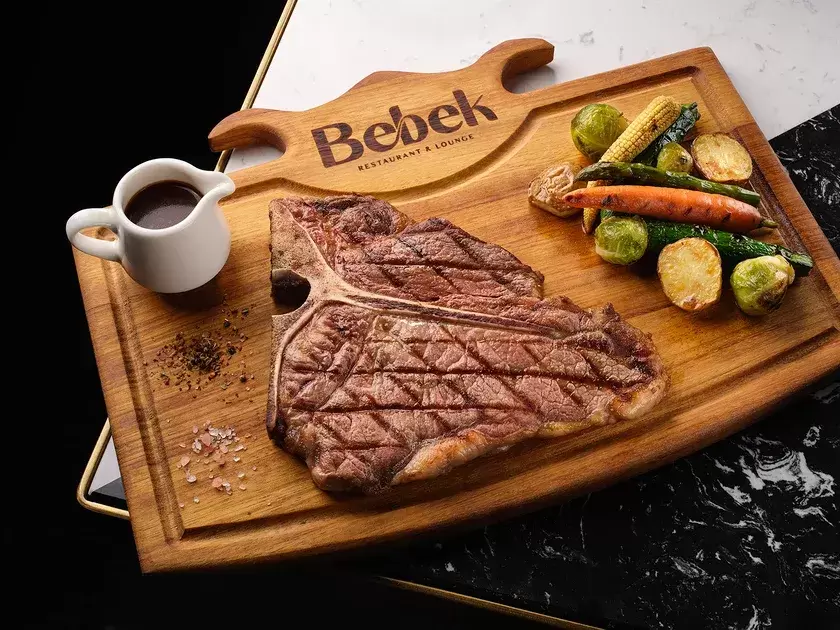
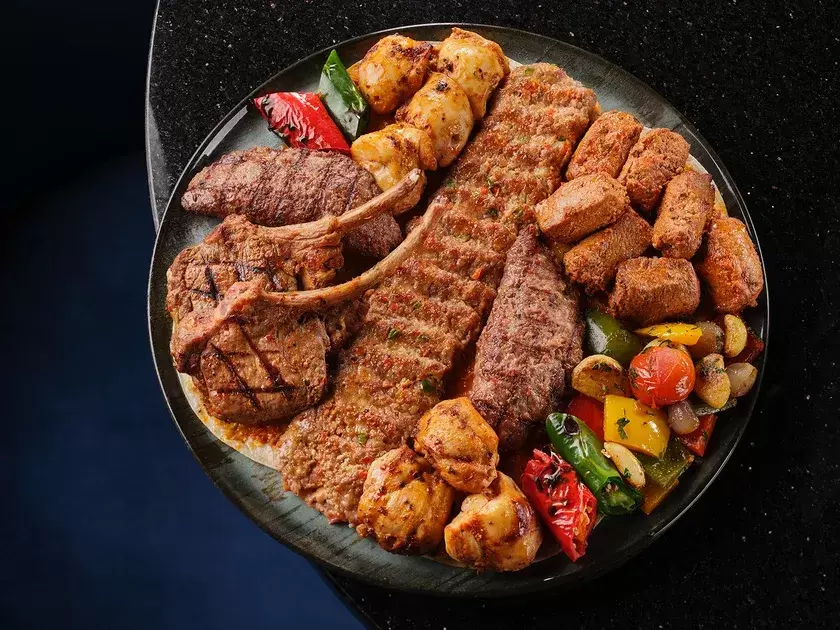
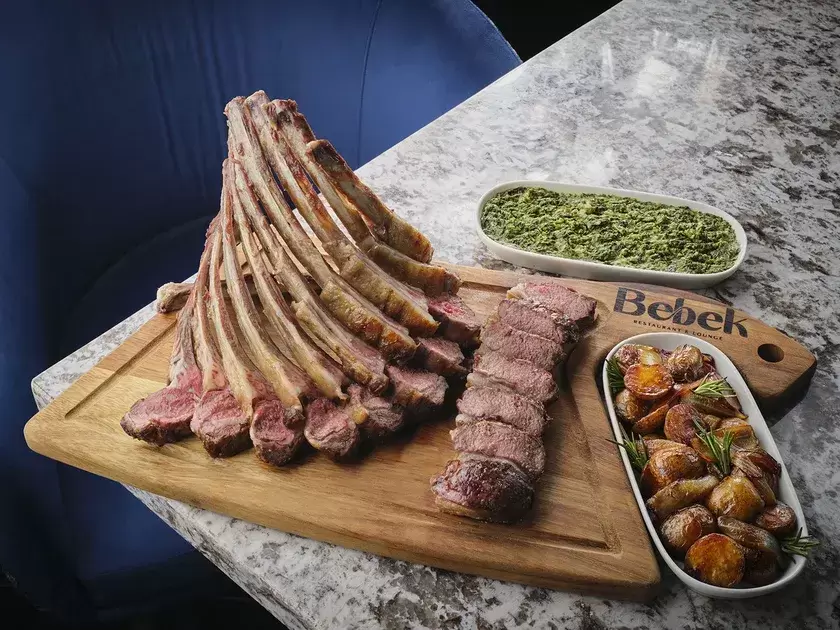
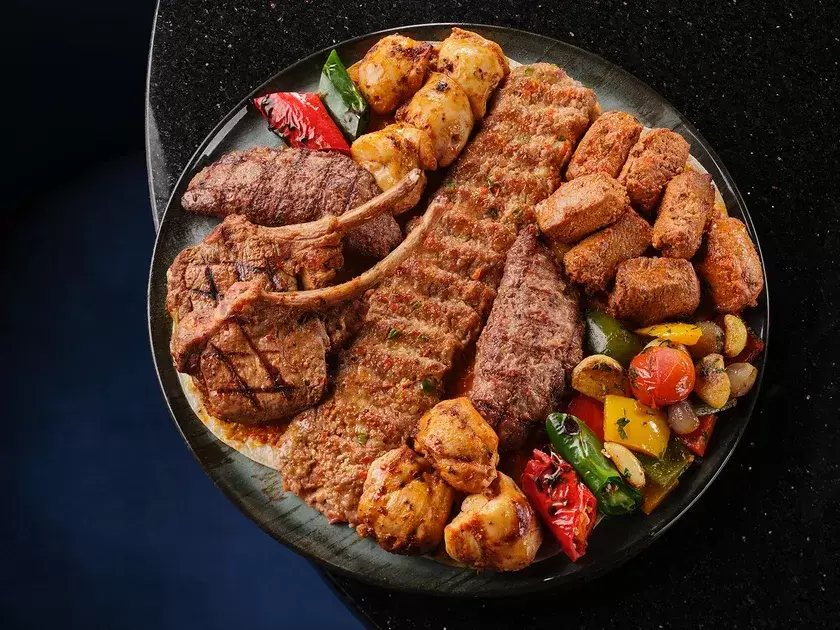
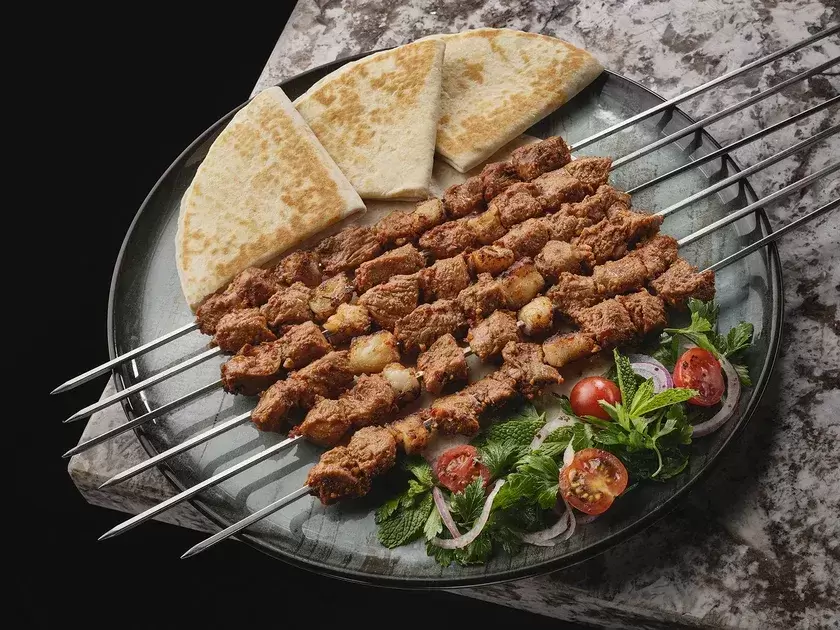
- Kebabs prepared with seasoned meat and grilled over heat
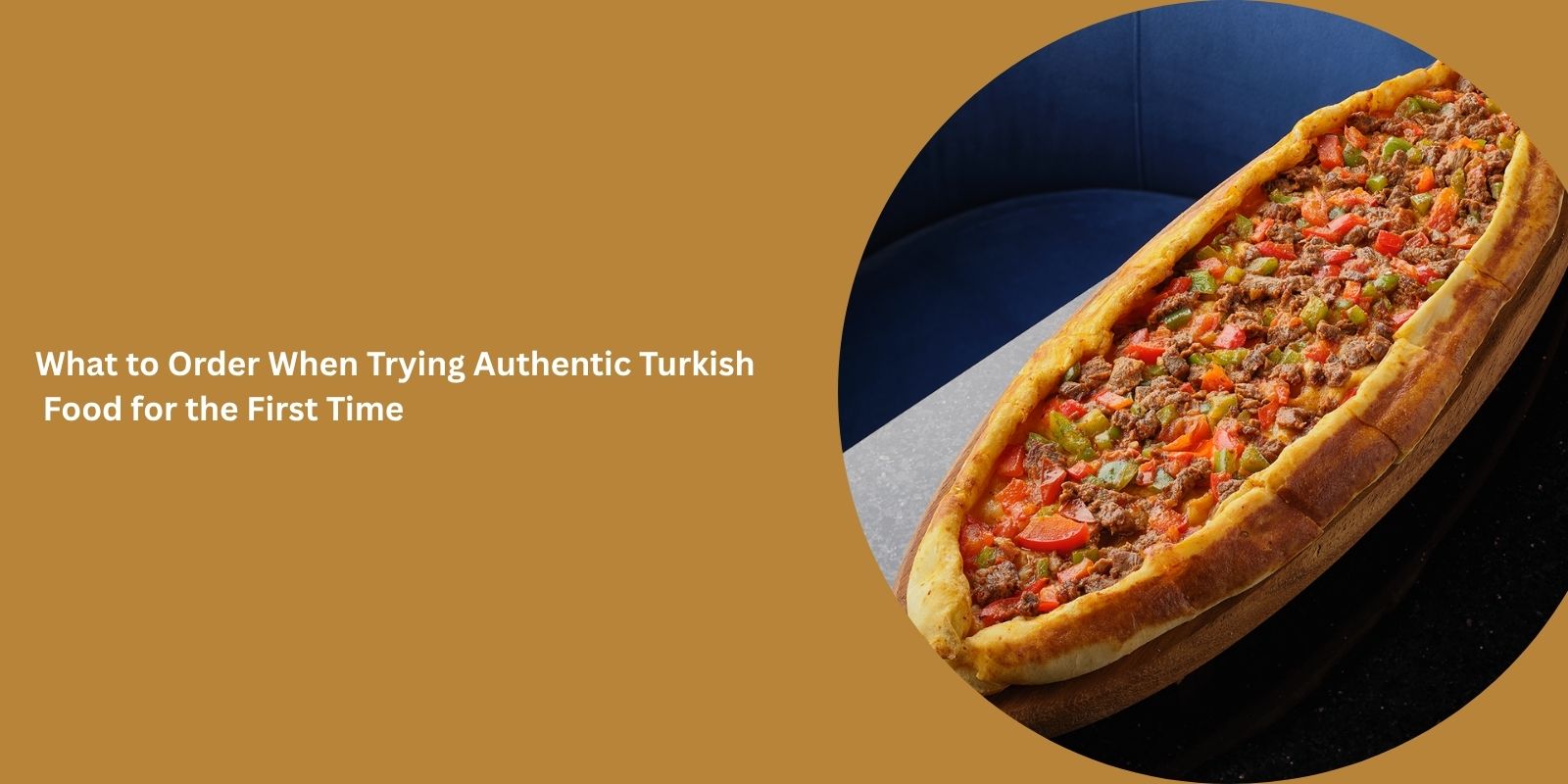
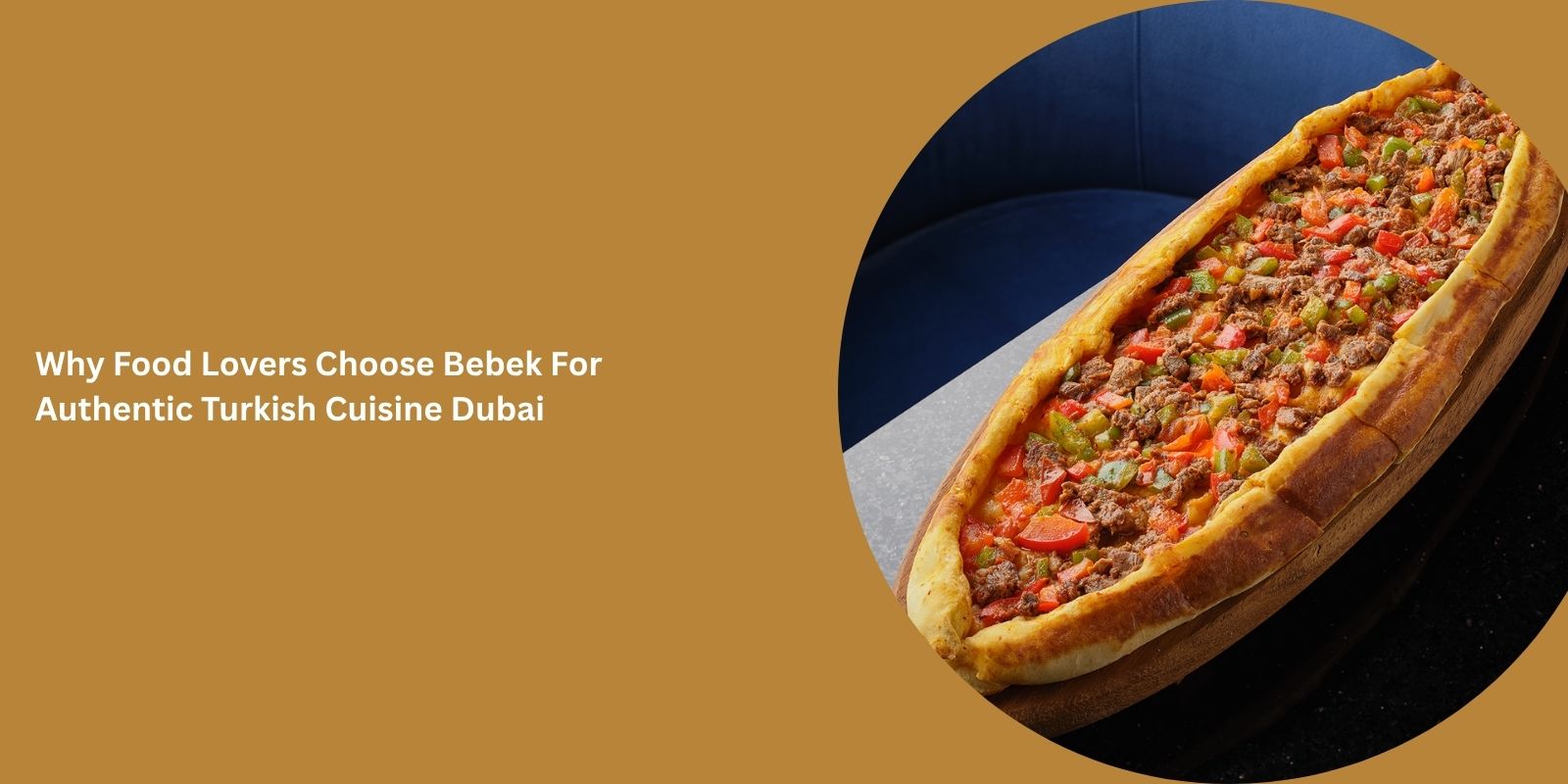
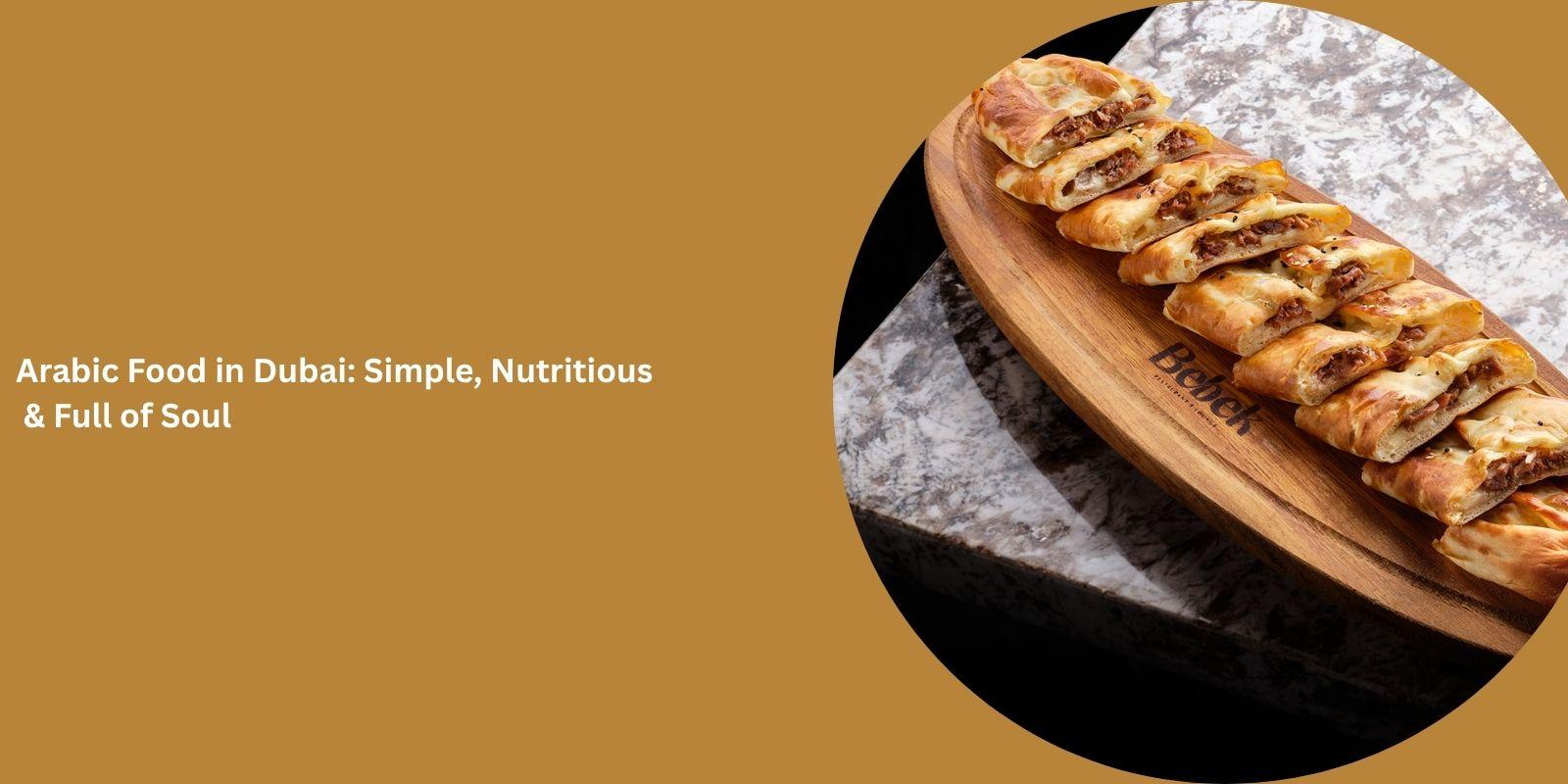
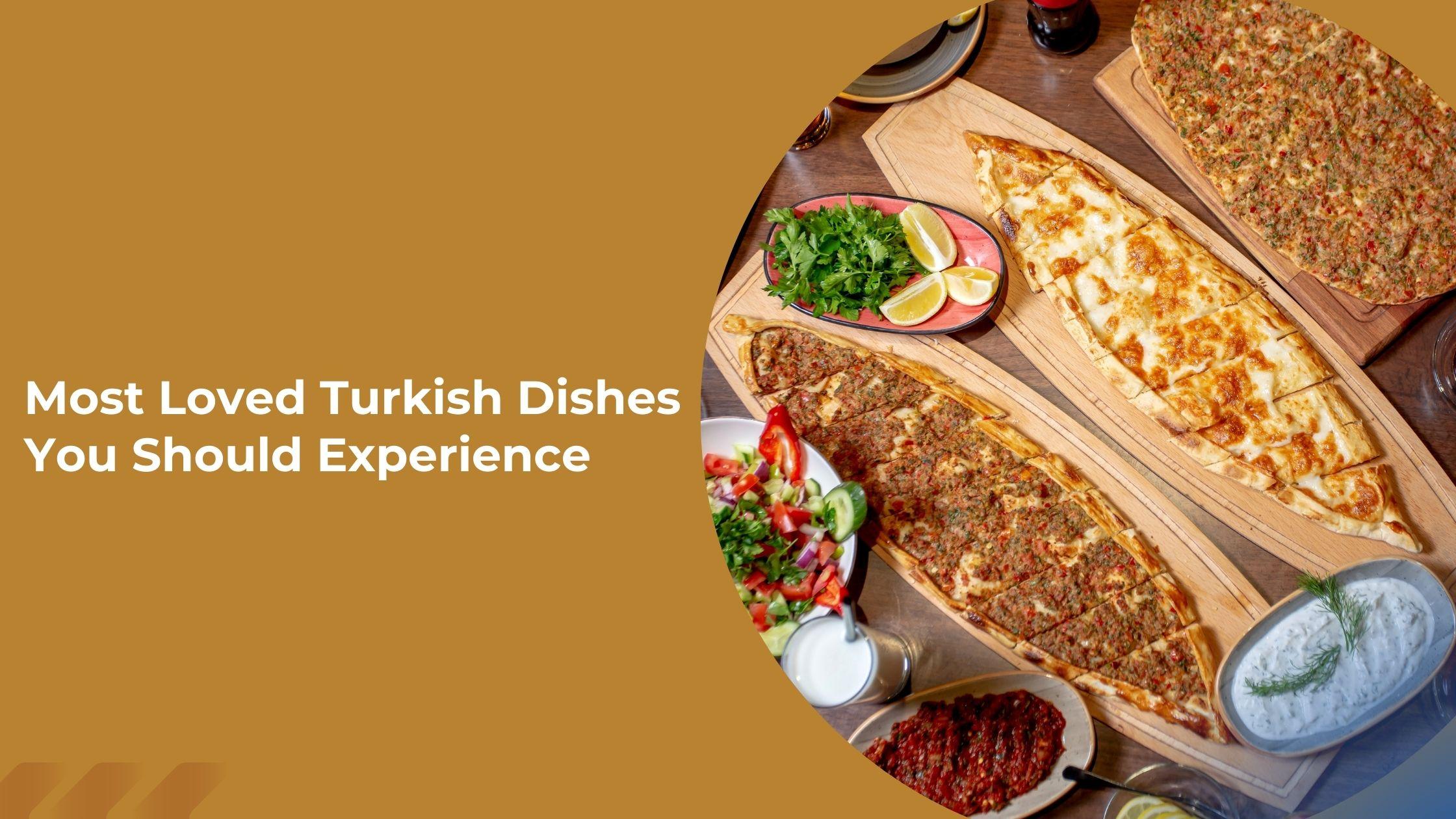
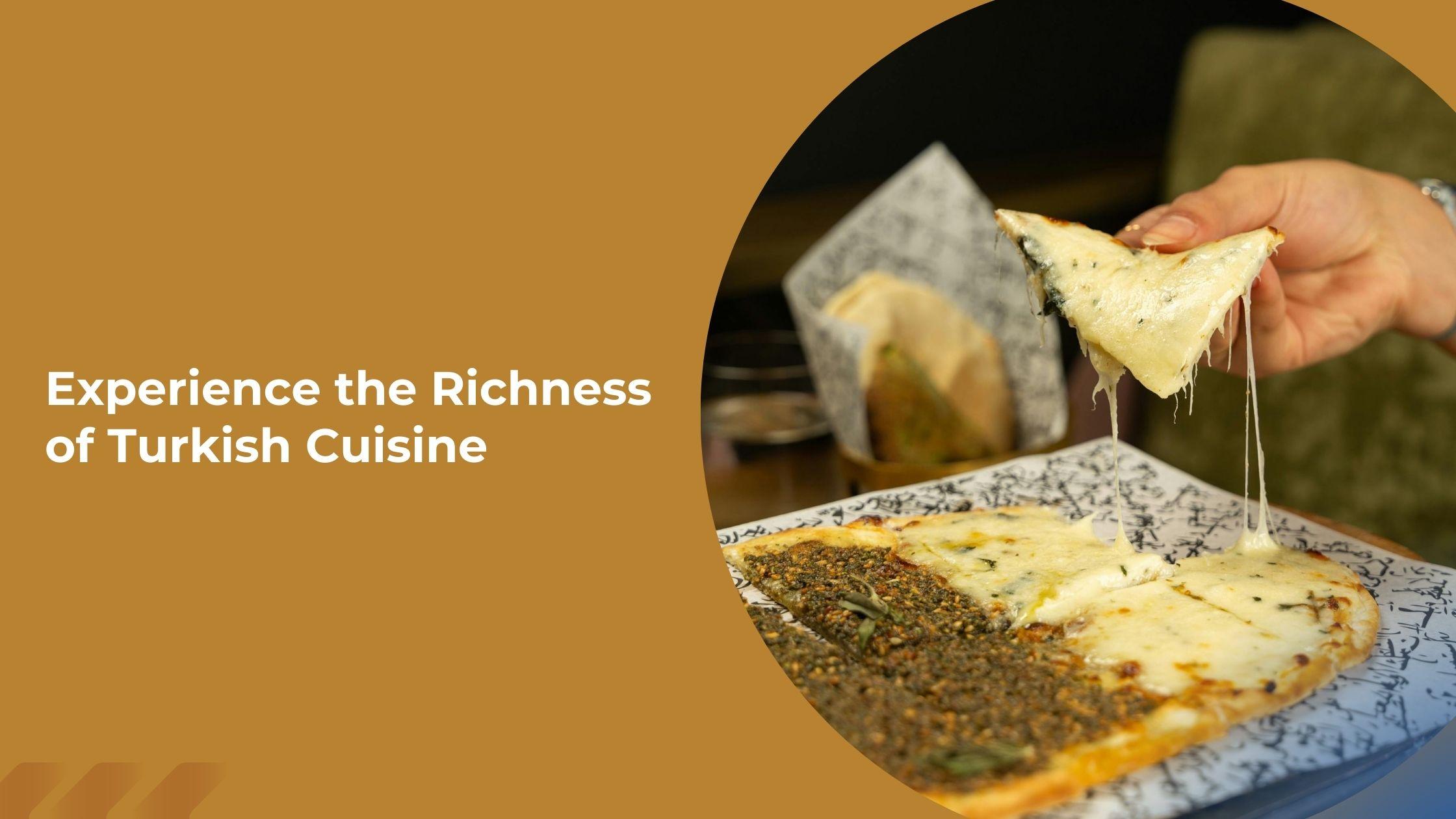
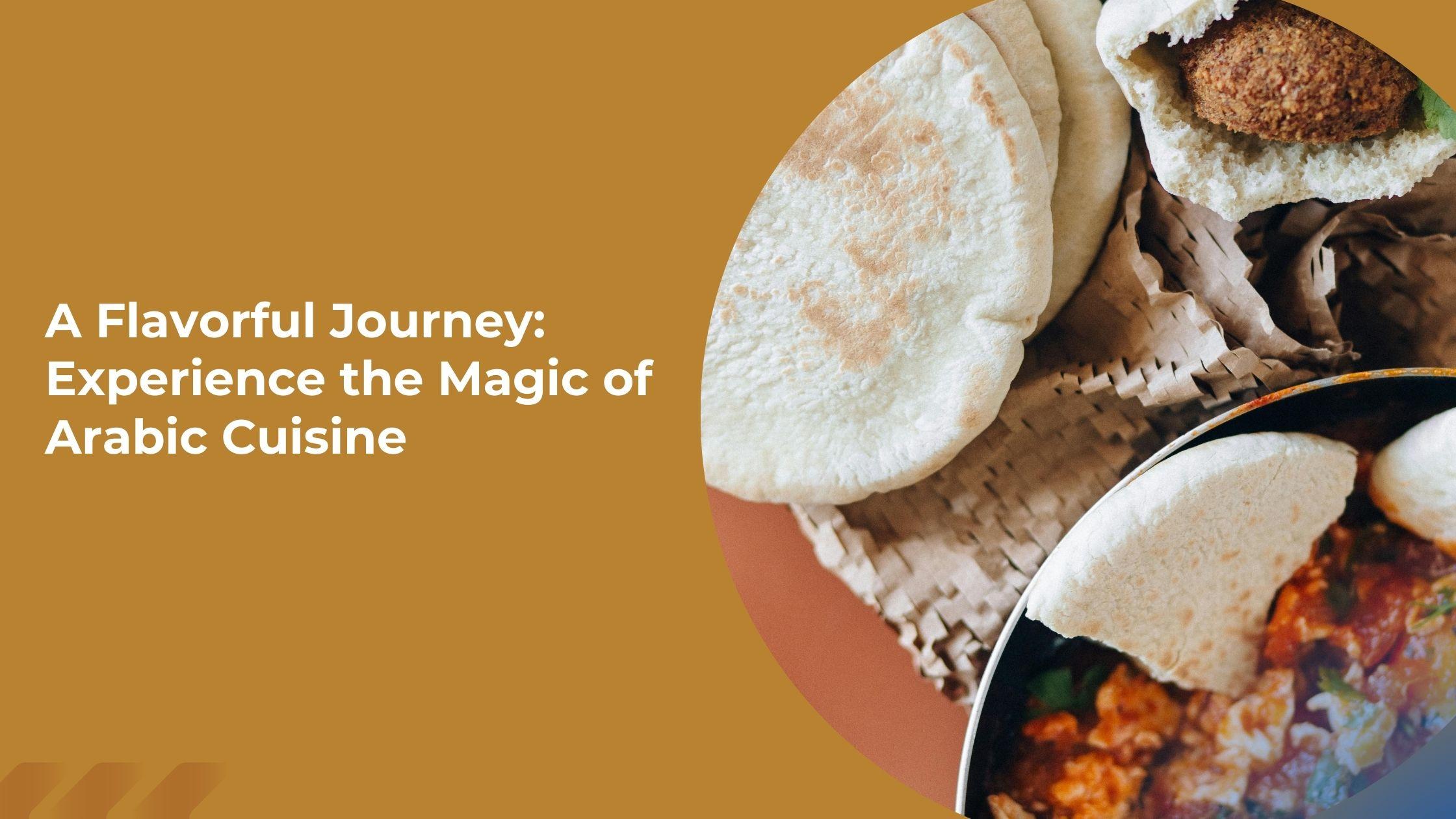
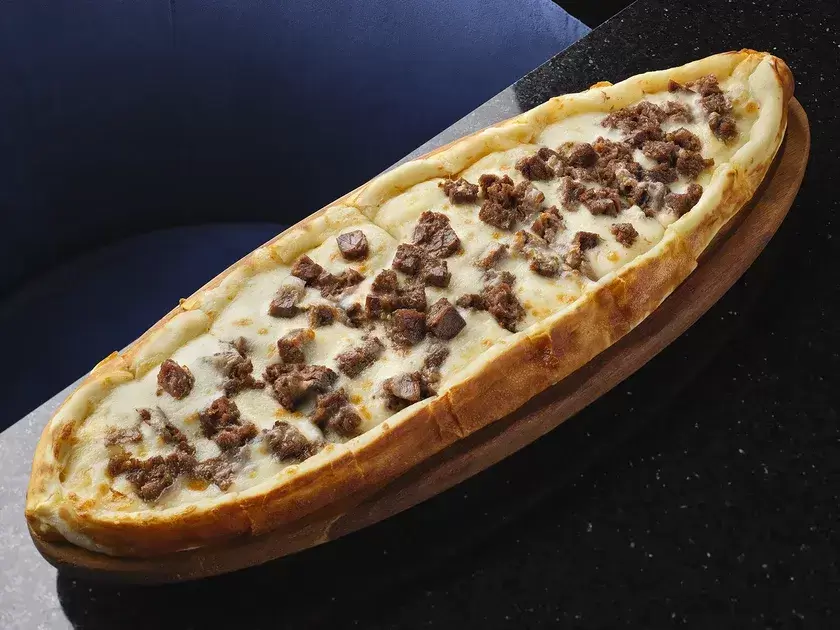
- Pide, a boat-shaped flatbread with savory toppings
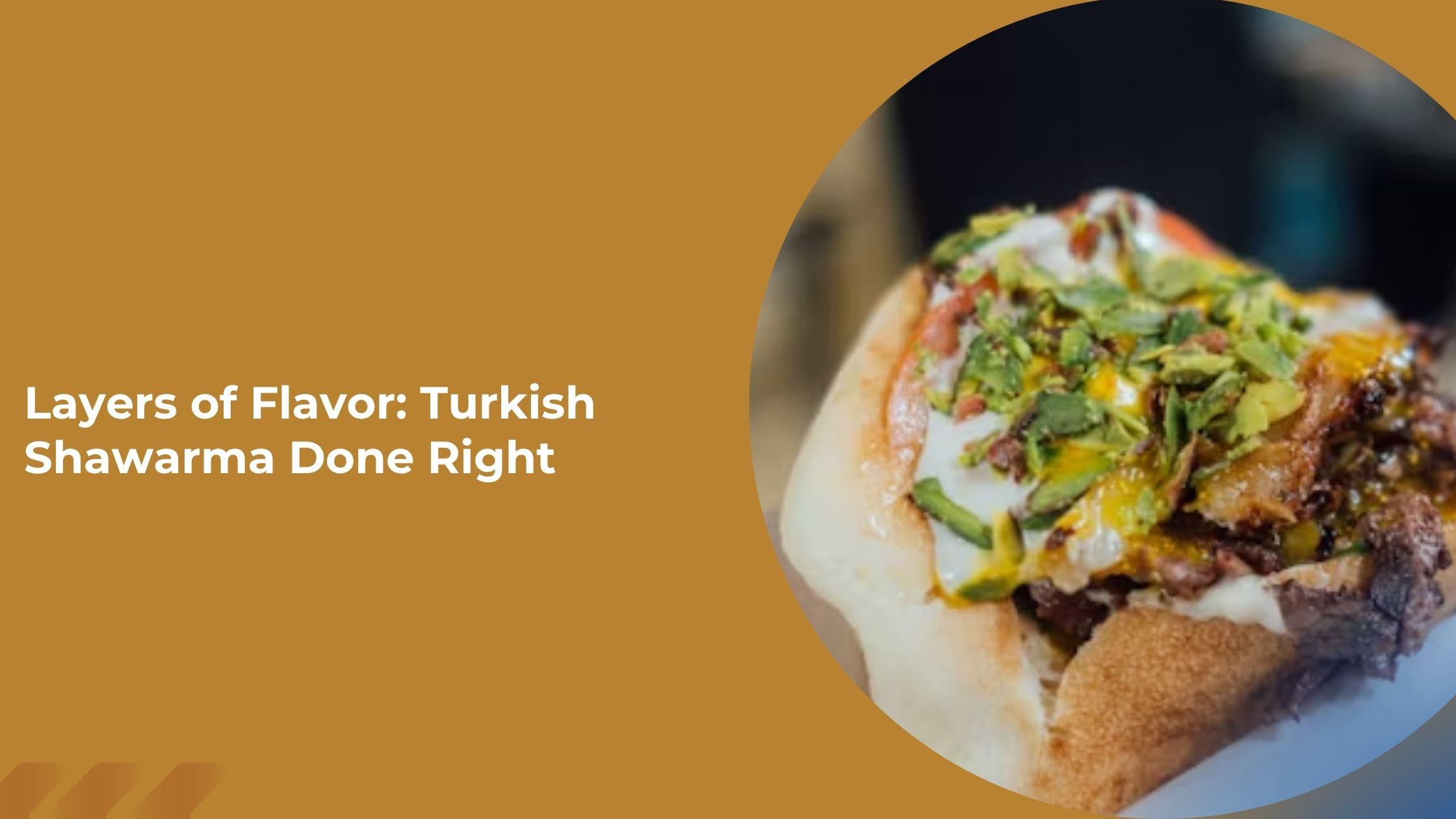
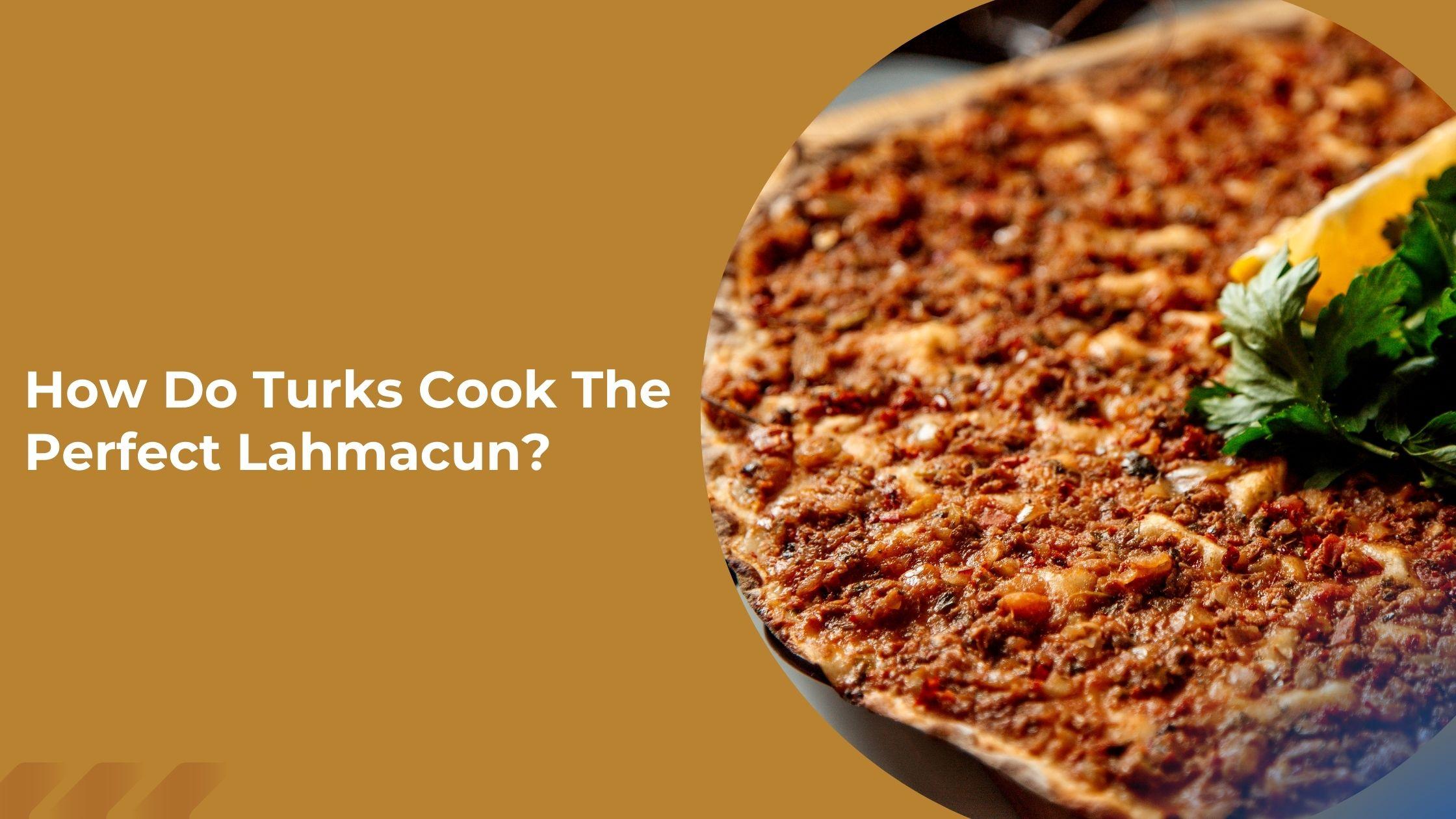
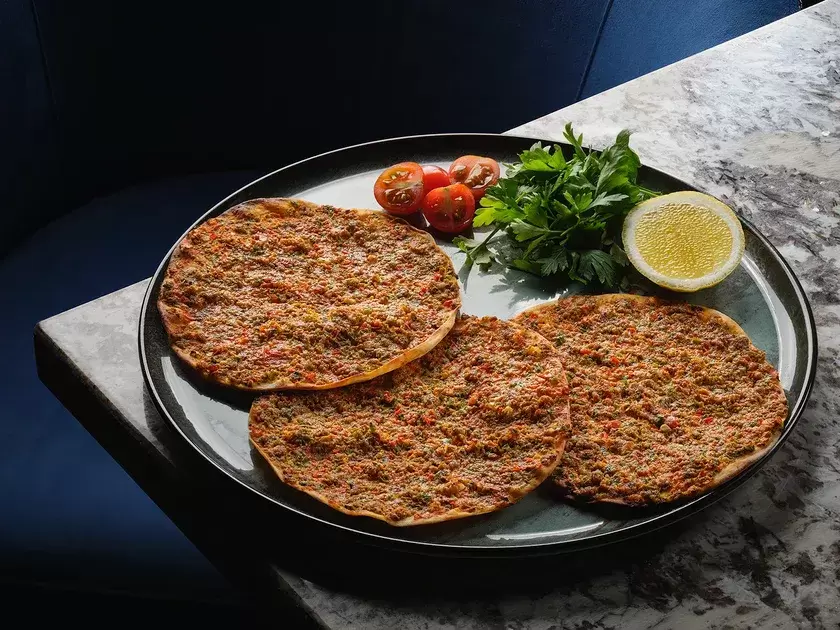
- Lahmacun, thin dough topped with seasoned minced meat
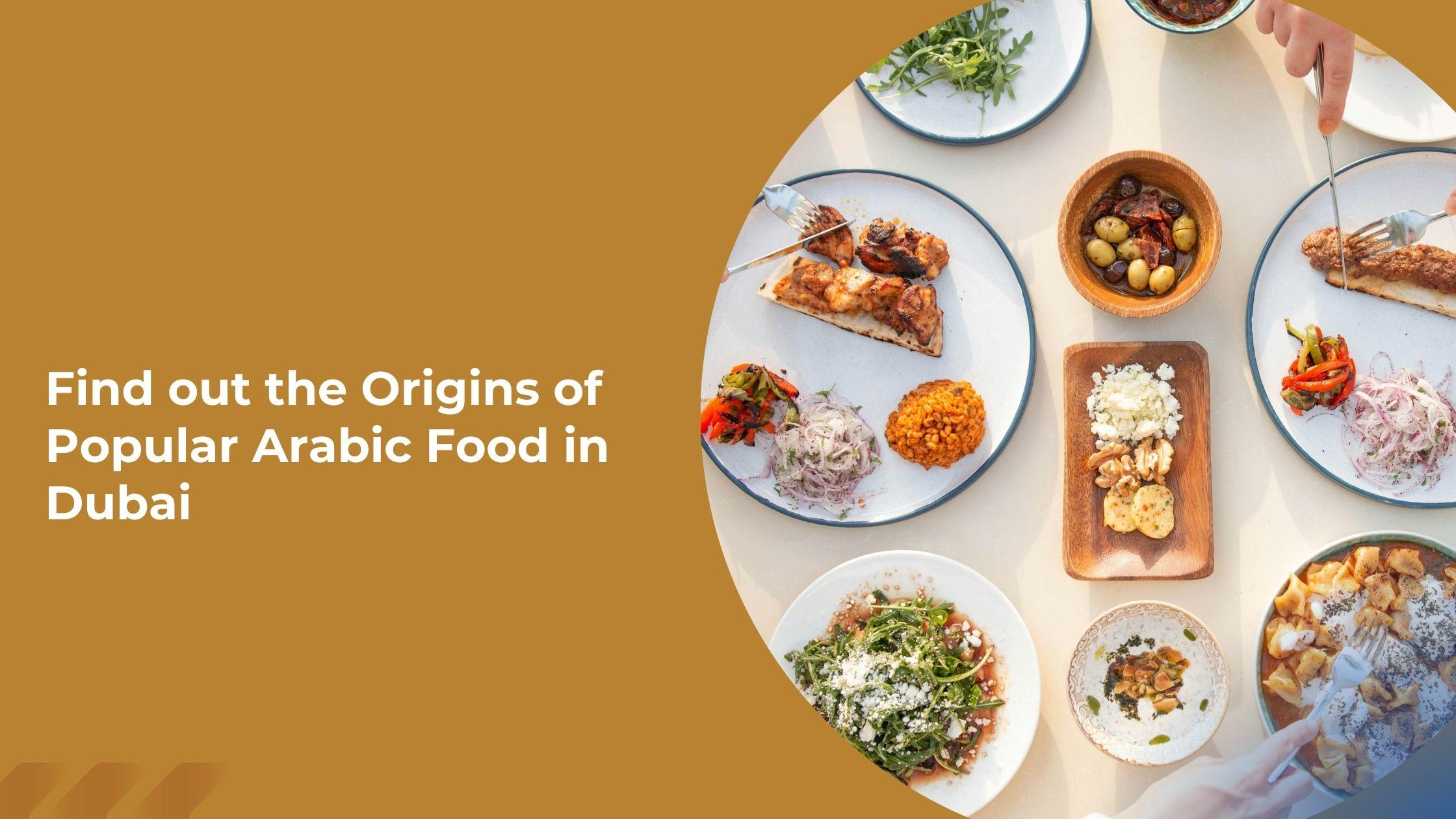
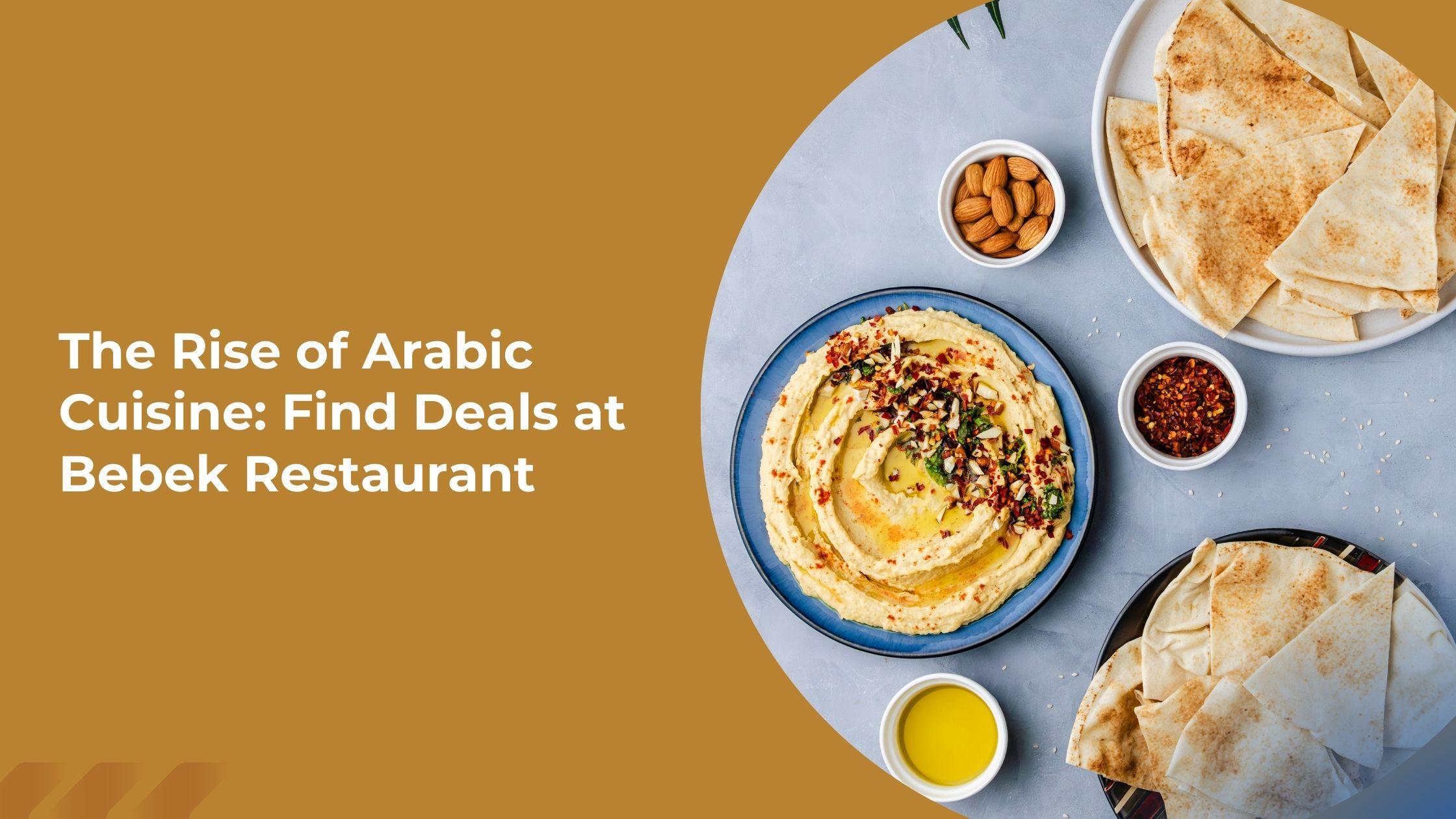
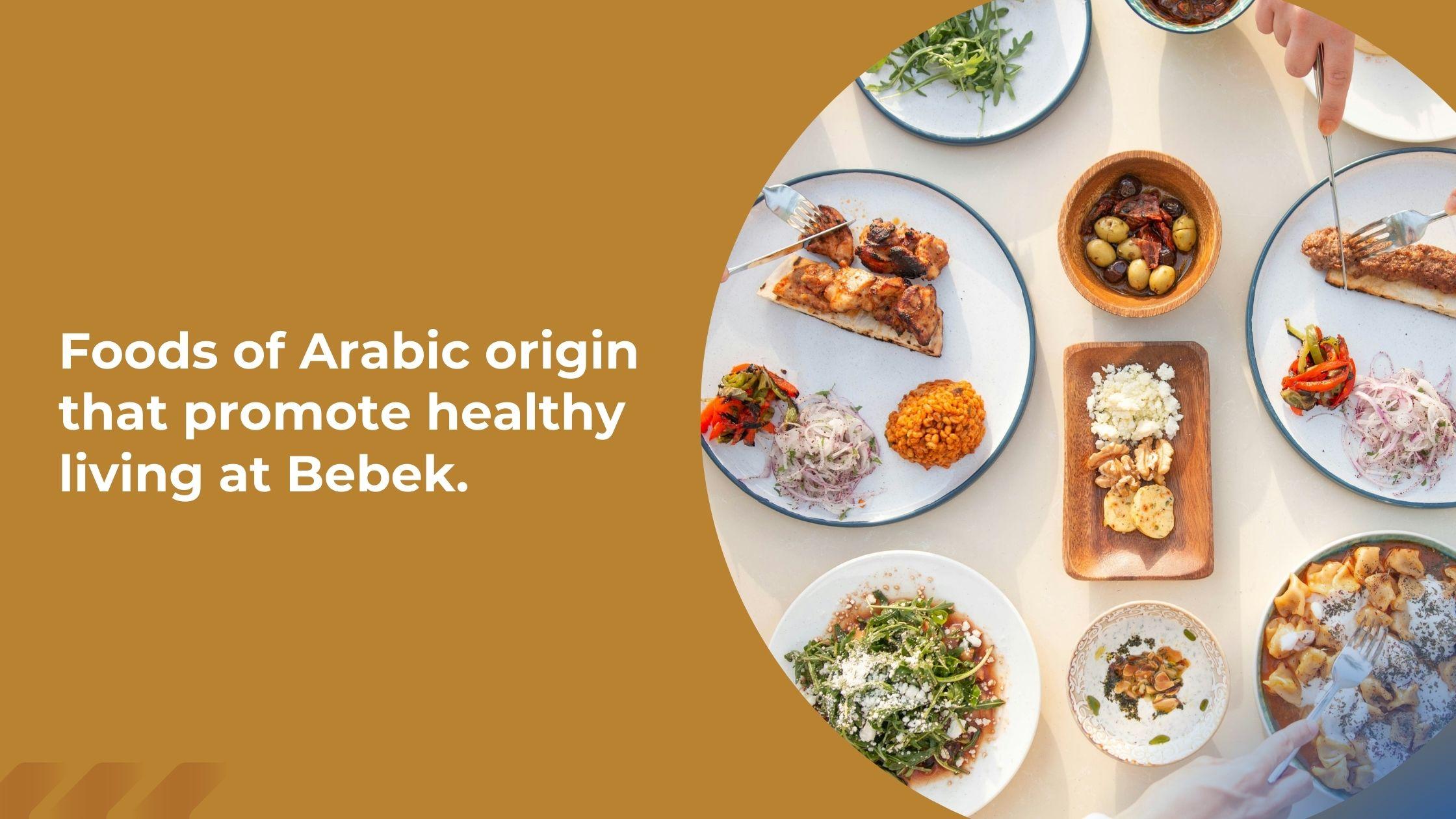
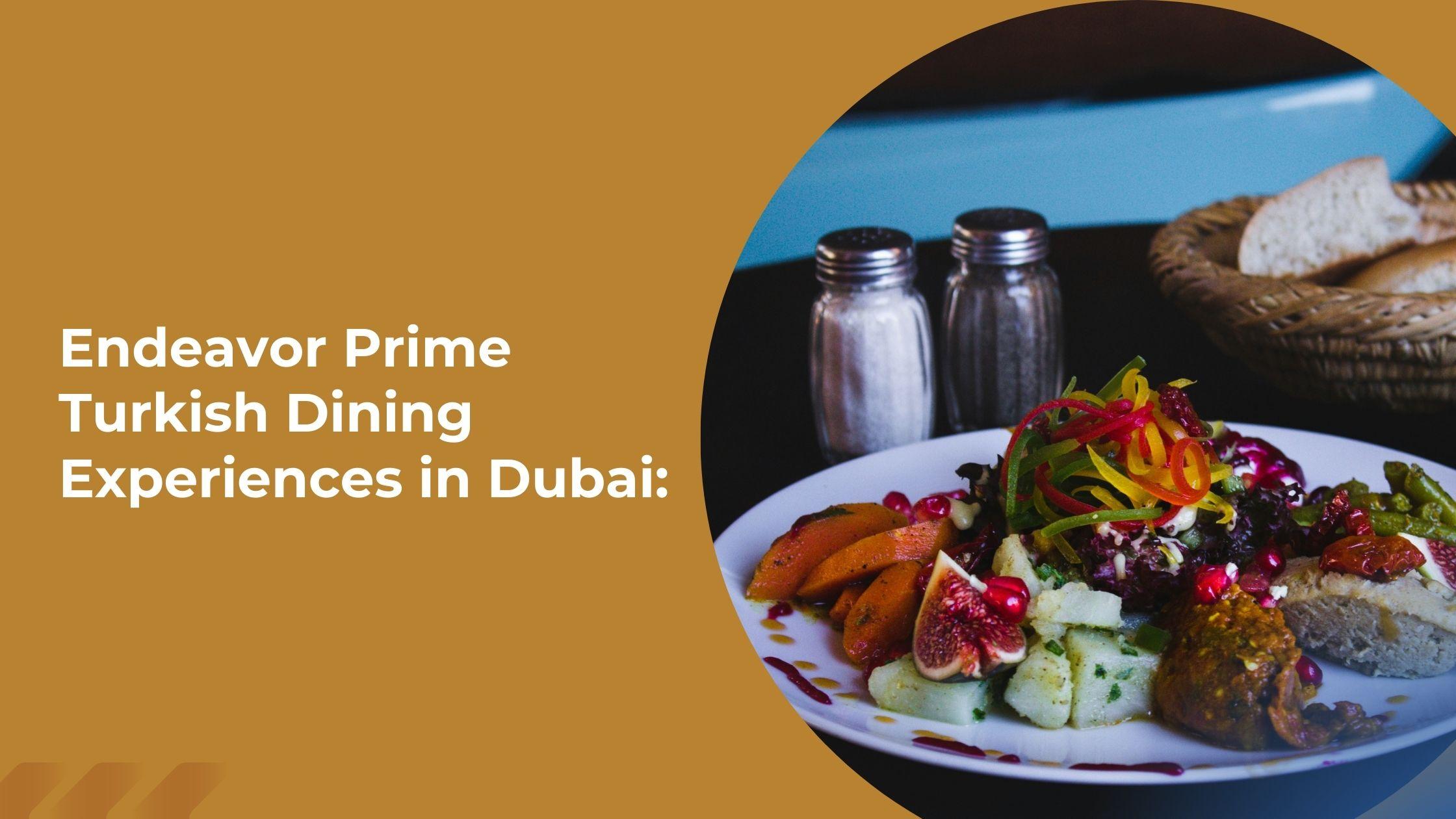
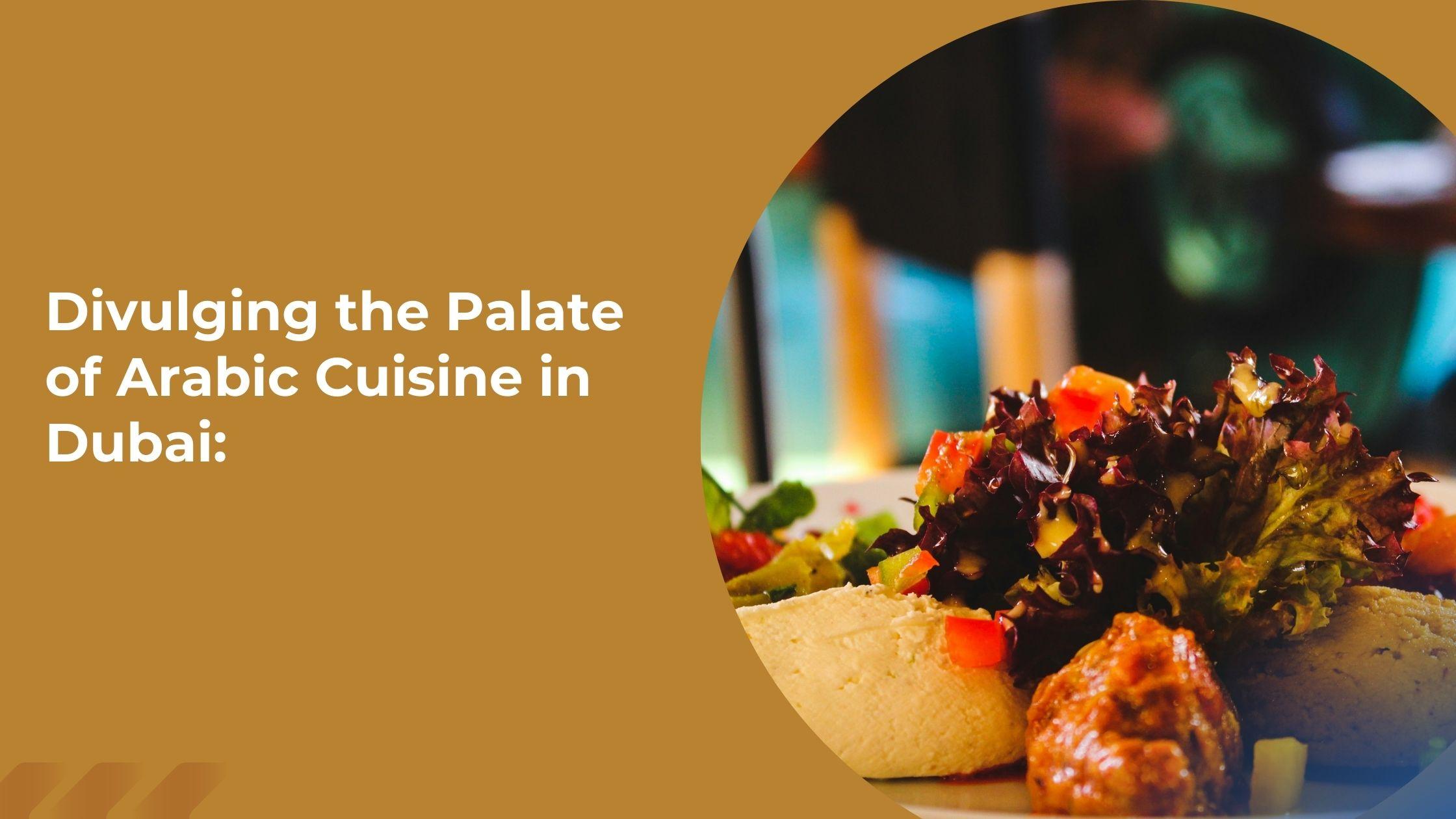
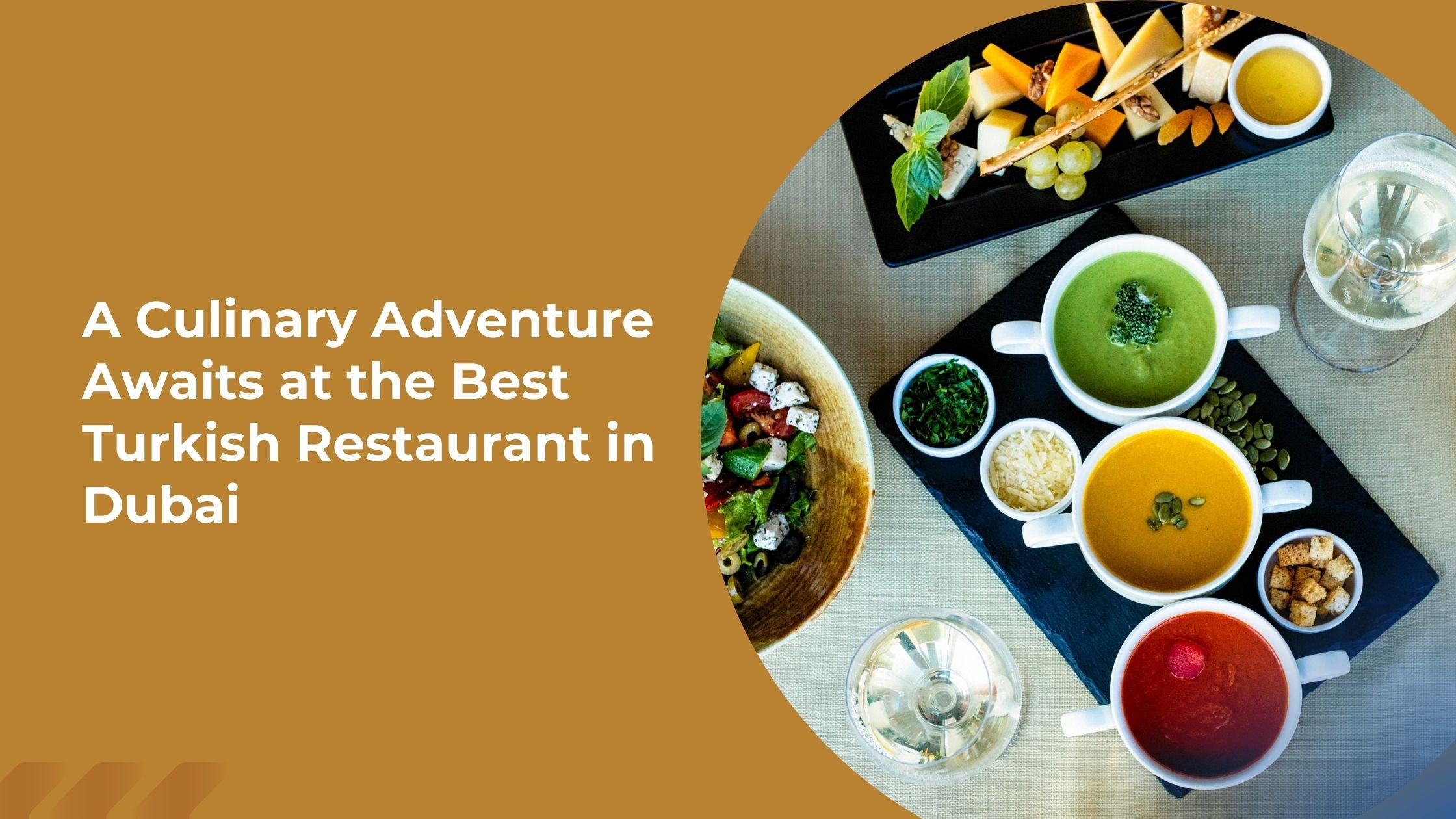
- Meze, small dishes designed for sharing
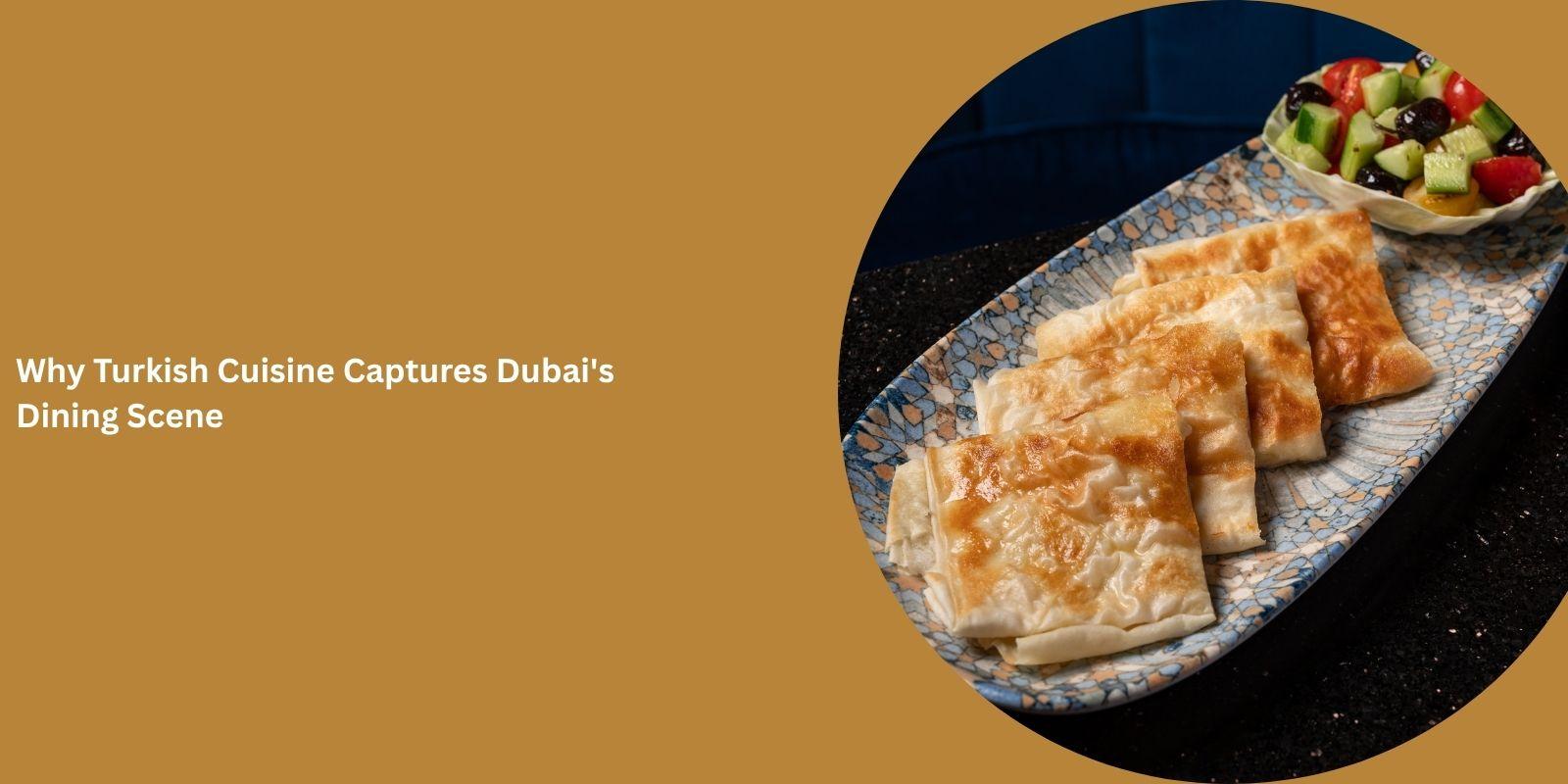
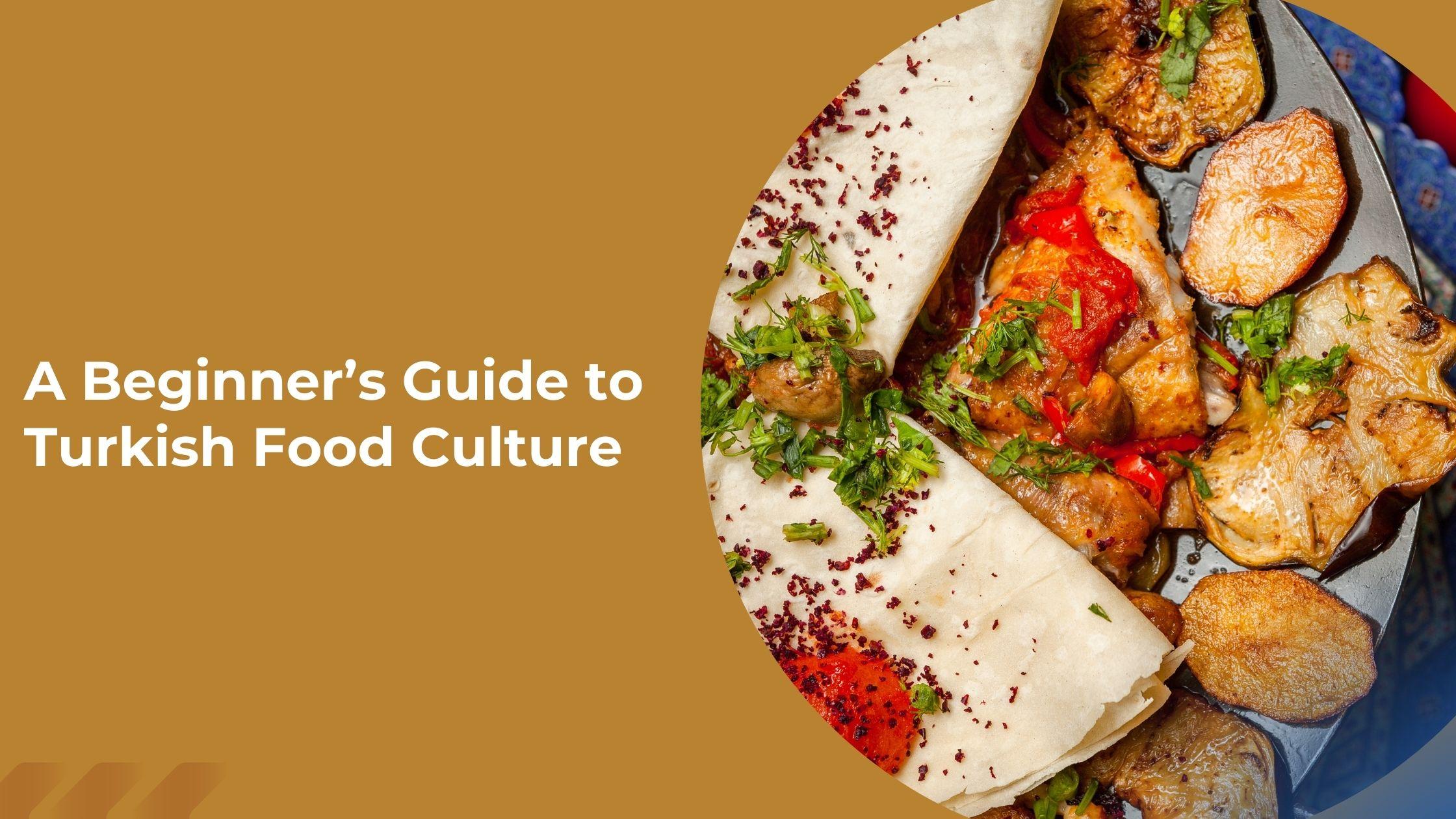
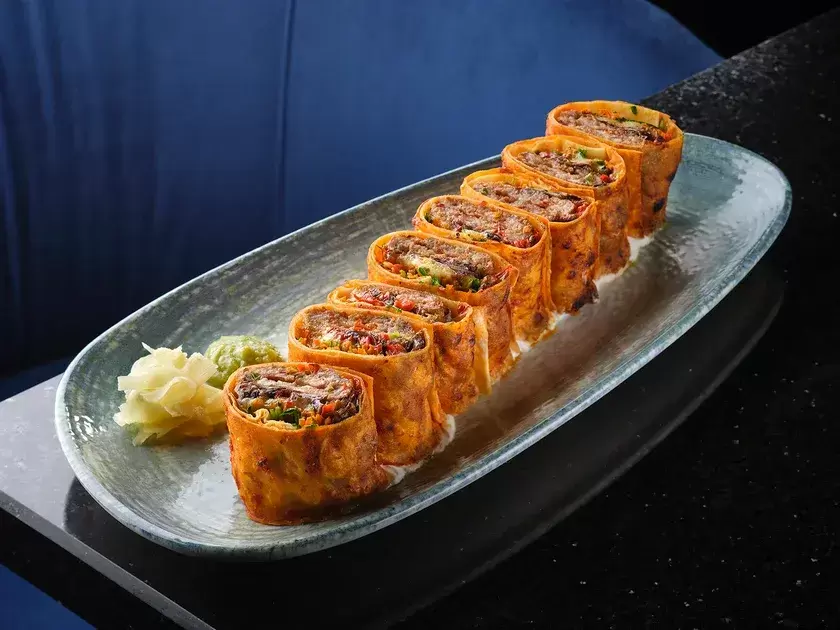
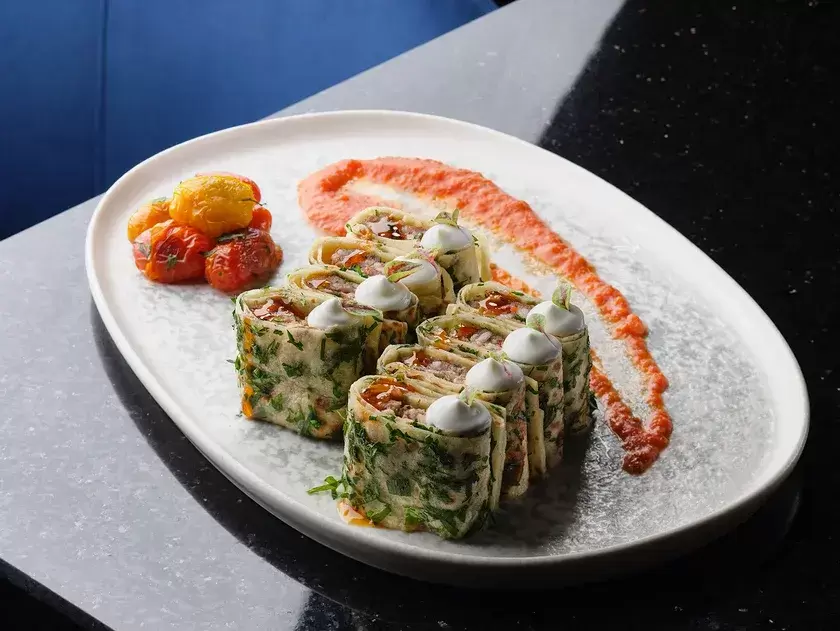
- Gözleme, a filled Turkish flatbread
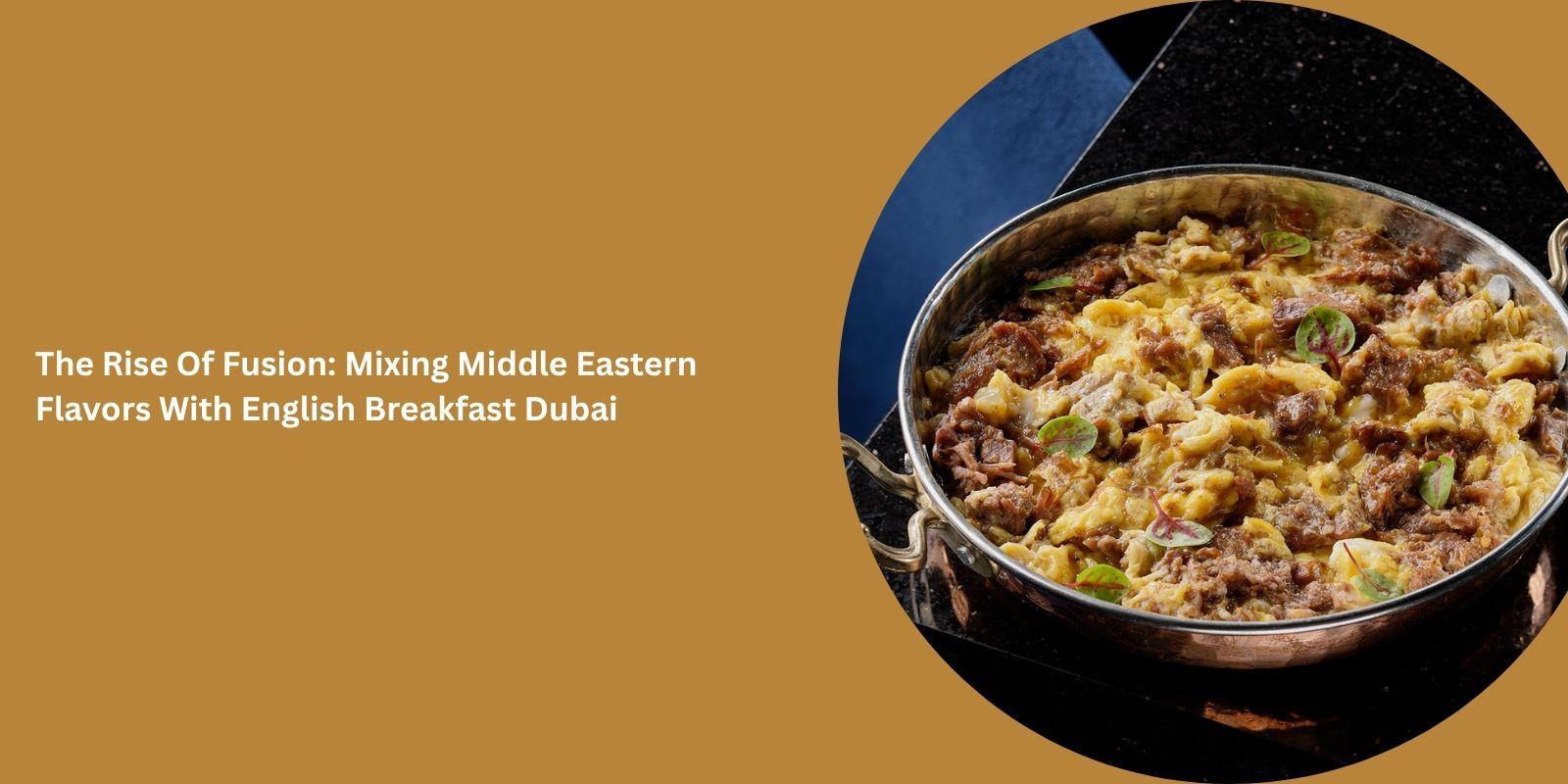
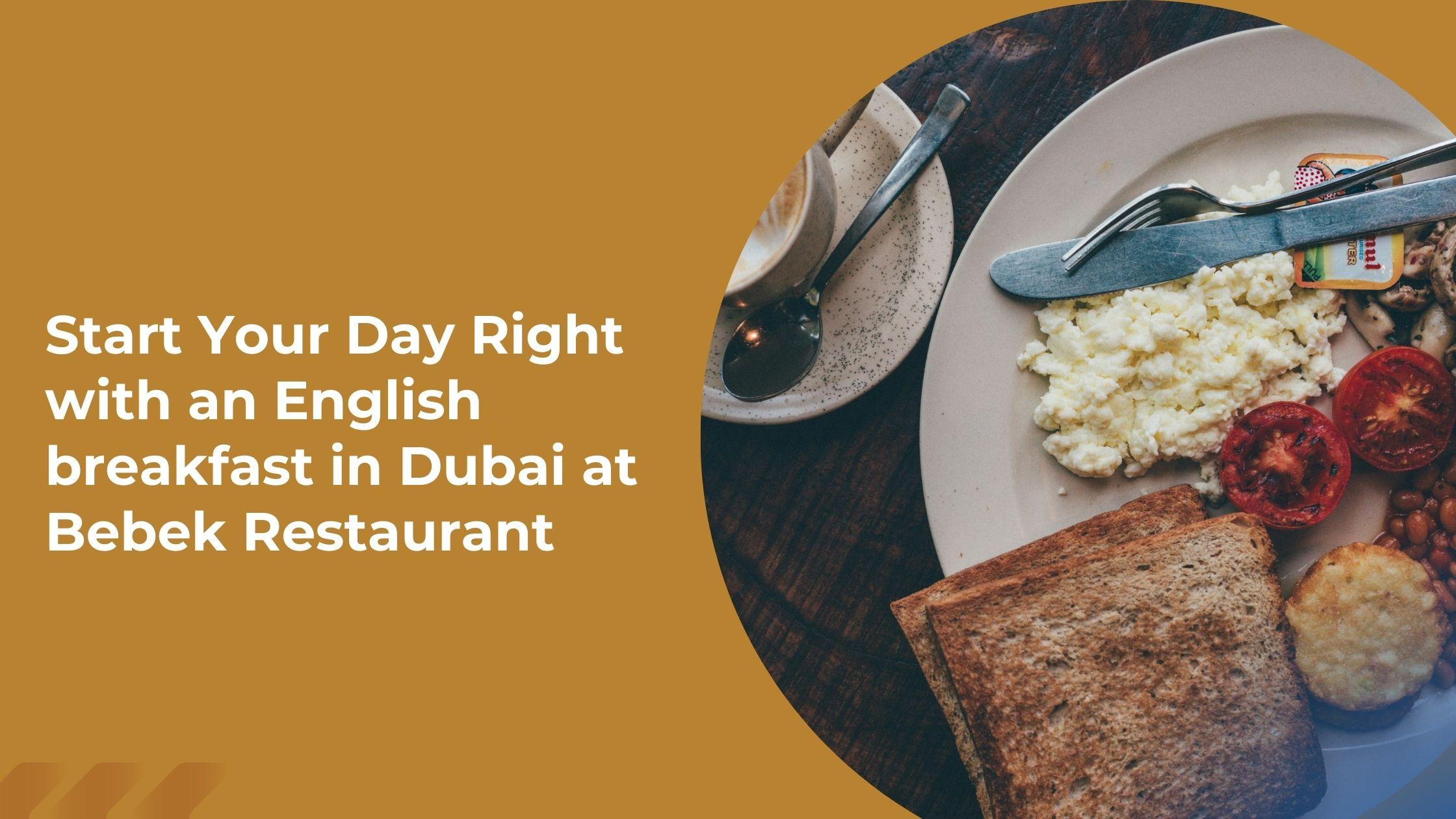
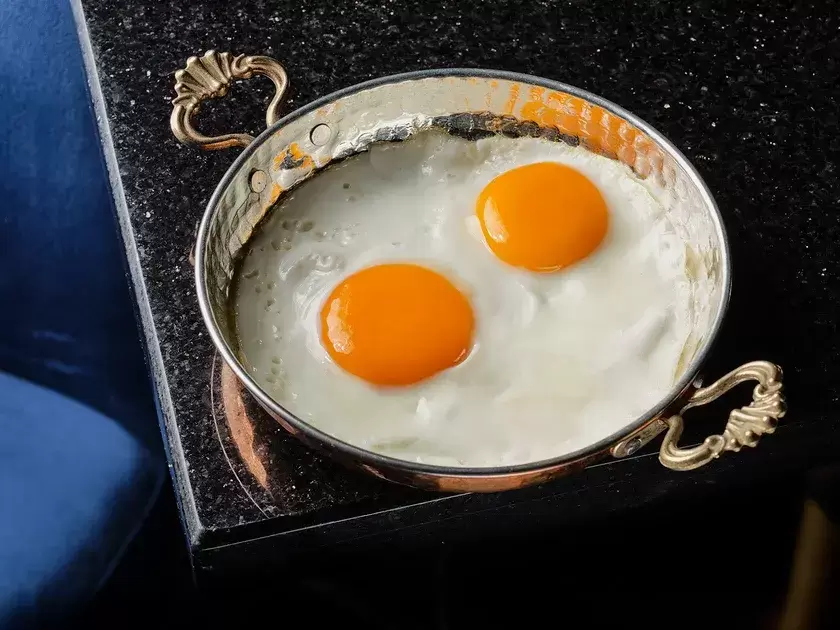
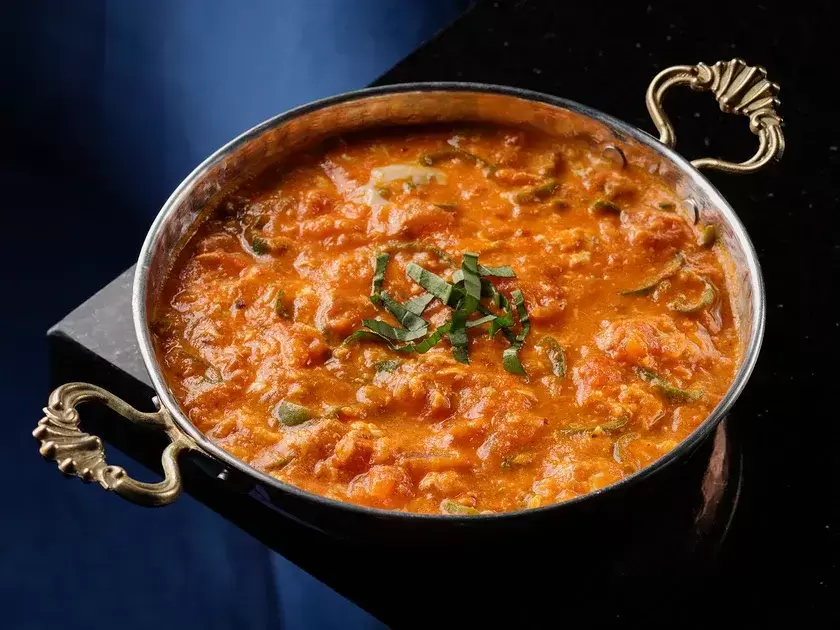
- Menemen, eggs prepared with tomatoes and peppers
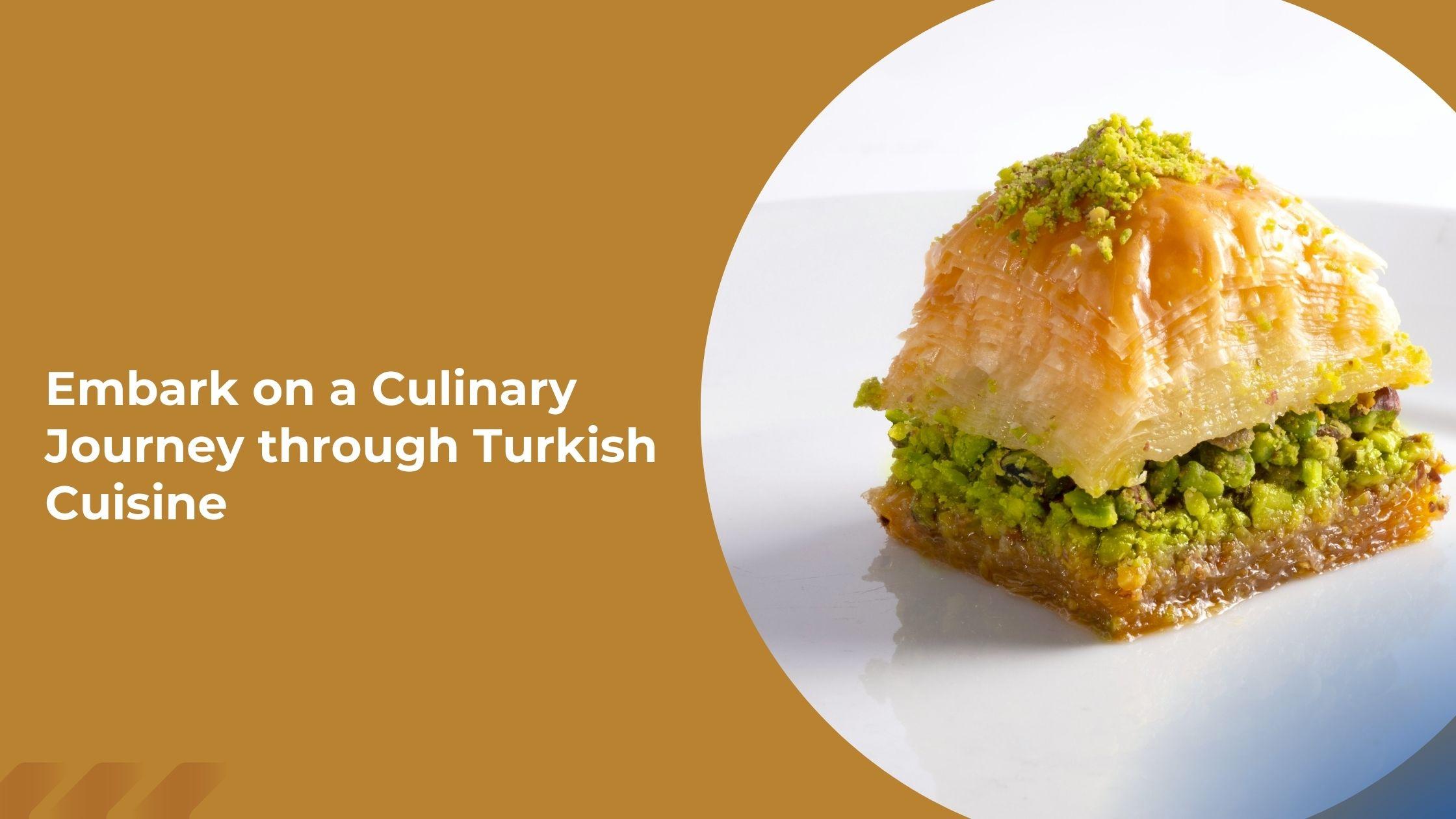
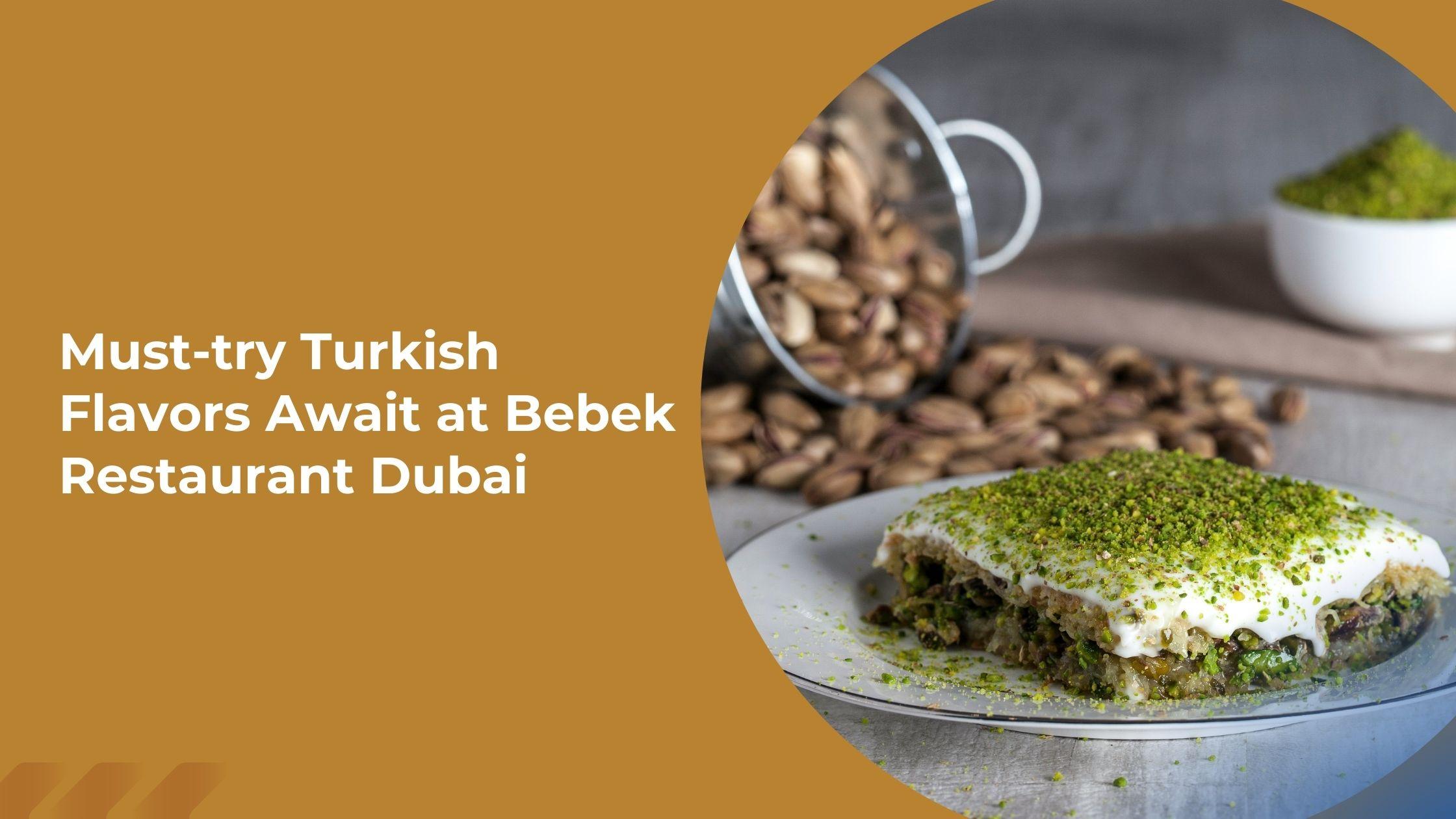
- Baklava and other traditional desserts
A cafe doesn't need to offer every Turkish dish to be authentic. What matters is whether its menu demonstrates a genuine understanding of Turkish culinary traditions.
Fresh Ingredients Are Essential
Traditional Turkish cooking often keeps ingredients at the center of the dish.
Fresh vegetables, herbs, olives, yogurt, cheese, quality meats, grains, and olive oil appear across Turkish cuisine. Simple ingredients can create complex flavors when they're fresh and properly prepared.
This is particularly noticeable in meze, salads, breakfast dishes, and grilled specialties. When ingredients are fresh, they don't need to be hidden beneath heavy sauces or excessive seasoning.
Traditional Cooking Methods Add Character
Authenticity also depends on preparation.
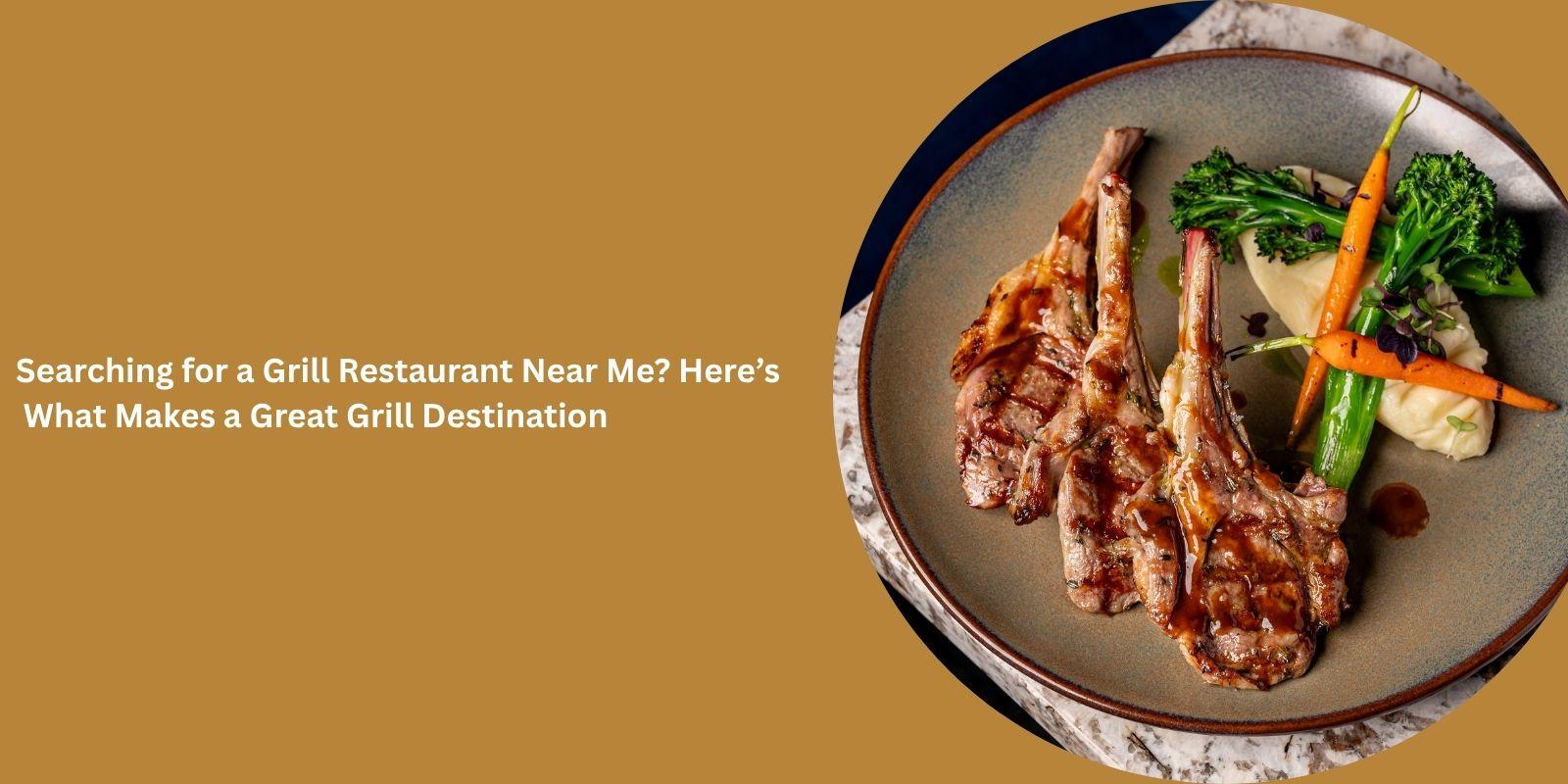
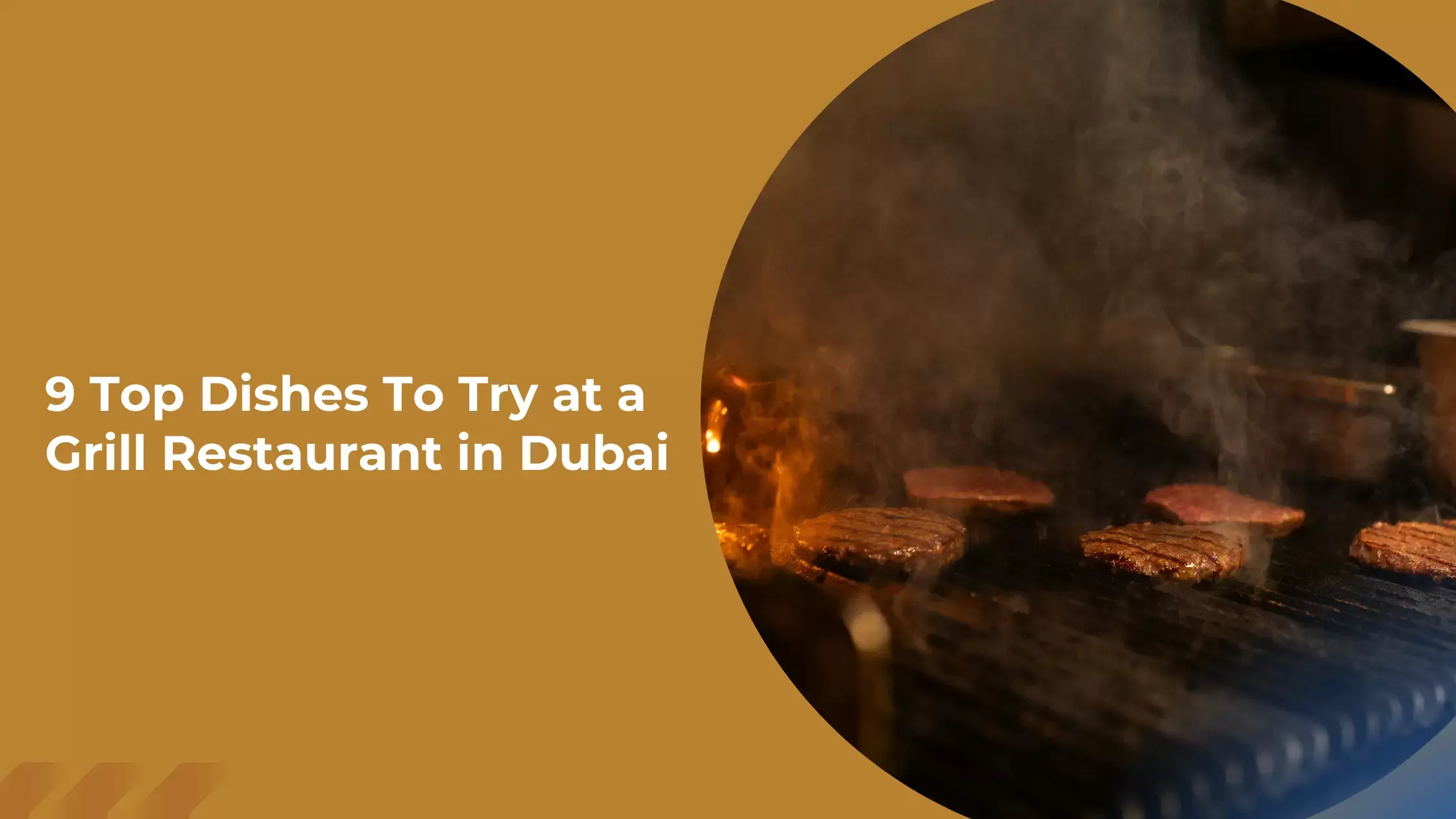
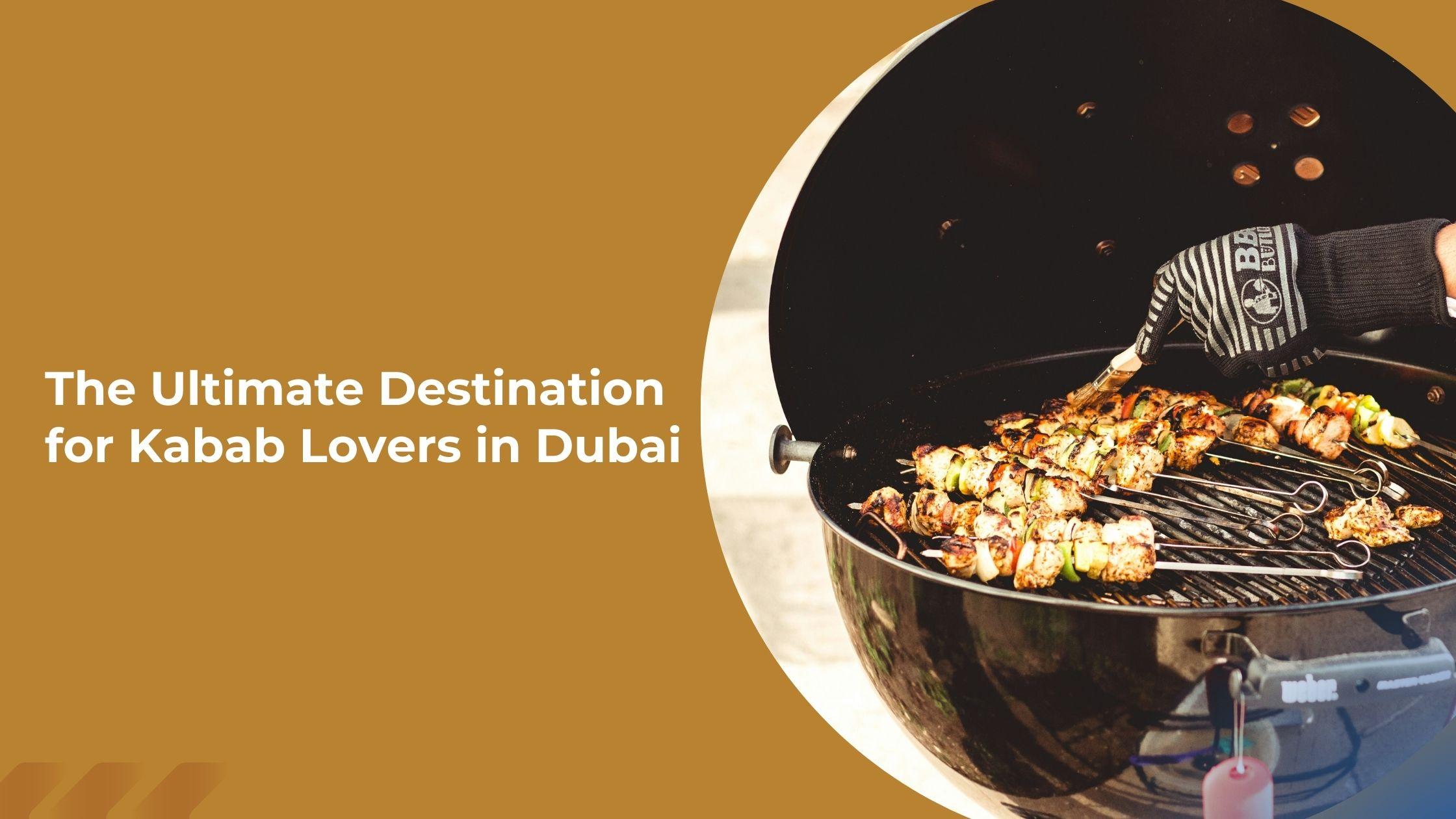
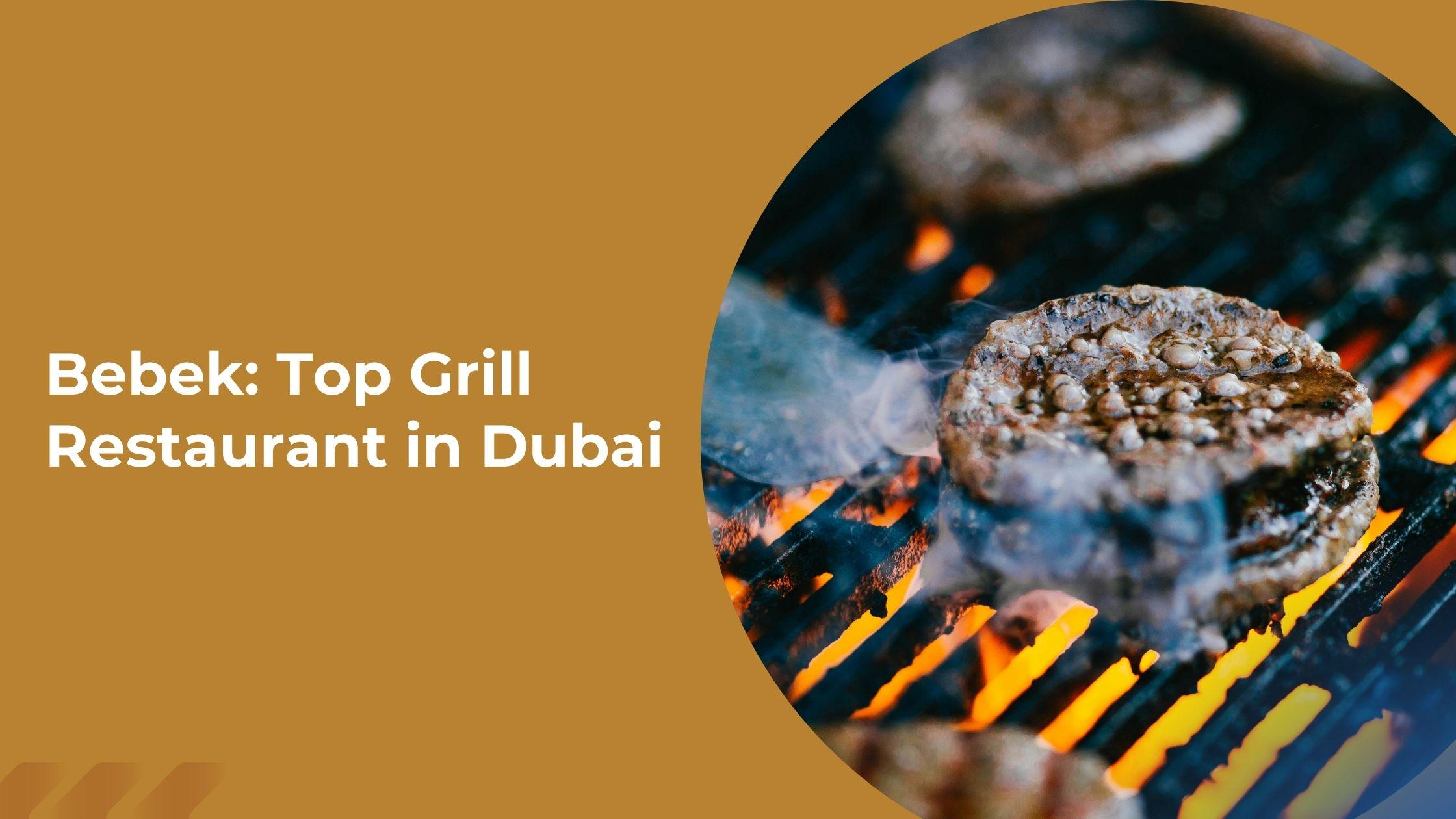
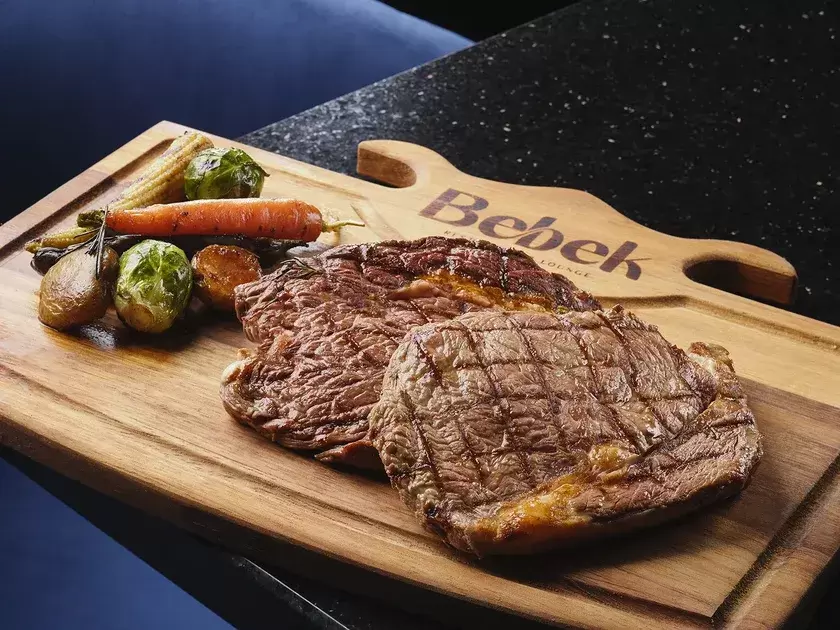
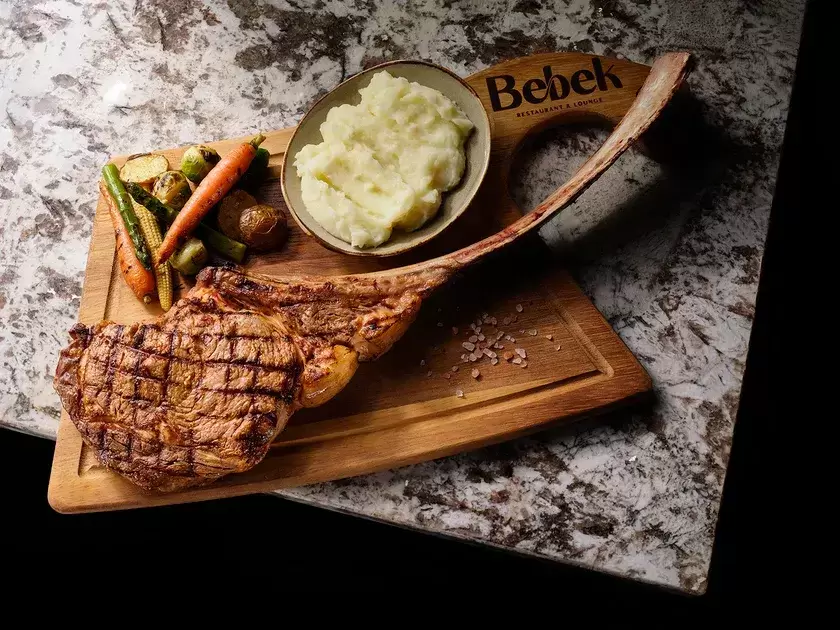
Grilling, baking, slow cooking, and traditional bread-making techniques have an important place in Turkish cuisine. Charcoal grilling, for example, gives meats and vegetables a distinctive smoky character.
Baked dishes such as pide and lahmacun also depend on properly prepared dough and high-temperature cooking.
These methods aren't simply about appearance. They influence texture, aroma, and flavor, helping traditional dishes retain their identity.
Experience Turkish Breakfast the Traditional Way
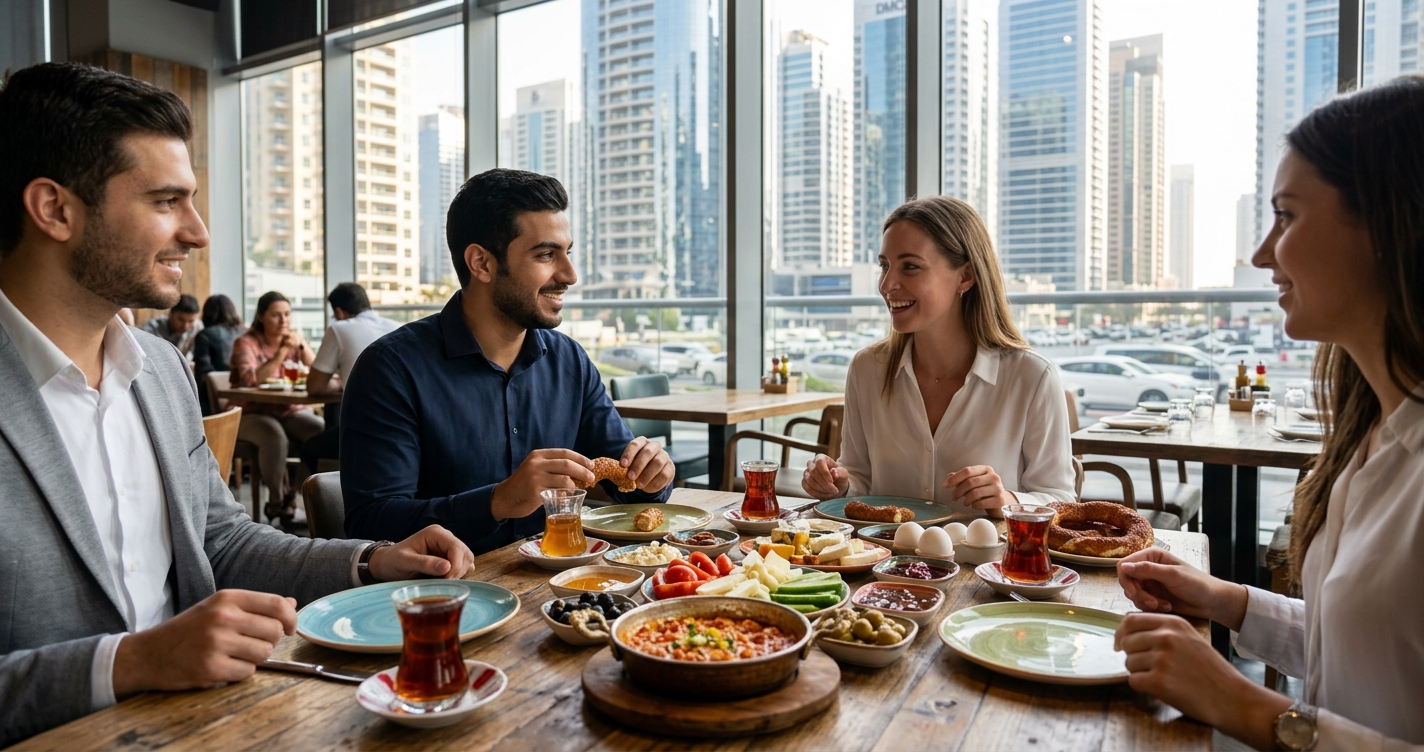
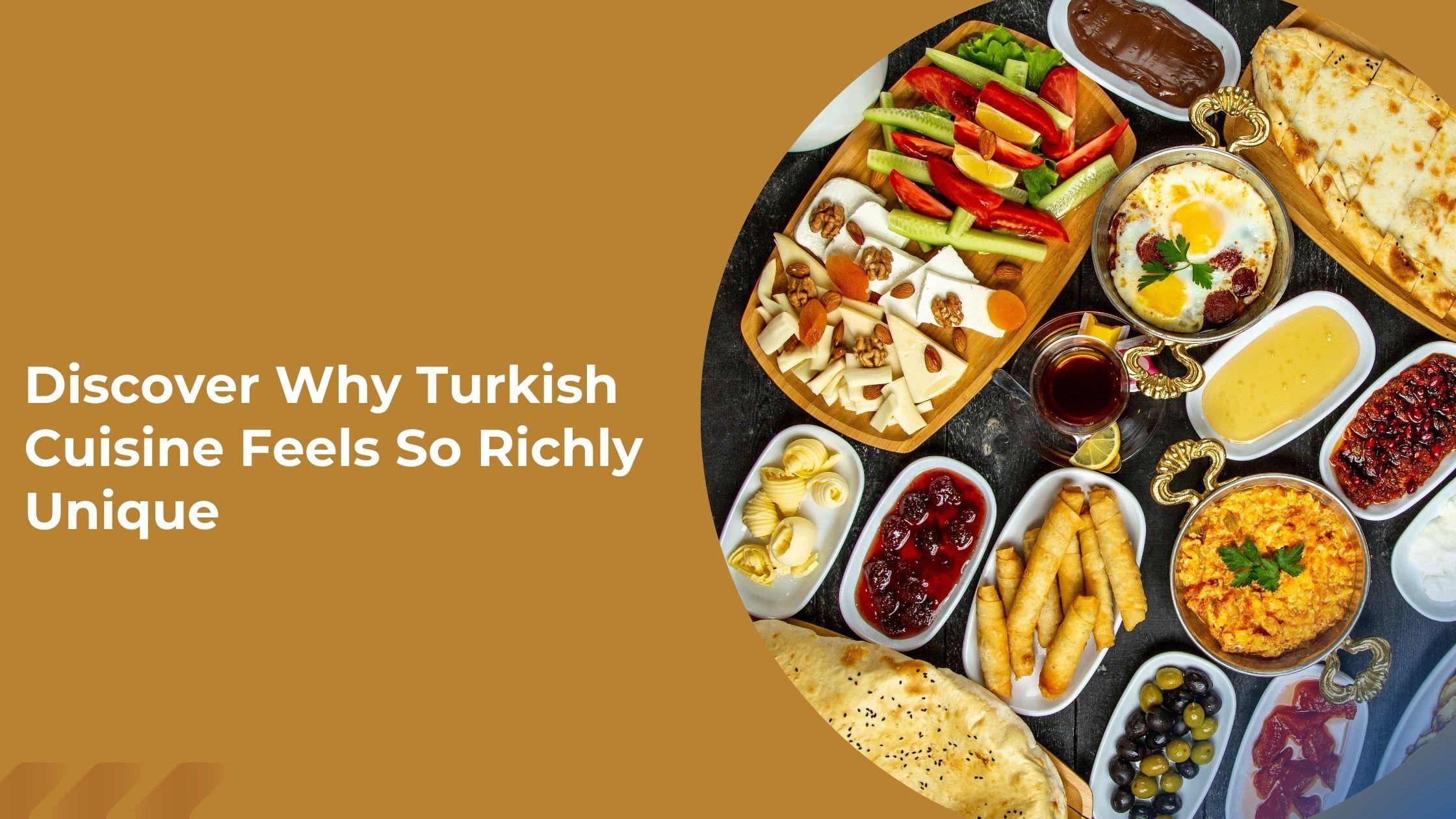
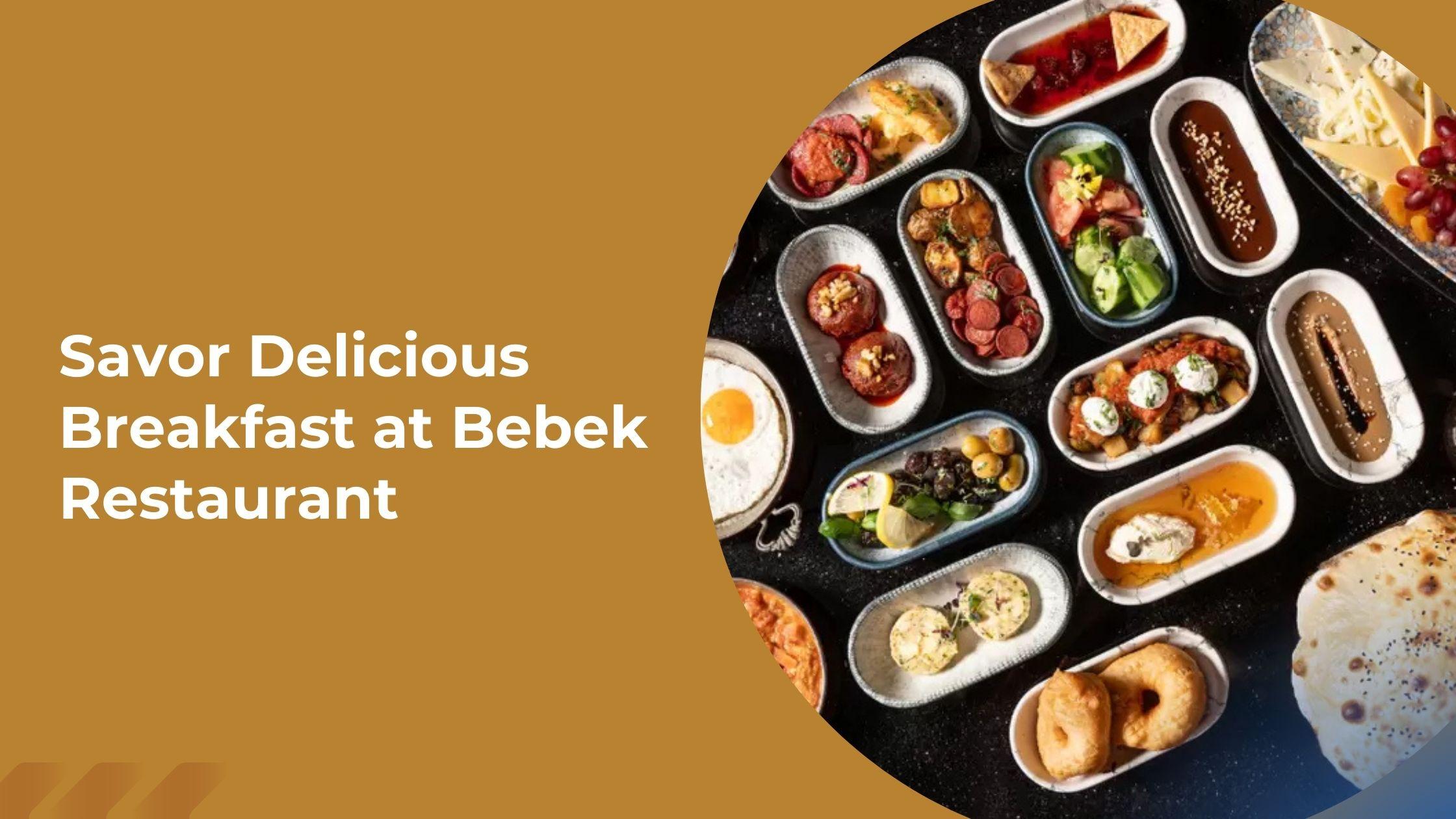
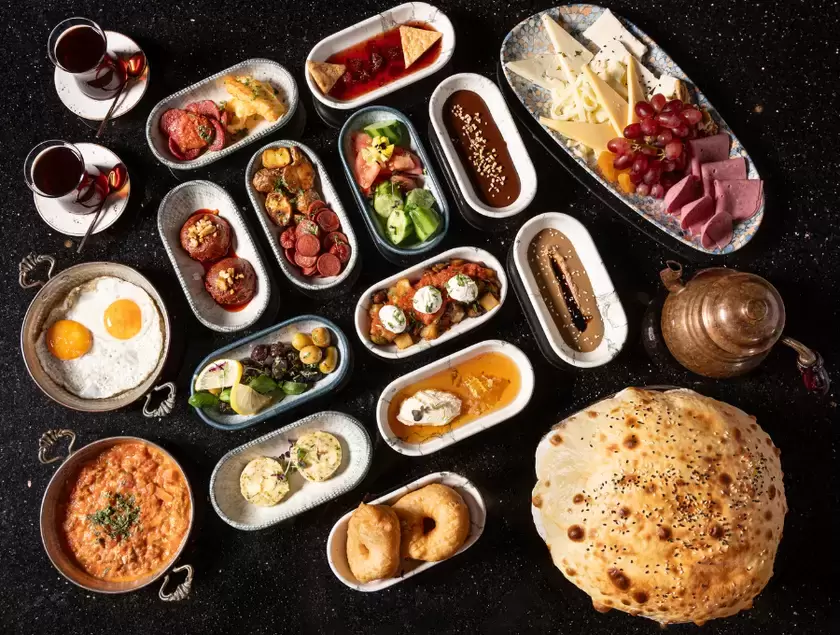
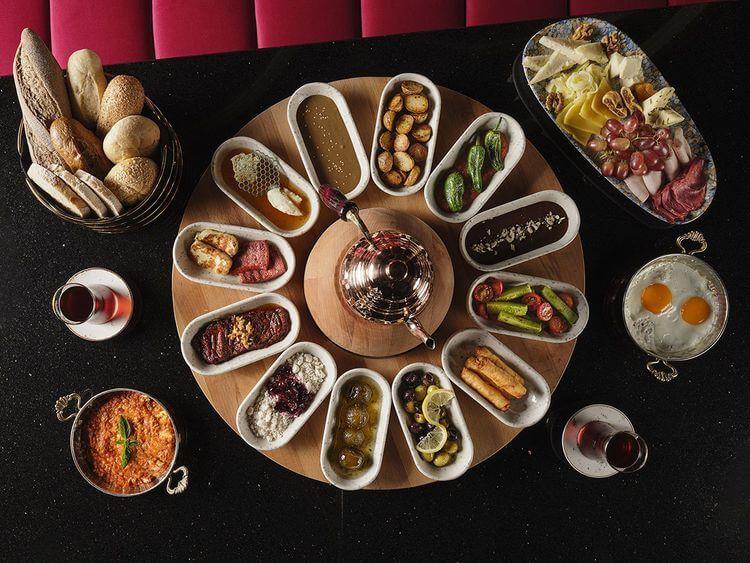
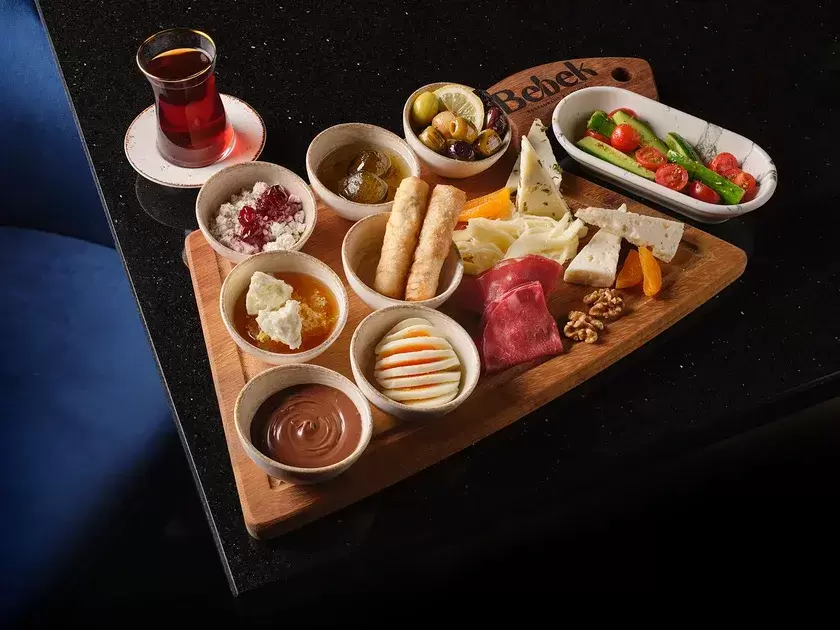
Turkish breakfast, known as kahvaltı, offers one of the clearest examples of how Turkish food can become a social experience.
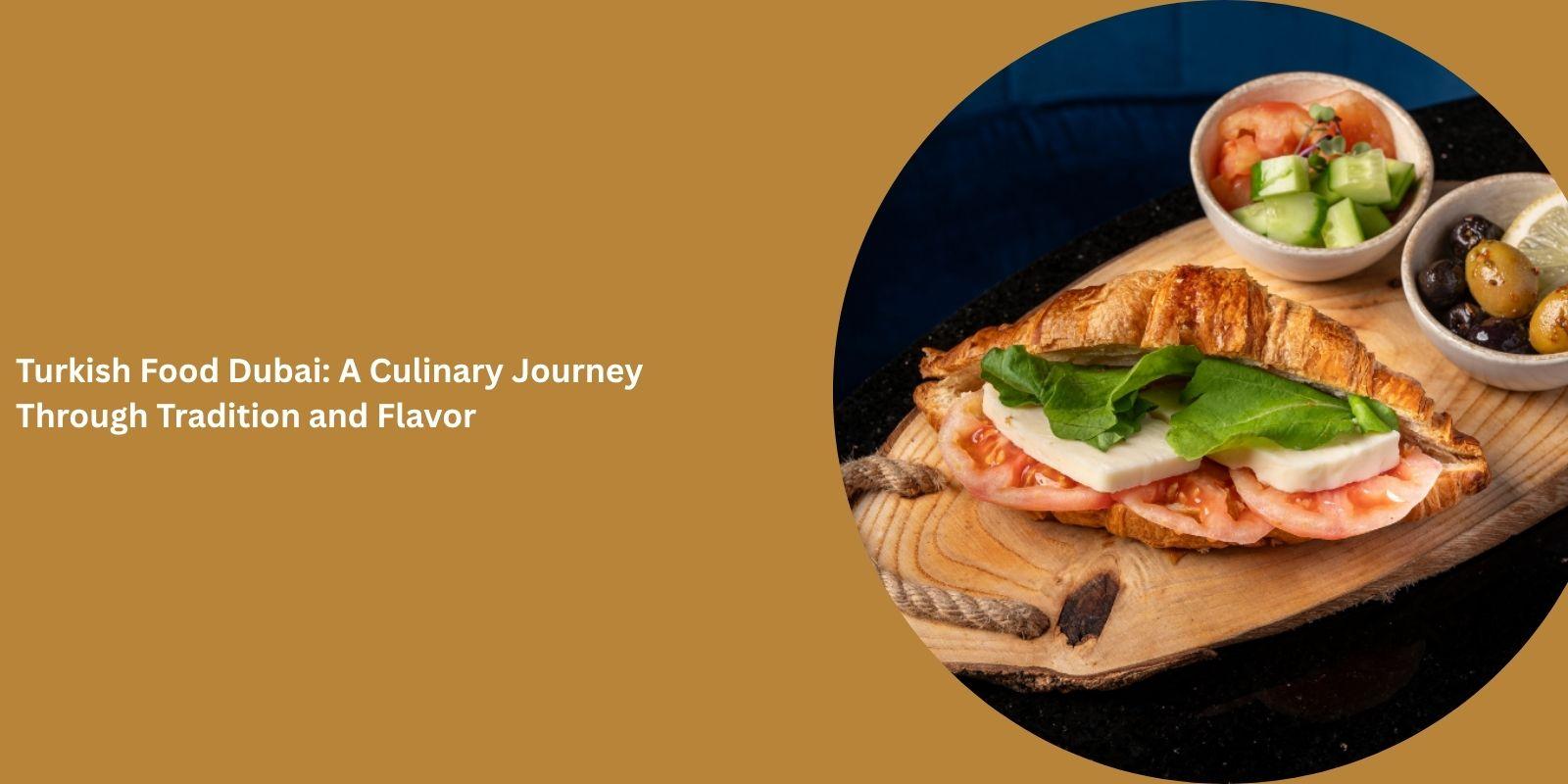
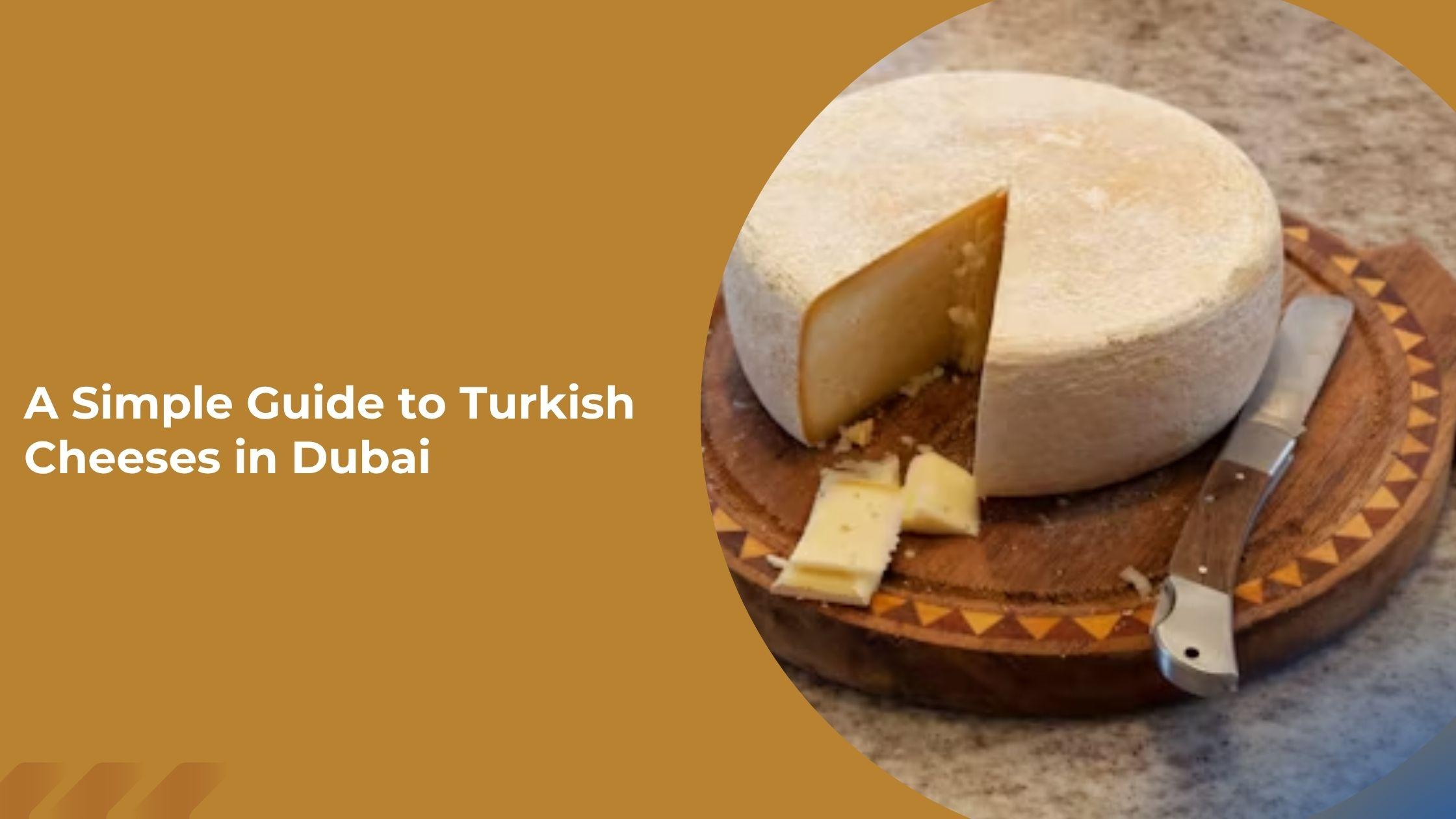
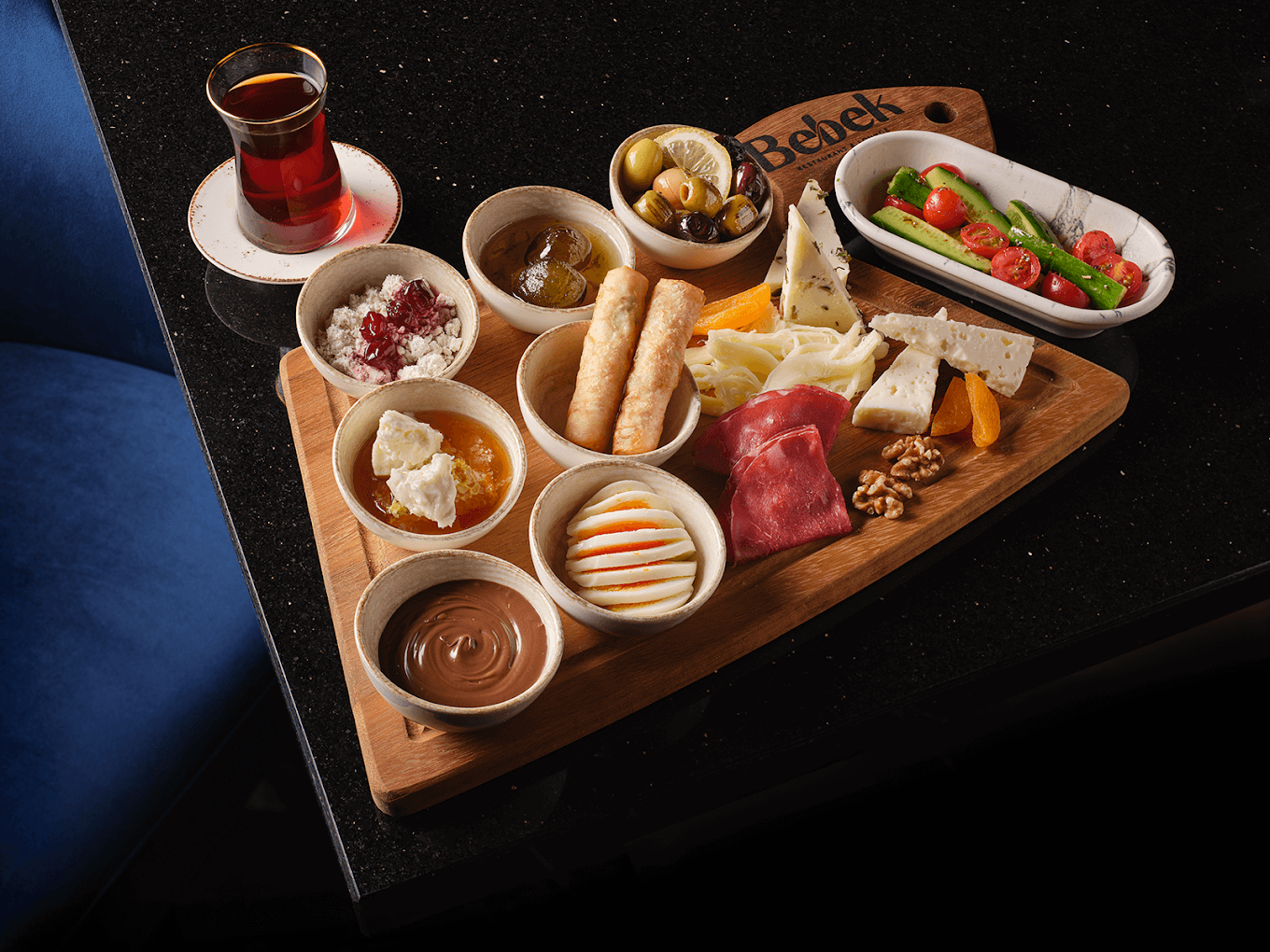
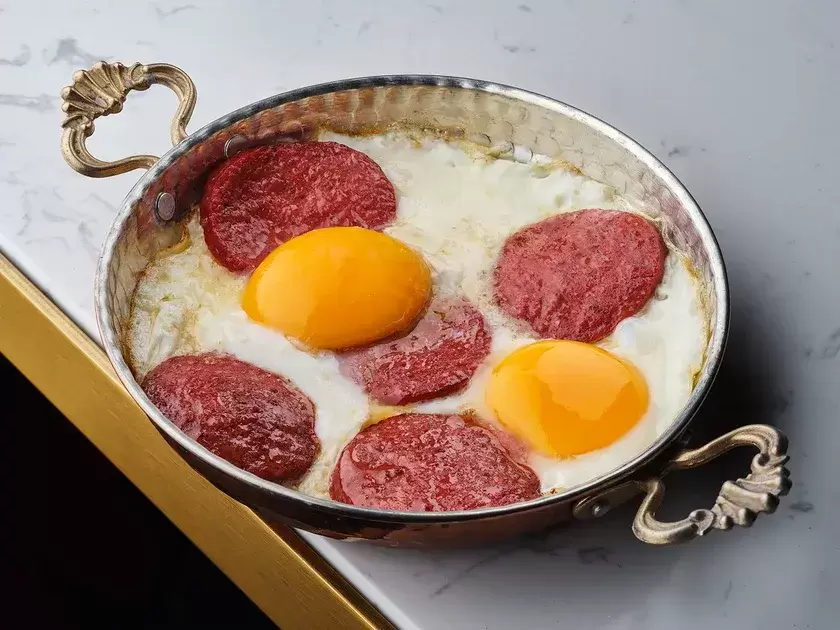
Instead of one large plate, breakfast often includes several smaller dishes. A table may feature cheeses, olives, tomatoes, cucumbers, eggs, bread, honey, jams, and tea.
The idea is to share, talk, and take your time.
That makes Turkish breakfast different from a quick meal eaten before work. It's an opportunity to gather around the table and enjoy several flavors together.
Discover the Social Side of Meze
Meze is another important part of Turkish dining culture.
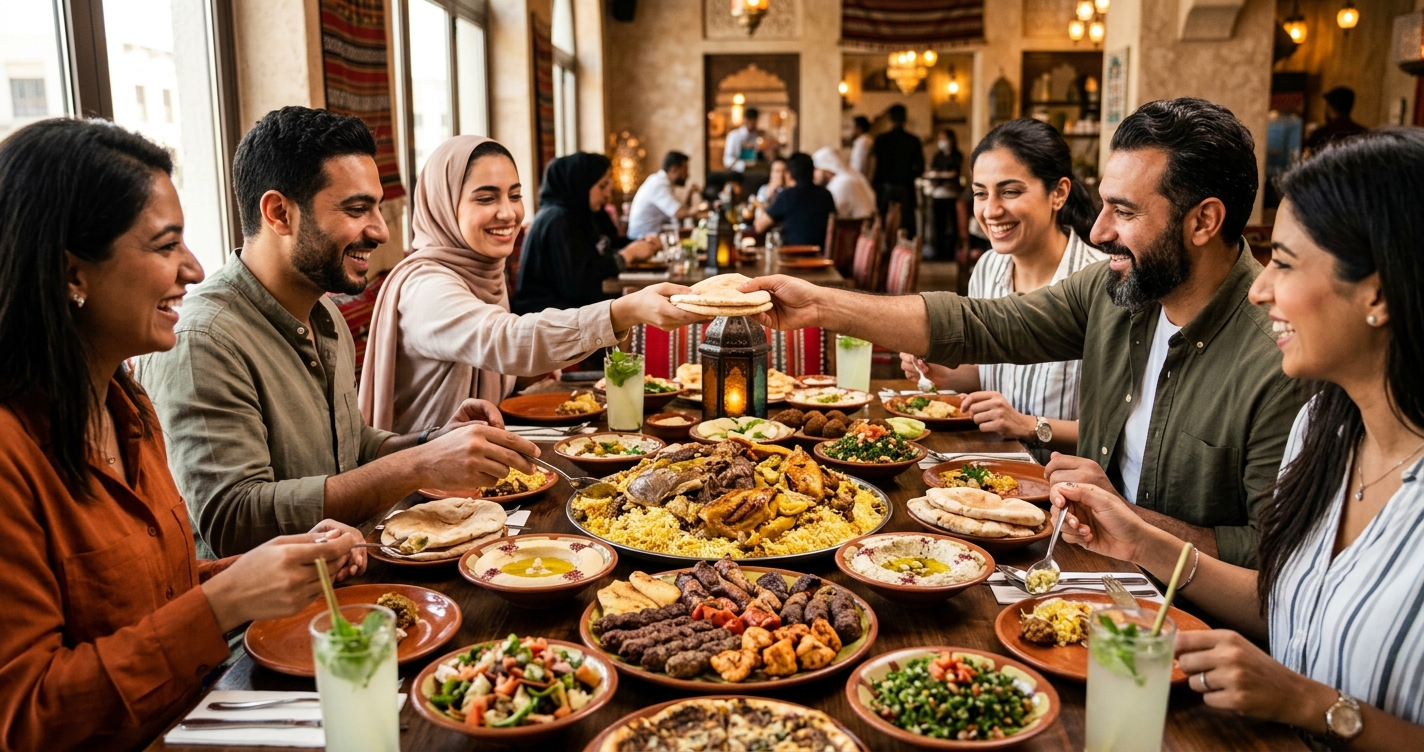
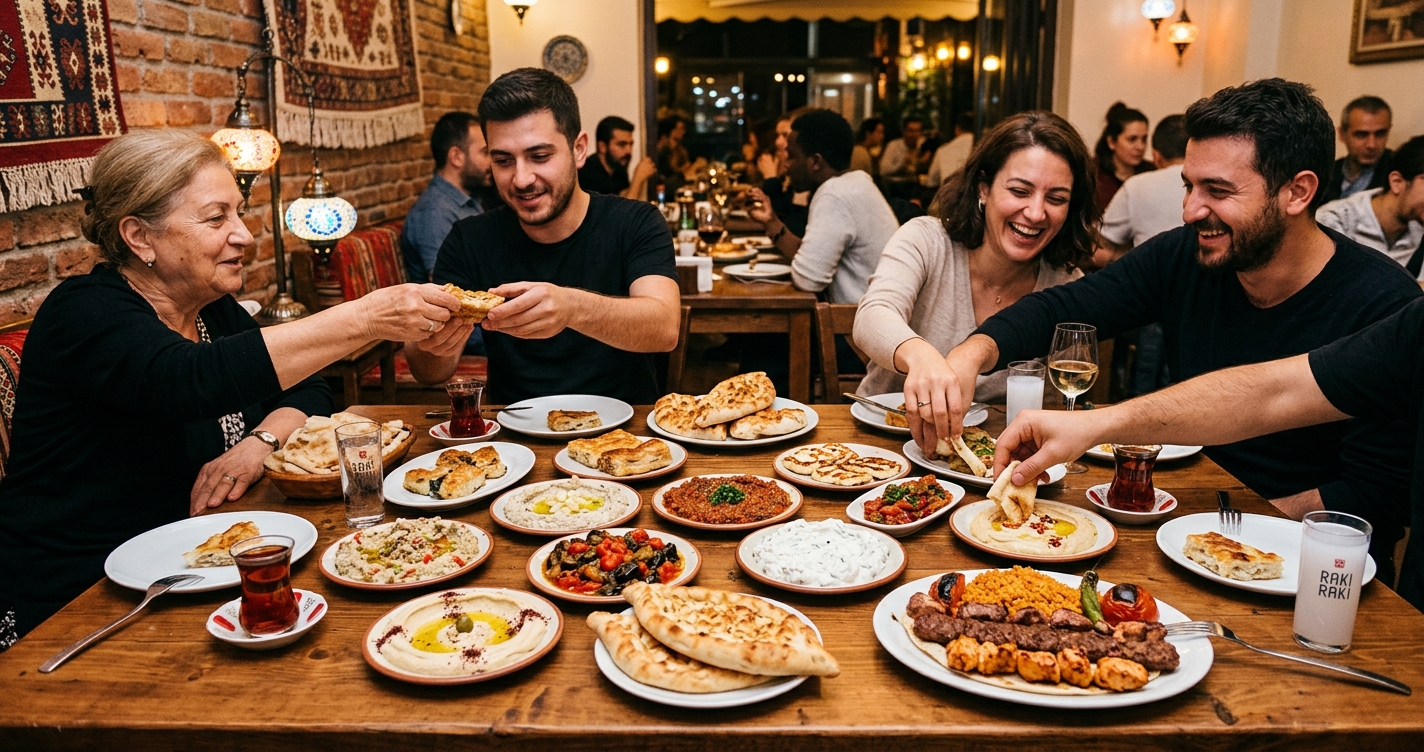
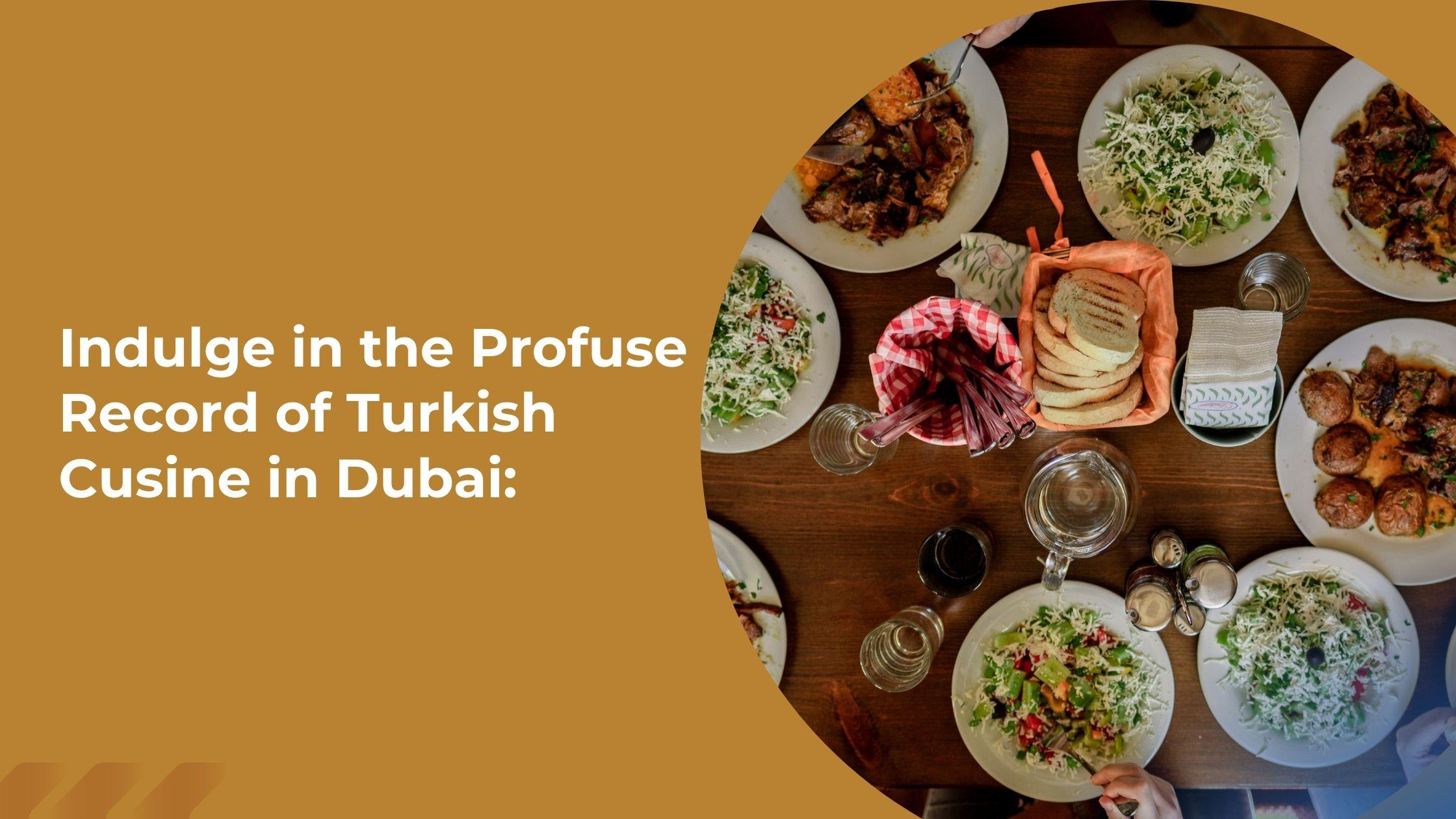
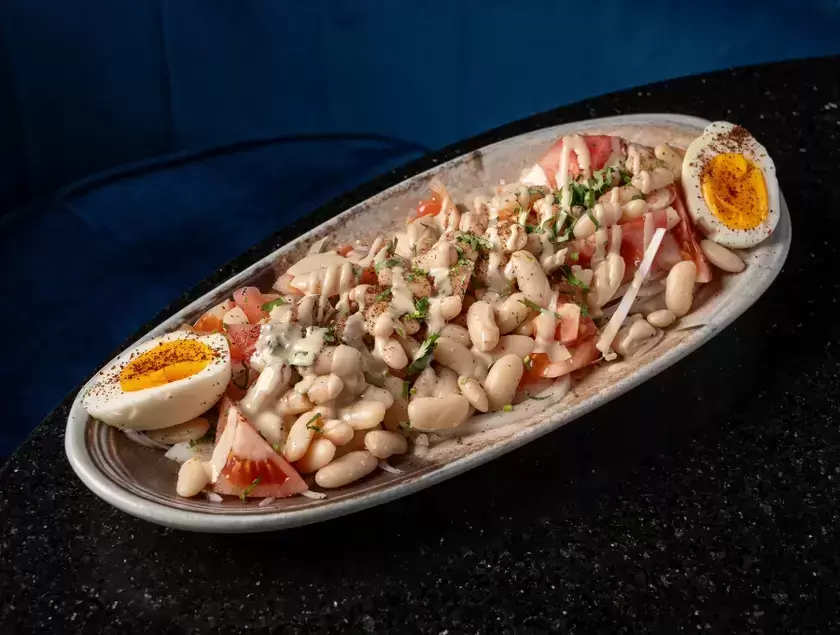
These small plates can include vegetables, yogurt-based preparations, herbs, cheese, seafood, and other savory combinations. They're usually placed in the center of the table, allowing everyone to sample different dishes.
This makes meze ideal for groups.
Rather than choosing one dish and eating separately, diners can explore several flavors together. Sharing food creates conversation and makes the meal feel more communal, which is an important part of Turkish hospitality.
Turkish Coffee and Tea Complete the Experience
A Turkish cafe should offer more than food. Traditional beverages are also part of the culture.
Turkish coffee is made with finely ground coffee and traditionally prepared in a small pot called a cezve. Unlike filtered coffee, the grounds remain in the cup and settle at the bottom.
Turkish tea, or çay, is equally significant. It's commonly served in small, tulip-shaped glasses and enjoyed throughout the day.
These drinks are closely connected with conversation and hospitality. A meal doesn't necessarily end when the main course is finished. Tea or coffee can keep people at the table longer.
Turkish Hospitality Matters
Authenticity isn't only something you taste.
Turkish hospitality places importance on welcoming guests, sharing food, and making people feel comfortable. In a Turkish cafe, this can be reflected through attentive service, helpful recommendations, generous portions, and an atmosphere that encourages guests to relax.
The best dining experiences don't feel rushed.
Whether you're meeting friends, enjoying breakfast with family, or having dinner after a long day, the service should complement the food and make the overall experience memorable.
Look Beyond the Décor
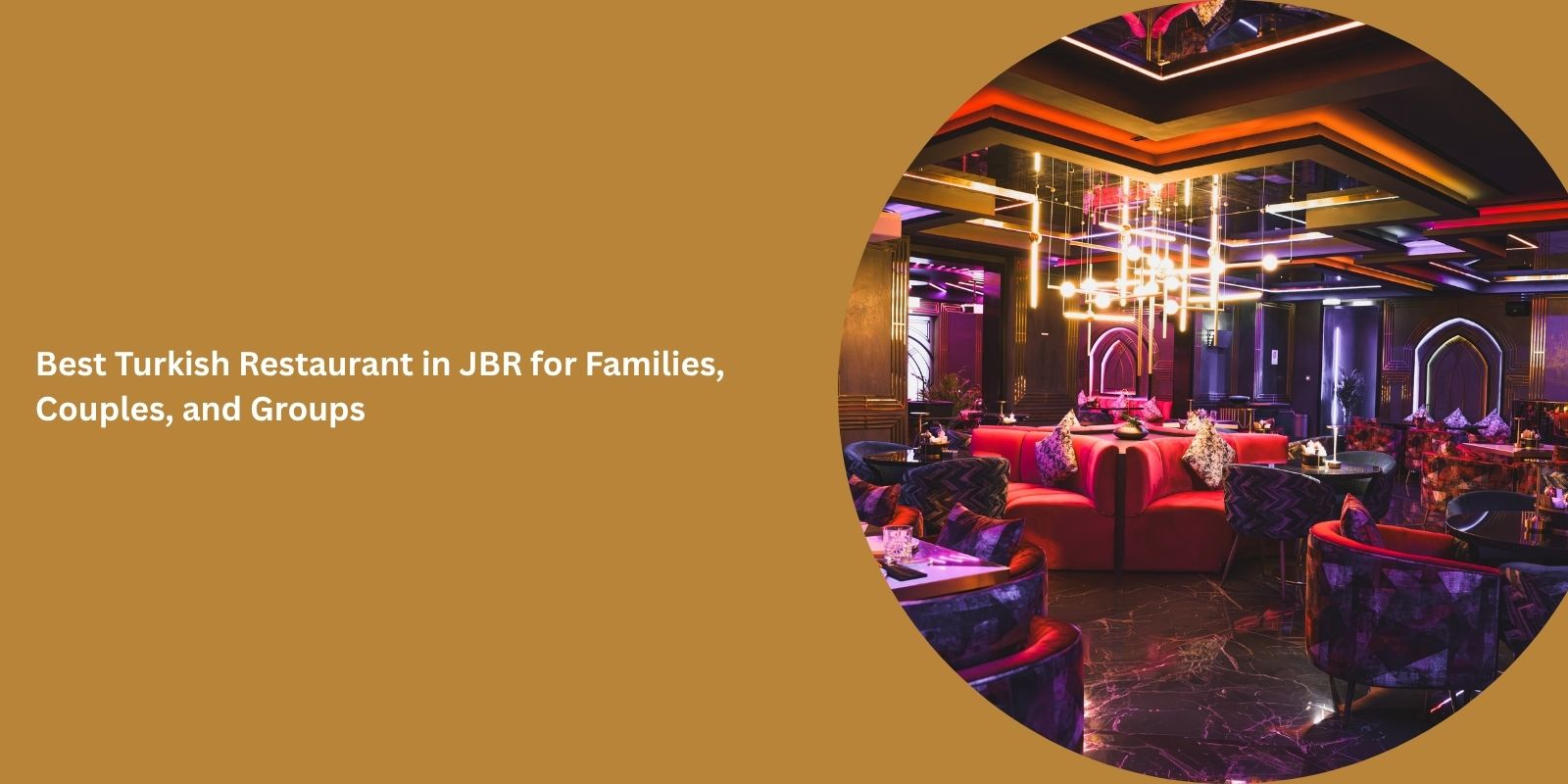
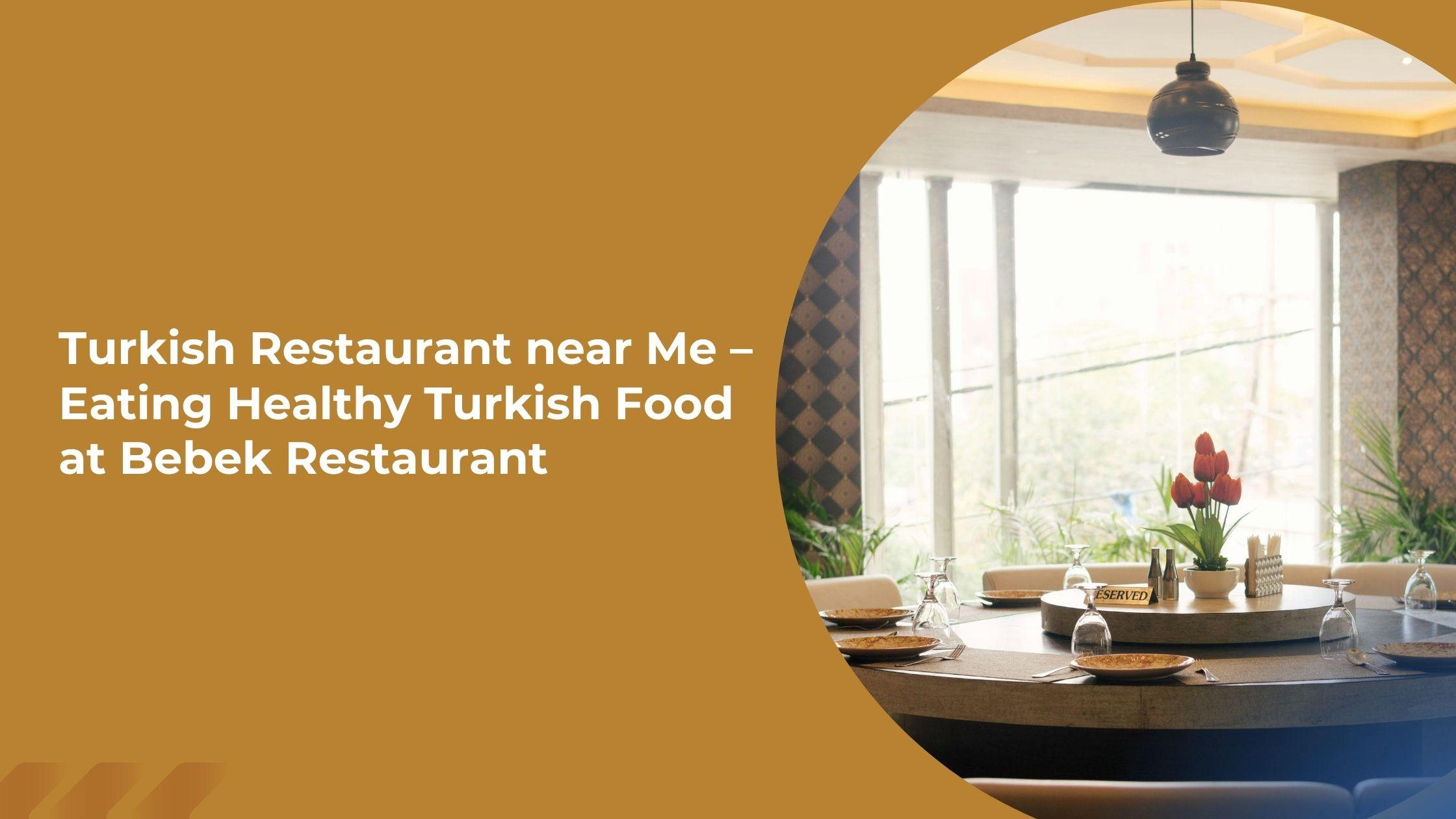
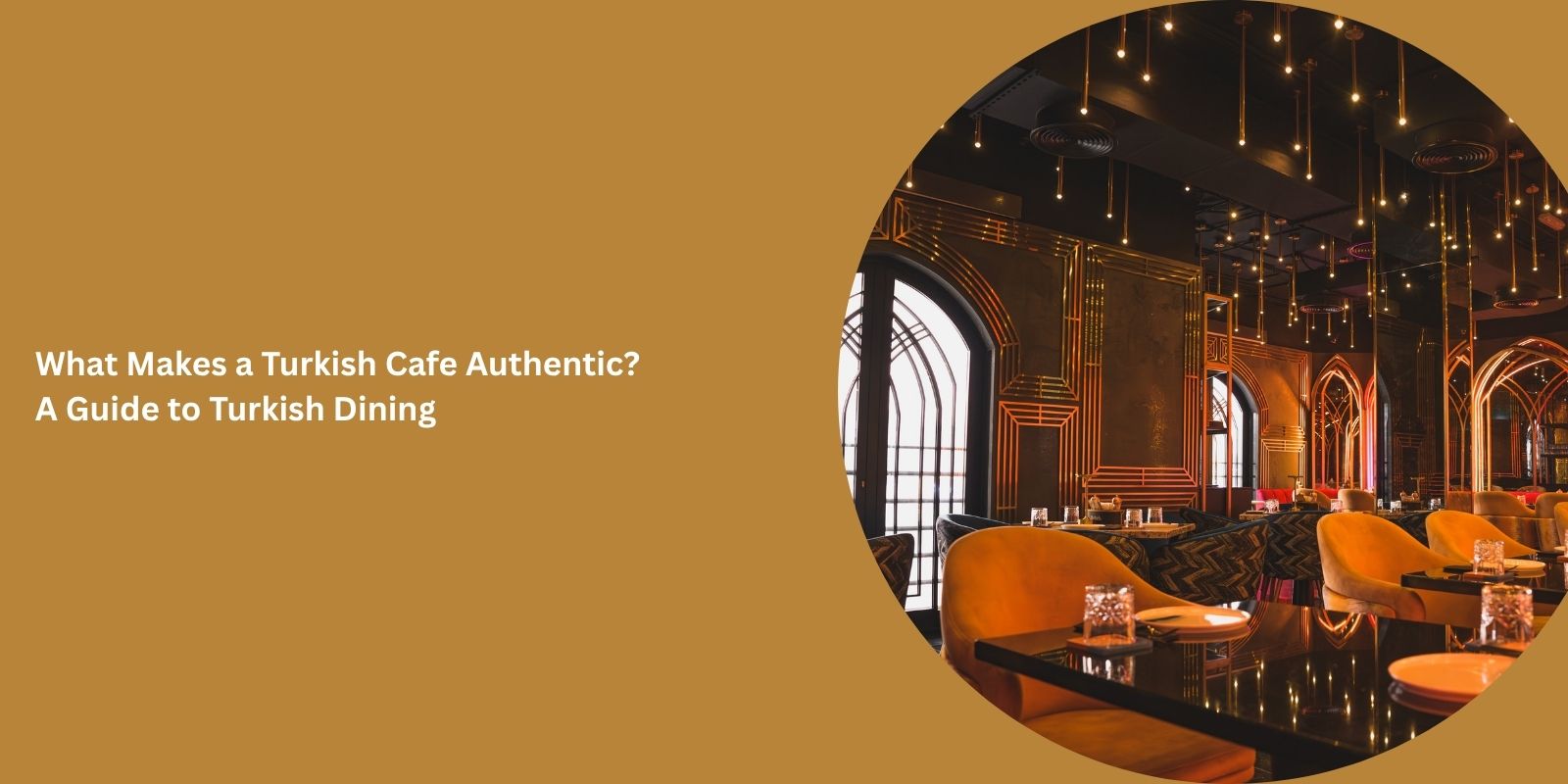
Turkish-inspired décor can create atmosphere, but décor alone doesn't make a cafe authentic.
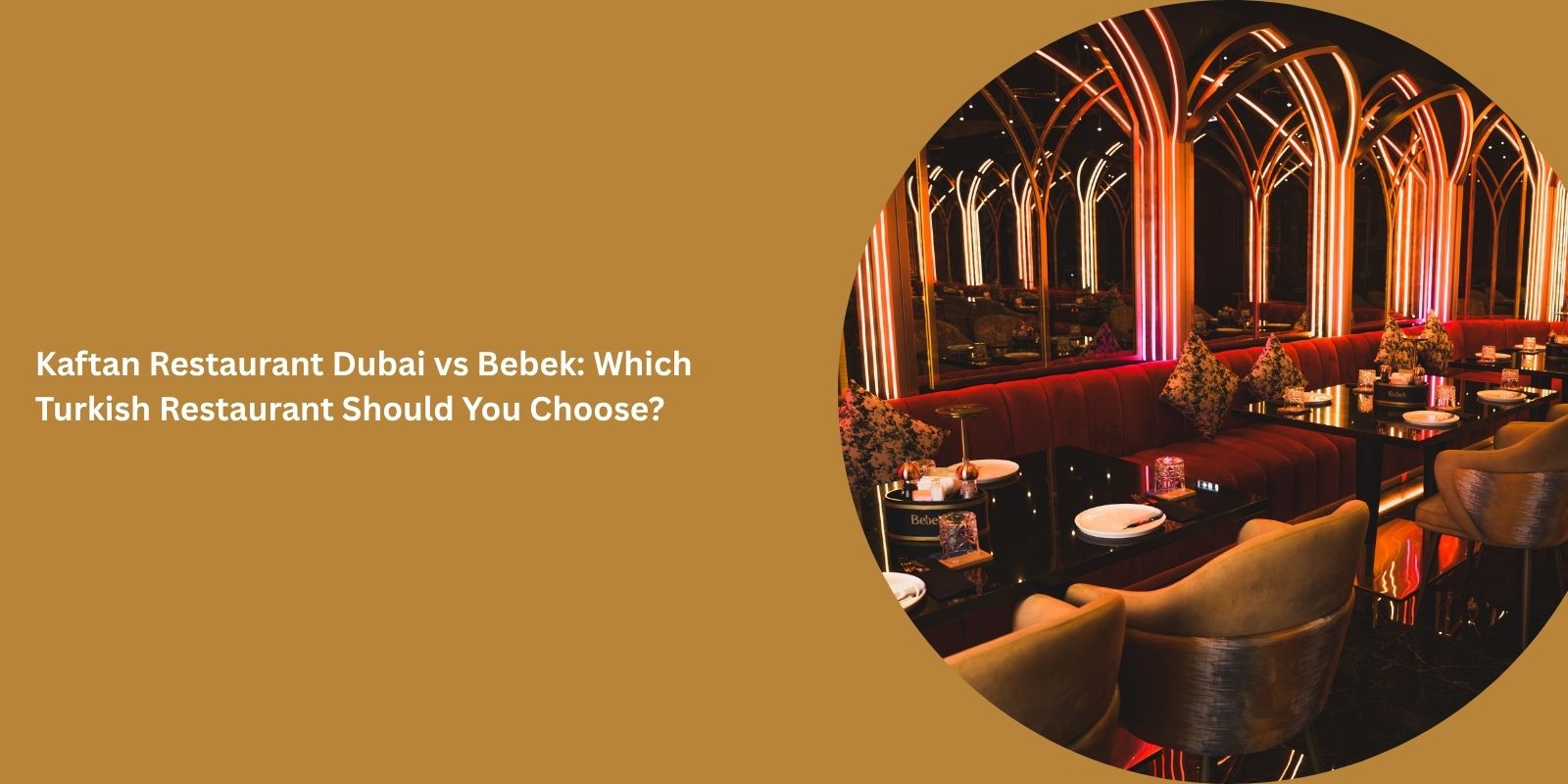
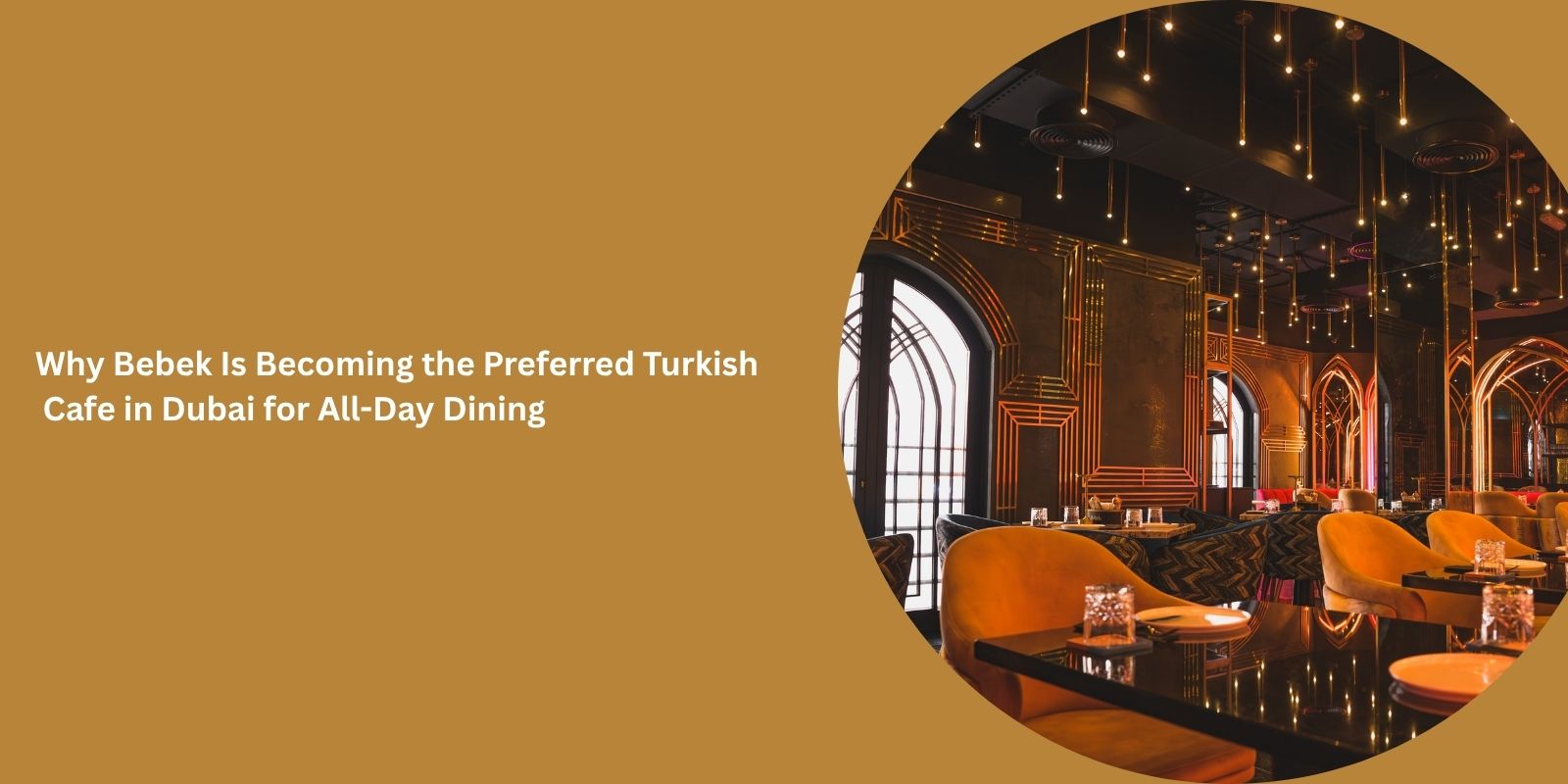
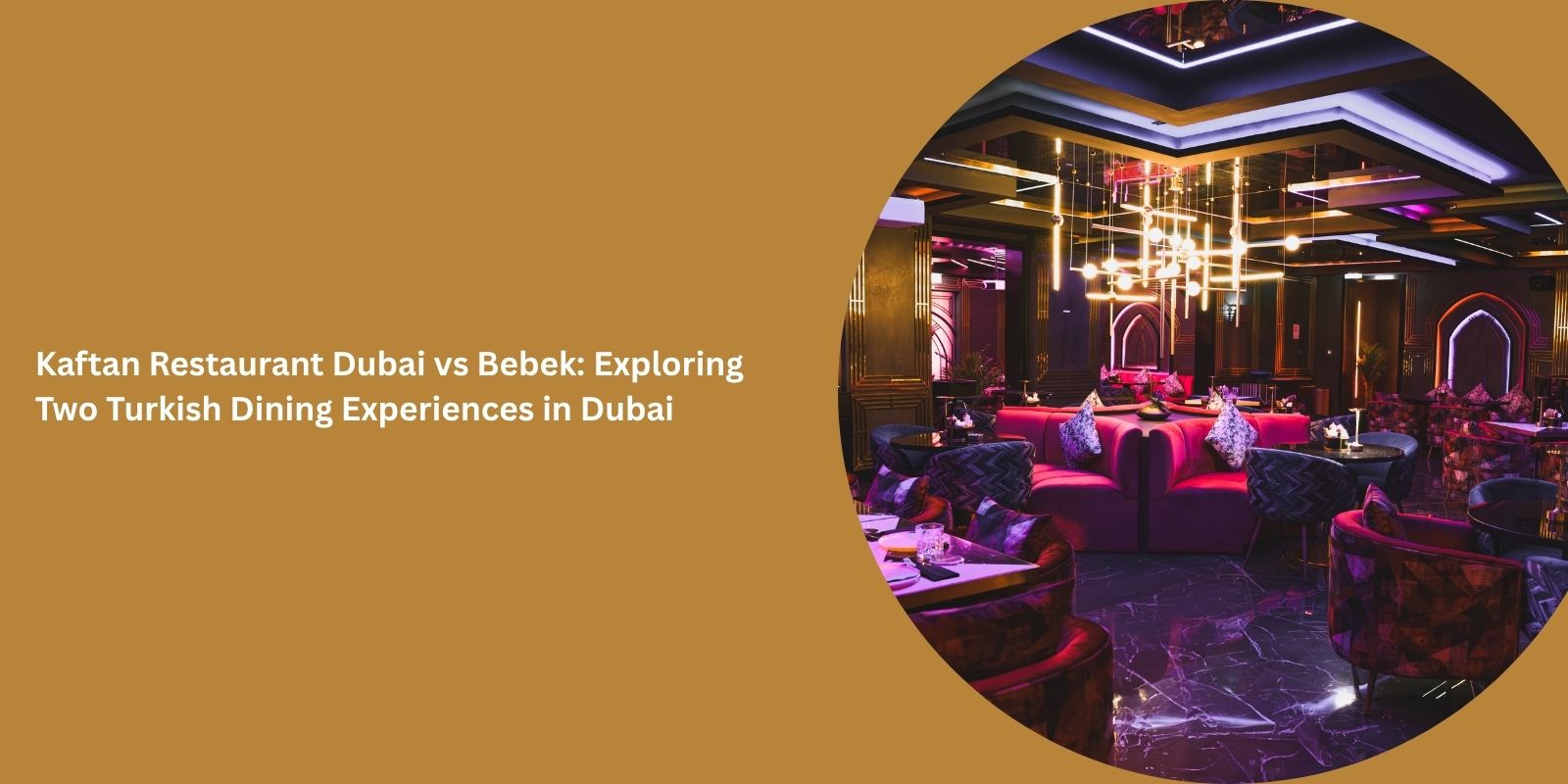
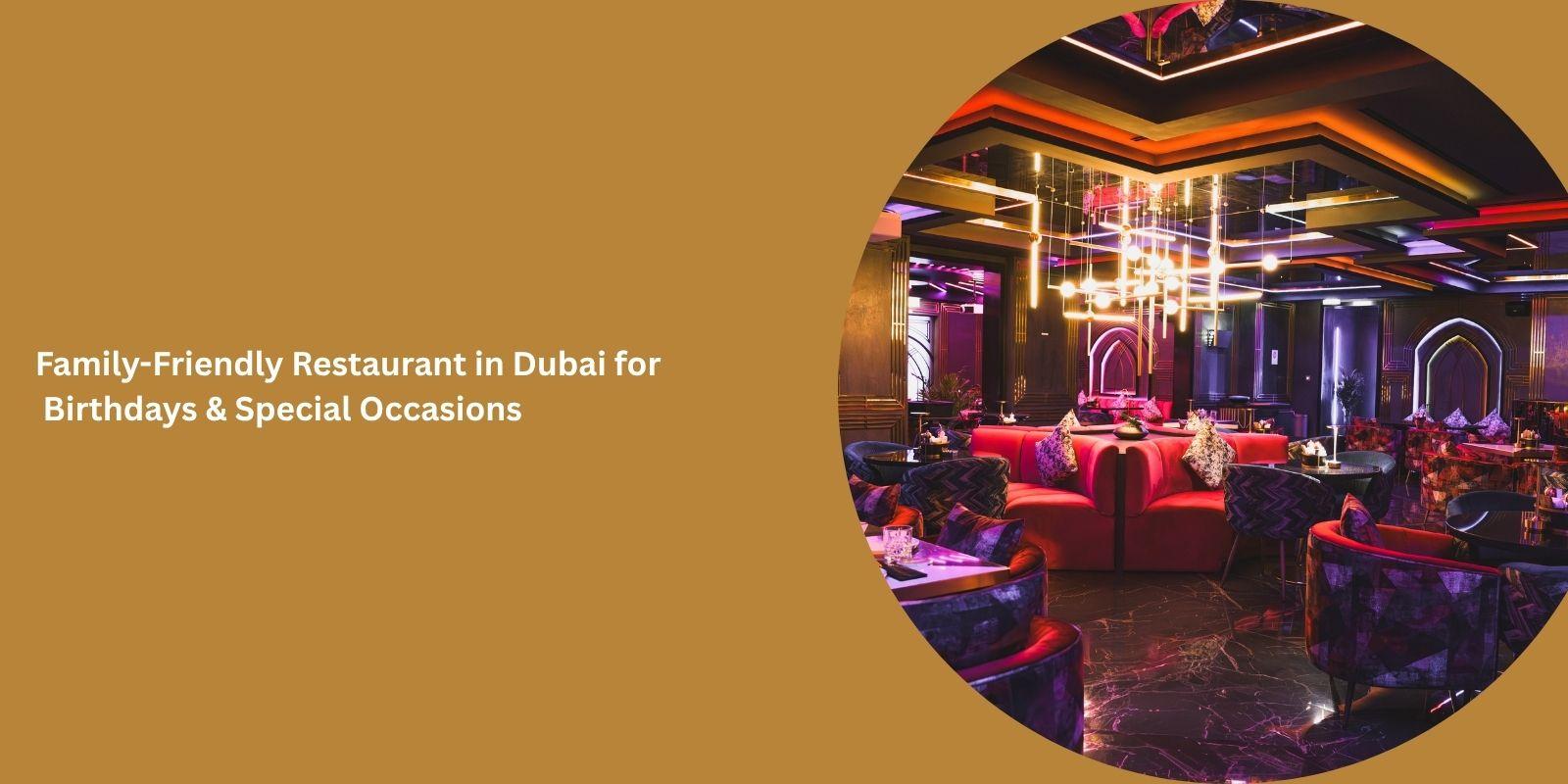
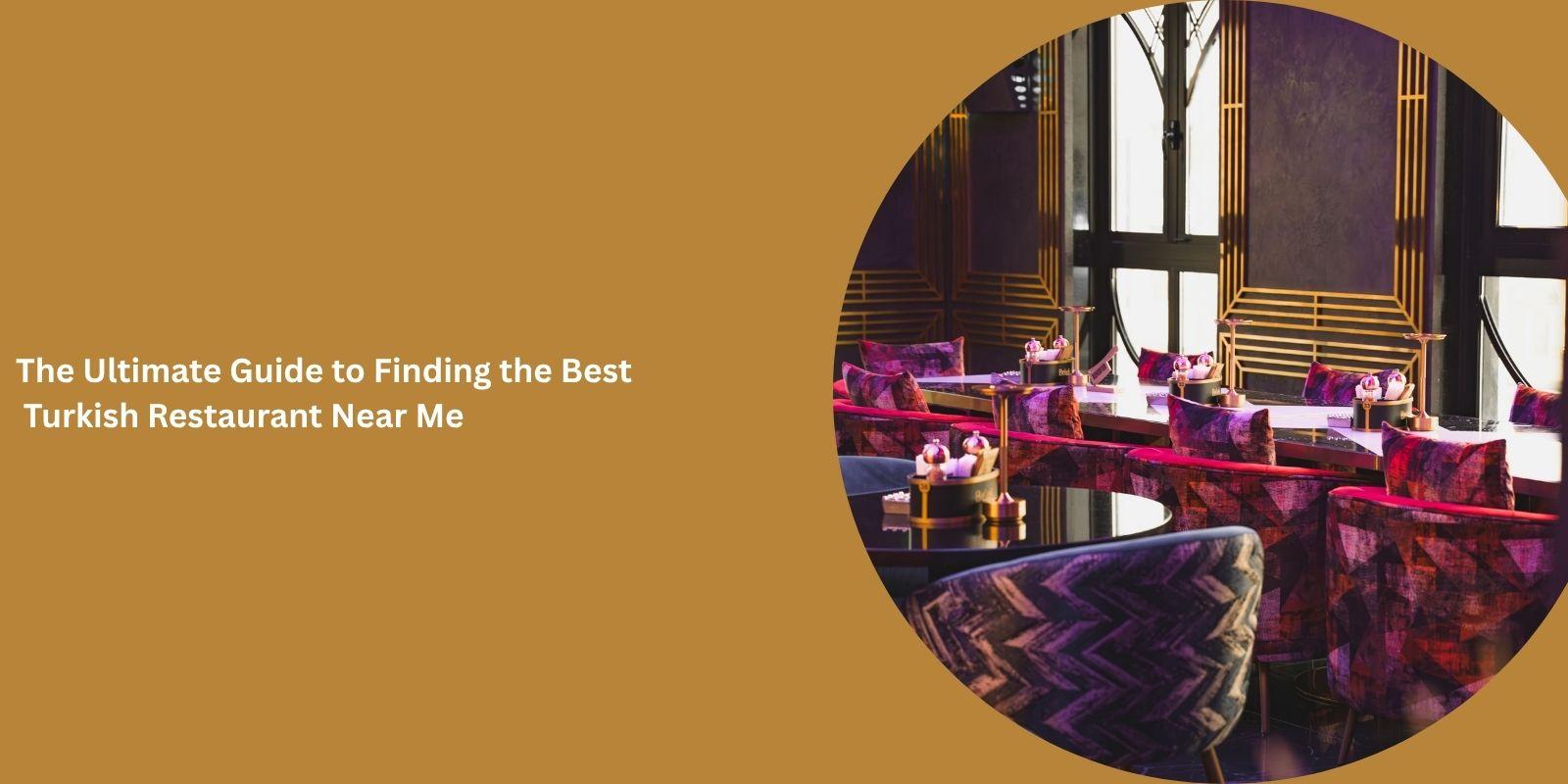
A modern Turkish restaurant may use contemporary interiors while incorporating cultural details through lighting, ceramics, textiles, serving ware, music, or design elements.
What matters is consistency.
The food, service, atmosphere, and cultural influences should feel connected rather than appearing as separate marketing elements.
Authentic Turkish Dining Goes Beyond Kebabs
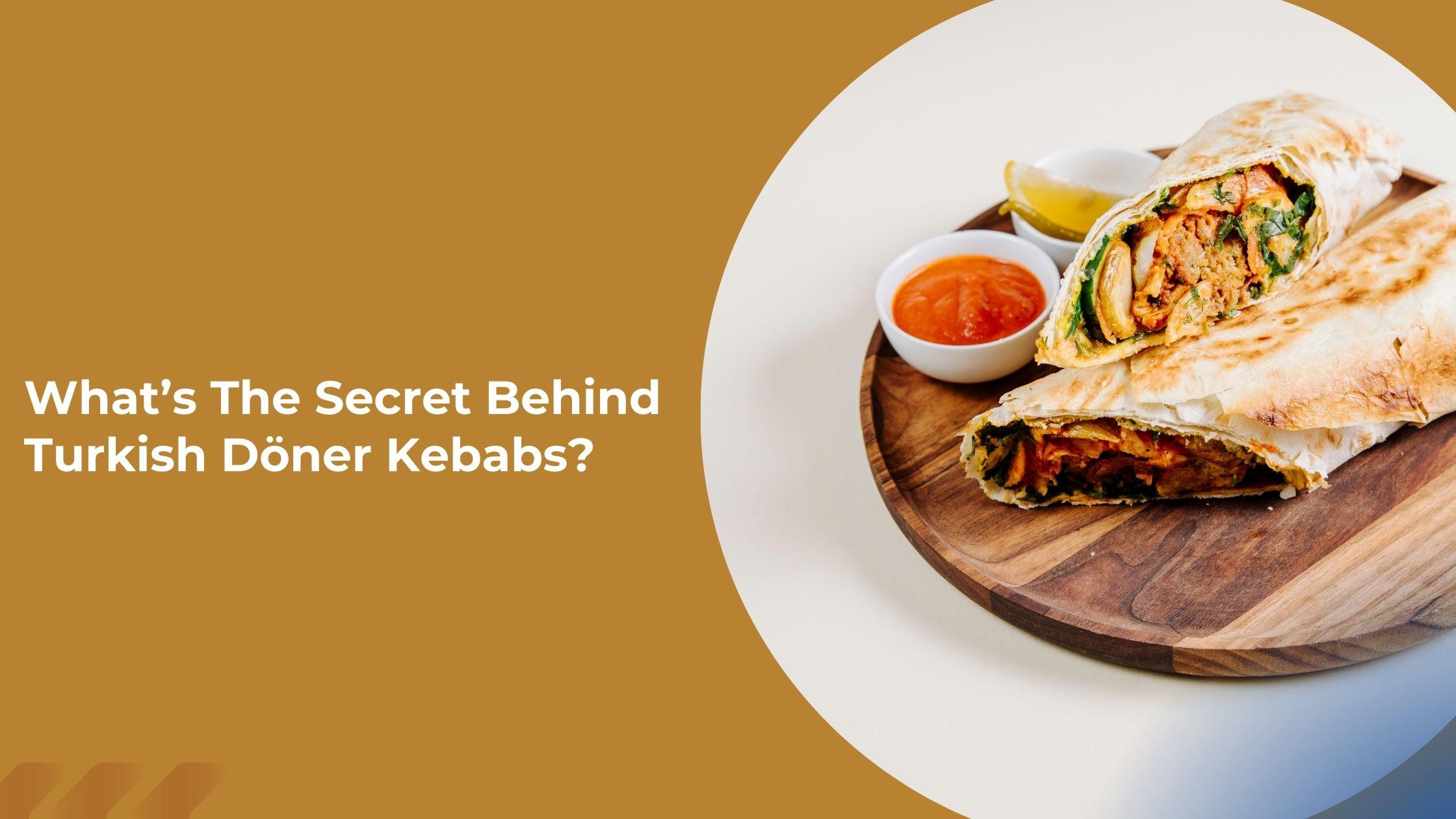
Kebabs may be among the world's most recognizable Turkish foods, but they're only one part of the cuisine.
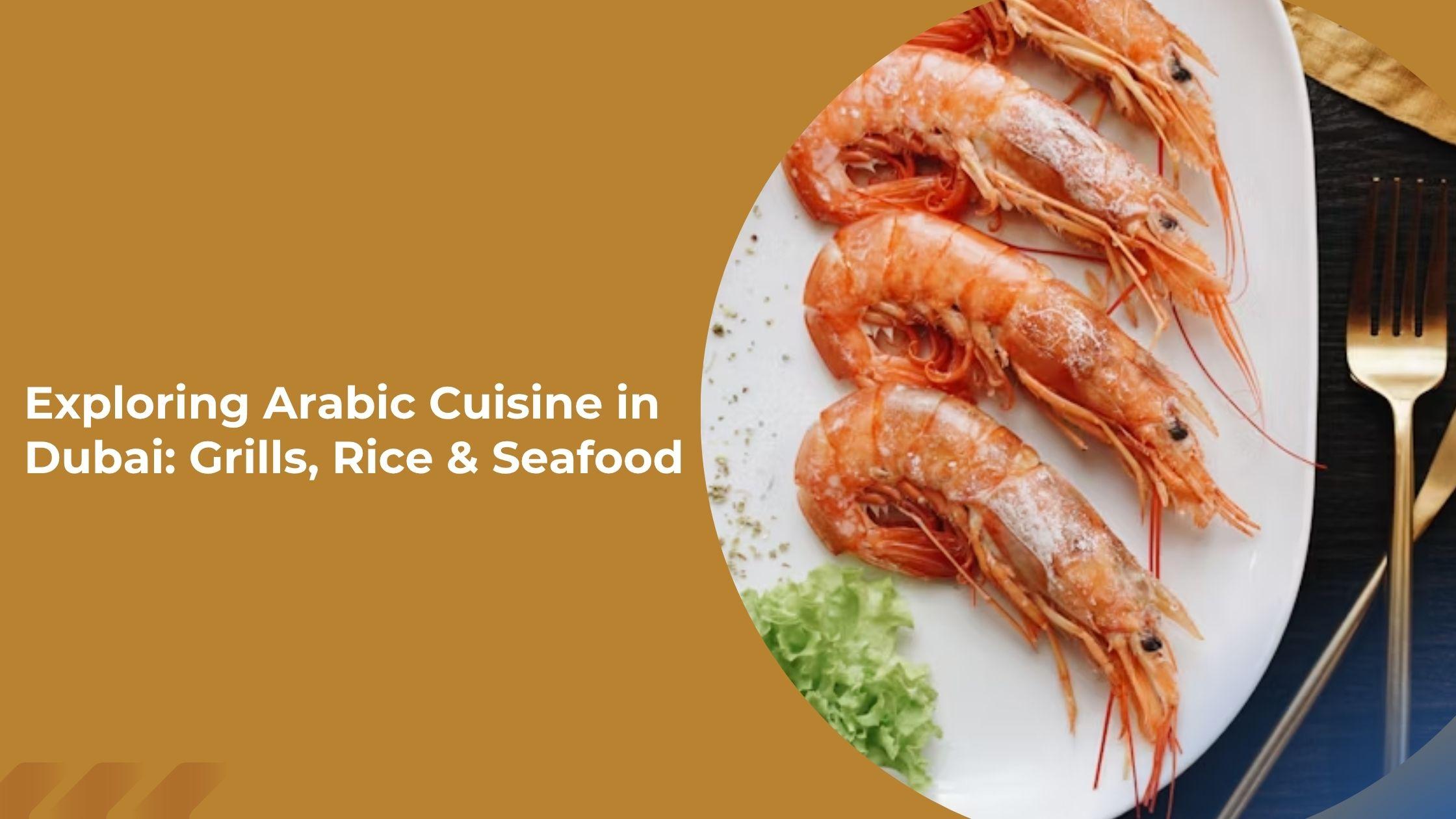
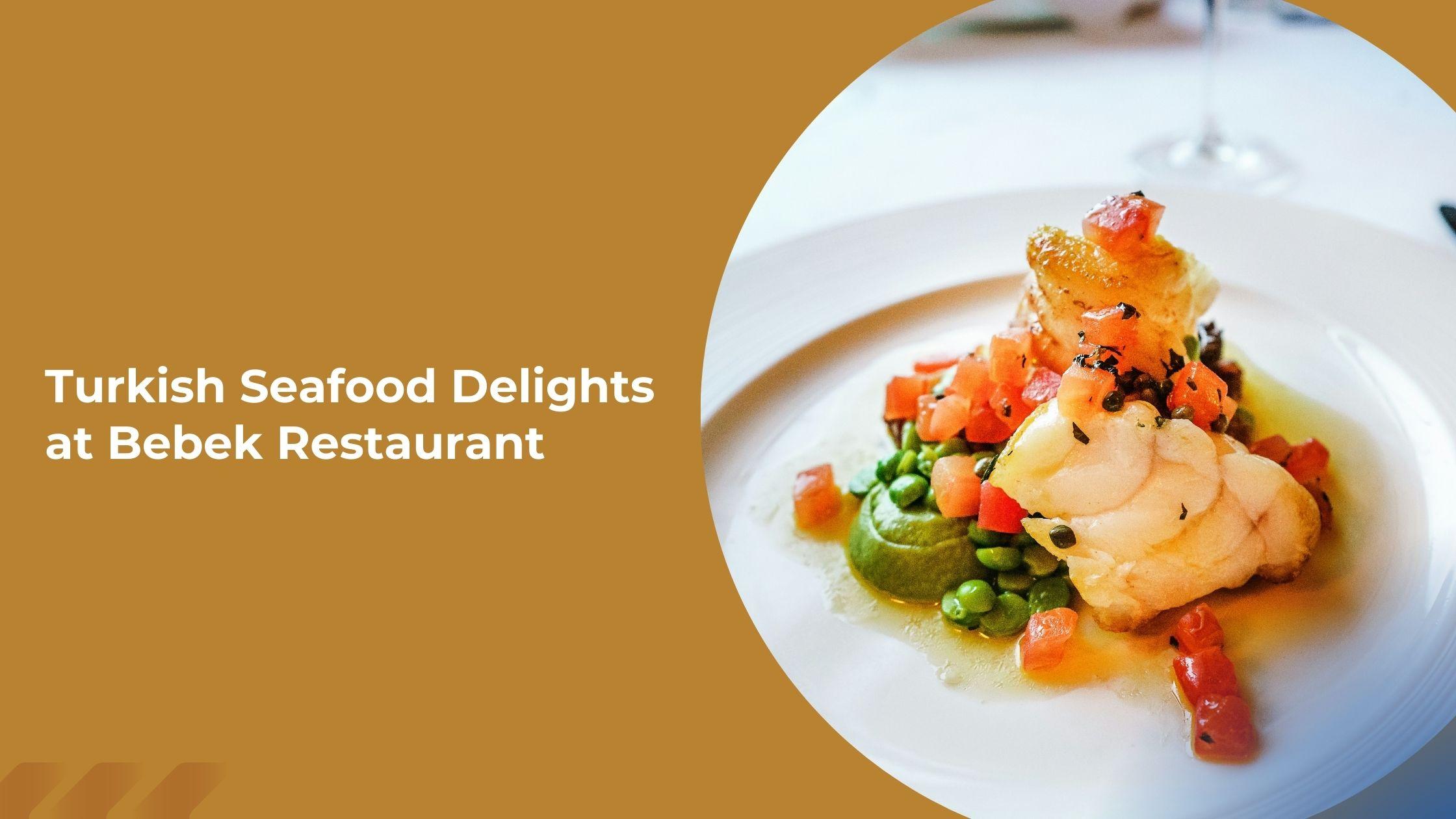
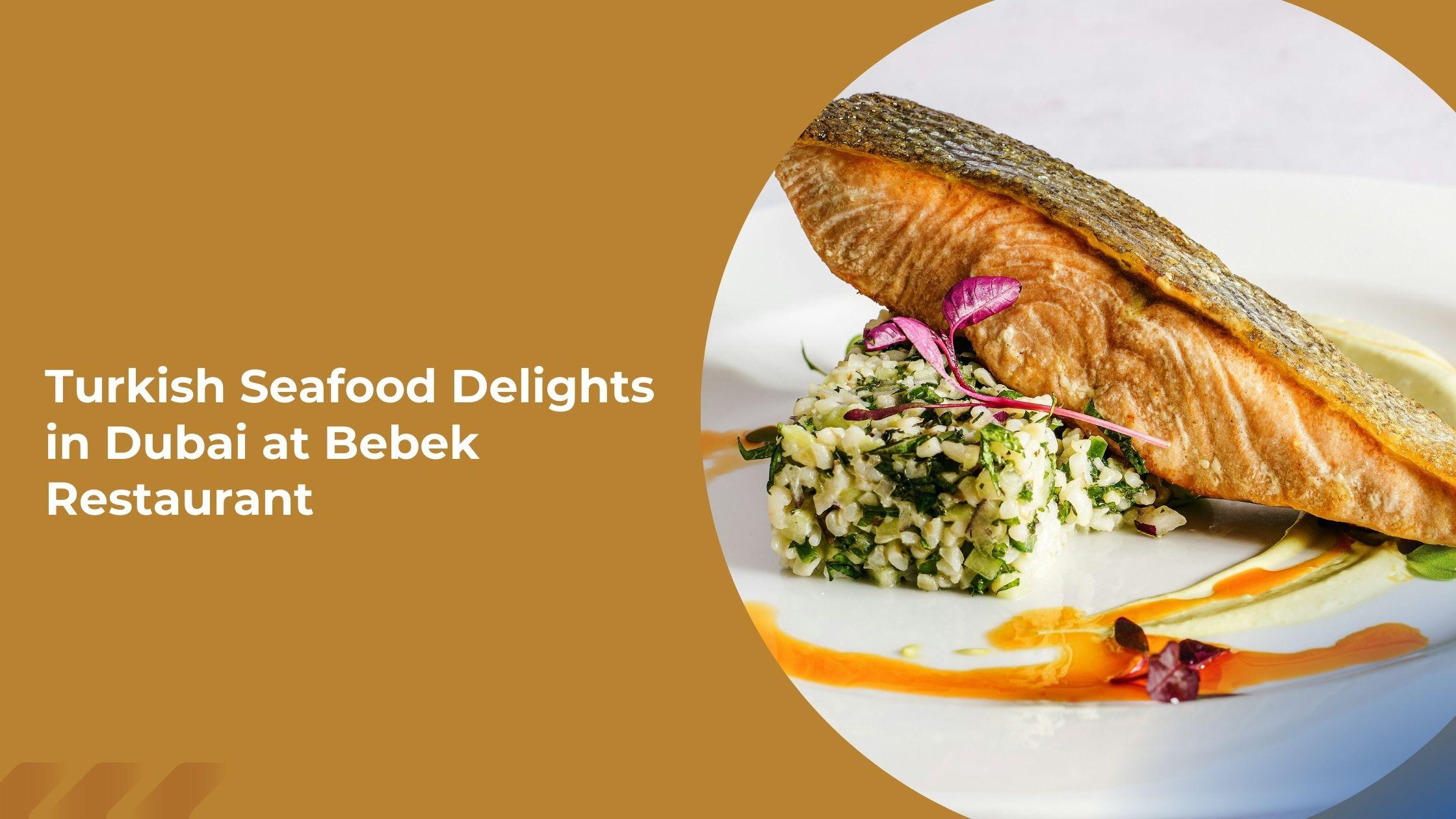
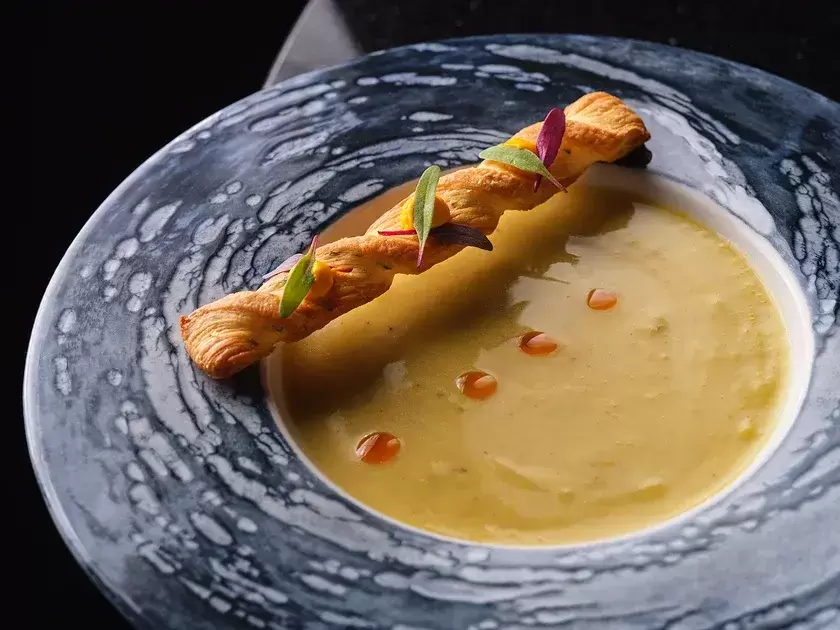
A Turkish cafe can introduce diners to breads, meze, vegetable dishes, seafood, soups, pastries, rice dishes, breakfast specialties, and regional recipes.
This variety matters because Turkish cuisine has developed across a large geographical area. Exploring different dishes provides a broader understanding of the country's food culture.
Finish With a Traditional Dessert
Desserts offer another way to experience Turkish culinary traditions.
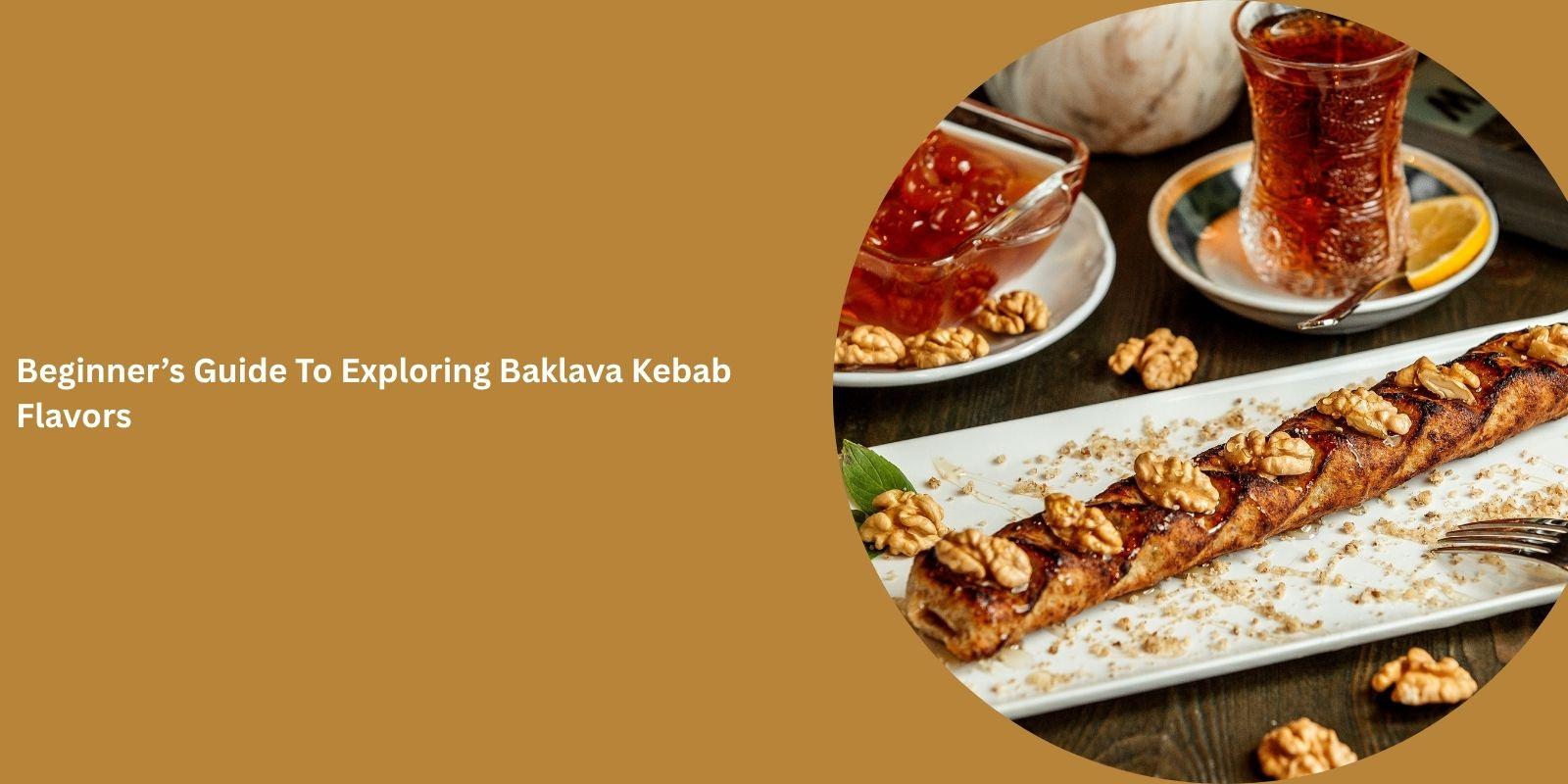
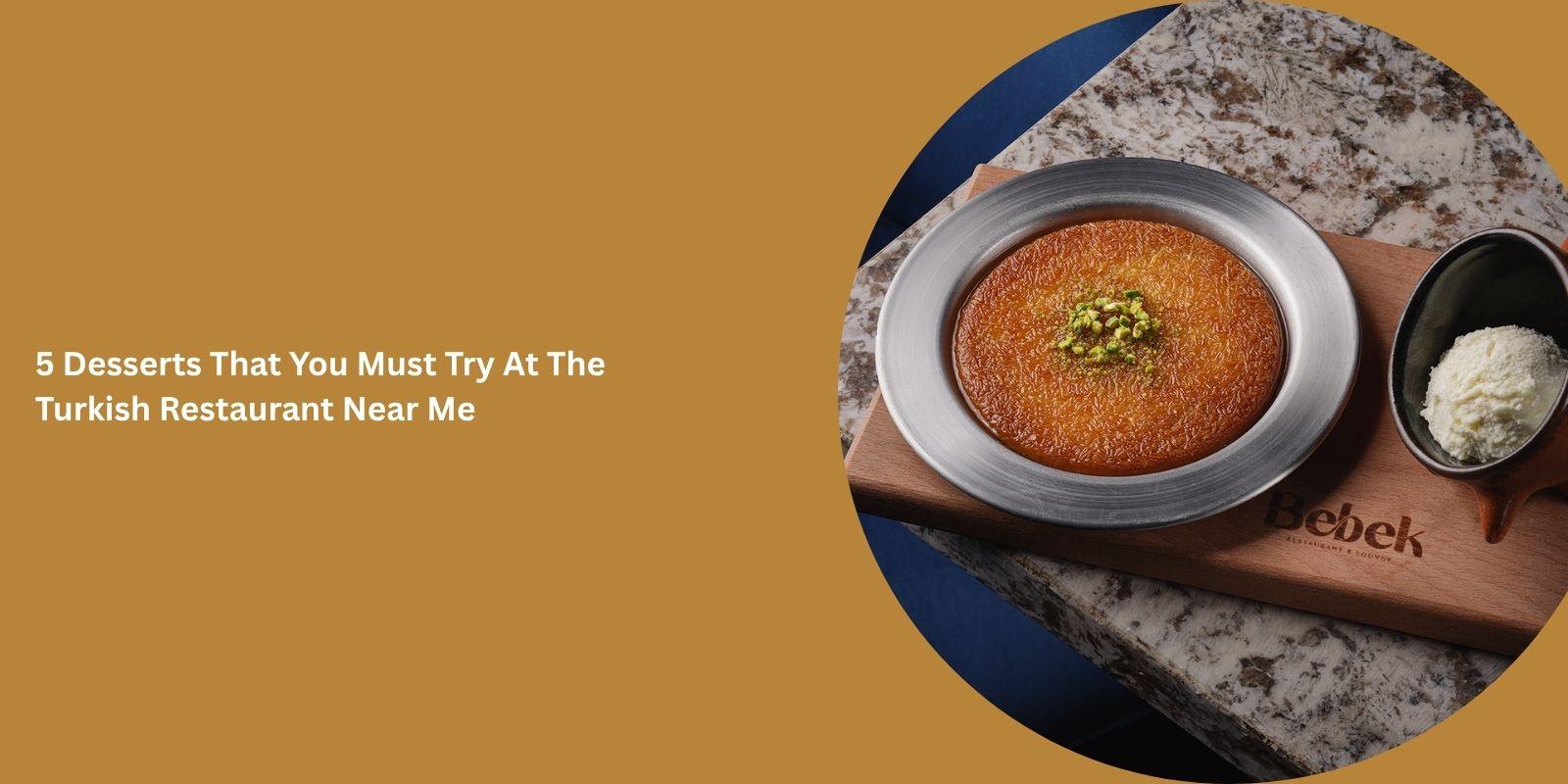
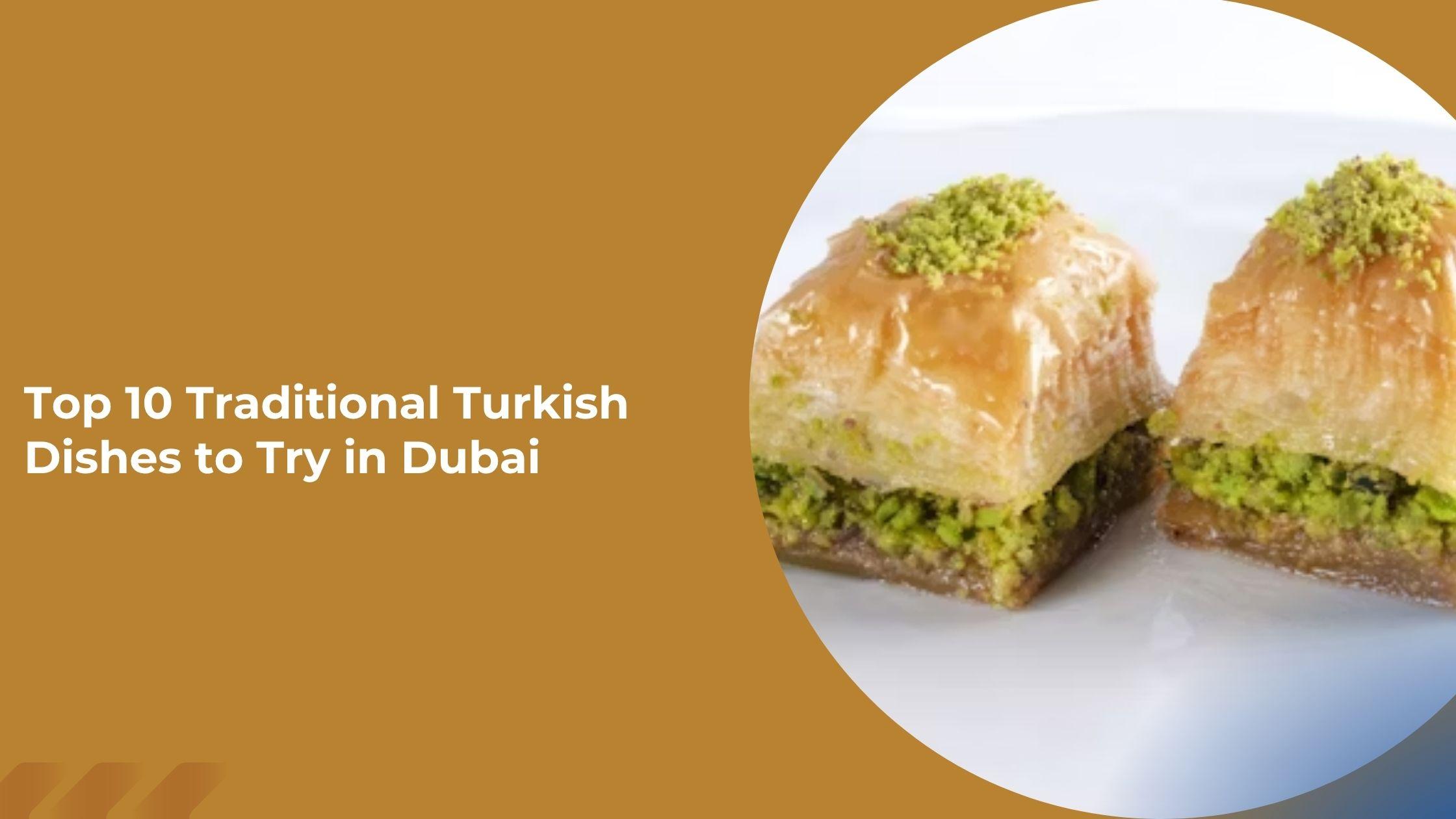
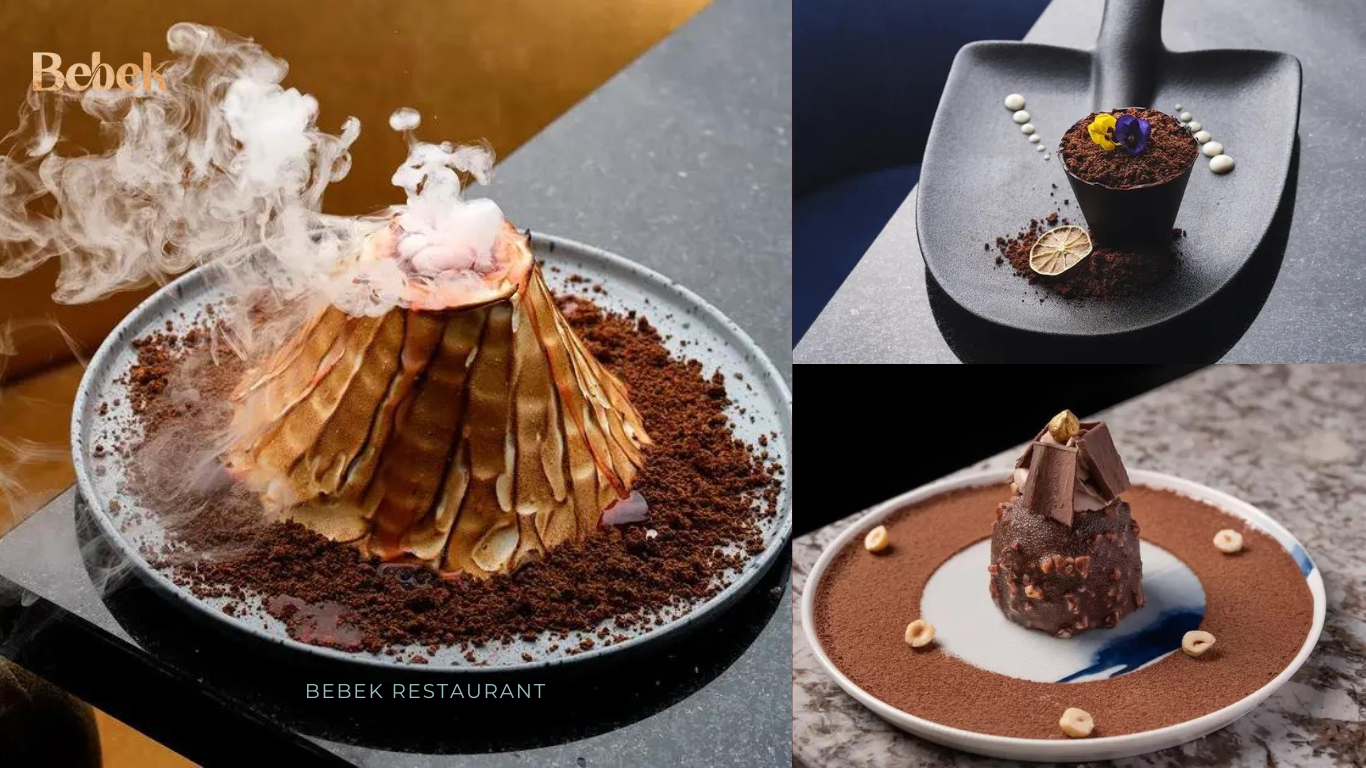
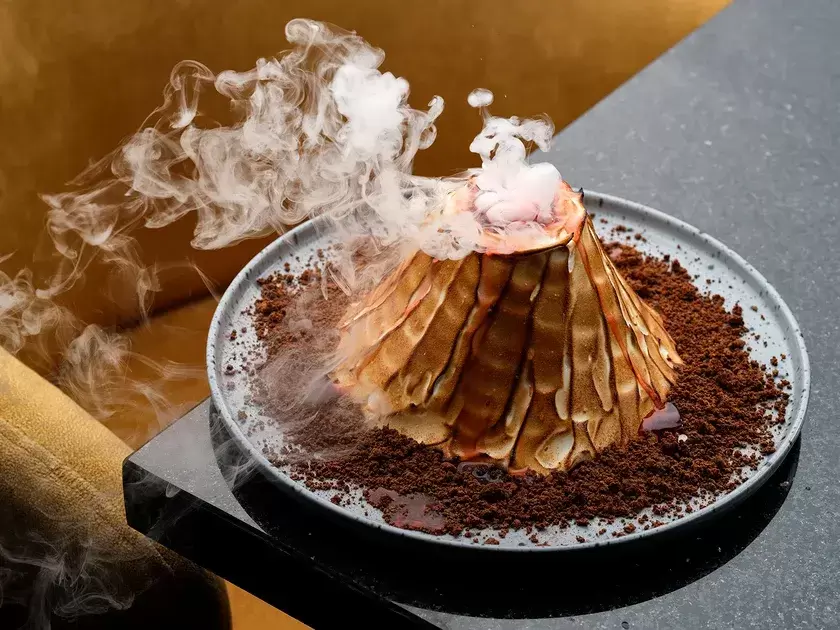
Baklava is perhaps the most recognizable, with layers of thin pastry, nuts, and sweet syrup. Other traditional choices may include künefe, rice pudding, Turkish delight, and other pastry or milk-based desserts.
A Turkish dessert paired with tea or coffee provides a natural ending to the meal.
How to Recognize an Authentic Turkish Cafe
When choosing a Turkish cafe, look at the complete experience rather than one menu item.
Ask yourself:
- Does the menu feature traditional Turkish dishes?
- Are fresh ingredients clearly prioritized?
- Are traditional cooking techniques used?
- Does the cafe serve Turkish tea or coffee?
- Can diners enjoy Turkish breakfast or meze?
- Does the atmosphere feel welcoming?
- Does the menu encourage sharing?
- Are traditional desserts available?
The more naturally these elements come together, the stronger the sense of authenticity.
Finding a Turkish Cafe in Dubai
Dubai's international food scene gives diners plenty of opportunities to explore Turkish cuisine. But choosing the right place means looking beyond attractive food photography or a Turkish-inspired interior.
Look for restaurants and cafes that respect traditional flavors while creating an experience suited to modern diners.
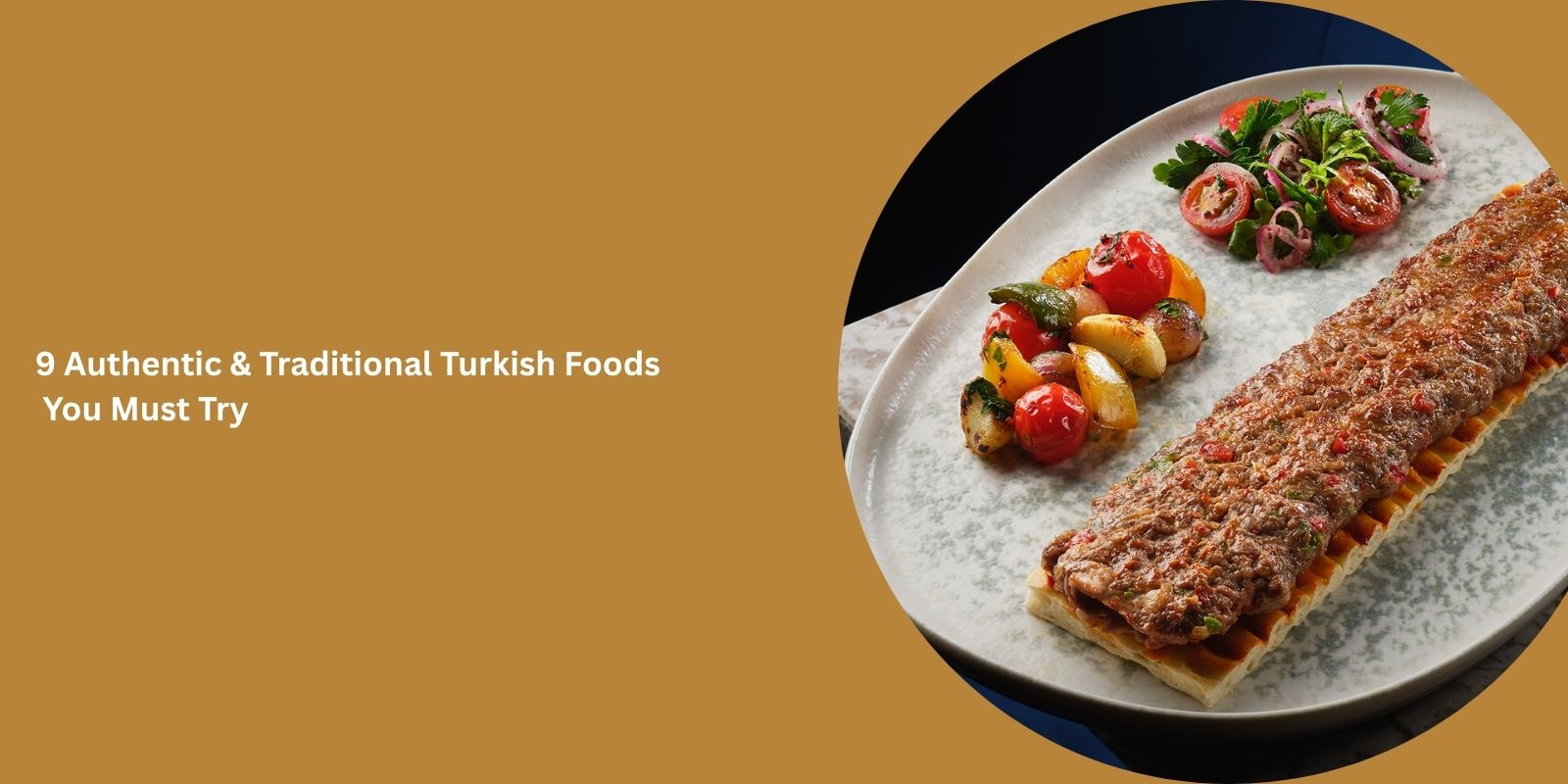
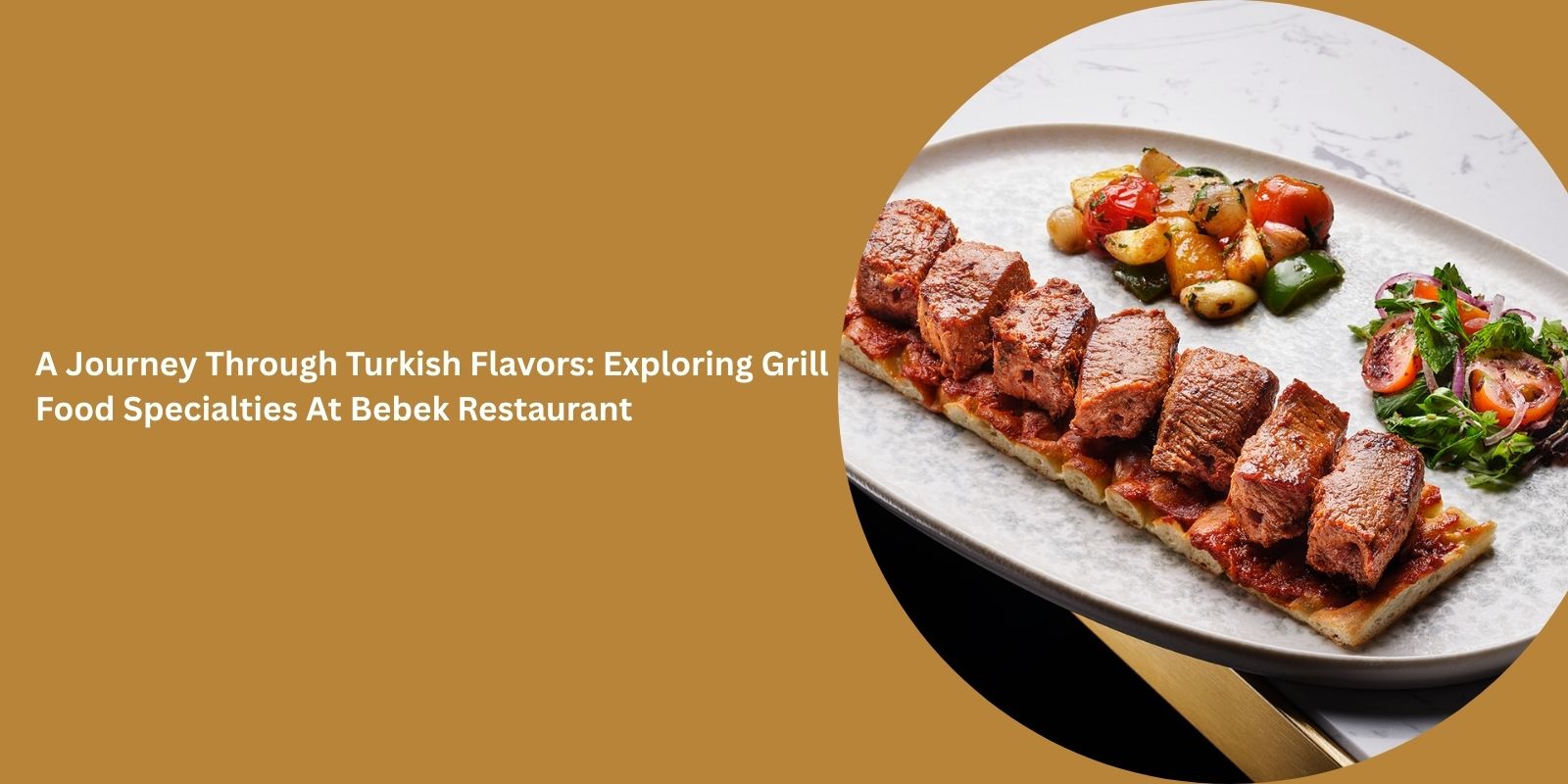
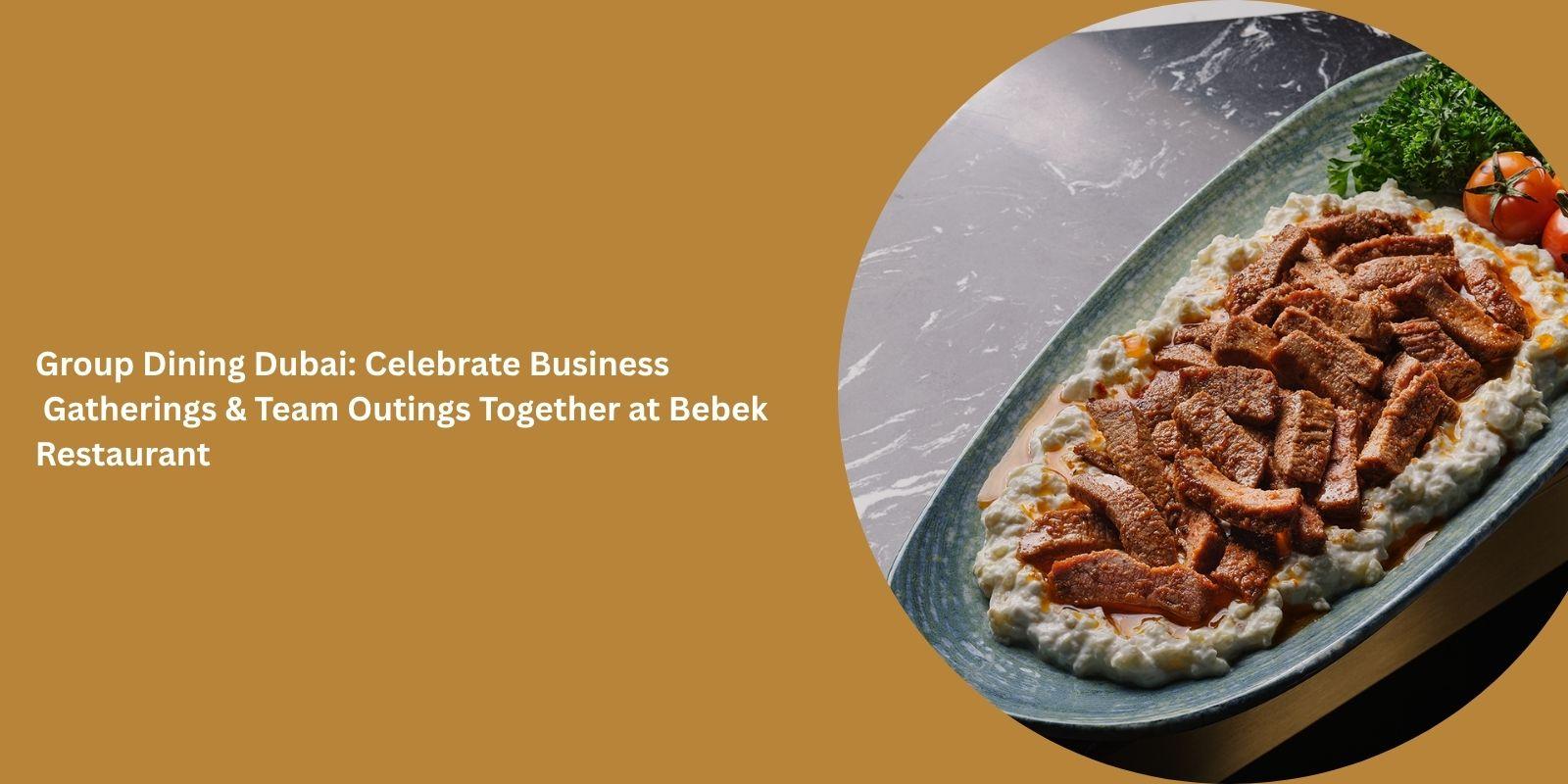
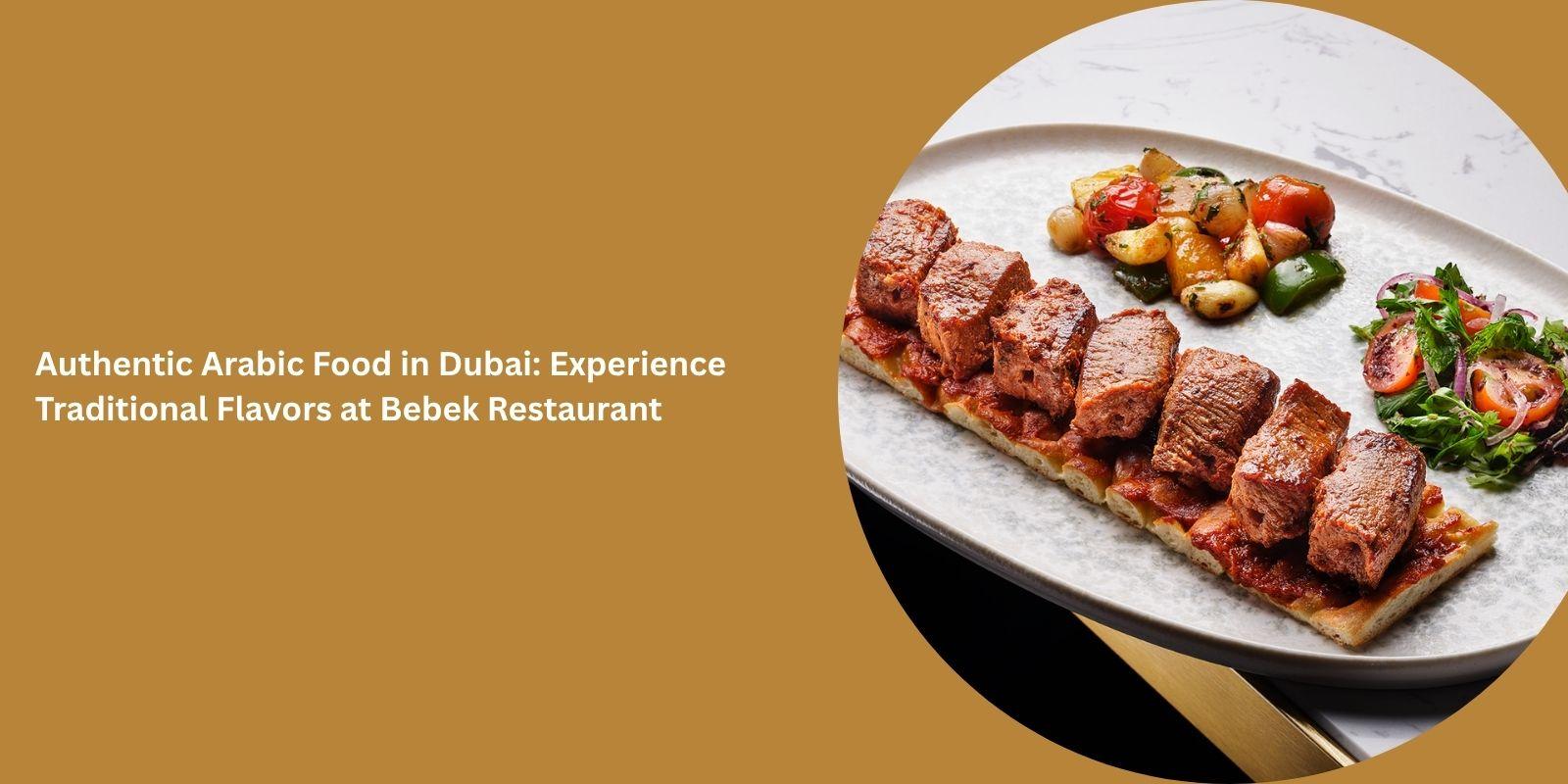
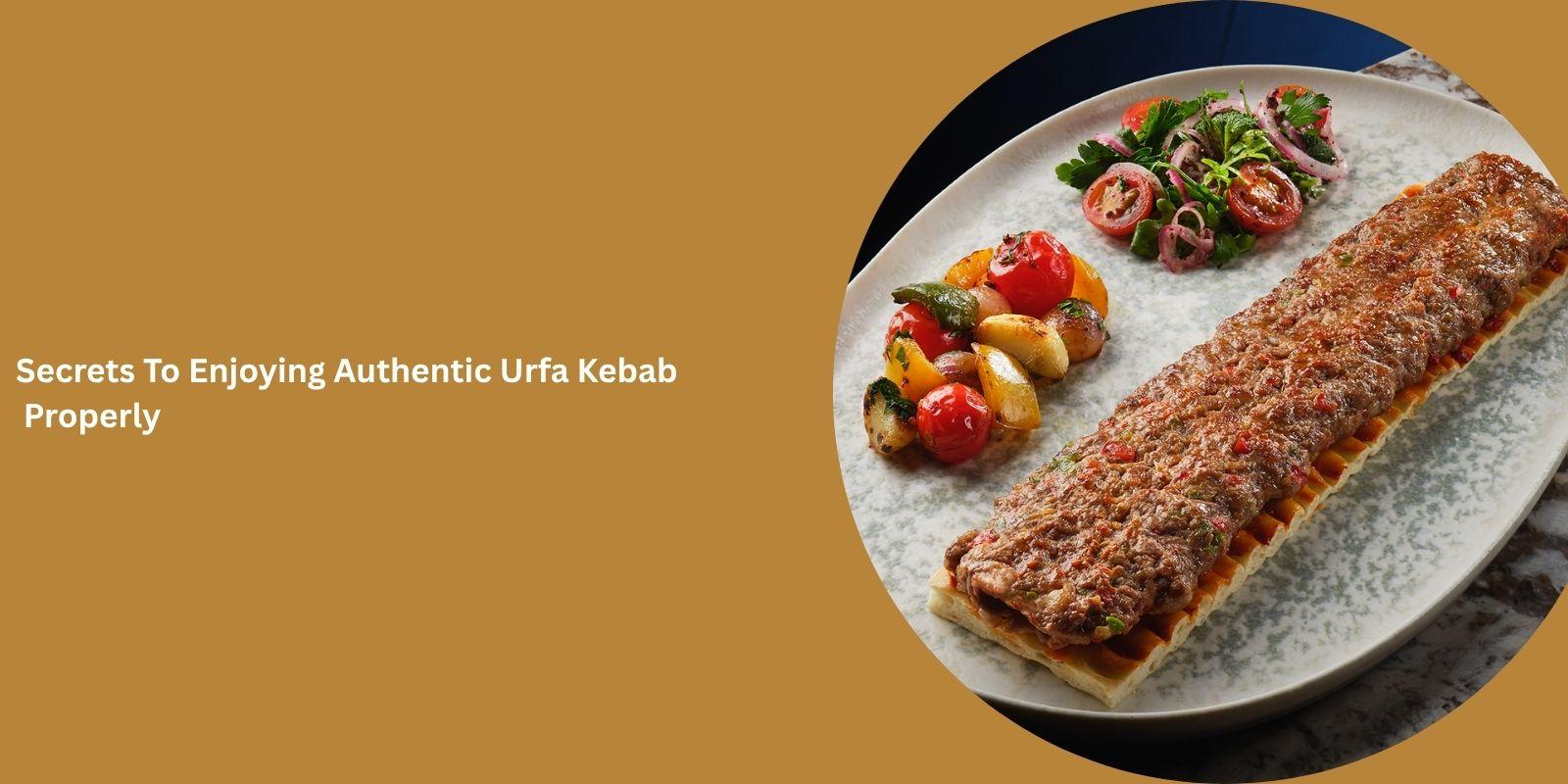
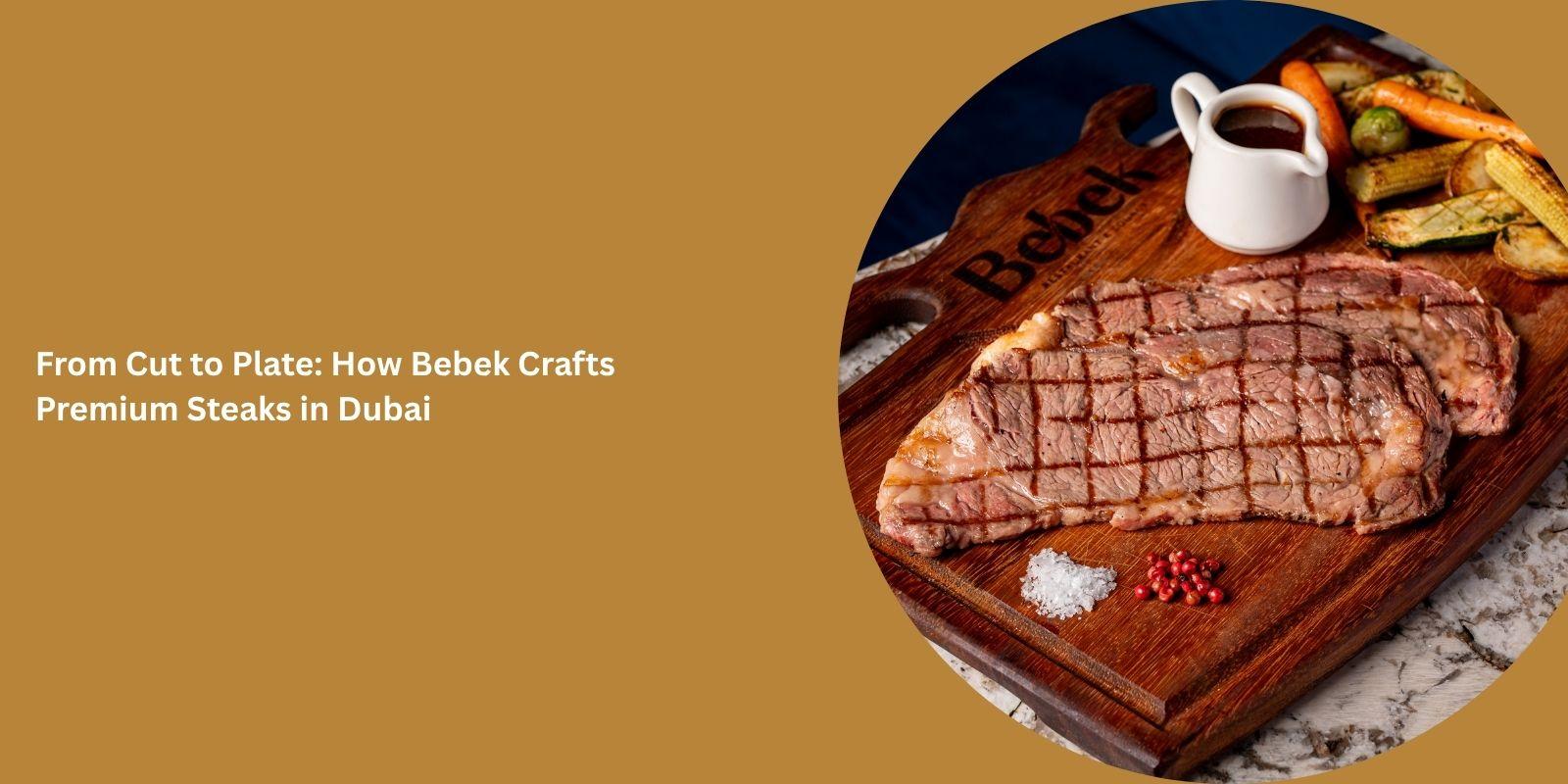
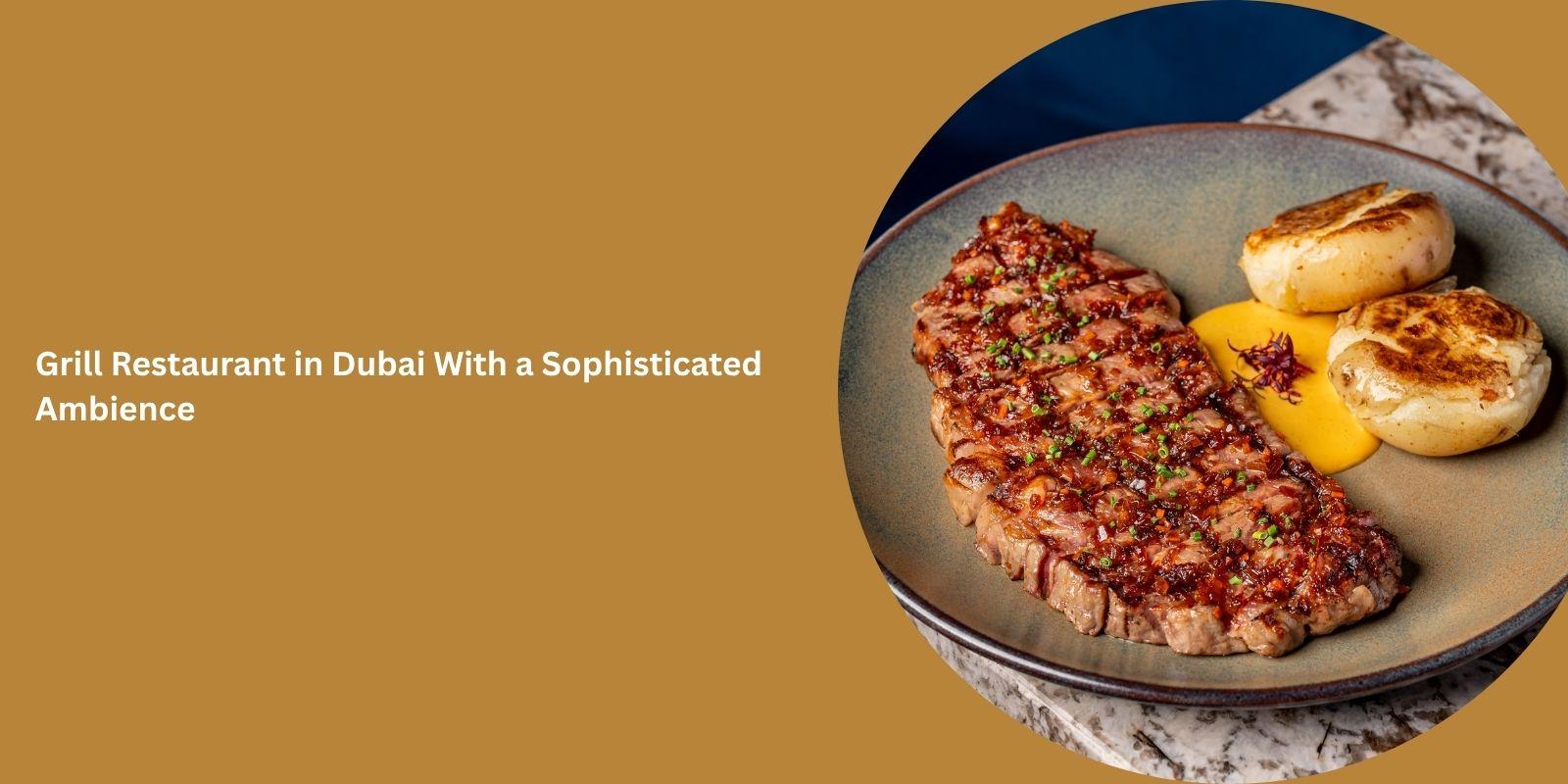
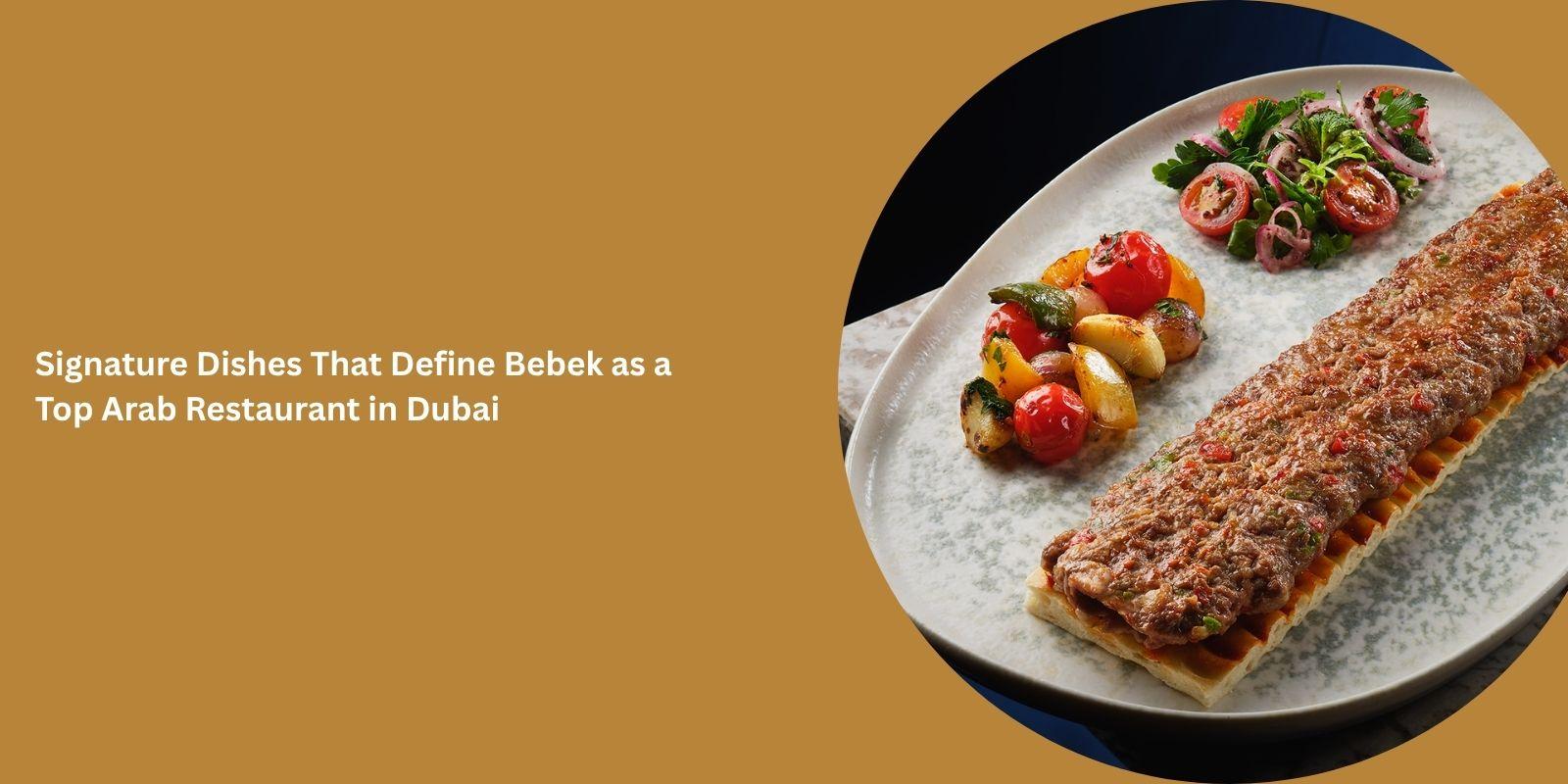
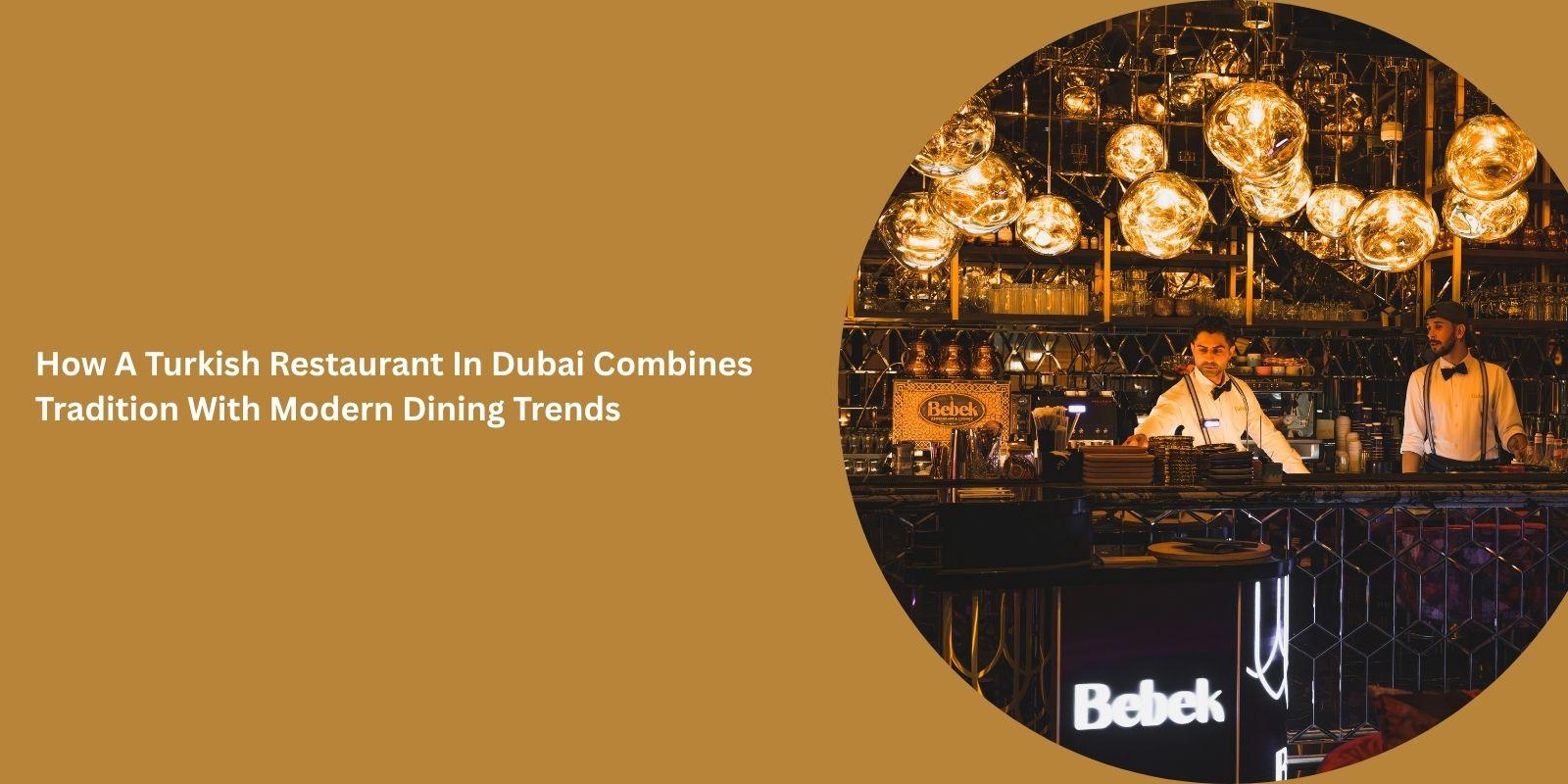
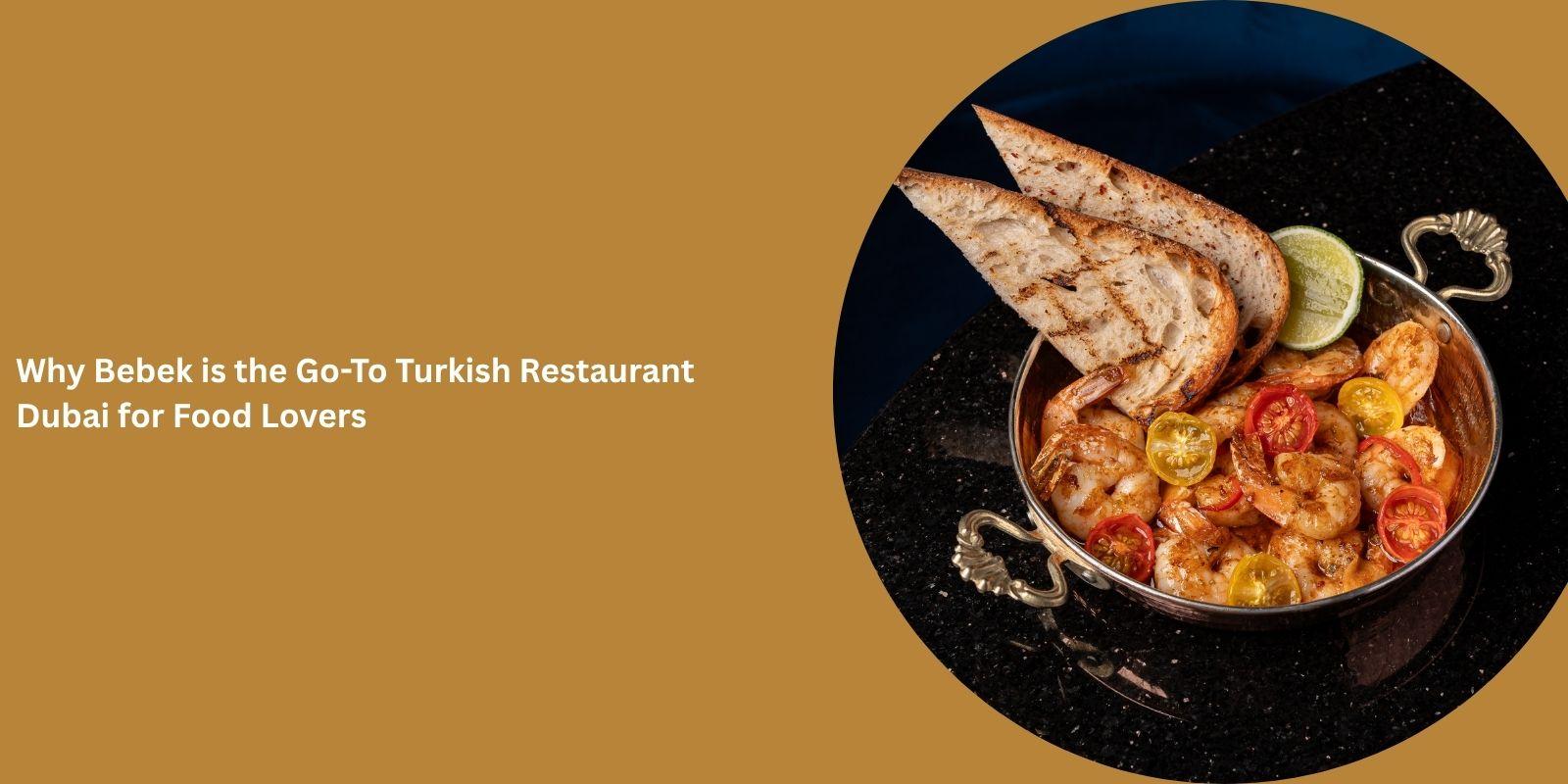
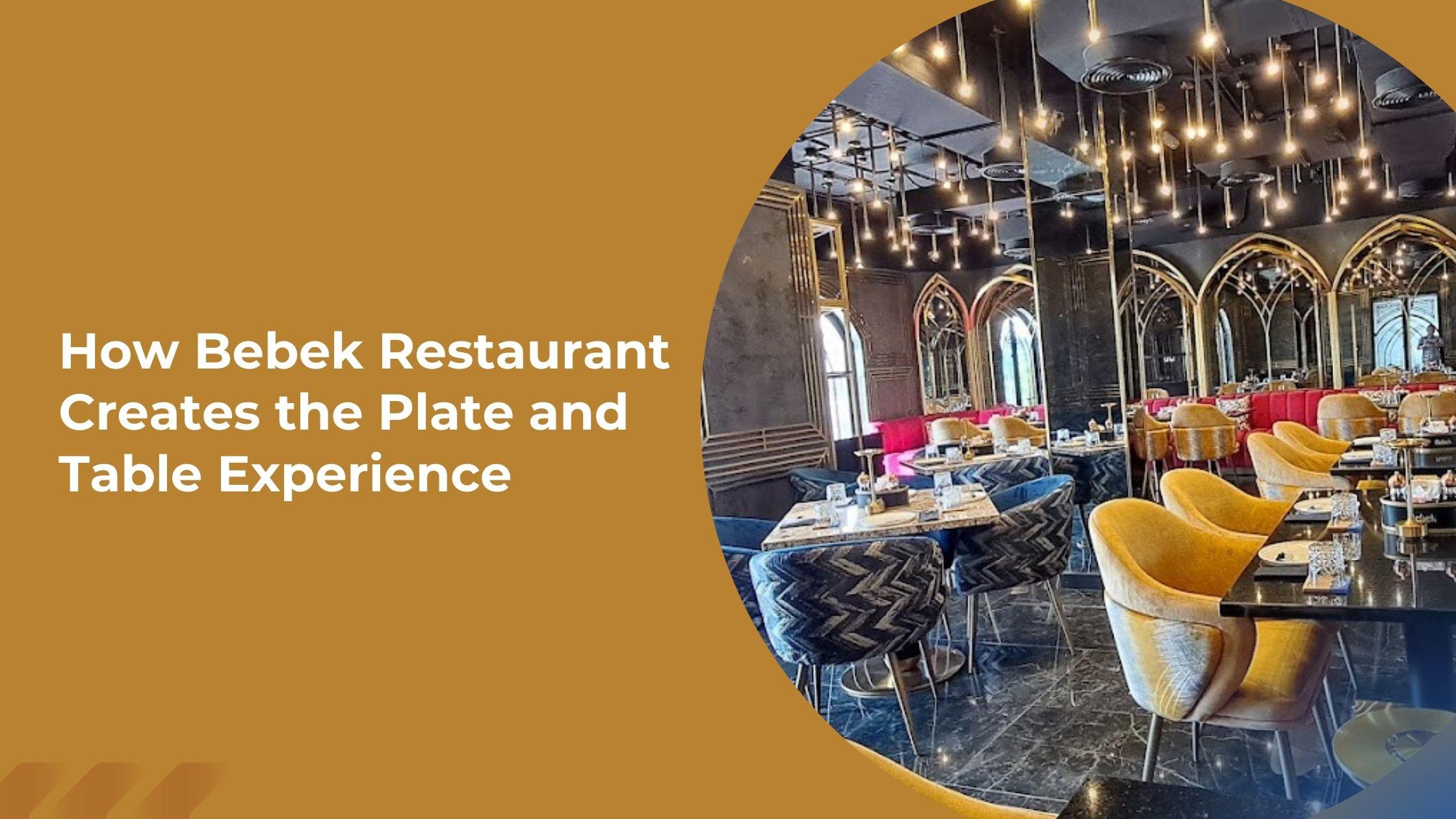
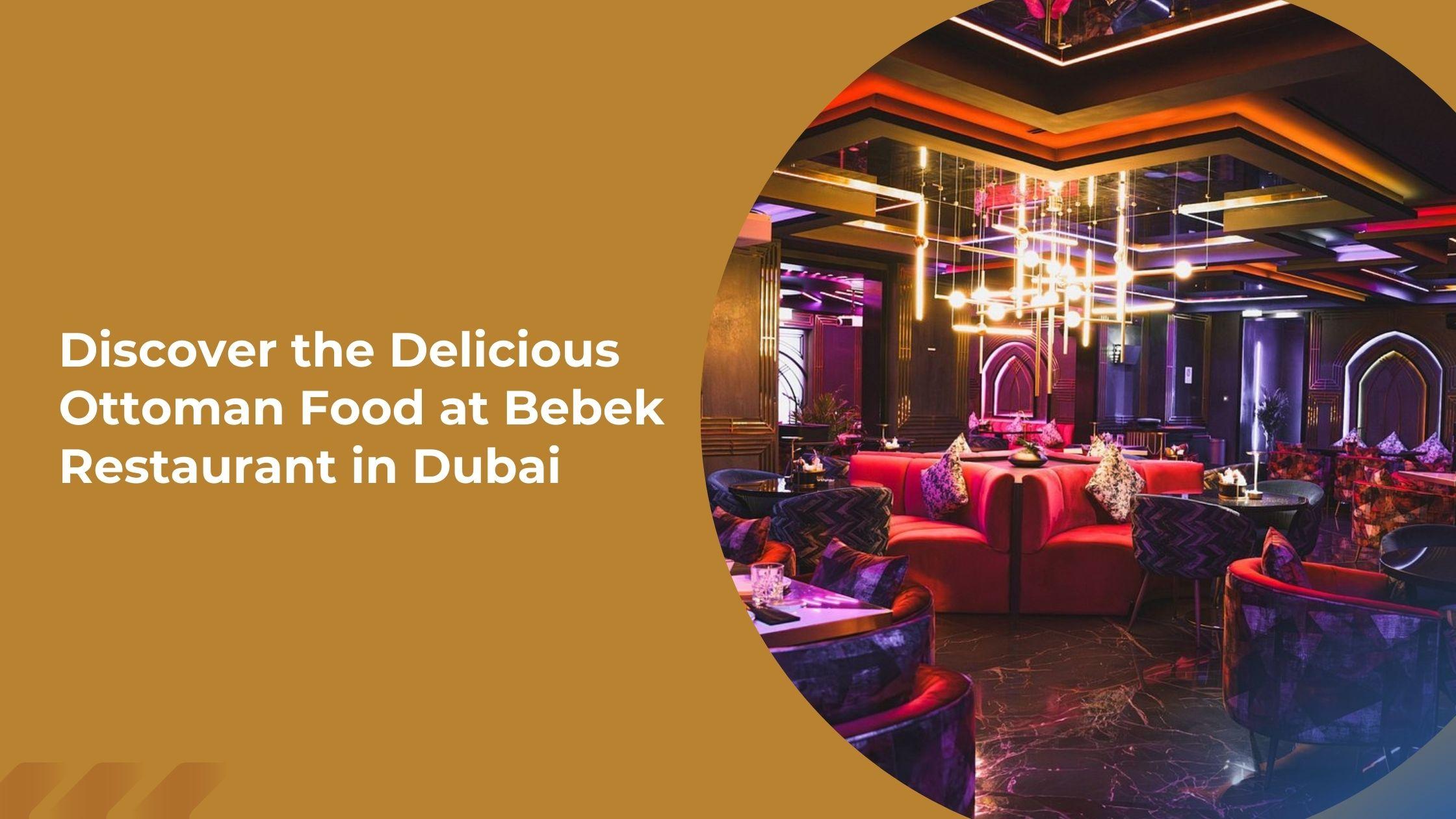
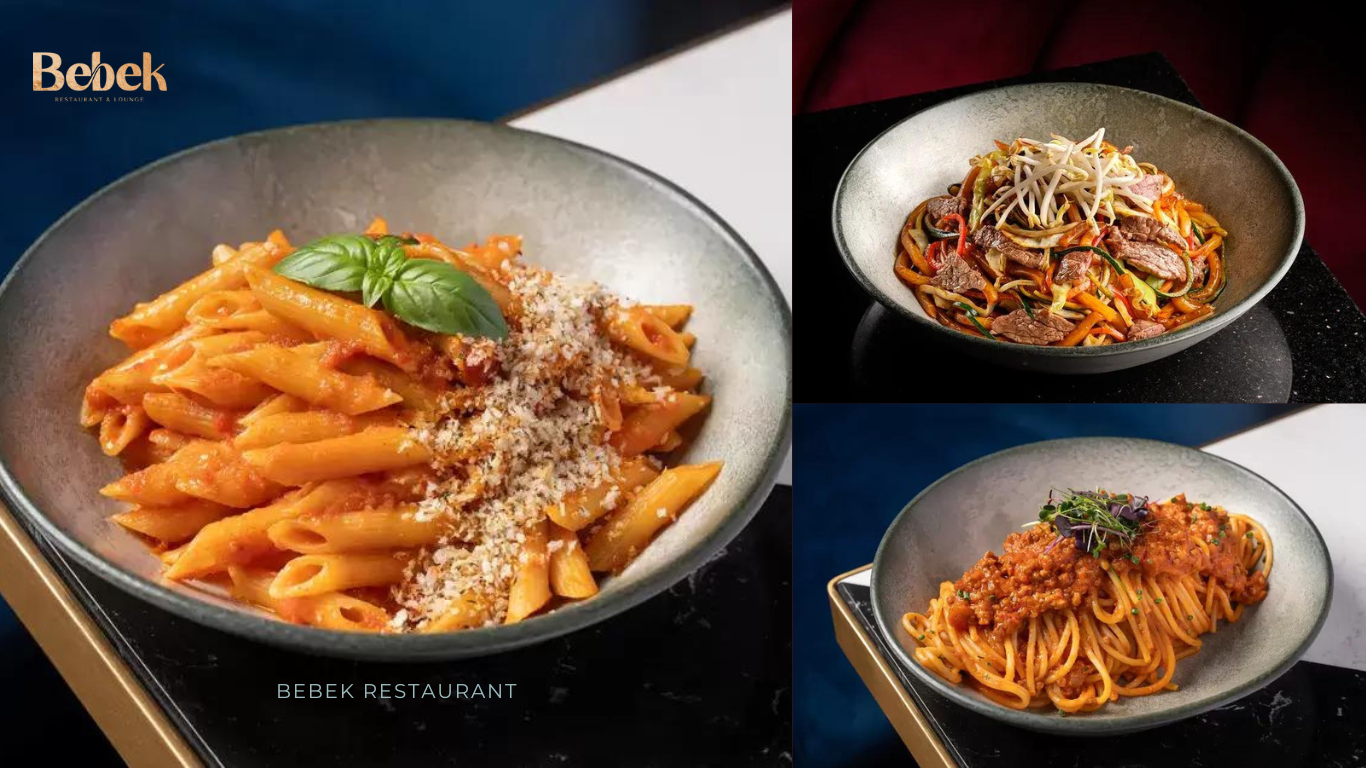
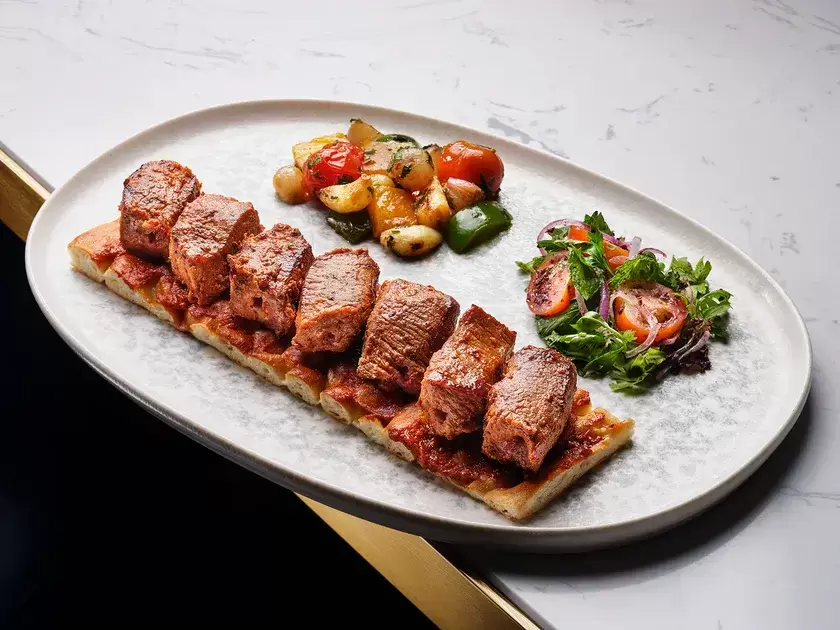
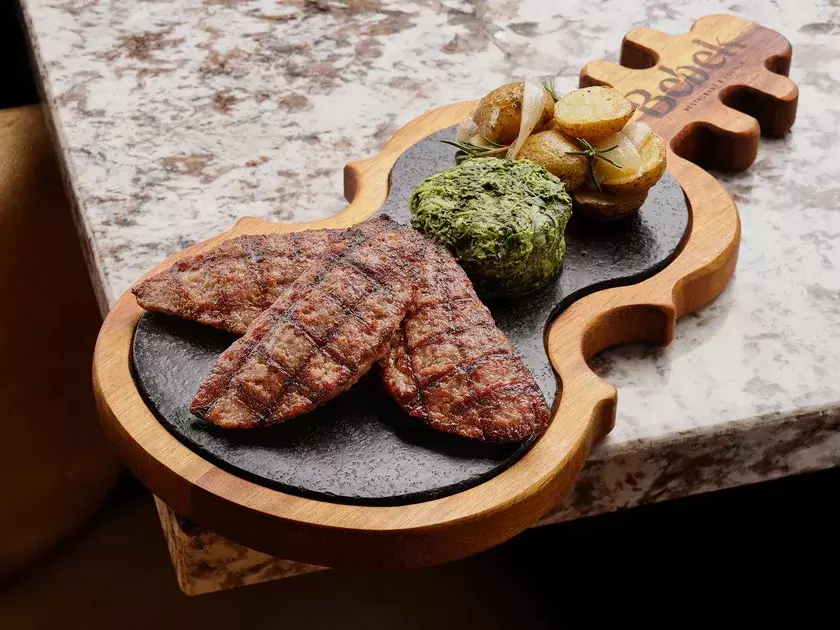
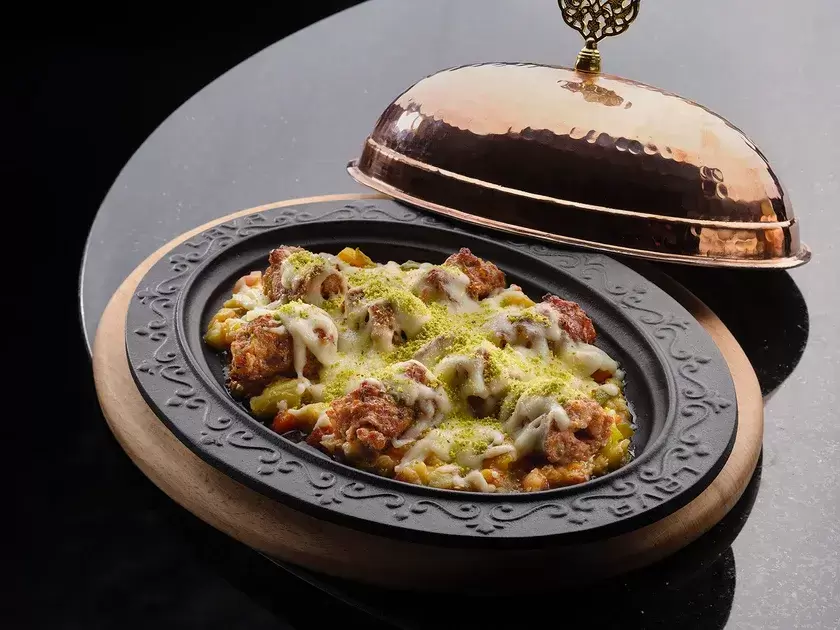
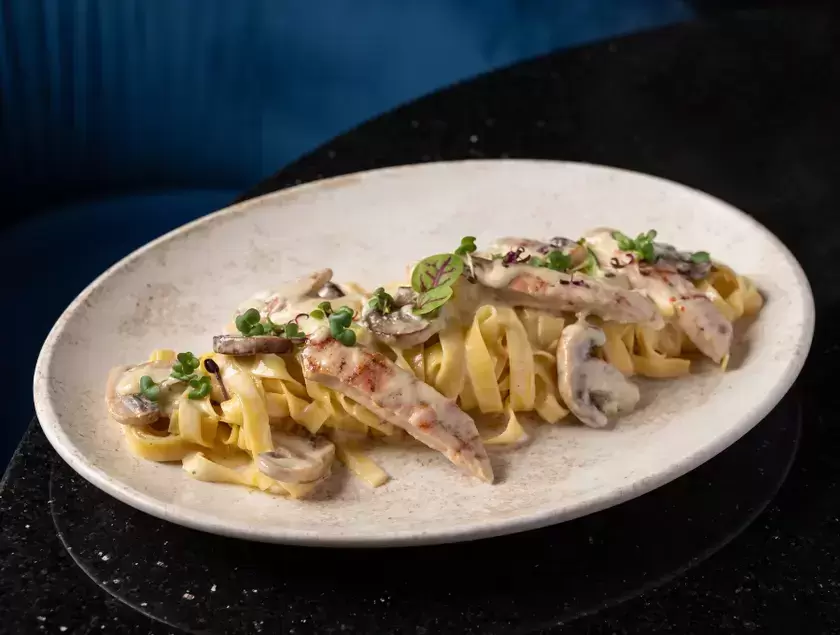
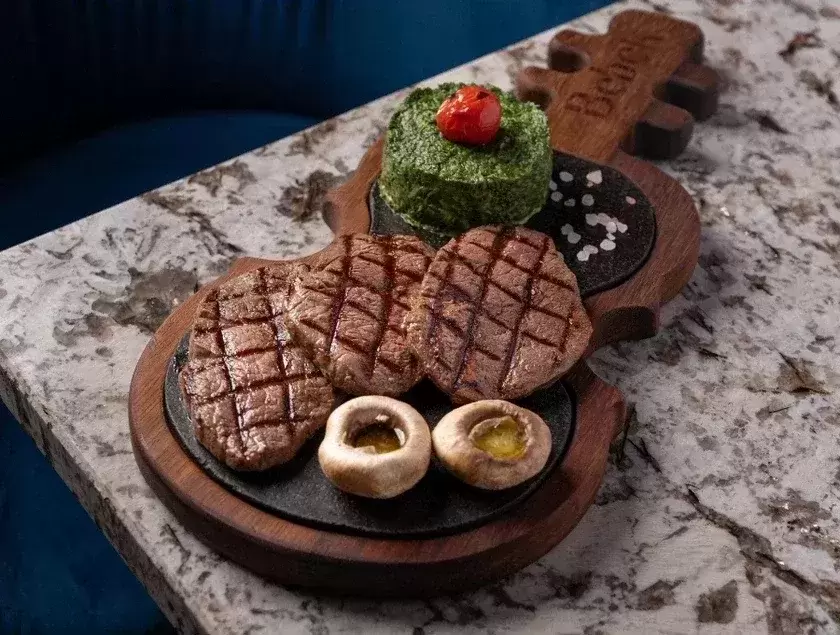
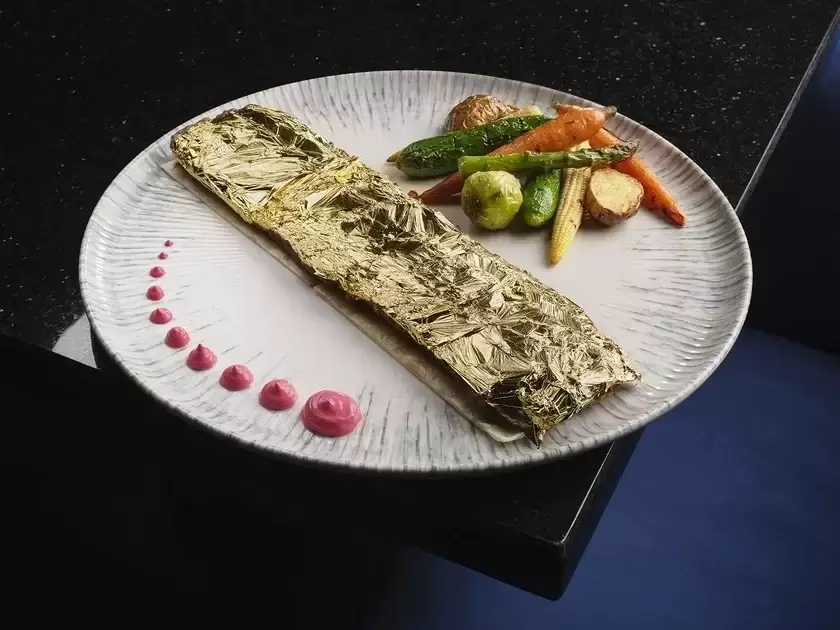
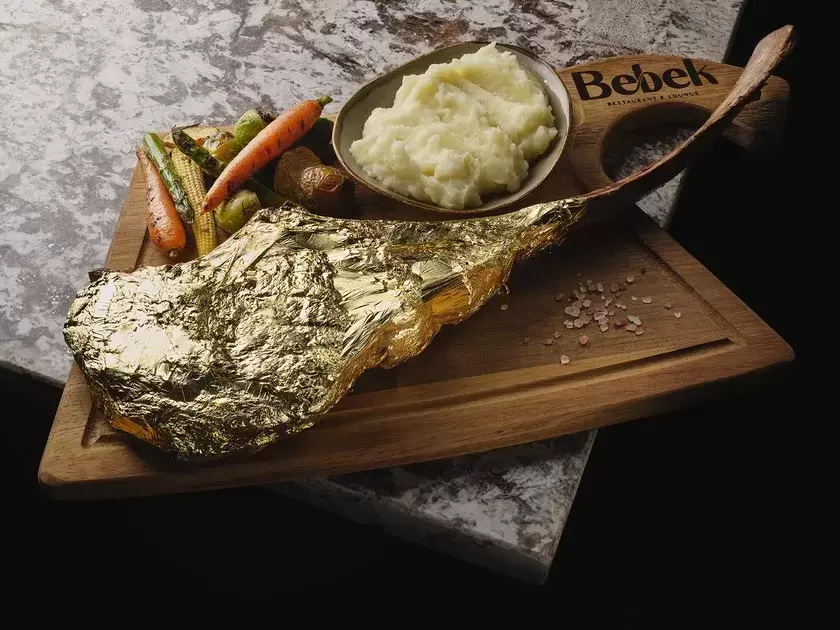
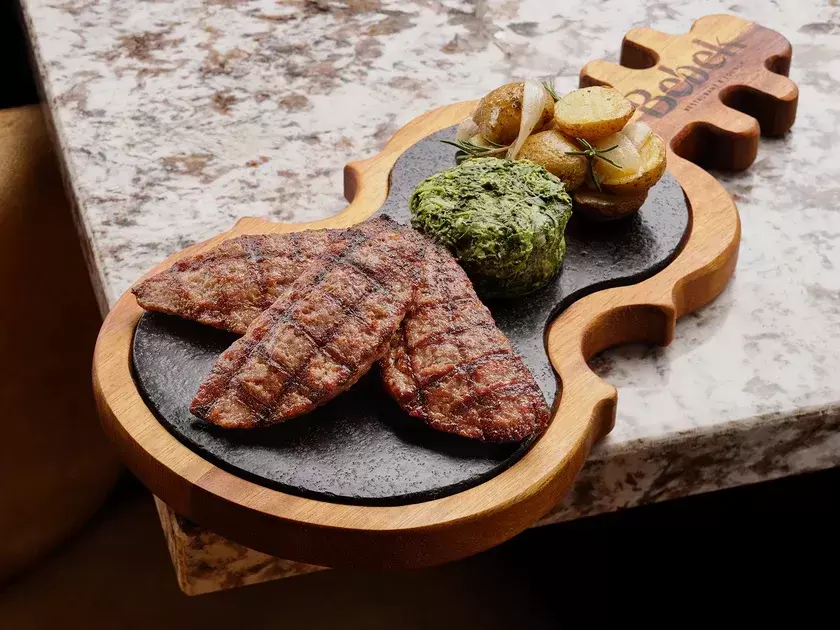
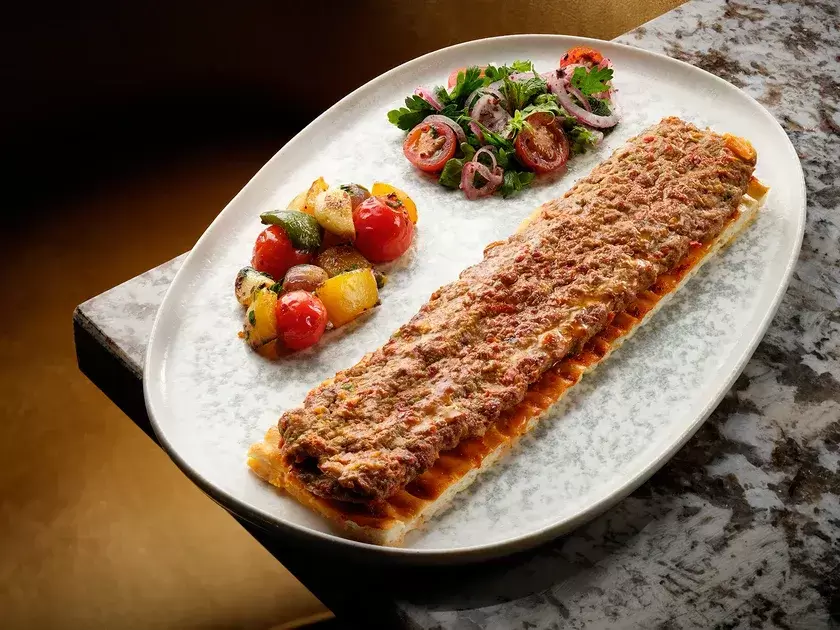
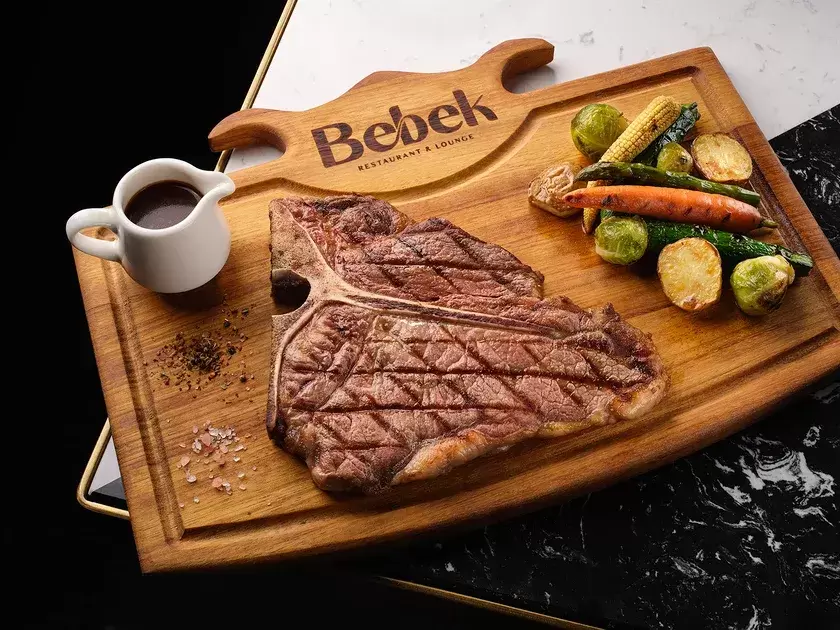
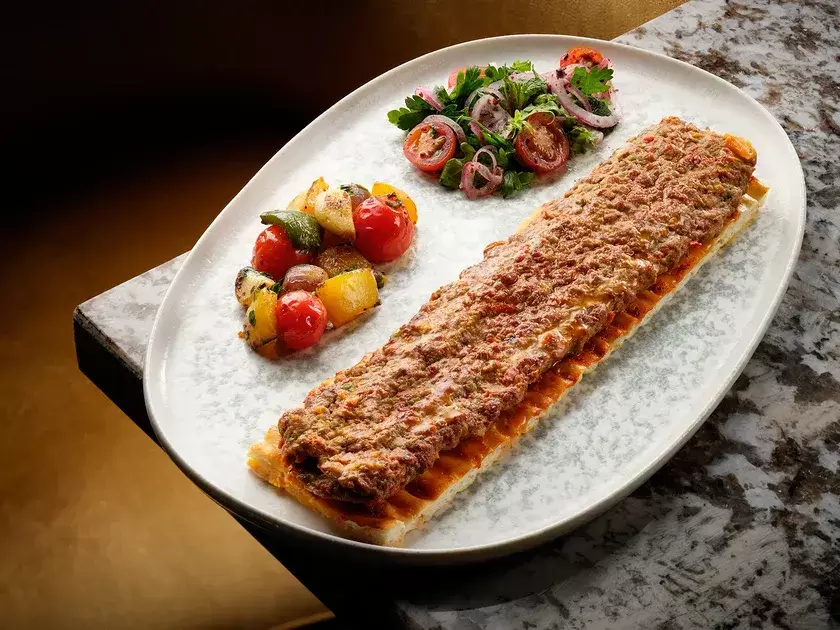
For example, Bebek Restaurant and Lounge in Jumeirah combines Turkish and Arabic culinary traditions, with Turkish specialties including meze and grilled dishes such as Iskender Kebab. Its approach brings traditional flavors together with a contemporary dining environment.
This balance is particularly relevant in Dubai, where diners often want authentic flavors without giving up comfort, atmosphere, or modern presentation.
The Real Meaning of Authentic Turkish Dining
Authenticity isn't about copying every detail of a restaurant in Türkiye. It's about respecting the traditions that give Turkish cuisine its identity.
A memorable Turkish cafe combines quality ingredients, traditional preparation, diverse dishes, warm hospitality, and communal dining.
Key Takeaways
- Authentic Turkish food goes beyond kebabs. Explore meze, pide, lahmacun, Turkish breakfast, and traditional desserts.
- Preparation matters. Traditional cooking techniques can influence the flavor, texture, and character of Turkish dishes.
- Dining is an experience. Turkish hospitality, tea, coffee, and sharing food are just as important as what's on the plate.
The next time you visit a Turkish cafe, don't judge authenticity by the décor alone. Look at the food, preparation, service, beverages, and atmosphere together. That's where the real character of Turkish dining can be found.
FAQs About Turkish Cafes
What is meant by Authentic Turkish Cafe?
An authentic Turkish cafe combines traditional recipes, quality ingredients, the right cooking process, Turkish-style drinks, and authentic hospitality.
What should I order at a Turkish cafe?
Popular choices include kebabs, pide, lahmacun, meze, and gözleme. Turkish breakfast is another excellent option, particularly if you want to experience the social and sharing-focused side of Turkish dining.
What is Turkish breakfast?
Turkish breakfast, or kahvaltı, is typically a spread of smaller dishes such as cheeses, olives, tomatoes, cucumbers, eggs, bread, honey, jams, and tea. It's designed to be shared and enjoyed slowly.
Why is meze important in Turkish dining?
Meze consists of small dishes that are usually shared among diners. It encourages people to try different flavors while sitting together and talking, making it an important part of the communal nature of Turkish dining.
What makes Turkish coffee different?
Turkish coffee uses very finely ground coffee and is traditionally prepared without filtering. It's brewed in a cezve and served with the grounds remaining at the bottom of the cup.