
01 Sep 2026
What to Order When Trying Authentic Turkish Food for the First Time
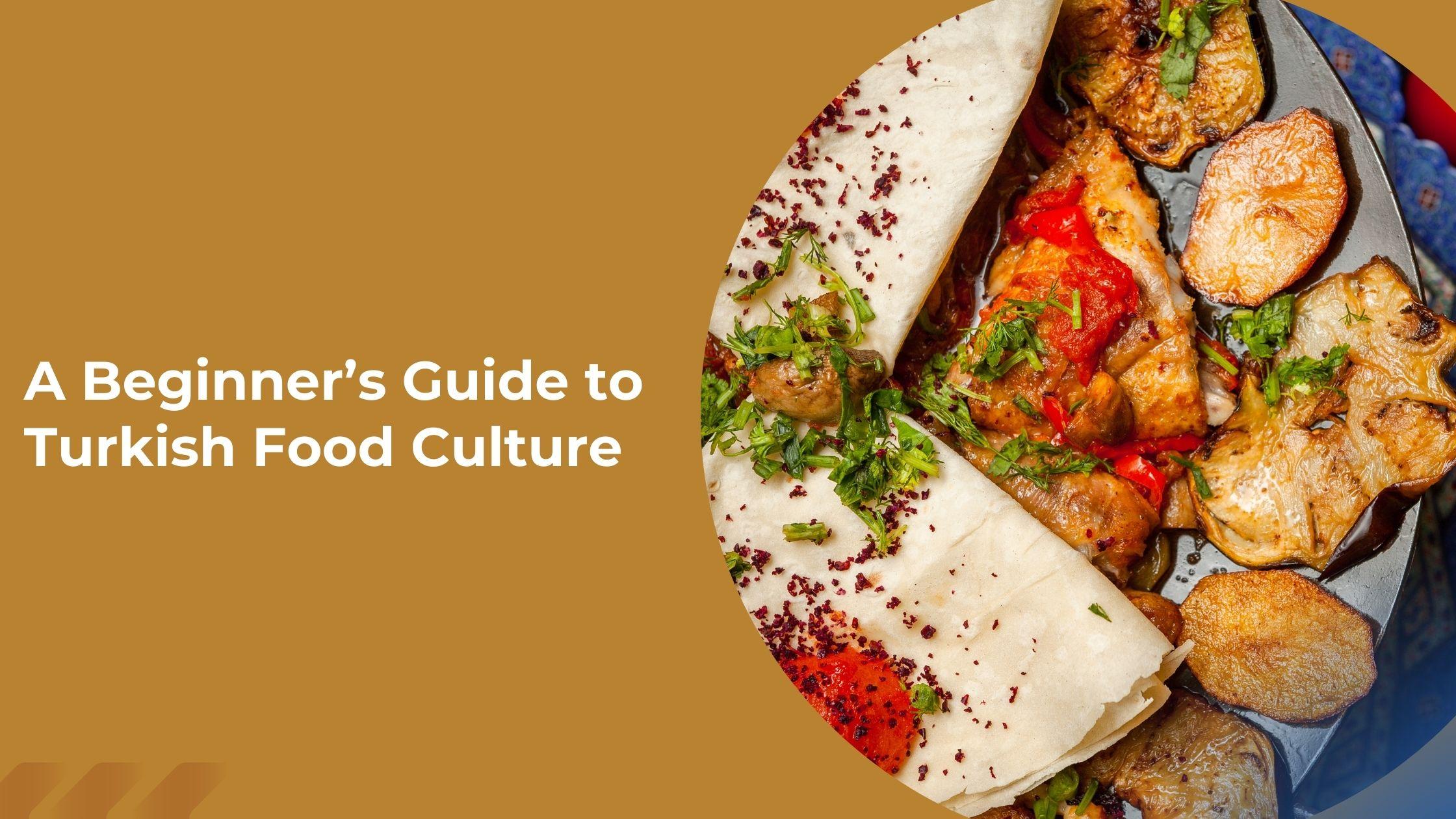
A Turkish menu could be confusing when you see it for the first time. Yes, it has a variety of items. Meze, kebabs, any flavors of flatbreads, mouthwatering desserts, a number of flavor-filled teas, and many more. But, where do you have to start, actually?
Believe it or not, but you don’t have to order everything out of it to experience the taste of authentic Turkish food. With a handful of well-chosen dishes, you can experience the authentic Turkish food rather than ordering a whole meal.
You may order something, a pick that hits different flavors and textures. You may start with a meze to share, something grilled, warm bread to tear apart, and dessert at the end. That's really all a first visit needs.
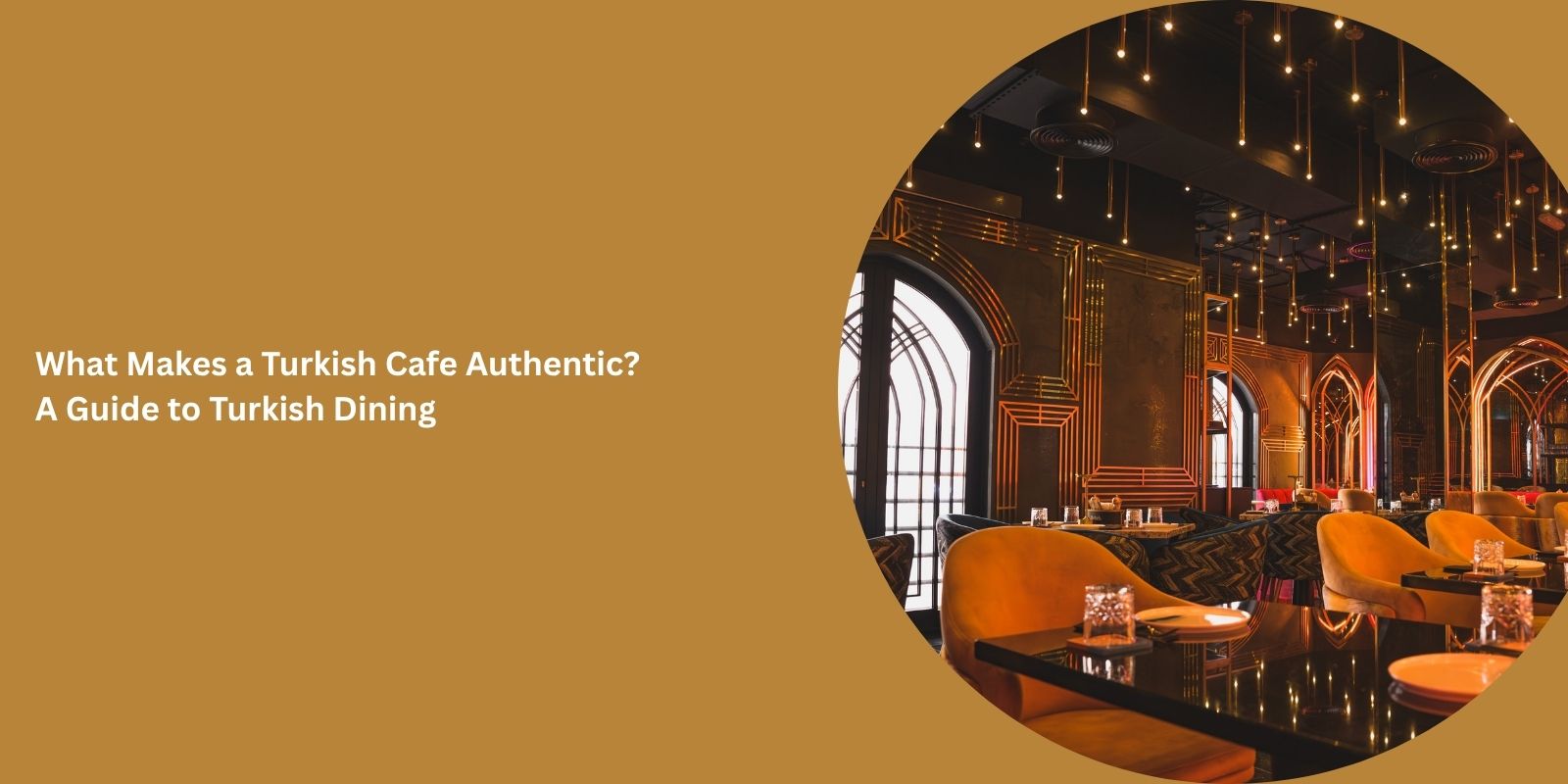
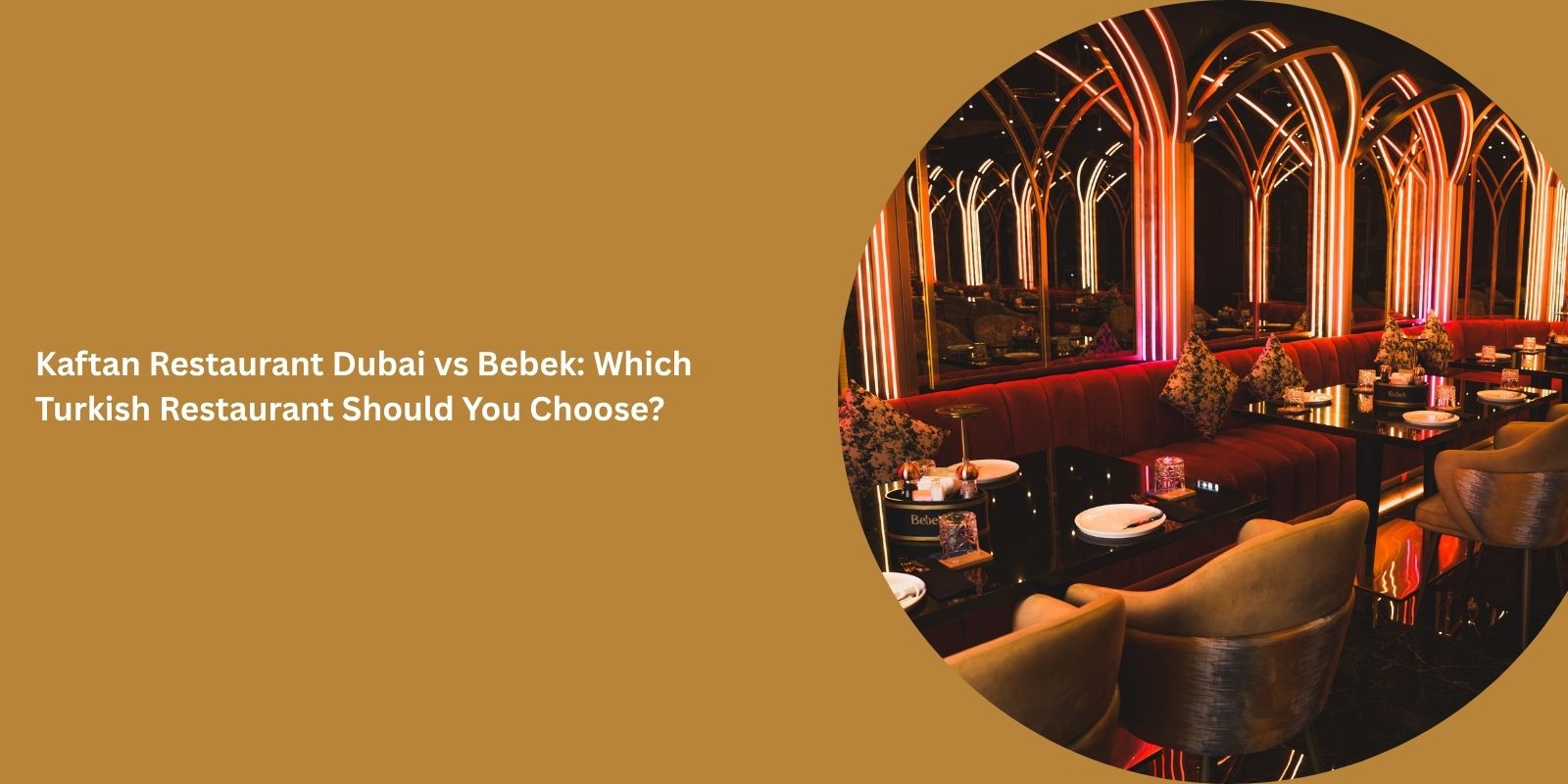
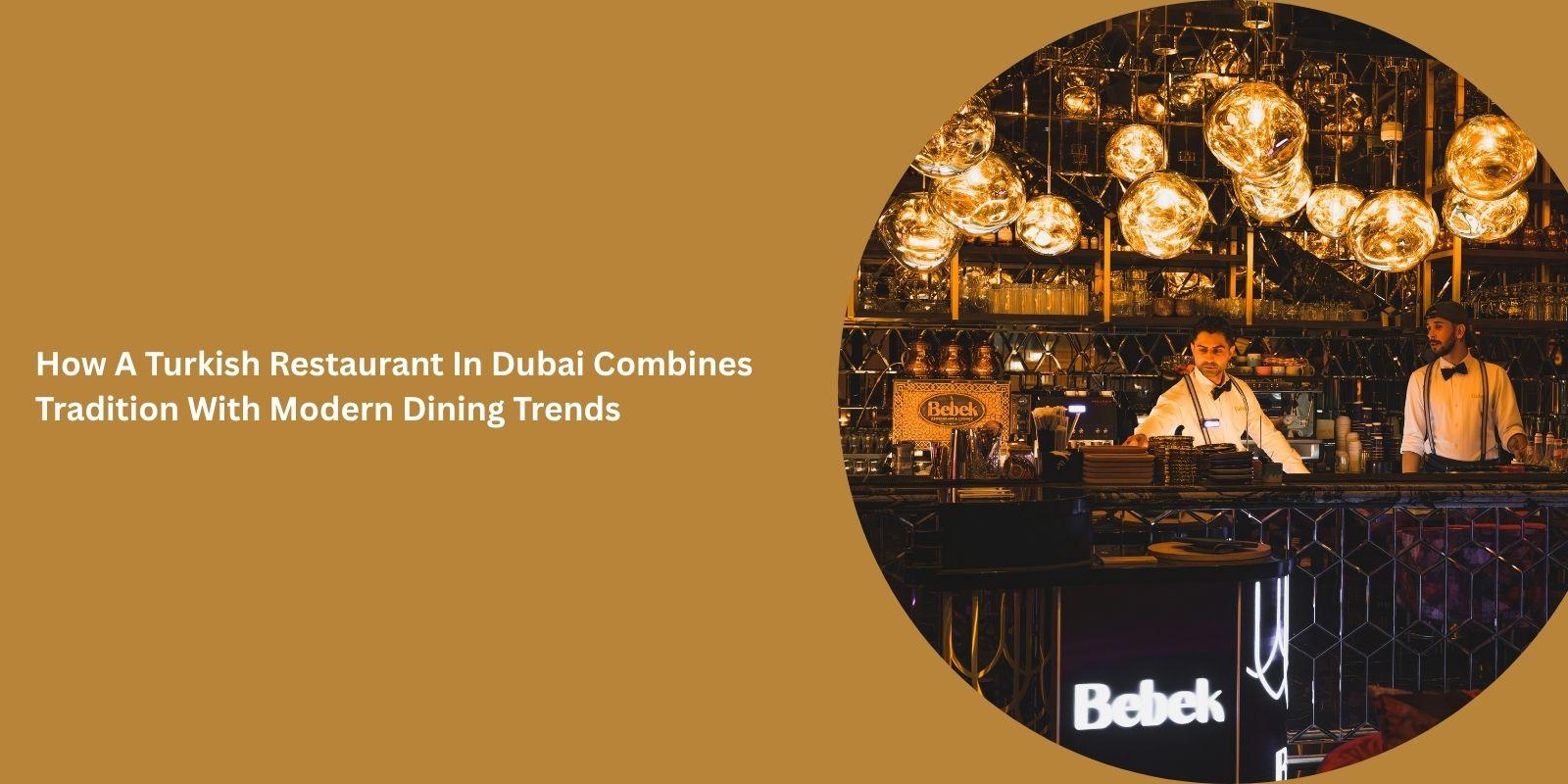
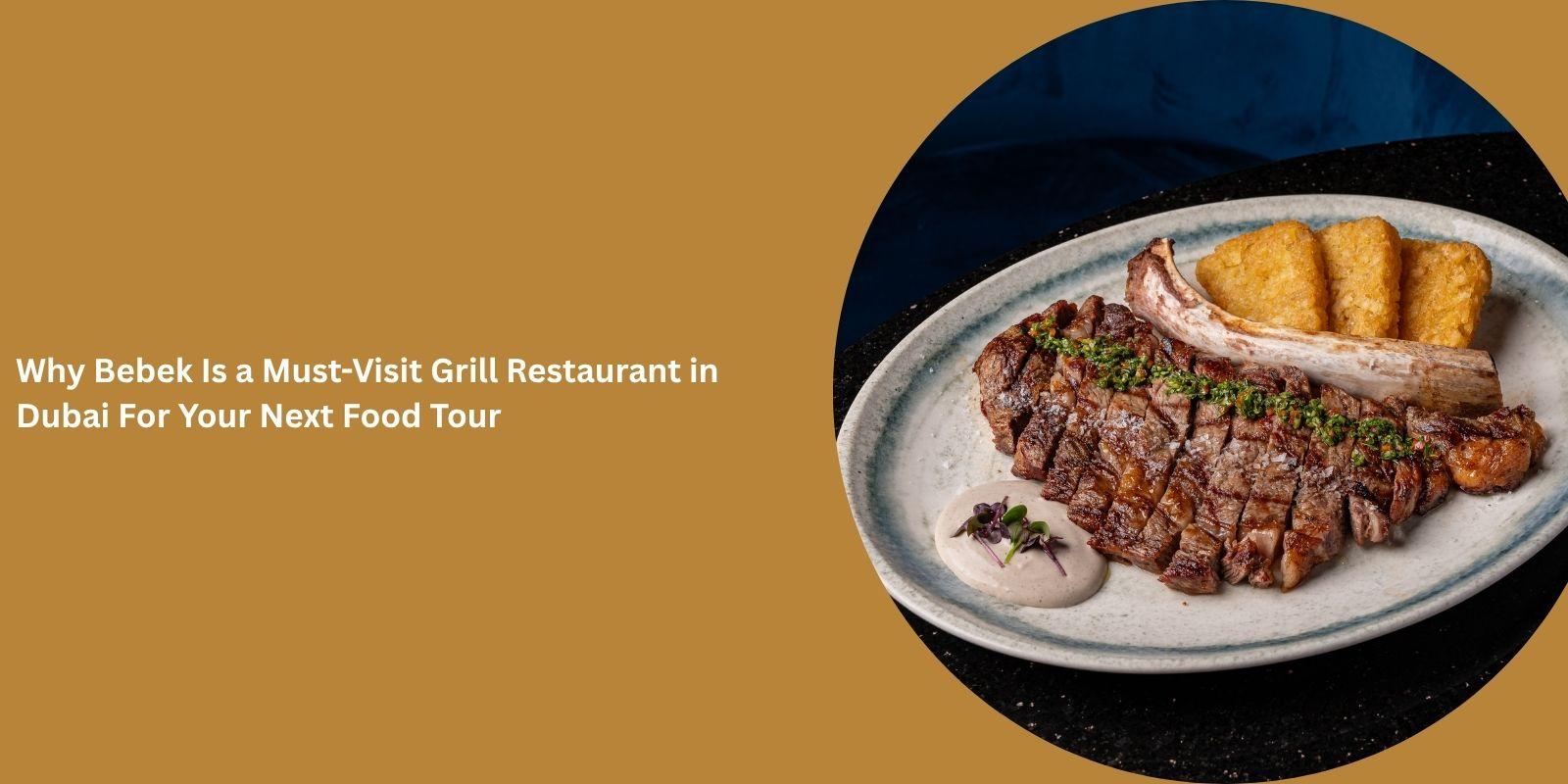
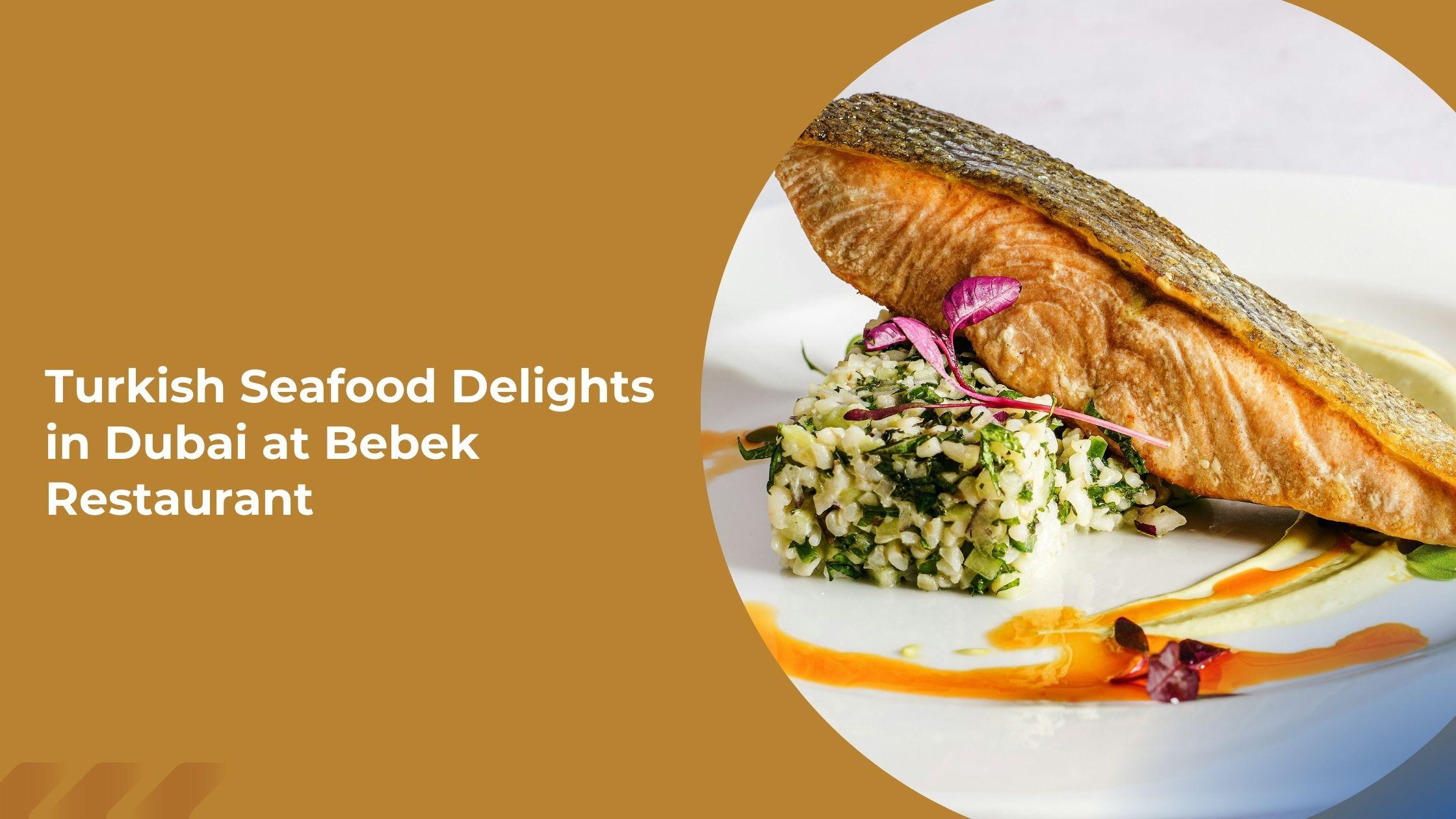
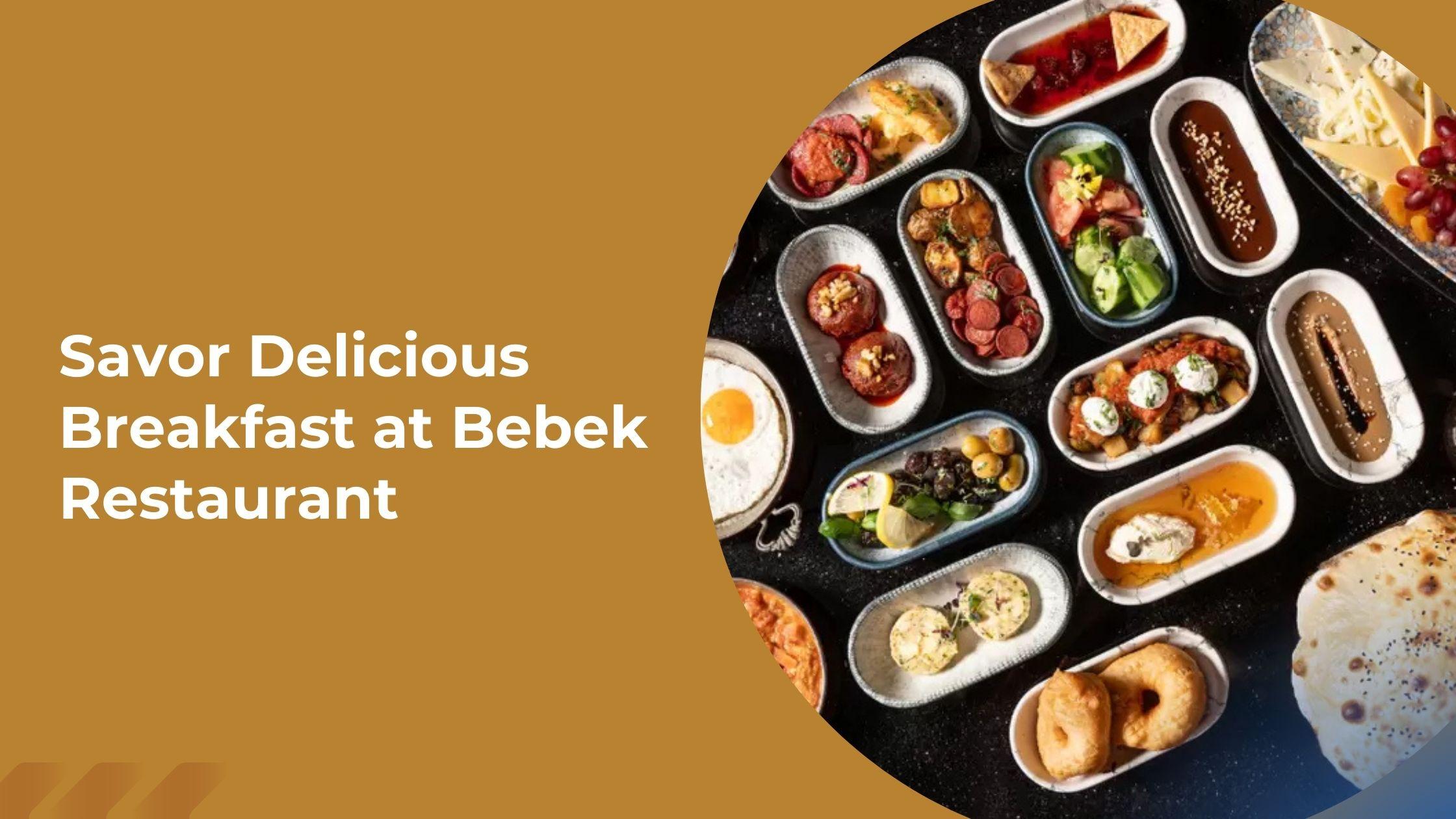
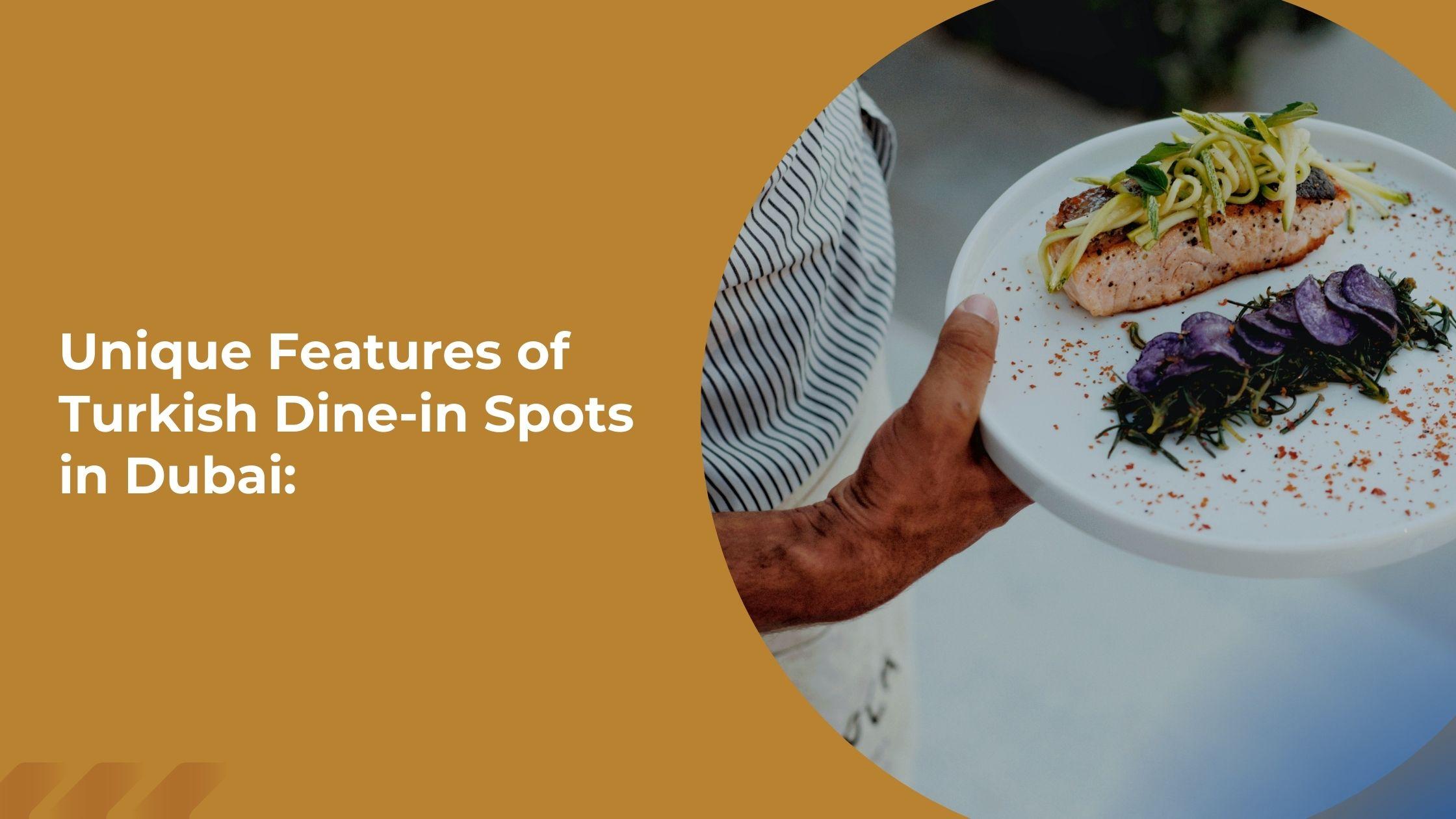
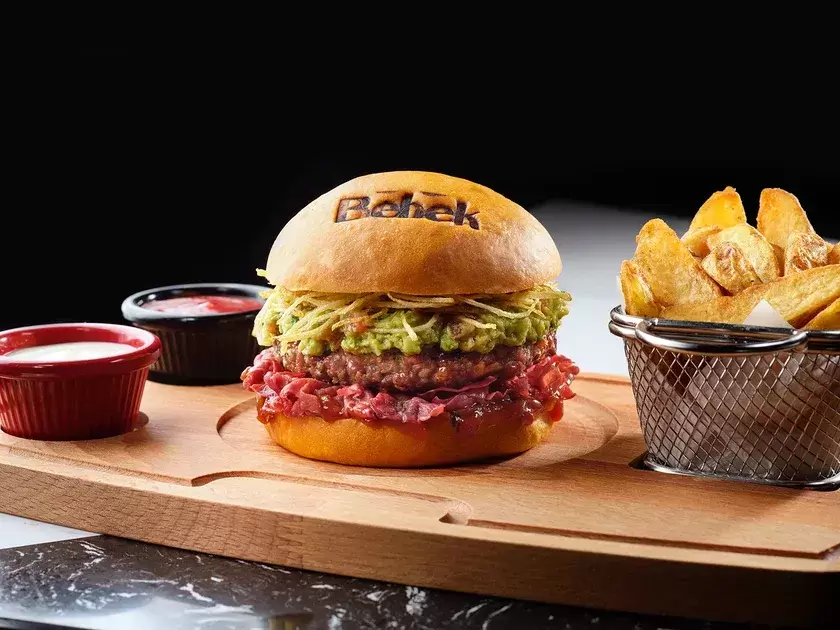
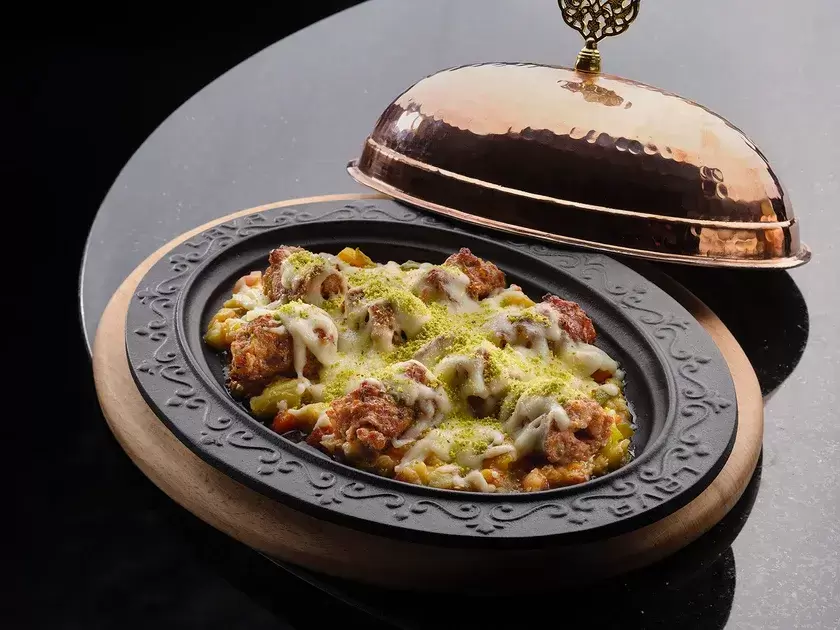
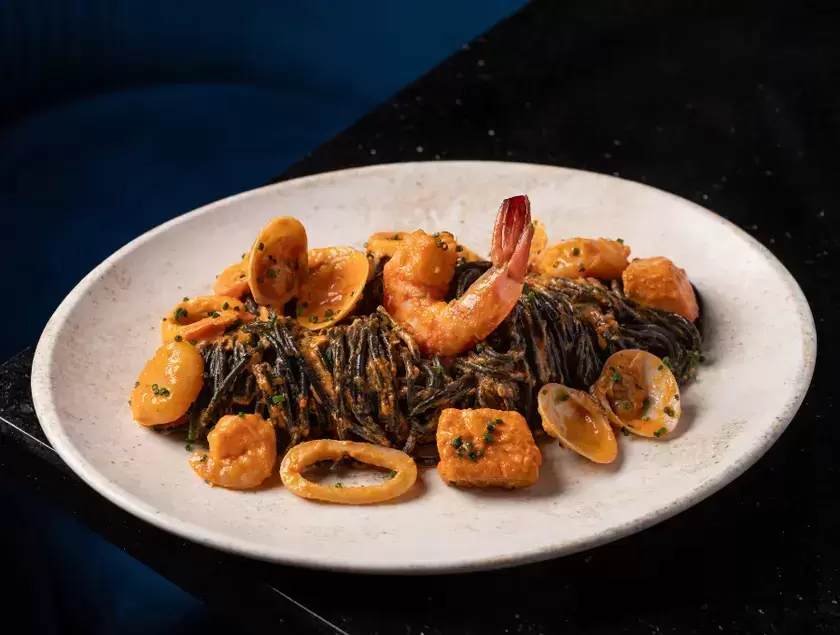
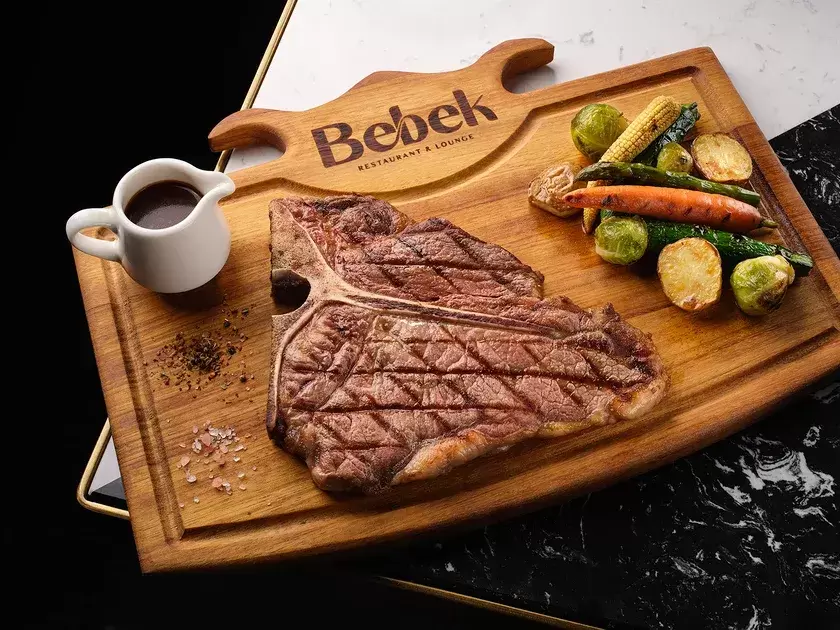
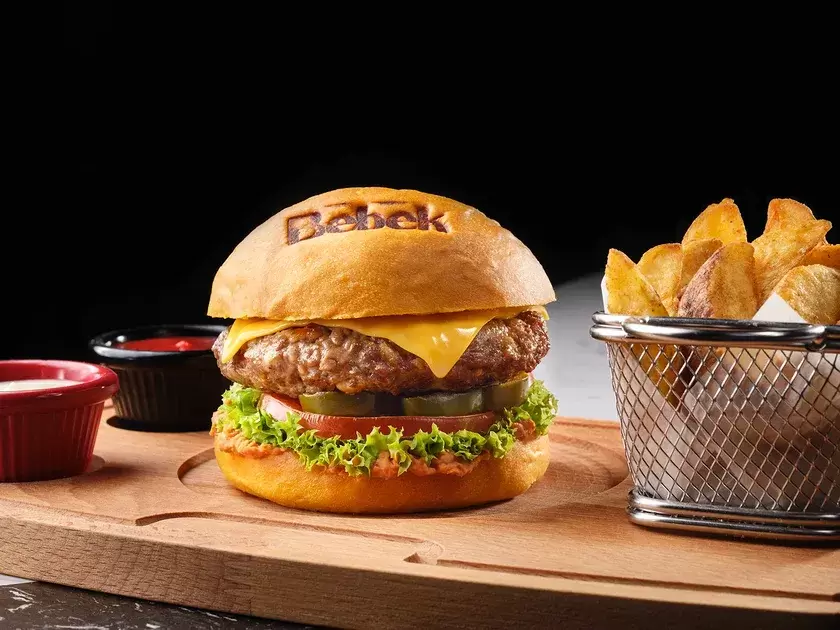
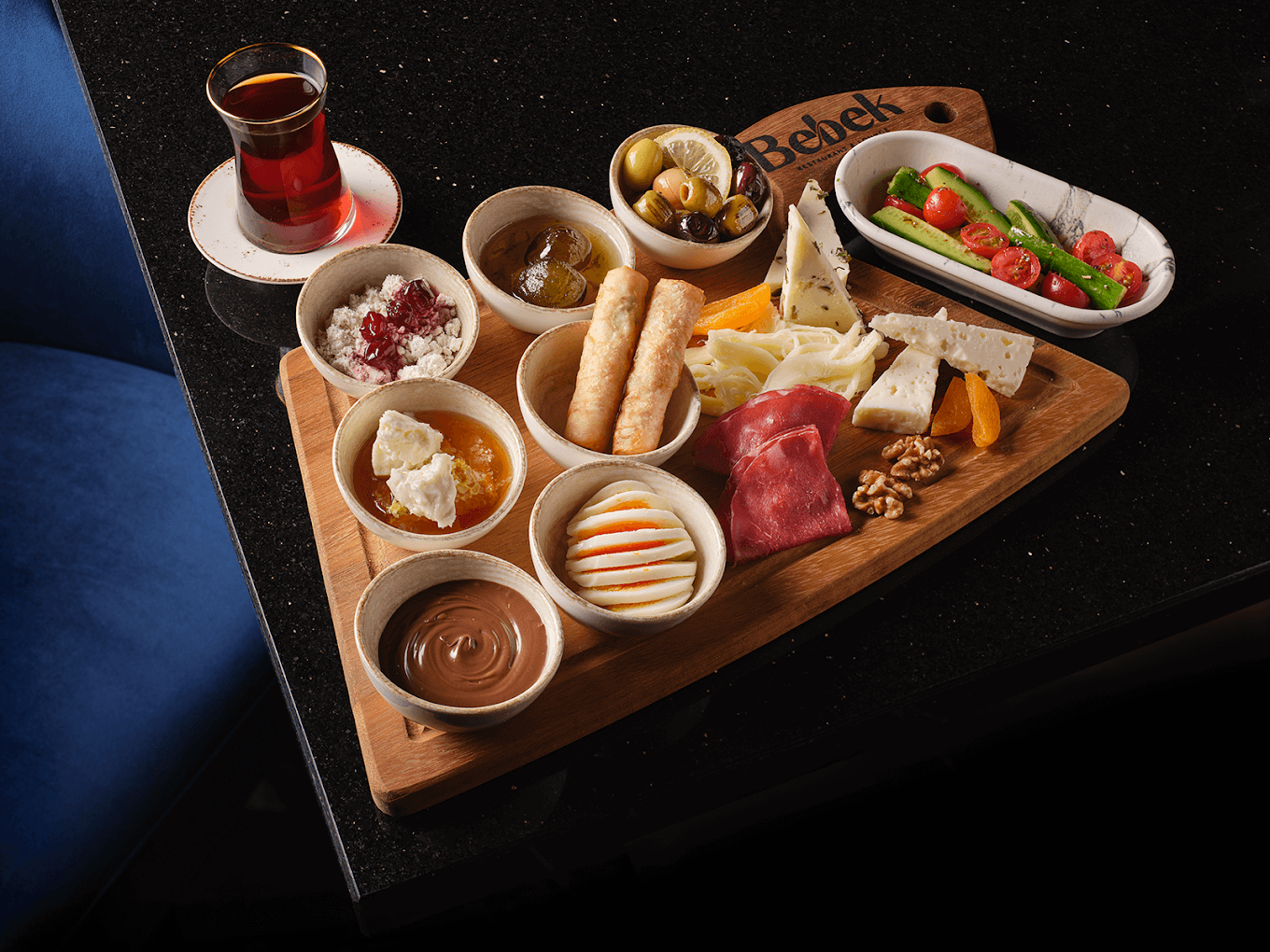
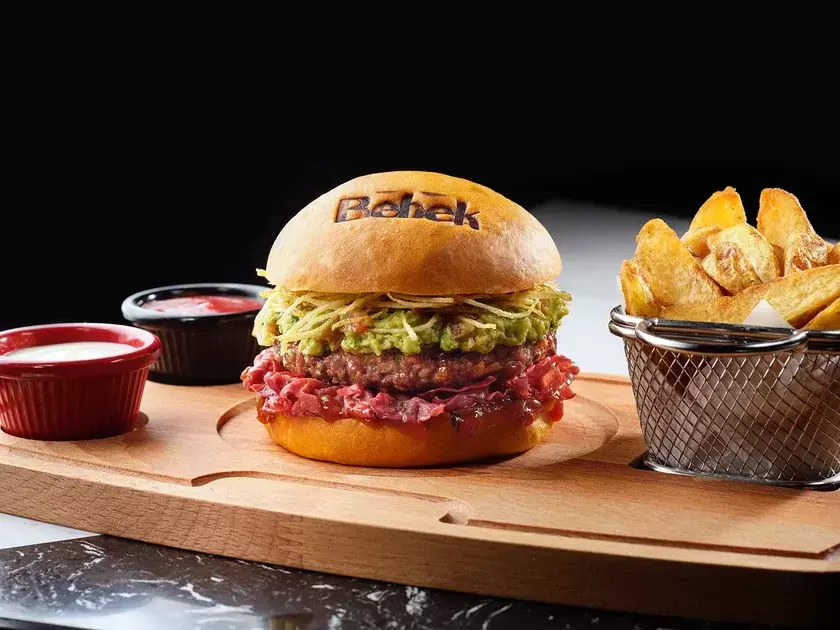
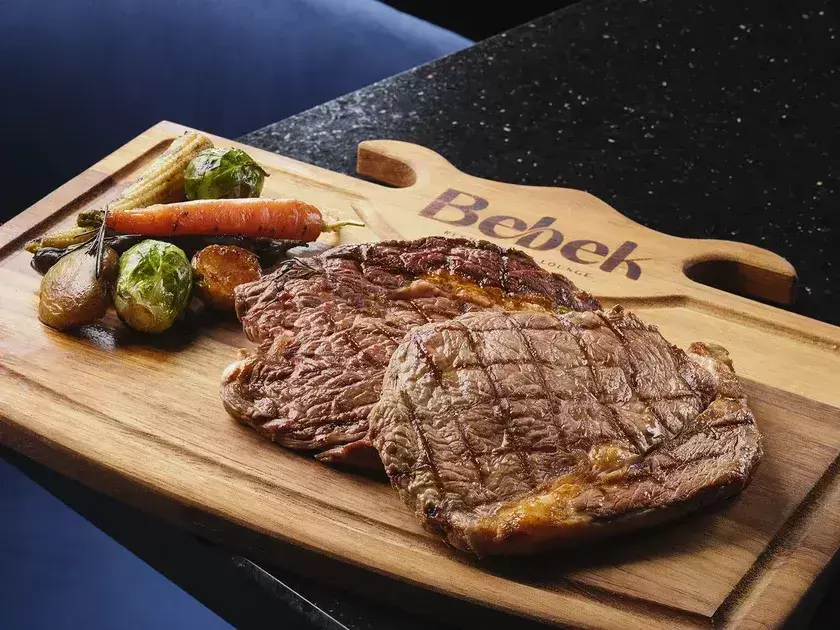
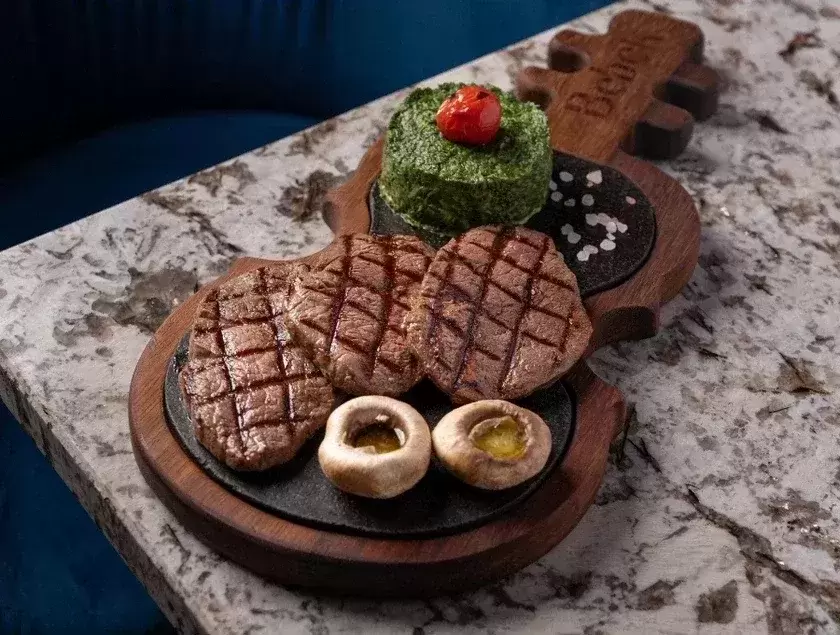
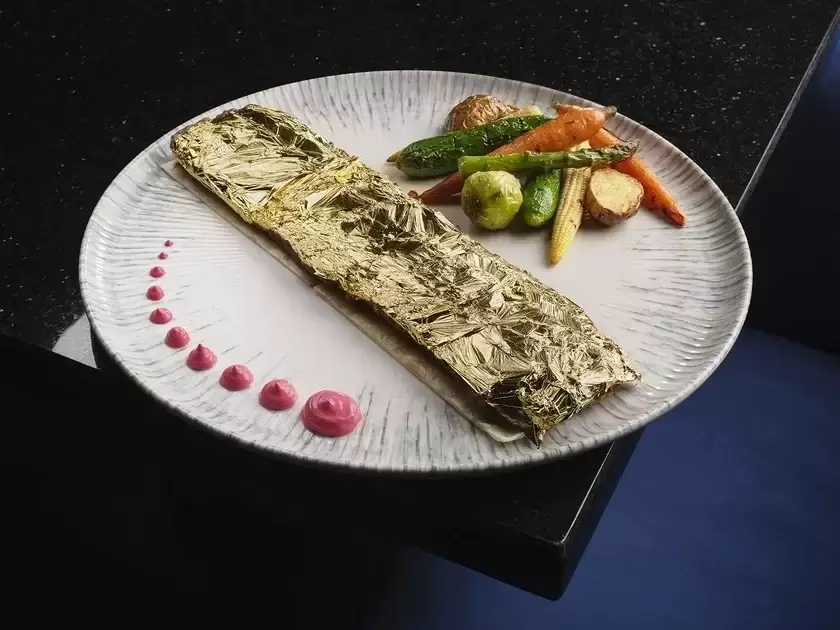
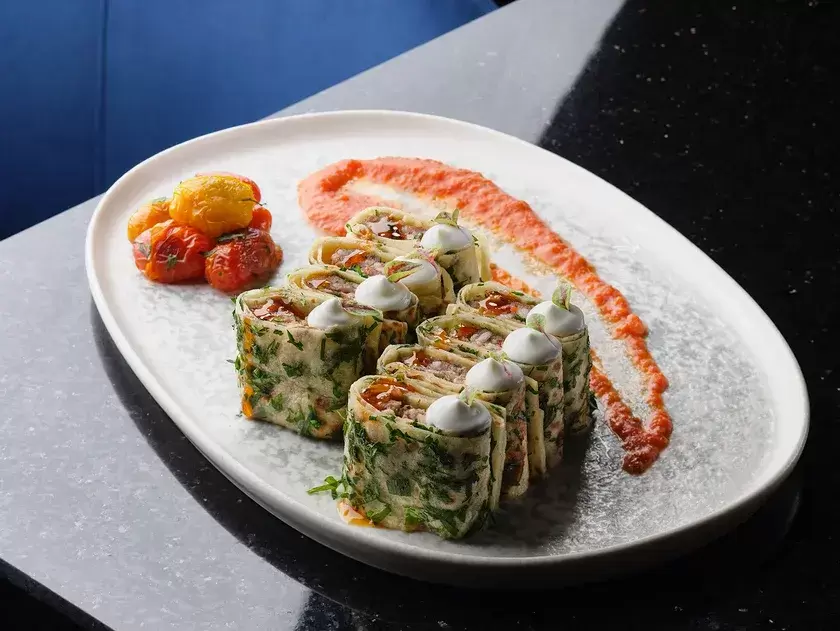
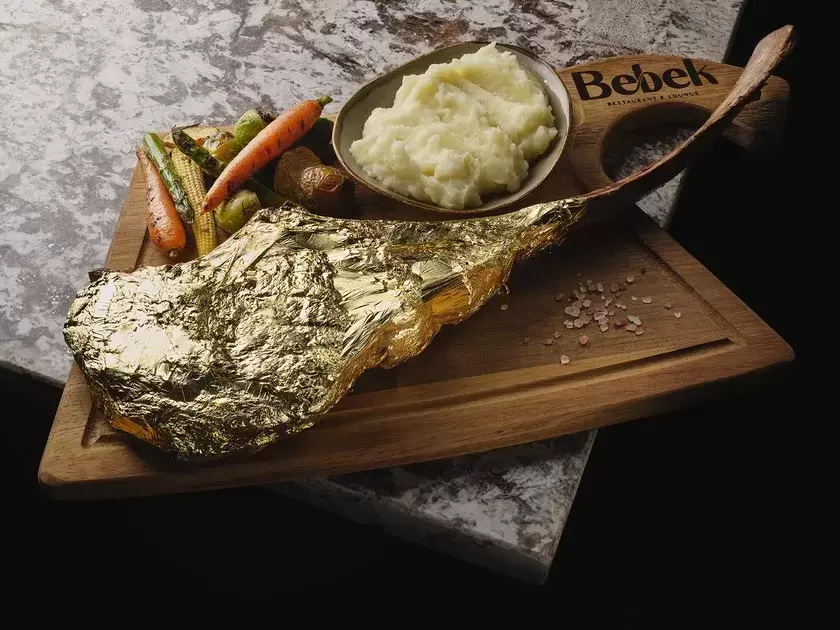
If you are thinking of exploring Turkish Food in Dubai, you should visit Bebek Restaurant and Lounge. They serve you the delicious food with a comfortable dining experience.
Table of Contents
- Choose Bebek for Your First Turkish Meal
- Start With Meze
- Order an Actual Kebab Not Just Kebab
- Try Lahmacun If You Want Something Lighter
- Get Pide for the Table
- Balance It Out With a Salad
- Leave Room for Dessert
- End With Turkish Tea or Coffee
- Key Takeaways
- FAQs About Authentic Turkish Food
Choose Bebek for Your First Turkish Meal
Where you eat matters as much as what you order; skip anywhere that treats "Turkish food" as a synonym for "kebab shop". The real thing runs deeper than that, through meze, grilled meats, fresh breads, and a proper dessert menu.
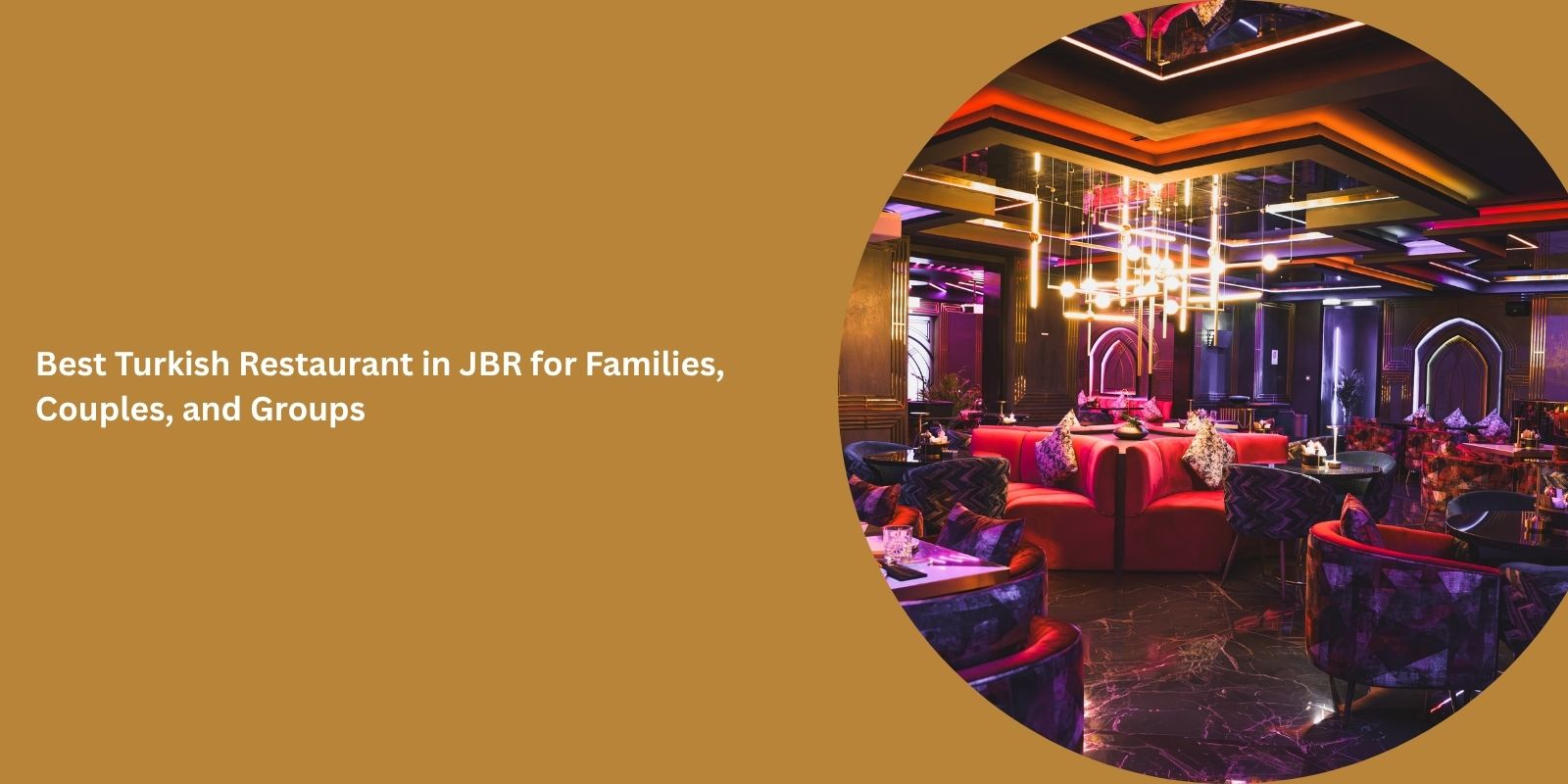
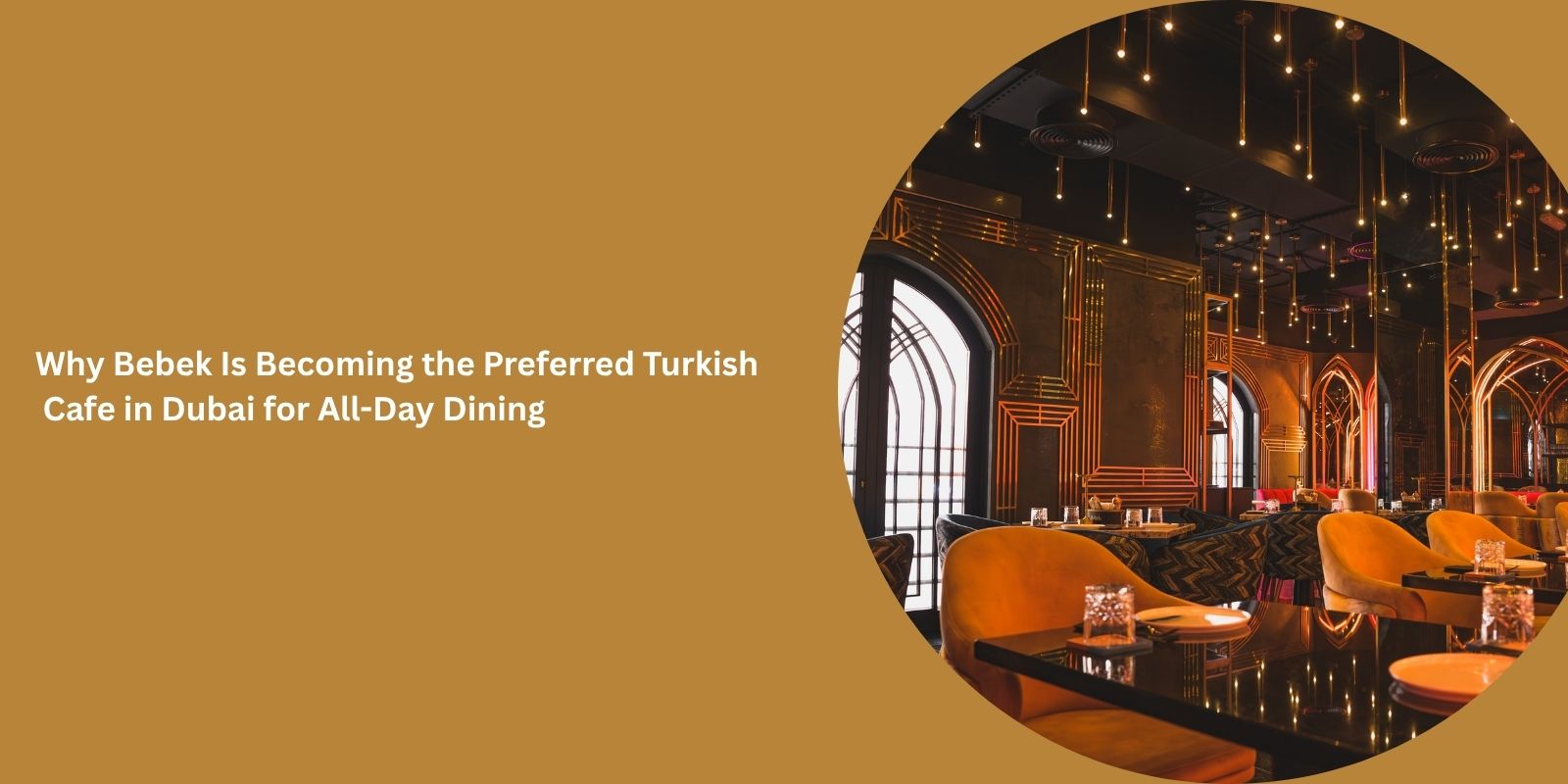
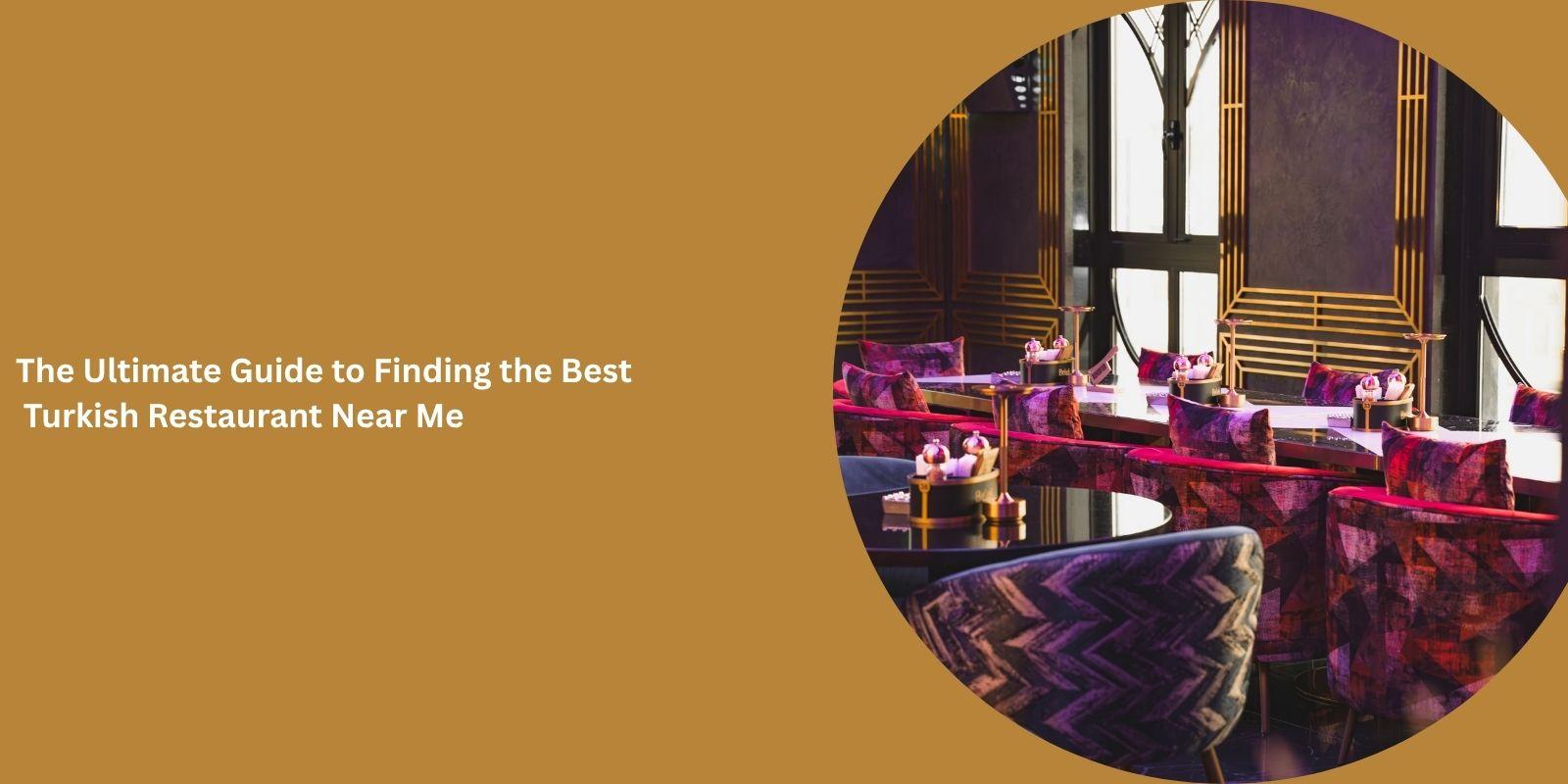
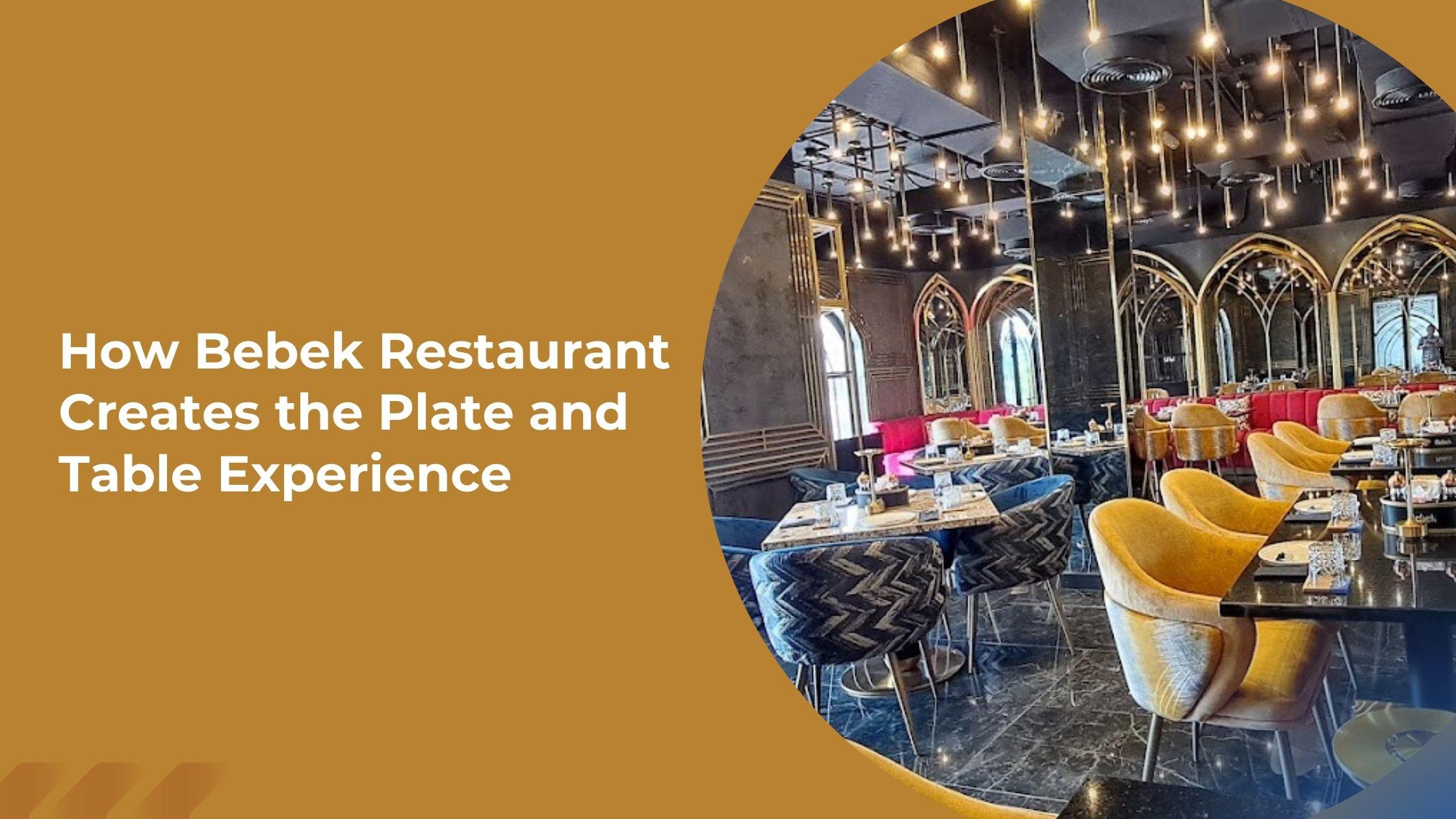
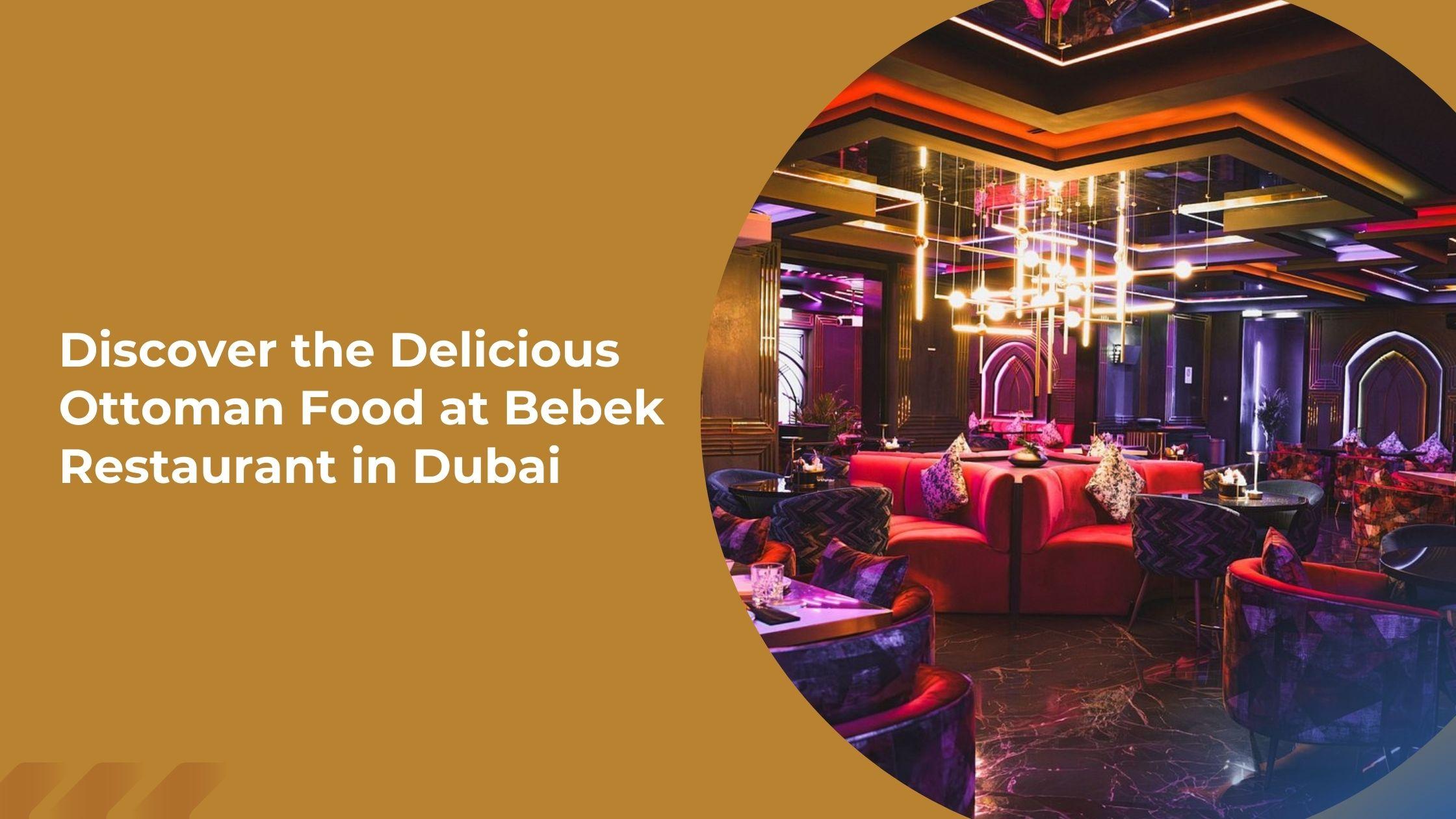
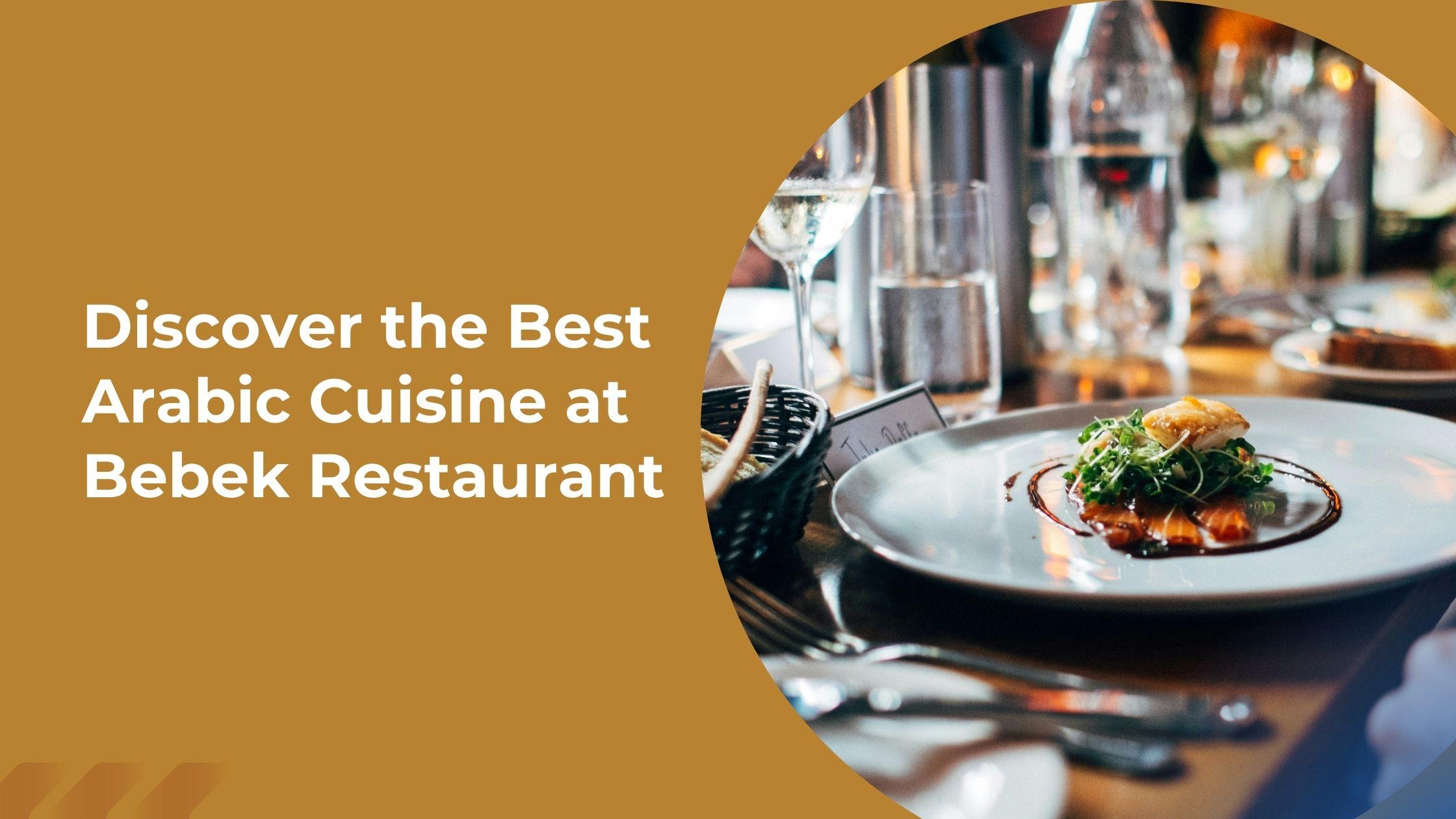
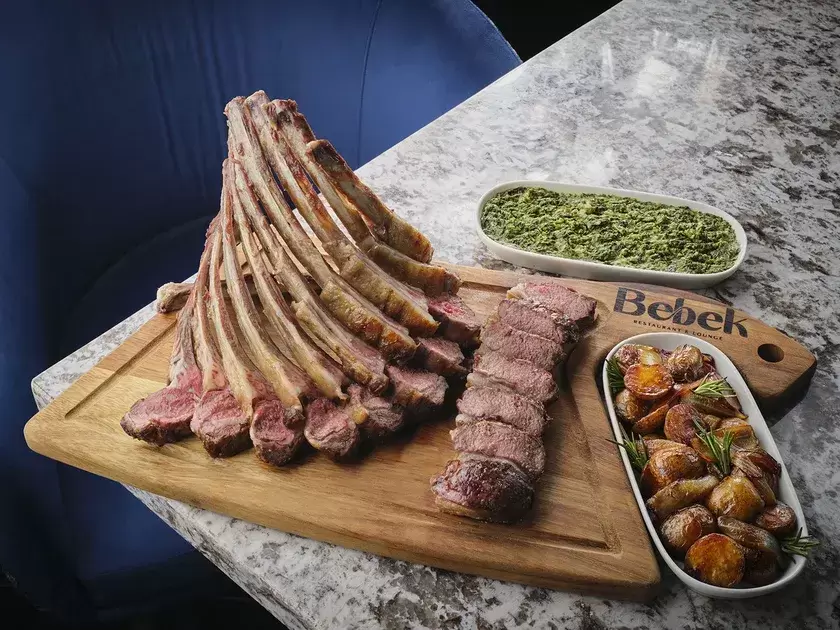
Bebek blends Turkish and Arabic culinary traditions in its Jumeirah setting, with meze, grilled dishes, fresh-baked bread, and classic flavors that suit both a quiet dinner and a big group.
That range is exactly what a first-timer wants: plenty to share and plenty of room to figure out what you actually like.
1. Start With Meze
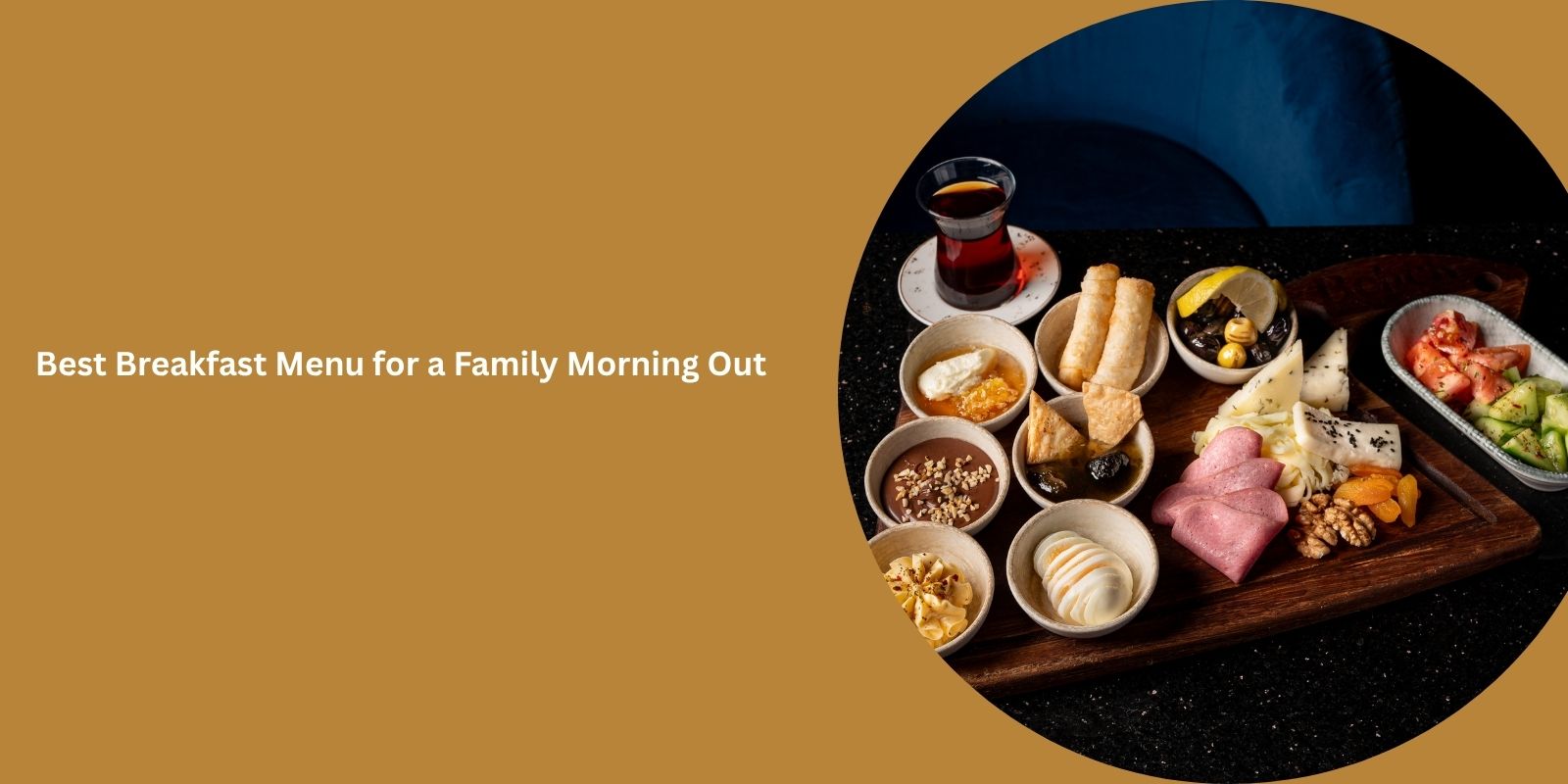
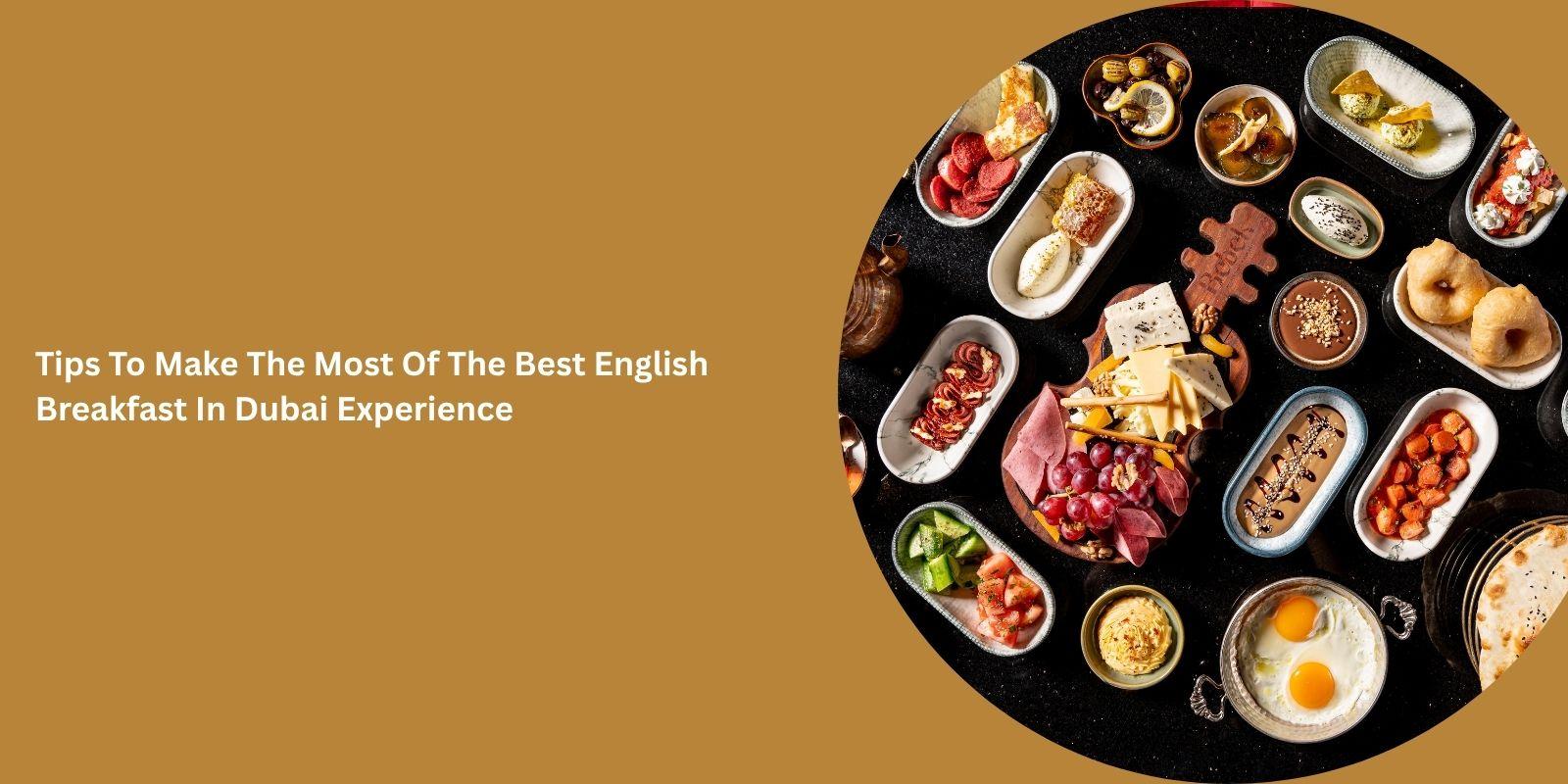
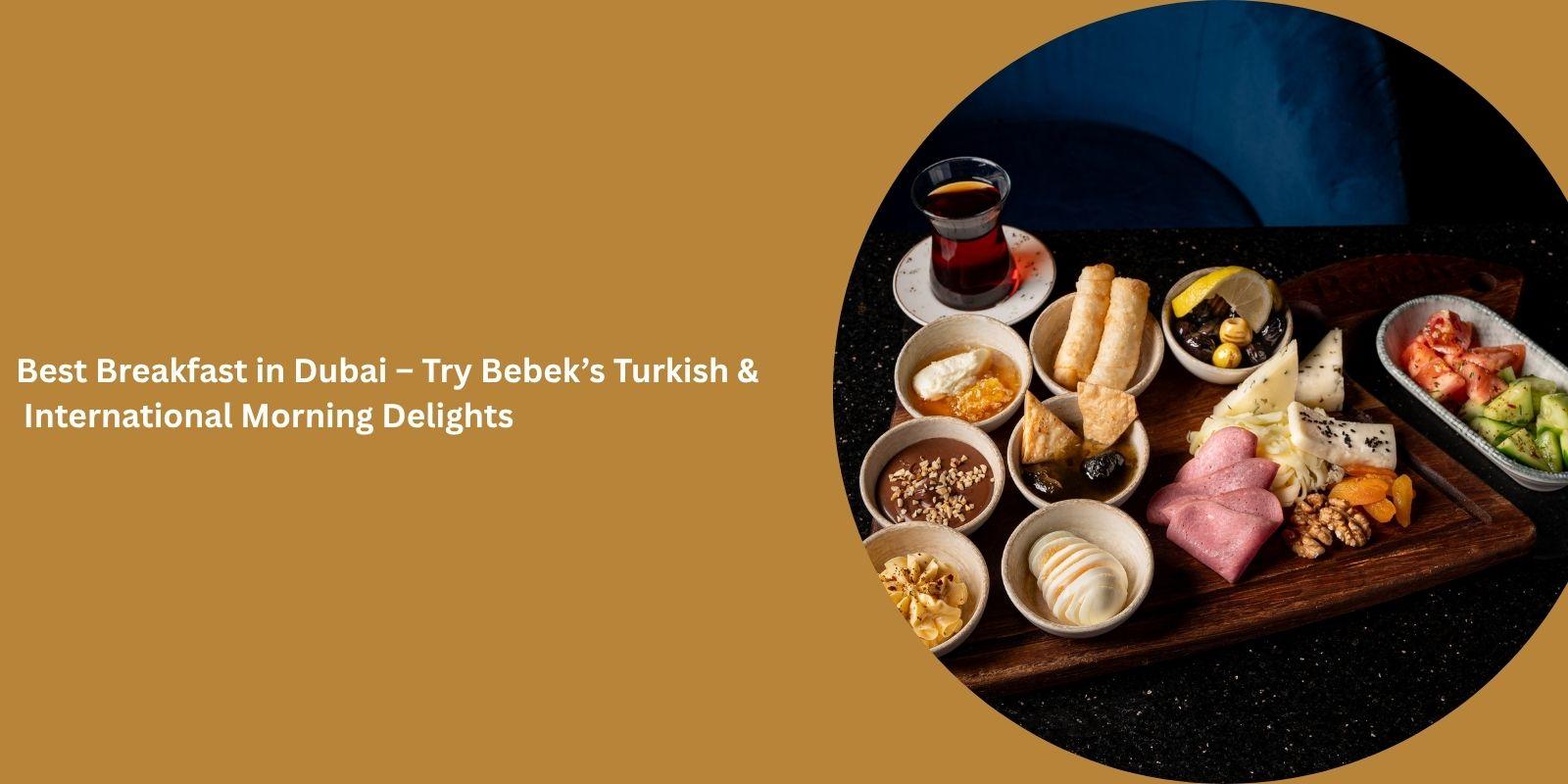
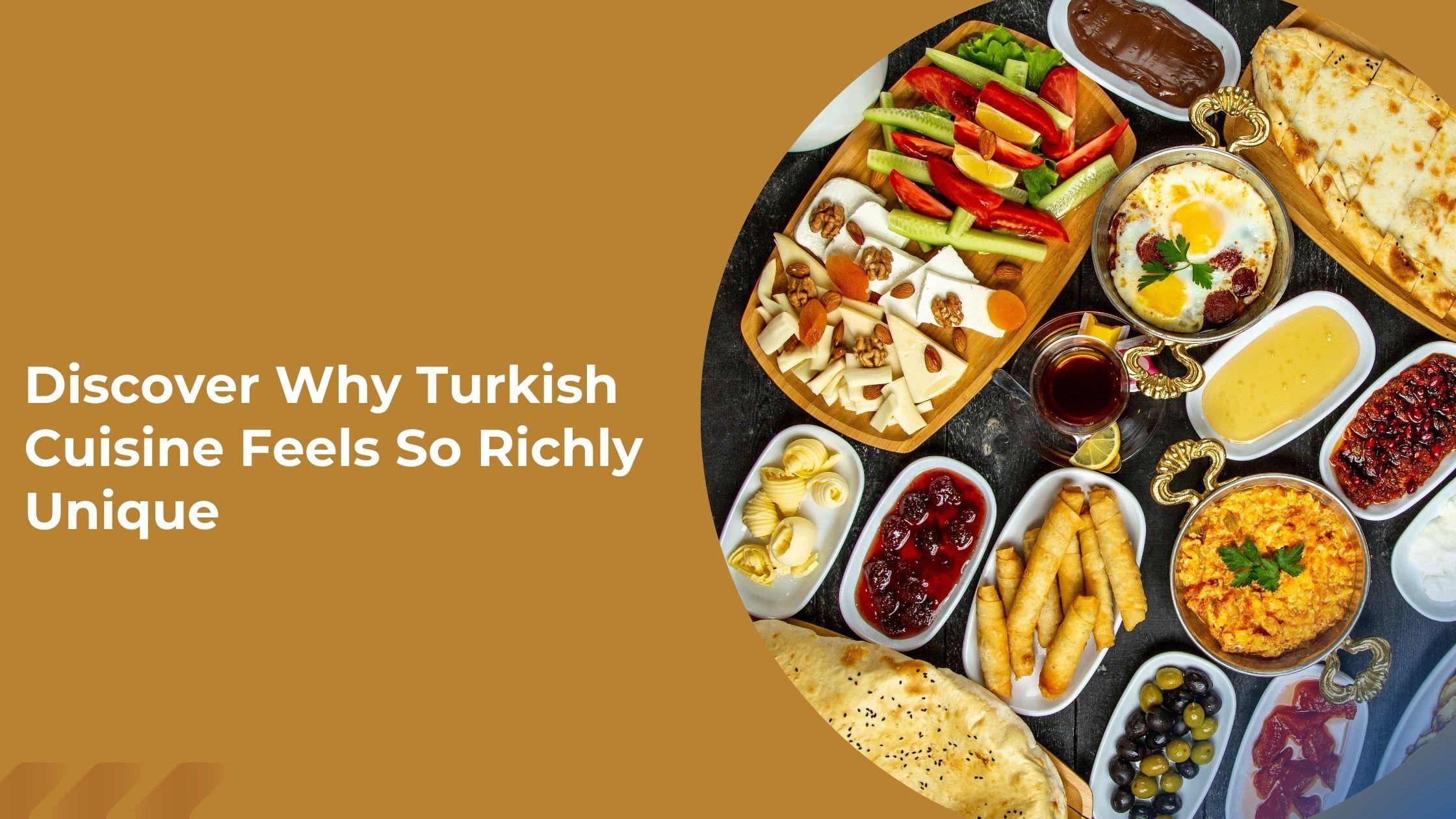
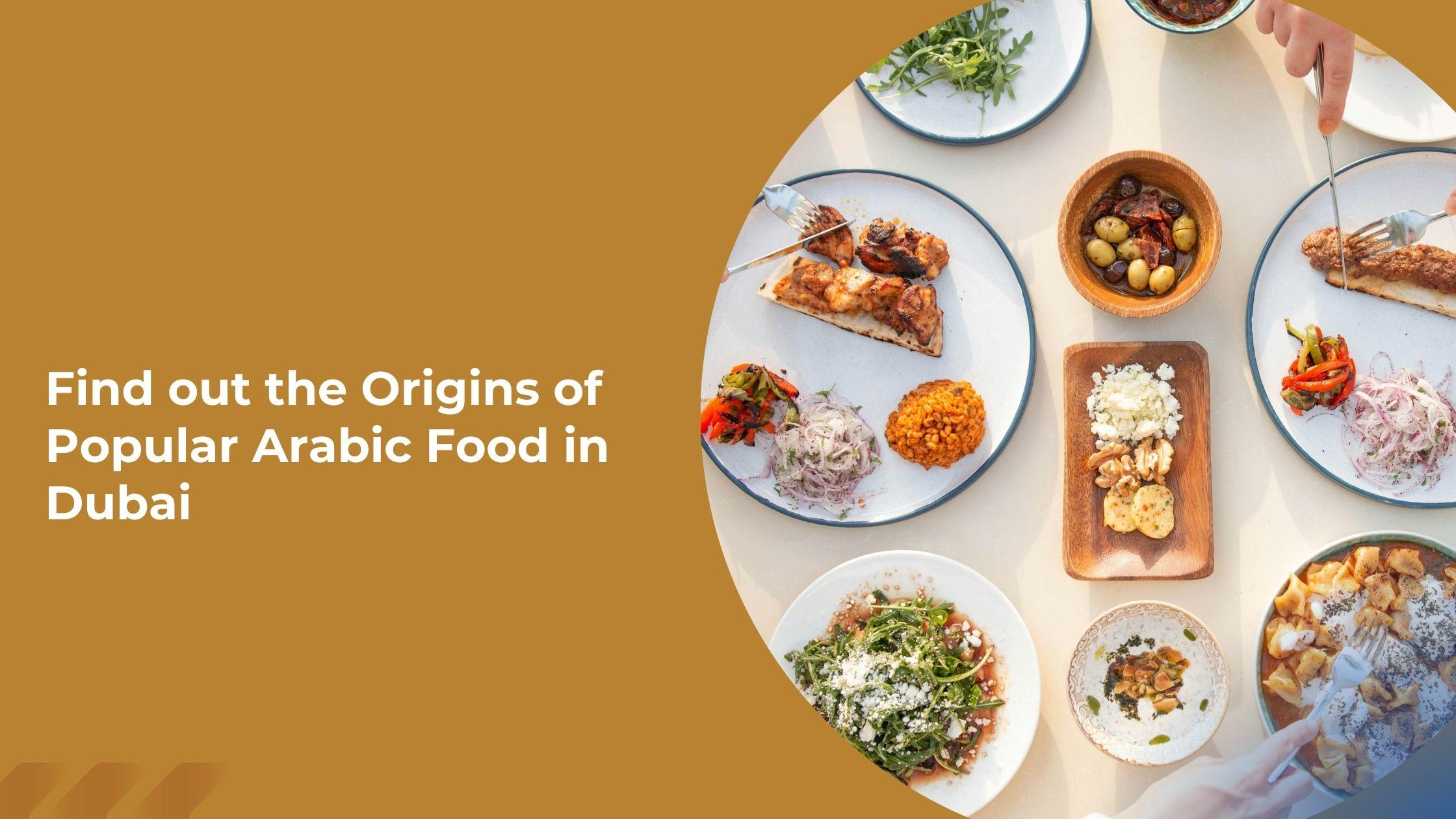
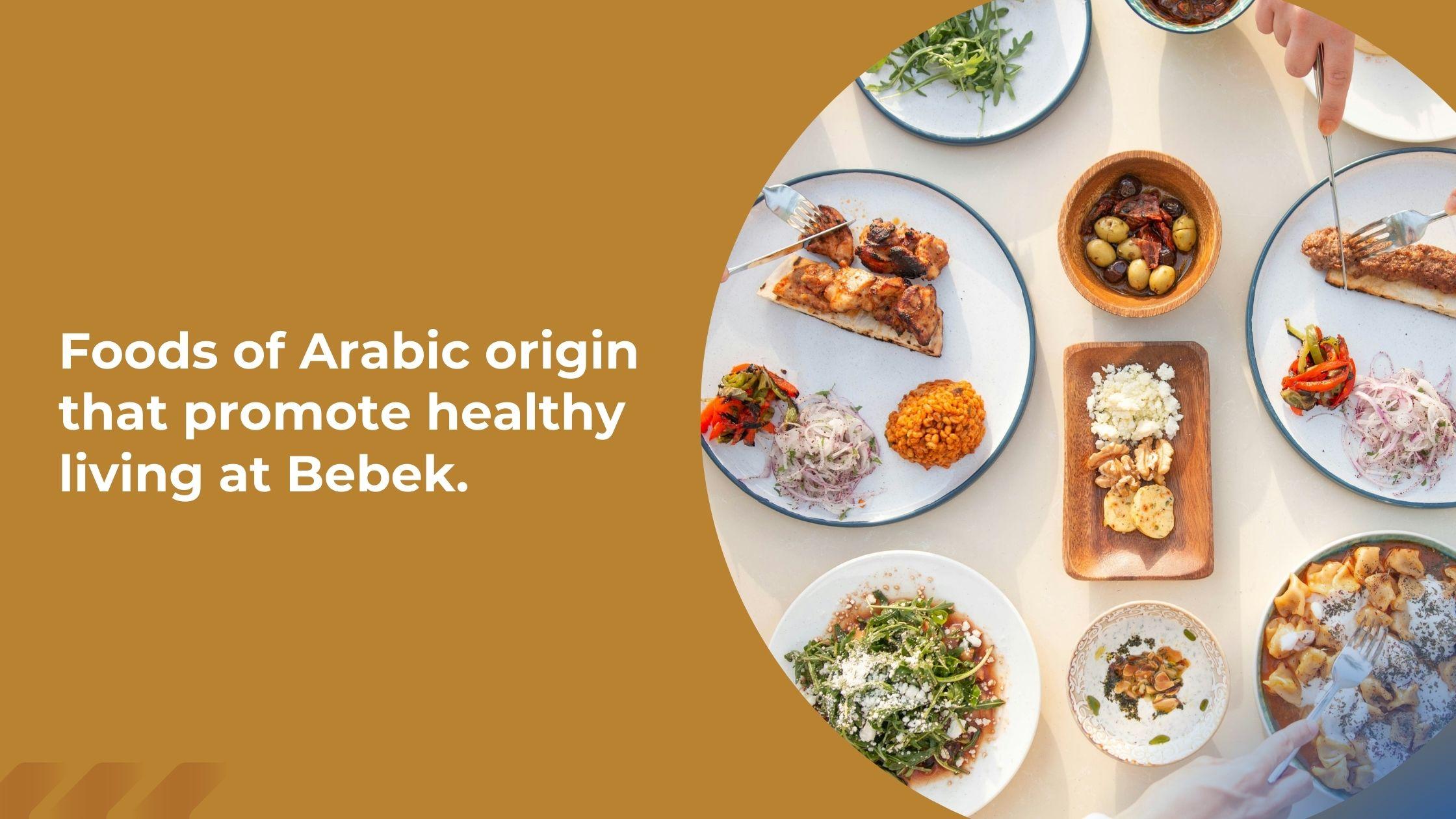
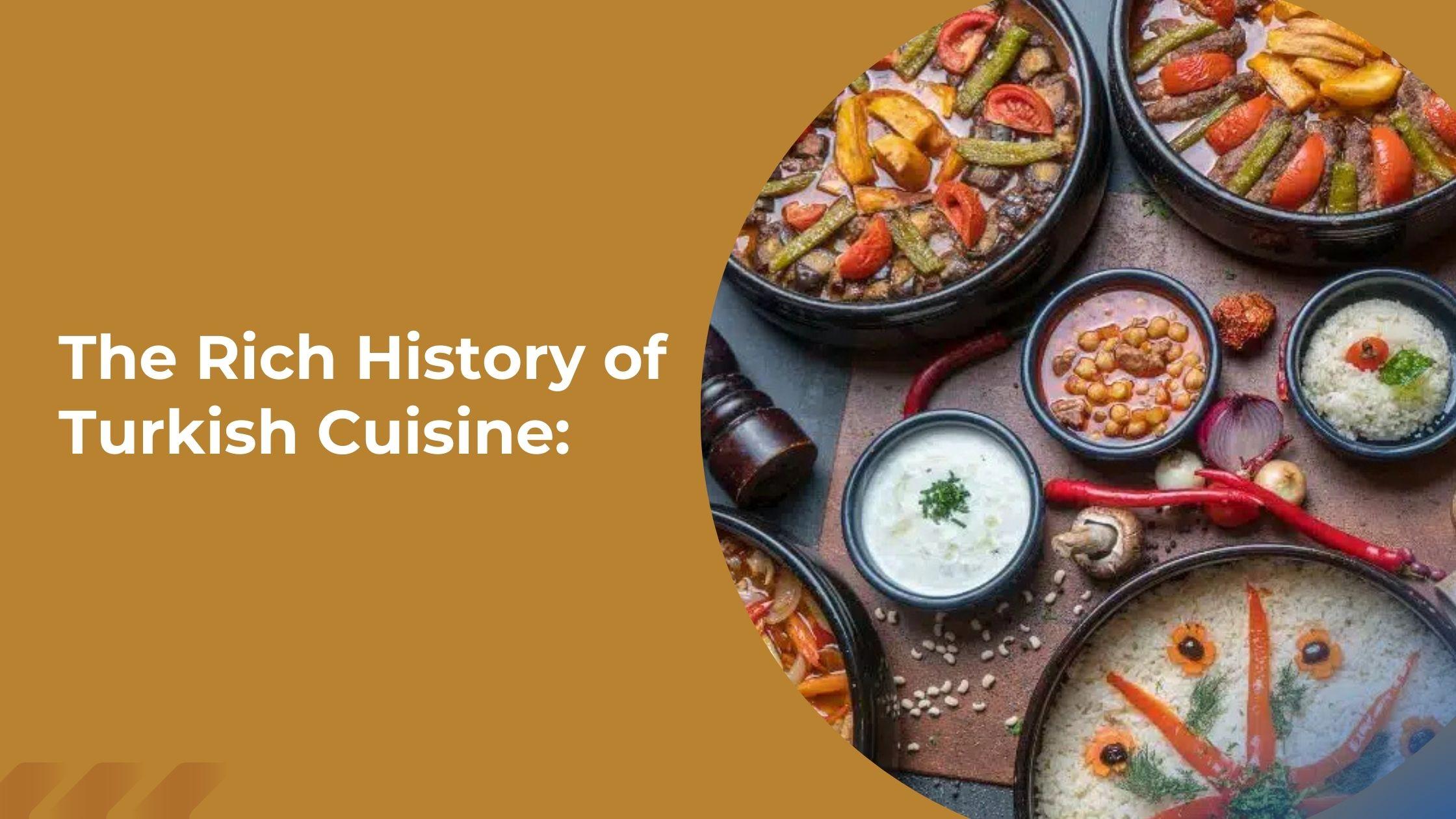
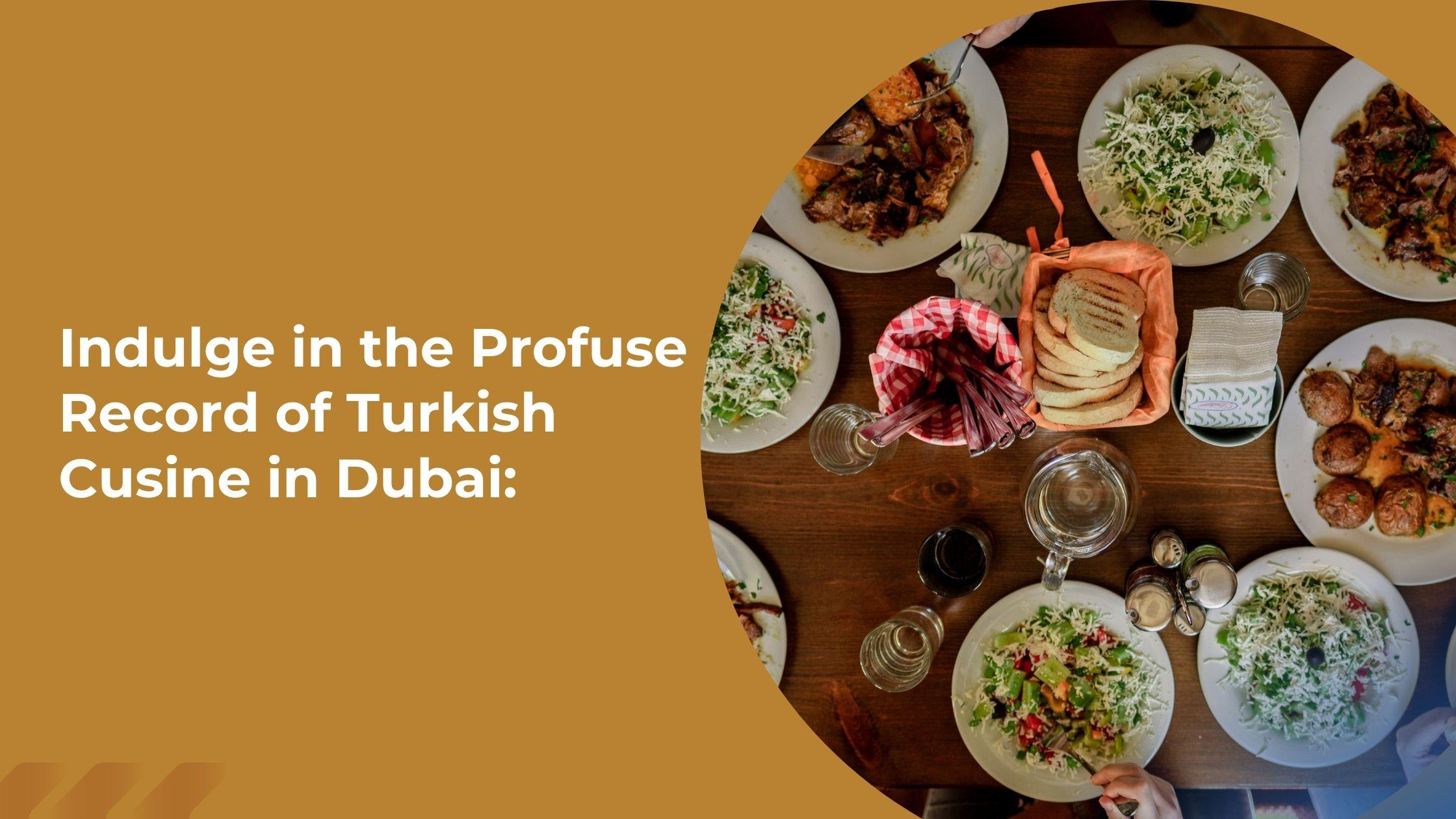
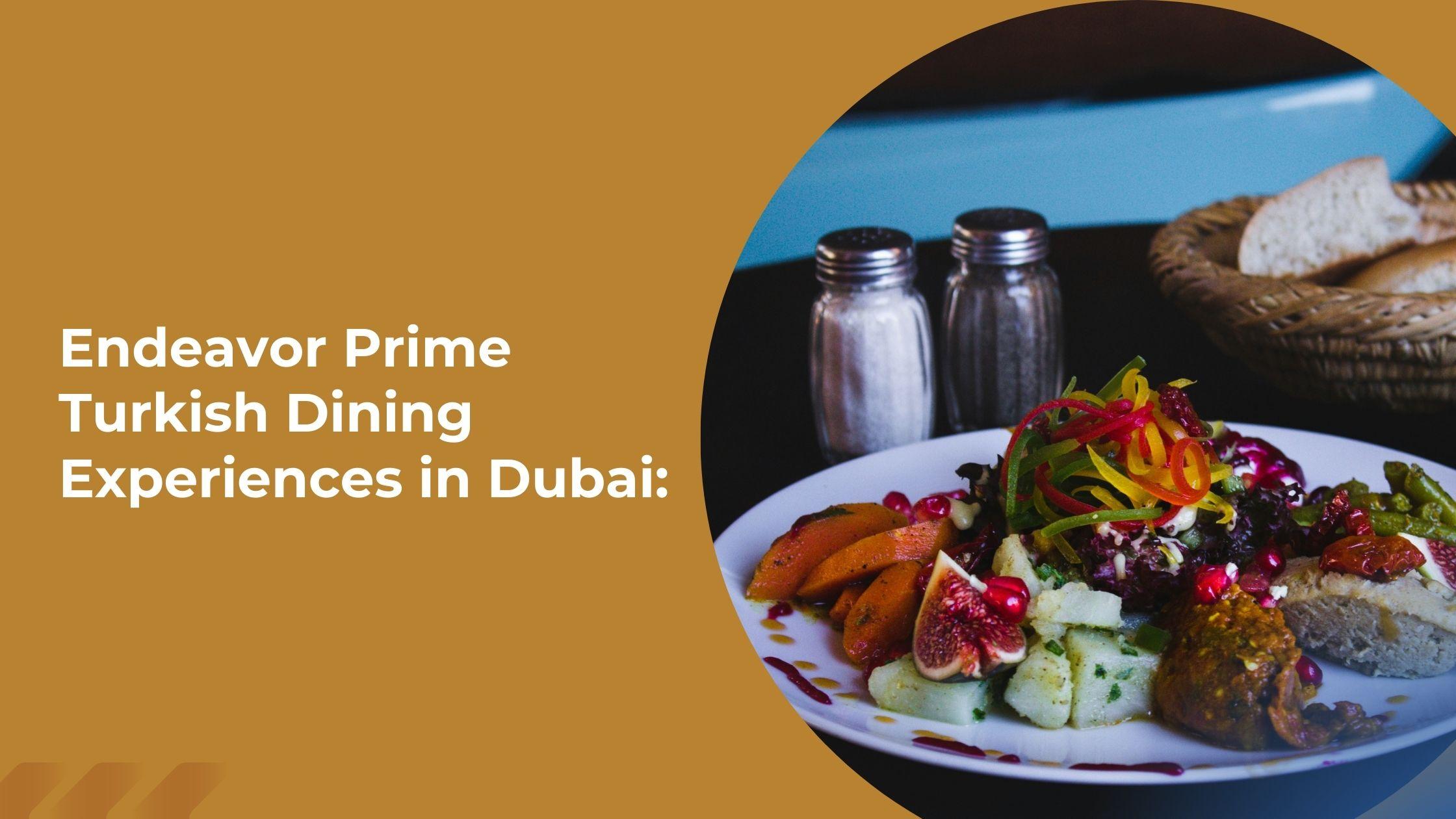
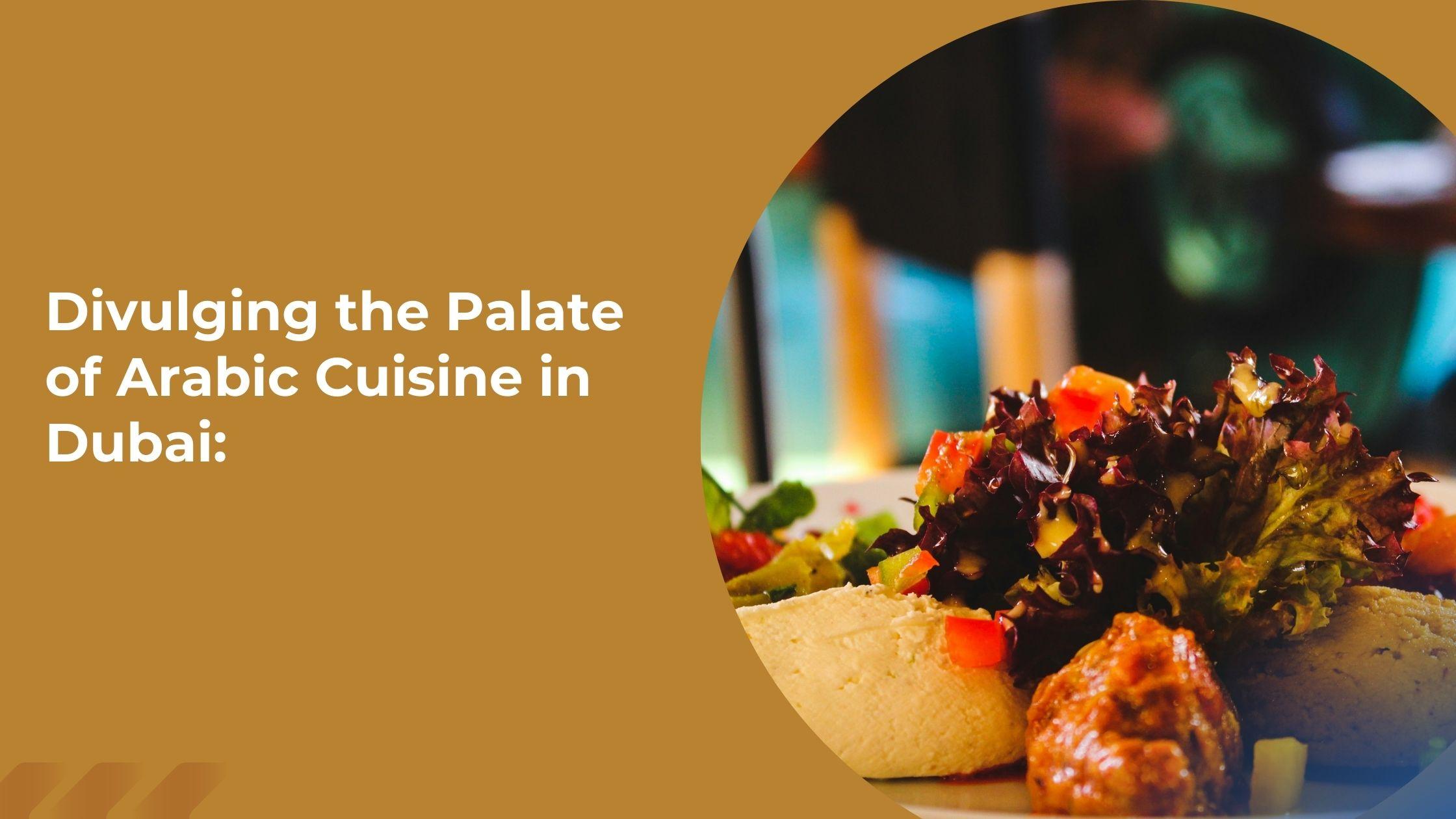
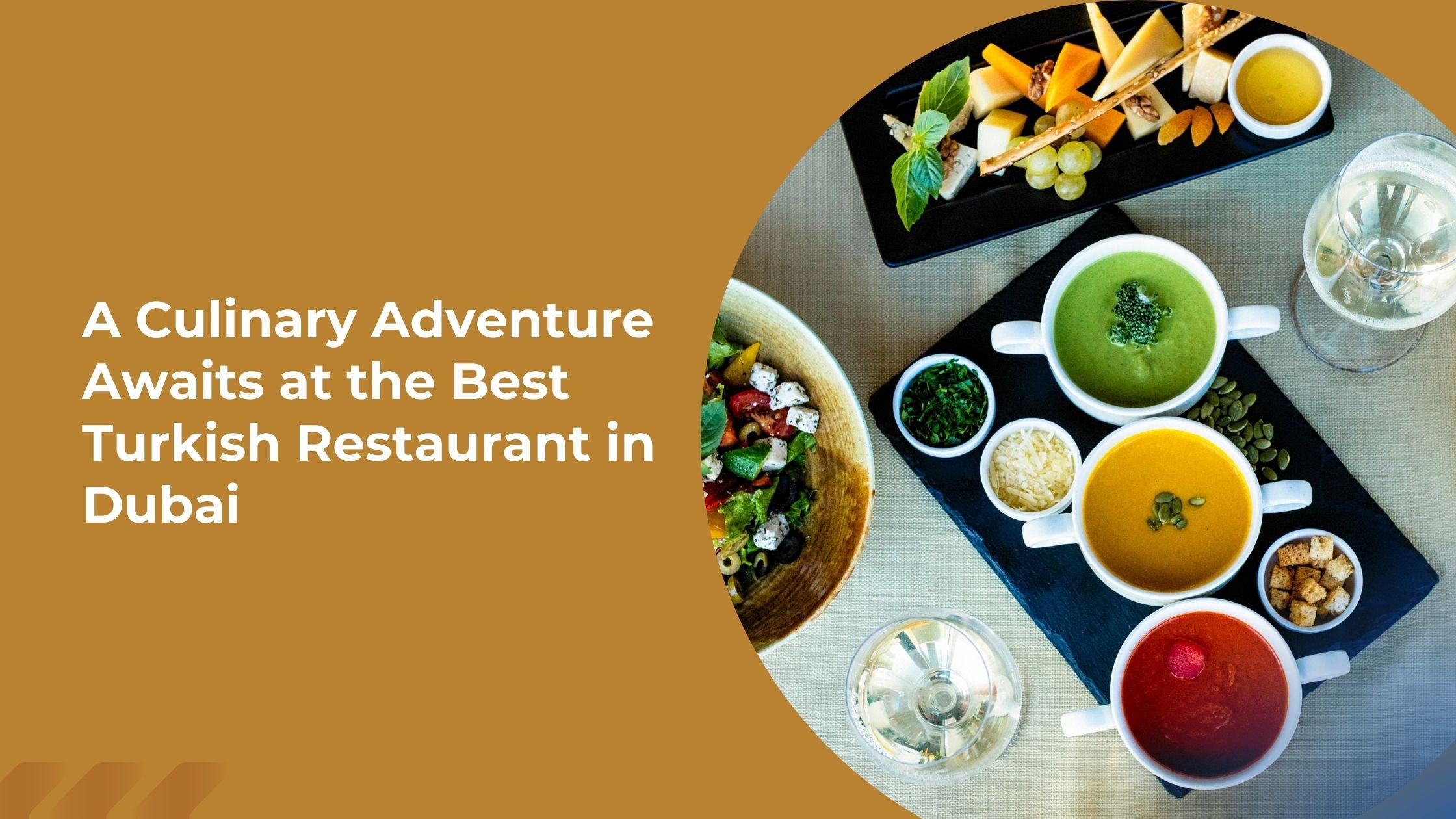
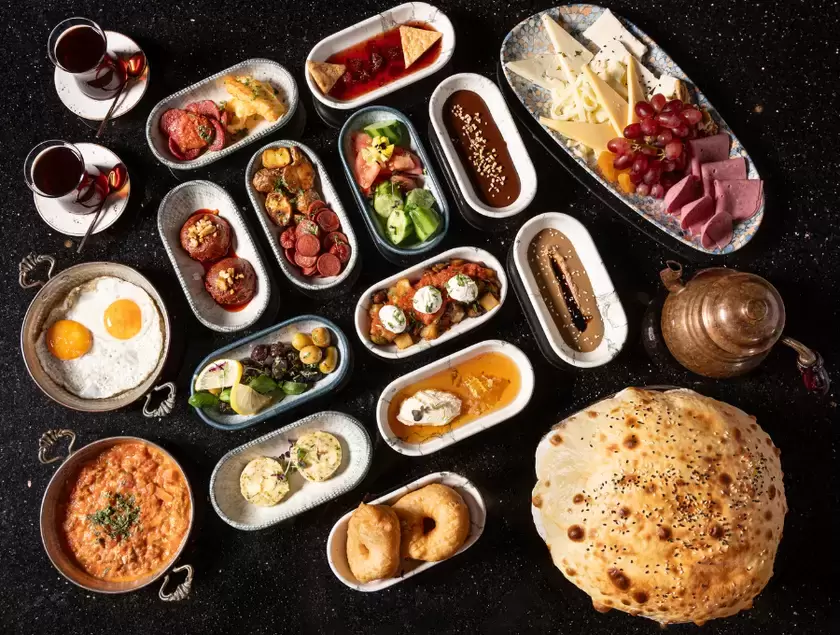
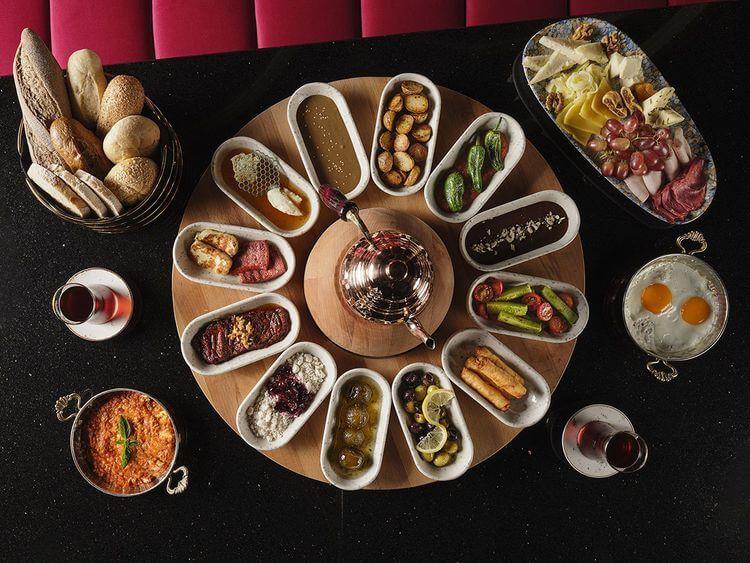
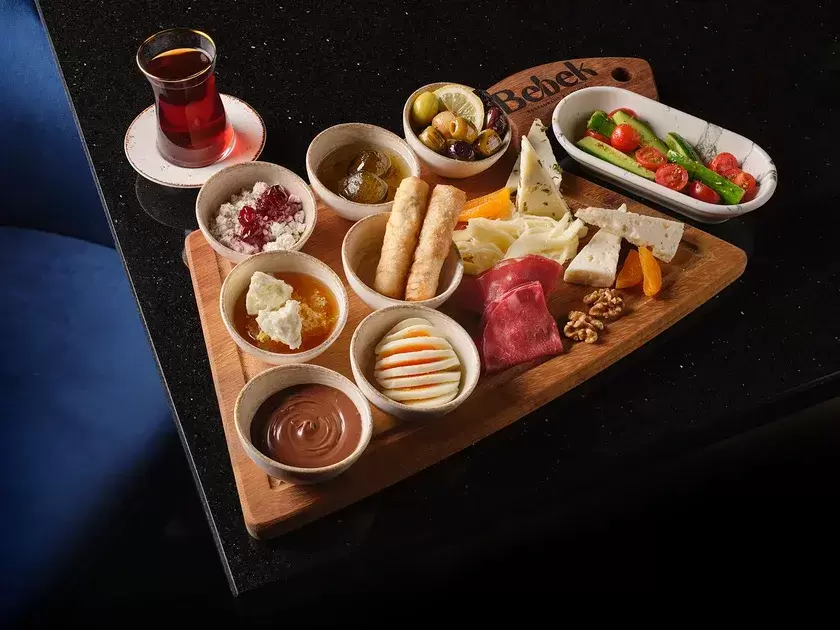
Meze is less of a starter course and more of a way of eating. Rather than one big appetizer, you order several small dishes and pass them around the table.
For a first visit, two or three of these will give you a good spread:
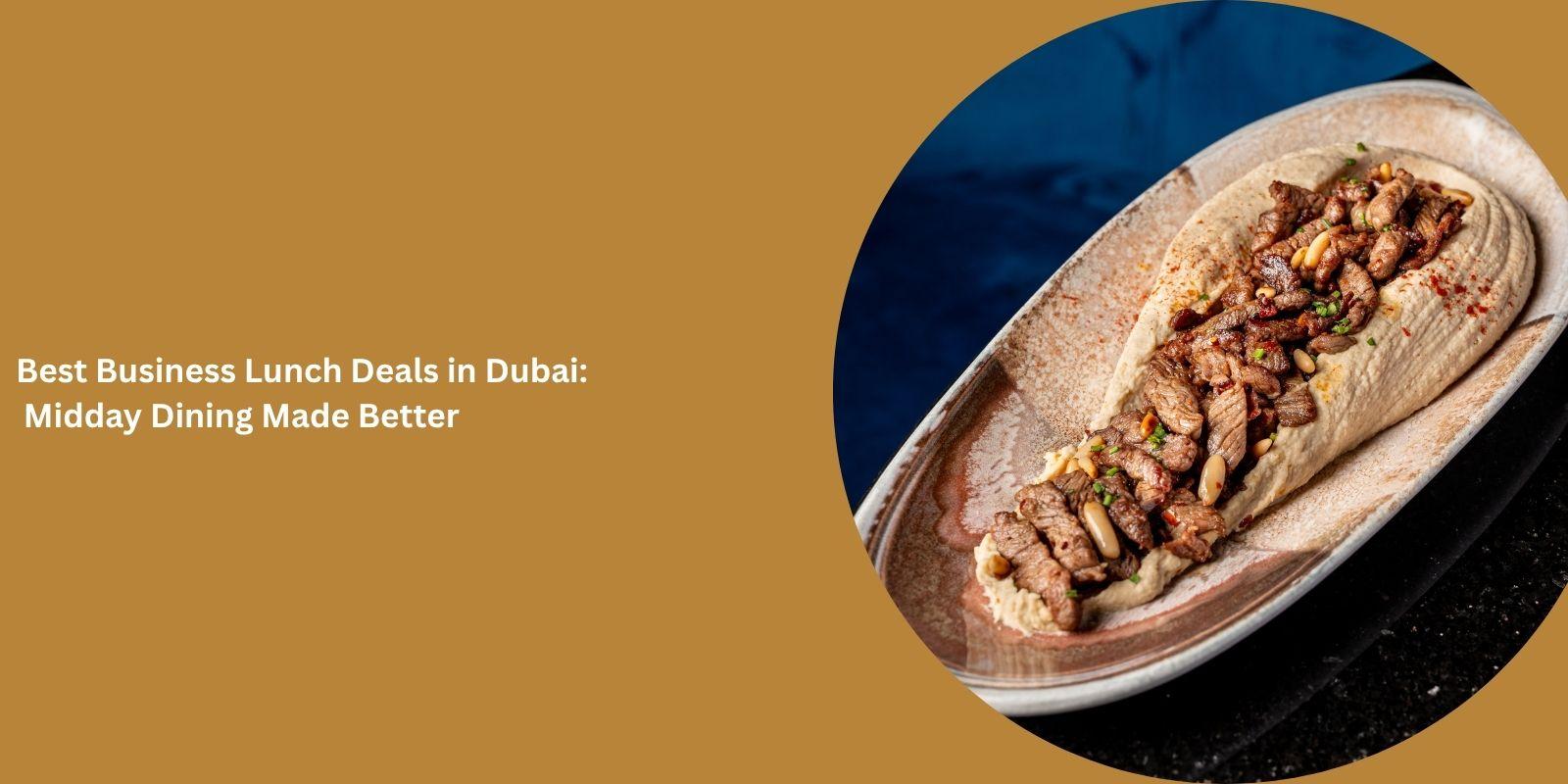
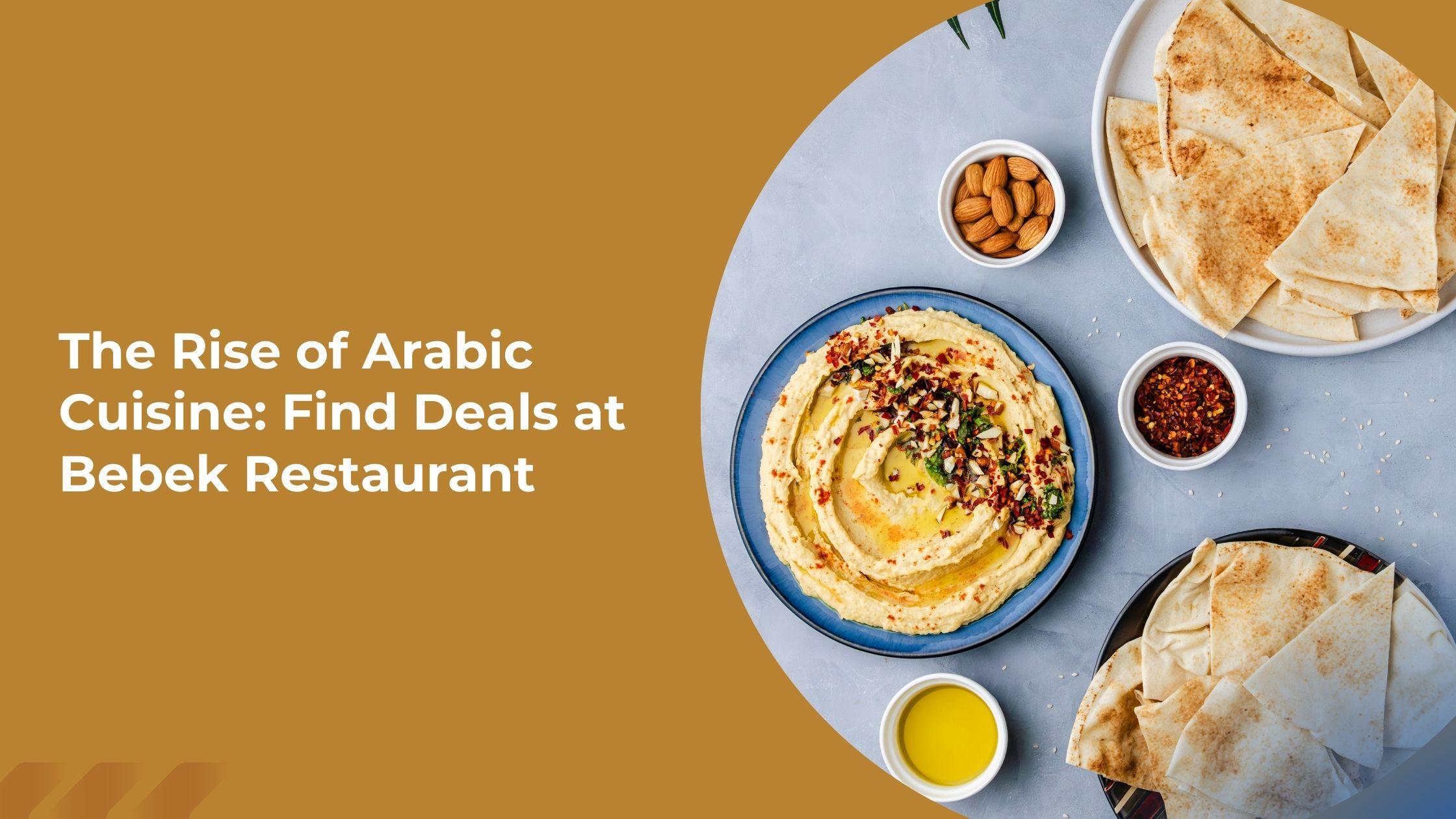
- Hummus: chickpeas, tahini, lemon, olive oil
- Haydari: thick strained yogurt with herbs and garlic
- Muhammara: Red pepper and walnut spread
- Patlican ezmesi: Smoky roasted eggplant dip
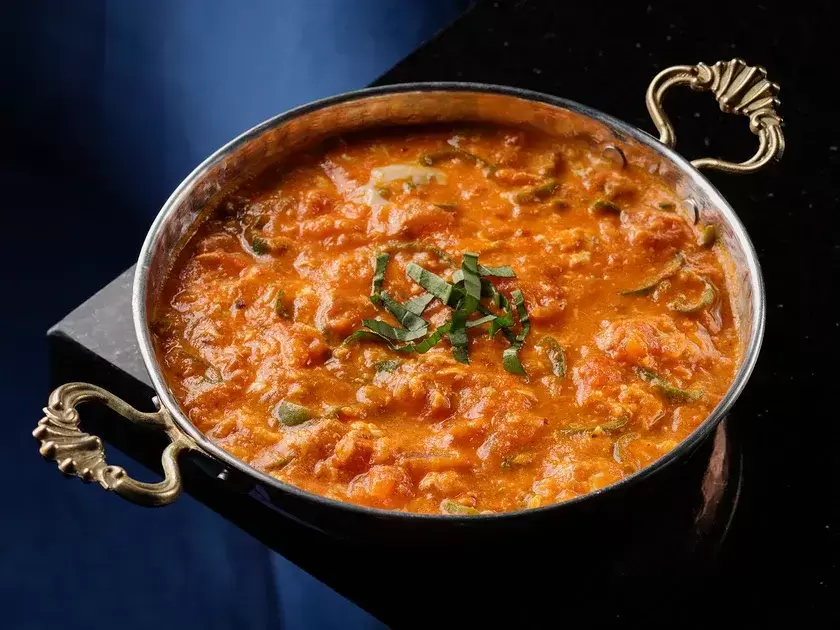
- Saksuka: Vegetables cooked down with tomato and garlic
Bebek's meze selection is built for sharing, so order warm bread alongside it and dip freely. This is where a lot of the flavor foundation of Turkish cooking shows up.
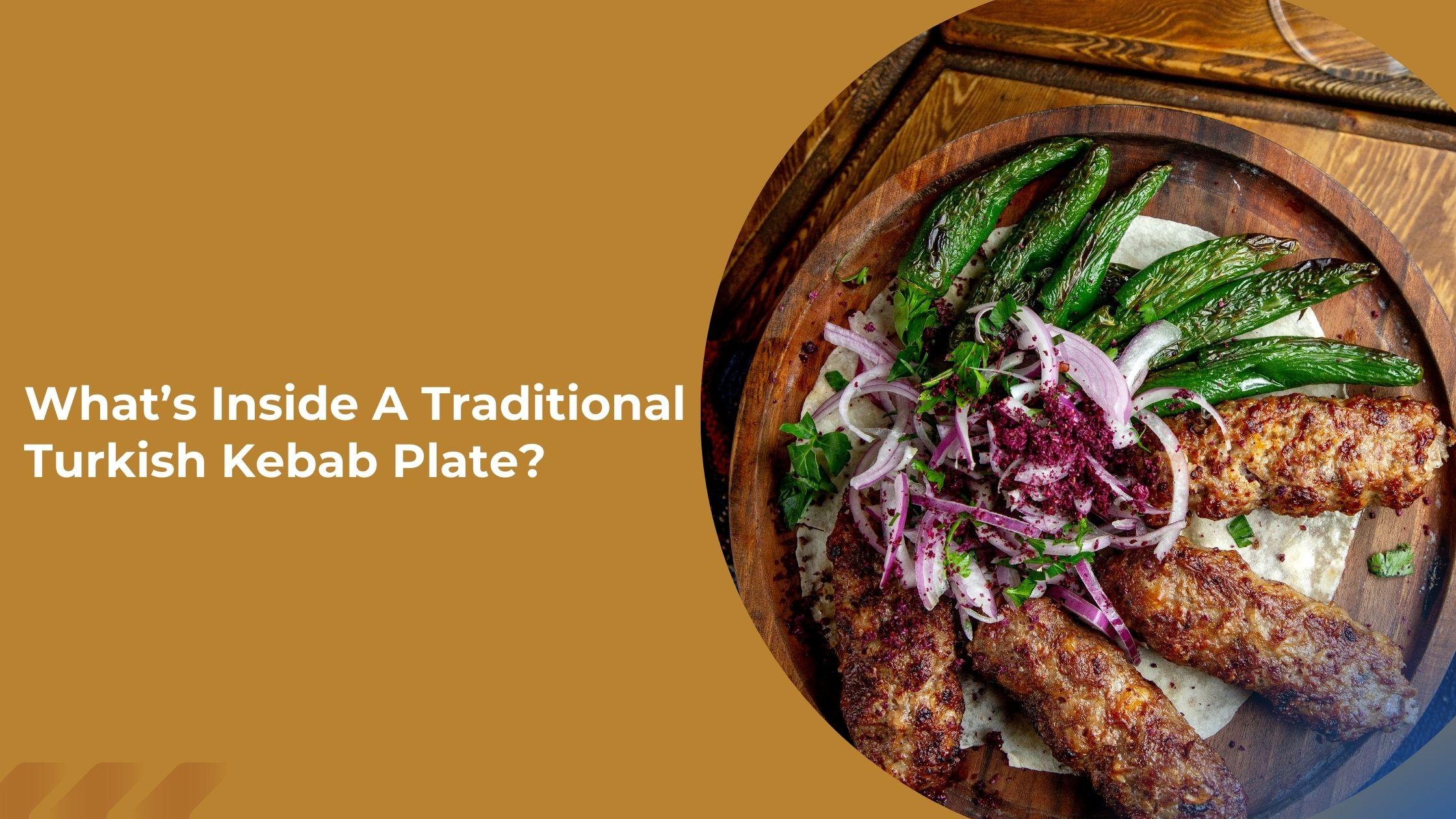
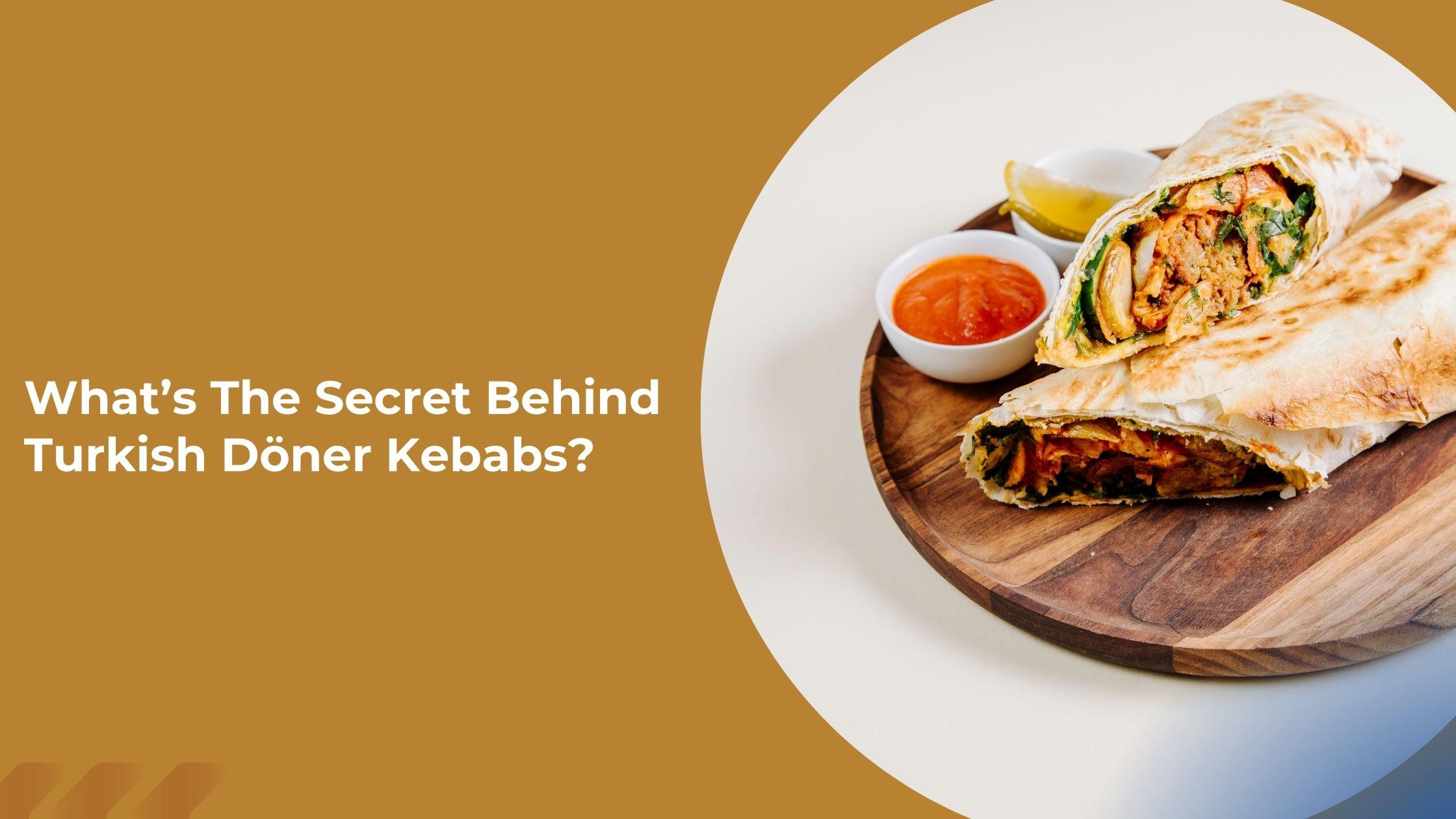
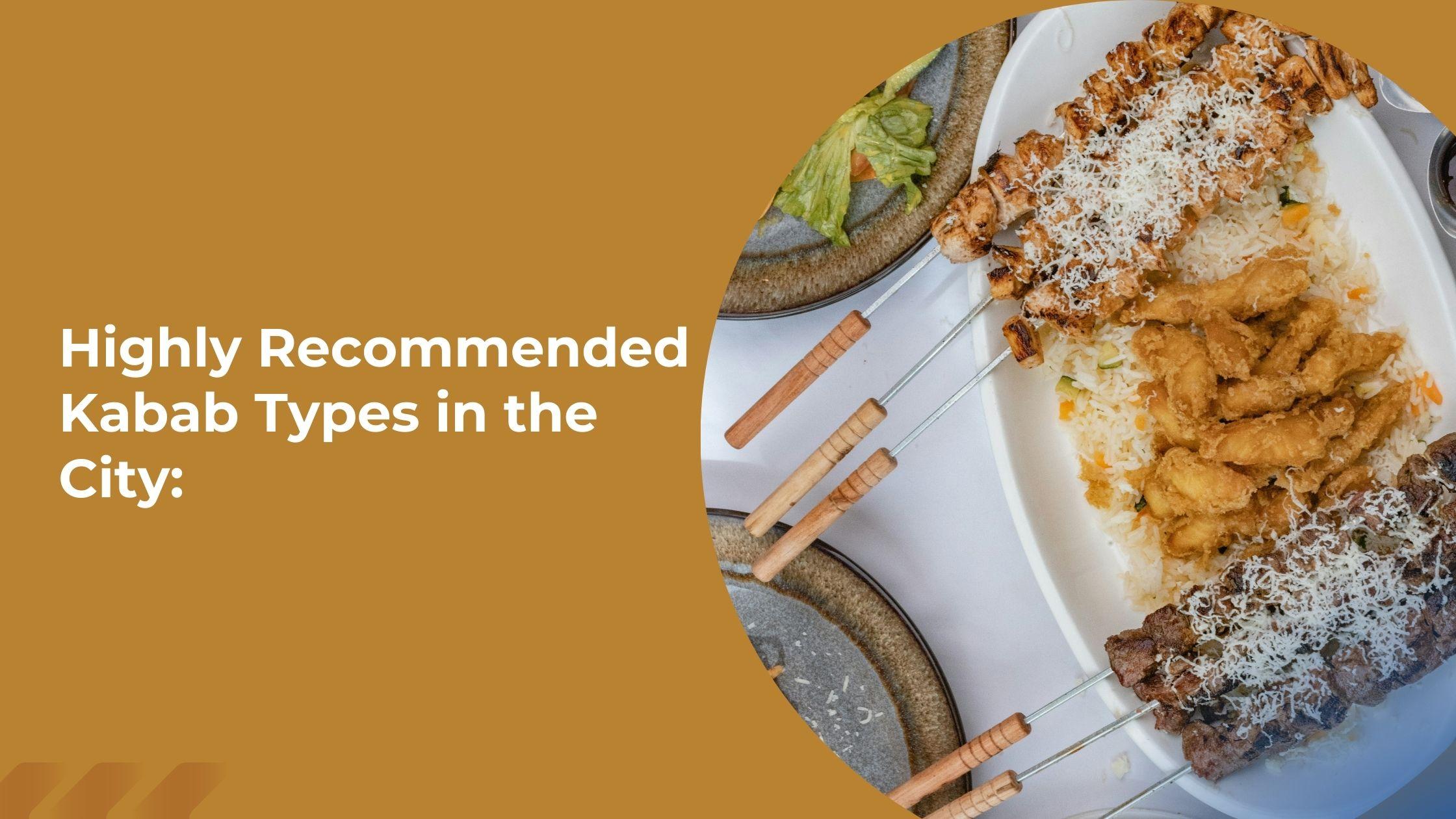
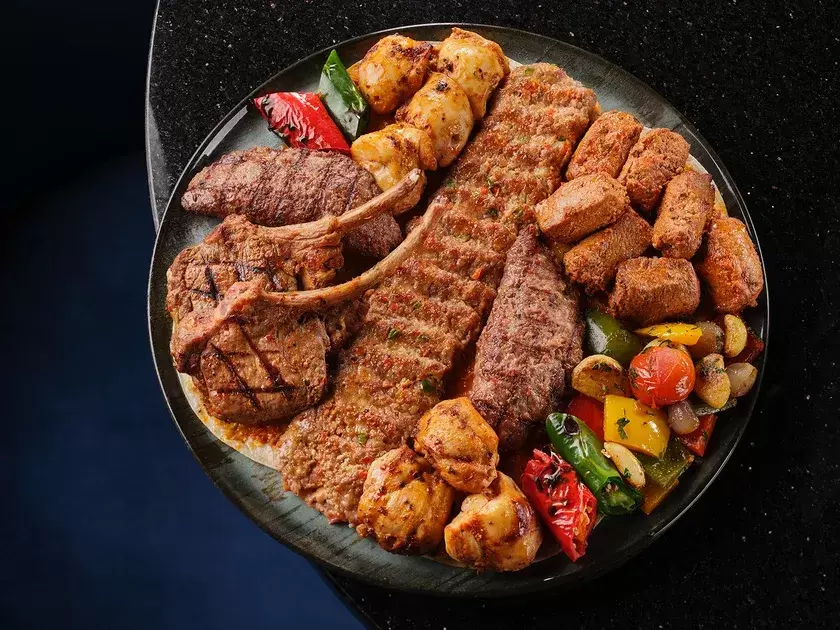
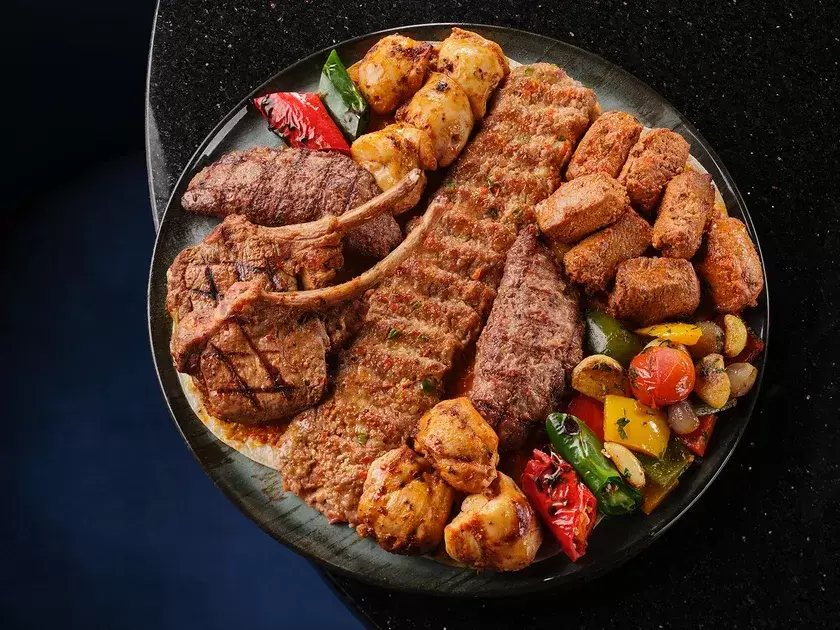
2. Order an Actual Kebab (Not Just "Kebab")
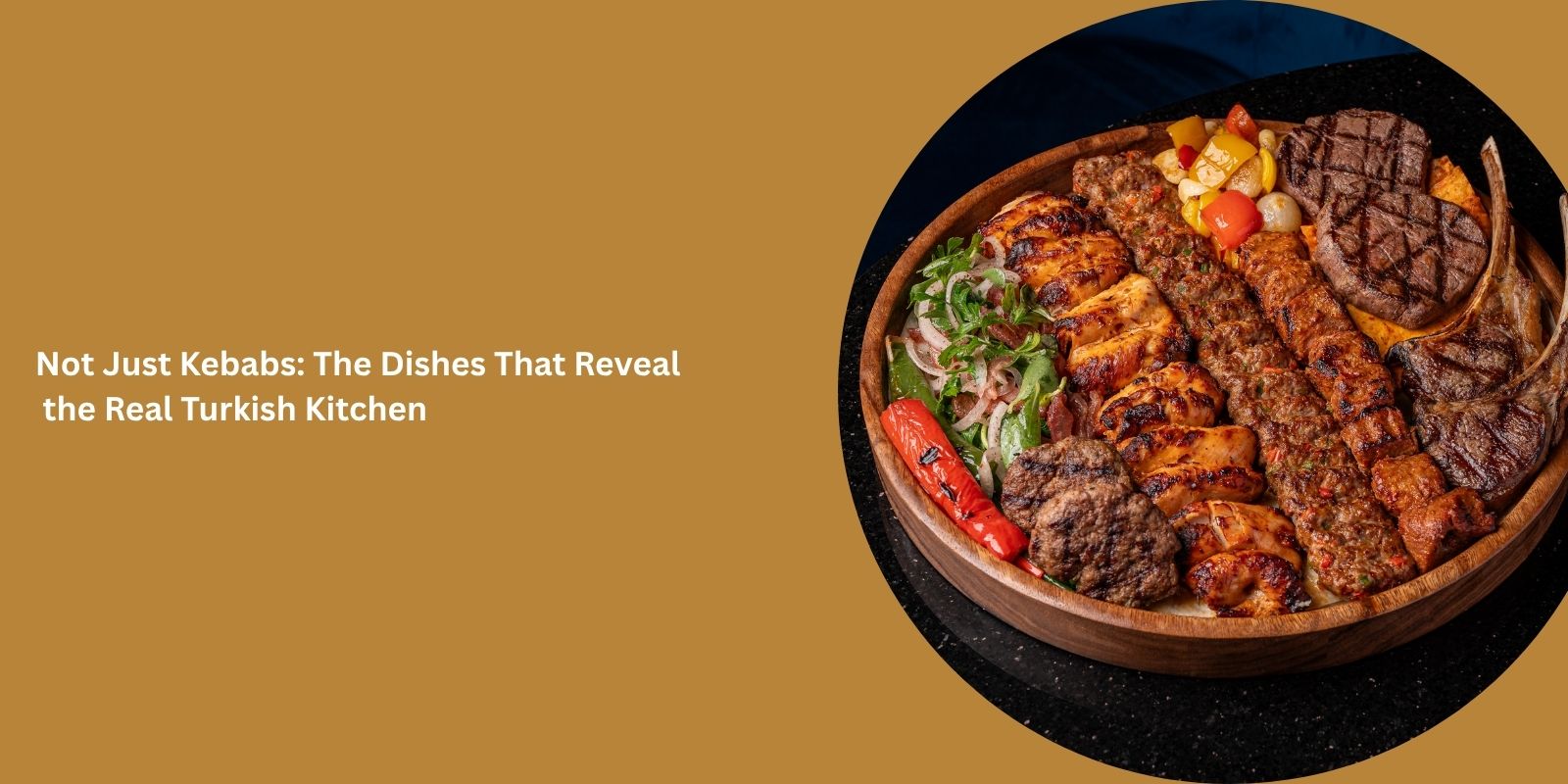
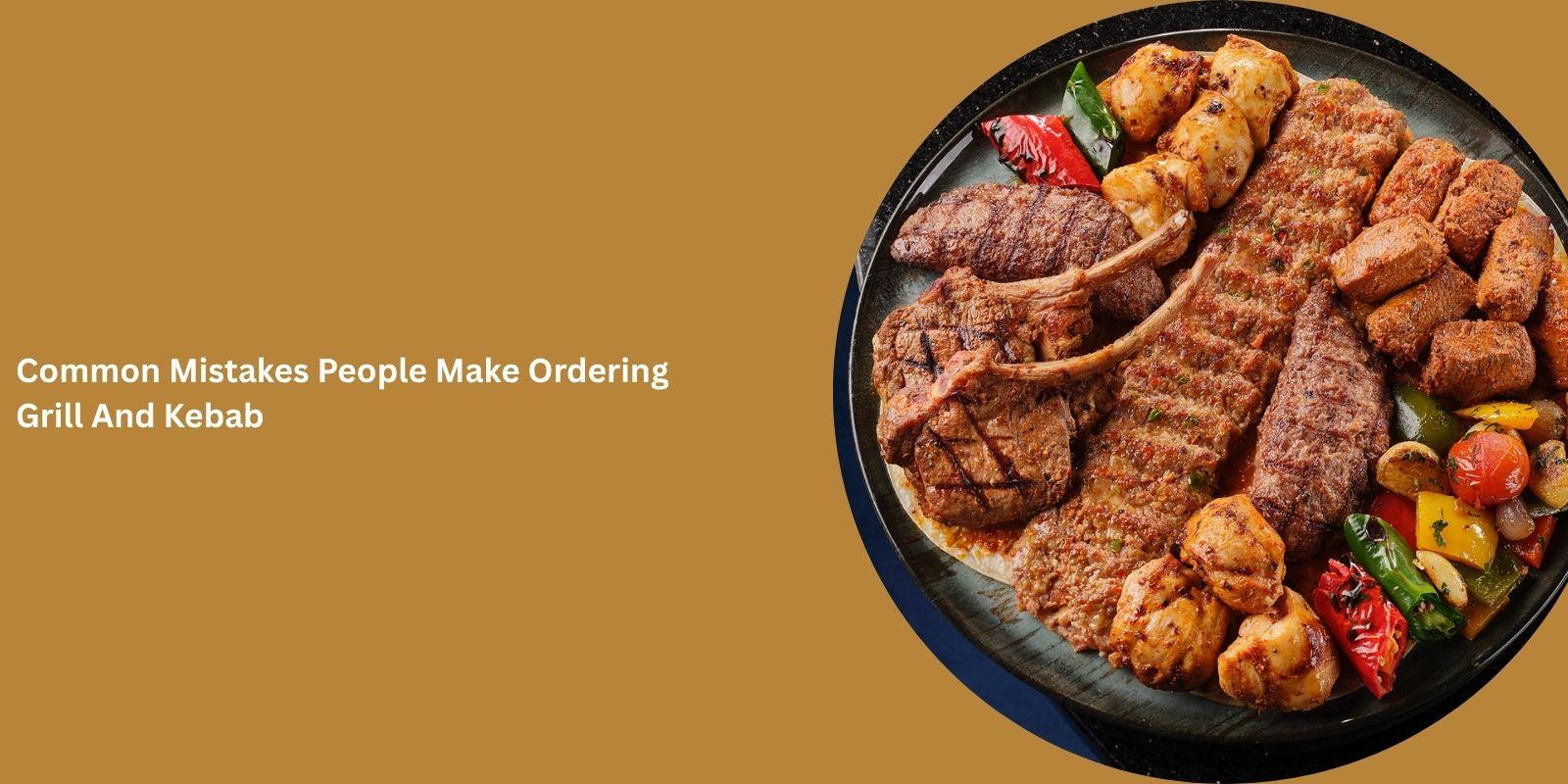
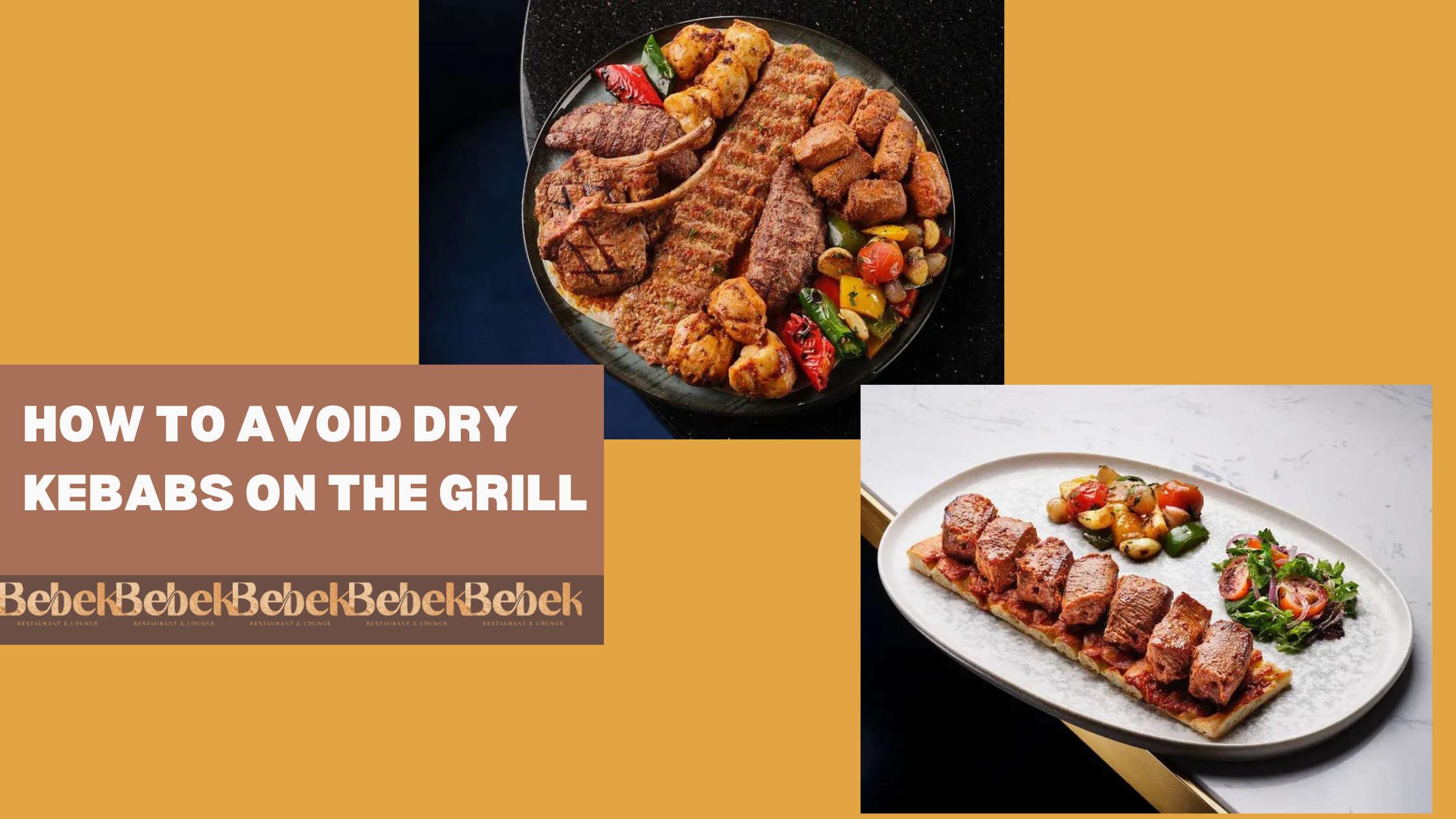
"Kebab" in Turkey isn't one dish, it's a whole category. Here's how to tell them apart.
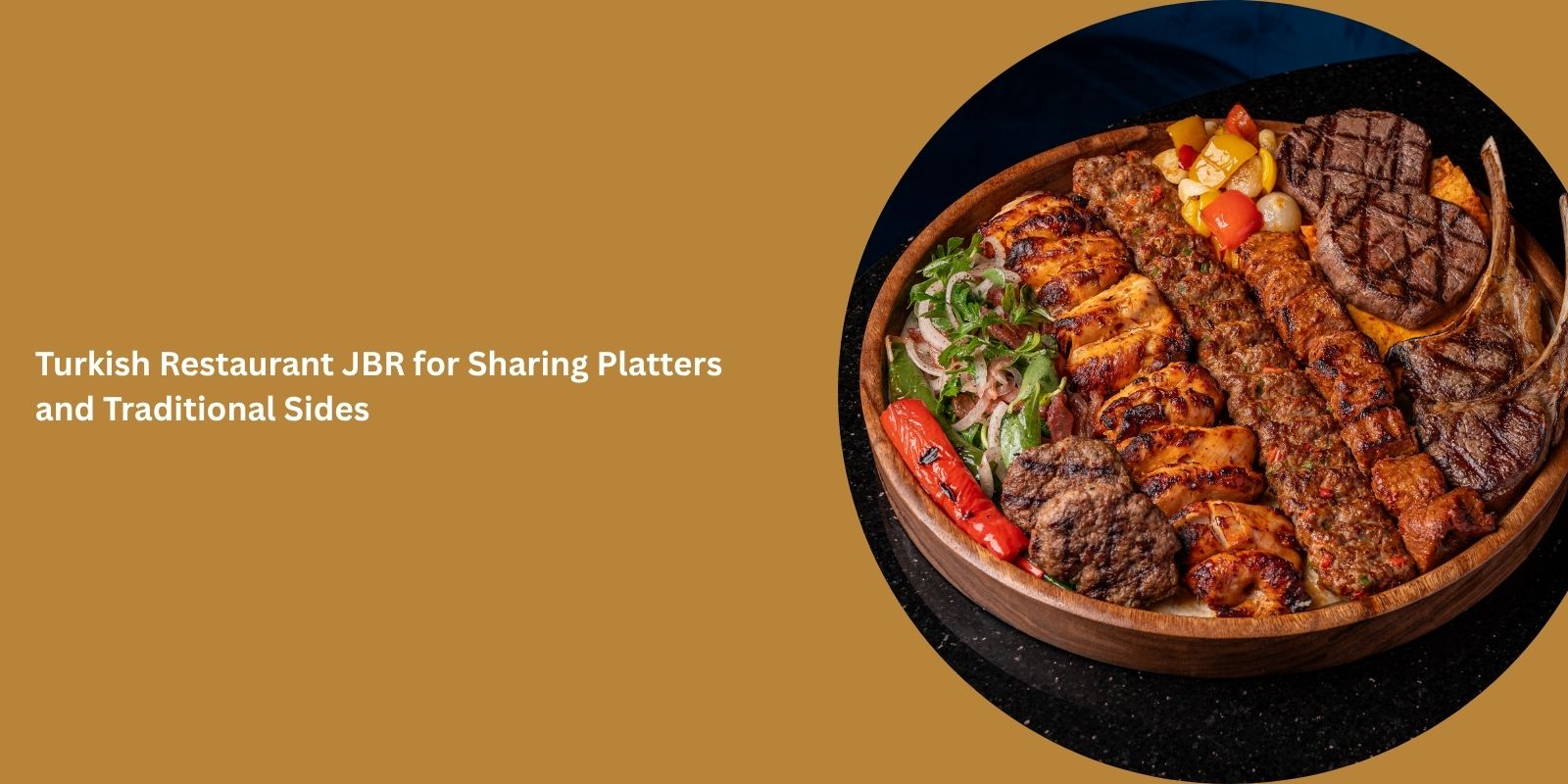
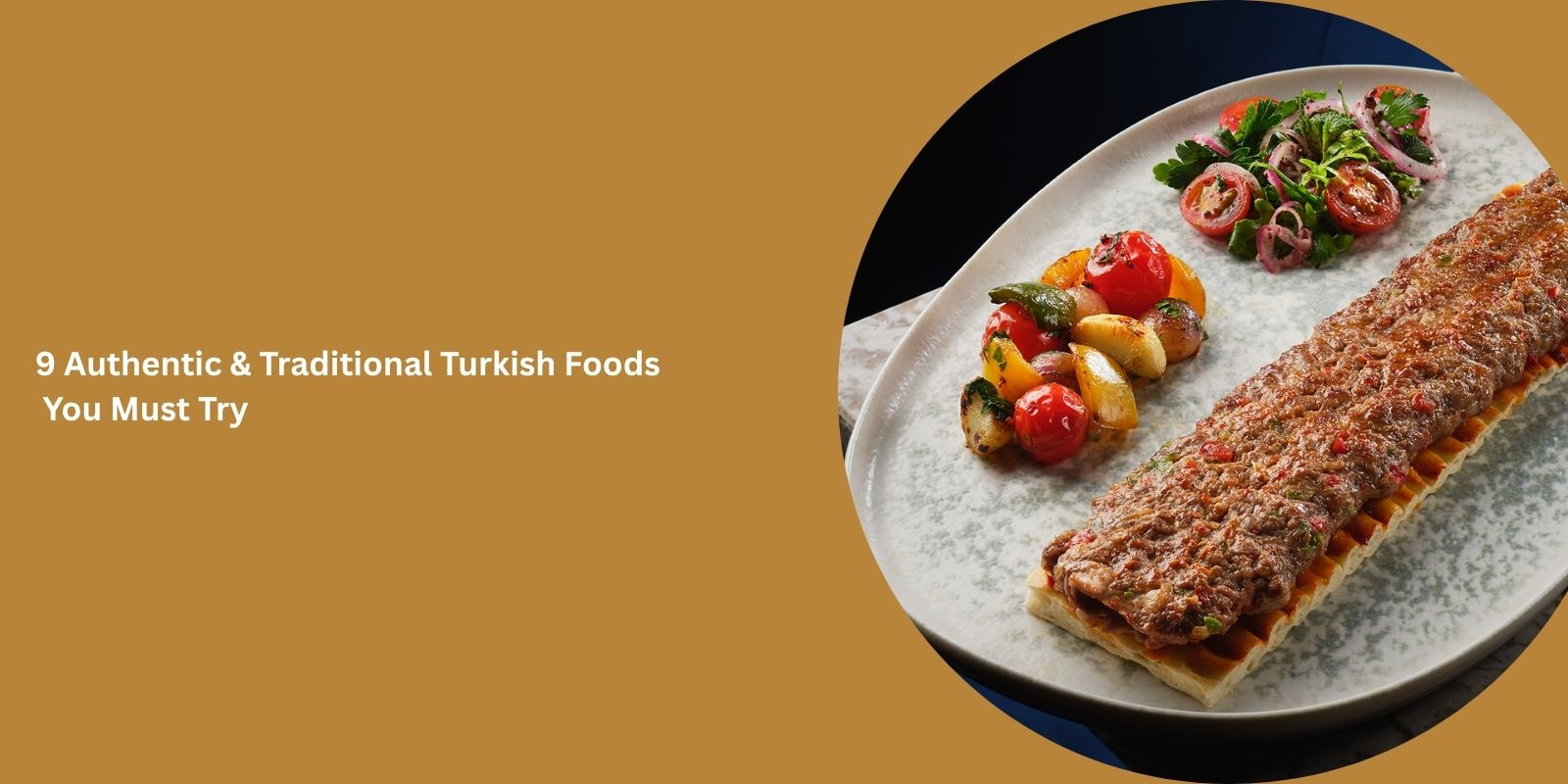
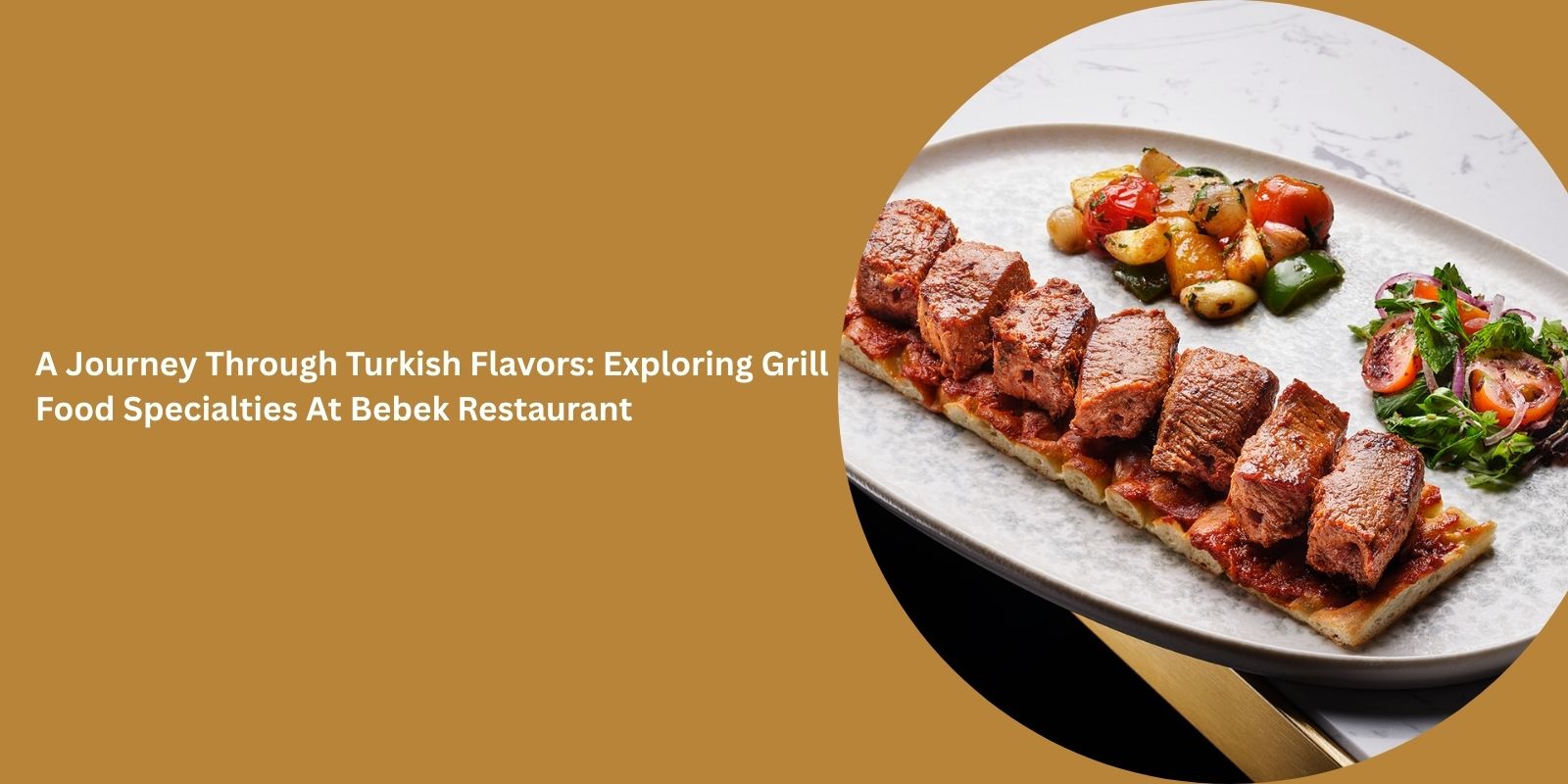
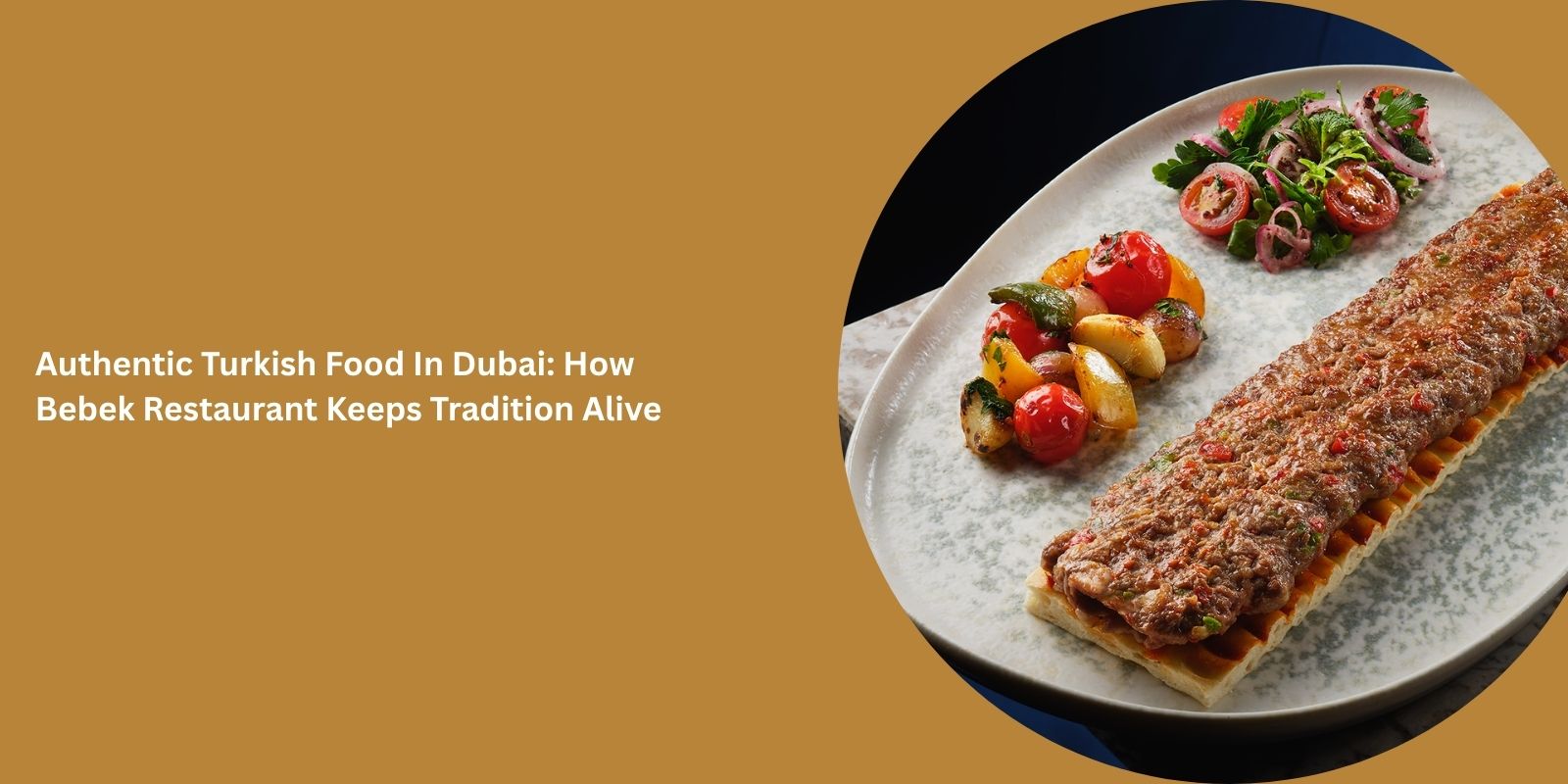
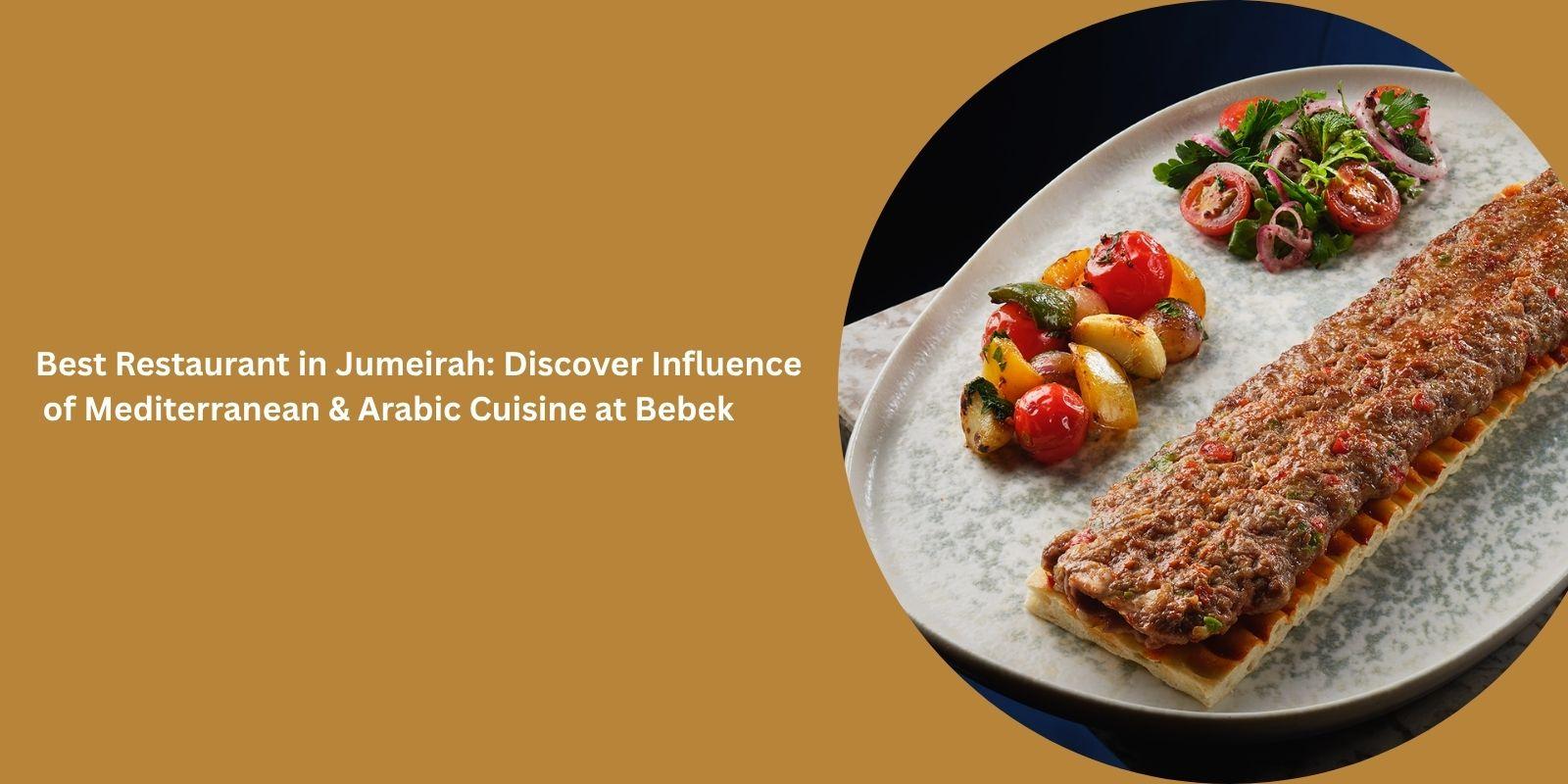
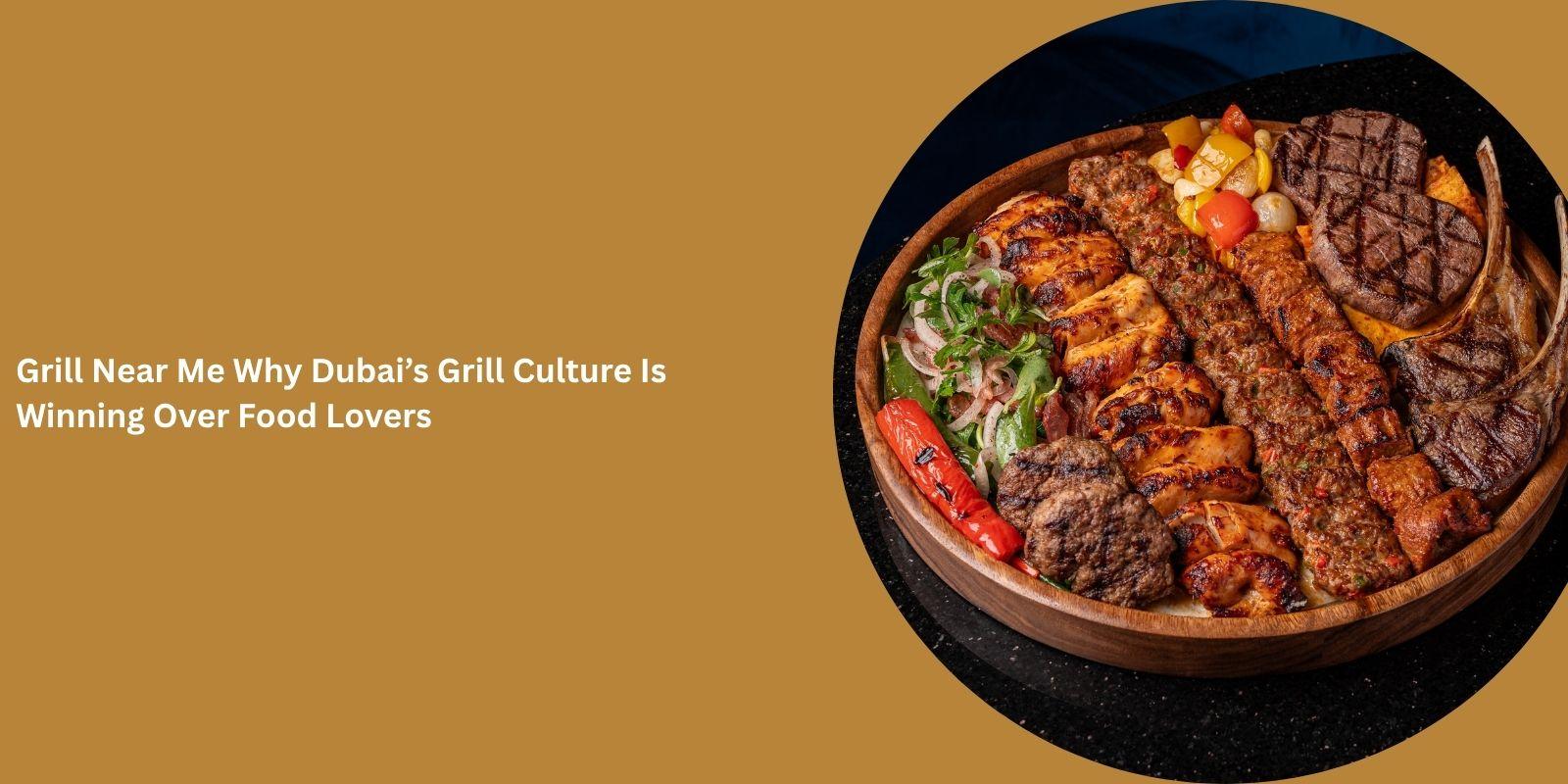
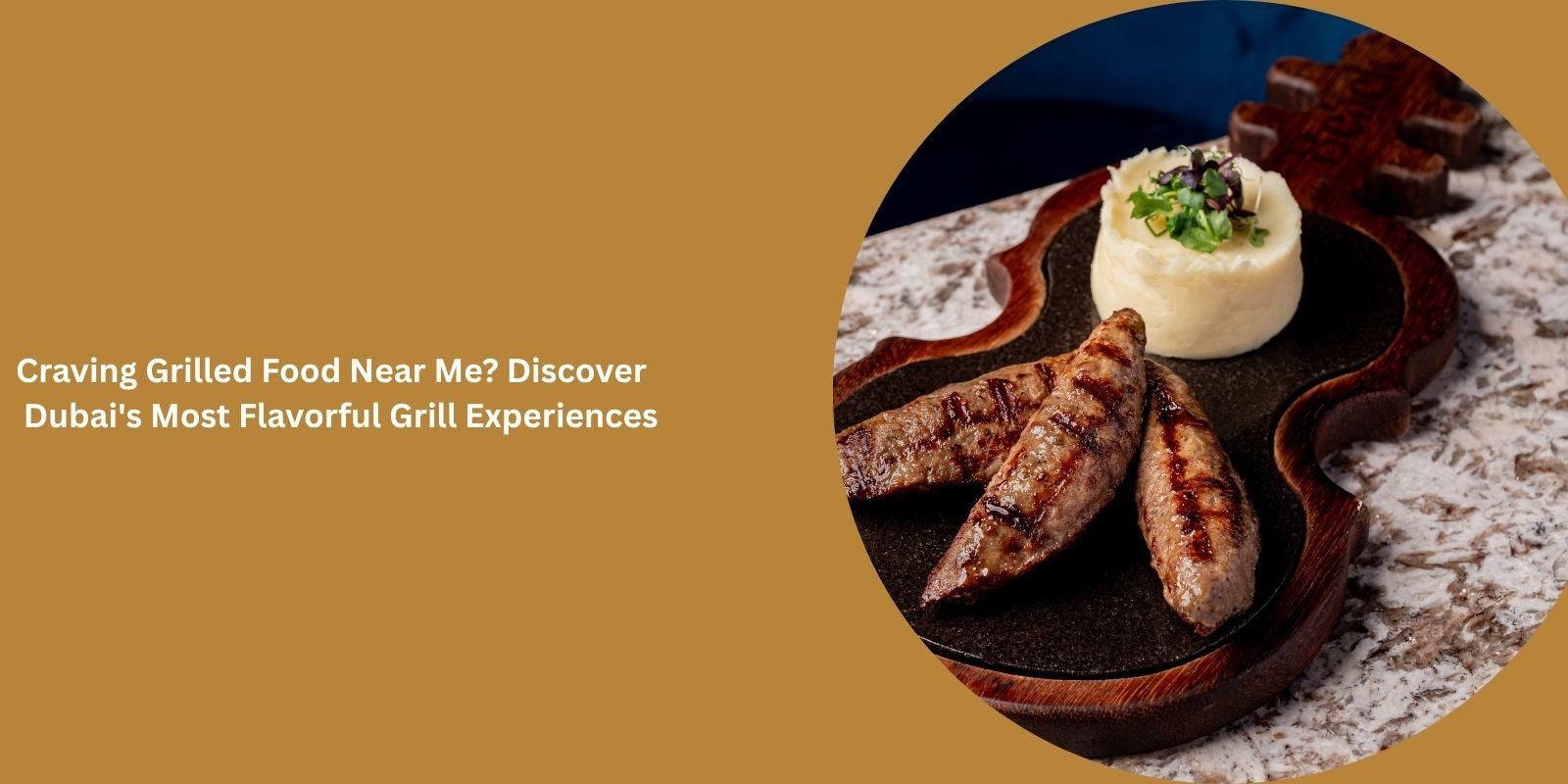
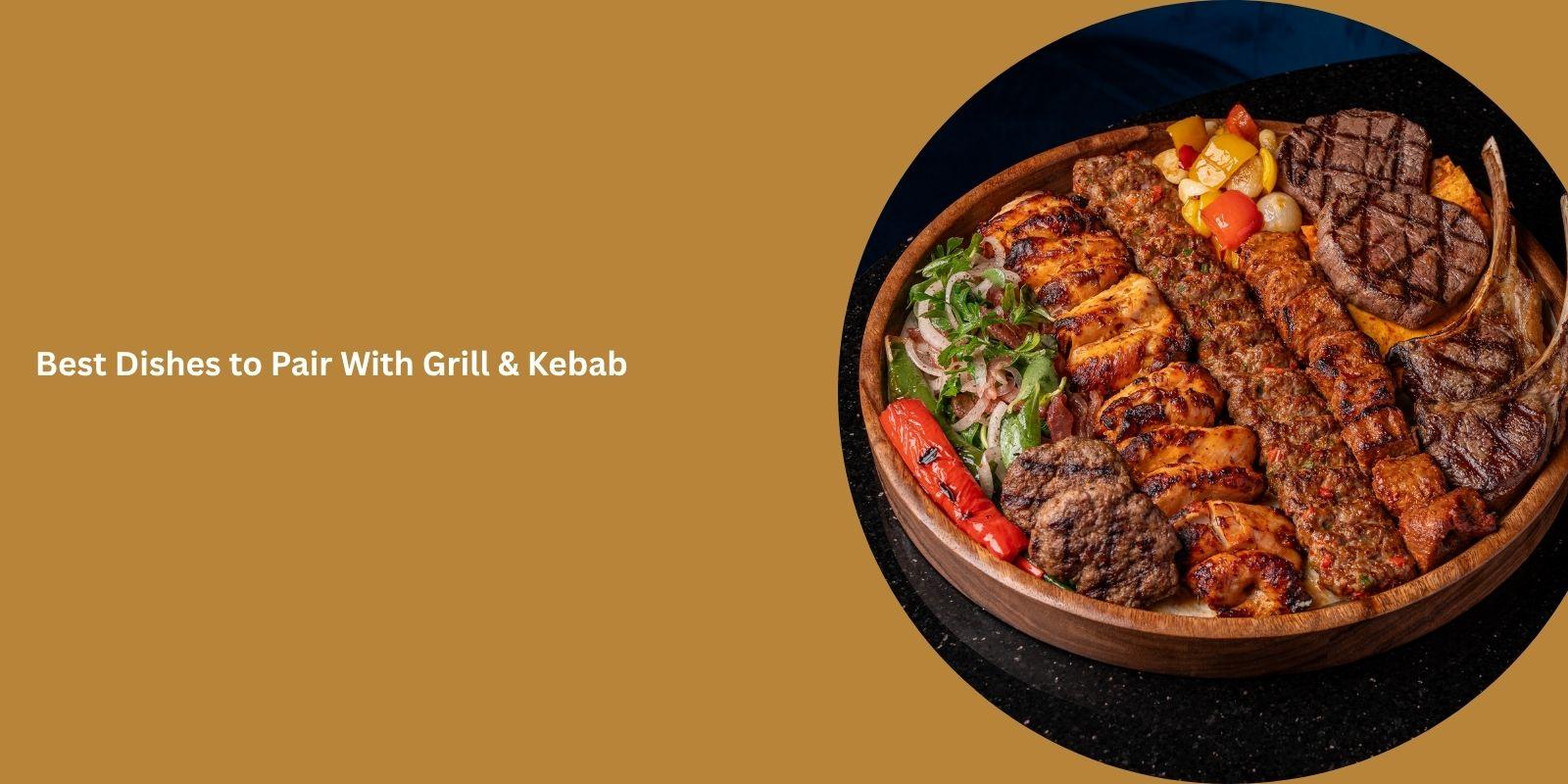
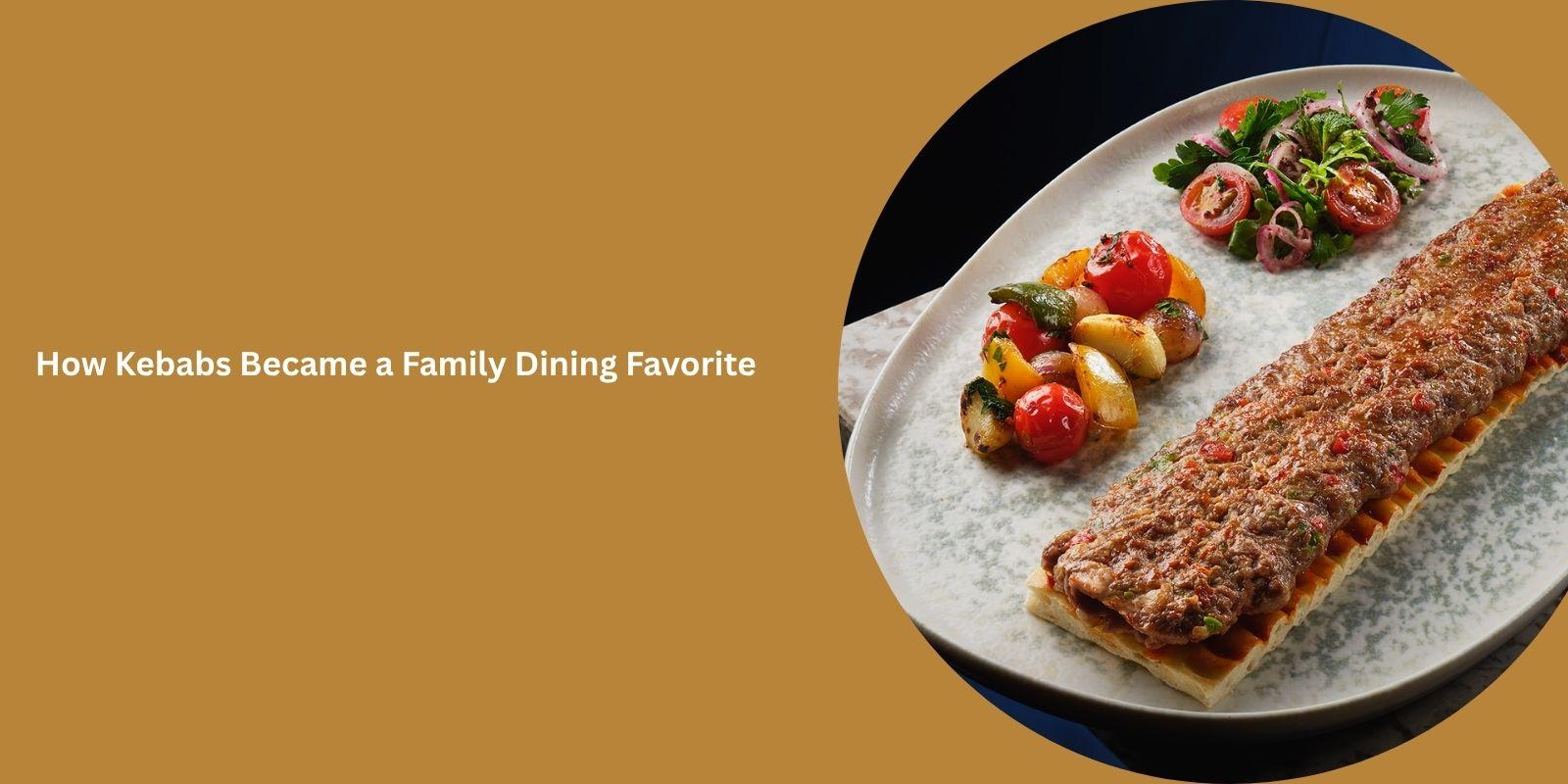
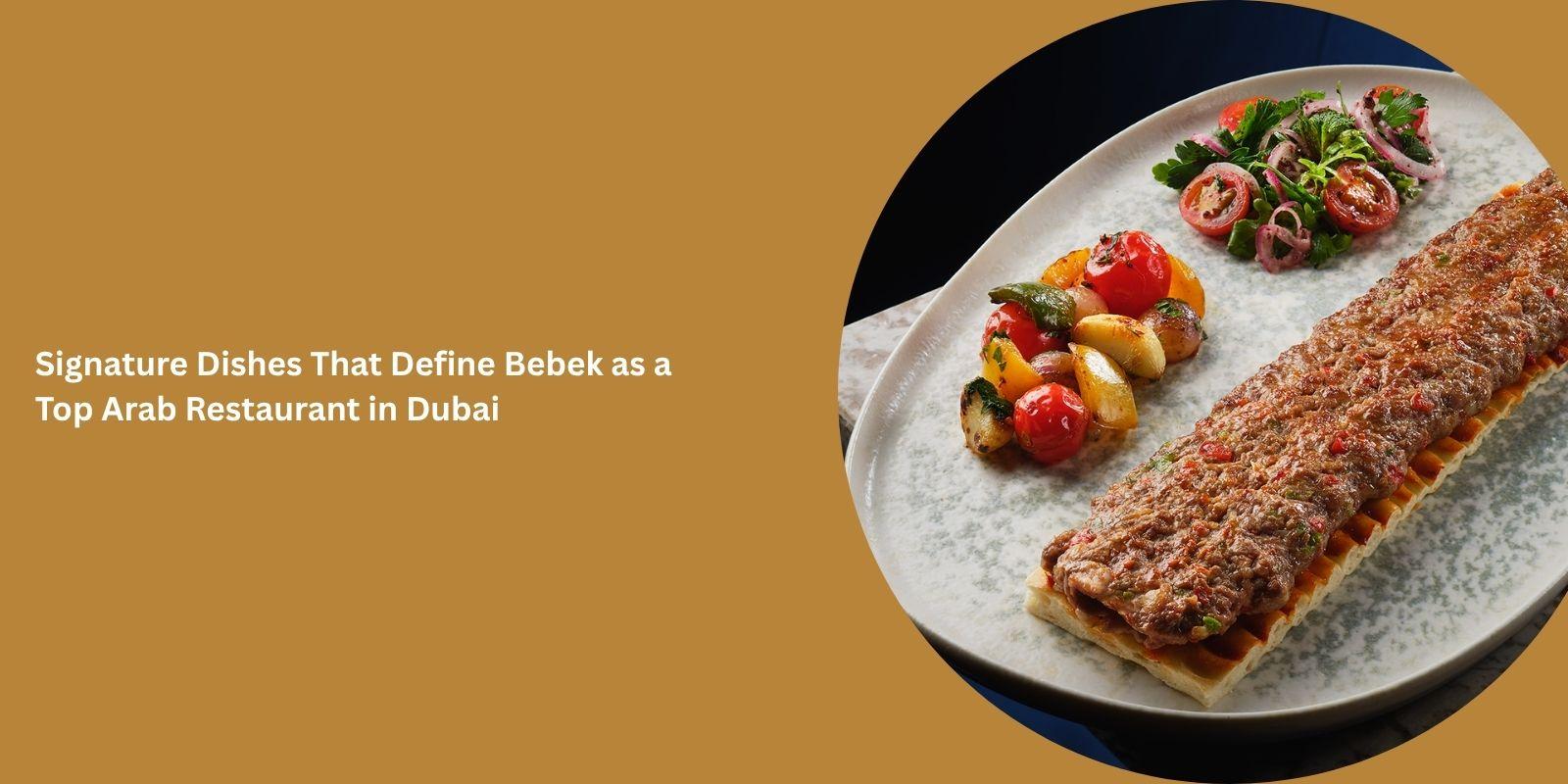
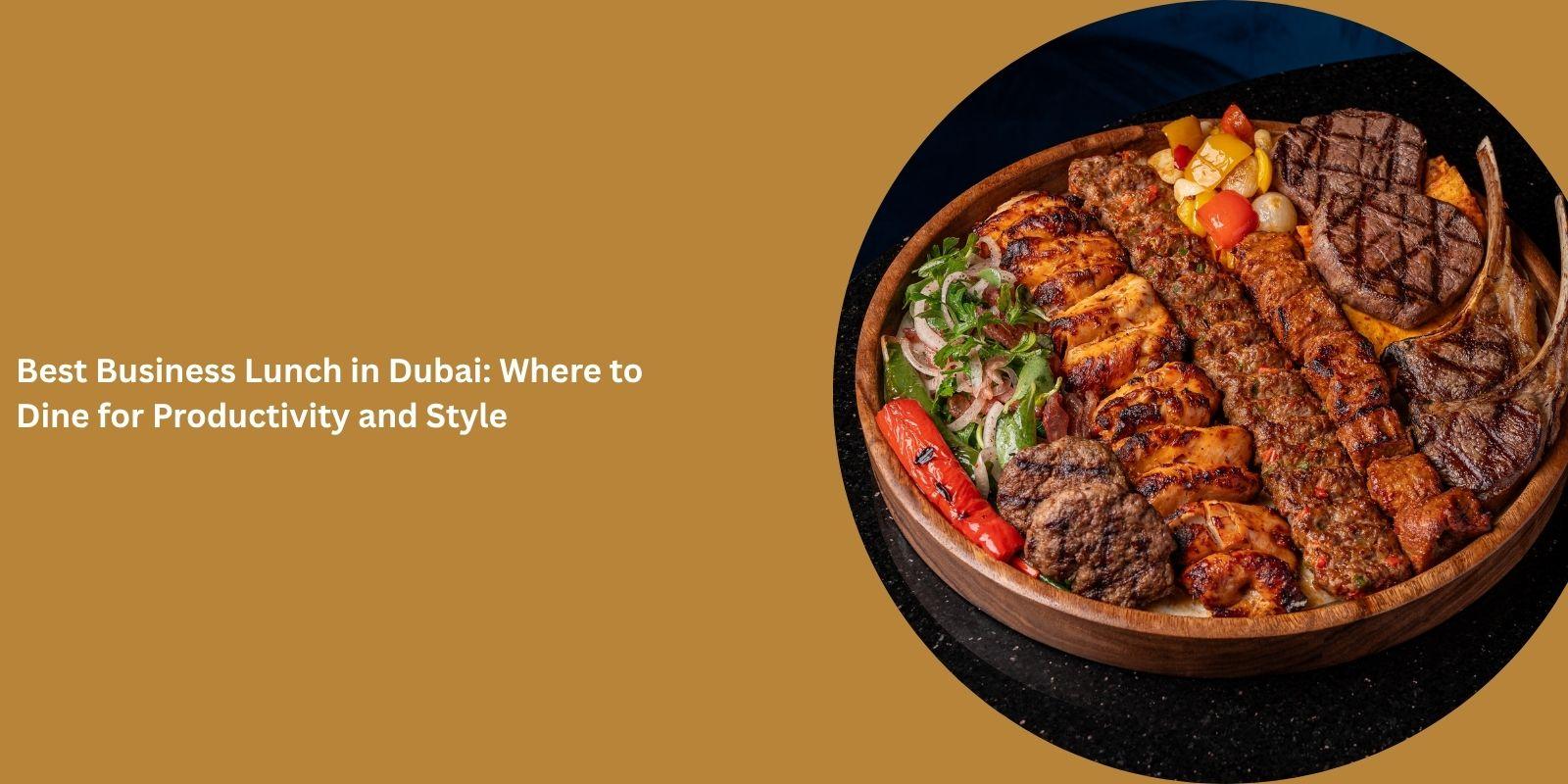
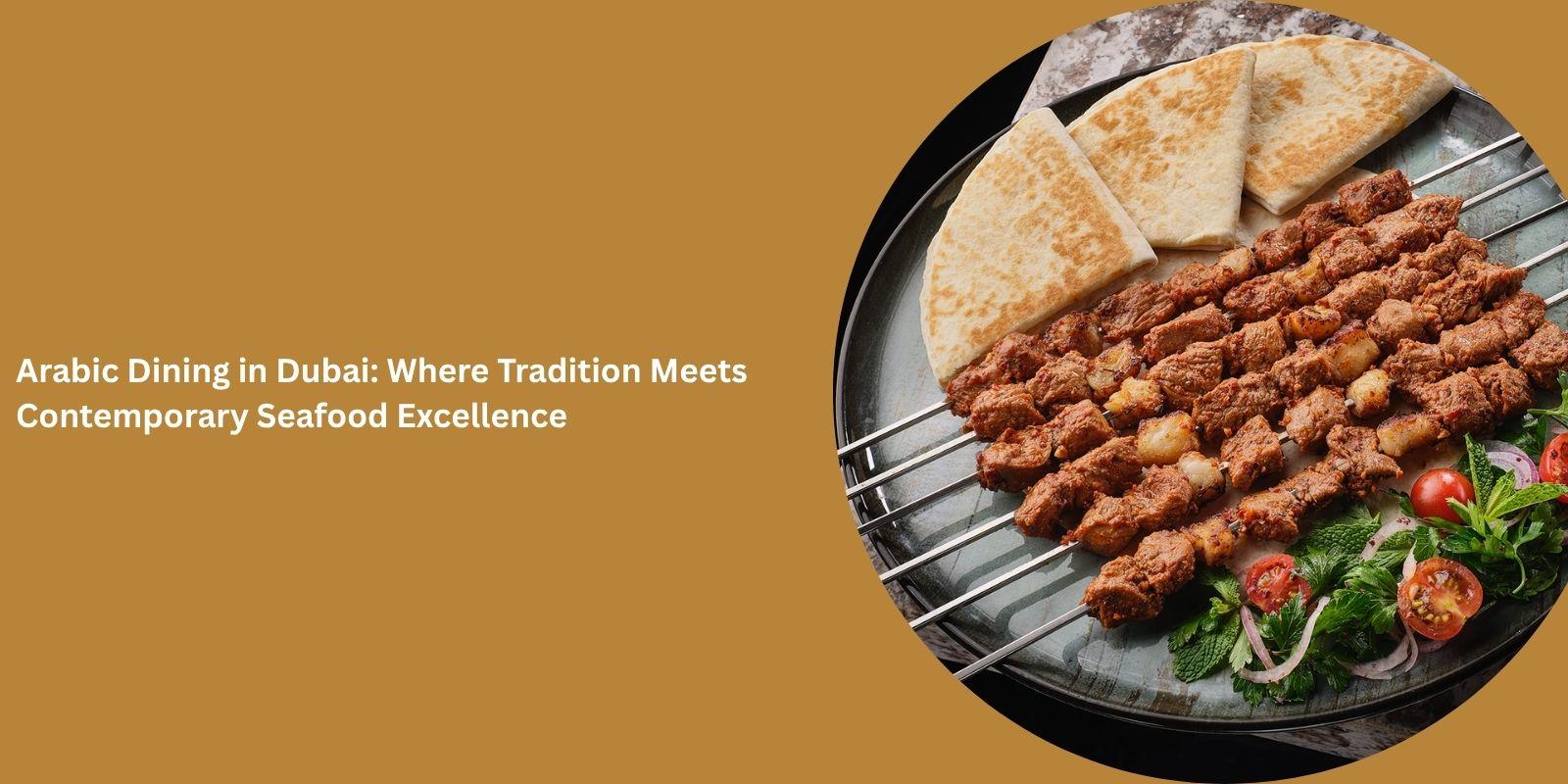
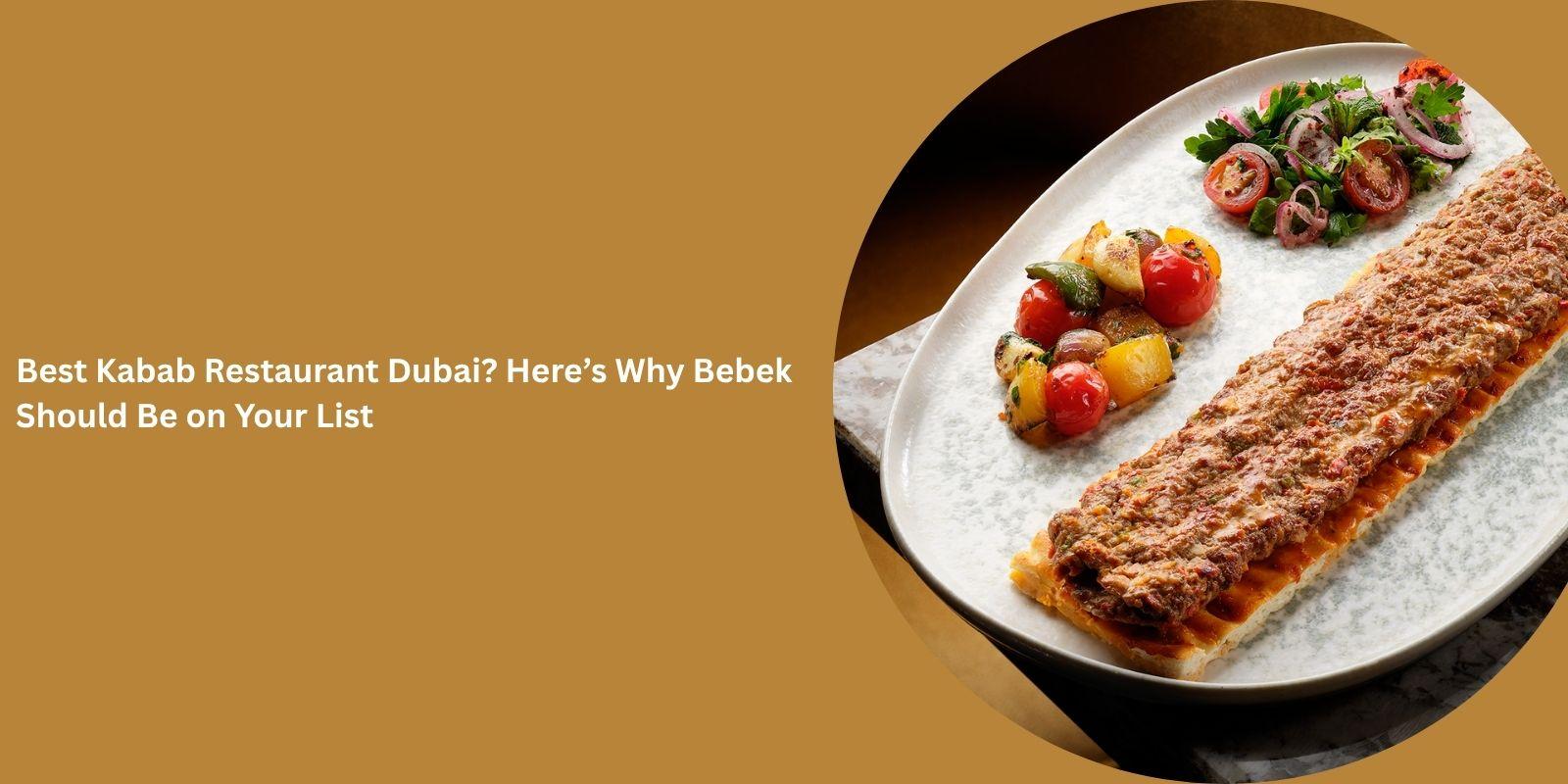
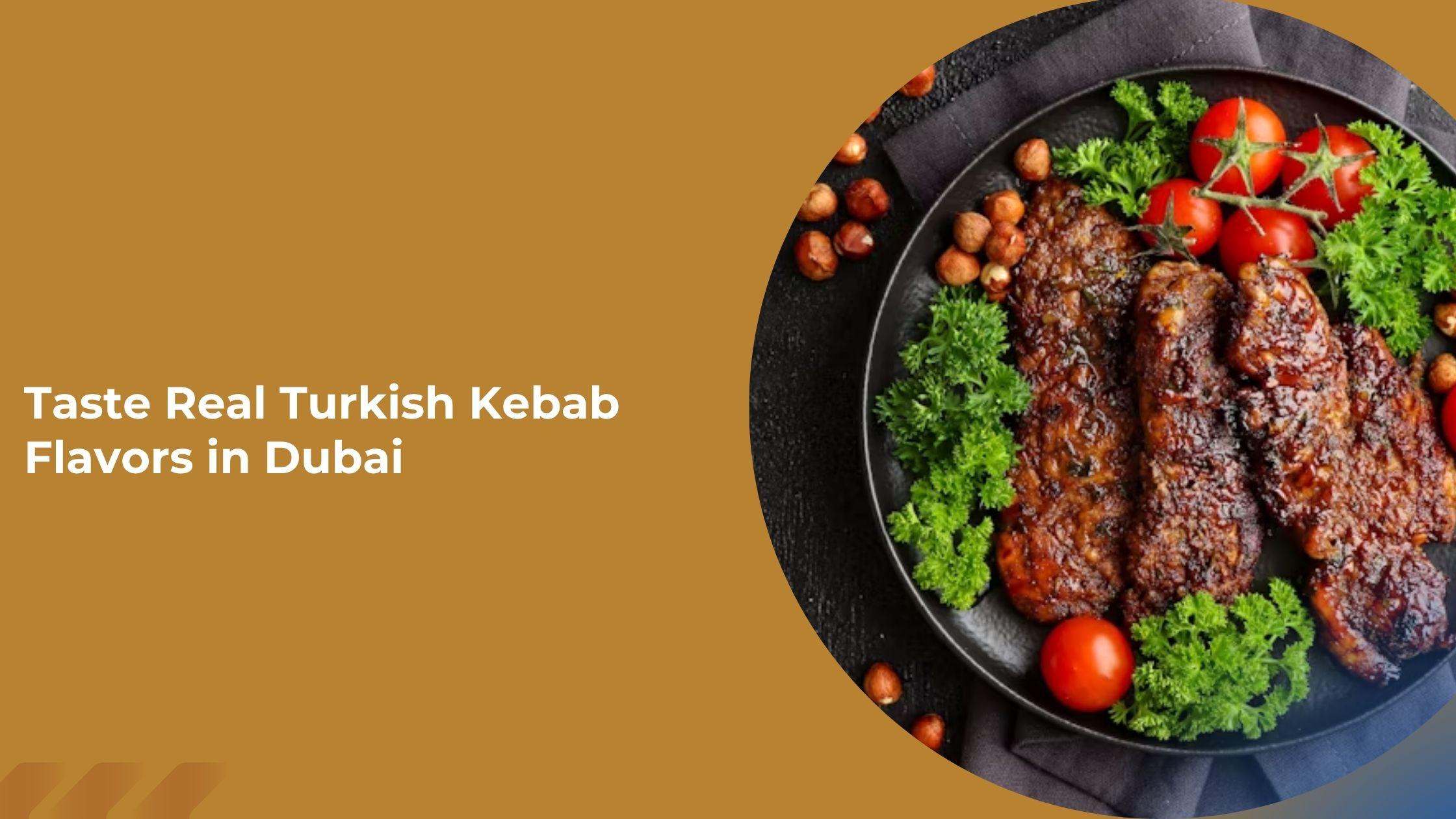
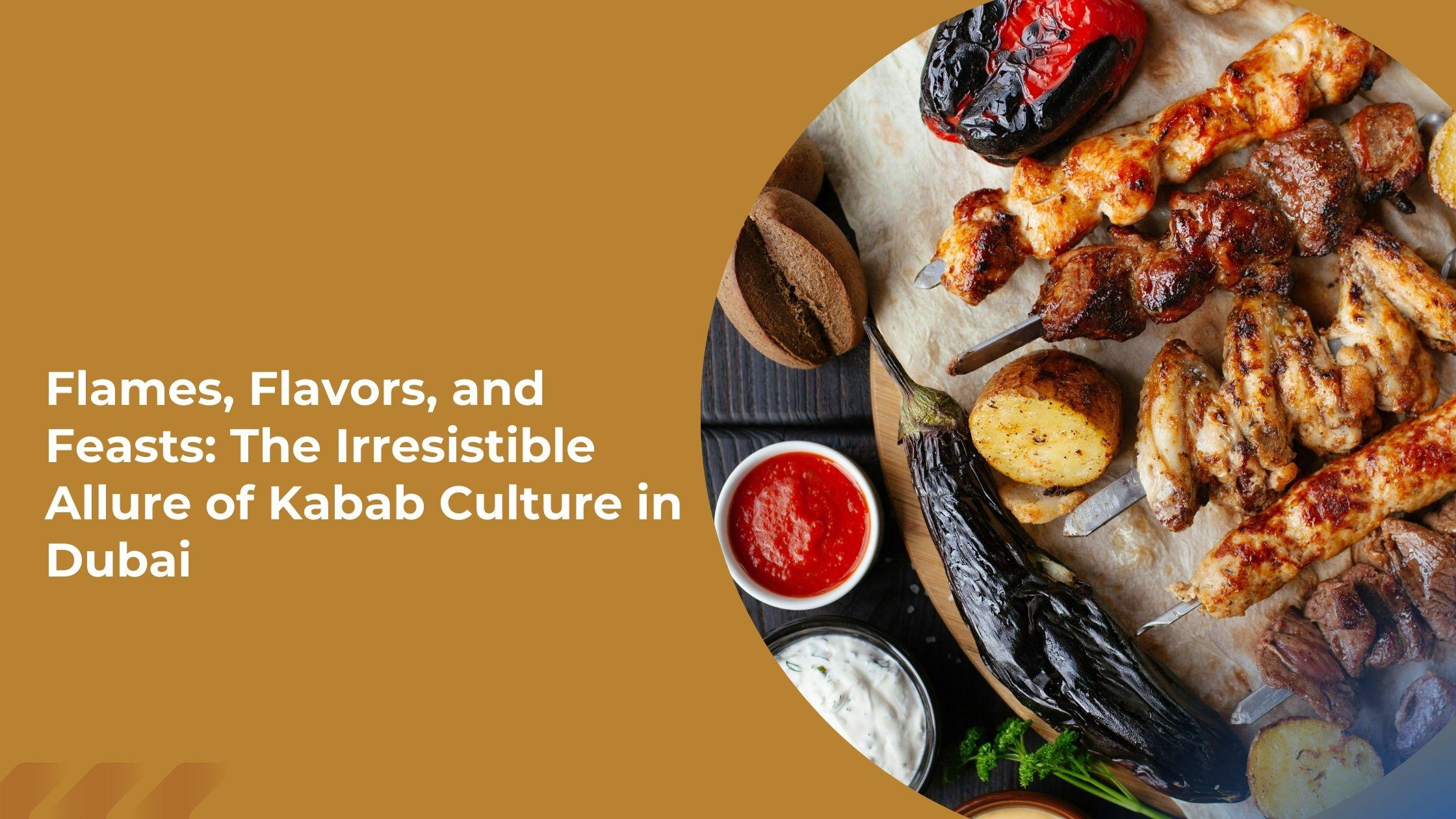
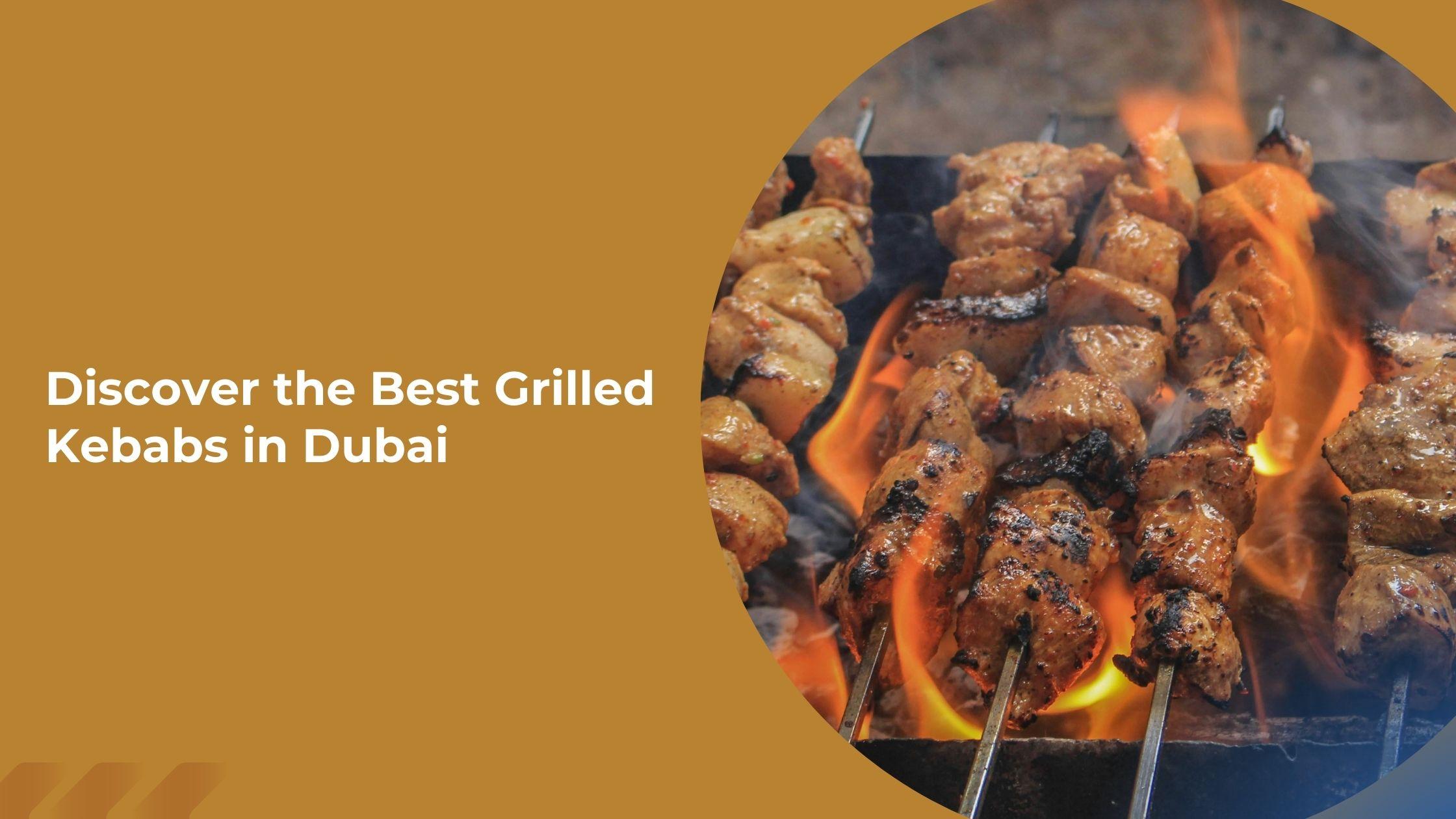
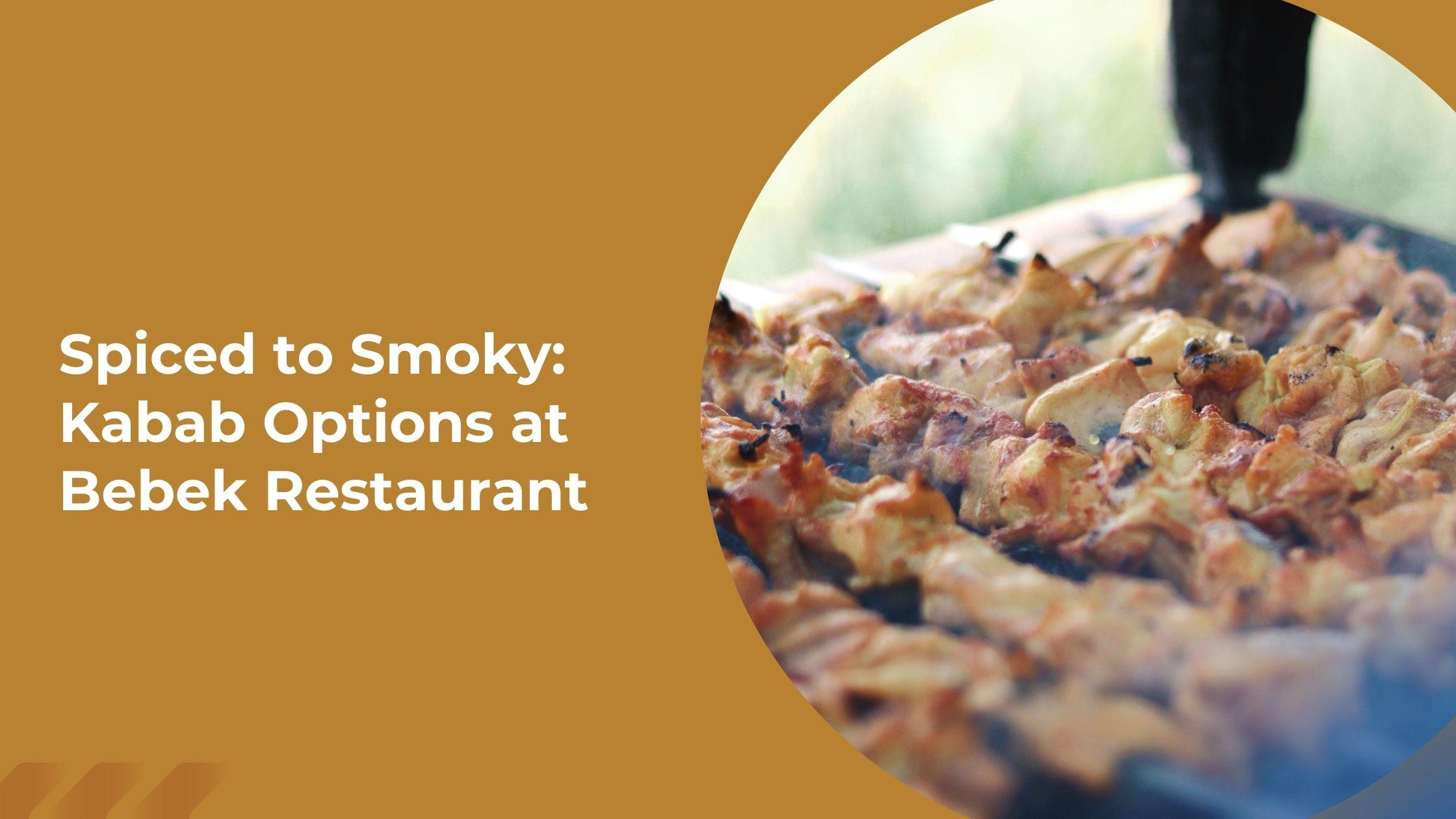
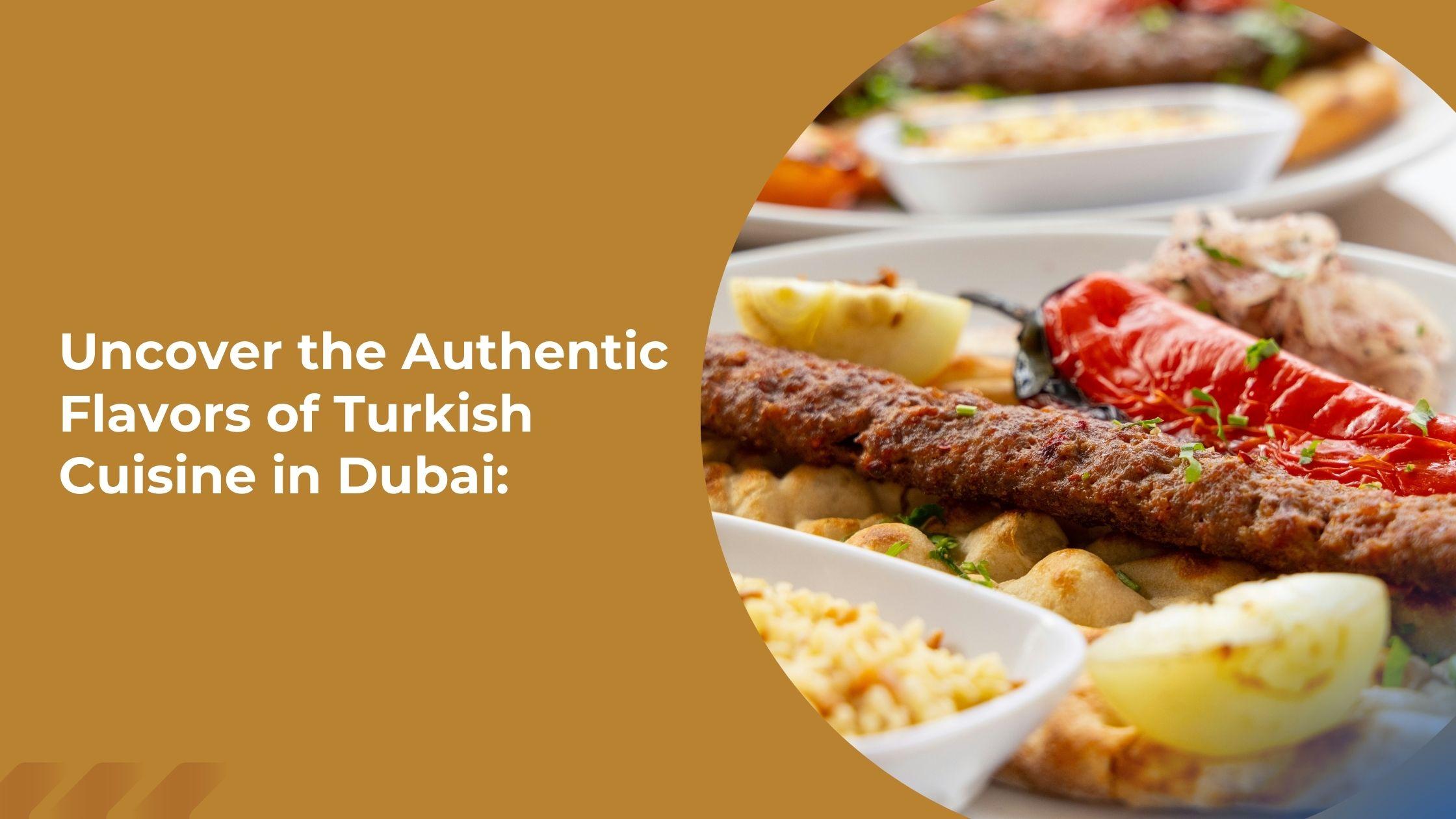
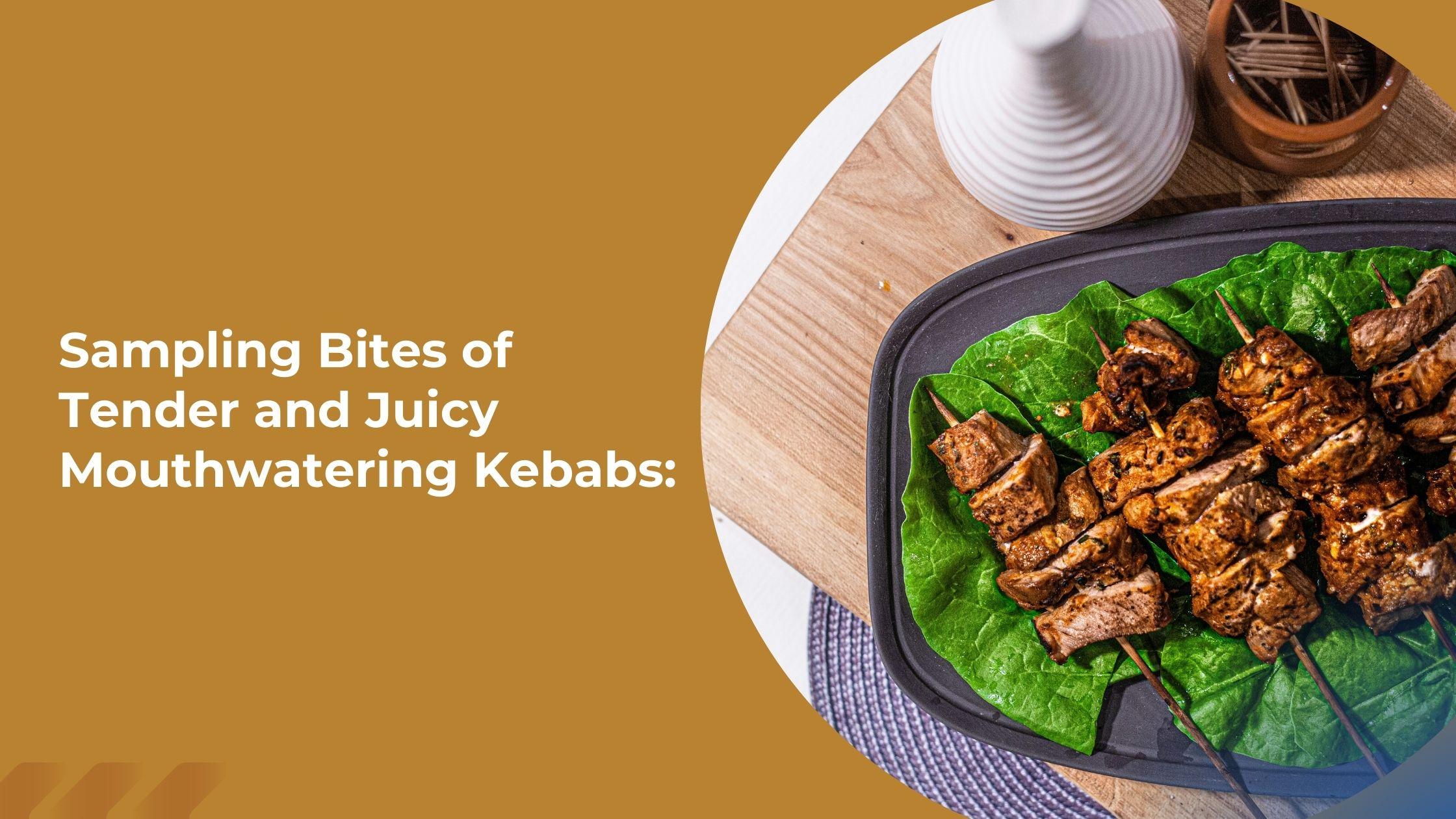
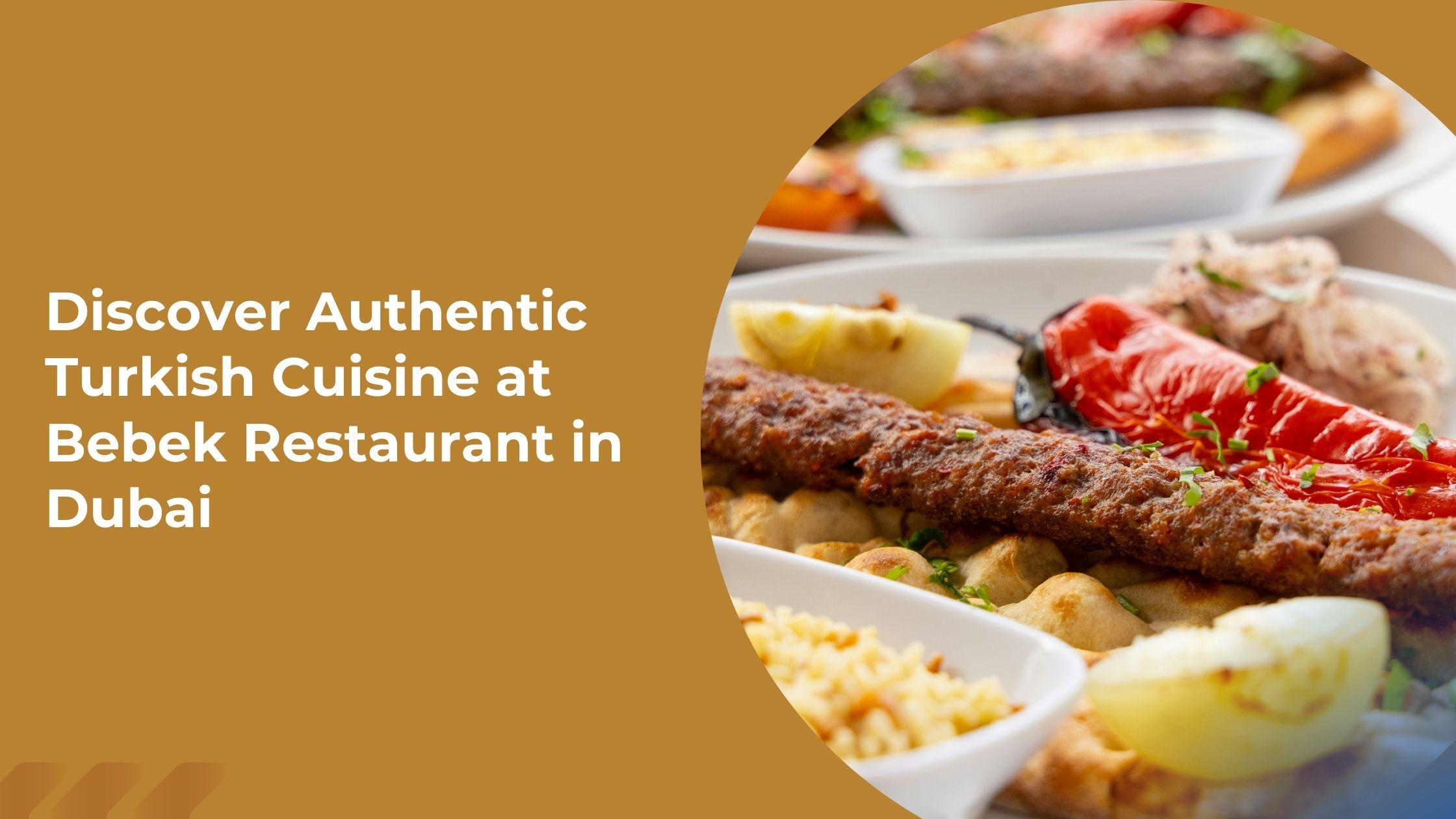
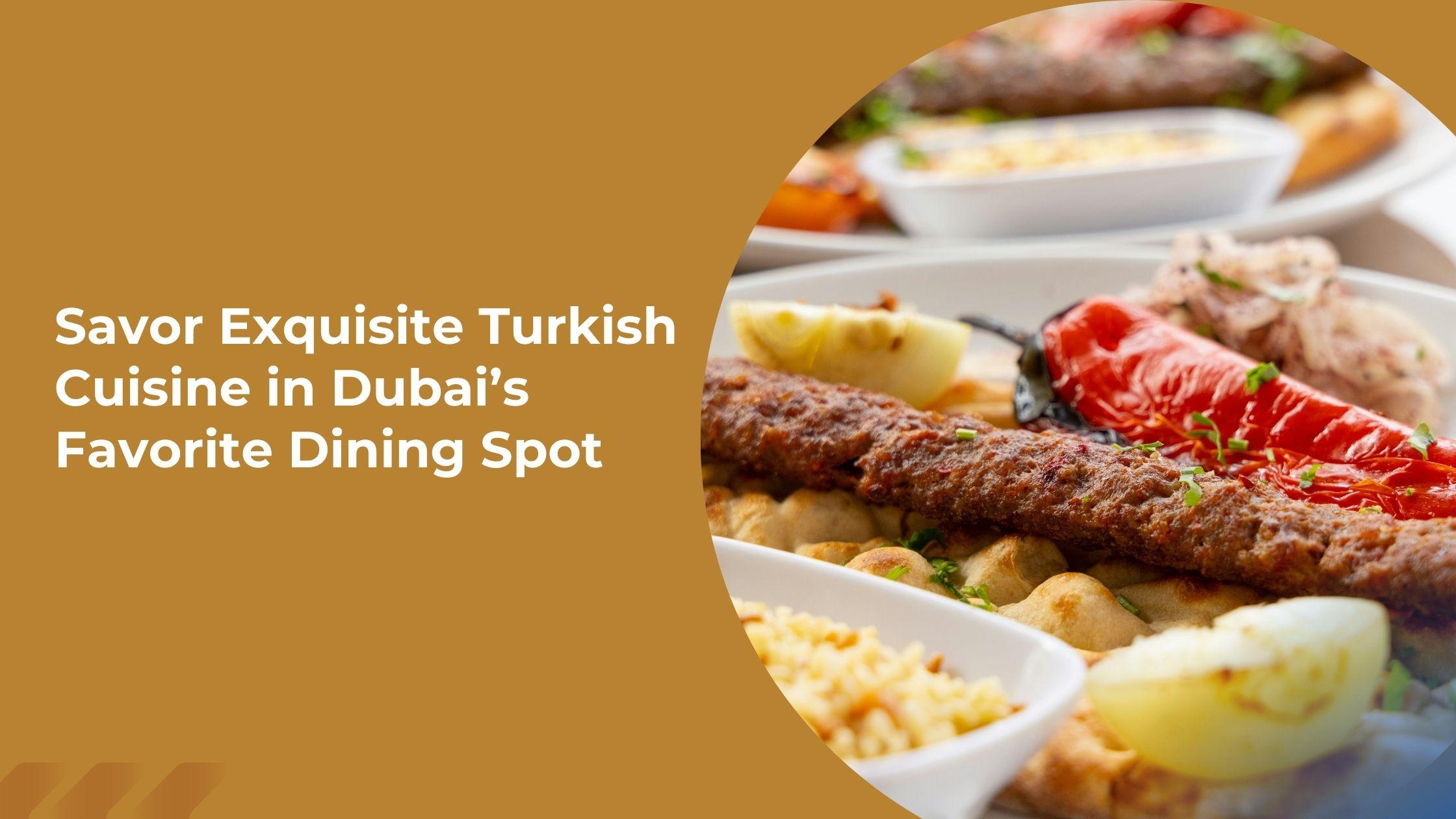
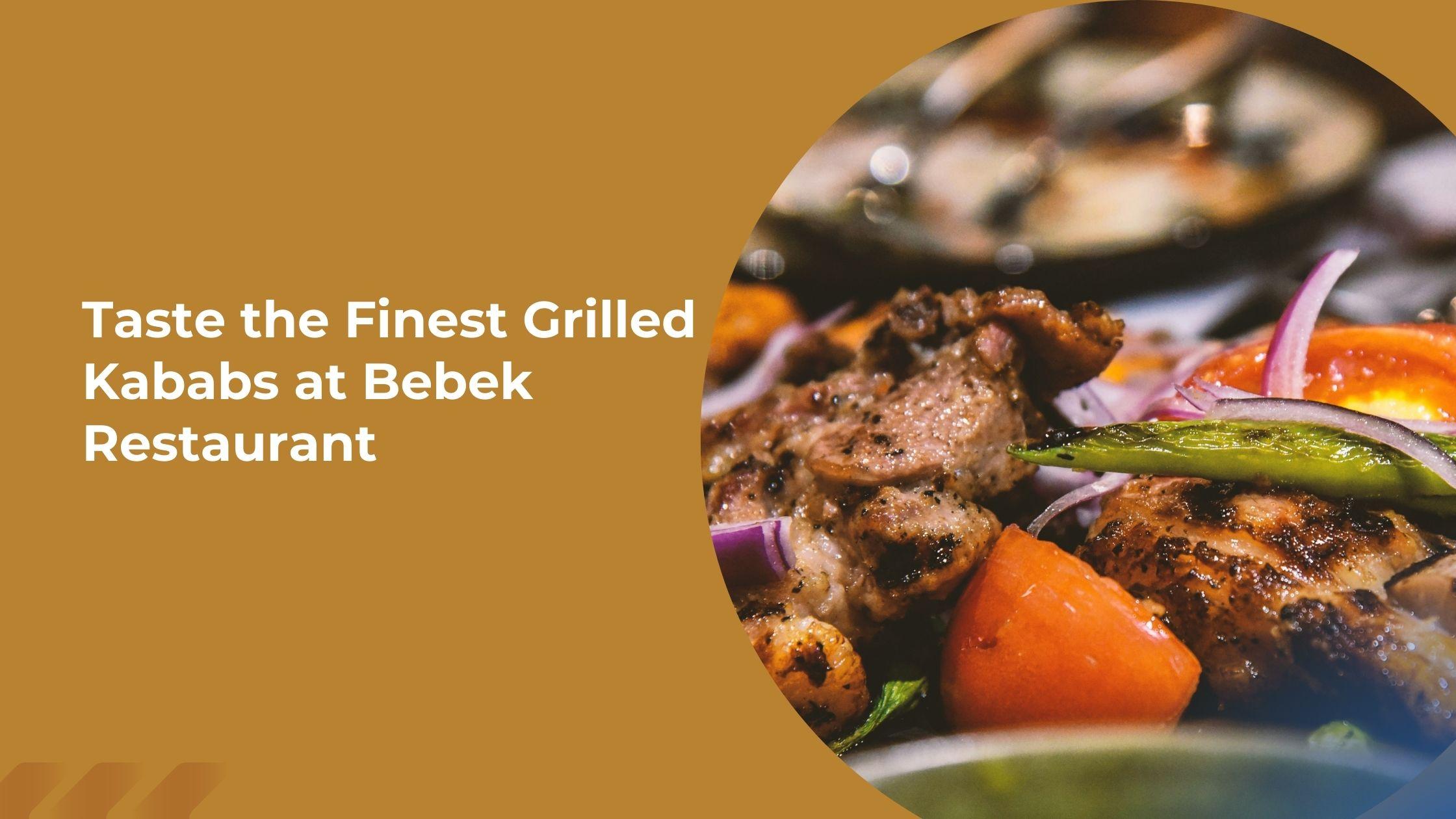
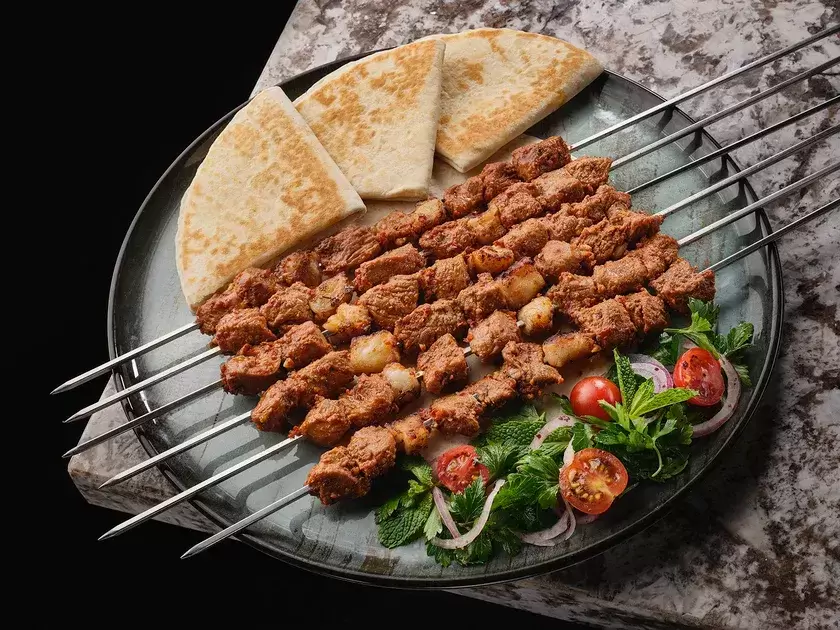
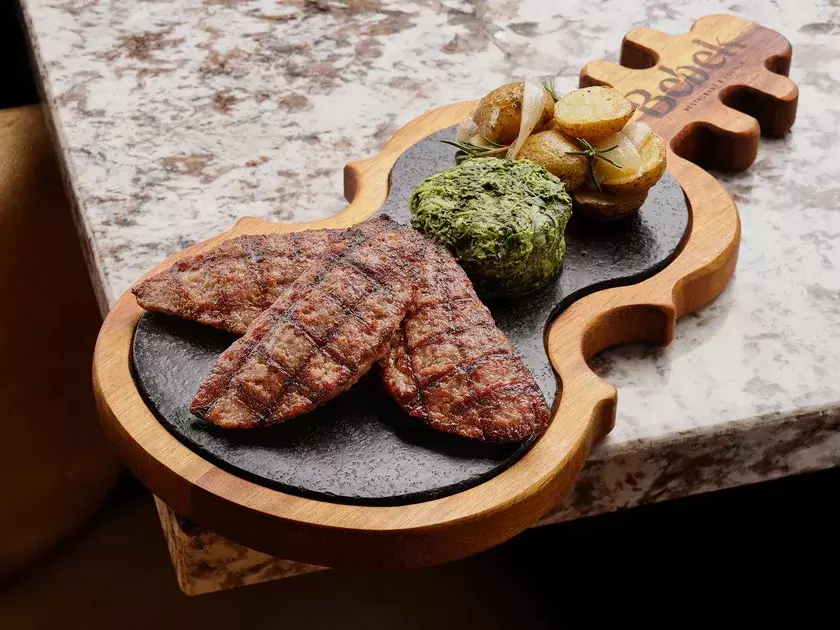
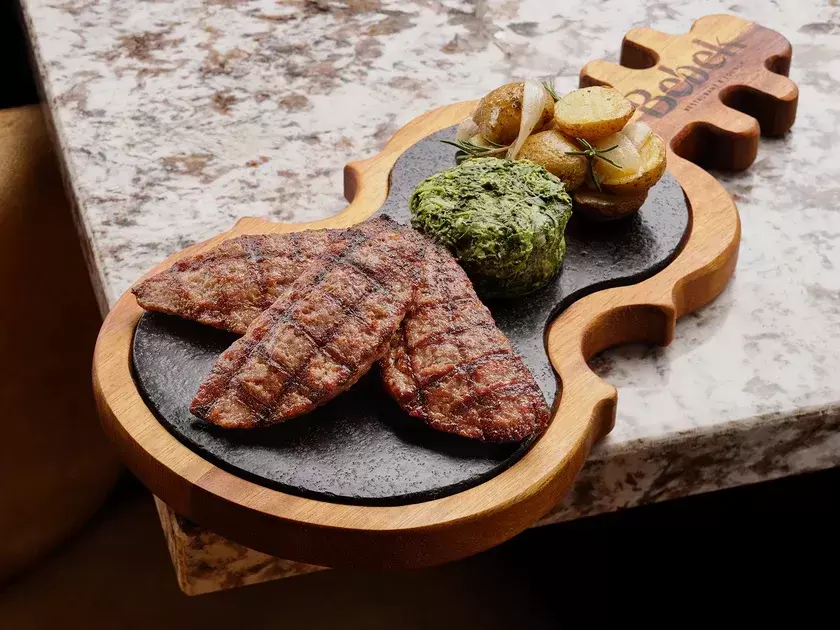
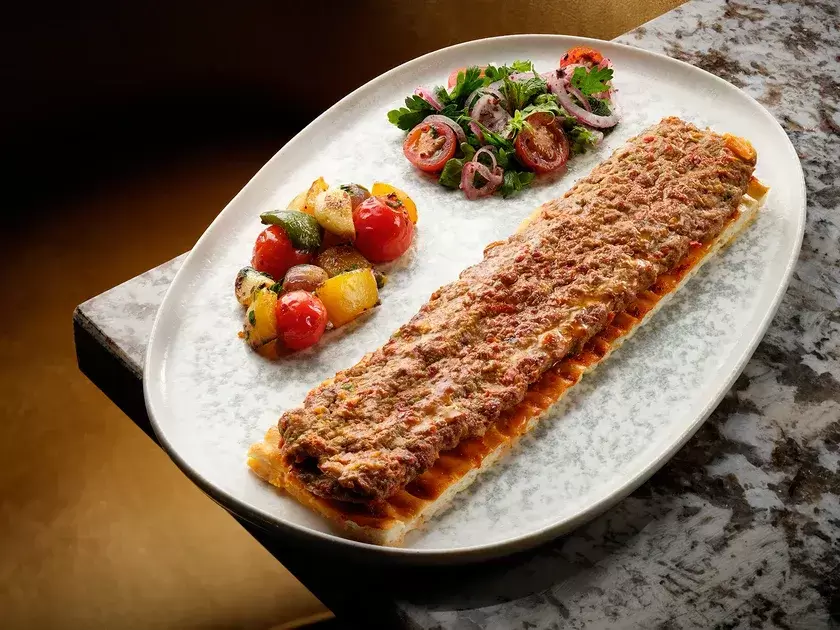
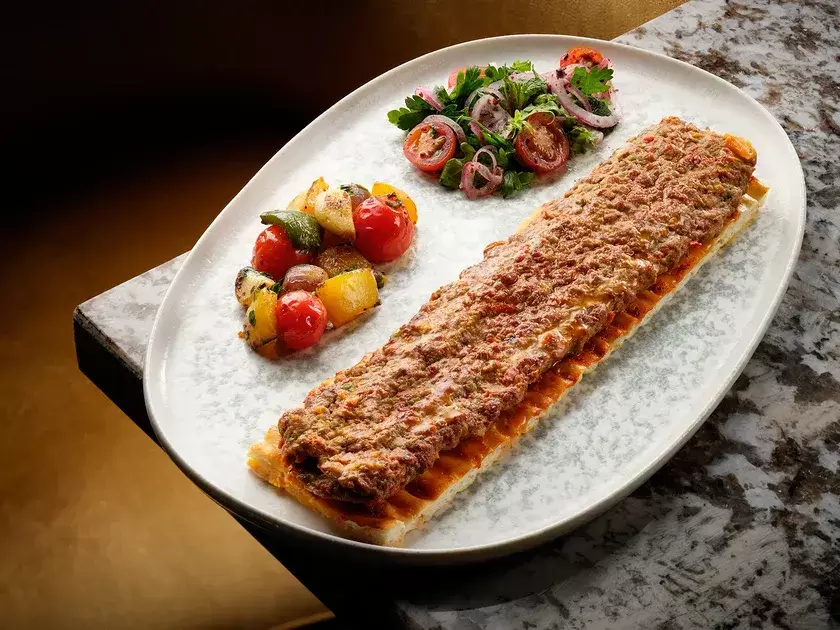
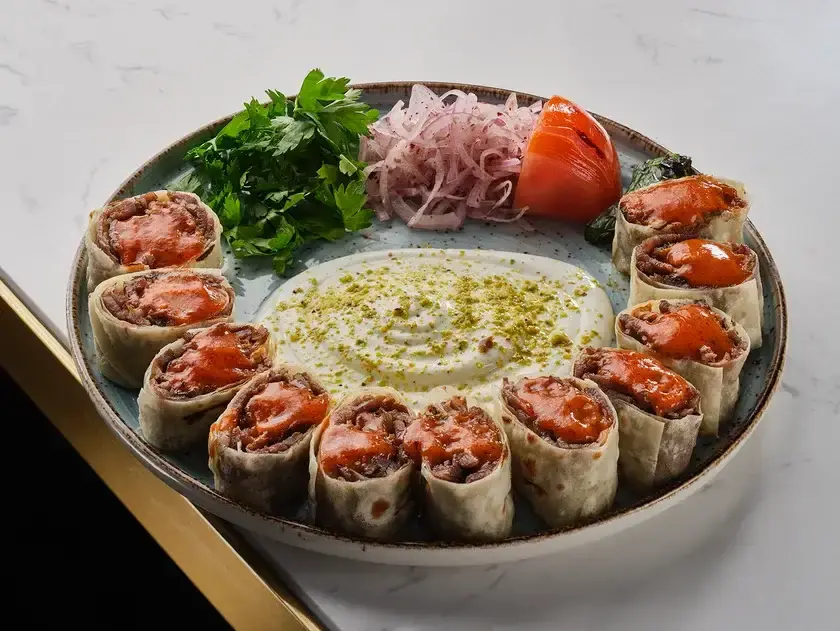
Adana kebab. Minced meat and spices packed with peppers are shaped onto a skewer and traditionally charcoal-grilled. It's smoky and has real heat behind it. Go here if you like spice.
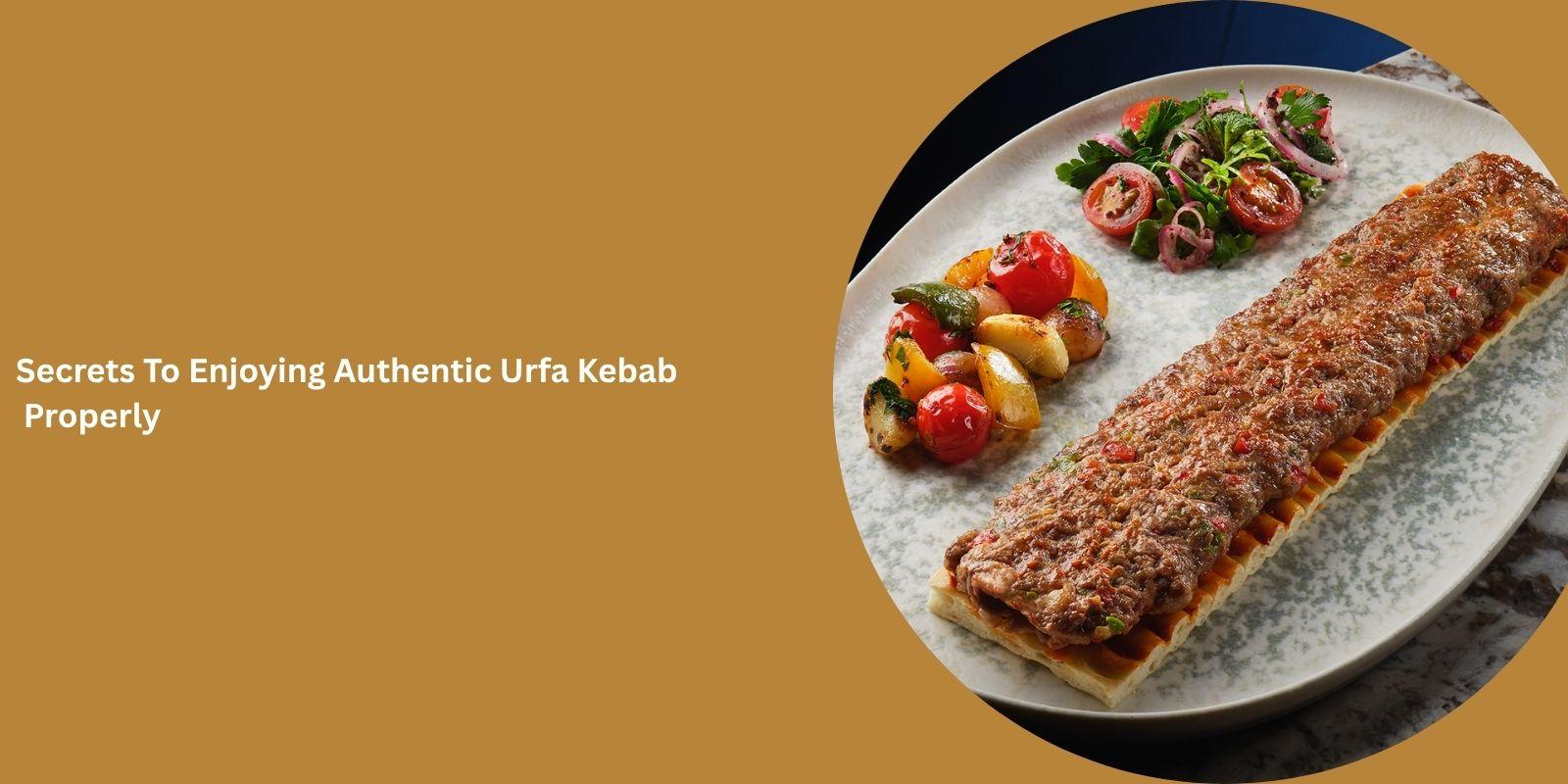
Urfa kebab. Adana's calmer cousin. Same idea, same minced-meat base, much less fire. Good pick if you want the classic flavor without the burn.
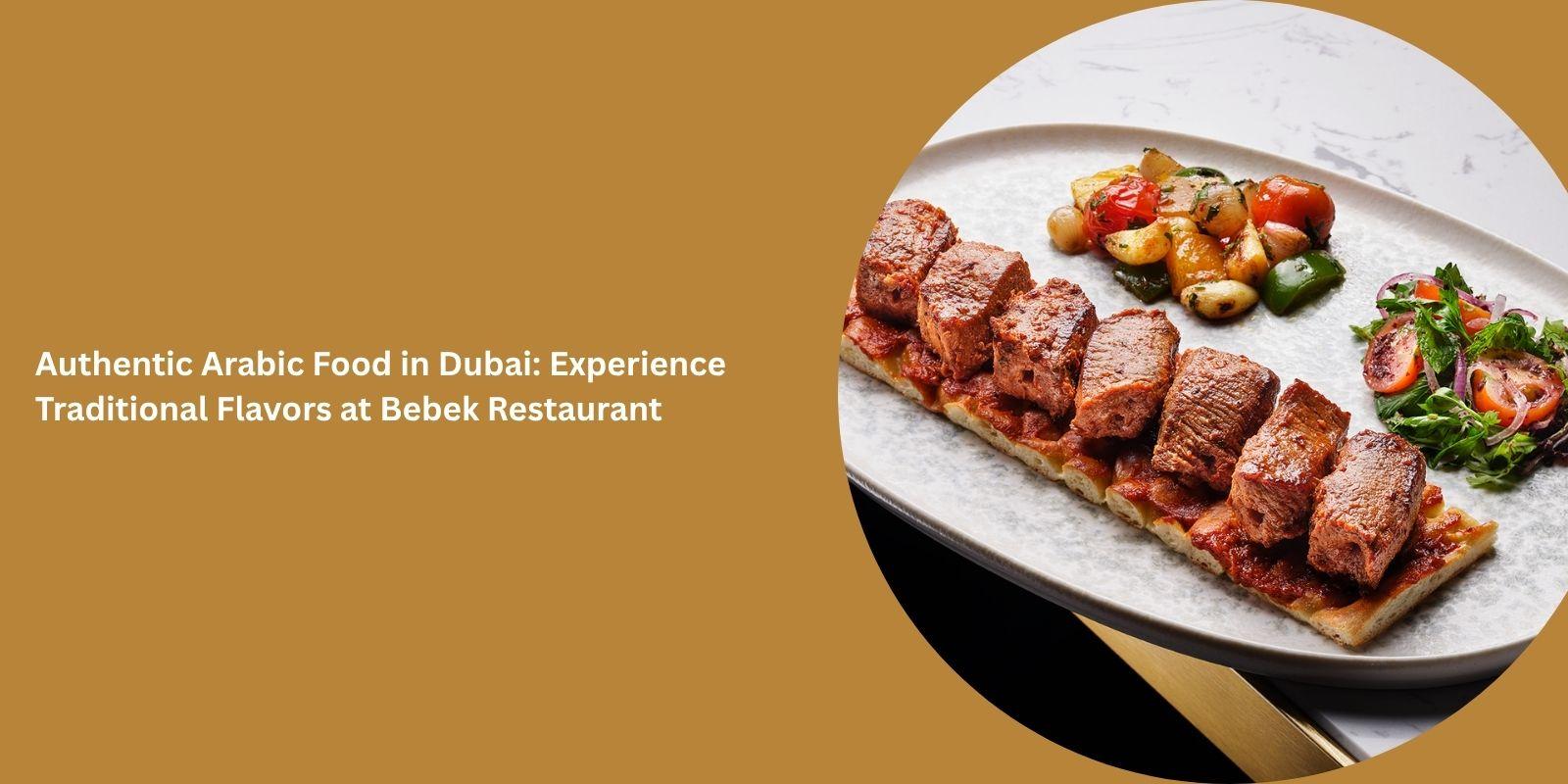
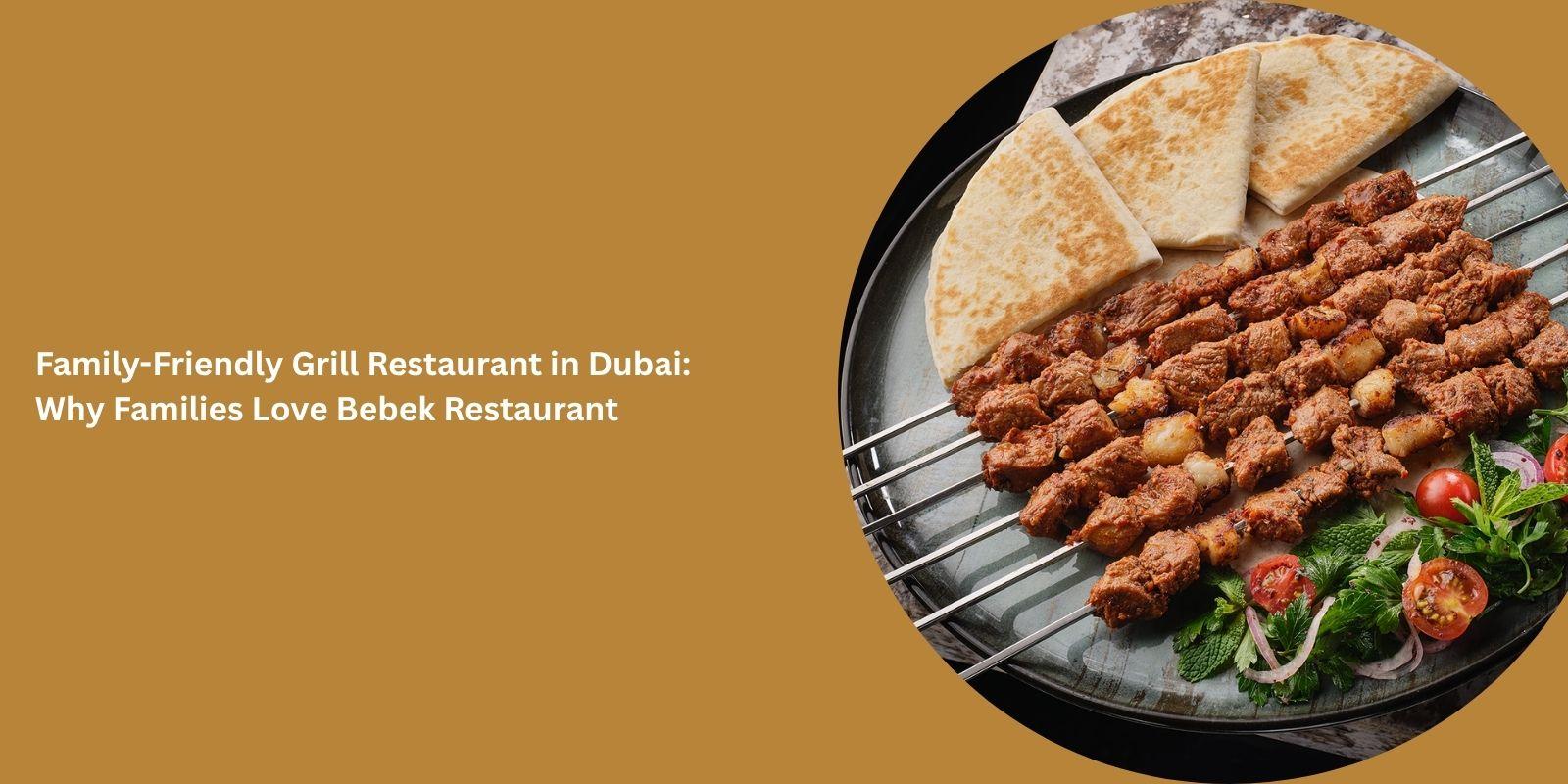
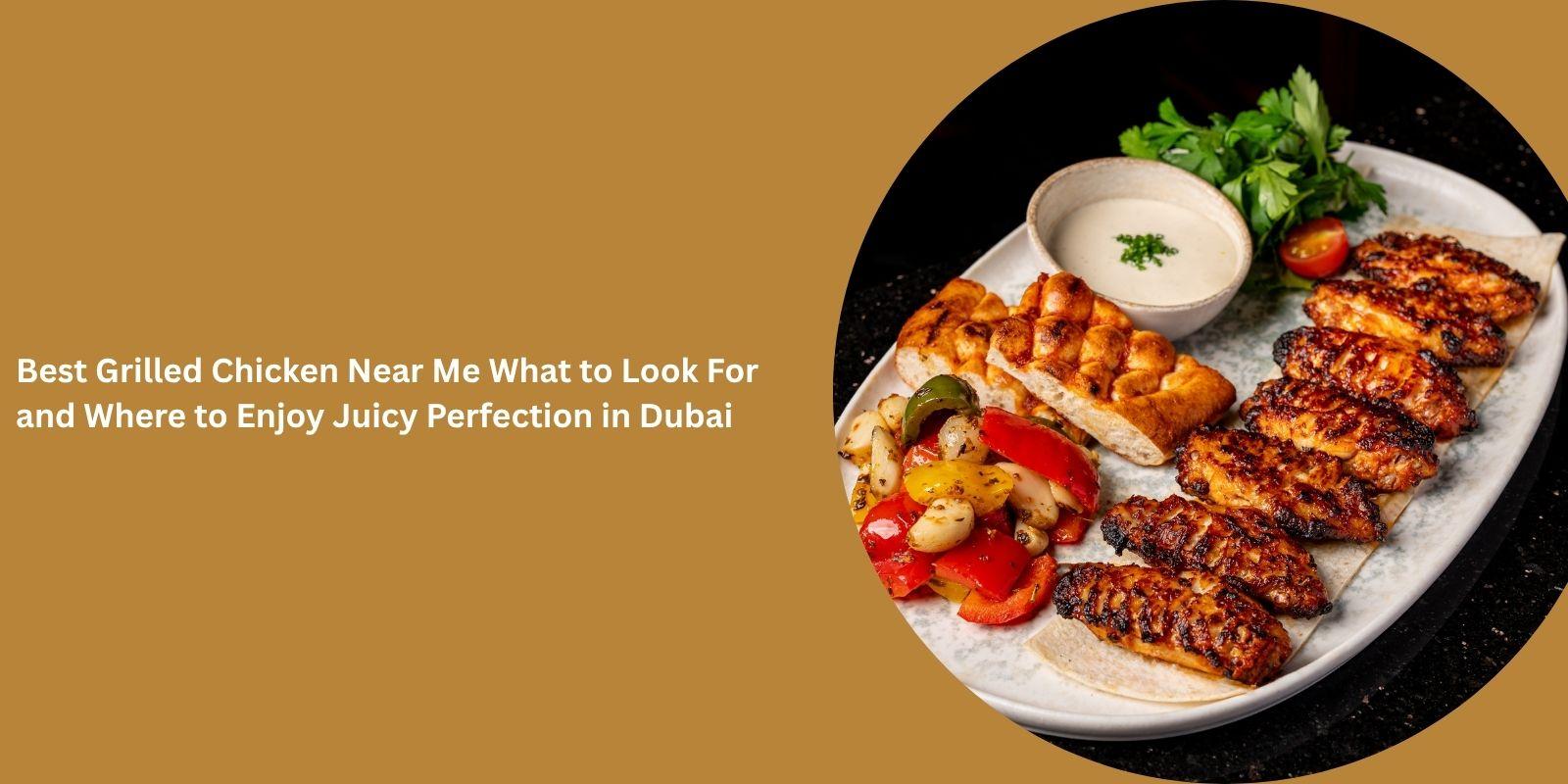
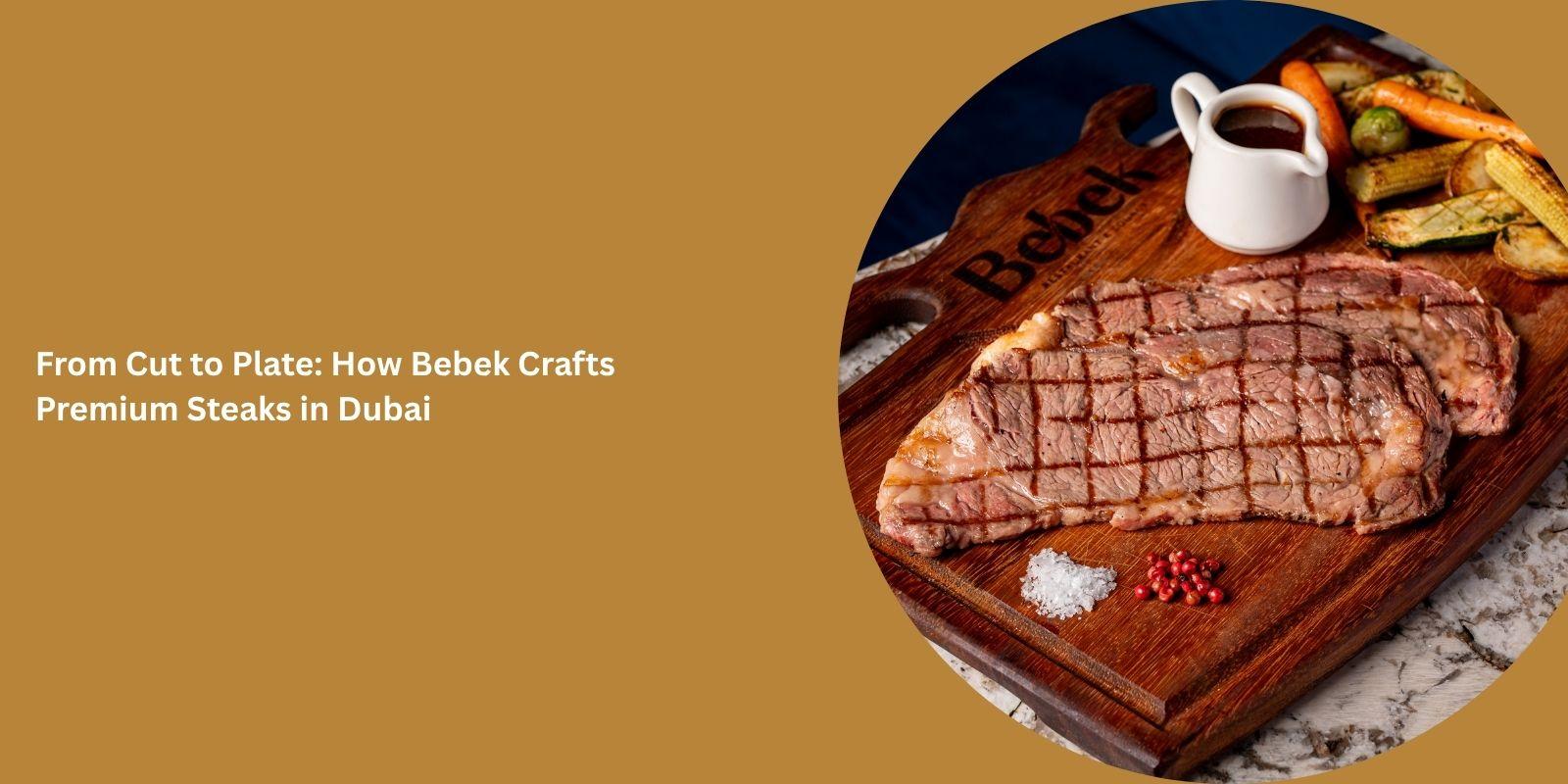
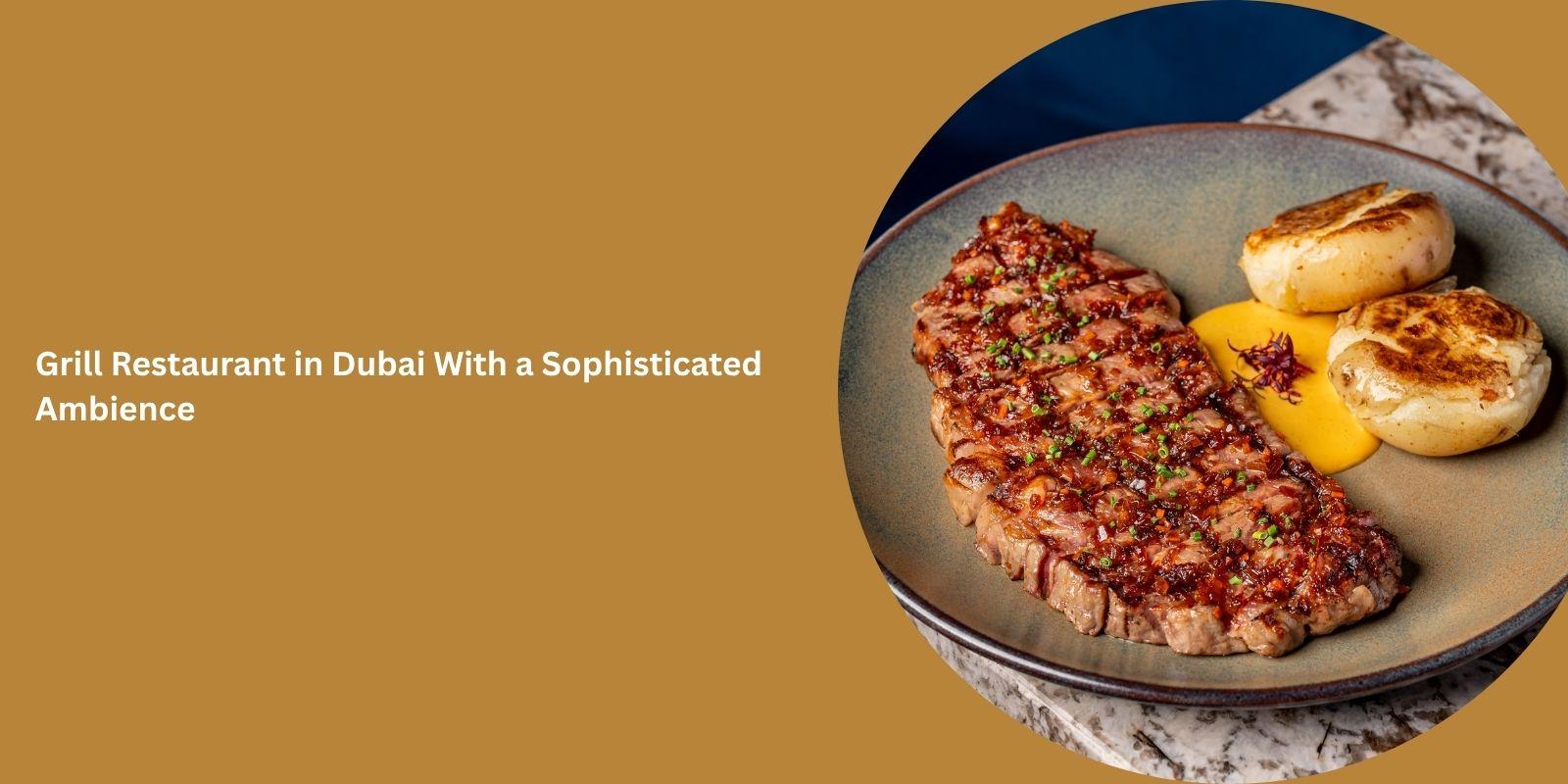
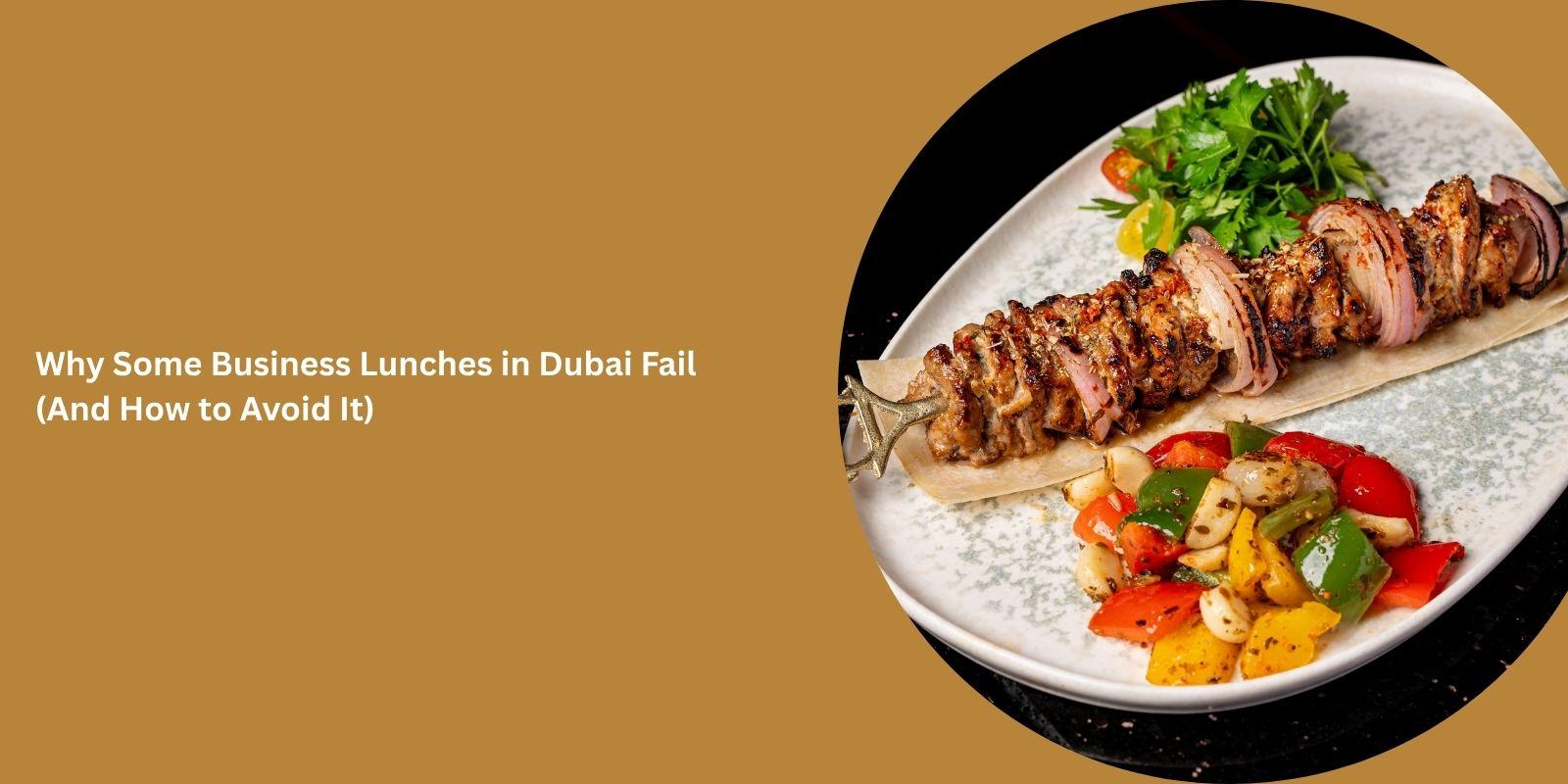
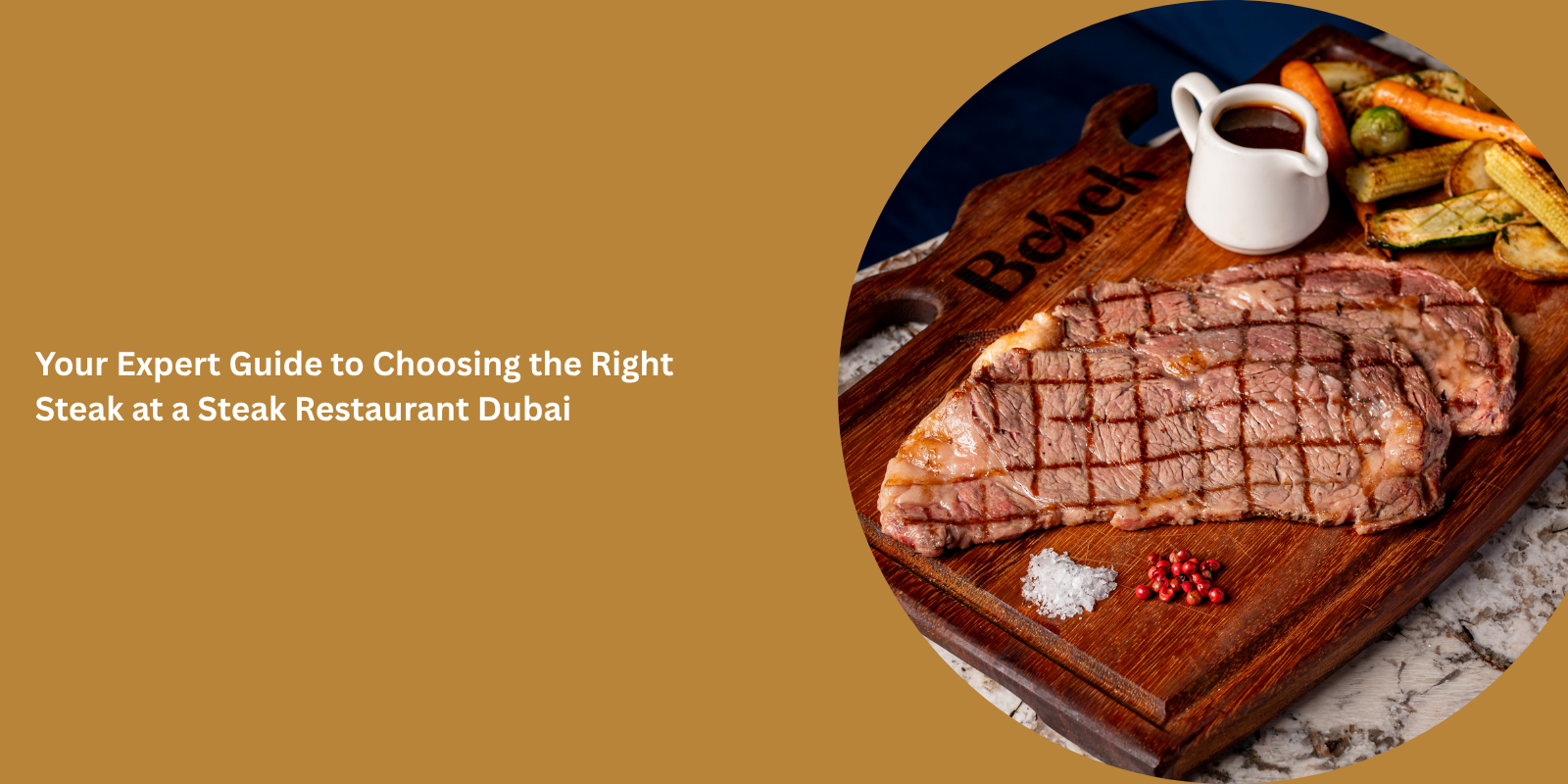
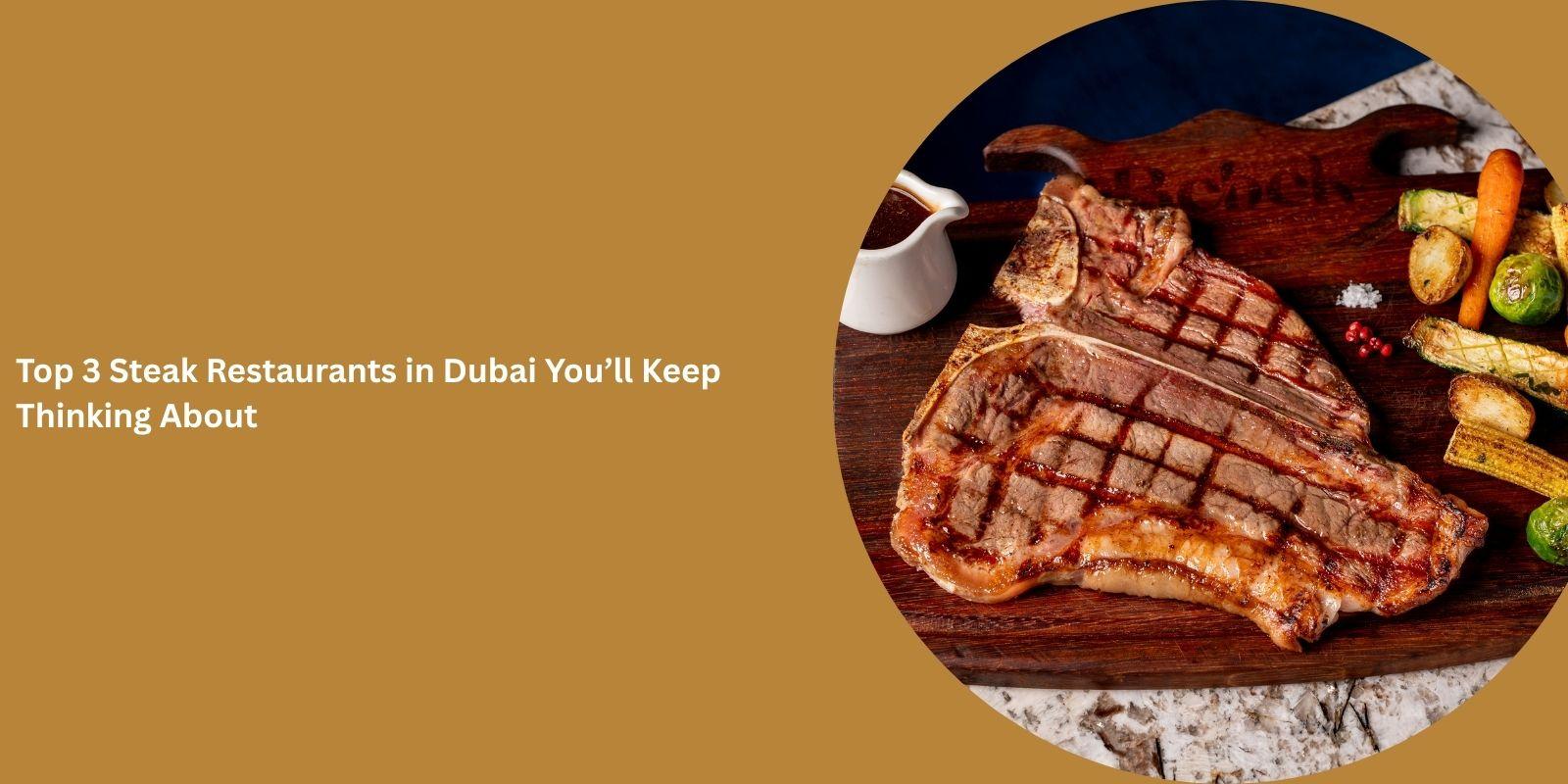
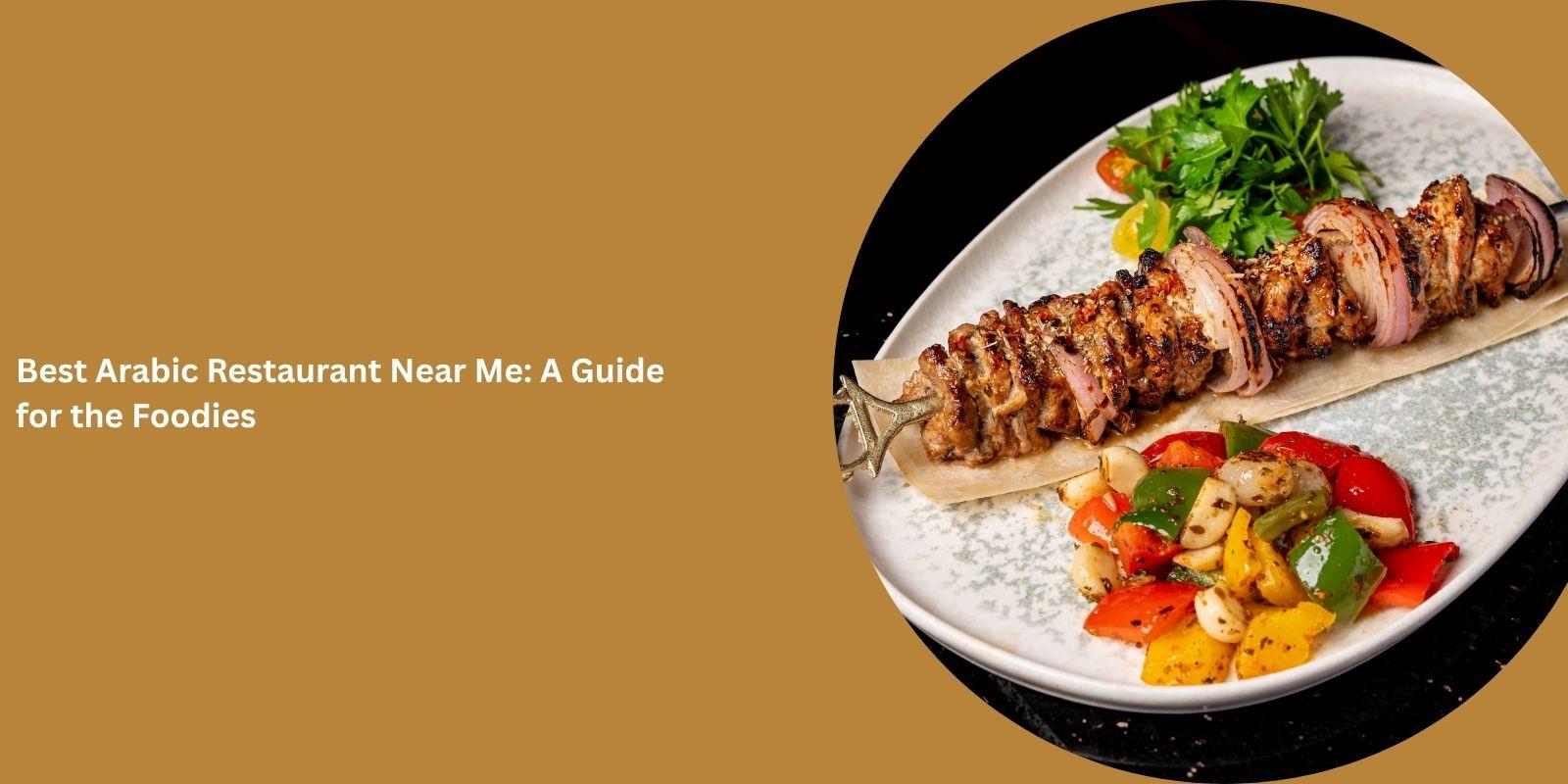
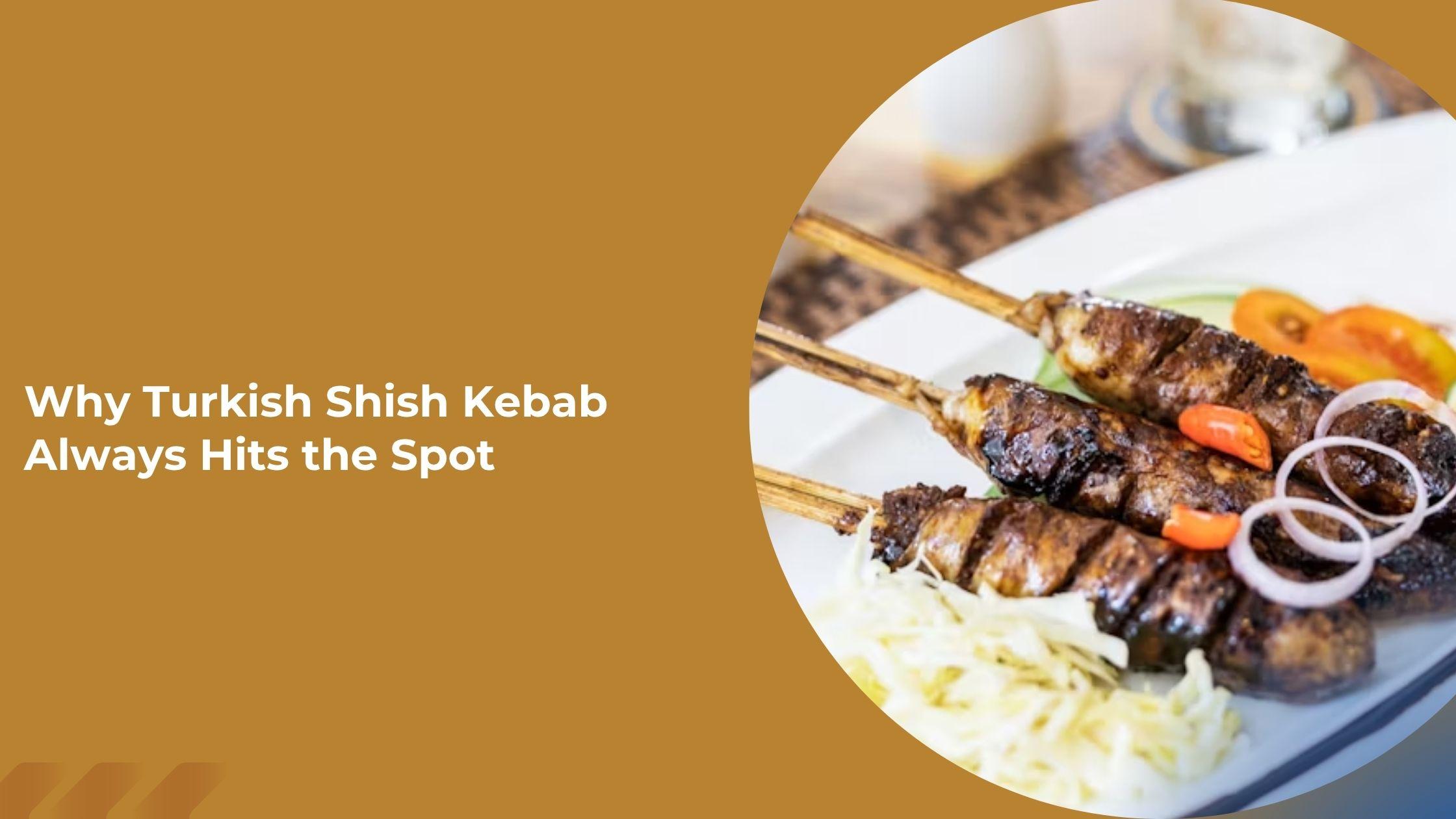
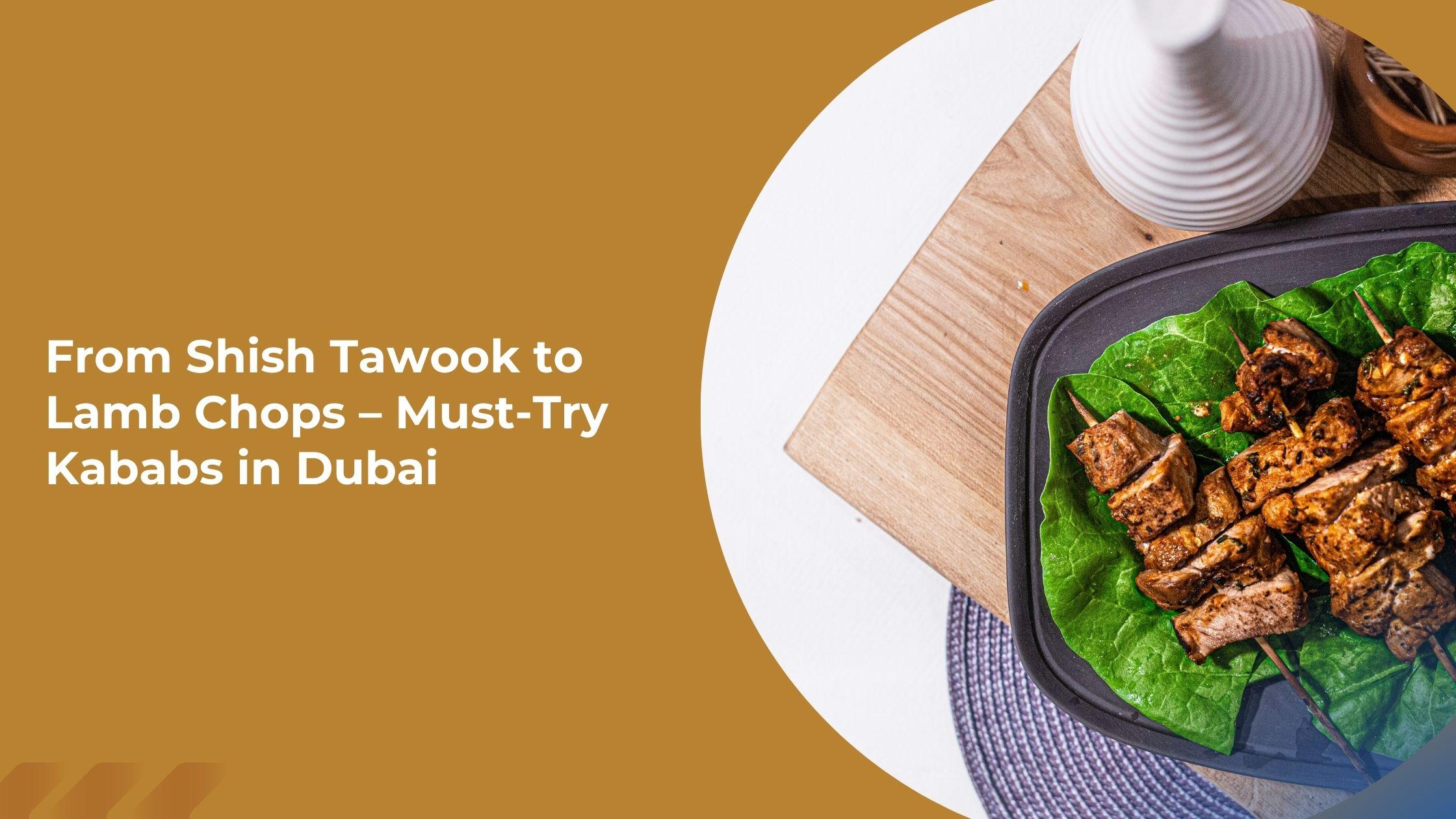
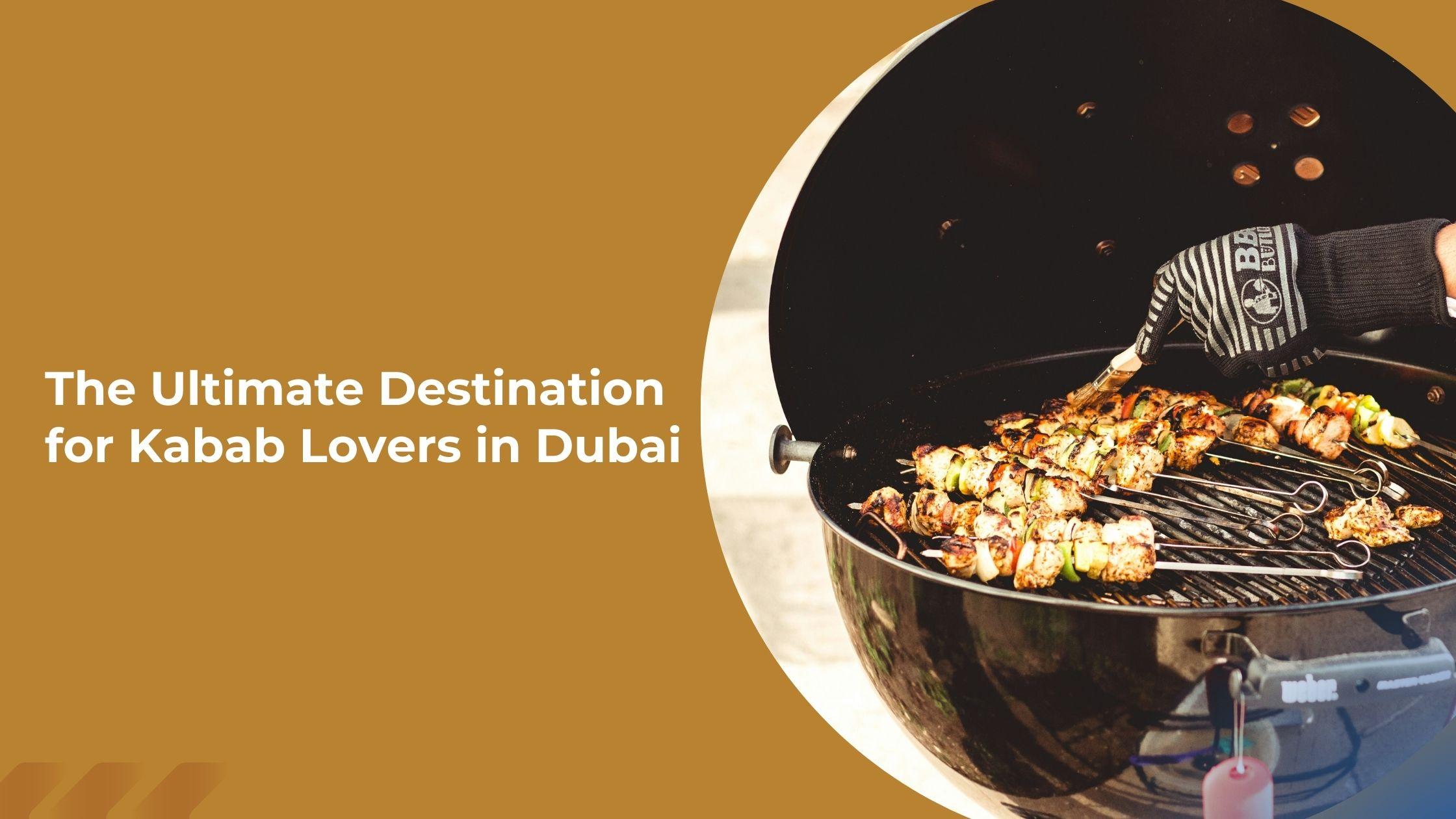
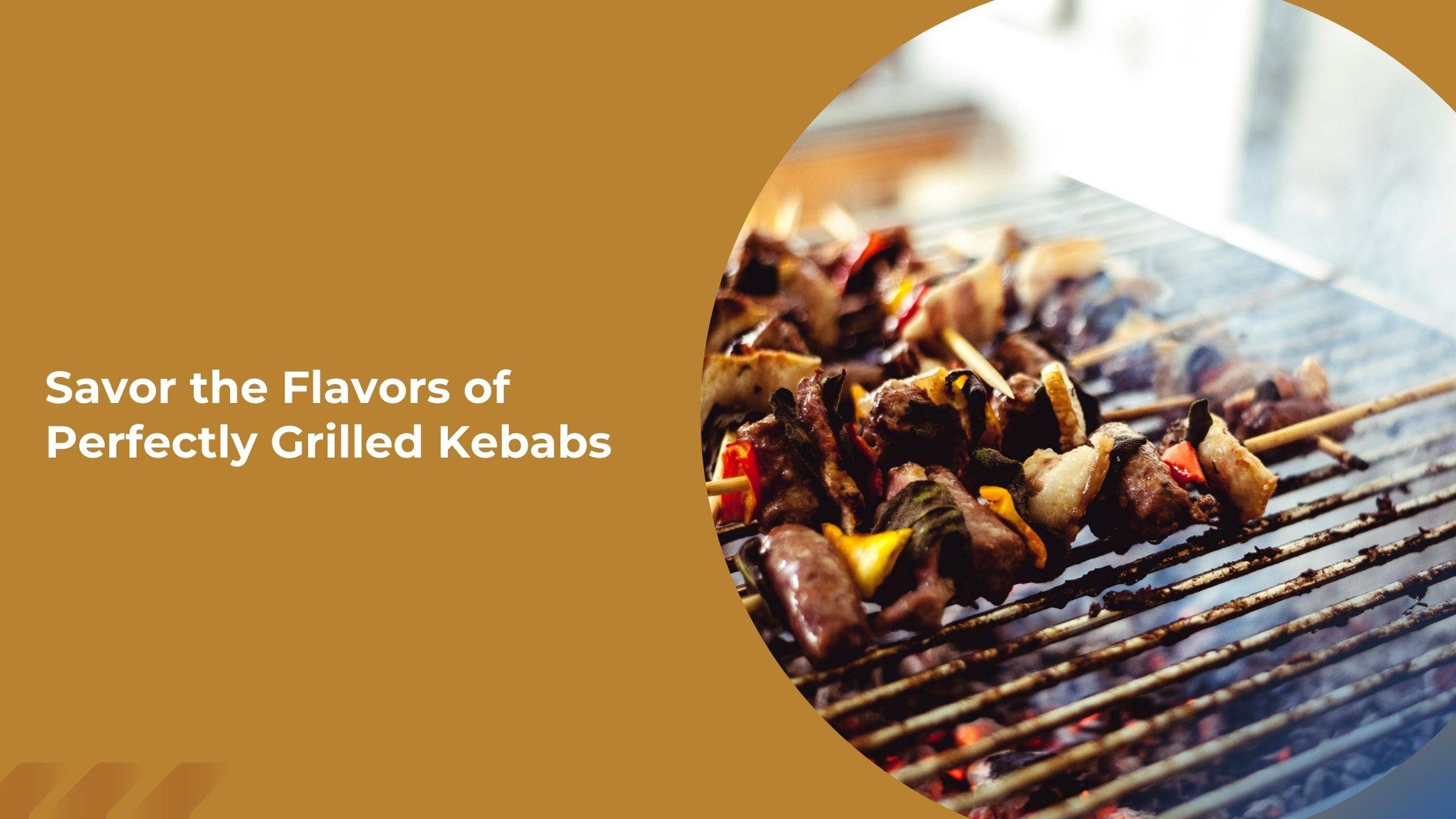
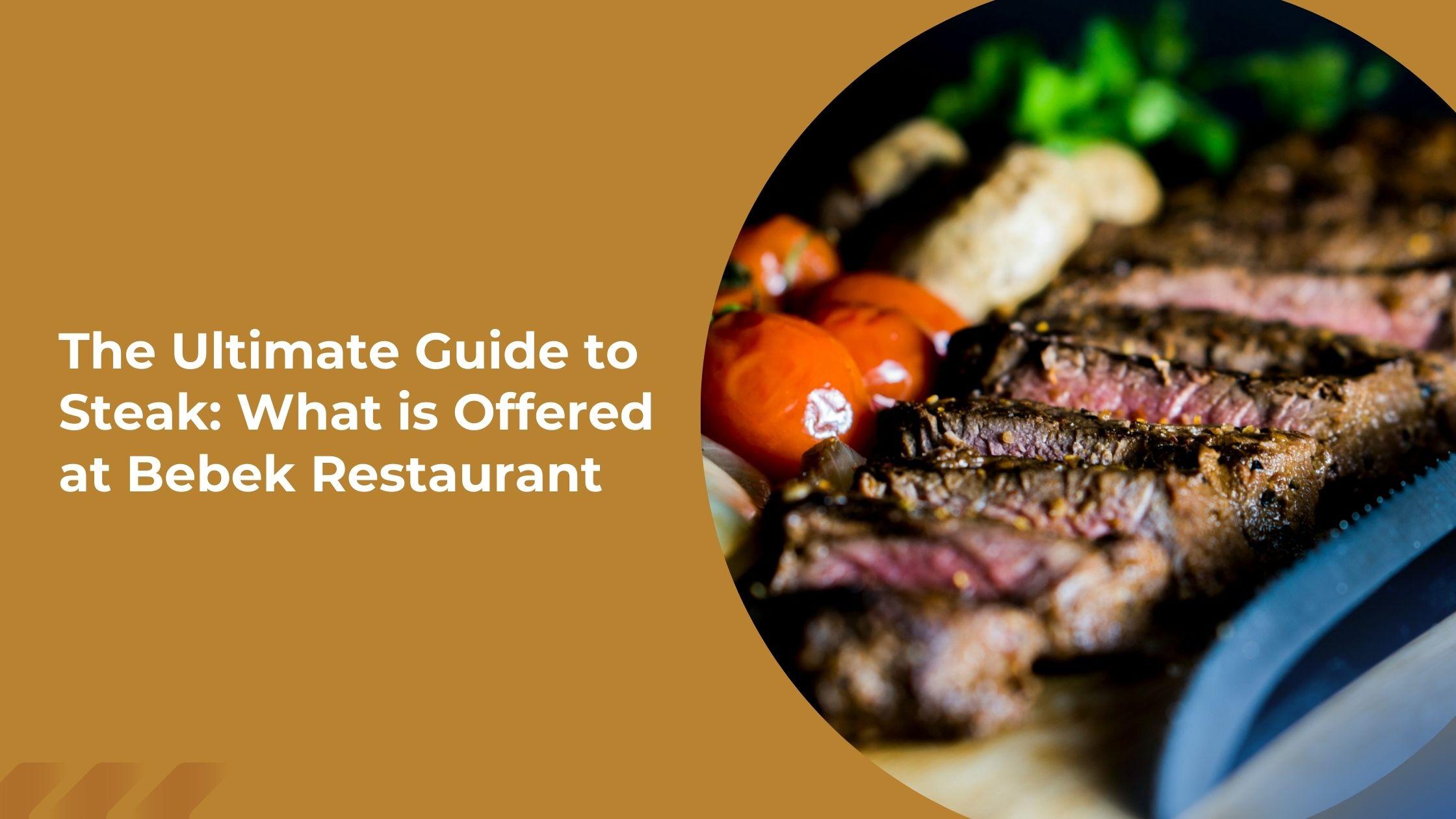
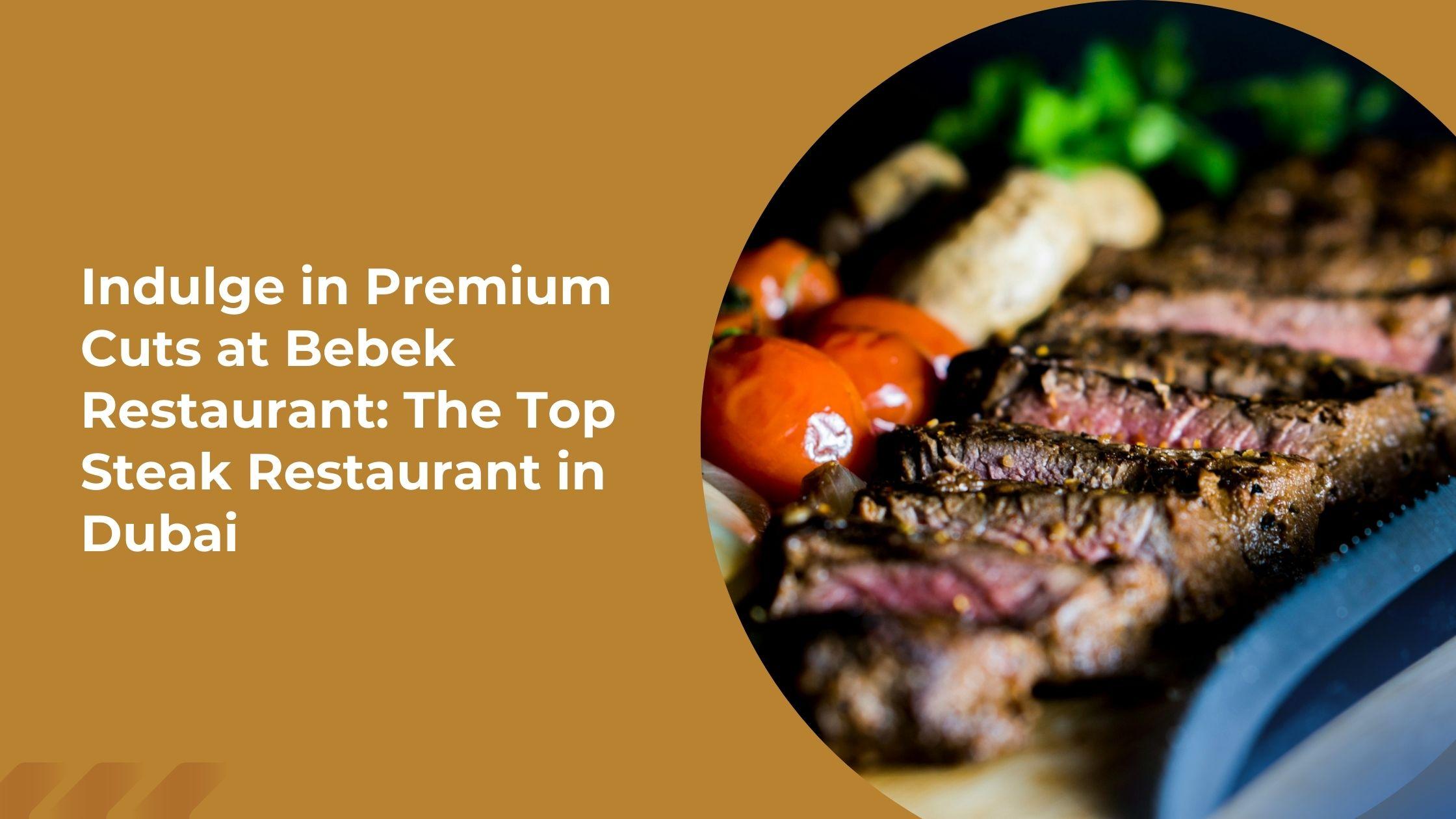
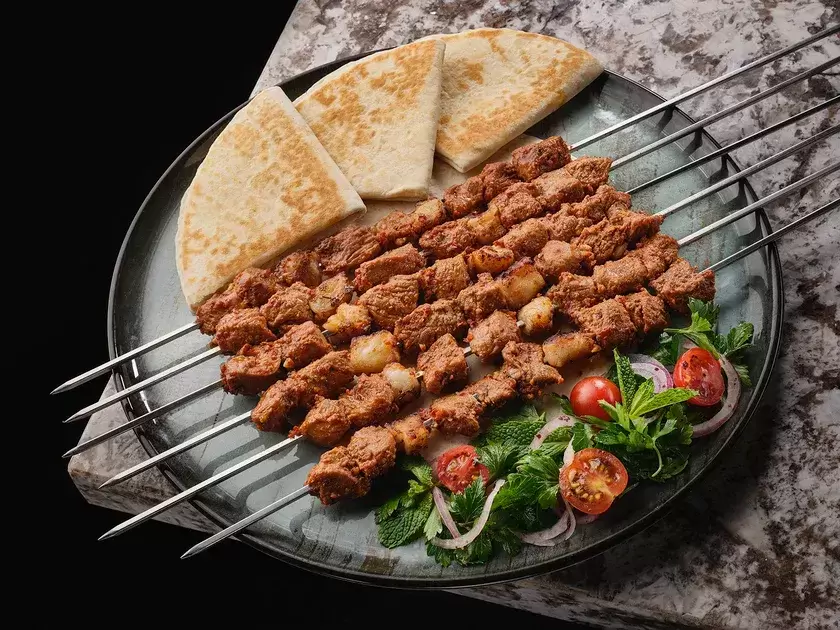
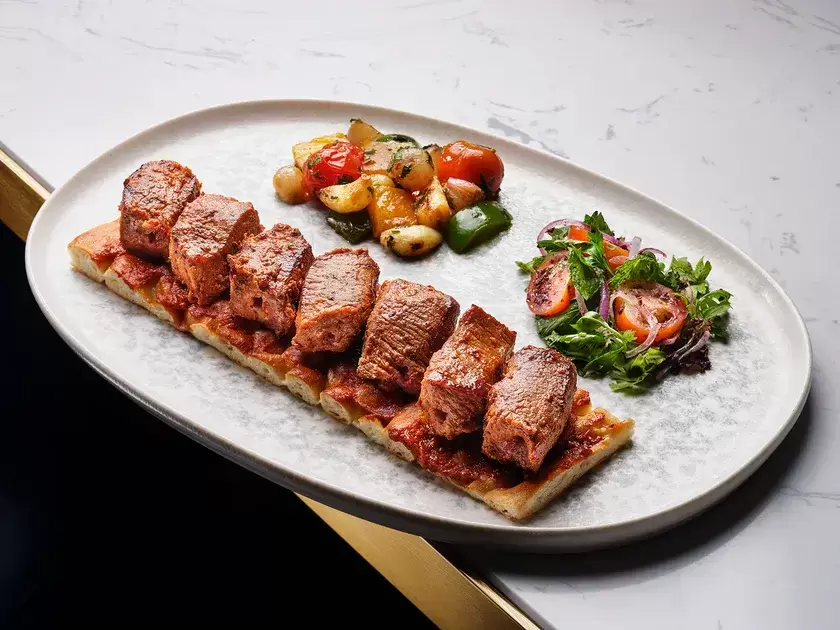
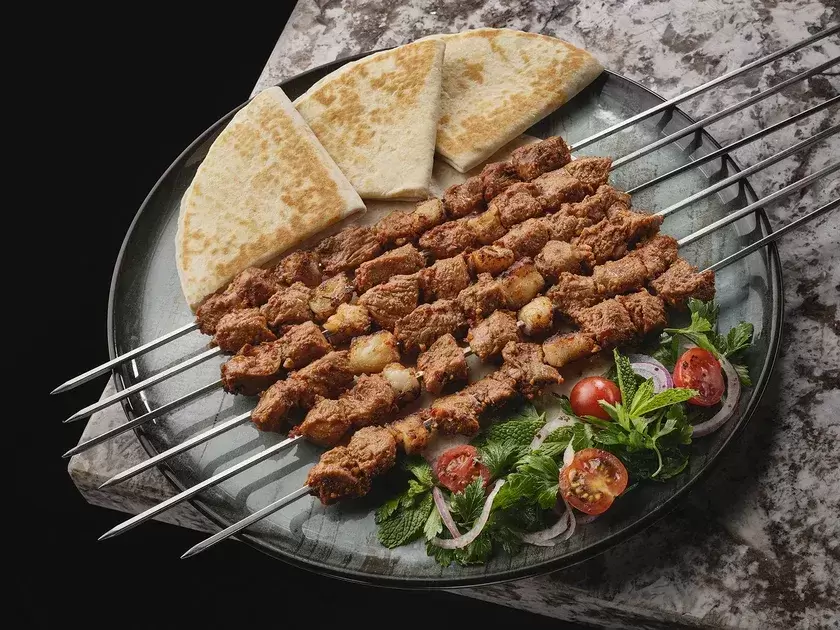
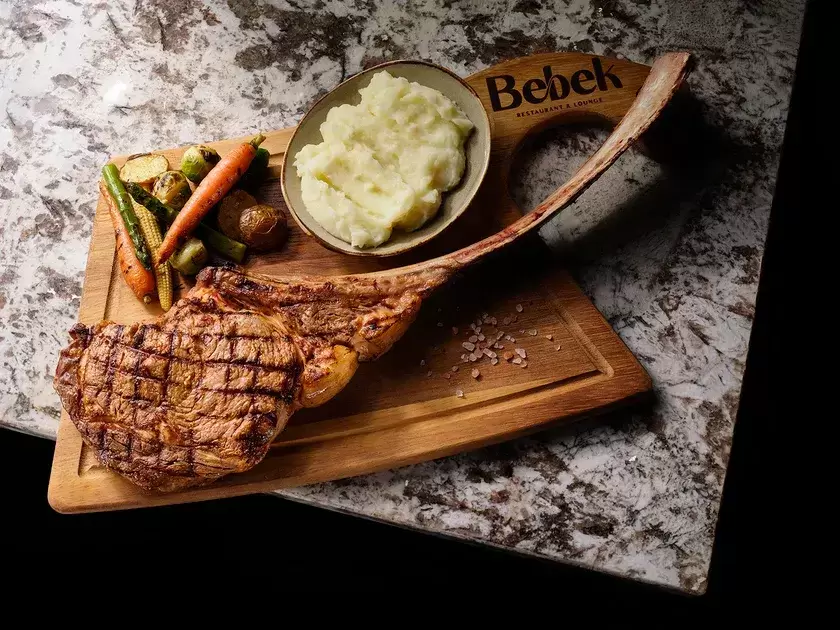
Sis kebab. Marinated meat, grilled on skewers. Chicken şiş is the gentle entry point; lamb şiş is richer and more assertive. Either way, a good char and smoky edge from the grill is what you're looking for.
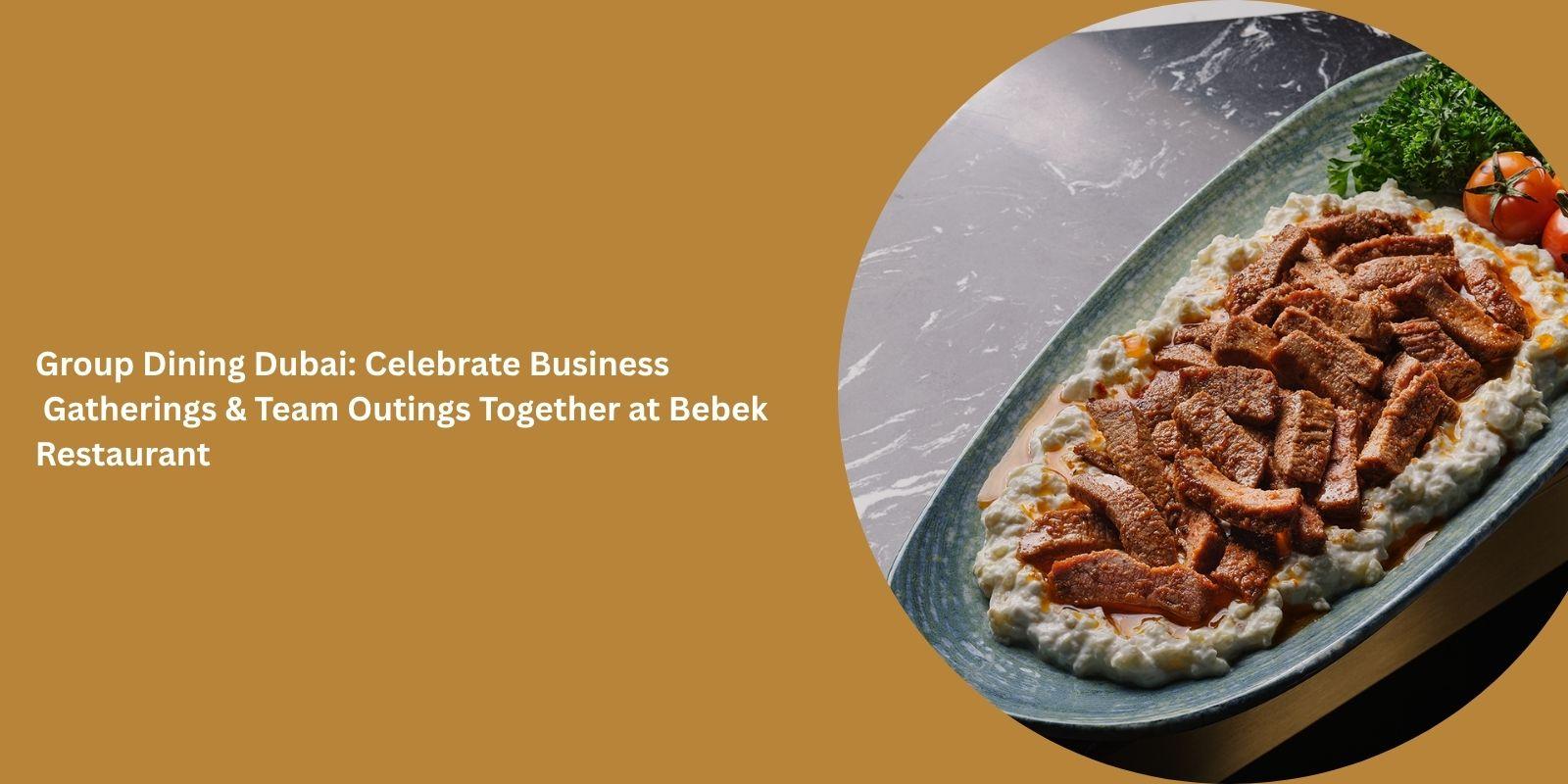
Iskender kebab. For something beyond skewers, entirely sliced meat over tomato sauce, yogurt, and bread, all soaking into each other. It's heavier, more of a full plate than a side dish, and worth ordering if you want one dish that does everything at once.
3. Try Lahmacun If You Want Something Lighter
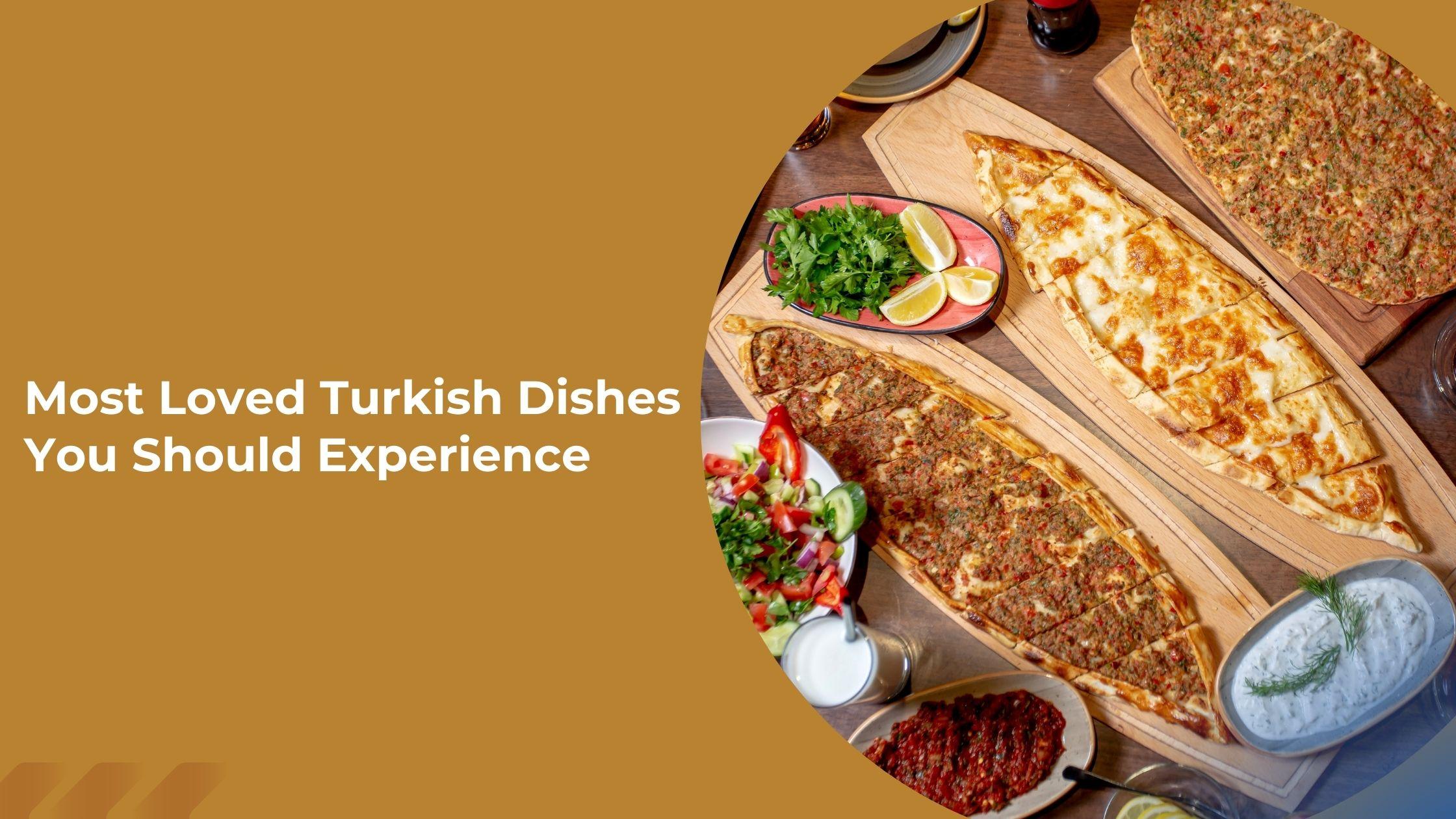
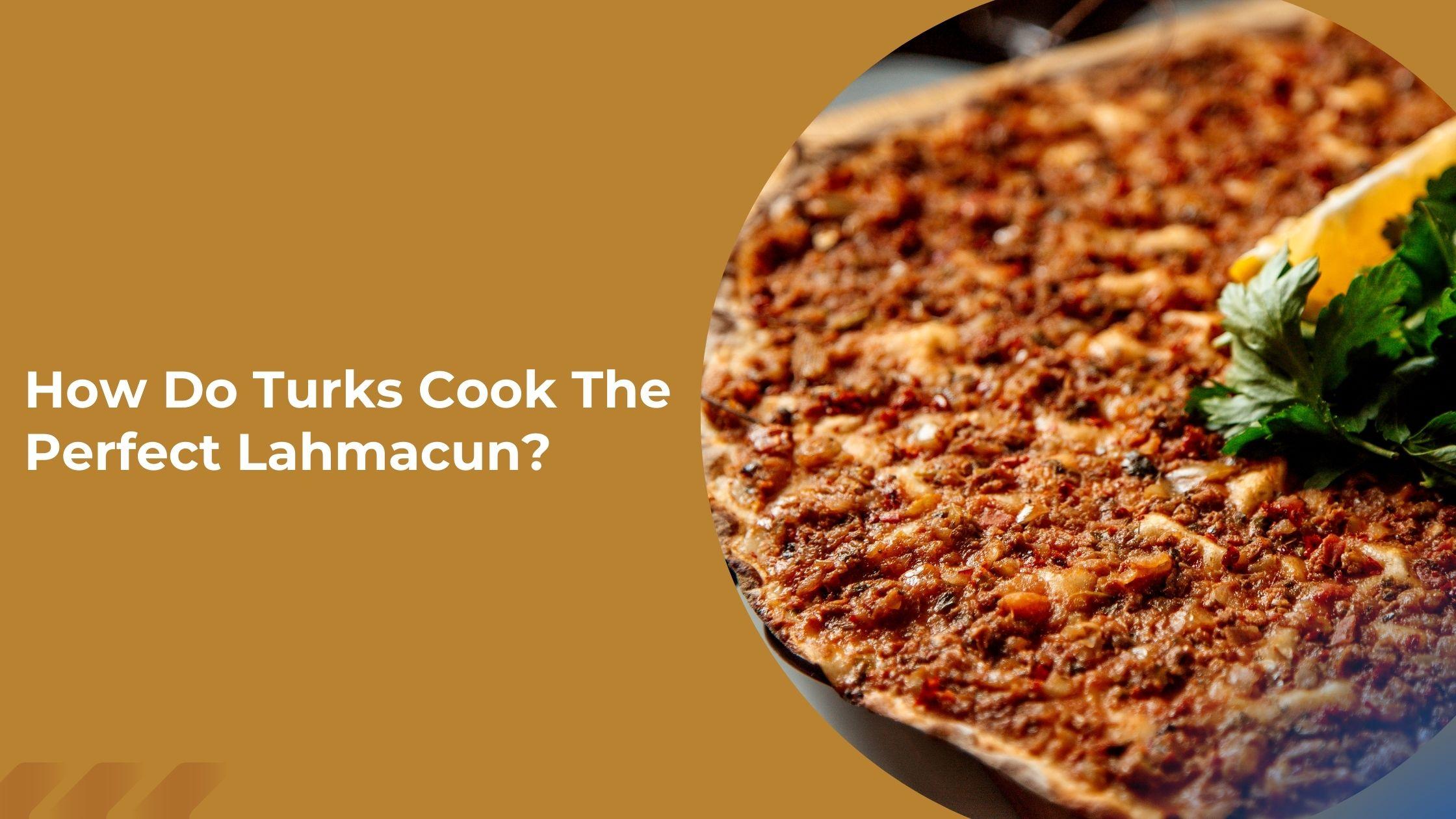
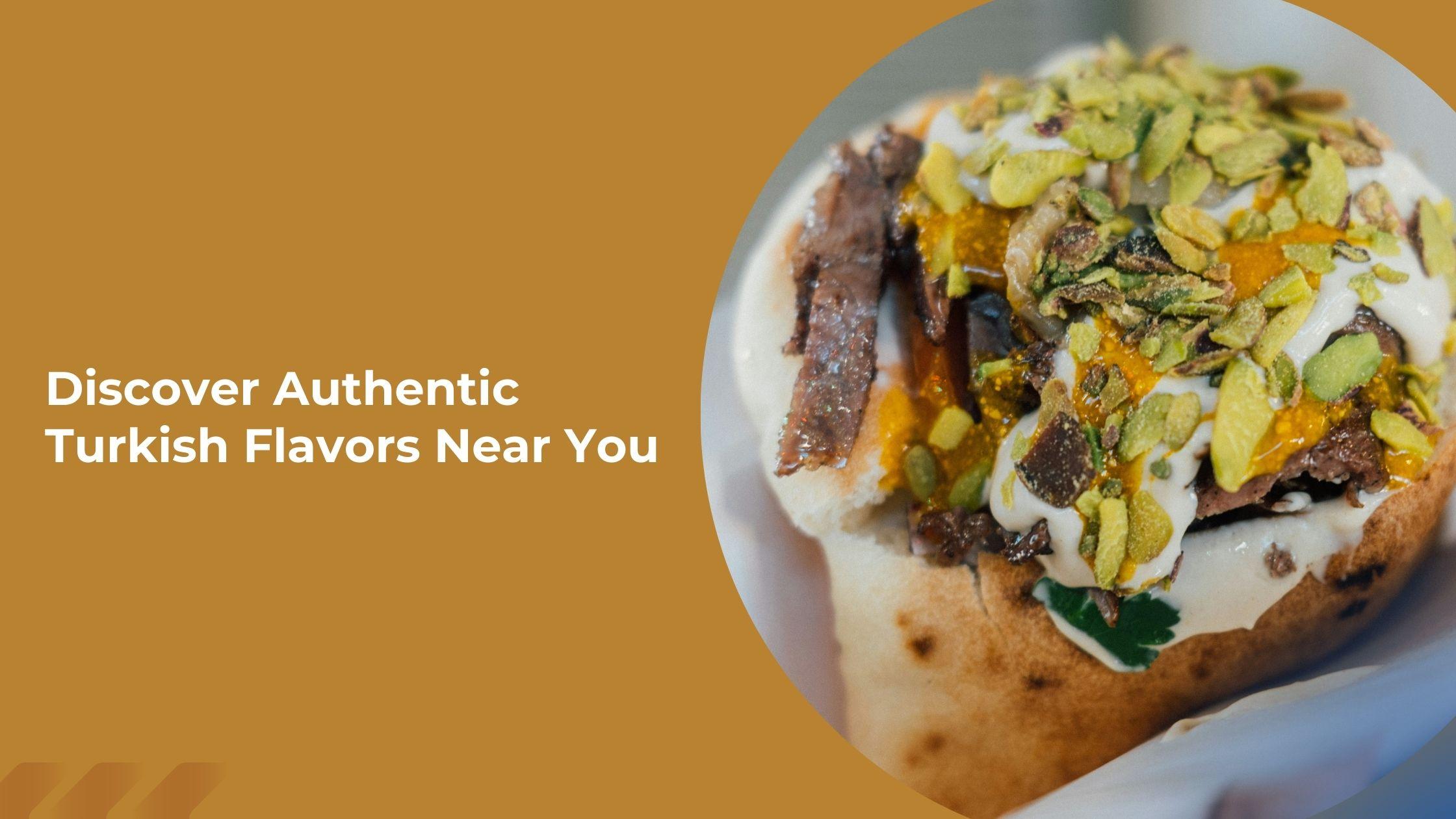
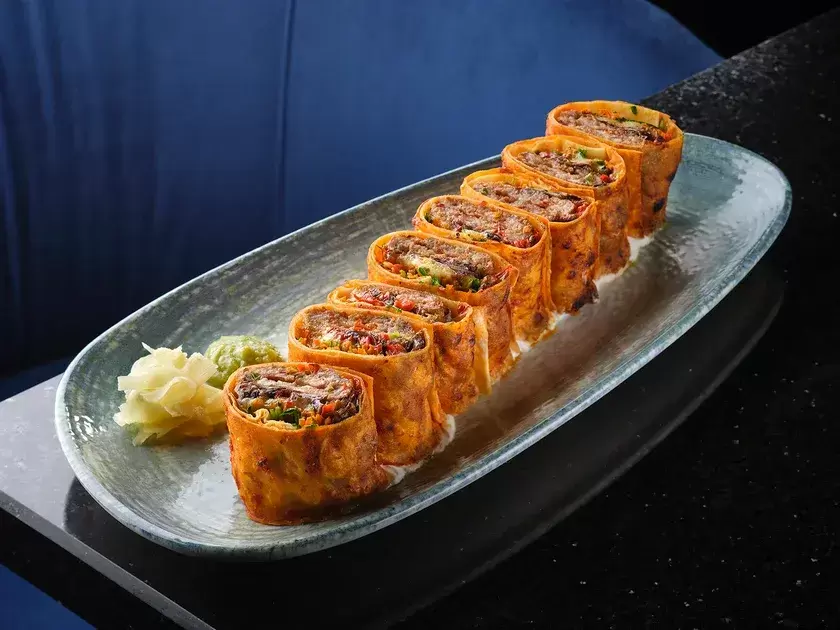
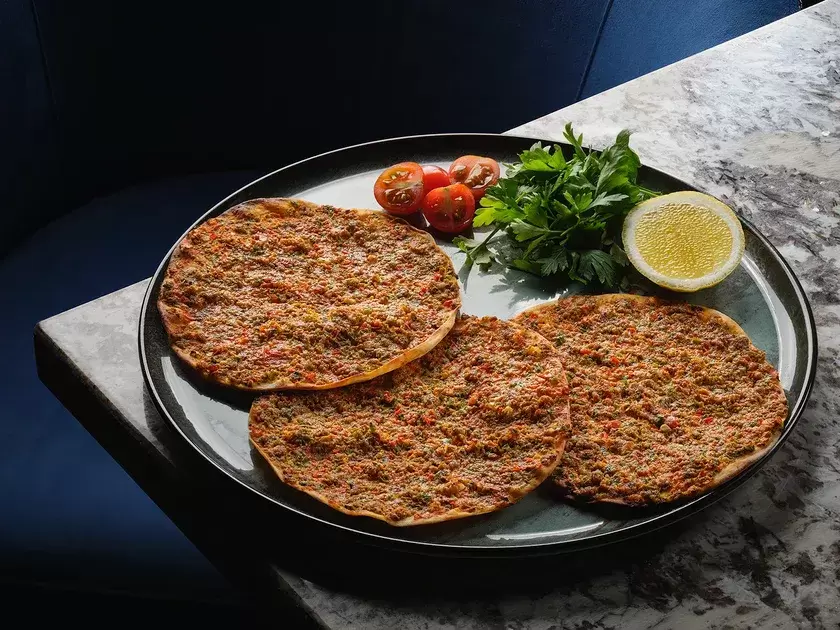
Skip the heavy plate and go for Lahmacun instead. A thin, almost cracker-crisp flatbread topped with minced meat, vegetables, herbs, and spices. It usually comes with lemon wedges and parsley on the side.
Squeeze the lemon over it, scatter the herbs on top, and roll it up like a wrap before you eat it.
It's got plenty of flavor without weighing you down, which makes it one of the easier dishes to hand to someone trying Turkish food for the first time.
4. Get Pide for the Table
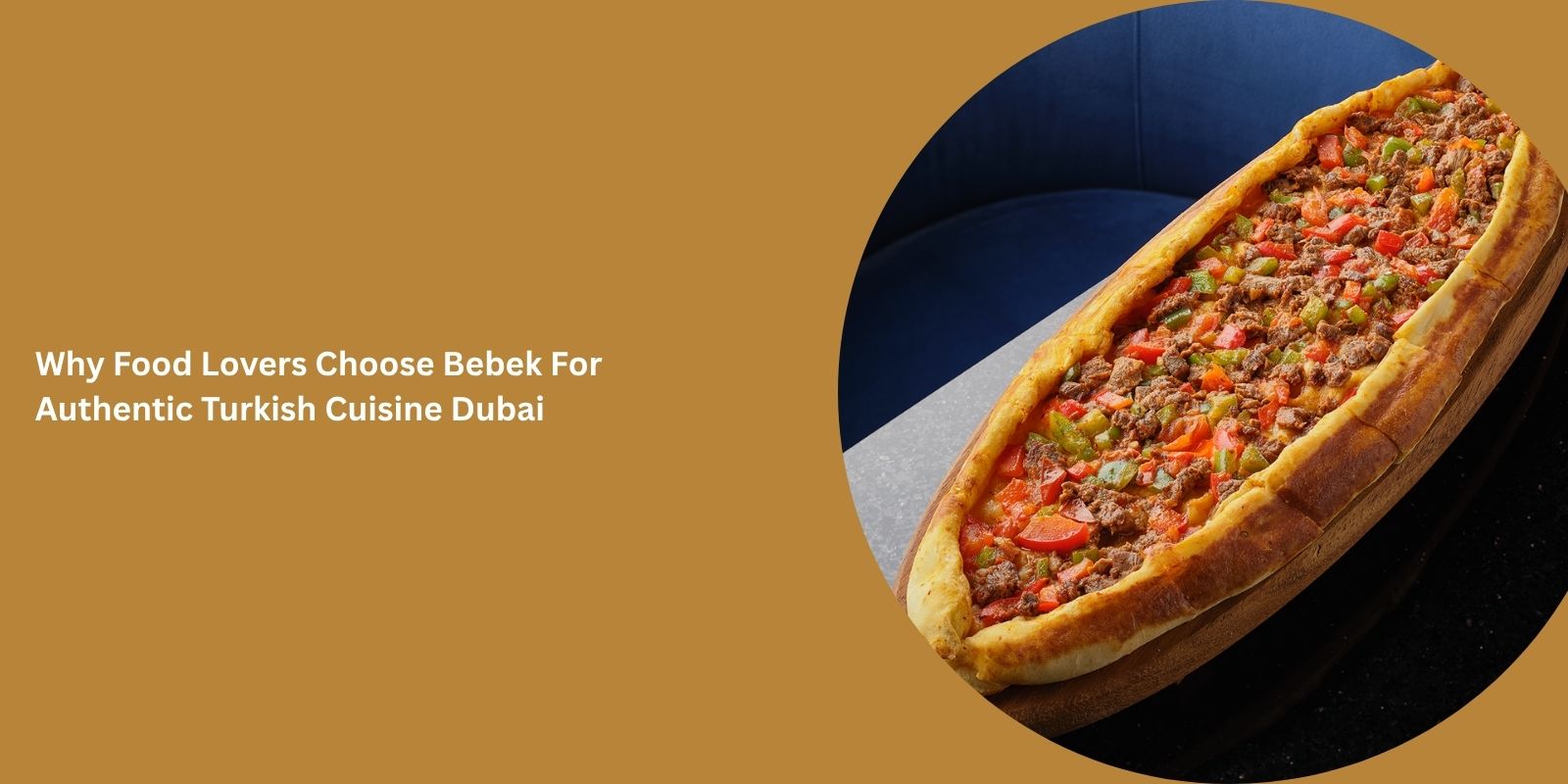
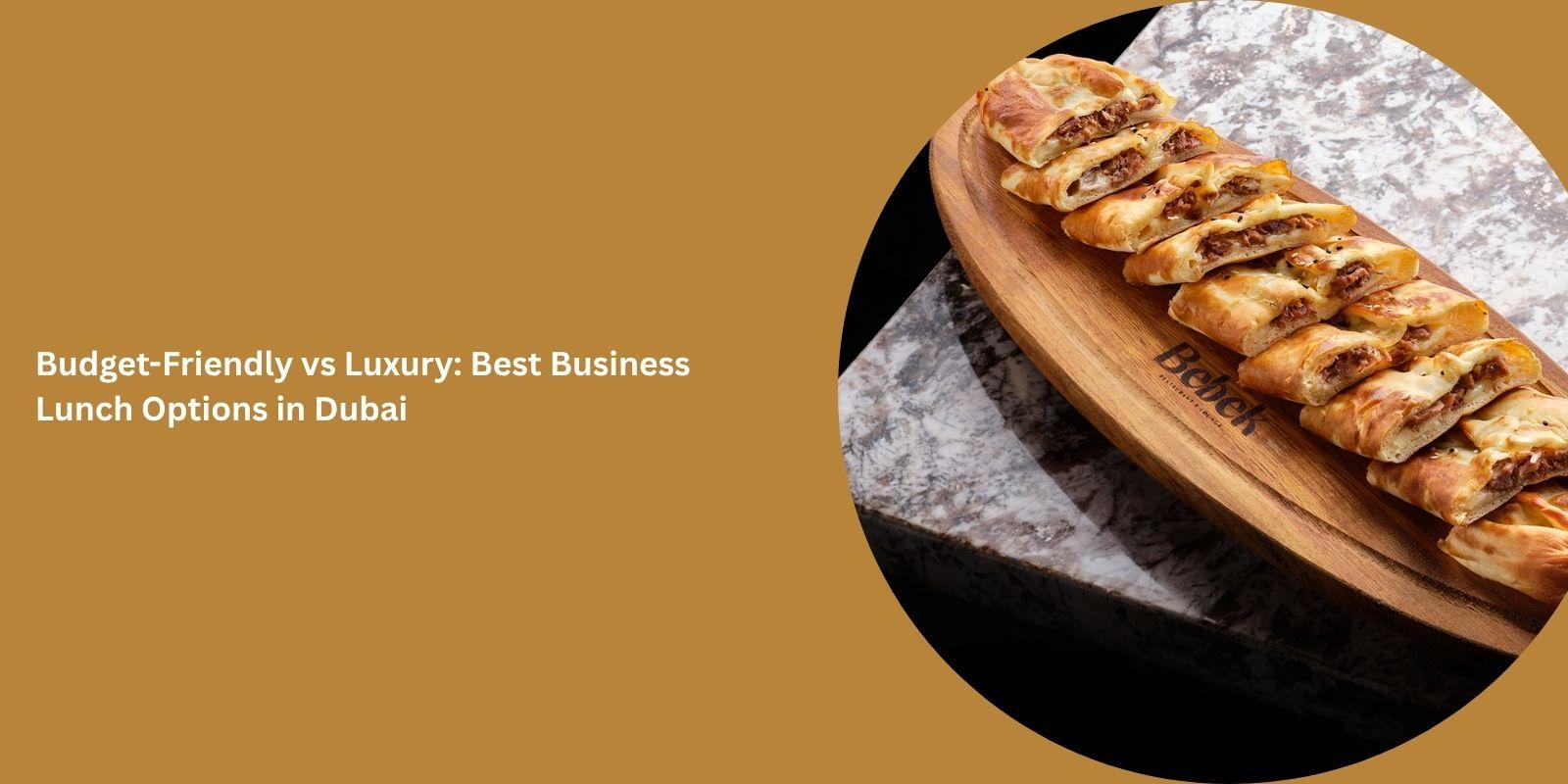
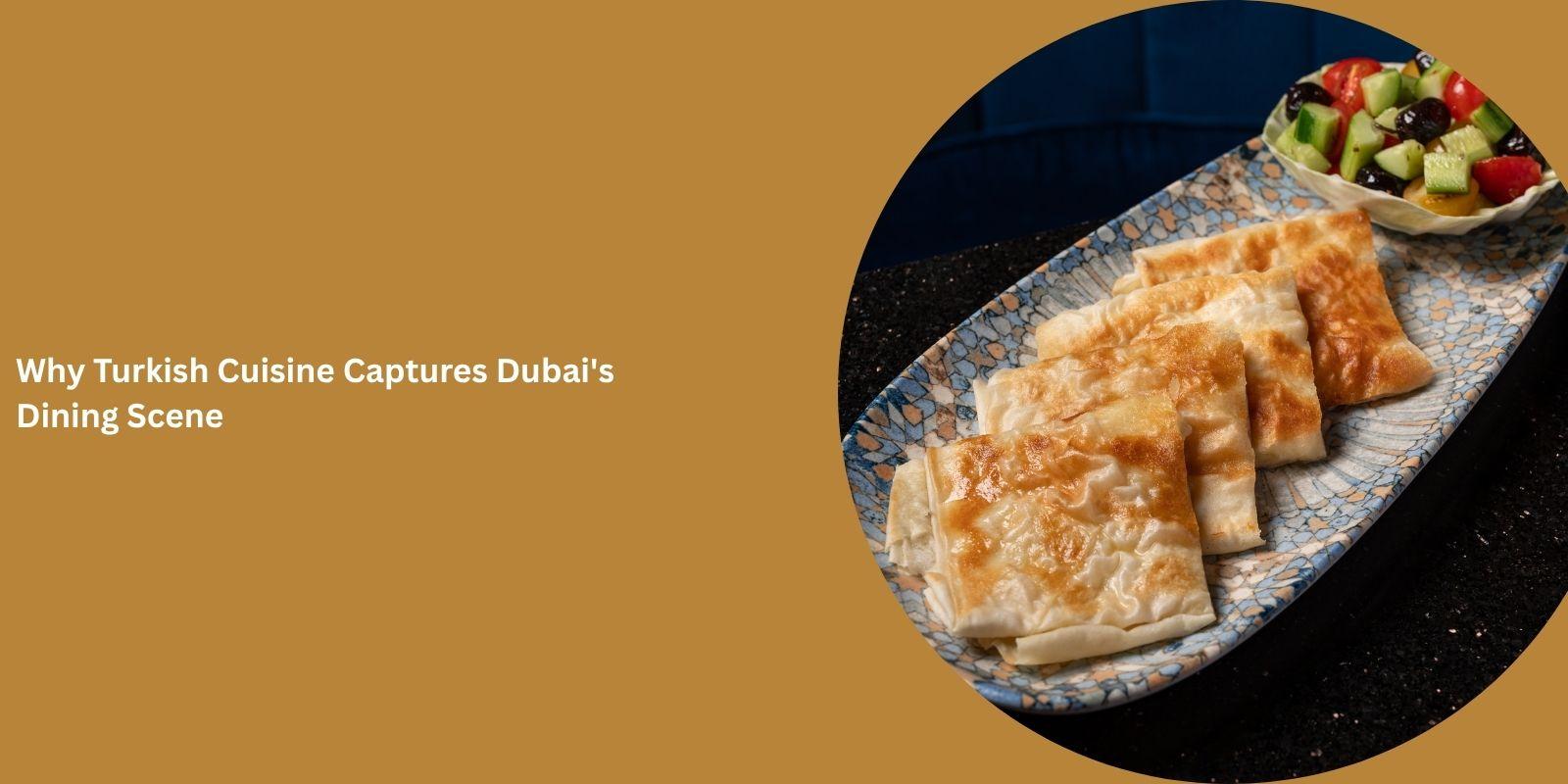
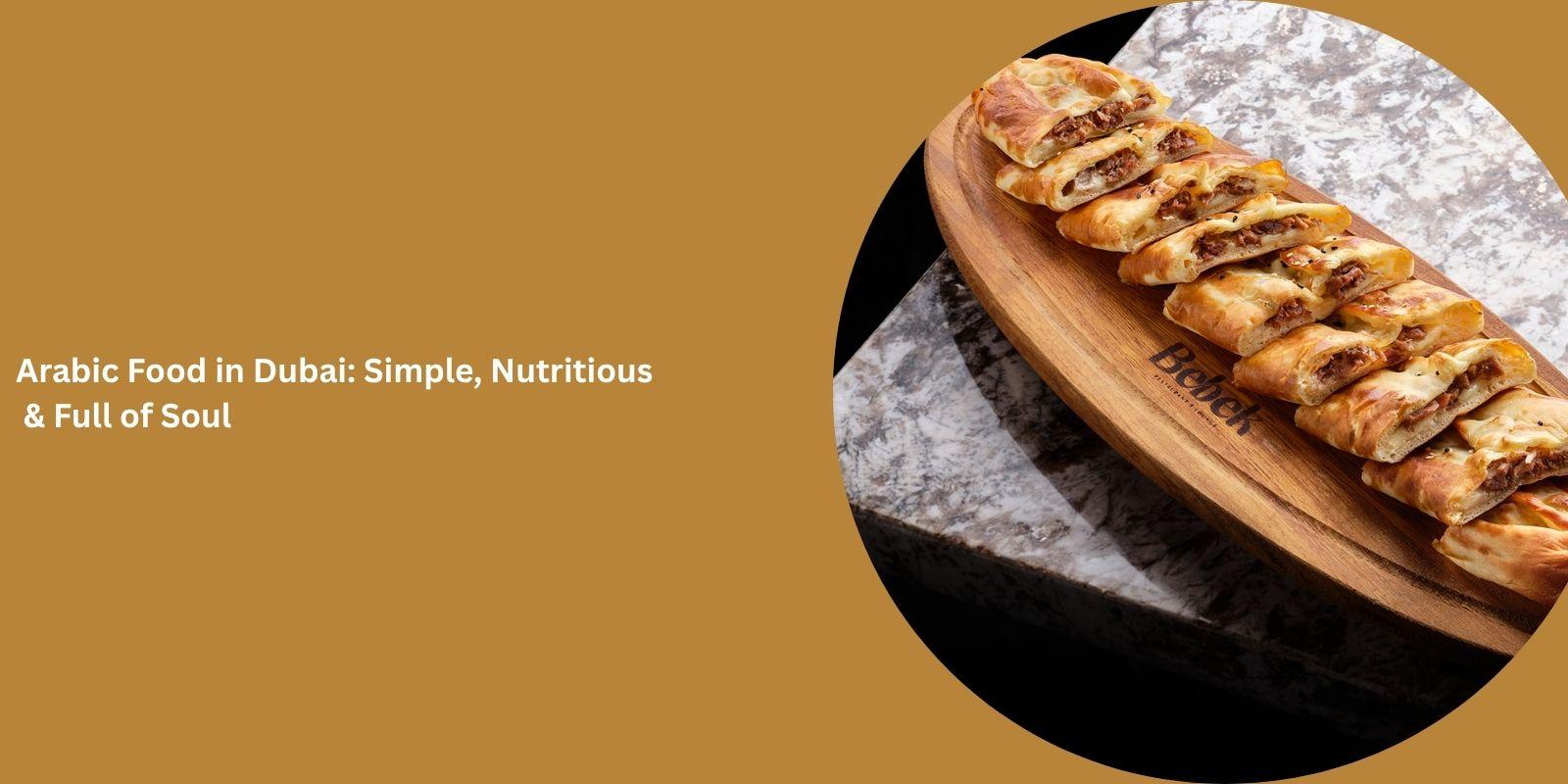
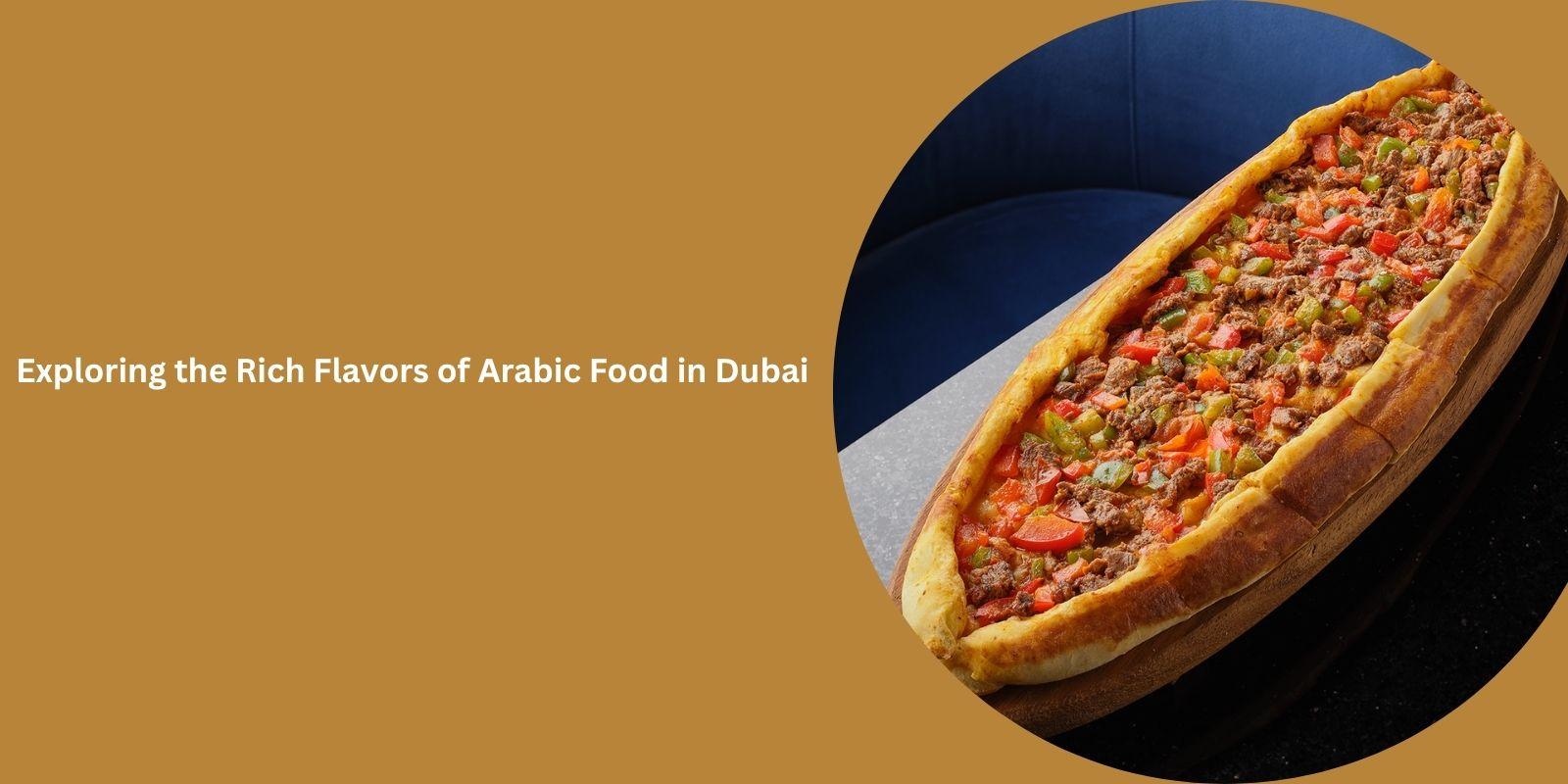
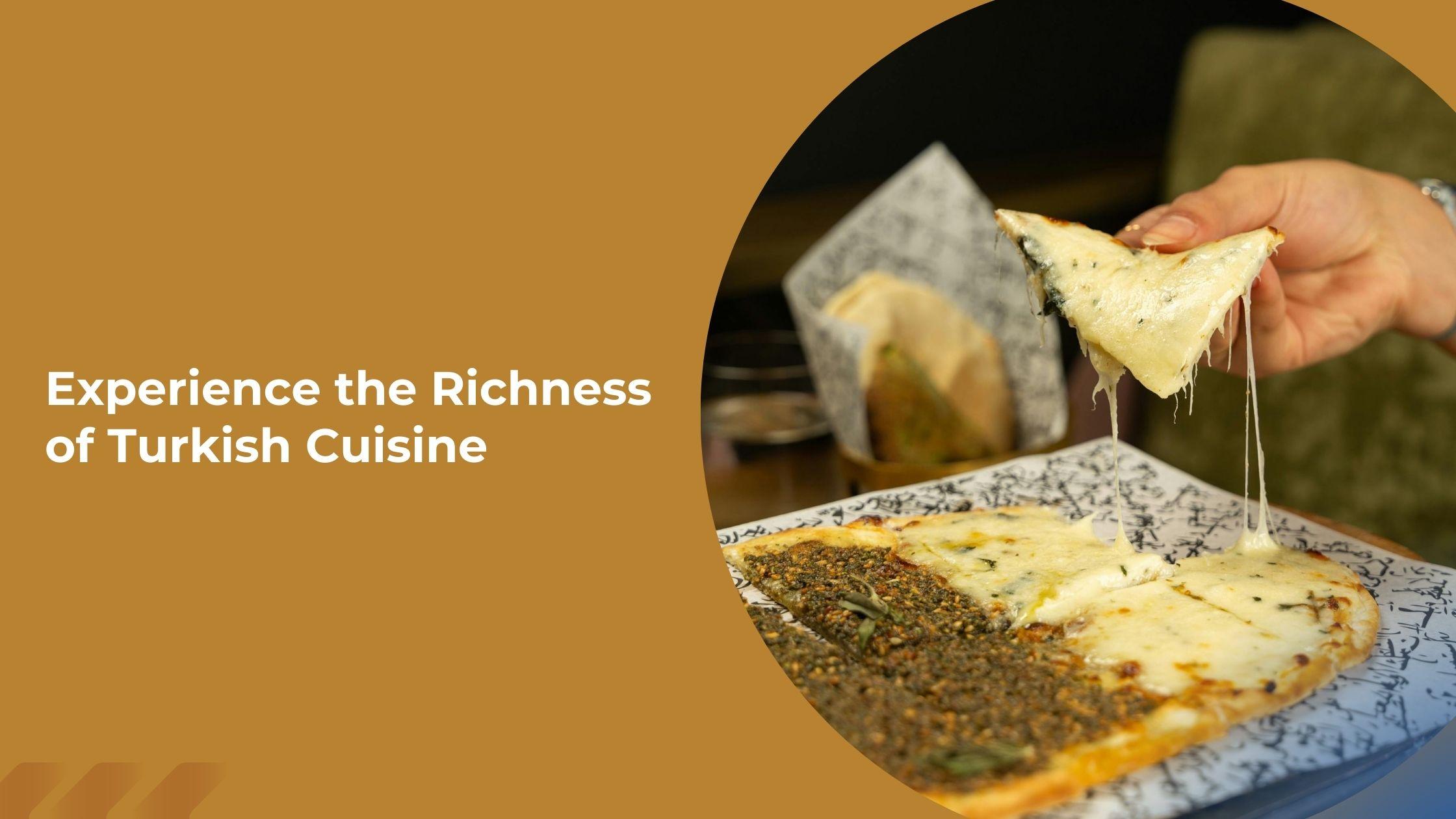
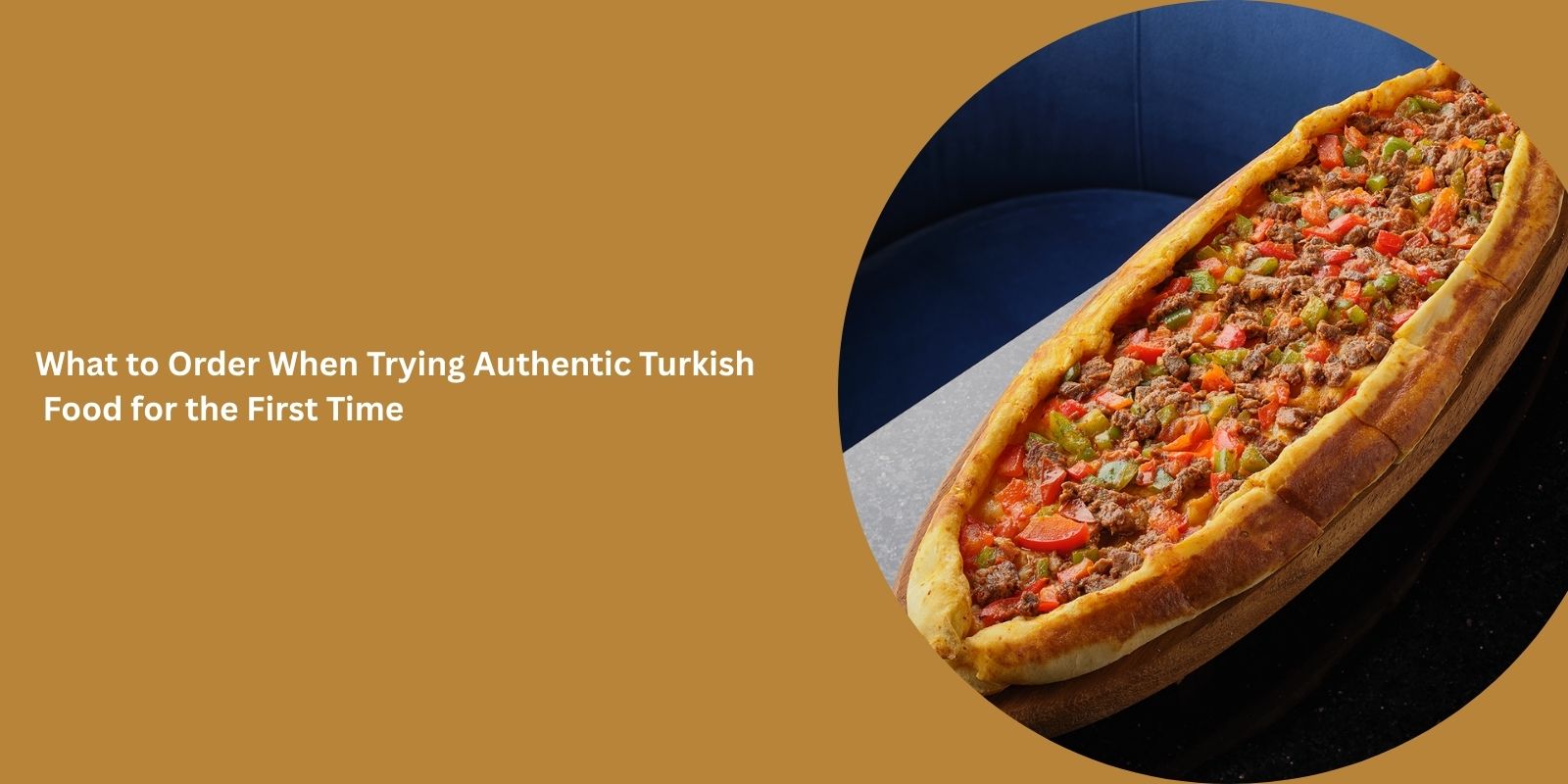
Pide is the other Turkish flatbread classic, and it deserves its own spot on the table, not a footnote next to the kebabs.
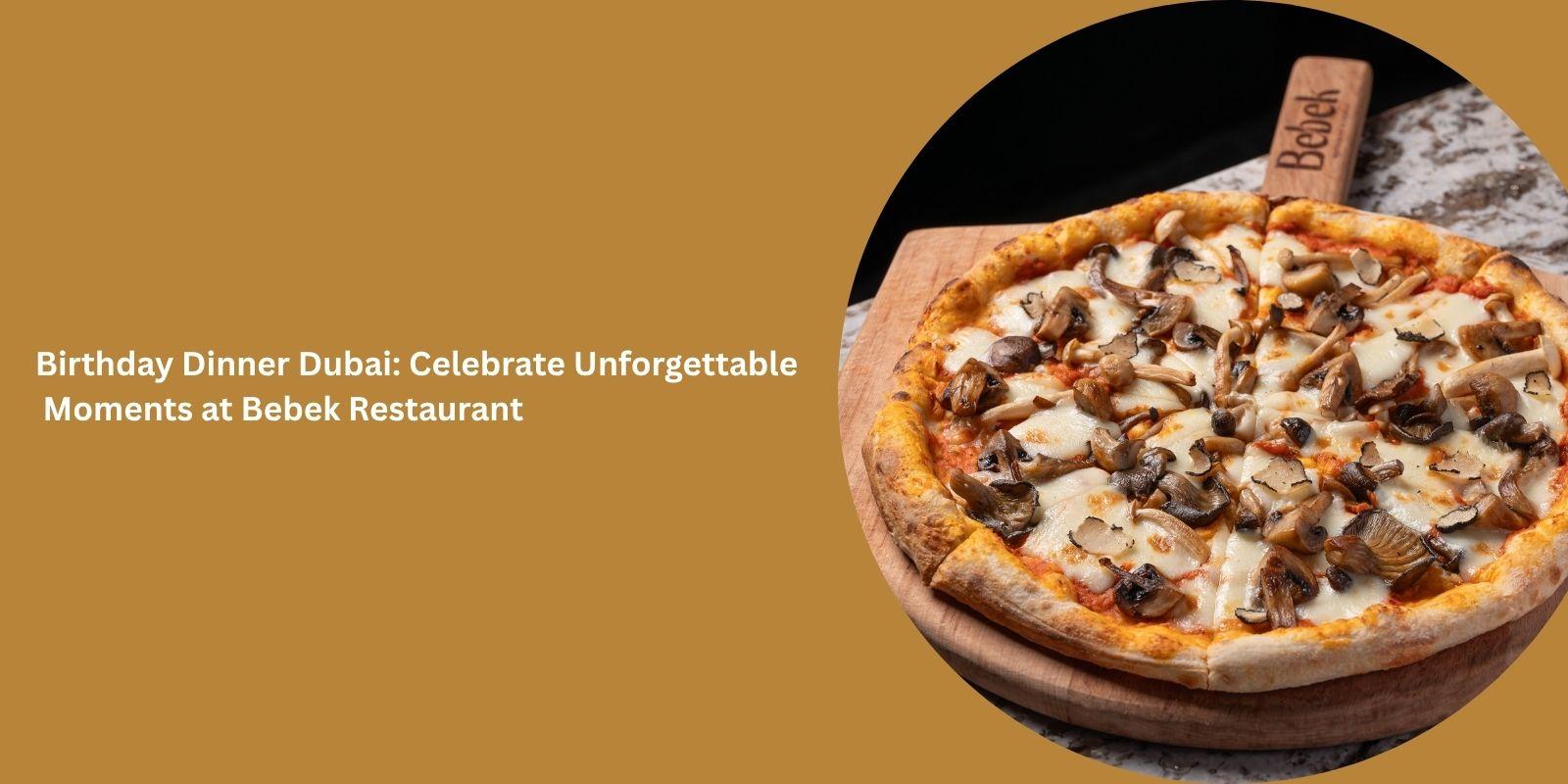
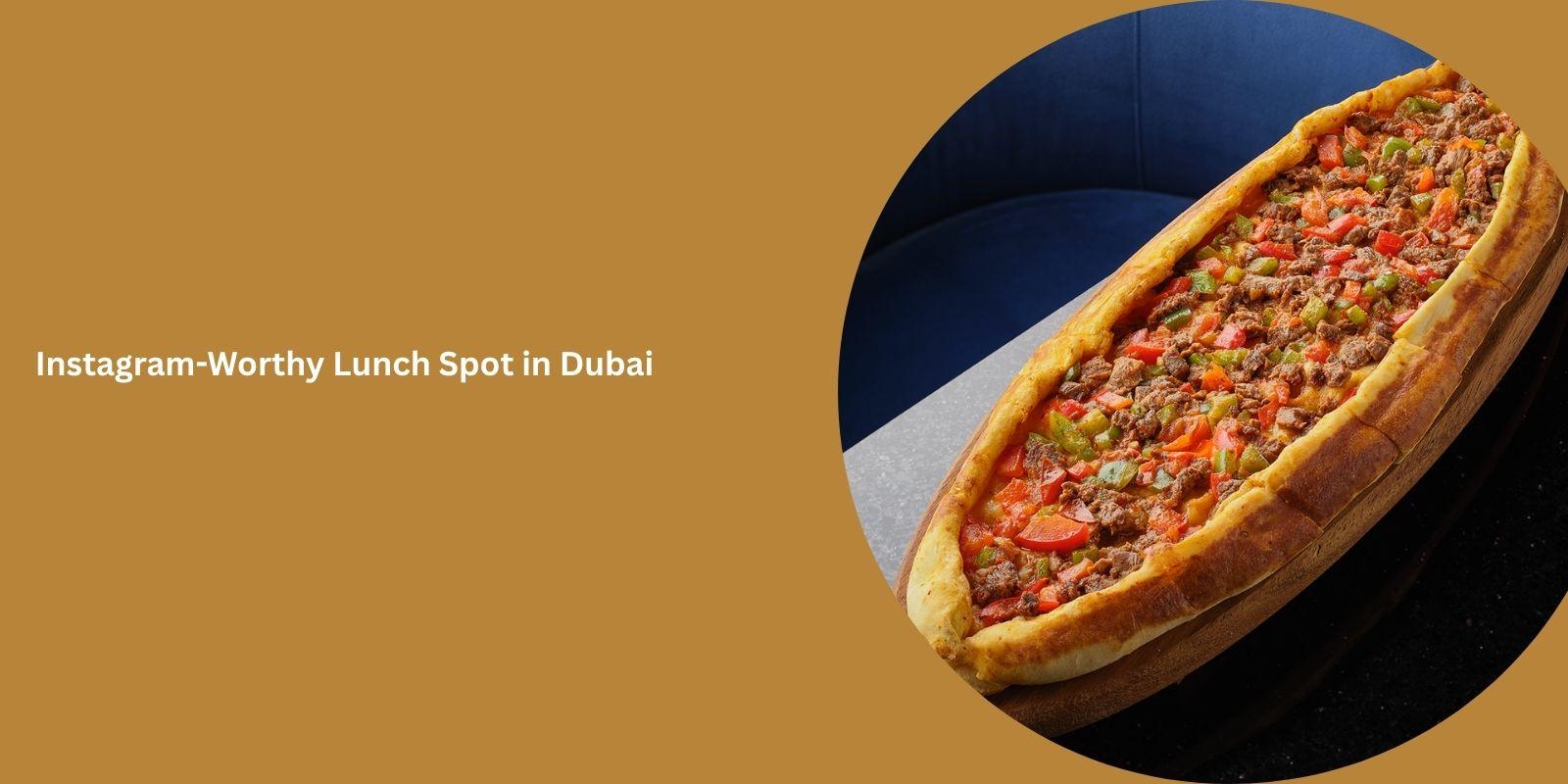
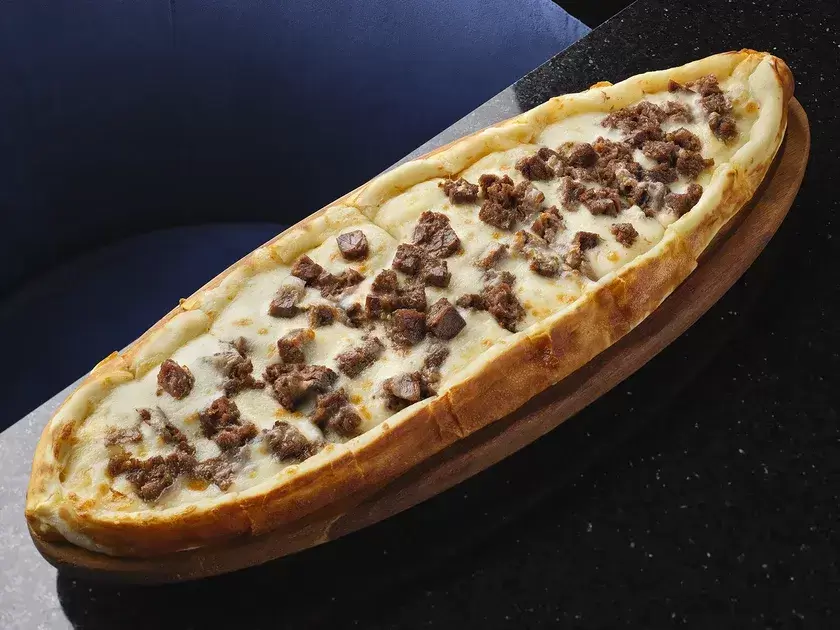
Picture a boat-shaped dough base loaded with toppings, minced meat, cheese, diced meat, egg, sucuk, or vegetables, depending on which one you order.
A few to look for:
- Kiymali pide: minced meat
- Kasarli pide: Turkish cheese
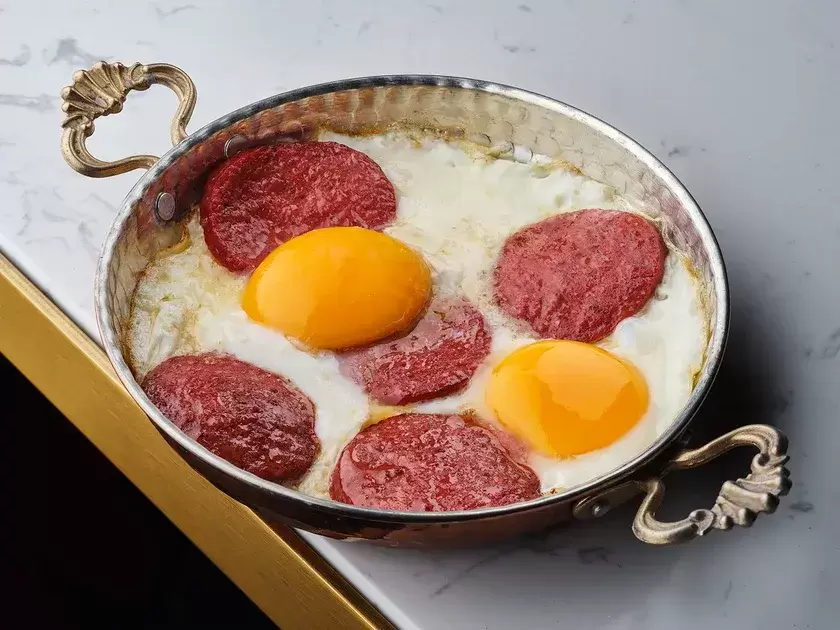
- Sucuklu pide: Turkish sausage
- Kusbasili pide: diced meat
Pide is built for sharing. If you're at the table with family or friends, order one down the middle, along with a couple of meze, and let everyone tear off a piece.
5. Balance It Out With a Salad
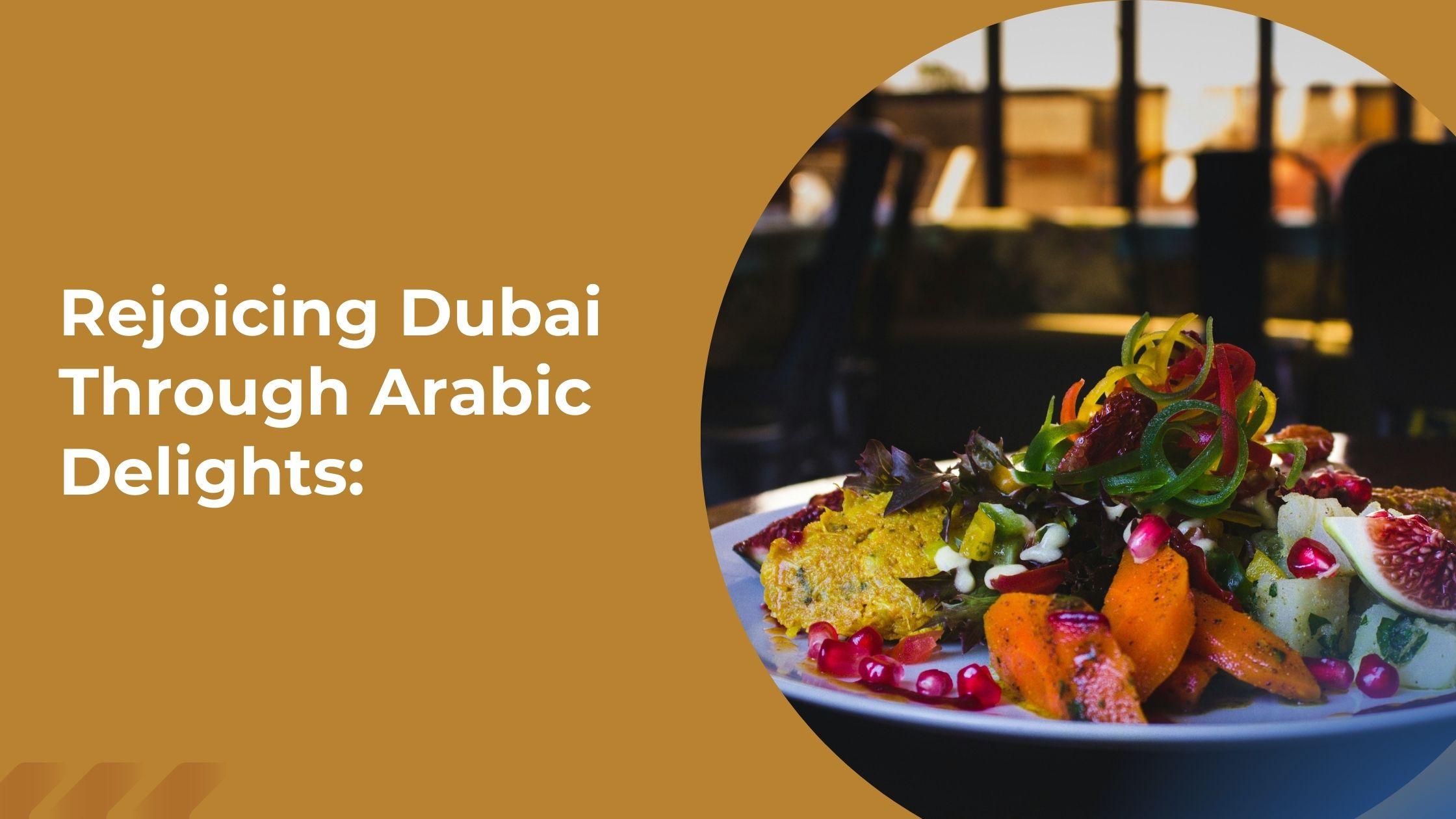
Turkish food isn't just meat and bread. You will see vegetables constantly, in dips, on the side, and grilled alongside the mains.
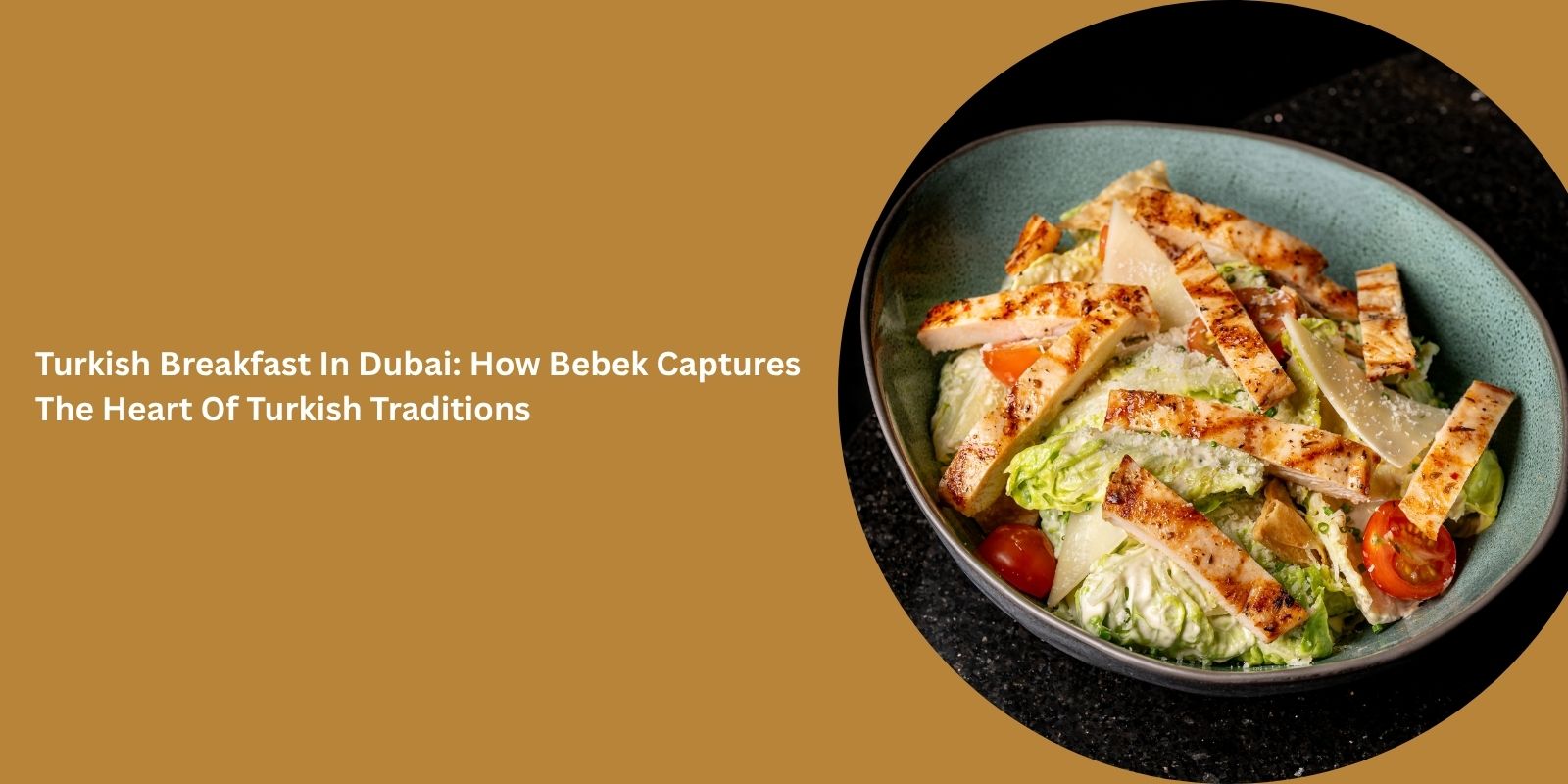
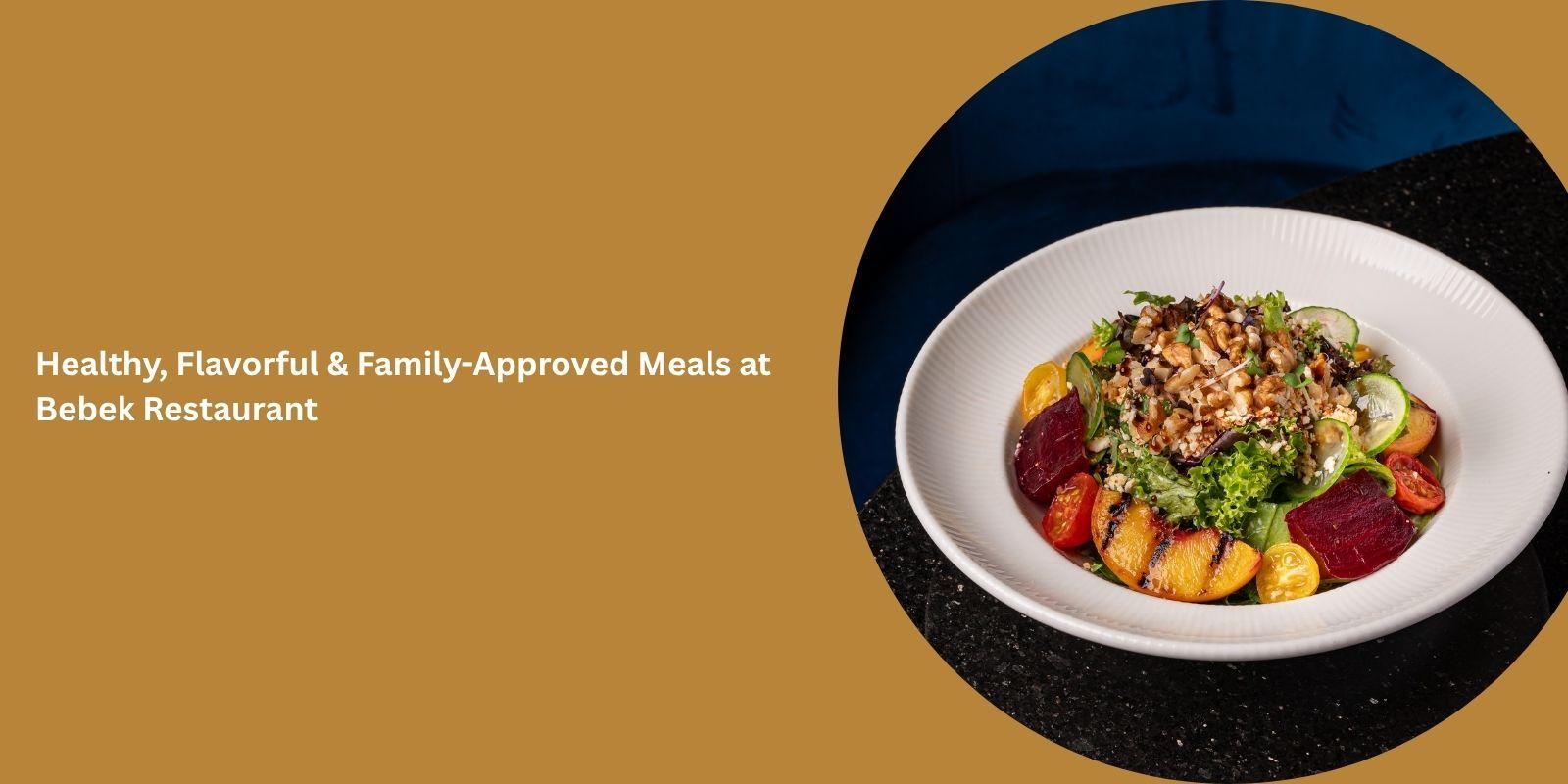
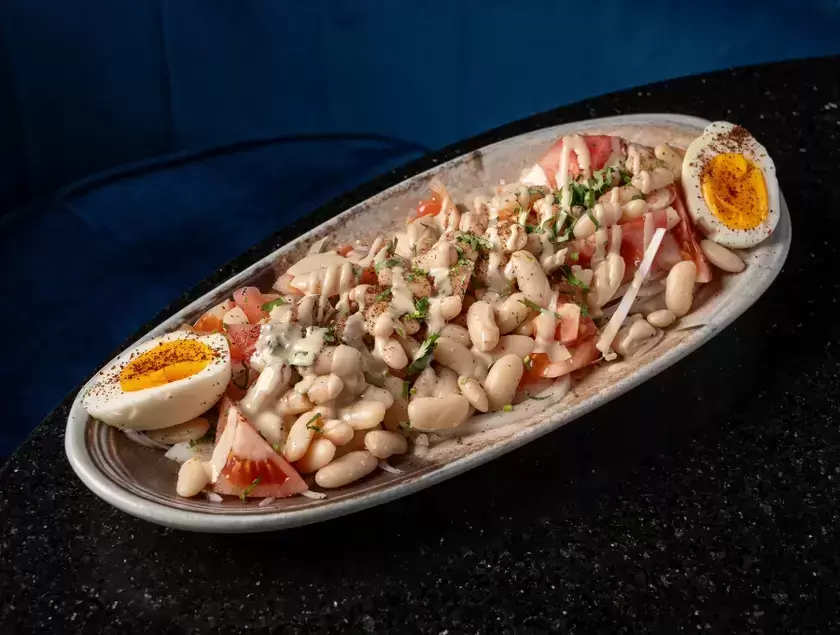
A coban salad (tomatoes, cucumbers, peppers, onions, herbs) is the simplest way to bring some acidity and crunch back into a meal. That's otherwise heavy on grilled meat, creamy dips, and bread. It cuts through everything else on the table.
Ready to explore authentic Turkish flavors? Visit Bebek Restaurant & Lounge and try Turkish meze, kebabs, and more in Jumeirah.
6. Leave Room for Dessert
Don't order so much food that dessert becomes an afterthought; it's not optional here.
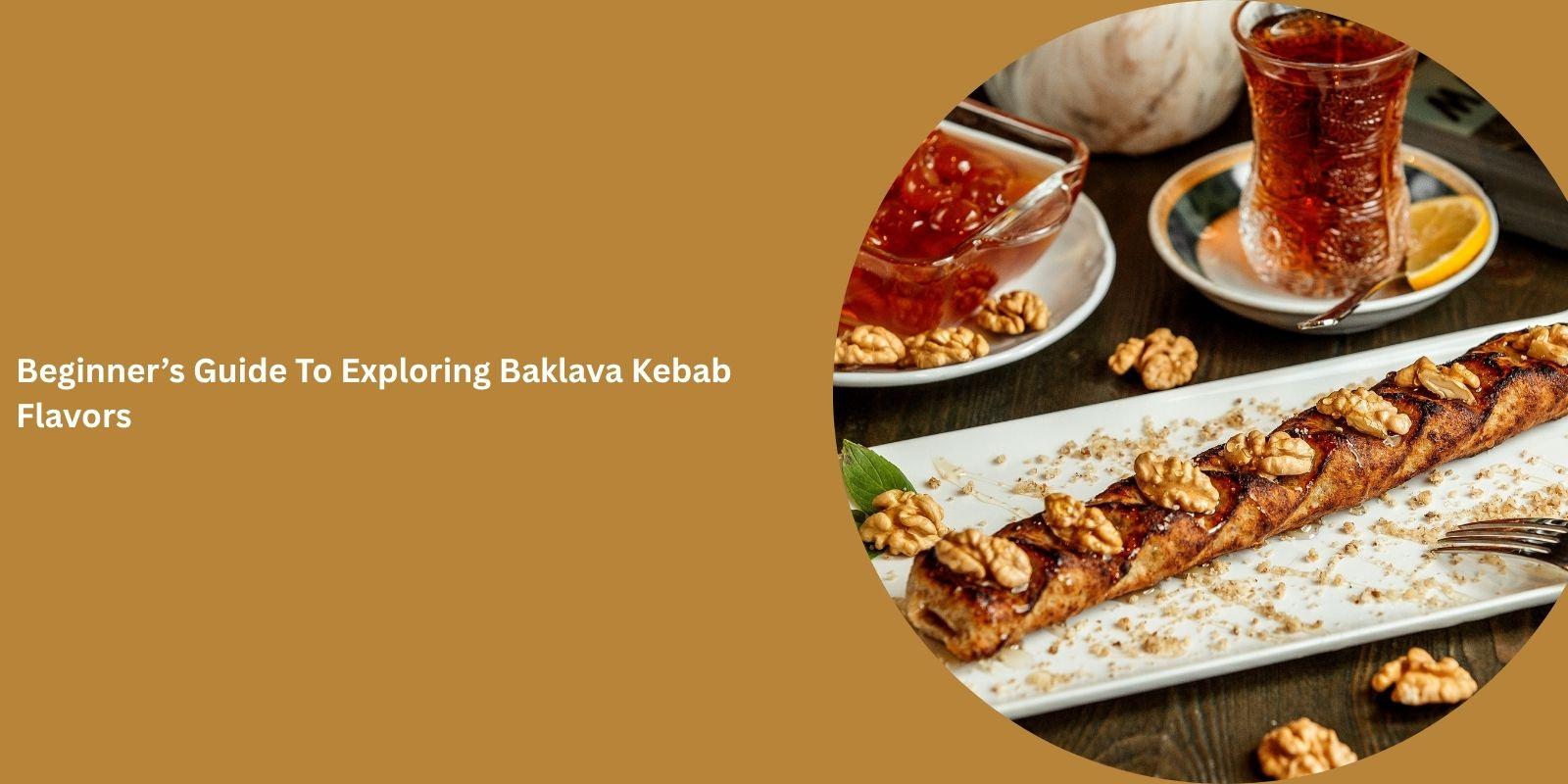
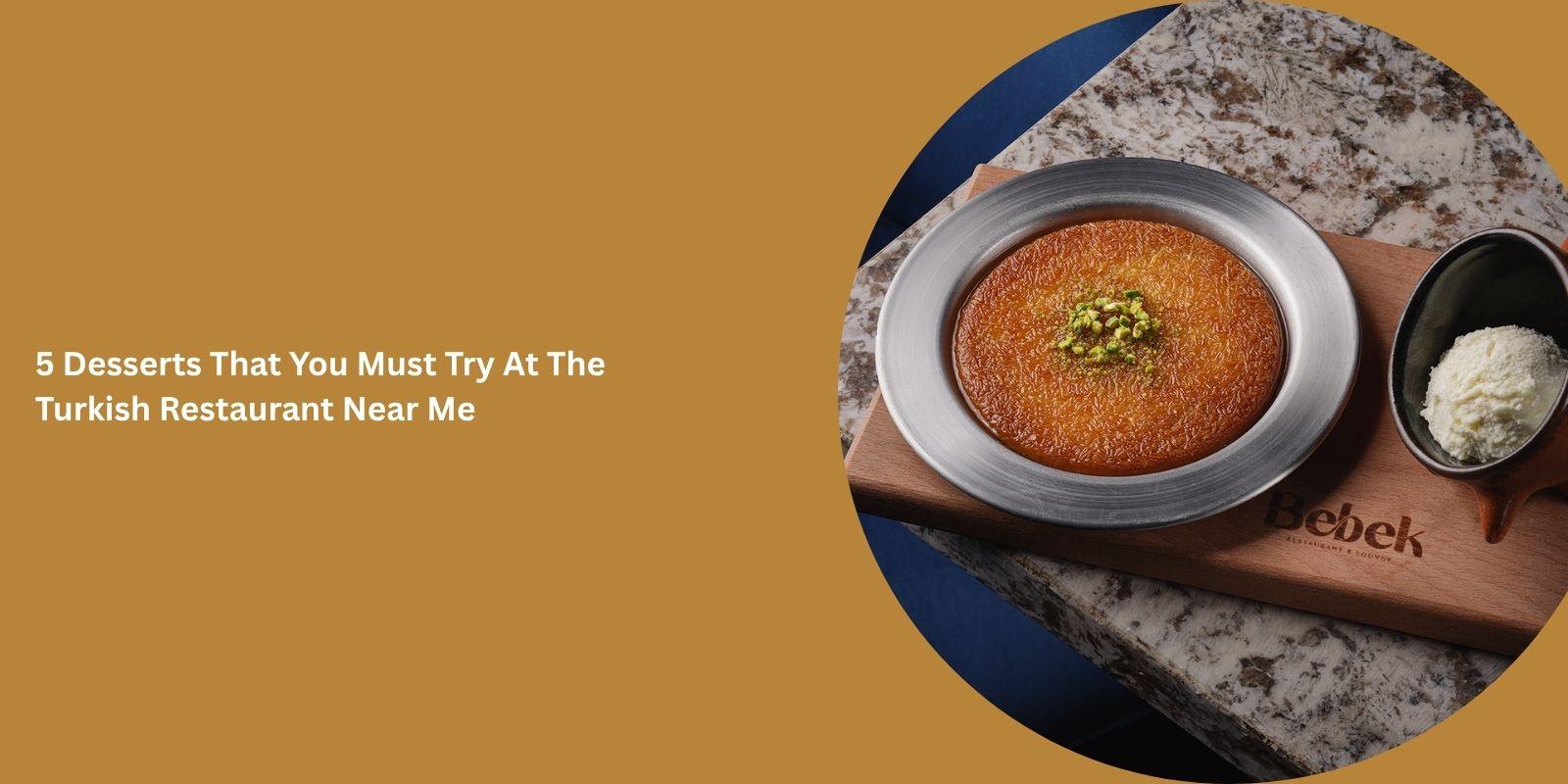
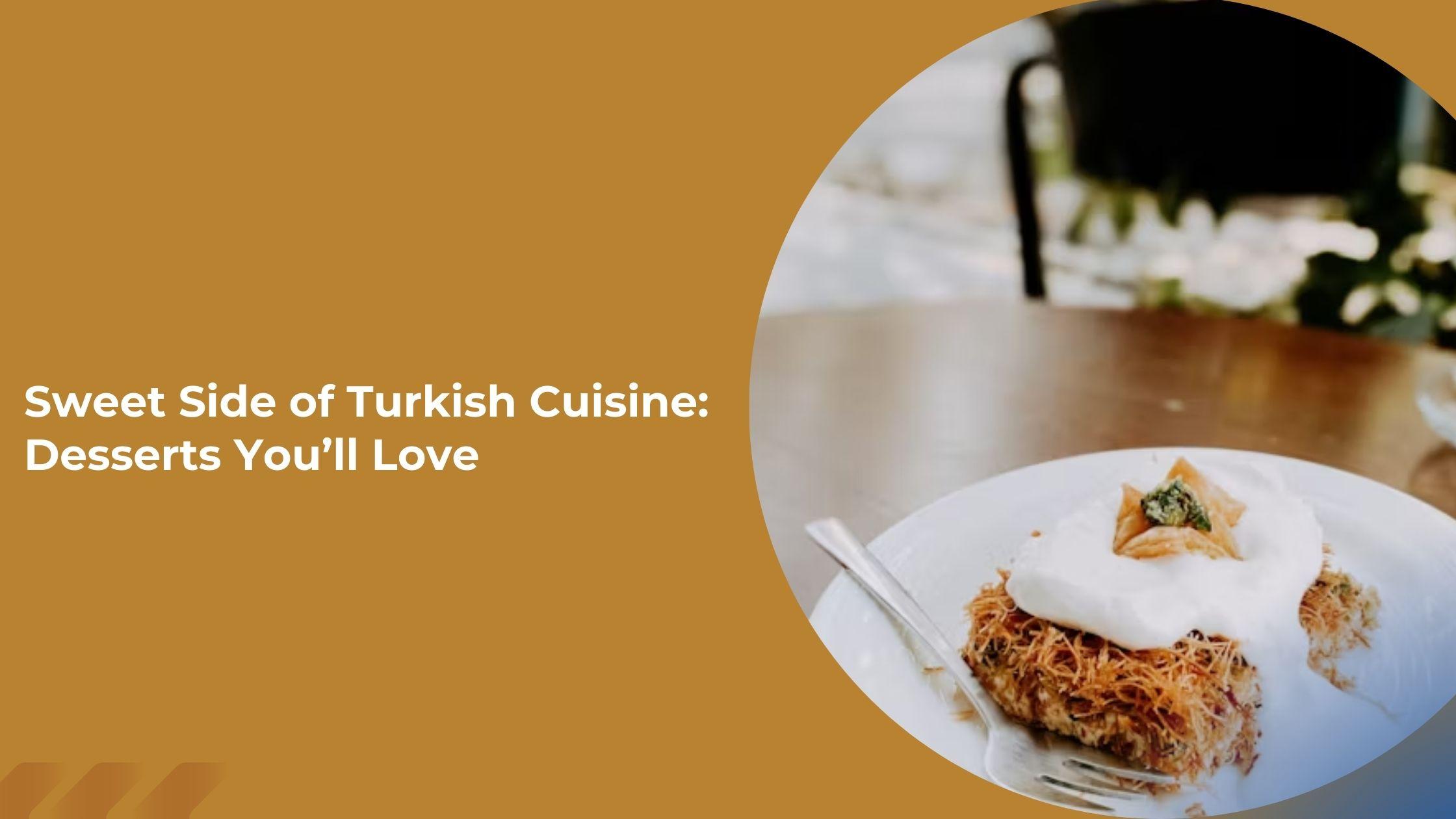
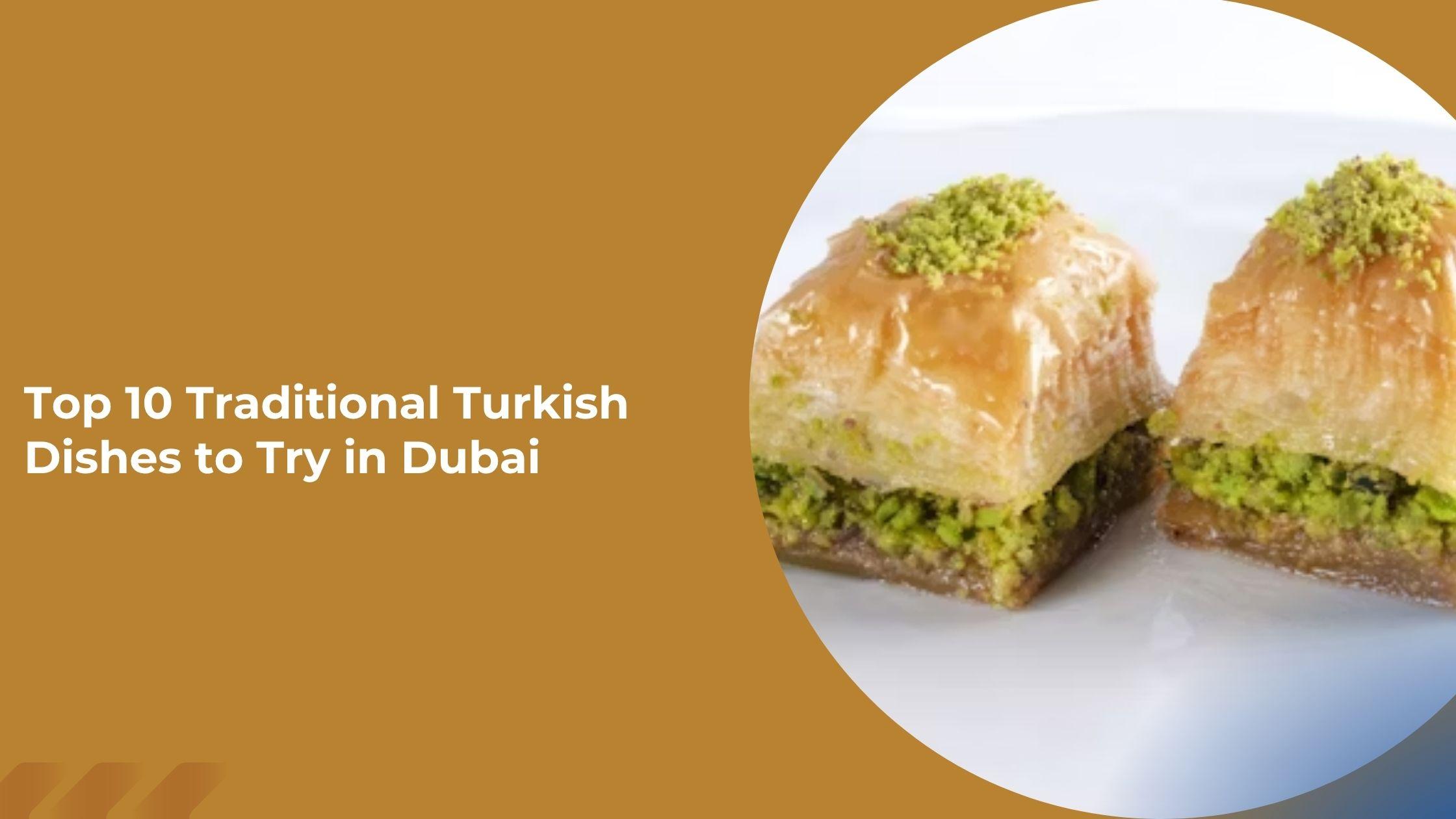
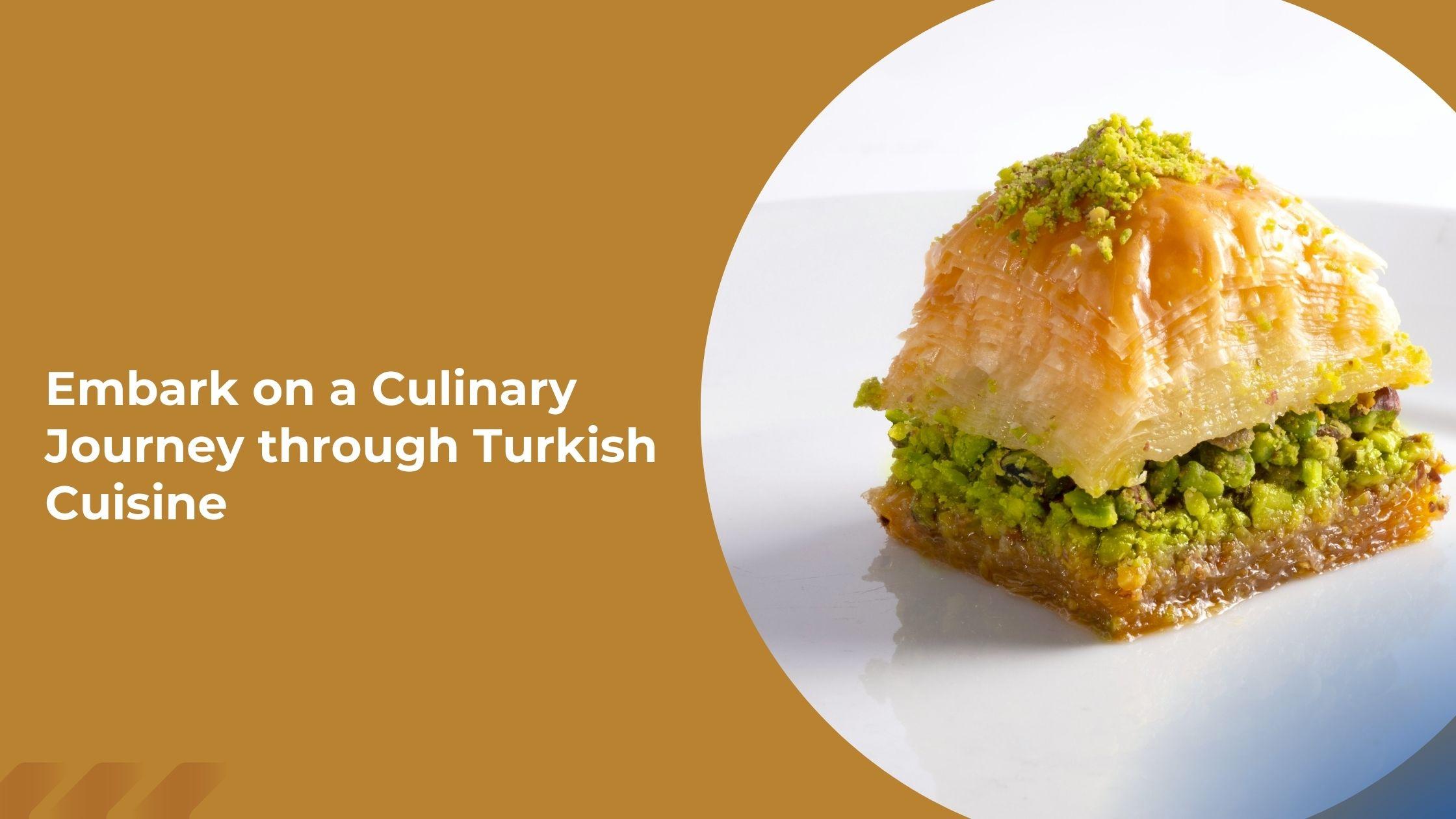
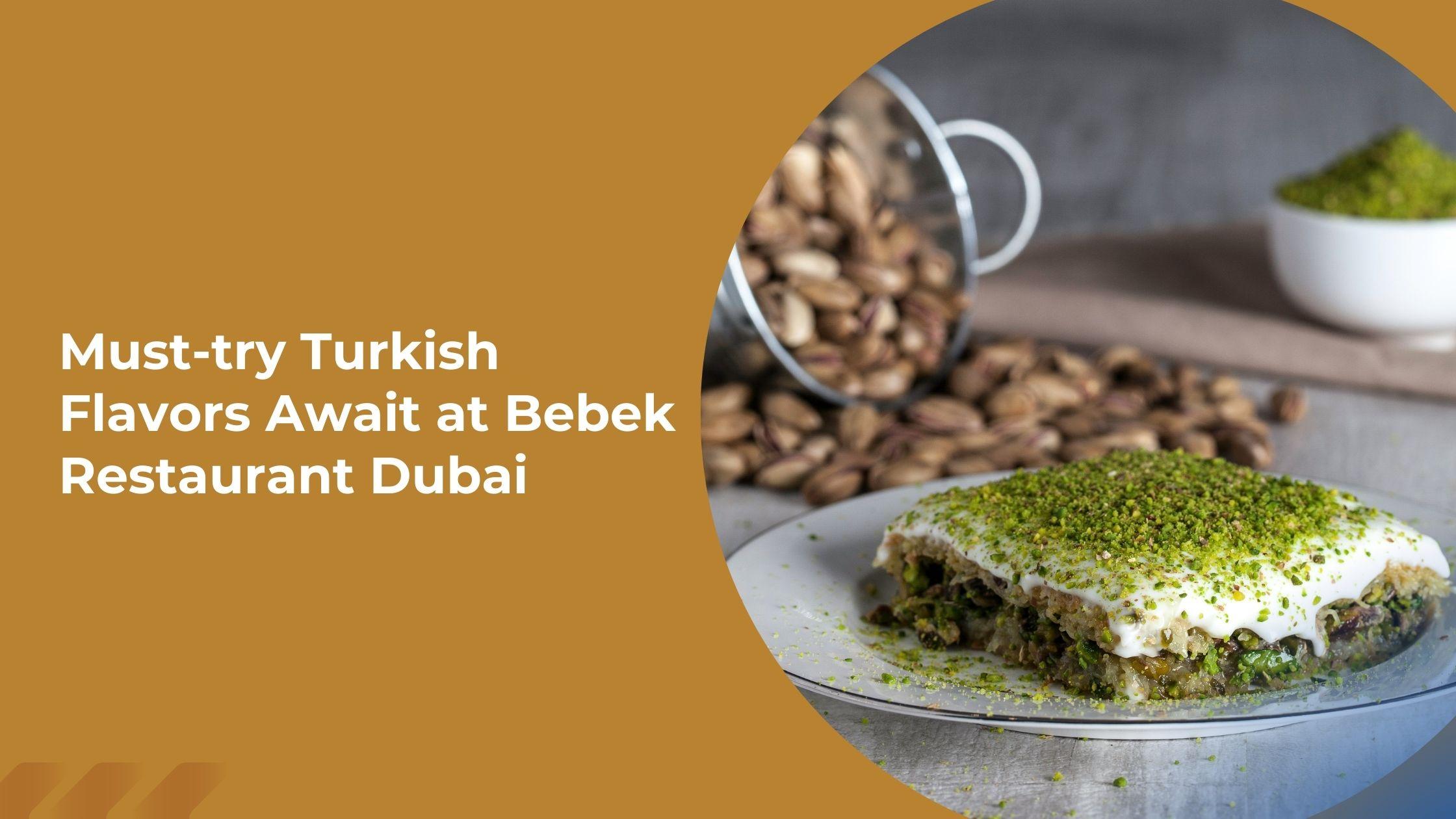
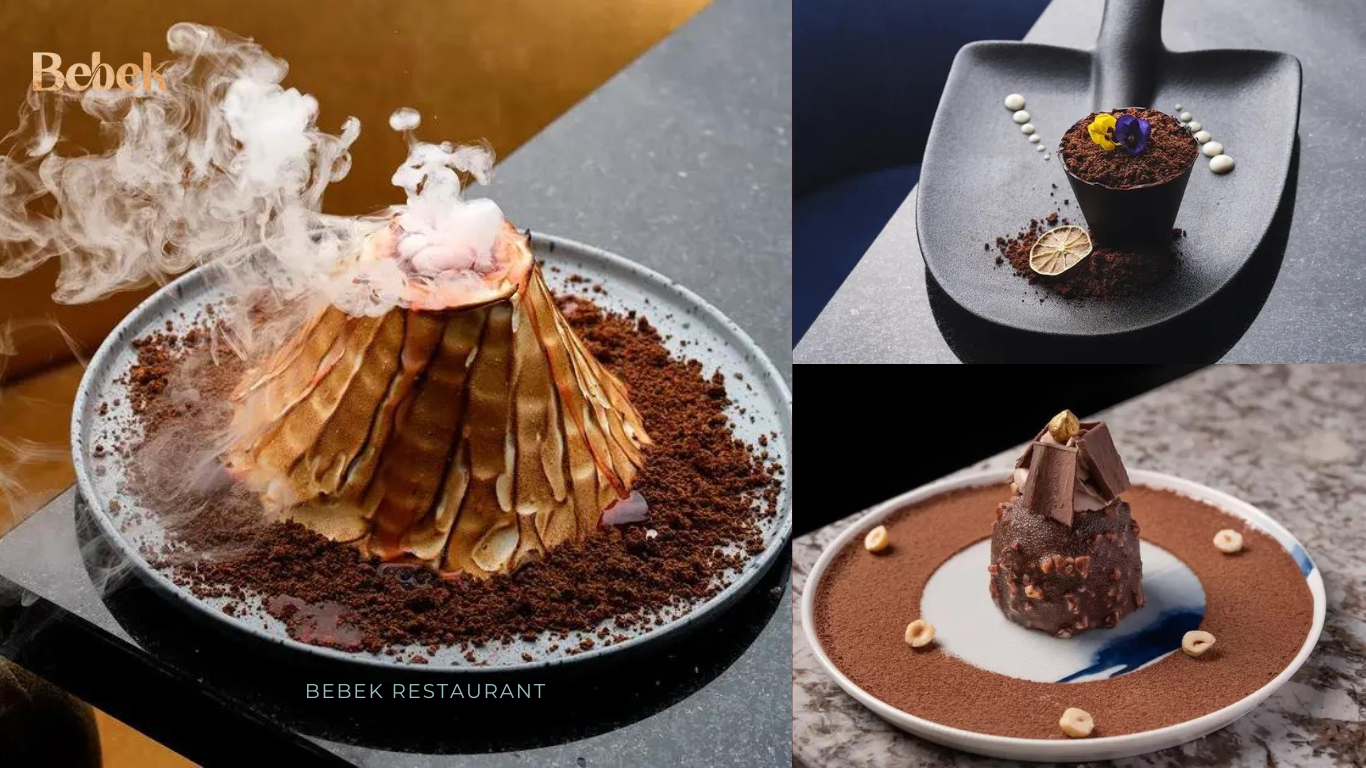
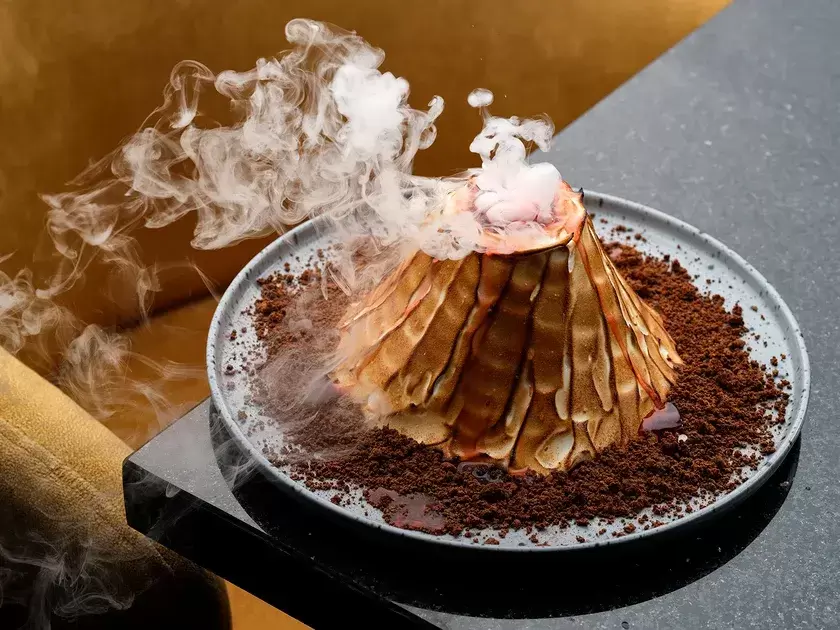
Baklava is the obvious choice: layers of pastry, nuts, and syrup. If you want something warmer and richer, kunefe is worth trying too, a cheese pastry soaked in syrup, served hot.
If you're already stuffed from the mains, split a dessert. That way, you still get to taste it without ordering a full portion nobody finishes.
7. End With Turkish Tea or Coffee
A Turkish meal doesn't really end until a hot drink shows up.
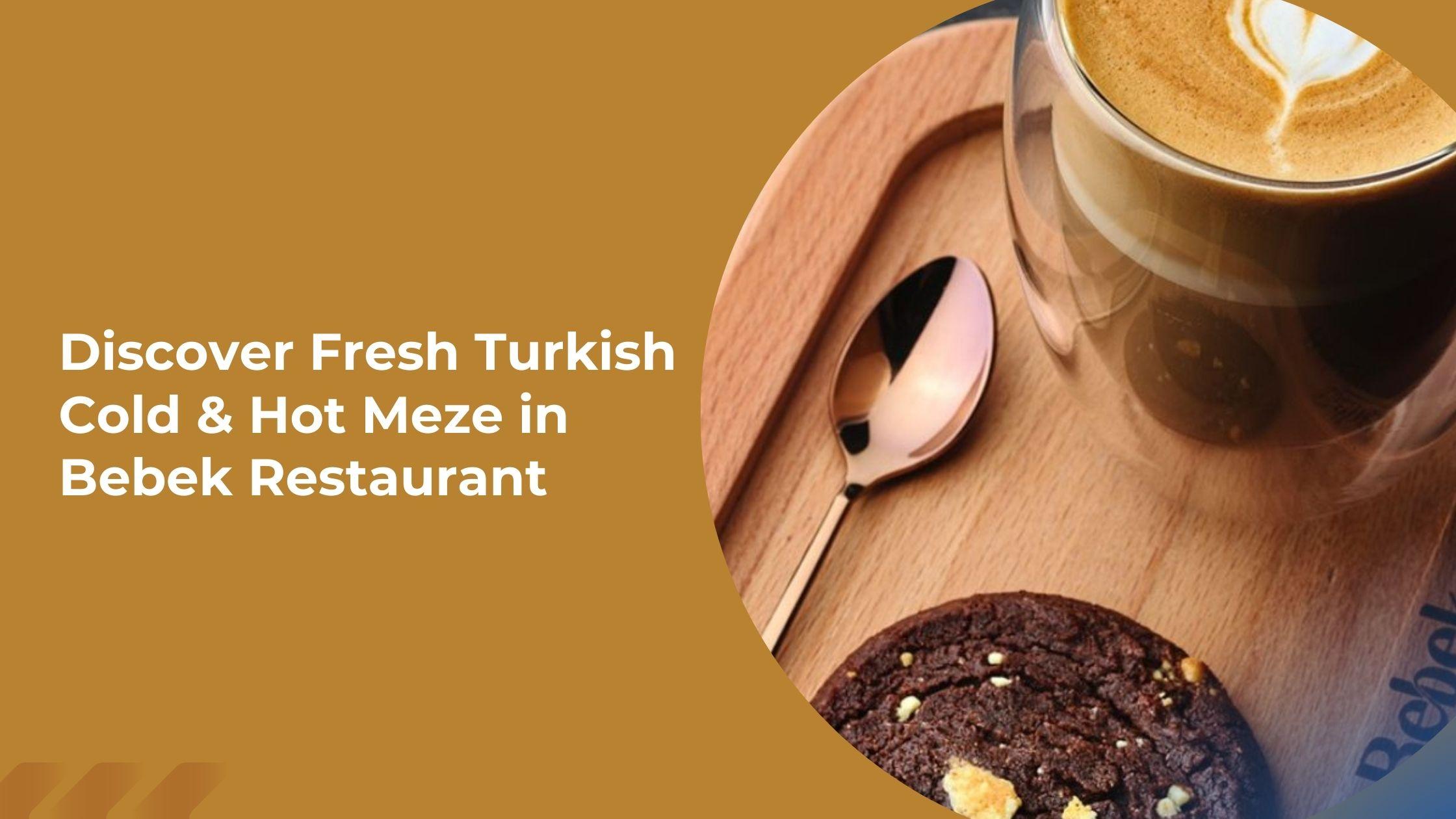
Turkish tea comes strong, in a small tulip-shaped glass, and it's the standard way to close out a meal. Turkish coffee is the other option, finely ground, unfiltered, and served with the grounds settled at the bottom of the cup. (Don't drink that last sip)
Either one is a fitting way to wrap up a first Turkish meal.
Key Takeaways
- Start with meze to sample a range of Turkish flavors
- Order a real kebab, Adana, Urfa, Sis, or Iskender, and know which is which
- Add Pide or Lahmacun for the classic Turkish breads
- Balance the table with a salad or vegetable dish
- Finish with baklava, kunefe, and a glass of Turkish tea
Your first Turkish meal doesn't need a strategy. Pick a few classics, share them, and taste your way through the menu instead of playing it safe with one familiar dish.
If you're in Dubai, Bebek Restaurant and Lounge is an easy way to run through this whole list in one sitting, in a relaxed Jumeirah dining room.
FAQs About Authentic Turkish Food
What should I order when trying authentic Turkish food for the first time?
A: Two or three meze, warm Turkish bread, and a grilled dish. Adana, Urfa, Sis, or Iskender kebab. Add Pide or Lahmacun, and finish with baklava.
Which Turkish foods are the best for beginners?
When there are a number of foods that could be the right option to start your day, you can try Chicken Sis, Pide, Lahmacun, Hummus, and the milk-based yogurt. Don’t forget to try Adana kebab if you like spicy food.
What should I try besides kebabs?
A: Meze, lahmacun, pide, grilled vegetables, coban salad, baklava, and kunafe. Together, they show how much range Turkish cooking actually has.
Is Turkish food spicy?
A: Not by default. Adana kebab brings the heat, but most meze, salads, breads, and grilled dishes are mild. Tell your server your spice tolerance, and they'll steer you right.